Sale Price:
$22.00
Original Price:
$39.00
⚠️ TREES ARRIVE LATE JANUARY (Ignore Square Checkout fulfillment times)
Olive trees are a statement piece in any desert front yard. Olives are Mediterranean, thriving in full sun, high heat, low humidity, and lean, fast-draining soils. Most tap out around zone 8 — but some can stretch into zone 7 with protection. They require minimal water once established, though deep monthly watering improves fruit size and reduces alternate bearing. Young trees benefit from protection against extreme reflected heat and strong winds, but mature olives are among the toughest landscape + orchard trees available. Prune lightly after harvest to maintain shape and airflow; avoid heavy summer pruning. Excellent choices for edible landscaping, oil production, and low-maintenance shade.
Variety notes:
Arbequina – Compact growth, early bearing, and exceptionally high-quality oil with a mild, buttery profile. Also produces good table olives. Very heat-tolerant and widely planted in the Southwest. Also the most cold-tolerant commonly grown — hardy to ~10ºF. Best AZ zones: 8–10, 7 possible with overwintering support.
Arbosana – Naturally dwarfing and highly productive, with a robust, aromatic oil profile. Slightly more compact than Arbequina and excellent for high-density plantings. Best AZ zones: 8–10, 7 with lots of protection.
Mission – Classic California variety with larger fruit, dual-purpose for curing and oil, and strong heat tolerance. Slightly less cold-hardy than Arbequina but excellent in the low desert. Best AZ zones: 8–10.
Koroneiki – Small-fruited, high-oil Greek variety prized for rich, peppery flavor. Strong heat tolerance and better cold performance than many Mediterranean types; can survive brief dips into the low teens. Best AZ zones: 8-10
⚠️ TREES ARRIVE LATE JANUARY (Ignore Square Checkout fulfillment times)
Olive trees are a statement piece in any desert front yard. Olives are Mediterranean, thriving in full sun, high heat, low humidity, and lean, fast-draining soils. Most tap out around zone 8 — but some can stretch into zone 7 with protection. They require minimal water once established, though deep monthly watering improves fruit size and reduces alternate bearing. Young trees benefit from protection against extreme reflected heat and strong winds, but mature olives are among the toughest landscape + orchard trees available. Prune lightly after harvest to maintain shape and airflow; avoid heavy summer pruning. Excellent choices for edible landscaping, oil production, and low-maintenance shade.
Variety notes:
Arbequina – Compact growth, early bearing, and exceptionally high-quality oil with a mild, buttery profile. Also produces good table olives. Very heat-tolerant and widely planted in the Southwest. Also the most cold-tolerant commonly grown — hardy to ~10ºF. Best AZ zones: 8–10, 7 possible with overwintering support.
Arbosana – Naturally dwarfing and highly productive, with a robust, aromatic oil profile. Slightly more compact than Arbequina and excellent for high-density plantings. Best AZ zones: 8–10, 7 with lots of protection.
Mission – Classic California variety with larger fruit, dual-purpose for curing and oil, and strong heat tolerance. Slightly less cold-hardy than Arbequina but excellent in the low desert. Best AZ zones: 8–10.
Koroneiki – Small-fruited, high-oil Greek variety prized for rich, peppery flavor. Strong heat tolerance and better cold performance than many Mediterranean types; can survive brief dips into the low teens. Best AZ zones: 8-10

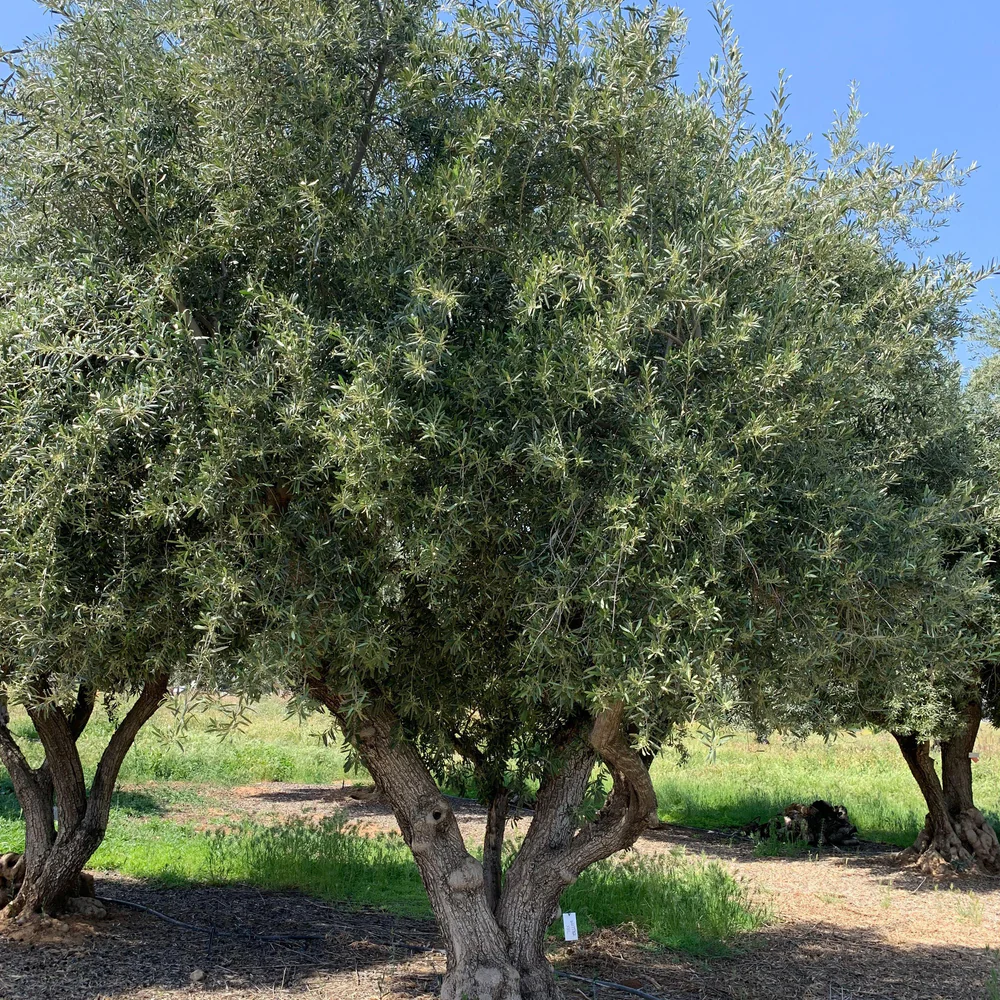 Image 1 of 7
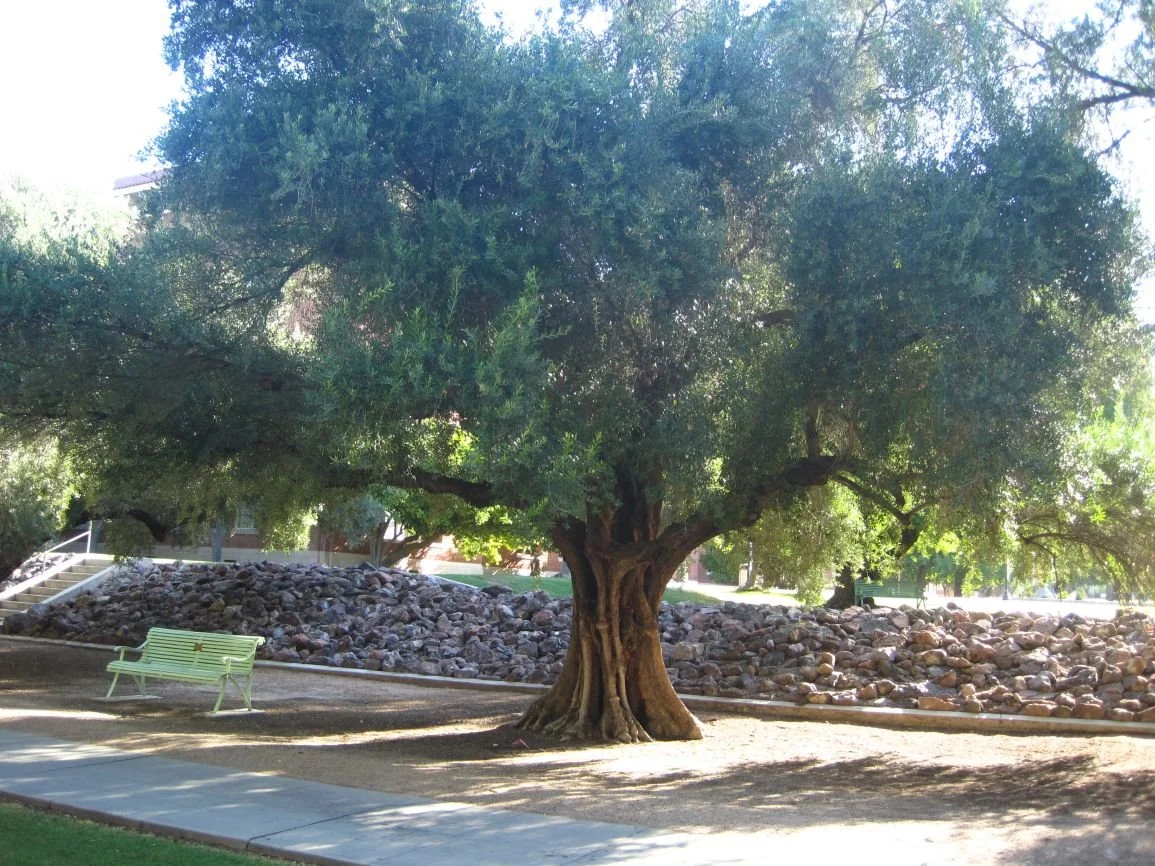 Image 2 of 7
 Image 3 of 7
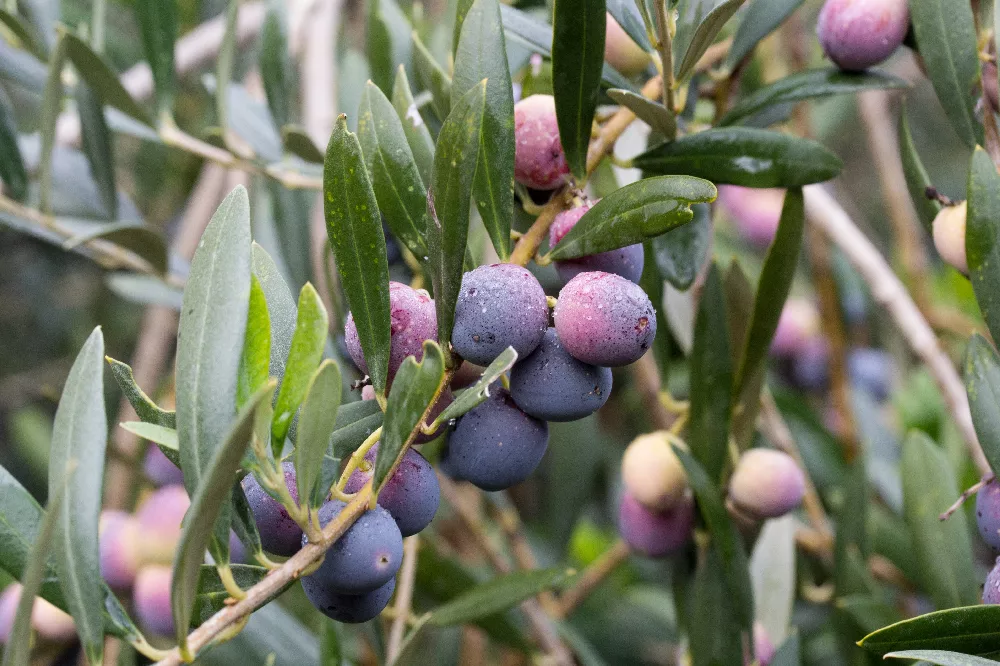 Image 4 of 7
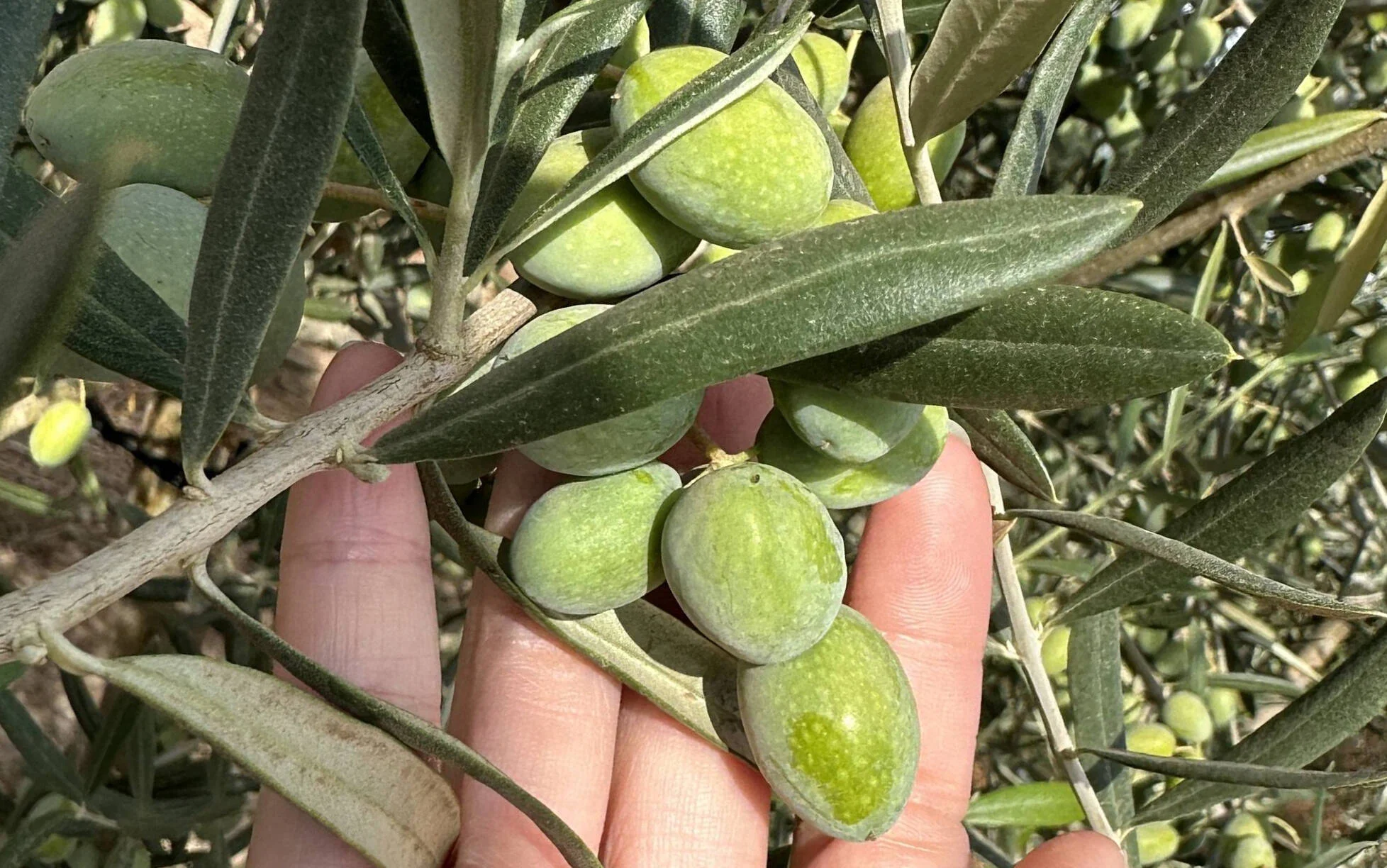 Image 5 of 7
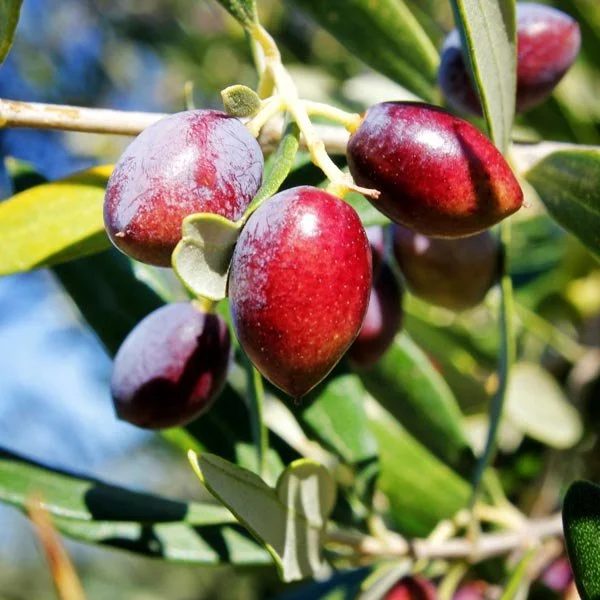 Image 6 of 7
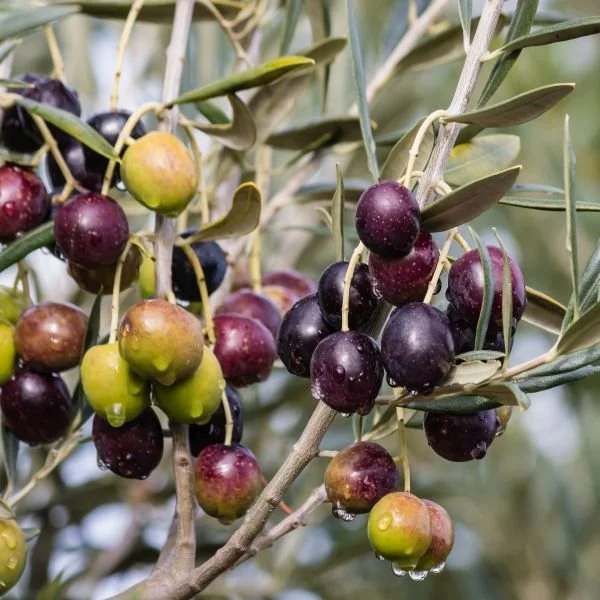 Image 7 of 7