 Image 1 of 2
 Image 2 of 2
Questions about pickup, delivery, pricing, or the program? Read the Wholesale Citrus Tree Program FAQs: https://permascaping.com/wholesale-citrus-trees
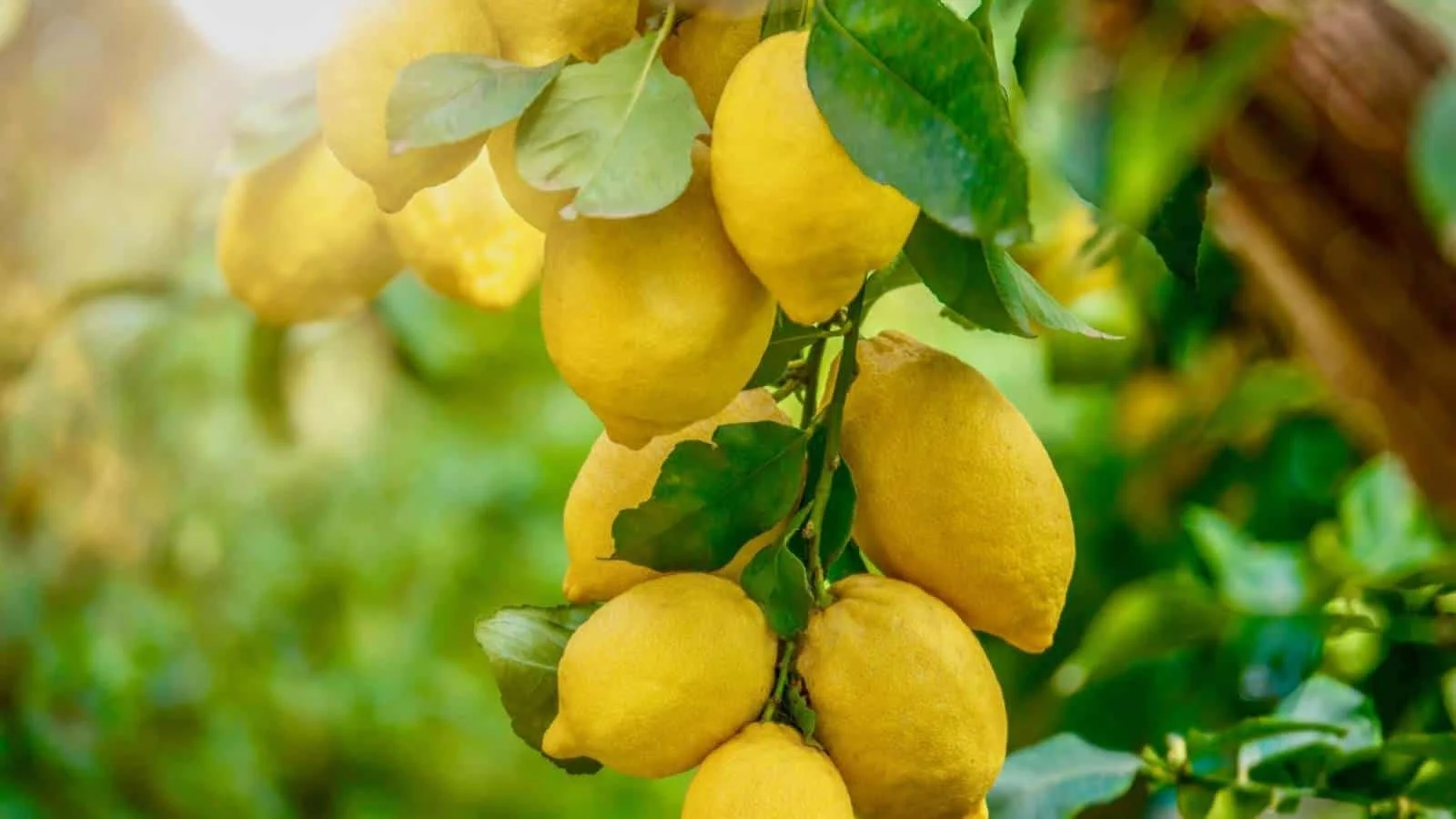
A backyard lemon tree is one of the most useful plants you can grow. Choose from classic high-acid lemons, the sweeter floral Meyer, an ornamental pink variety, or the wonderfully oversized Ponderosa.
Lisbon: Lisbon is a true lemon with strong acidity, plenty of juice, and relatively few seeds. It forms a vigorous, dense tree that protects its fruit better from sun and wind than some other lemons, which is one reason it performs so well in the Valley. The main crop arrives from winter into early spring, with additional fruit possible at other times. Expect some thorns and give the tree room to grow.
Projected harvest: Main crop in winter through early spring
Improved Meyer: Improved Meyer is a smaller, shrubbier citrus with smooth yellow-orange fruit and a distinctive floral, sweet-tart flavor. It is less sharply acidic than a standard lemon, which makes it excellent for desserts, drinks, dressings, and everyday cooking. The tree blooms in several flushes and can carry fruit much of the year. It is somewhat cold hardy for a lemon, but ripe fruit should still be harvested before a hard freeze.
Projected harvest: Nearly year-round
Variegated Pink Eureka: Variegated Pink Eureka is both an edible citrus and a standout landscape tree. Its glossy green-and-cream leaves frame striped young fruit that ripens yellow, while the inside develops pink flesh and clear pink juice. The flavor is bright and lemony, perfect for pink lemonade and cooking. It bears through much of the year, with the heaviest crop in spring and summer. Protect the open canopy and fruit from frost and harsh exposure.
Projected harvest: Year-round, heaviest in spring and summer
Ponderosa: Ponderosa is the giant lemon that makes everyone stop and ask what is growing on the tree. The thick, bumpy fruit can become enormous, but inside it tastes and cooks like a regular lemon, with similar acidity and plenty of juice. The tree grows more slowly than many lemons and can flower and fruit at the same time. It is thorny and less cold hardy than a true lemon, so choose a protected location.
Projected harvest: Potentially year-round
Eureka: Eureka is the classic supermarket-style lemon: bright, acidic, productive, and useful for just about everything. The tree can flower and hold fruit at the same time, giving it the nickname Four Seasons lemon. Most production comes in spring and summer, although fruit may appear throughout the year. Eureka has an open, nearly thornless canopy, so give the fruit some protection from intense sun, wind, and freezing temperatures.
Projected harvest: Year-round, heaviest in spring and summer
Harvest timing varies with weather, microclimate, tree age, and care.
Questions about pickup, delivery, pricing, or the program? Read the Wholesale Citrus Tree Program FAQs: https://permascaping.com/wholesale-citrus-trees
A backyard lemon tree is one of the most useful plants you can grow. Choose from classic high-acid lemons, the sweeter floral Meyer, an ornamental pink variety, or the wonderfully oversized Ponderosa.
Lisbon: Lisbon is a true lemon with strong acidity, plenty of juice, and relatively few seeds. It forms a vigorous, dense tree that protects its fruit better from sun and wind than some other lemons, which is one reason it performs so well in the Valley. The main crop arrives from winter into early spring, with additional fruit possible at other times. Expect some thorns and give the tree room to grow.
Projected harvest: Main crop in winter through early spring
Improved Meyer: Improved Meyer is a smaller, shrubbier citrus with smooth yellow-orange fruit and a distinctive floral, sweet-tart flavor. It is less sharply acidic than a standard lemon, which makes it excellent for desserts, drinks, dressings, and everyday cooking. The tree blooms in several flushes and can carry fruit much of the year. It is somewhat cold hardy for a lemon, but ripe fruit should still be harvested before a hard freeze.
Projected harvest: Nearly year-round
Variegated Pink Eureka: Variegated Pink Eureka is both an edible citrus and a standout landscape tree. Its glossy green-and-cream leaves frame striped young fruit that ripens yellow, while the inside develops pink flesh and clear pink juice. The flavor is bright and lemony, perfect for pink lemonade and cooking. It bears through much of the year, with the heaviest crop in spring and summer. Protect the open canopy and fruit from frost and harsh exposure.
Projected harvest: Year-round, heaviest in spring and summer
Ponderosa: Ponderosa is the giant lemon that makes everyone stop and ask what is growing on the tree. The thick, bumpy fruit can become enormous, but inside it tastes and cooks like a regular lemon, with similar acidity and plenty of juice. The tree grows more slowly than many lemons and can flower and fruit at the same time. It is thorny and less cold hardy than a true lemon, so choose a protected location.
Projected harvest: Potentially year-round
Eureka: Eureka is the classic supermarket-style lemon: bright, acidic, productive, and useful for just about everything. The tree can flower and hold fruit at the same time, giving it the nickname Four Seasons lemon. Most production comes in spring and summer, although fruit may appear throughout the year. Eureka has an open, nearly thornless canopy, so give the fruit some protection from intense sun, wind, and freezing temperatures.
Projected harvest: Year-round, heaviest in spring and summer
Harvest timing varies with weather, microclimate, tree age, and care.