 Image 1 of 1
Questions about pickup, delivery, pricing, or the program? Read the Wholesale Fruit Tree Program FAQs: https://permascaping.com/wholesale-citrus-trees
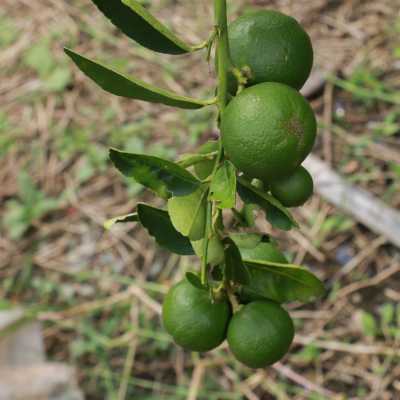
From classic Key lime flavor to mild sweet limes and aromatic makrut leaves, this group covers a surprising range of kitchen uses. Limes appreciate a warm, protected location, especially while young.
Mexican (Key Lime): Mexican lime, also known as Key lime, produces small, intensely fragrant fruit with the bright acidity that makes Key lime pie taste like Key lime pie. The tree flowers off and on through the year, with its main crop arriving in fall and early winter. It is more cold sensitive than most citrus, so plant it in a protected microclimate and plan on frost protection when temperatures drop.
Projected harvest: Fall through winter, with some fruit throughout the year
Mexican Thornless: Mexican Thornless gives you the bold aroma and sharp, juicy flavor of a Key lime on a tree that is much easier to work around. The small, nearly round fruit has a thin, fragrant rind and ripens from green to yellow-green. The tree can flower several times a year, although the heaviest crop is usually in fall and early winter. Like other Mexican limes, it needs protection from freezing weather.
Projected harvest: Fall through winter, with some fruit throughout the year
Bearss Seedless: Bearss is the familiar seedless lime found in most kitchens, also called Persian or Tahitian lime. The fruit is larger than a Mexican lime, with pale green, juicy flesh and clean acidity. The nearly thornless tree grows vigorously and handles cold a little better than Key lime types, making it a practical choice for many Valley yards. Let the fruit turn yellow when you want it fully ripe and at its juiciest.
Projected harvest: Late fall through winter
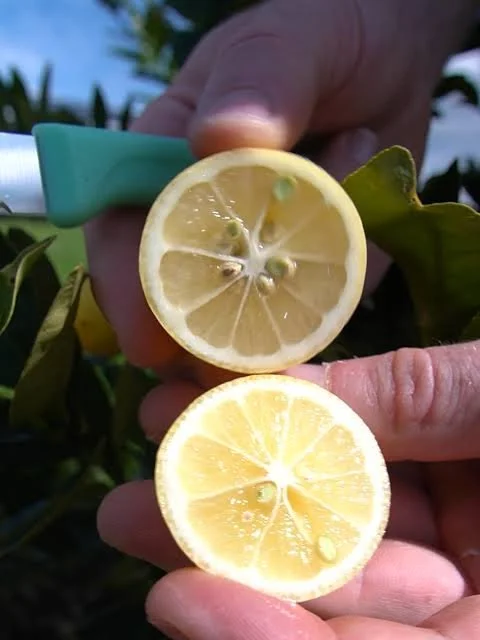
Palestine Sweet: Palestine Sweet lime is a low-acid citrus with tender, juicy flesh and a mild flavor unlike an ordinary lime. The fruit turns pale green to yellow-orange as it ripens and can easily be mistaken for a lemon. This is a good choice for anyone who wants citrus flavor without the usual sharp bite. The tree grows medium to large with an irregular, spreading canopy and responds especially well to desert heat.
Projected harvest: Late fall through winter
Kaffir: Often called makrut lime, this citrus is grown mainly for its intensely aromatic leaves and textured peel. The double-lobed leaves are a staple in Southeast Asian cooking, while the small, bumpy fruit can be used for zest, fragrance, and specialty recipes. It makes a distinctive, useful patio or garden tree. Protect it from hard freezes, and harvest leaves selectively so the tree keeps enough foliage to grow well.
Projected harvest: Leaves year-round; fruit season varies
Harvest timing varies with weather, microclimate, tree age, and care.
Questions about pickup, delivery, pricing, or the program? Read the Wholesale Fruit Tree Program FAQs: https://permascaping.com/wholesale-citrus-trees
From classic Key lime flavor to mild sweet limes and aromatic makrut leaves, this group covers a surprising range of kitchen uses. Limes appreciate a warm, protected location, especially while young.
Mexican (Key Lime): Mexican lime, also known as Key lime, produces small, intensely fragrant fruit with the bright acidity that makes Key lime pie taste like Key lime pie. The tree flowers off and on through the year, with its main crop arriving in fall and early winter. It is more cold sensitive than most citrus, so plant it in a protected microclimate and plan on frost protection when temperatures drop.
Projected harvest: Fall through winter, with some fruit throughout the year
Mexican Thornless: Mexican Thornless gives you the bold aroma and sharp, juicy flavor of a Key lime on a tree that is much easier to work around. The small, nearly round fruit has a thin, fragrant rind and ripens from green to yellow-green. The tree can flower several times a year, although the heaviest crop is usually in fall and early winter. Like other Mexican limes, it needs protection from freezing weather.
Projected harvest: Fall through winter, with some fruit throughout the year
Bearss Seedless: Bearss is the familiar seedless lime found in most kitchens, also called Persian or Tahitian lime. The fruit is larger than a Mexican lime, with pale green, juicy flesh and clean acidity. The nearly thornless tree grows vigorously and handles cold a little better than Key lime types, making it a practical choice for many Valley yards. Let the fruit turn yellow when you want it fully ripe and at its juiciest.
Projected harvest: Late fall through winter
Palestine Sweet: Palestine Sweet lime is a low-acid citrus with tender, juicy flesh and a mild flavor unlike an ordinary lime. The fruit turns pale green to yellow-orange as it ripens and can easily be mistaken for a lemon. This is a good choice for anyone who wants citrus flavor without the usual sharp bite. The tree grows medium to large with an irregular, spreading canopy and responds especially well to desert heat.
Projected harvest: Late fall through winter
Kaffir: Often called makrut lime, this citrus is grown mainly for its intensely aromatic leaves and textured peel. The double-lobed leaves are a staple in Southeast Asian cooking, while the small, bumpy fruit can be used for zest, fragrance, and specialty recipes. It makes a distinctive, useful patio or garden tree. Protect it from hard freezes, and harvest leaves selectively so the tree keeps enough foliage to grow well.
Projected harvest: Leaves year-round; fruit season varies
Harvest timing varies with weather, microclimate, tree age, and care.