Questions about pickup, delivery, pricing, or the program? Read the Wholesale Citrus Tree Program FAQs: https://permascaping.com/wholesale-citrus-trees
This is the fun corner of the citrus list: oversized pummelos, compact kumquats, culinary specialty fruit, and multi-grafted cocktail trees for growing more variety in less space.
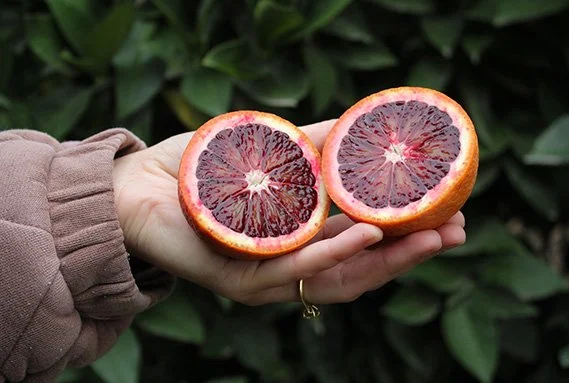
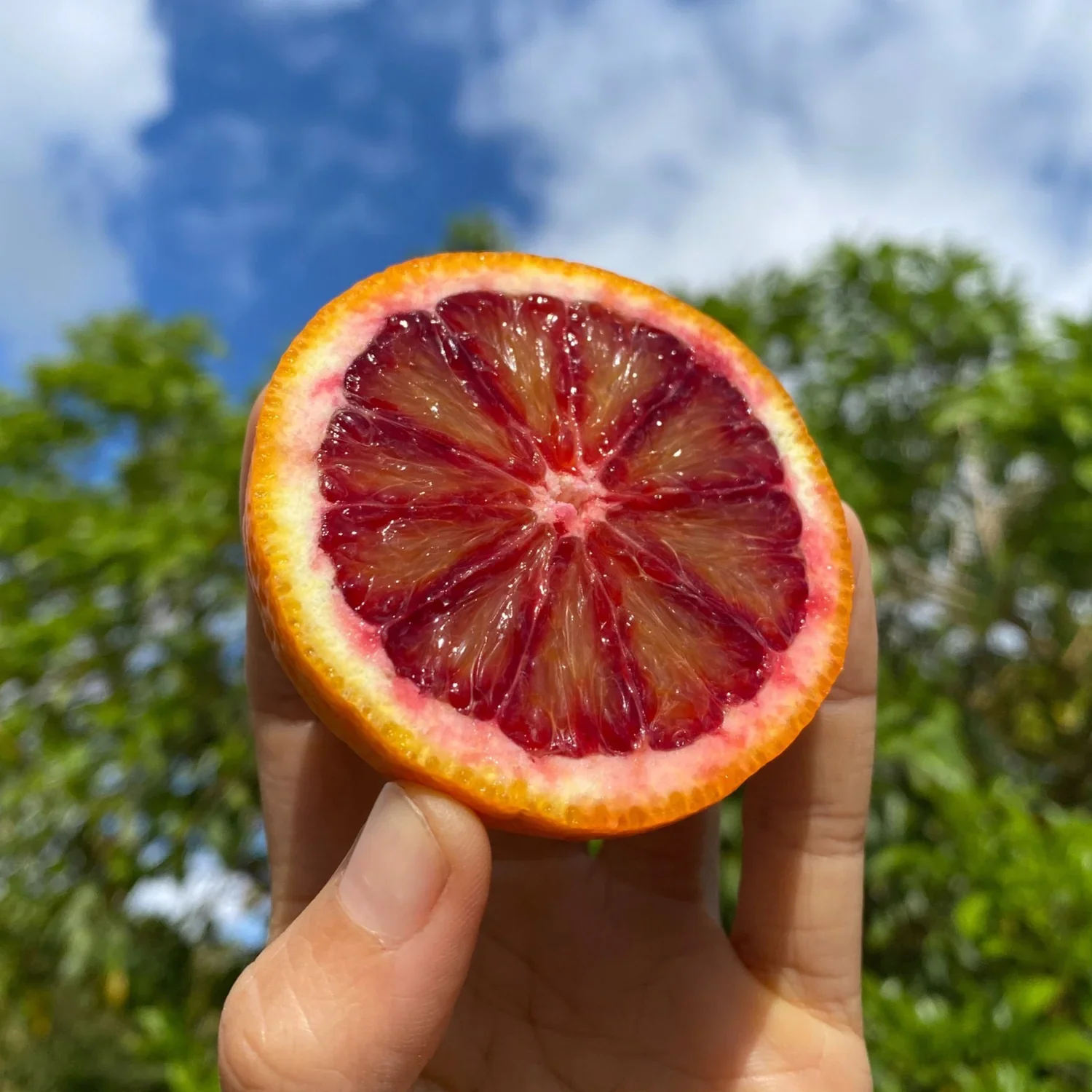
Red Pummelo/Pomelo produces the largest fruit in the citrus group, often six inches wide or more. Beneath the very thick rind are juicy pink-to-red segments with a mild, sweet grapefruit-like flavor and little of grapefruit's bitterness. The membranes around each segment are usually removed before eating. This impressive tree and fruit are a fun choice for citrus collectors who have room and want something genuinely different.
Projected harvest: Beginning in November, often over a long season
Kumquats are small citrus fruits meant to be eaten peel and all. The rind brings the sweetness while the juicy center adds a bright, tart bite, making the whole fruit surprisingly balanced. The compact evergreen tree is ornamental, productive, and more cold tolerant than most citrus, with fragrant flowers and abundant orange fruit. It is also a good option for smaller spaces or a large patio container.
Projected harvest: Late winter through early spring
Limequats combine the sharp, aromatic flavor of a lime with the compact growth and improved cold tolerance of a kumquat. The small oval fruit can be used anywhere you would use a lime, including drinks, marinades, zest, and preserves. The tree stays relatively manageable and works well in smaller yards or large containers. Harvest green for sharper acidity or allow the fruit to turn yellow for a softer, riper flavor.
Projected harvest: Fall through winter, sometimes longer
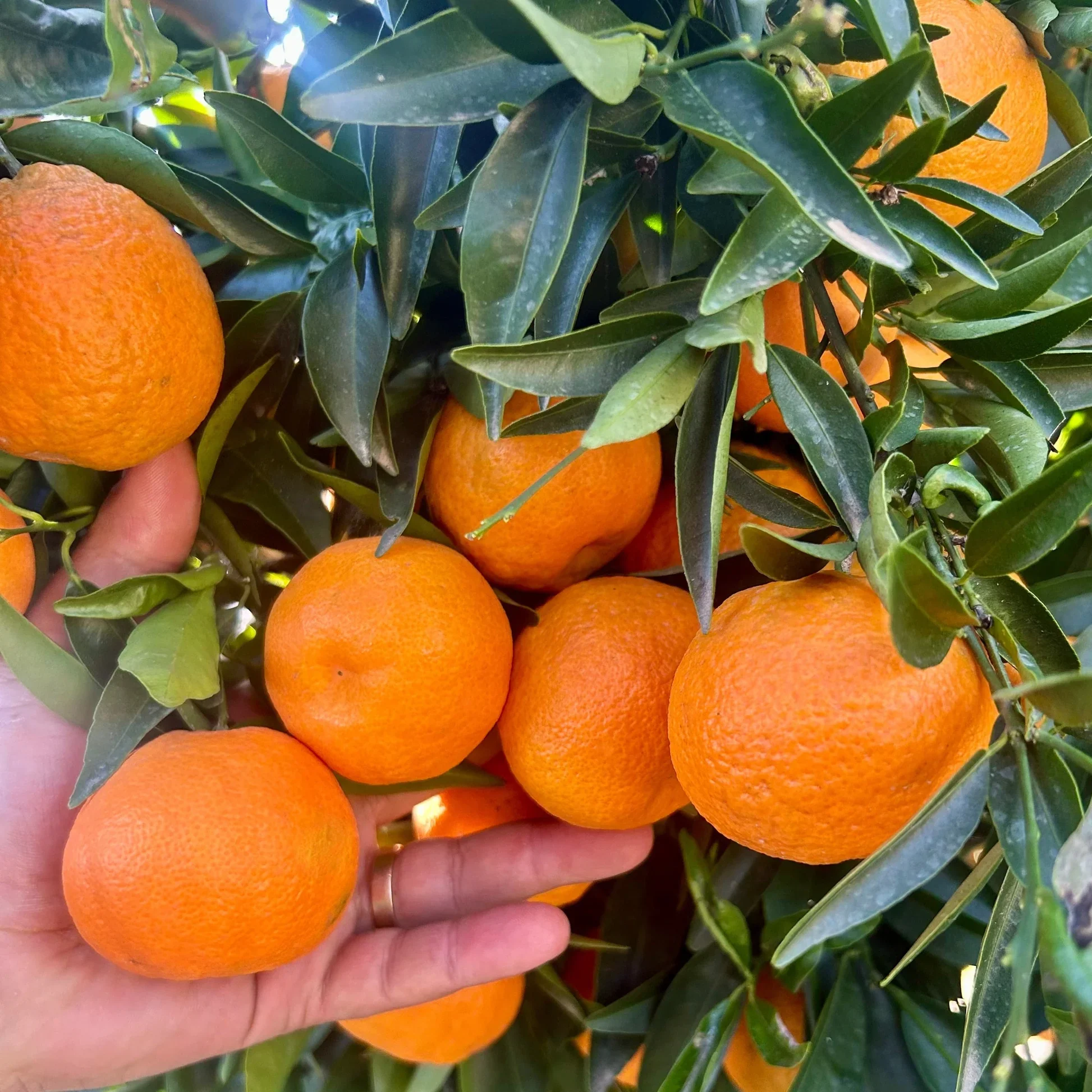
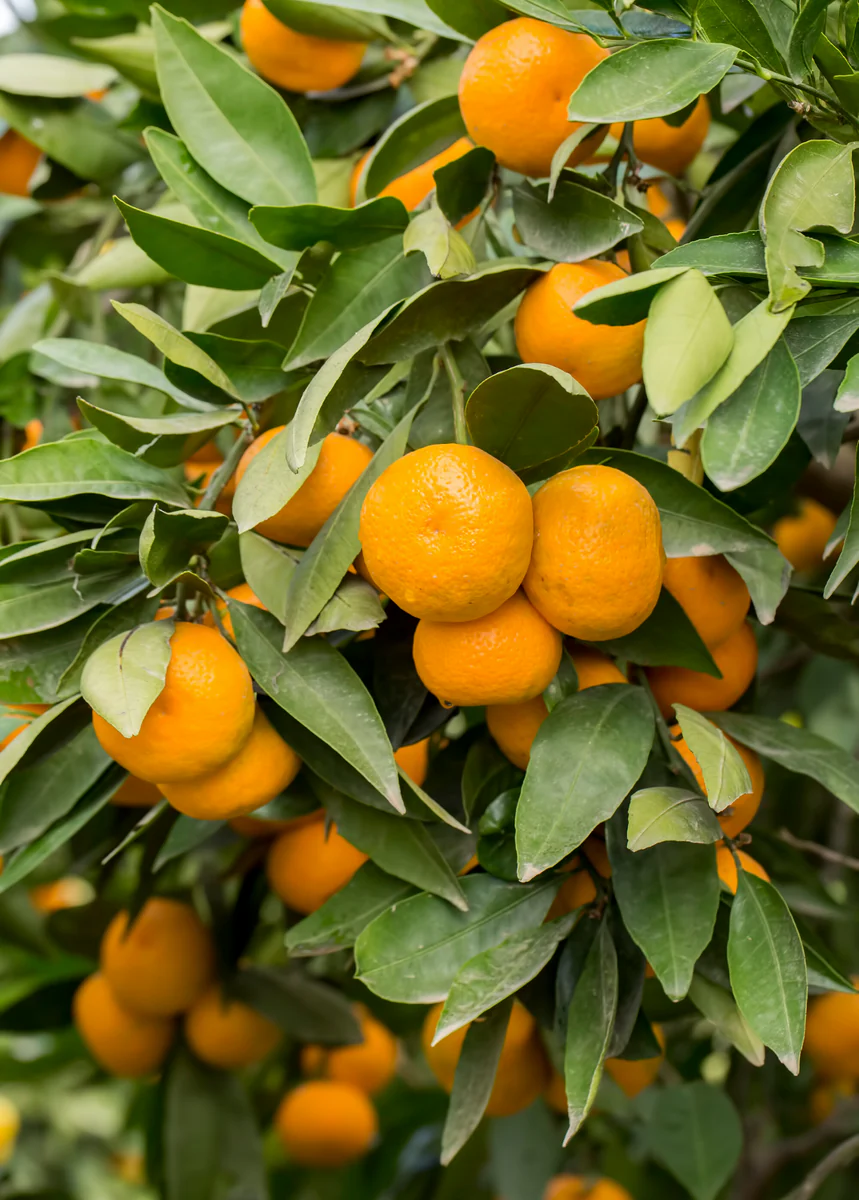
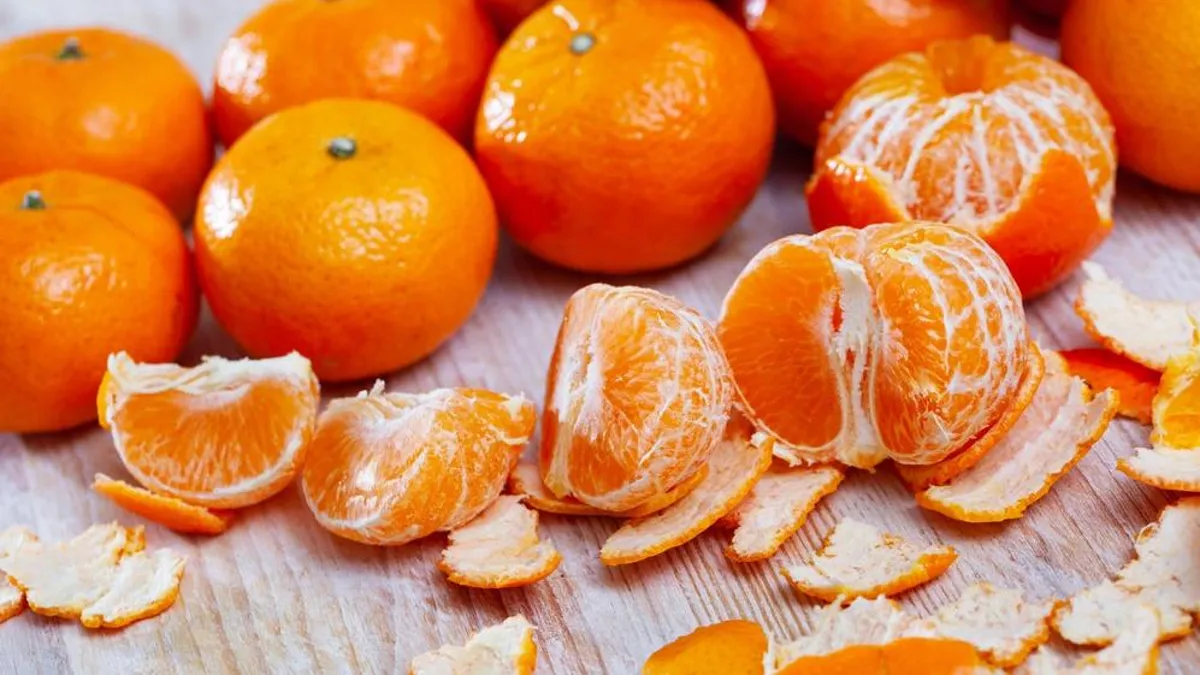
Calamansi/Calamondon are a compact, long-lived citrus with fragrant flowers and small orange fruit appearing through much of the year. The fruit looks like a tiny tangerine but tastes tart, making it useful for drinks, marmalade, marinades, and recipes where you want a bright citrus punch. It also makes an attractive patio tree or informal hedge. Calamondin handles cold better than most true citrus and begins producing at a young age.
2 or 3-bud Cocktail trees gives you three compatible citrus varieties on one root system, making it a fun option when space is limited. Each graft grows as its own branch and may flower or ripen on a different schedule. Because one graft can outgrow the other, balanced pruning matters: keep the more vigorous side in check and remove any growth that appears below the grafts. Fruit characteristics depend on the three varieties included.
Projected harvest: Varies by the two/three grafted varieties
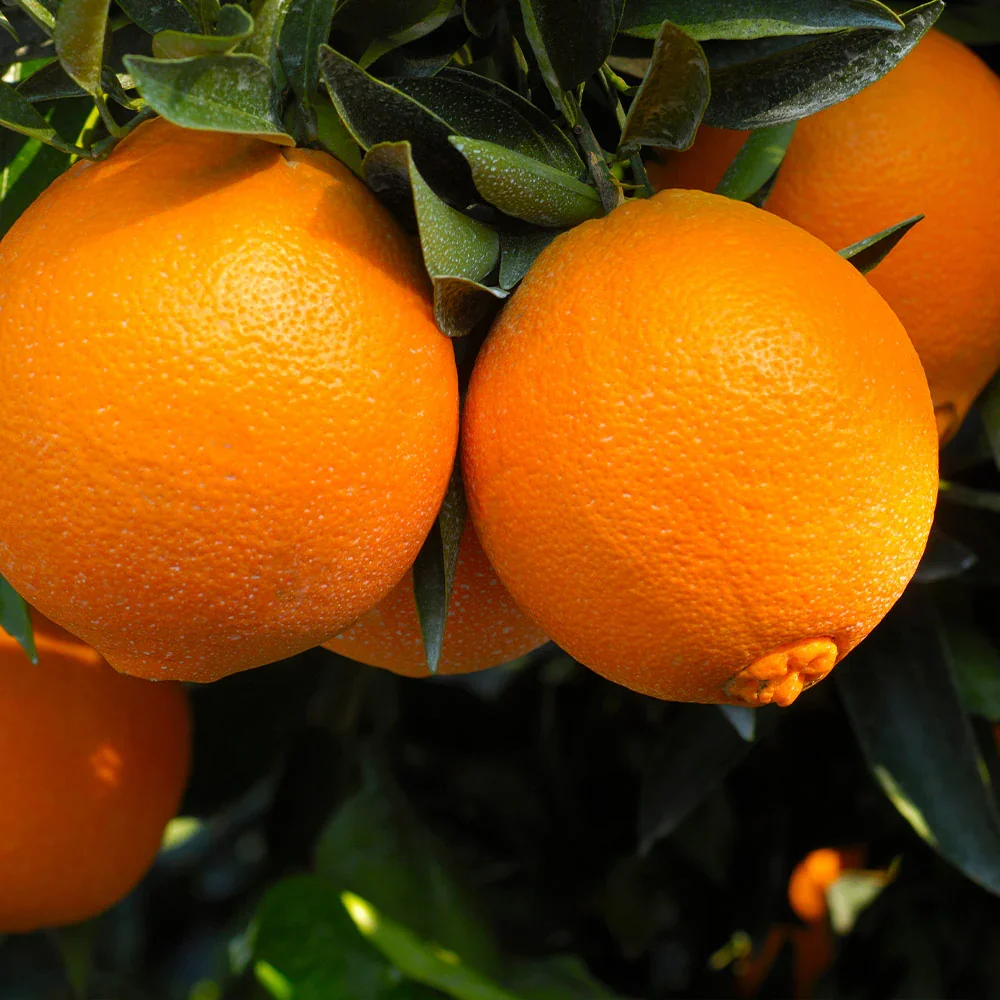
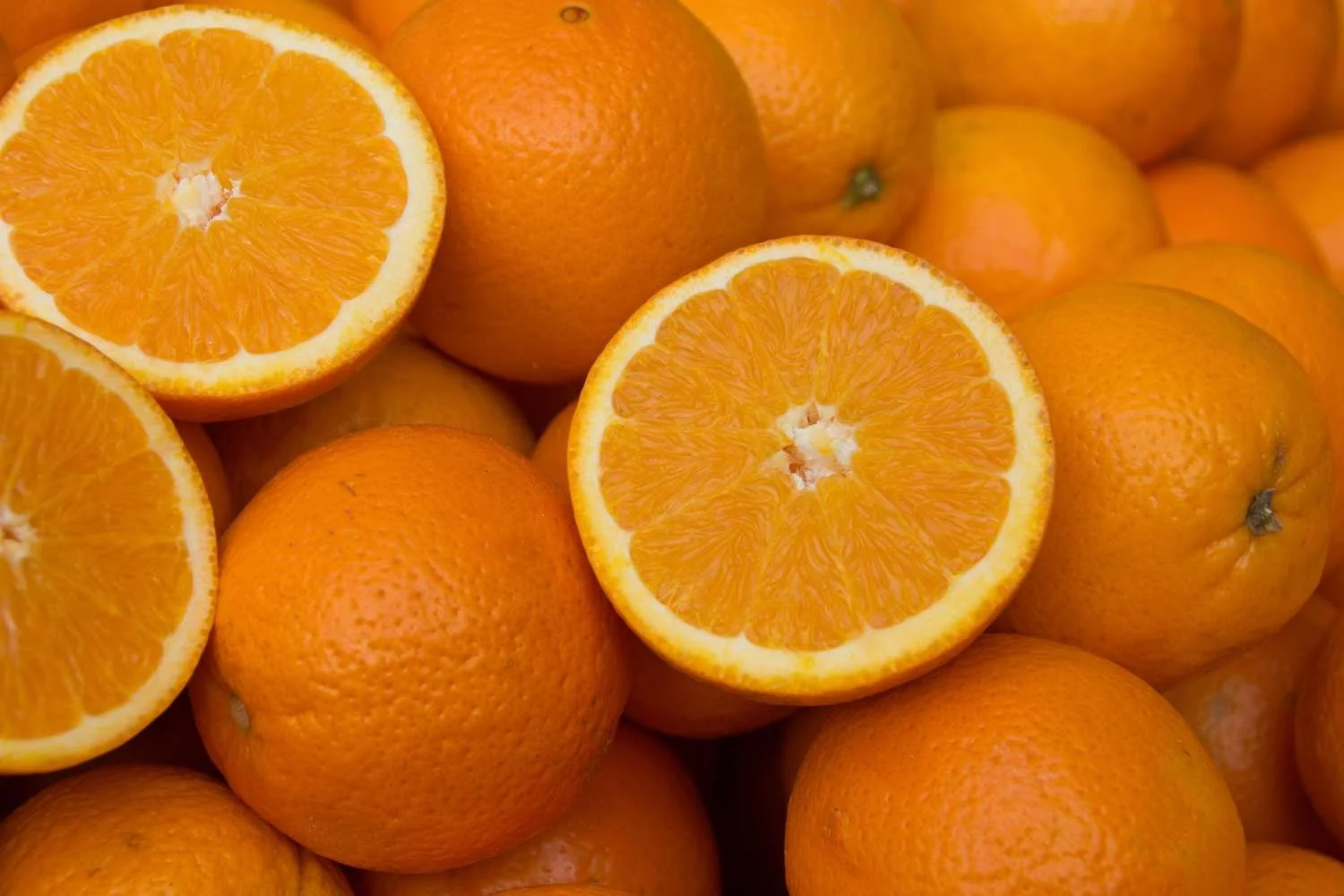
Sour Orange is a tough, aromatic citrus with fragrant white flowers and intensely flavored fruit. The peel and tart juice are valued for marmalade, marinades, preserves, and traditional cooking, while the dense evergreen canopy makes a handsome landscape tree. It is more cold tolerant than many sweet oranges and handles heat well once established. This is a culinary specialty citrus, not a sweet orange for eating out of hand.
Projected harvest: Winter through early spring
Harvest timing varies with weather, microclimate, tree age, and care.
Questions about pickup, delivery, pricing, or the program? Read the Wholesale Citrus Tree Program FAQs: https://permascaping.com/wholesale-citrus-trees
This is the fun corner of the citrus list: oversized pummelos, compact kumquats, culinary specialty fruit, and multi-grafted cocktail trees for growing more variety in less space.
Red Pummelo/Pomelo produces the largest fruit in the citrus group, often six inches wide or more. Beneath the very thick rind are juicy pink-to-red segments with a mild, sweet grapefruit-like flavor and little of grapefruit's bitterness. The membranes around each segment are usually removed before eating. This impressive tree and fruit are a fun choice for citrus collectors who have room and want something genuinely different.
Projected harvest: Beginning in November, often over a long season
Kumquats are small citrus fruits meant to be eaten peel and all. The rind brings the sweetness while the juicy center adds a bright, tart bite, making the whole fruit surprisingly balanced. The compact evergreen tree is ornamental, productive, and more cold tolerant than most citrus, with fragrant flowers and abundant orange fruit. It is also a good option for smaller spaces or a large patio container.
Projected harvest: Late winter through early spring
Limequats combine the sharp, aromatic flavor of a lime with the compact growth and improved cold tolerance of a kumquat. The small oval fruit can be used anywhere you would use a lime, including drinks, marinades, zest, and preserves. The tree stays relatively manageable and works well in smaller yards or large containers. Harvest green for sharper acidity or allow the fruit to turn yellow for a softer, riper flavor.
Projected harvest: Fall through winter, sometimes longer
Calamansi/Calamondon are a compact, long-lived citrus with fragrant flowers and small orange fruit appearing through much of the year. The fruit looks like a tiny tangerine but tastes tart, making it useful for drinks, marmalade, marinades, and recipes where you want a bright citrus punch. It also makes an attractive patio tree or informal hedge. Calamondin handles cold better than most true citrus and begins producing at a young age.
2 or 3-bud Cocktail trees gives you three compatible citrus varieties on one root system, making it a fun option when space is limited. Each graft grows as its own branch and may flower or ripen on a different schedule. Because one graft can outgrow the other, balanced pruning matters: keep the more vigorous side in check and remove any growth that appears below the grafts. Fruit characteristics depend on the three varieties included.
Projected harvest: Varies by the two/three grafted varieties
Sour Orange is a tough, aromatic citrus with fragrant white flowers and intensely flavored fruit. The peel and tart juice are valued for marmalade, marinades, preserves, and traditional cooking, while the dense evergreen canopy makes a handsome landscape tree. It is more cold tolerant than many sweet oranges and handles heat well once established. This is a culinary specialty citrus, not a sweet orange for eating out of hand.
Projected harvest: Winter through early spring
Harvest timing varies with weather, microclimate, tree age, and care.

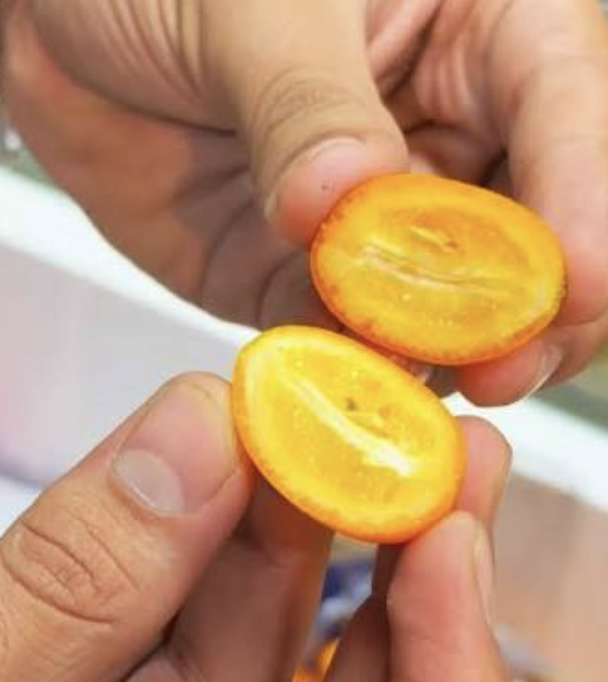 Image 1 of 9
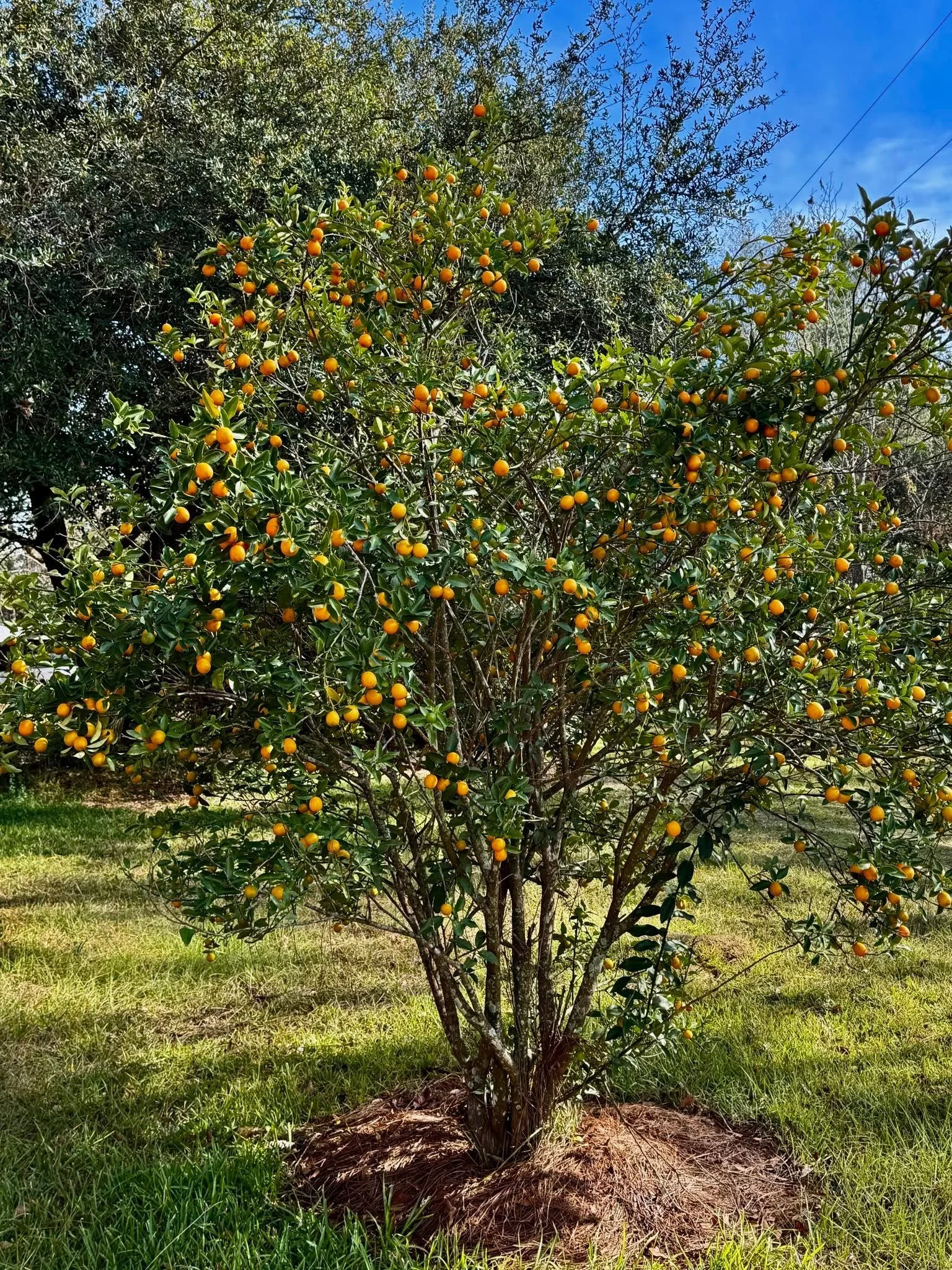 Image 2 of 9
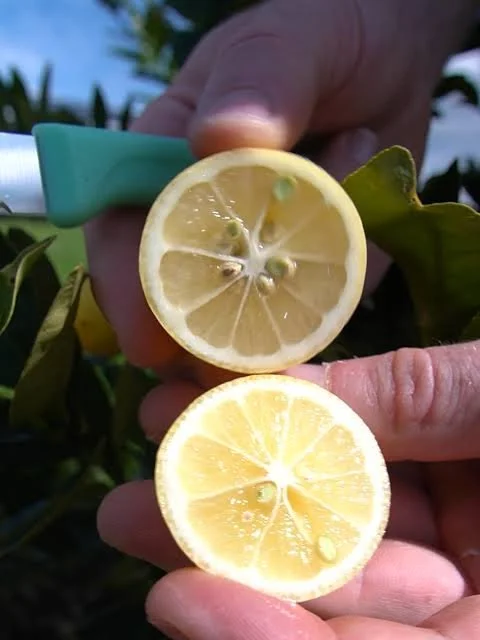 Image 3 of 9
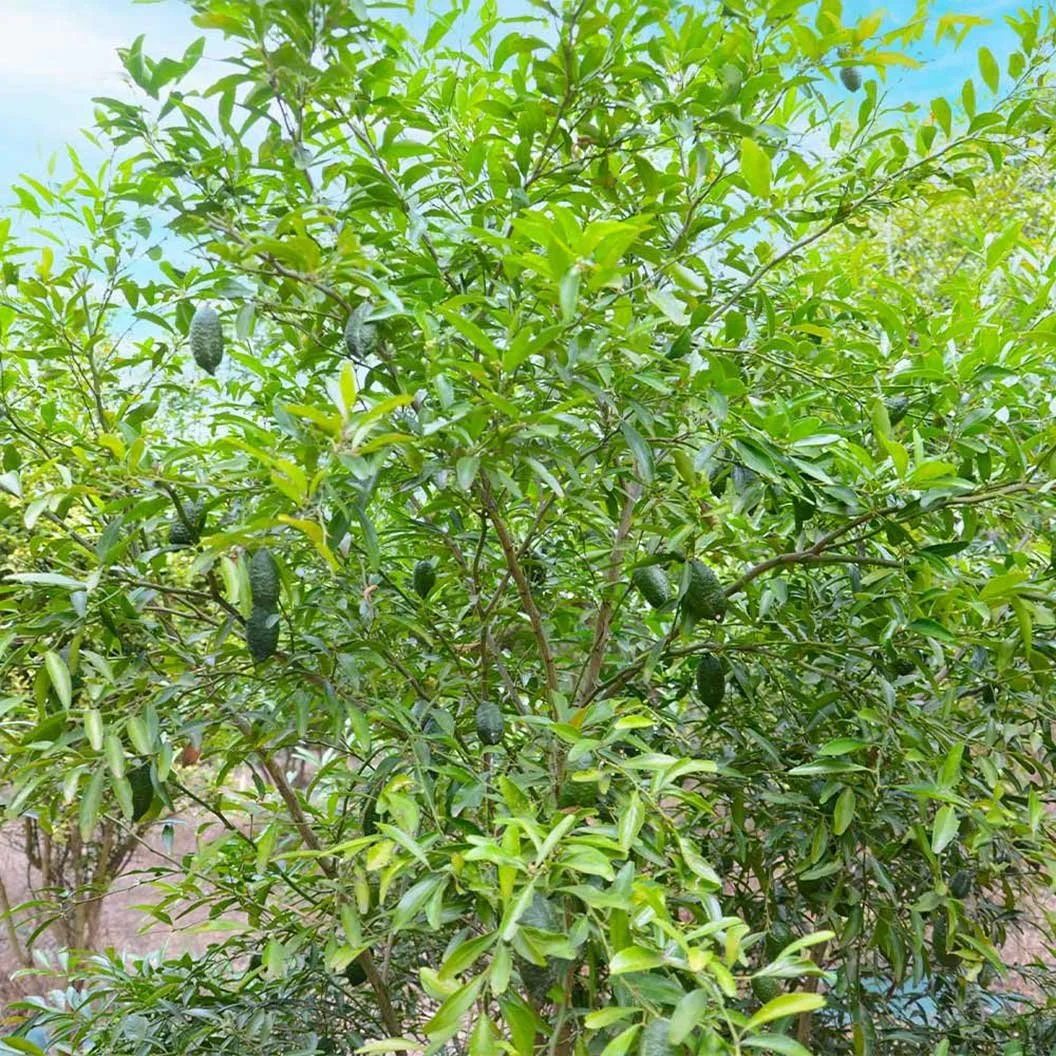 Image 4 of 9
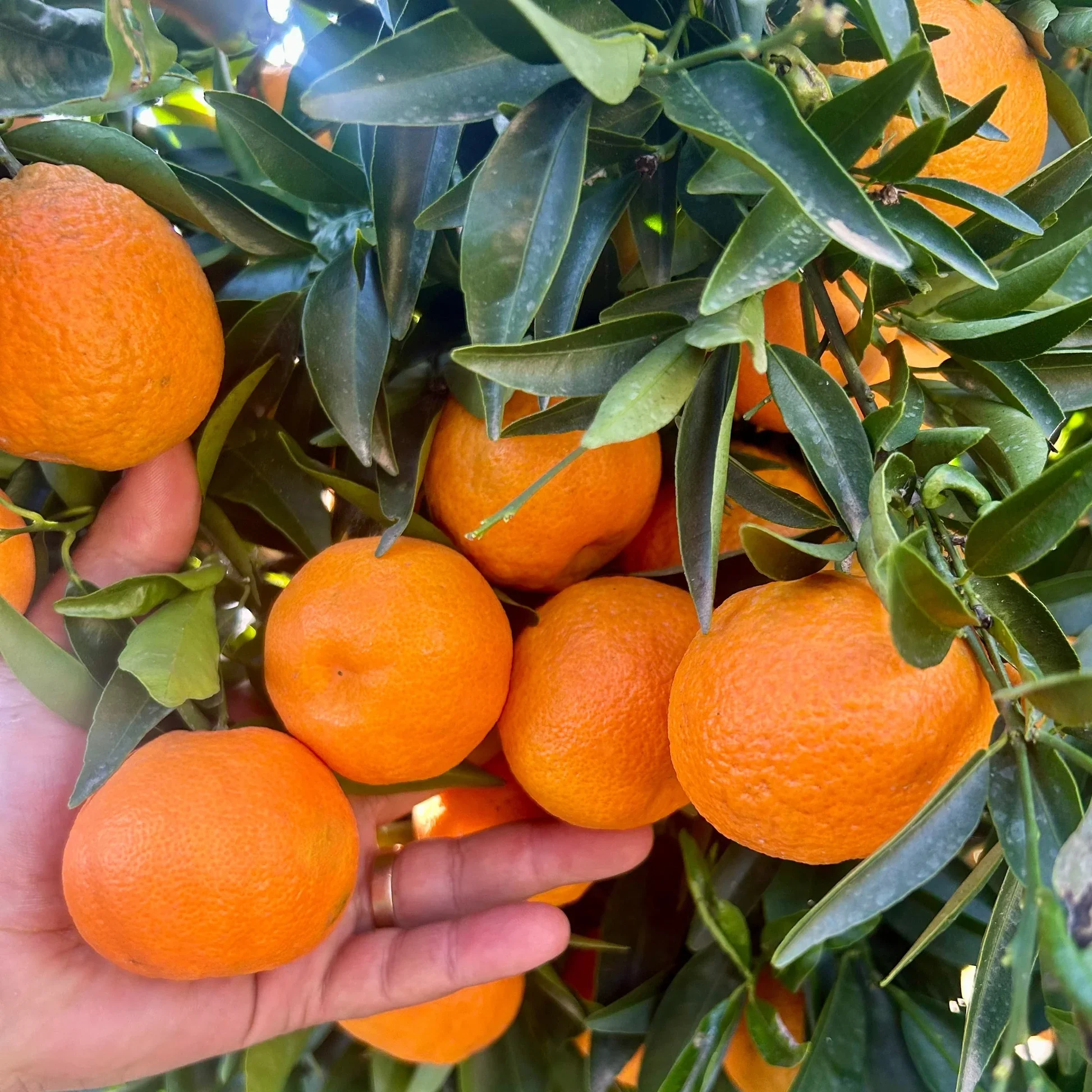 Image 5 of 9
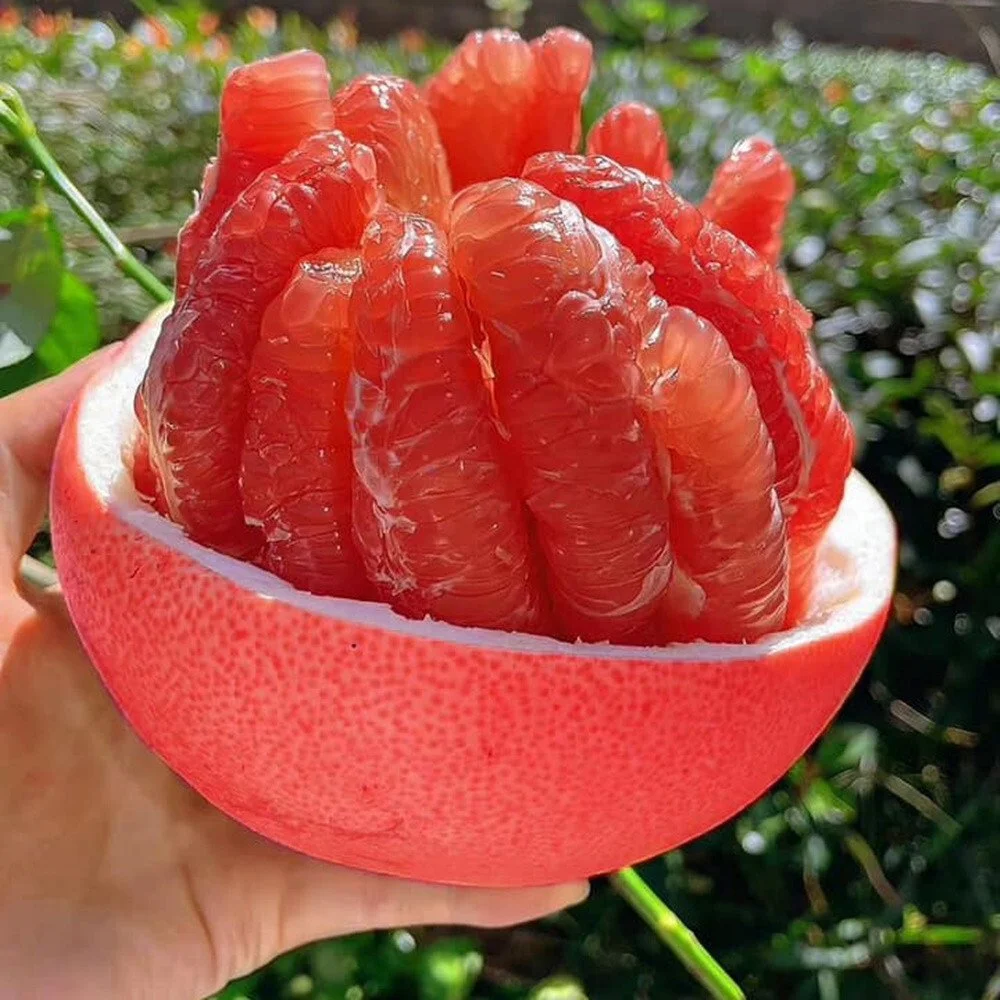 Image 6 of 9
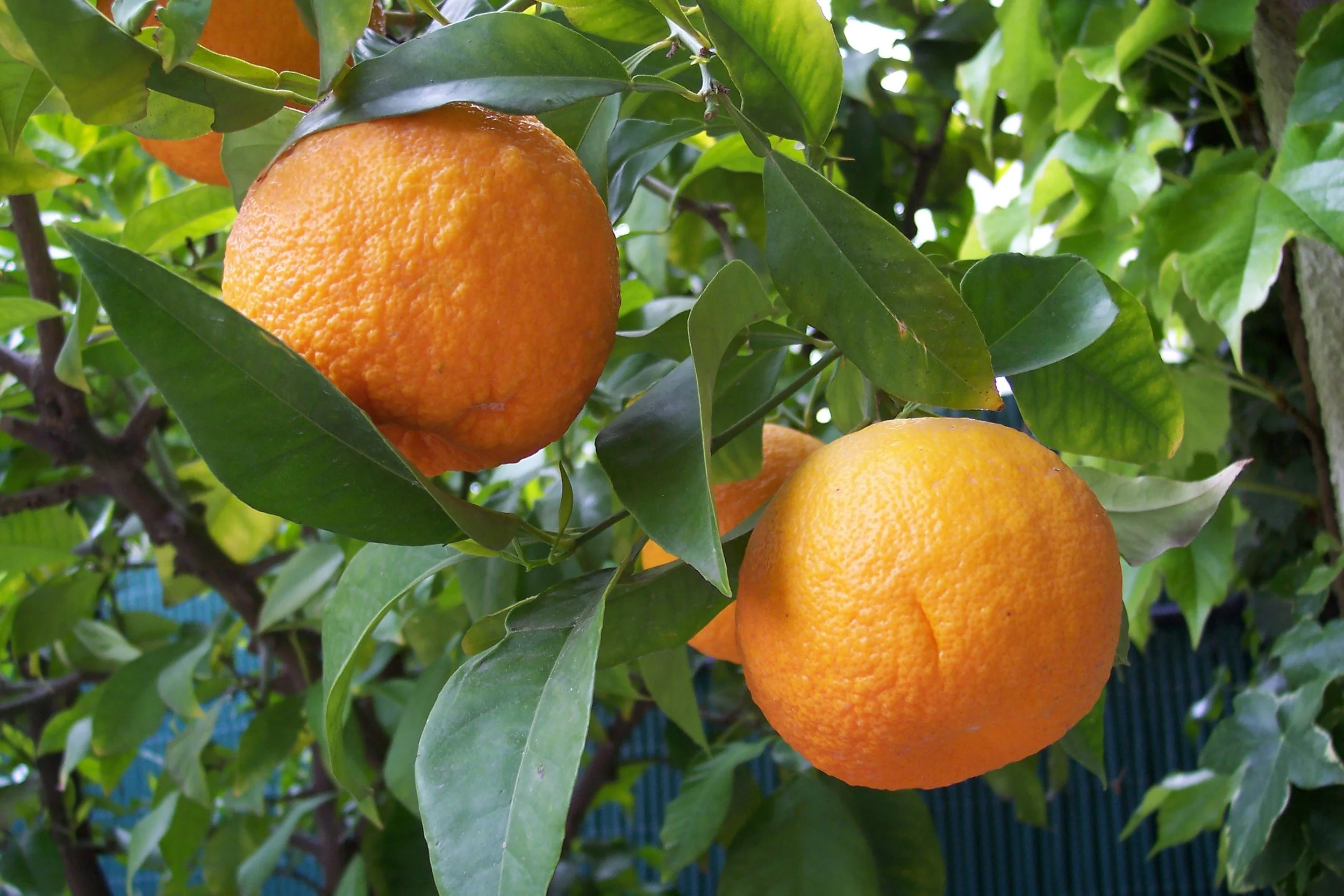 Image 7 of 9
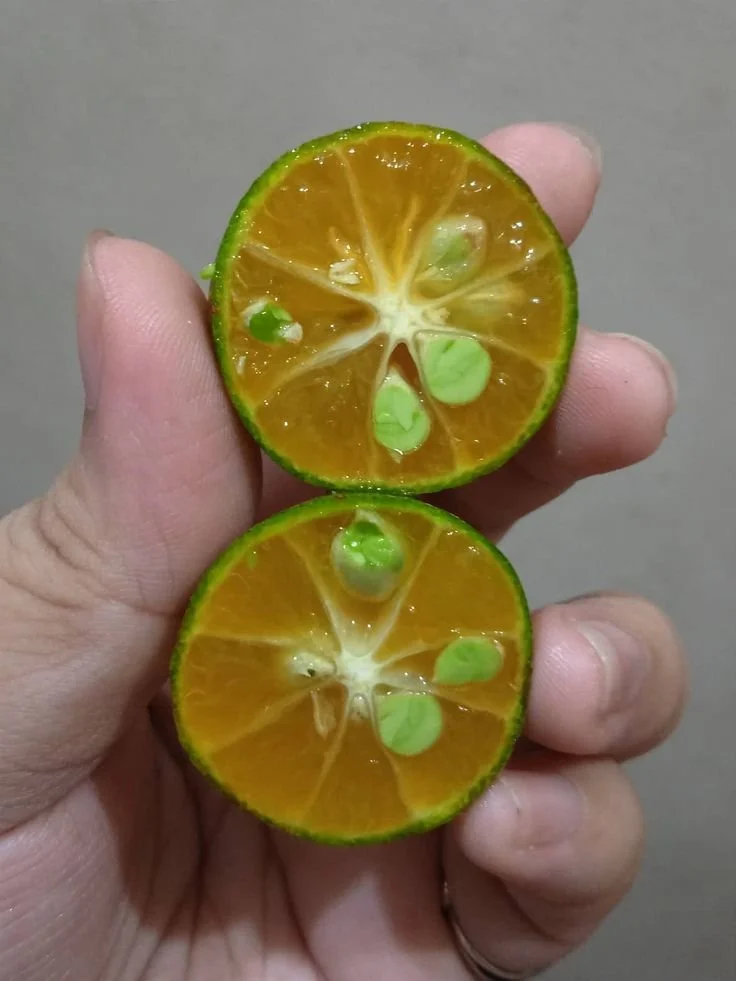 Image 8 of 9
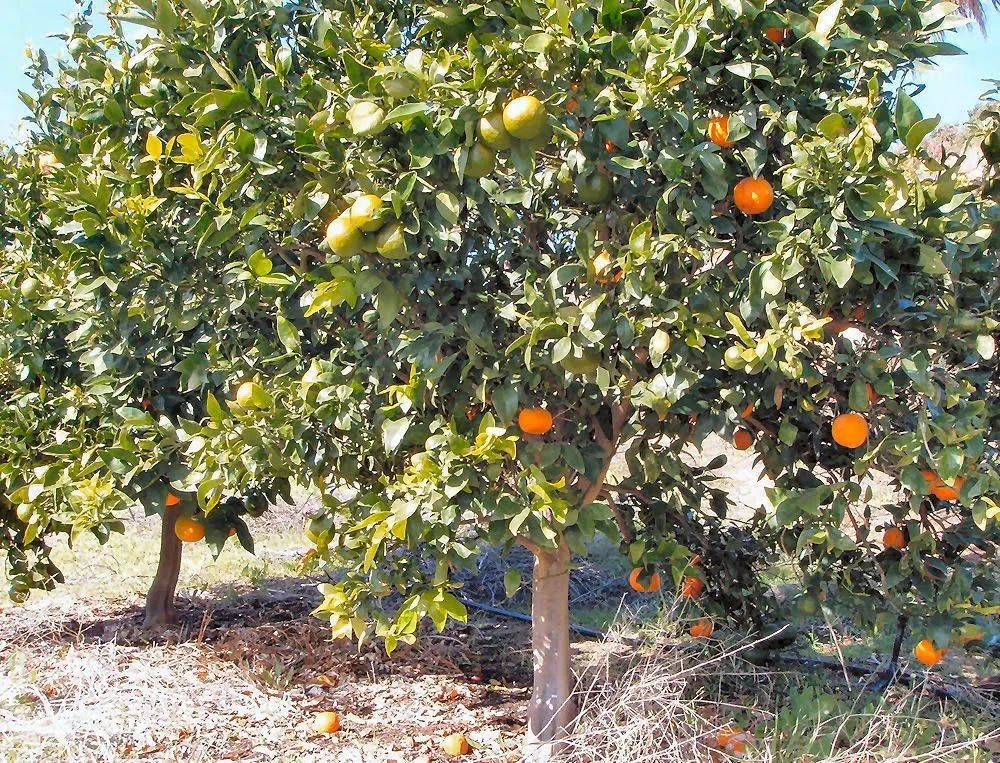 Image 9 of 9