
Plums · Dave Wilson Nursery
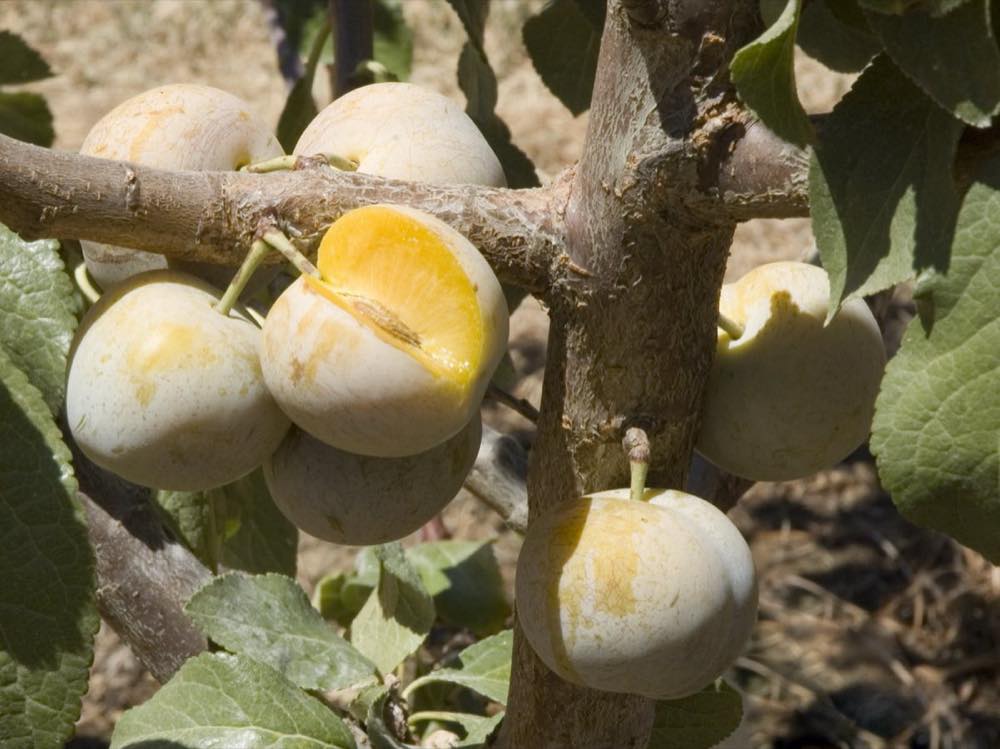
Bavay's Green Gage Plum
A small to medium European gage plum, rich and very sweet, good fresh and in cooking. It blooms very late, so spring frost rarely catches it at mid elevation, and it copes with milder winters better than the common Green Gage. It still needs more winter cold than the low desert provides.
- Chill hours
- 700 hours
- Harvest
- August to early September at mid elevation
- Pollination
- Self-fruitful
- Mature size
- 12–18 ft on Citation, 20–25 ft on Myro 29C; easy to hold at 8–10 ft with summer pruning
Which one
Every plum side by side
Same fruit, different seasons and different jobs. Pick the row that fits your ground and your calendar.
| A small to medium European gage plum, rich and very sweet, good fresh and in cooking. It blooms very late, so spring frost rarely catches it at mid elevation, and it copes with milder winters better than the common Green Gage. It still needs more winter cold than the low desert provides. | One of the surest plums for the Phoenix area, with sweet, flavorful fruit that is red over yellow with amber flesh. It needs only about 250 hours of chill and ripens before the worst summer heat. It blooms late for a plum, which also helps at mid elevation. It sets fruit alone. | A very old, rugged damson with small blue-black fruit that is tart, so it is made for jam and jelly more than fresh eating. It blooms very late, takes serious cold and bears heavily, which suits mid elevation. It needs far more winter chill than Phoenix gives. | A maroon plum with deep red flesh and a sweet, mild flavor with almost no tartness. The harvest runs over several weeks, and the narrow, upright tree fits tight spaces. In the low desert the fruit ripens in July heat, so some afternoon shade helps with sunburn. It is also a standard partner for pluots. | A large, black-skinned plum that stays firm when ripe, with sweet, juicy flesh and very little tartness at the skin or pit. A favorite for fresh eating that suits the low desert at 300 to 400 hours. It blooms early, so keep it to places where late frost is rare. It ripens in July heat, so watch for sunburn. | A big, heart-shaped plum with sweet, juicy, firm red flesh and a rich flavor, a home orchard favorite. It blooms late and ripens late, which suits mid elevation, where it usually dodges spring frost. At up to 500 hours Phoenix is a gamble, so low desert growers do better with Beauty or Santa Rosa. It needs a second plum nearby. | A light green plum with crisp, crunchy, very sweet flesh, one of the best scorers in nursery taste tests. The ripe fruit hangs on the tree for two months or more, so there is no rush to pick. It needs mid elevation winter chill and a second plum that blooms at the same time. Beauty and Late Santa Rosa both fit. | A big golden-amber plum with firm, sweet flesh and a very small pit. It sets alone at about 400 hours, so it works in the low desert and at mid elevation. It ripens late in the hottest part of the low desert summer, so shade the fruit from afternoon sun and pick on time. Late-midseason bloom helps at mid elevation. | A red-leafed fruiting ornamental, so it earns its place in the front yard as well as the orchard. The round fruit has blood-red skin and flesh, hangs well, and is good for jelly and canning. It needs 300 to 400 hours and ripens early, which fits the low desert. Early bloom makes it a poor bet where late frost is common. | A dark purple plum that scored very high for flavor, with juicy red and amber flesh and a harvest that stretches over several weeks. At 400 hours it sits at the upper edge for Phoenix and also works at mid elevation. It needs a Japanese plum alongside, and Santa Rosa or Burgundy are easy matches. | Like Santa Rosa but ripening about a month later, with reddish-purple skin and tart-sweet, red-streaked amber flesh. It stretches the plum season in the low desert and also works at mid elevation. Let the fruit hang until fully ripe for the richest flavor, and leave some leaf cover for July sun. | A large plum with deep red flesh under maroon-over-green skin, sweet and juicy with a small, nearly free pit. At about 250 hours it sits comfortably in the low desert chill range. It needs a second Japanese plum, and Santa Rosa is the easiest partner. Good fresh or cooked. | Often the first plum of the season in the low desert. The fruit is juicy and sweet with red flesh and a mild flavor, and the tree is vigorous, heavy bearing and very cold hardy. It works in the low desert and at mid elevation. Thin the crop so heavy branches do not break. | A large, flattened plum with purplish-black skin and amber flesh, sweet with very little tartness at the skin or pit. At 400 to 500 hours it is marginal in Phoenix, so mid elevation is the safer home. It sets alone and also helps pollinate Laroda, Mariposa and Emerald Beaut. | A small, sour plum with crisp yellow flesh, grown across the Middle East and often eaten green and crunchy with salt. It ripens early. It sets best with another late-blooming plum nearby. Plant it at mid elevation, since 400 to 600 hours is more chill than Phoenix usually gets. | The plum most Arizonans grow, and for good reason. The fruit is juicy and tangy with reddish-purple skin and amber flesh, and it ripens before the worst low desert heat. It sets alone at about 300 hours and is the partner pluots most often need. It also does well at mid elevation, though late frost can take blossoms in some years. | A long-time California favorite with mottled maroon-over-green skin and dark red, meaty flesh that is sweet and mild, not tart. It makes excellent jam. It needs a Japanese plum such as Santa Rosa or Beauty nearby to set fruit. It works in the low desert at 300 hours and at mid elevation, though low desert fruit ripens in July heat. | A medium greenish-yellow plum that is juicy, moderately sweet and mild in flavor. It blooms late and bears reliably in many climates, which suits mid elevation. At 400 to 500 hours it is marginal in Phoenix. It sets fruit alone. | A Japanese by American hybrid bred for cold country, with very large, firm, meaty red fruit and an early, heavy crop. It blooms late and ripens in late summer. It is a good choice for mid elevation and the lower end of high country, and a Toka plum alongside improves the crop. Phoenix is far too warm. | A hardy South Dakota hybrid with small to medium, cherry-red plums that have firm, tangy yellow flesh. Its real job is pollination: it works as a partner for Japanese, American and hybrid plums. It takes extreme cold, so it suits mid elevation and high country. It needs far more chill than Phoenix gets. | A weeping form of Santa Rosa that stays around 8 to 10 ft, with long limbs that bow toward the ground. The fruit is aromatic and flavorful, and the shape trains easily flat against a wall or fence. It sets alone and fits the low desert at 200 to 400 hours. A good plum for small yards. | A large, heart-shaped, greenish-yellow plum with very sweet, translucent flesh and little tartness at the skin or pit. At about 500 hours it is a mid elevation tree and a long shot in Phoenix. It is partly self-fruitful but sets better with Santa Rosa blooming nearby. | |
|---|---|---|---|---|---|---|---|---|---|---|---|---|---|---|---|---|---|---|---|---|---|---|
| Harvest | August to early September at mid elevation | Late May to mid June in the low desert | Late August to September at mid elevation | Late June to mid July in the low desert | Late June to mid July in the low desert | Late August to September at mid elevation | Late August to October at mid elevation | Late July to early August in the low desert | June in the low desert | July in the low desert | Mid to late July in the low desert | July in the low desert | Mid May to early June in the low desert | Late July to August at mid elevation | June to July at mid elevation | Late May to mid June in the low desert | Mid July to early August in the low desert | Early to mid July at mid elevation | August to September at mid elevation and up | August at mid elevation and up | June in the low desert | Late July to August at mid elevation |
| Chill hours | 700 hours | 250 hours | 800 hours | 300 hours | 300–400 hours | 500 hours or less | 600–700 hours | 400 hours or less | 300–400 hours | 400 hours | 400 hours or less | 250 hours | 250 hours or less | 400–500 hours | 400–600 hours | 300 hours | 300 hours | 400–500 hours | 700–800 hours | 500–700 hours | 200–400 hours | 500 hours |
| Pollination | Self-fruitful | Self-fruitful; also a good partner for Elephant Heart and Emerald Beaut | Self-fruitful | Self-fruitful; also a good partner for other Japanese plums and pluots | Self-fruitful | Needs a partner such as Beauty or Santa Rosa | Needs a partner such as Beauty, Late Santa Rosa or Flavor King pluot | Self-fruitful | Self-fruitful | Needs a partner such as Santa Rosa, Burgundy or Late Santa Rosa | Self-fruitful | Needs a partner such as Santa Rosa or Catalina | Self-fruitful; also a good partner for other Japanese plums | Self-fruitful; also a partner for Laroda, Mariposa and Emerald Beaut | Needs a late-blooming partner such as Beauty or Shiro | Self-fruitful; also pollinates many other Japanese plums and pluots | Needs a partner such as Santa Rosa or Beauty | Self-fruitful | Self-fruitful per the nursery; better crops with Toka nearby | Pollinates Superior and Japanese plums; best crops with a second plum | Self-fruitful | Partly self-fruitful; heavier crops with Santa Rosa nearby |
| Mature size | 12–18 ft on Citation, 20–25 ft on Myro 29C; easy to hold at 8–10 ft with summer pruning | 12–18 ft on Citation, 20–25 ft on Nemaguard; easy to hold at 8–10 ft with summer pruning | 12–18 ft on Citation; easy to hold at 8–10 ft with summer pruning | 12–18 ft on Citation, 20–25 ft on standard rootstock; easy to hold at 8–10 ft with summer pruning | 12–18 ft on Citation, 20–25 ft on Nemaguard; easy to hold at 8–10 ft with summer pruning | 12–18 ft on Citation, 20–25 ft on standard rootstock; easy to hold at 8–10 ft with summer pruning | 12–18 ft on Citation, 20–25 ft on Myro 29C; easy to hold at 8–10 ft with summer pruning | 12–18 ft on Citation, 20–25 ft on Myro 29C; easy to hold at 8–10 ft with summer pruning | 12–18 ft on Citation, 20–25 ft on Nemaguard; easy to hold at 8–10 ft with summer pruning | 12–18 ft on Citation; easy to hold at 8–10 ft with summer pruning | 12–18 ft on Citation, 20–25 ft on Myro 29C; easy to hold at 8–10 ft with summer pruning | 12–18 ft on Citation, 20–25 ft on Nemaguard; easy to hold at 8–10 ft with summer pruning | 12–18 ft on Citation, 20–25 ft on standard rootstock; easy to hold at 8–10 ft with summer pruning | 12–18 ft on Citation; easy to hold at 8–10 ft with summer pruning | 15–20 ft unpruned on Myro 29C; easy to hold at 8–10 ft with summer pruning | 12–18 ft on Citation, 20–25 ft on standard rootstock; easy to hold at 8–10 ft with summer pruning | 12–18 ft on Citation, 20–25 ft on standard rootstock; easy to hold at 8–10 ft with summer pruning | 12–18 ft on Citation; easy to hold at 8–10 ft with summer pruning | 12–18 ft on Citation; easy to hold at 8–10 ft with summer pruning | 15–20 ft unpruned on Myro 29C; easy to hold at 8–10 ft with summer pruning | 8–10 ft with a weeping habit; limbs droop toward the ground | 20–25 ft unpruned on Nemaguard; easy to hold at 8–10 ft with summer pruning |
| From | $27 | $24 | $31 | $24 | $31 | $31 | $28 | $31 | $21 | $37 | $31 | $24 | $24 | $35 | $37 | $24 | $28 | $35 | $35 | $24 | $29 | $28 |
Where this tree sits
Plums sit in the lower canopy layer.
Lower canopy
Fruit trees kept below the tall ones. Most of this year's program lives here, held to eight or ten feet by summer pruning.
Other options in the lower canopy layer
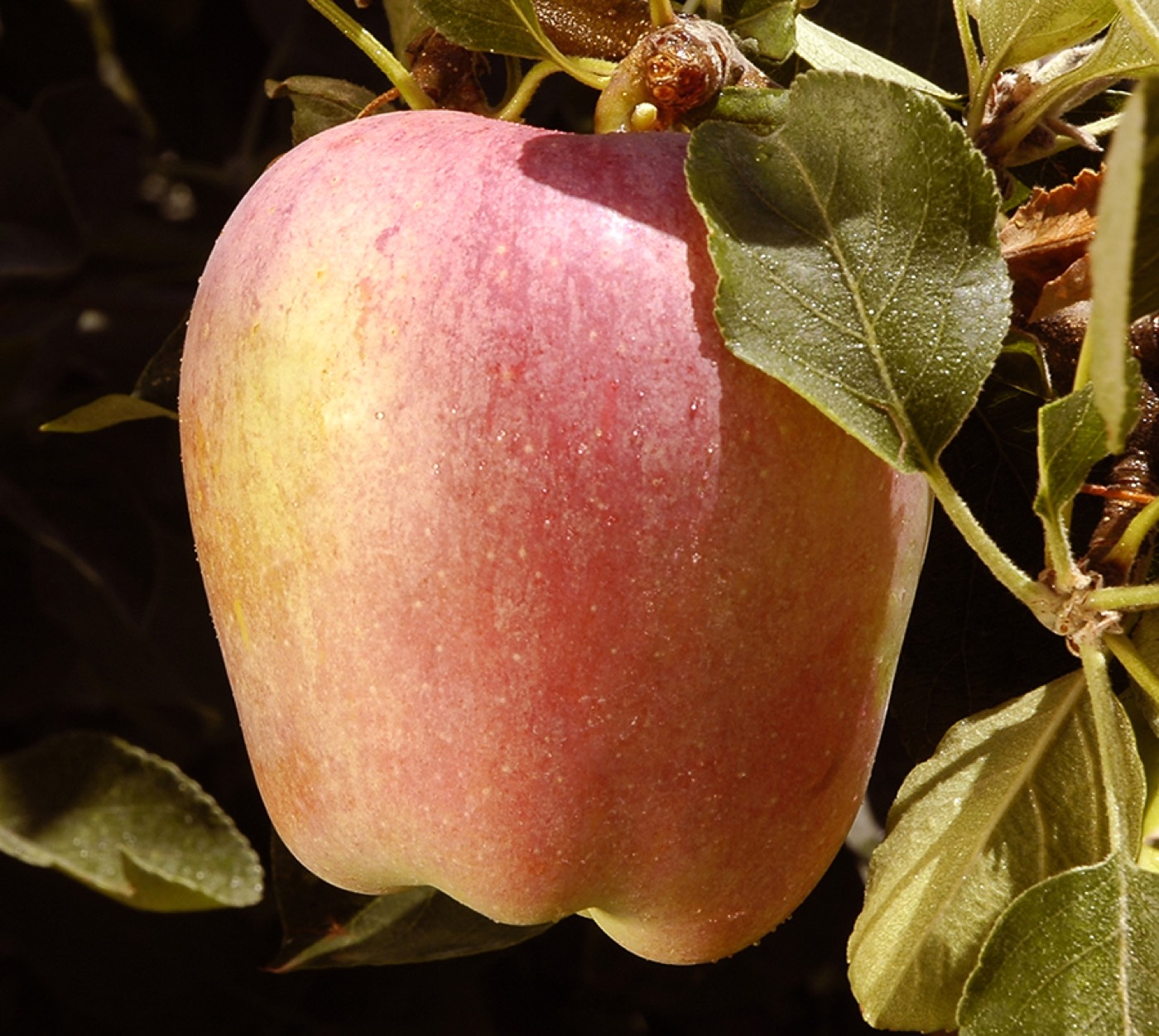 ApplesIn this year's order
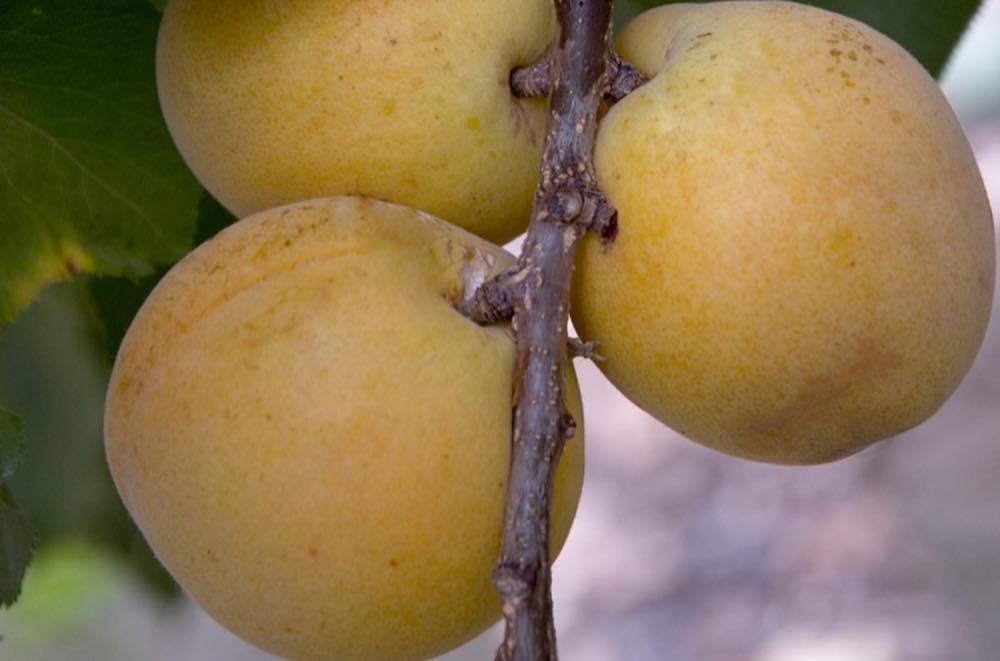 ApricotsIn this year's order
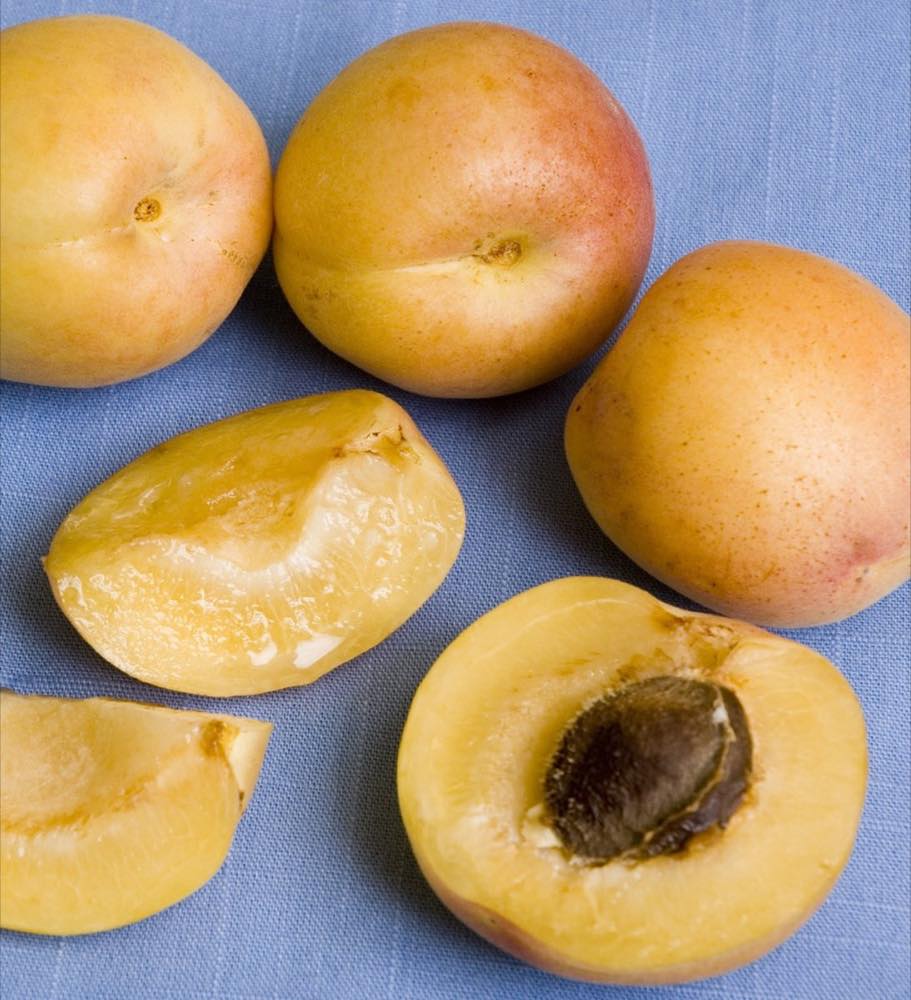 ApriumsIn this year's order
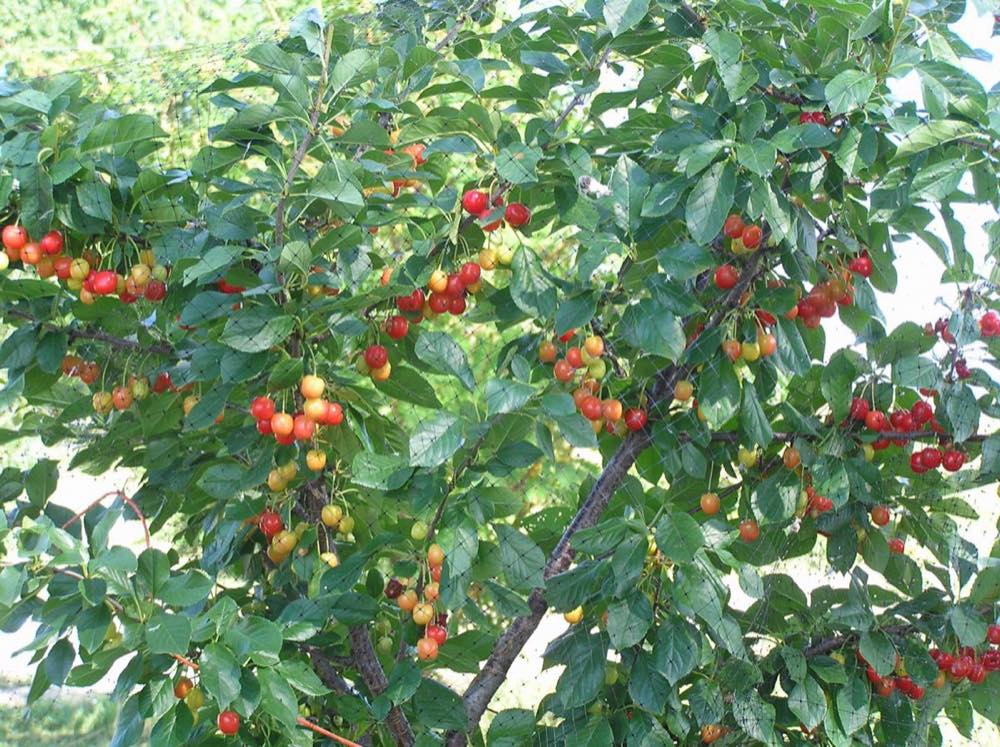 CherriesIn this year's order
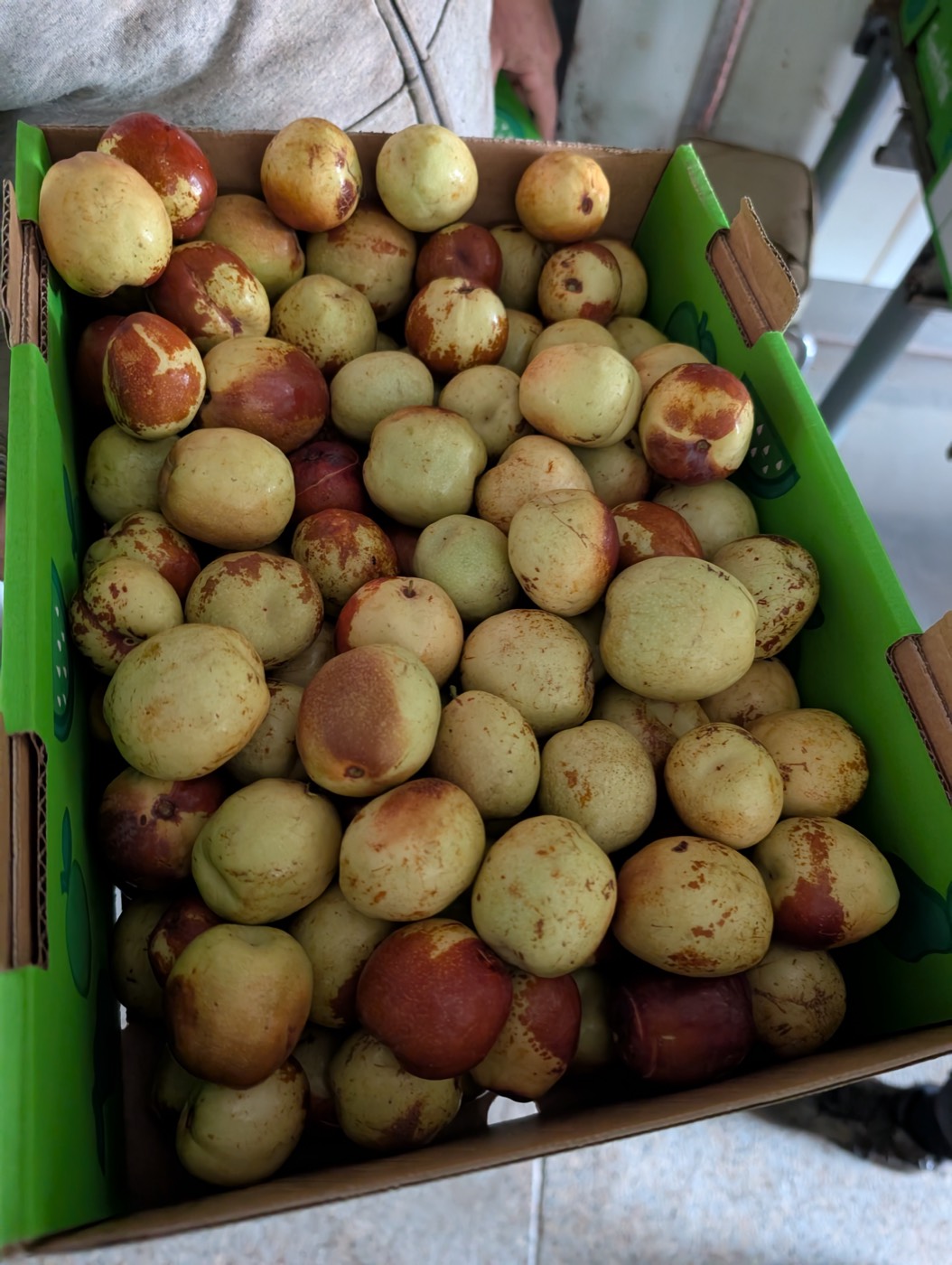 JujubesIn this year's order
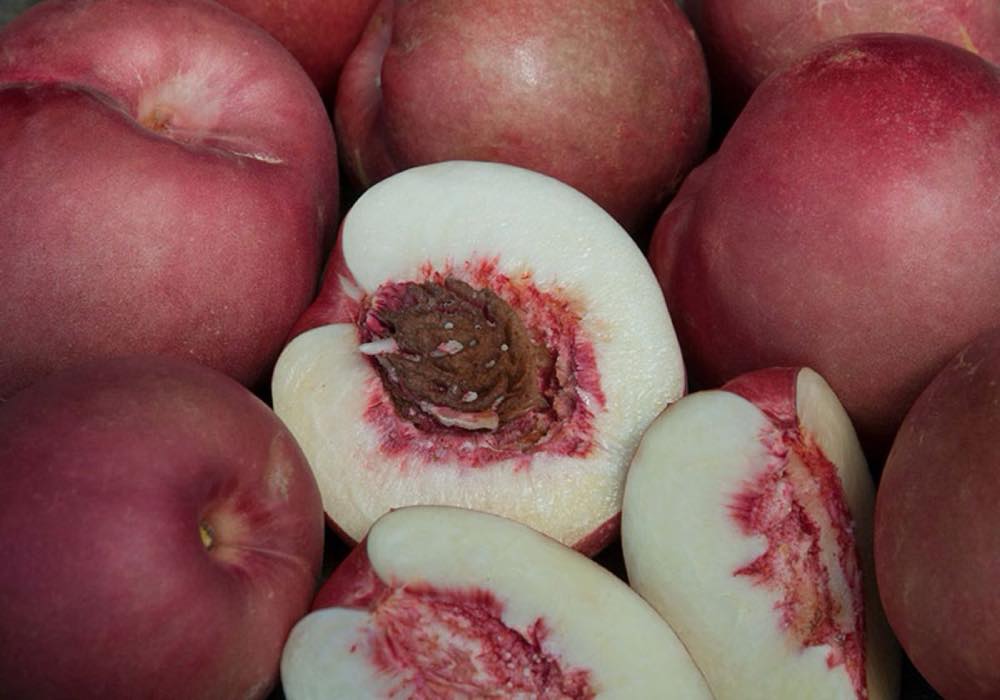 Pluots & interspecificsIn this year's order
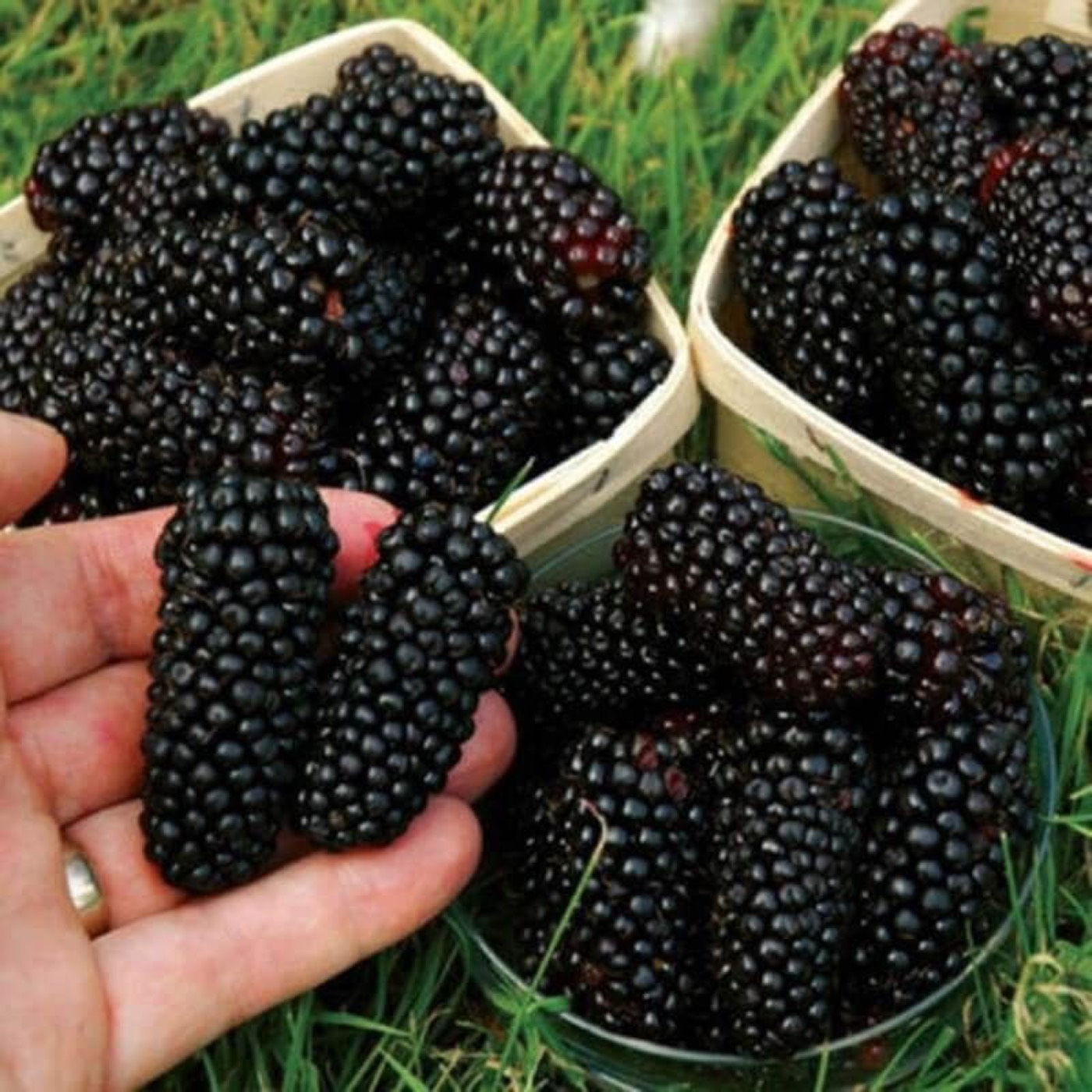 MulberriesIn this year's order
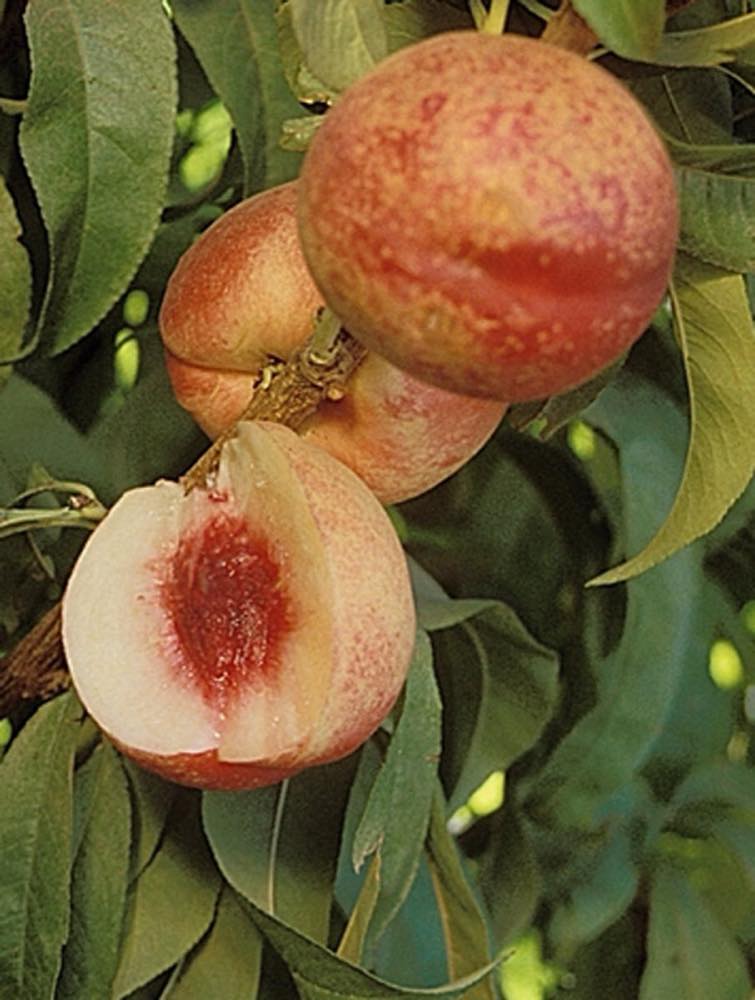 NectarinesIn this year's order
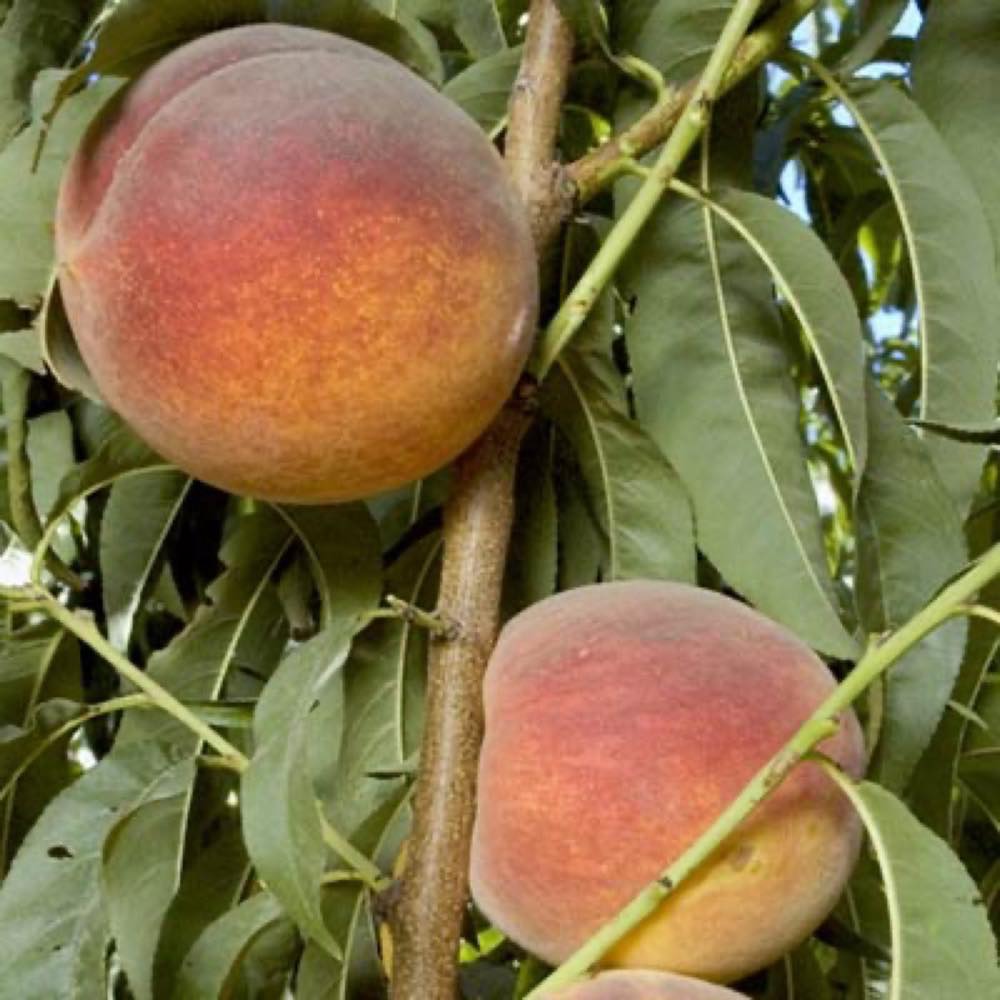 PeachesIn this year's order
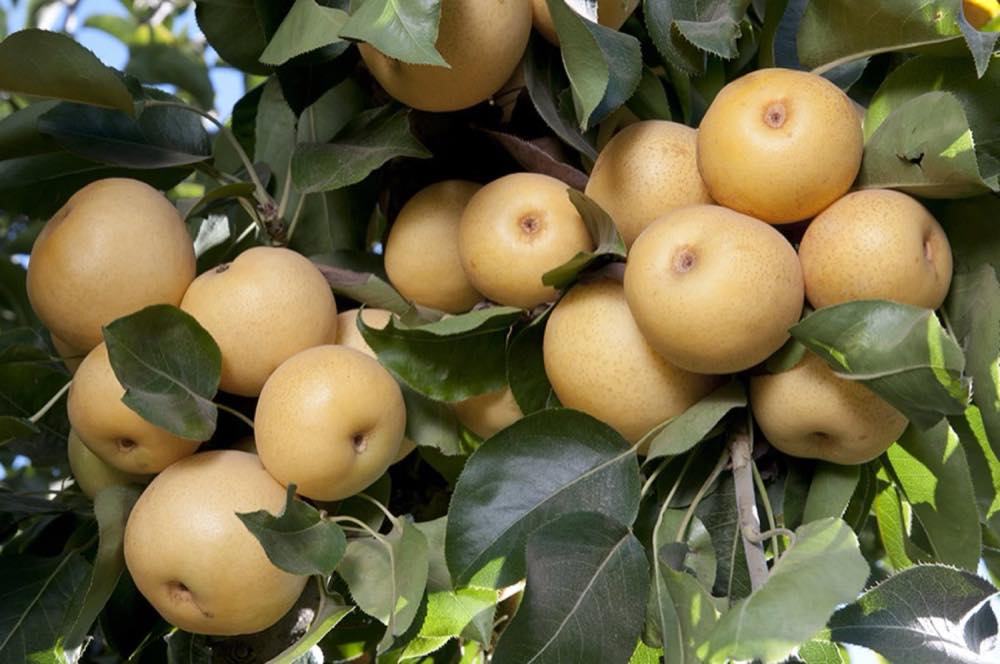 Asian pearsIn this year's order
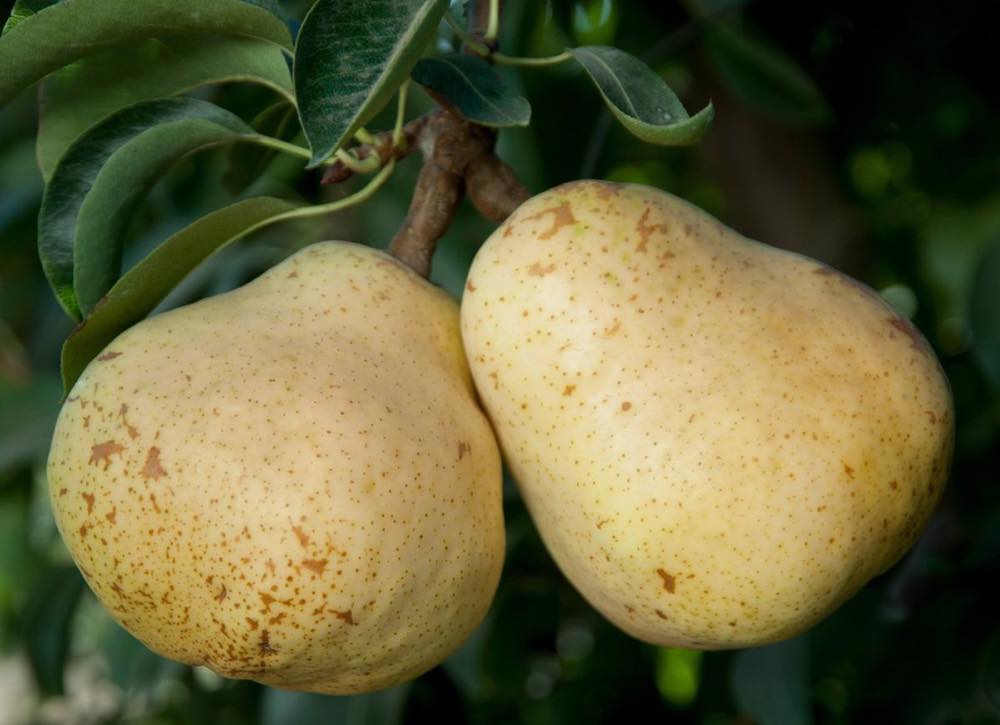 PearsIn this year's order
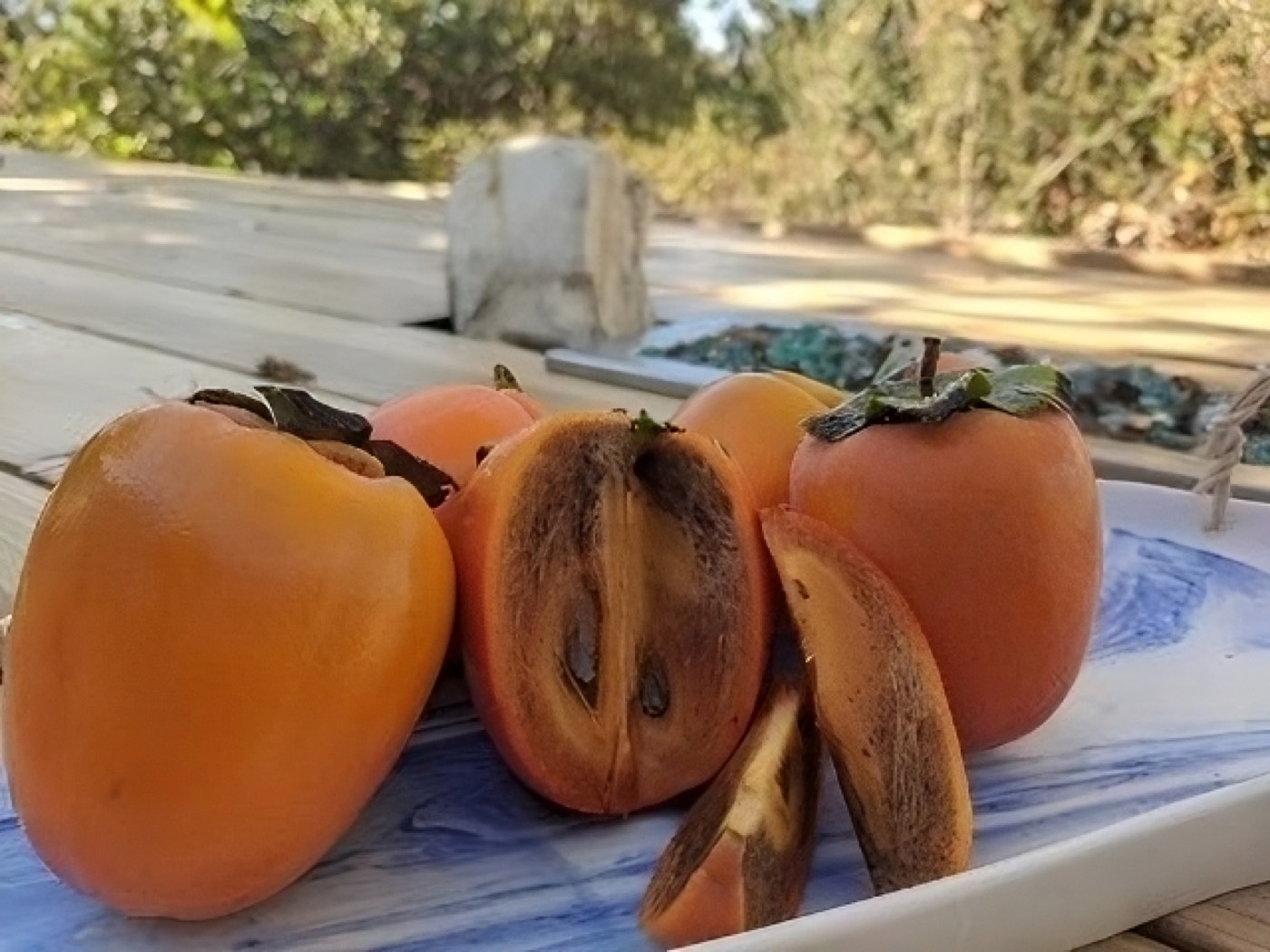 PersimmonsIn this year's order
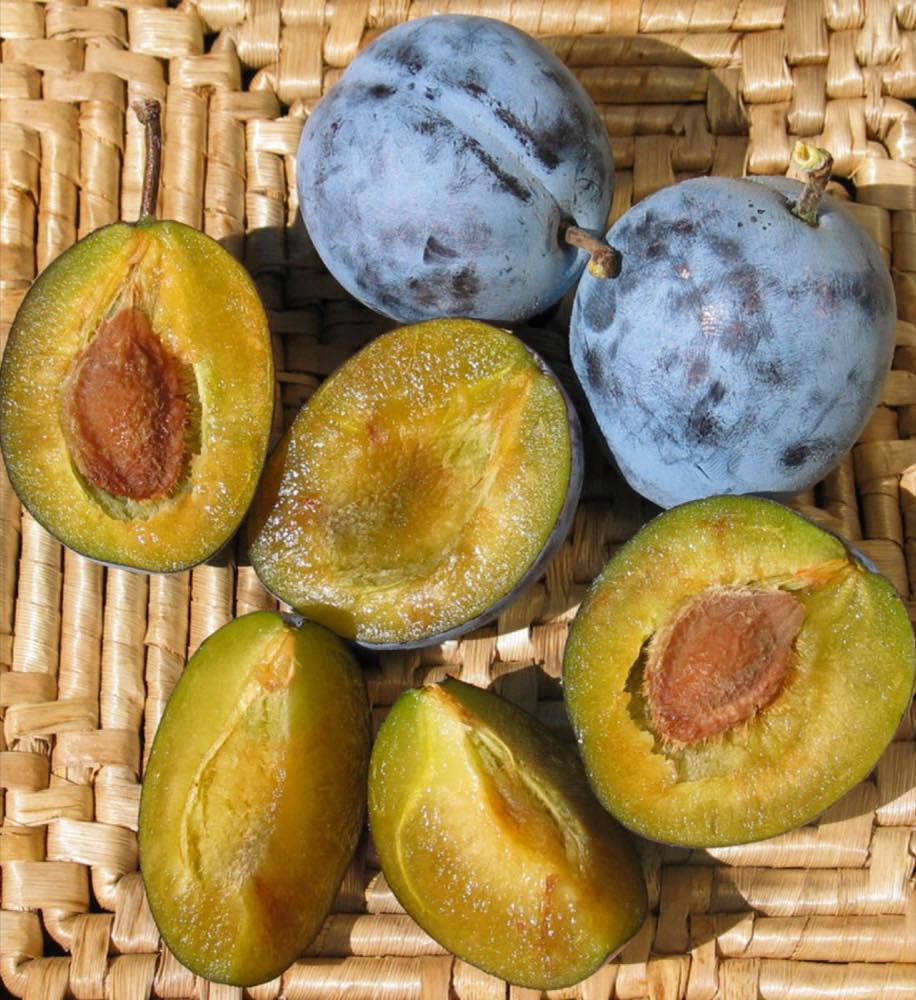 PrunesIn this year's order
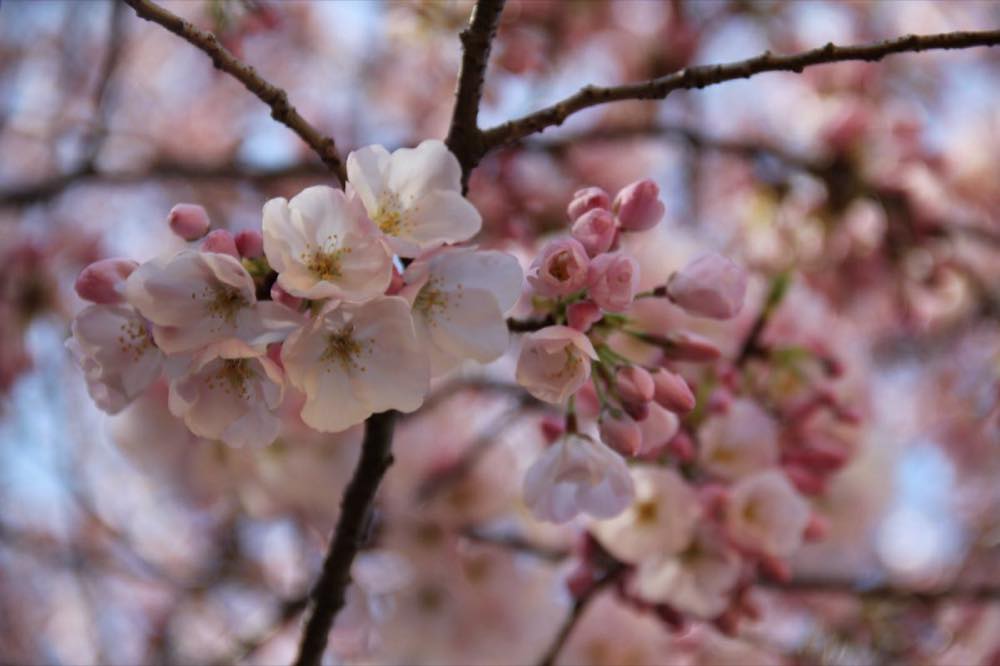 Flowering treesIn this year's order
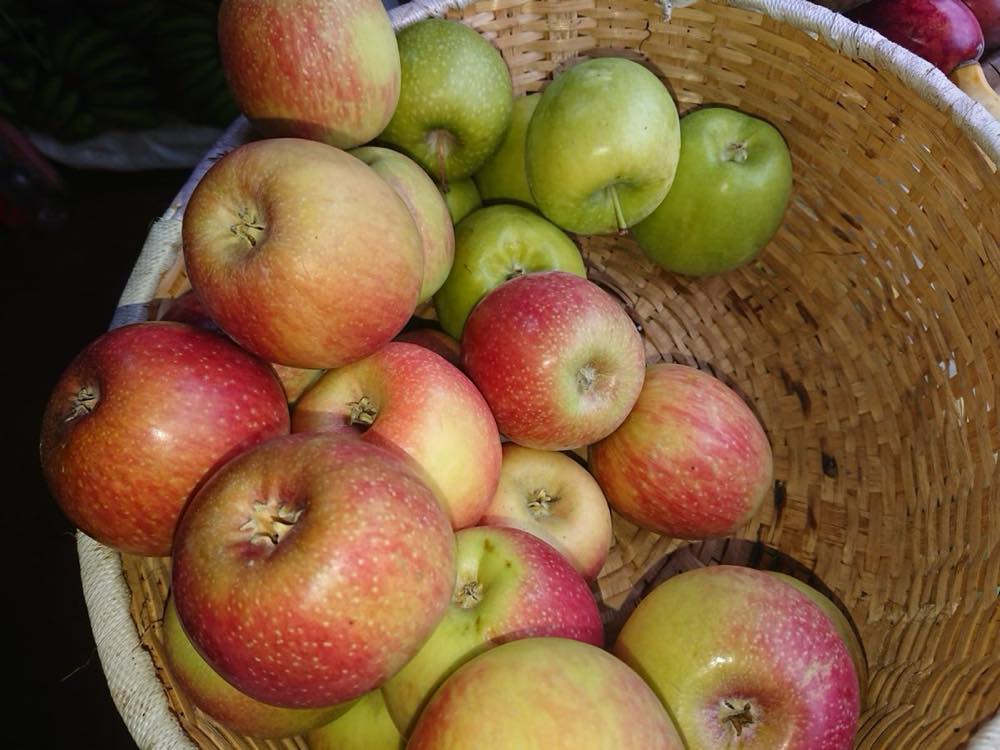 Multi-graftedIn this year's order
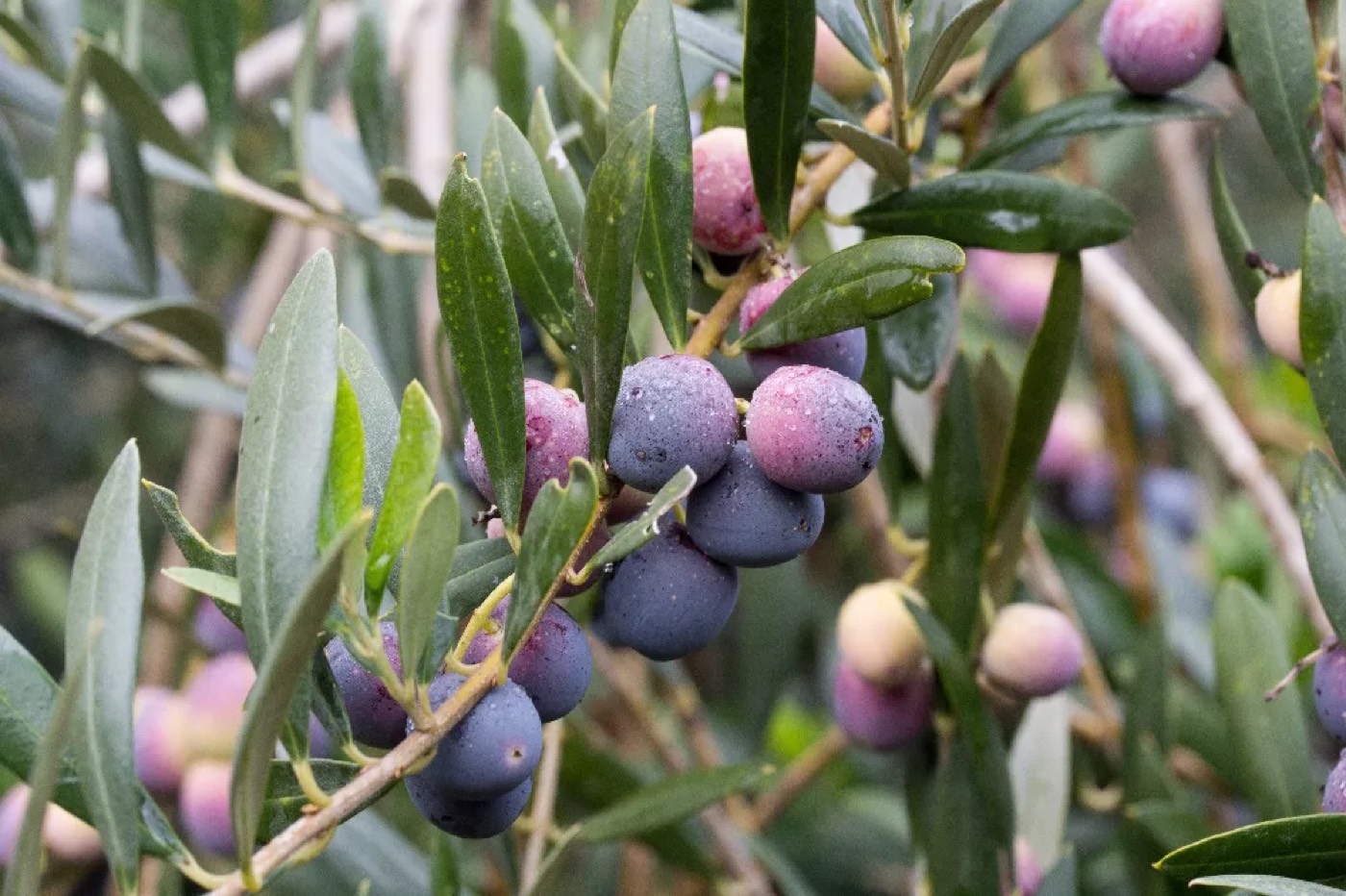 OlivesIn this year's order
Not in the current wholesale fruit tree program. Add it to your wishlist or a future wholesale preorder.
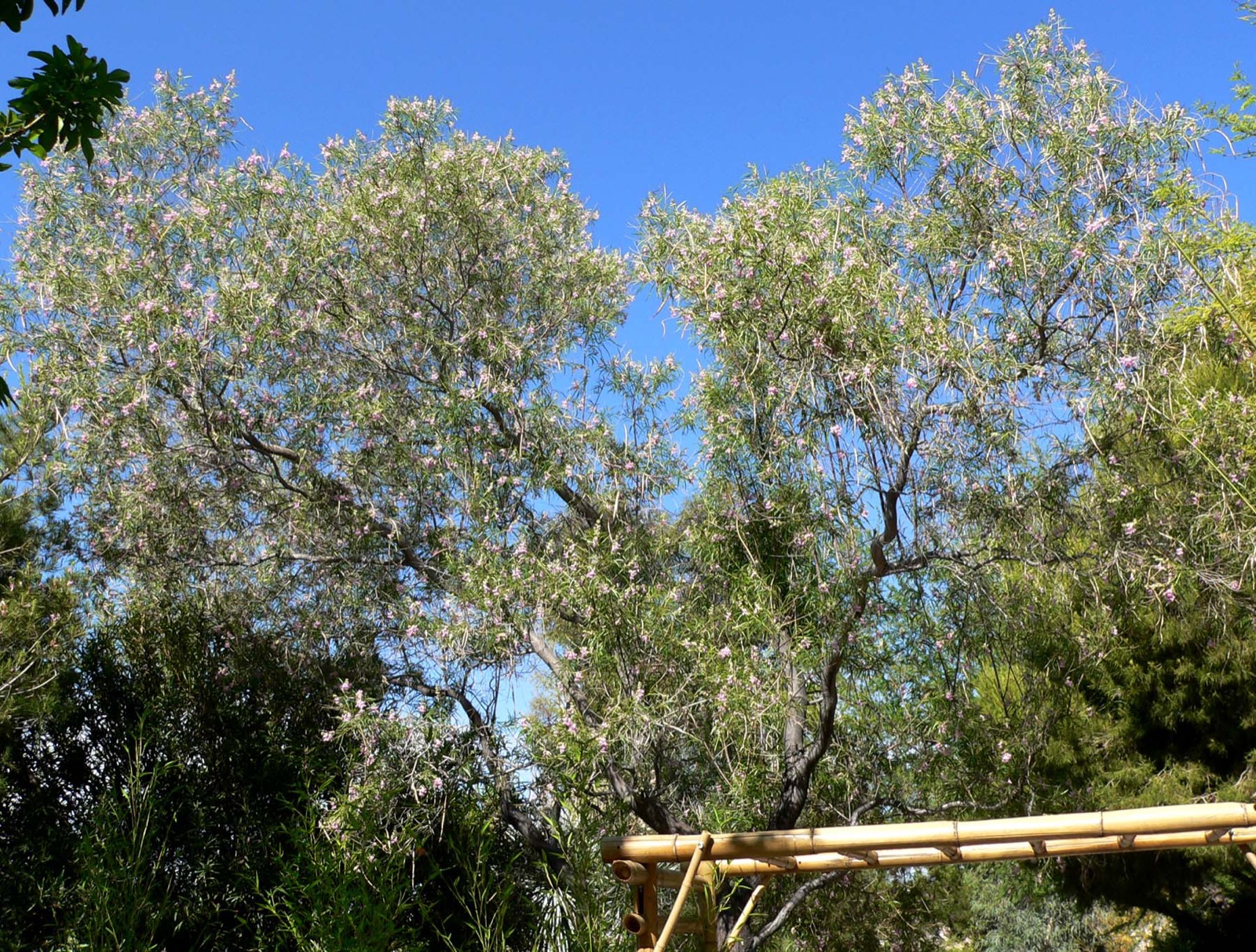 Desert willowChilopsis linearis
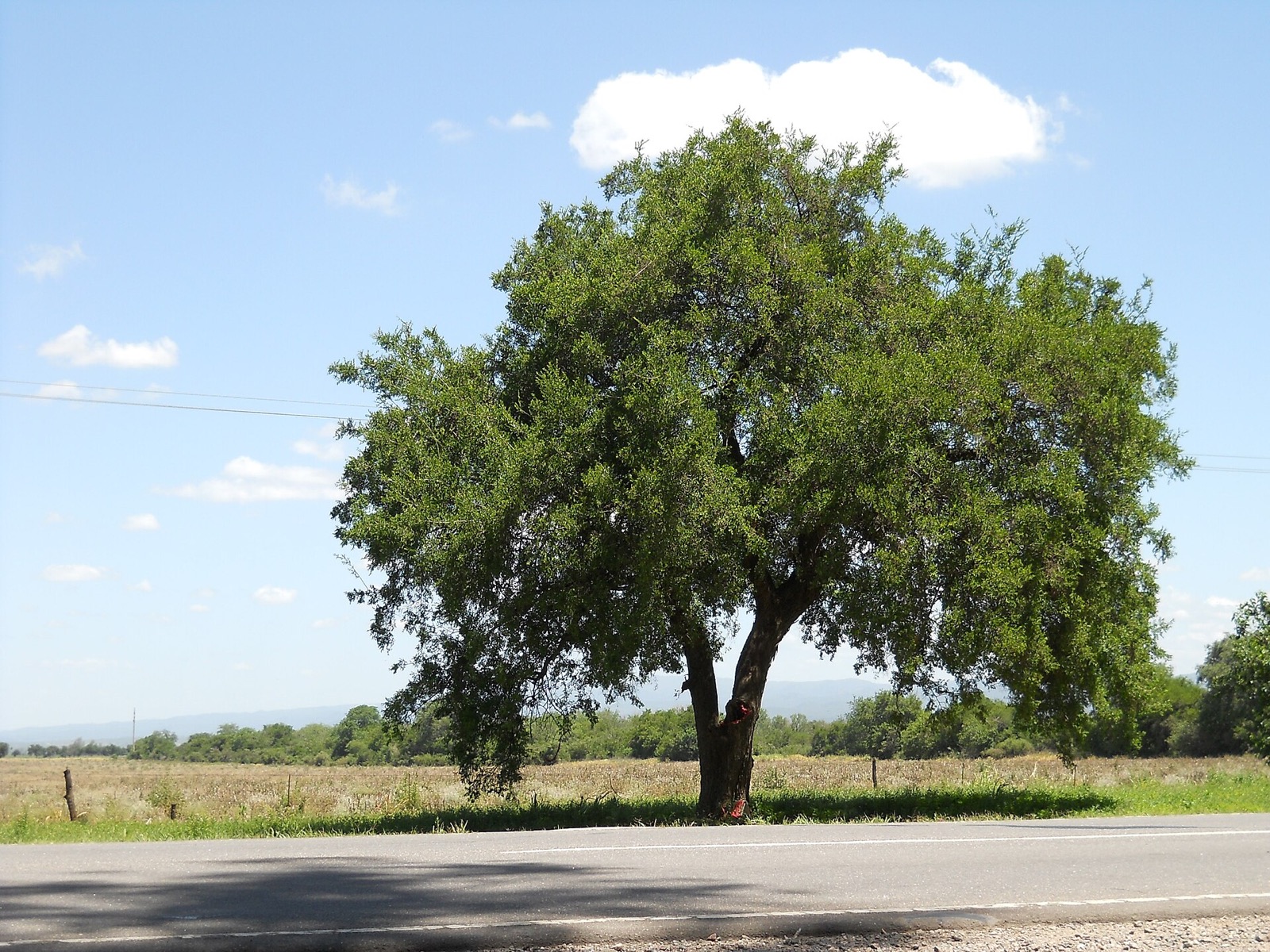 Desert hackberryCeltis pallida
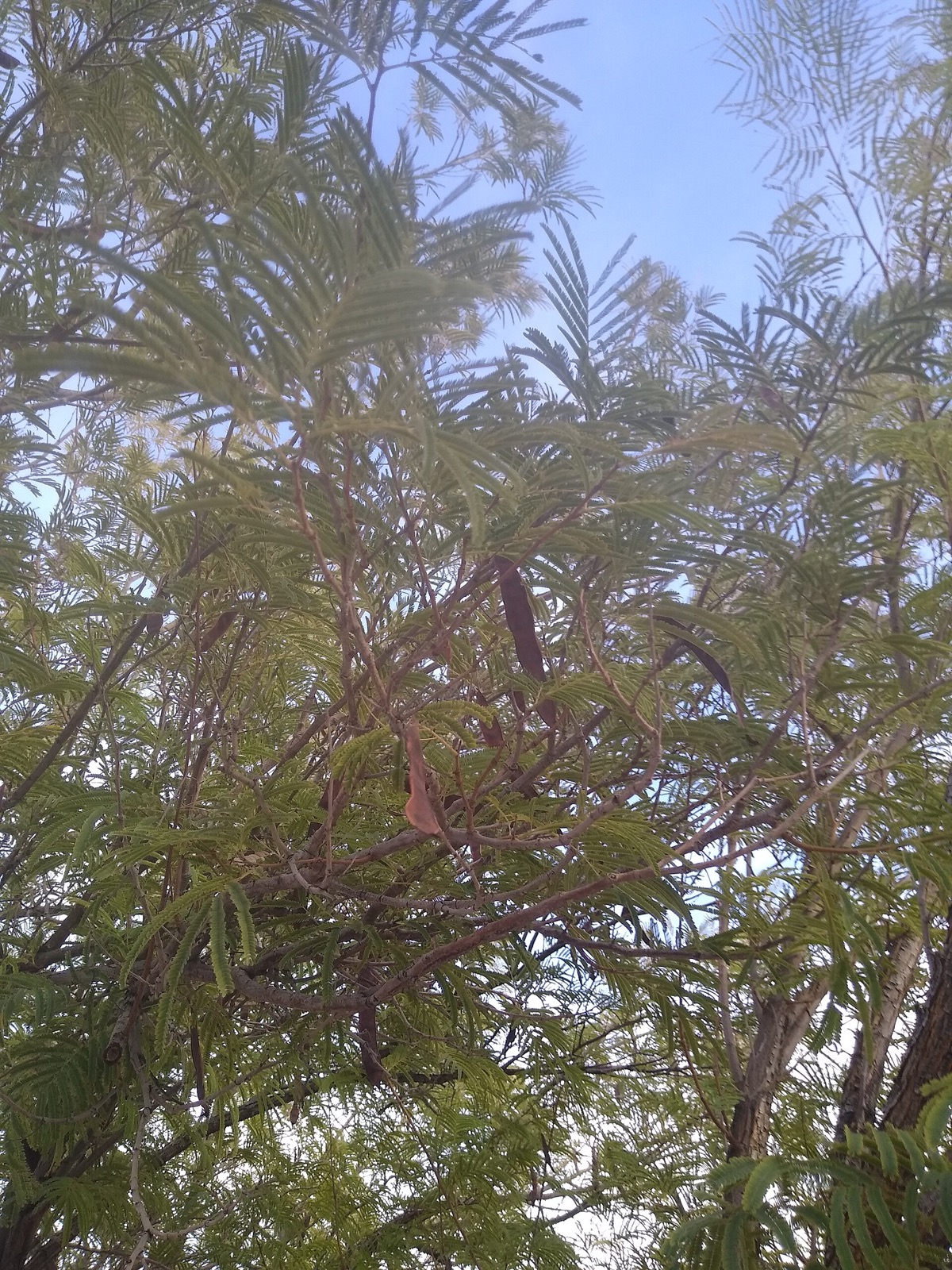 Desert fernLysiloma watsonii
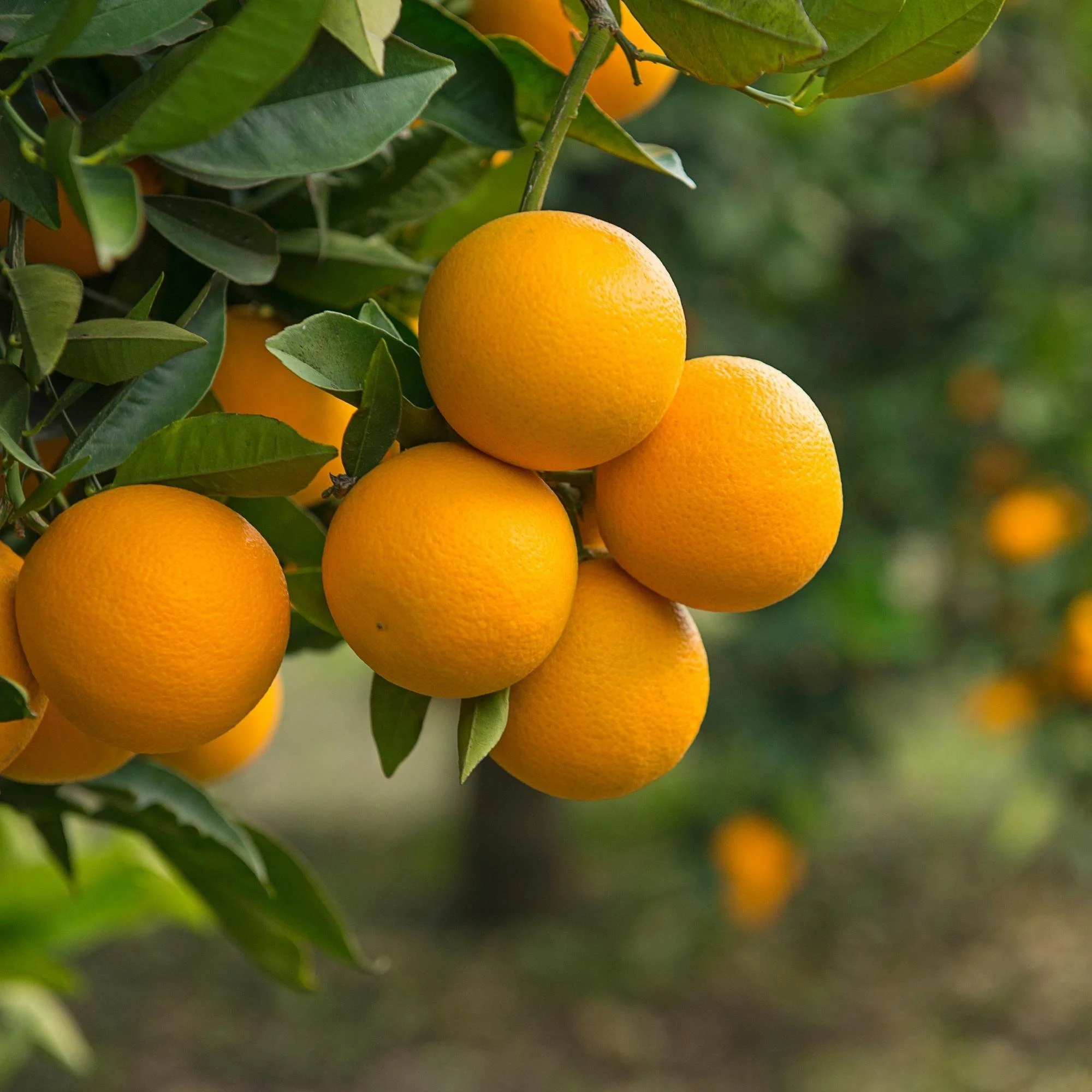 Diller Arizona sweet orangeCitrus sinensis ‘Diller’