

Pro service
Hardscapes that cool the yard, softscapes that feed it
Paths, seating areas, garden beds, trellises and shade, mulch and soil, berms and basins. Built by a licensed, bonded and insured Phoenix crew, from a design that puts every piece where it earns its place.
Most Phoenix hardscape makes the heat worse
Concrete, gravel and fake turf soak up sun all day and give it back all night. Unshaded, they make a yard hotter and drier than the desert around it. Barren hardscapes and unused lawns are dead zones, and most yards here have more of both than they use.
We build the opposite. Hard surfaces only where you walk and sit, sized to the use and shaded by trees. Everything else is softscape: living soil, mulch, berms and basins that catch rain, and plants that turn the yard into a place you can be in July. Shady summers and healthy soil mean less irrigation and less air conditioning, which saves thousands over time.
What we build
Each piece is part of one design, so the path drains into the basin and the trellis shades the seat.

Paths and seating areas
Surfaces that let rain through, laid only where you actually walk and sit, and shaded by the trees the design puts beside them.
Garden beds
Raised or in-ground beds built with amended living soil, on their own irrigation zone, ready to plant the day we leave.
Trellises and shade structures
Vines and fruit trained up and over, so the structure shades a wall, a patio or a window and feeds you at the same time.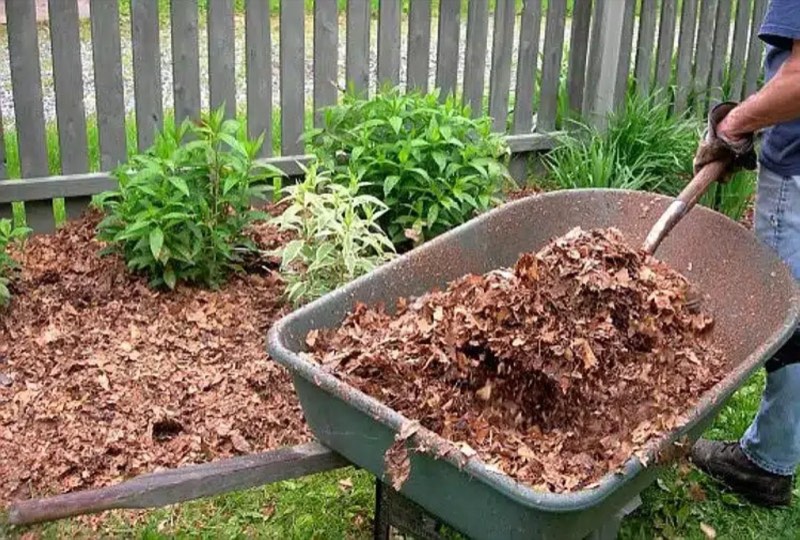
Mulch and soil installs
Several inches of wood mulch over amended soil, delivered and spread. It shields the ground from sun and wind, holds moisture and brings the soil life back.
Berms and basins
The softscape that catches rain where it falls: basins dug where water collects, berms shaped from the spoil, trees planted in the middle of both.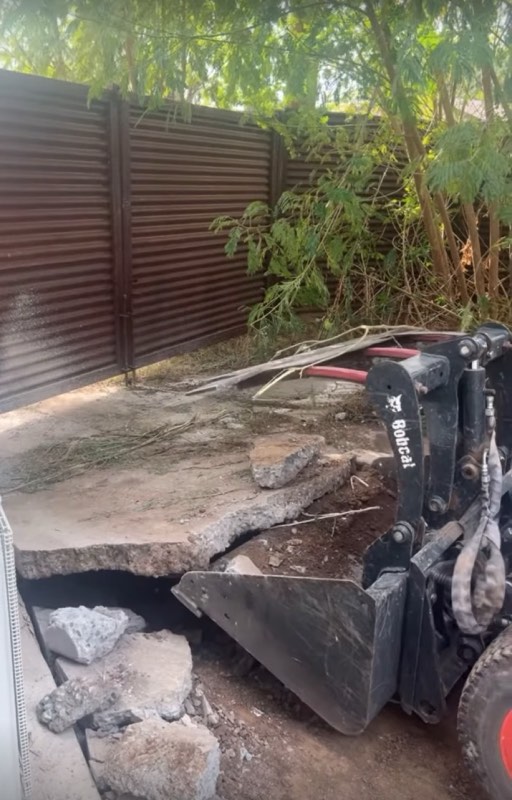
Concrete out, not in
Unshaded concrete and gravel make Phoenix hotter and drier. We remove concrete whenever it is unnecessary to the project, reuse the gravel and plant what was under it.
How a build goes
Design first, removals next, then the ground, then the structures and the soil work, in that order so nothing we built gets trampled.
Design
An on-site visit to talk through what you want, then design sessions until the vision and the budget agree. You get a site plan with the watershed, the planting layout and the irrigation, and build estimates for all of it. Pricing is quoted after the site visit.
Removals and drainage
Unnecessary concrete, gravel and turf come out first, along with any urgent drainage fix. Gravel is reused where it can be; the rest goes to the inert dump.

Shape the ground
Basins where water collects, berms from the spoil, paths graded so rain runs toward roots rather than the street. Every inch of rain matters in a desert, and this is where it gets kept.
Structures, then soil and plants
Paths, seating, beds, trellises and shade go in on the finished grades, with irrigation laid before anything is covered. Then amended soil in the beds and basins, several inches of mulch over everything bare, and the trees and cover crops that make it a landscape.
Why the softscape starts with soil
Whether we do it or you do, this is the proven way to bring compacted desert dirt back to life. Follow it and you fast-forward what nature takes years and decades to do on its own.

Till
Healthy soil should almost never be tilled, but compacted dirt needs a nudge to get going again. Organic matter, compost, leaves, kitchen scraps and the amendments your land is missing go into the top 6 to 12 inches with a rototiller or a broadfork.

Cover
Right away, several inches of wood mulch, grass clippings or leaves go over the amended soil. It protects the soil from sun and wind, keeps moisture in and brings the microbiology back.

Plant
A diverse cover crop kick-starts the carbon cycle, holds nutrients in place and grows next season's mulch. Annuals like clover, buckwheat, cowpea, sunflower, flax and pearl millet, with perennial ground covers like creeping herbs, myoporum, sunshine mimosa, purple heart and jade.
The numbers behind a build
- FreeThe virtual consultation that starts every project
- PhasedBuilds are paced to your budget, in a sensible order
- 6 to 12 inHow deep amendments go when soil is revived
- 1Project at a time, so the quality holds
Licensed, bonded and insured. Every estimate is for the work described, and the build is phased so you can pace it to your budget.
Yards we have built
Seating areas, paths and basins in the ground, not in a rendering.
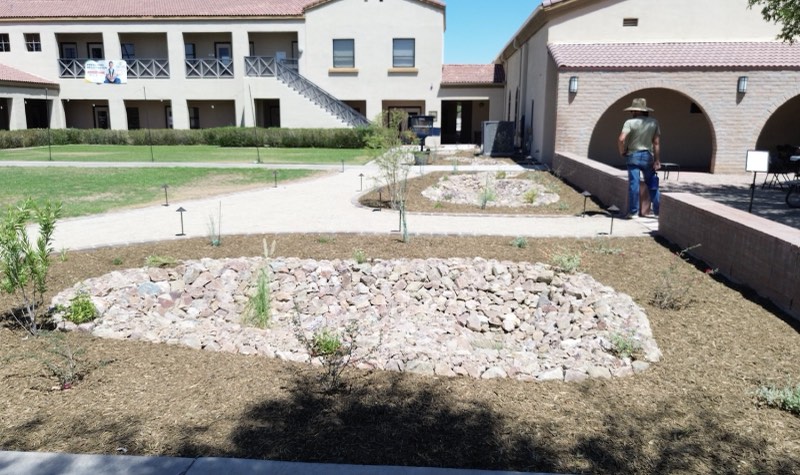
A Rainwater-Fed Community Landscape for First United Methodist Church of Gilbert
This installation is open to the public! 331 S Cooper Rd, Gilbert, AZ 85233Read the case study →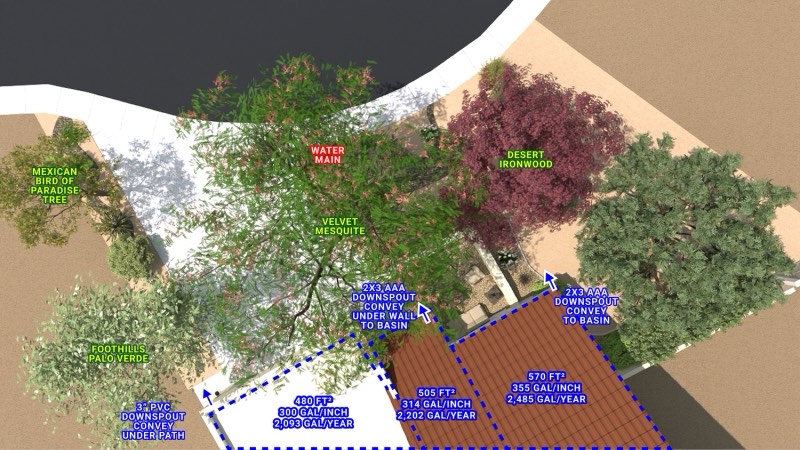
Replacing Unused Lawn with a Rainwater-Fed, Native Sonoran Permascape in Tempe AZ
Tyler Post first approached Galaxy Gardens about 2 years ago, and our friend & long-time native permaculture designer Nancy Blakley produced a beautiful & functional design of S…Read the case study →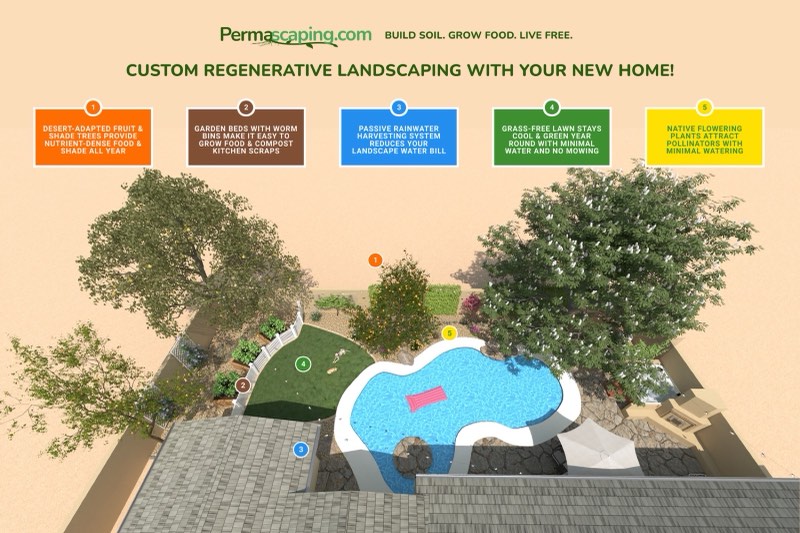
Natural Landscaping Vision: 13815 North 41st Place
If you’re currently in the market for a 4-bedroom updated home in the North Phoenix area, this might be the perfect opportunity for you.Read the case study →
Questions people ask
What does an install cost?
Every install is built from a design. The design phase includes the on-site visit, design sessions and a site plan, and it comes with build estimates for everything in it: removals, hardscape, irrigation, rainwater work and planting. Once the design is set we help you budget the build in phases. Pricing is quoted per project after the site visit.
Why do you take concrete out when other companies pour it?
Hardscape materials like concrete make Phoenix hotter and drier, especially when they are unshaded. We remove it whenever it is unnecessary to the project's goals. Where a hard surface is needed, we use materials that let water through and shade them with trees.
What happens to the gravel and concrete you remove?
Gravel is reused in other areas or other projects whenever possible. The rest goes to the inert dump, which is the least toxic kind of landfill.
Do you install artificial turf?
No. Fake grass makes the heat island worse and destroys the soil life underneath it, so we never reinstall it. If you have some, we remove it. If you want a lawn, we build a living one that uses less water.
How long does an install take?
A week to several weeks, depending on the scope and the crew size at the time. We generally work on one project at a time so the quality holds, and with your permission some equipment may stay on site between days.
How do we get started?
A free virtual consultation, to confirm we are a fit for what you want. If we are, the design phase comes next. Once you accept an estimate, a deposit gets you on the schedule, along with a pre-project checklist and a timeline you can follow in your portal.
Request a consultation
Tell us about the yard and what you want it to do. We start with a free call, and if we are the right fit the design phase comes next.