Making a pot work in the desert
- Start bigAt least a 15-gallon pot, moving up to 25 gallons or a half barrel as it grows. A bigger pot holds more water and stays cooler.
- Use potting mixA coarse, fast-draining potting mix, never garden soil. Blueberries want an acidic mix, which is why a pot is the easy way to grow them here.
- Water a lotIn summer, expect to water every day, and twice on the hottest ones. A drip line on a timer makes it painless.
- Keep the roots coolLight-colored pots, afternoon shade in summer, and off hot concrete and west walls.
- Feed little and oftenWatering washes food out of a pot, so feed lightly through spring and early summer.
Cane berries
Cane berries
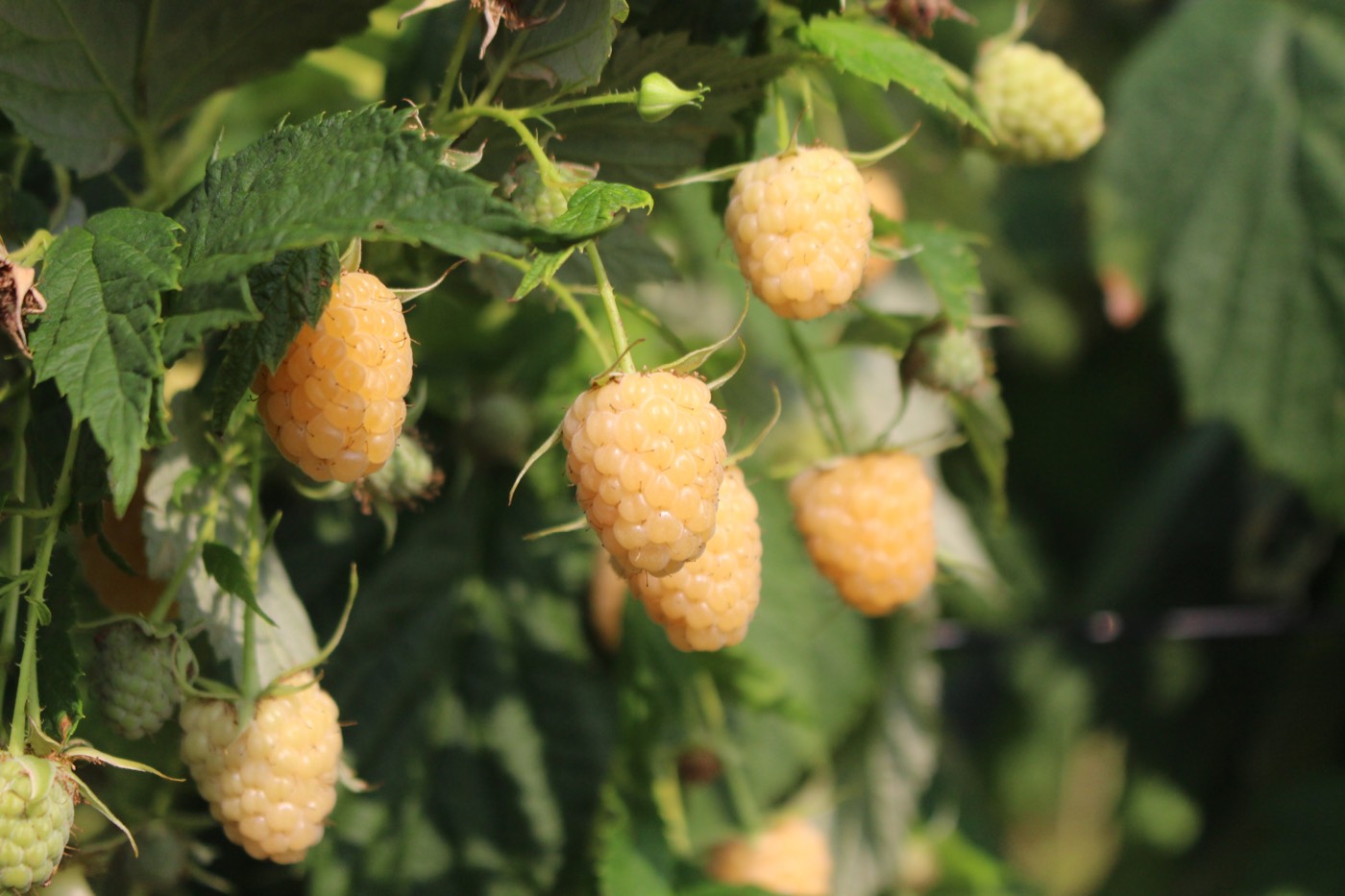
Stays about 5 ft on its ownA pale yellow raspberry about the size of a quarter, very sweet and mild, and it won't stain your fingers. It is everbearing, fruiting on new canes from summer into fall, so the only pruning is cutting canes to the ground in late winter. Low desert heat is too hard on it, so it suits mid elevation and the high country, with afternoon shade at lower sites.
Cane berries
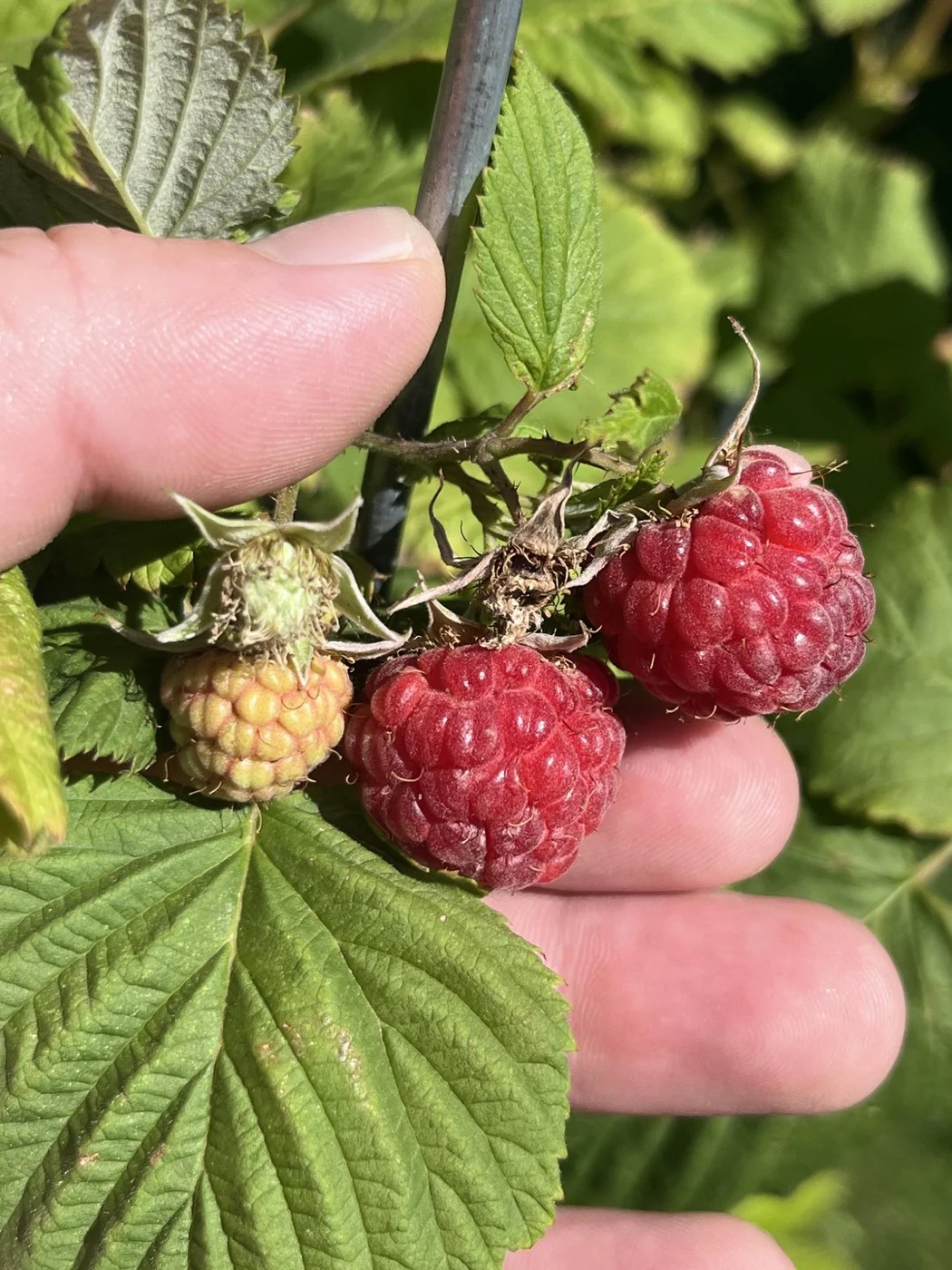
Stays about 5 ft on its ownExtra-large red berries up to an inch and a half long on an everbearing cane, with a main crop in early summer and a lighter one in fall. It is the most heat-tolerant raspberry on this list and is sometimes tried in Phoenix, but it needs afternoon shade and steady water there, and fruit can turn bland in heat. Mid elevation is the safer home.
Cane berries
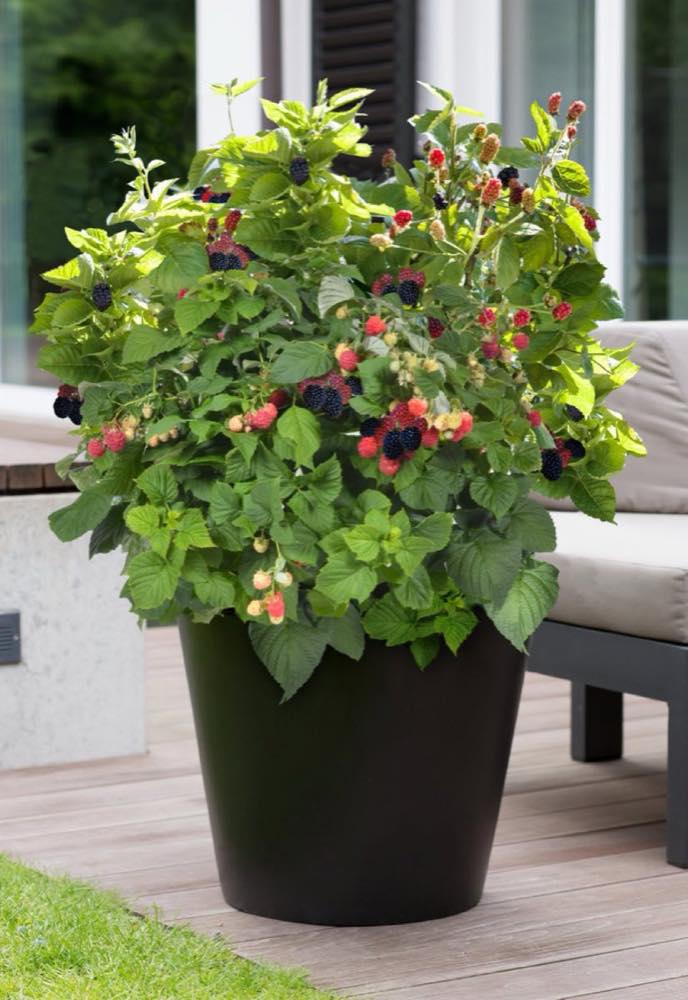
Grows well in a potA dwarf, thornless blackberry that grows as a self-supporting bush, so it is easy in a large pot, with large, sweet berries in summer and often a smaller second flush. At 400 chill hours it sits at the upper edge for the low desert, so give it afternoon shade and expect lighter crops there. Mid elevation suits it better.
Cane berries
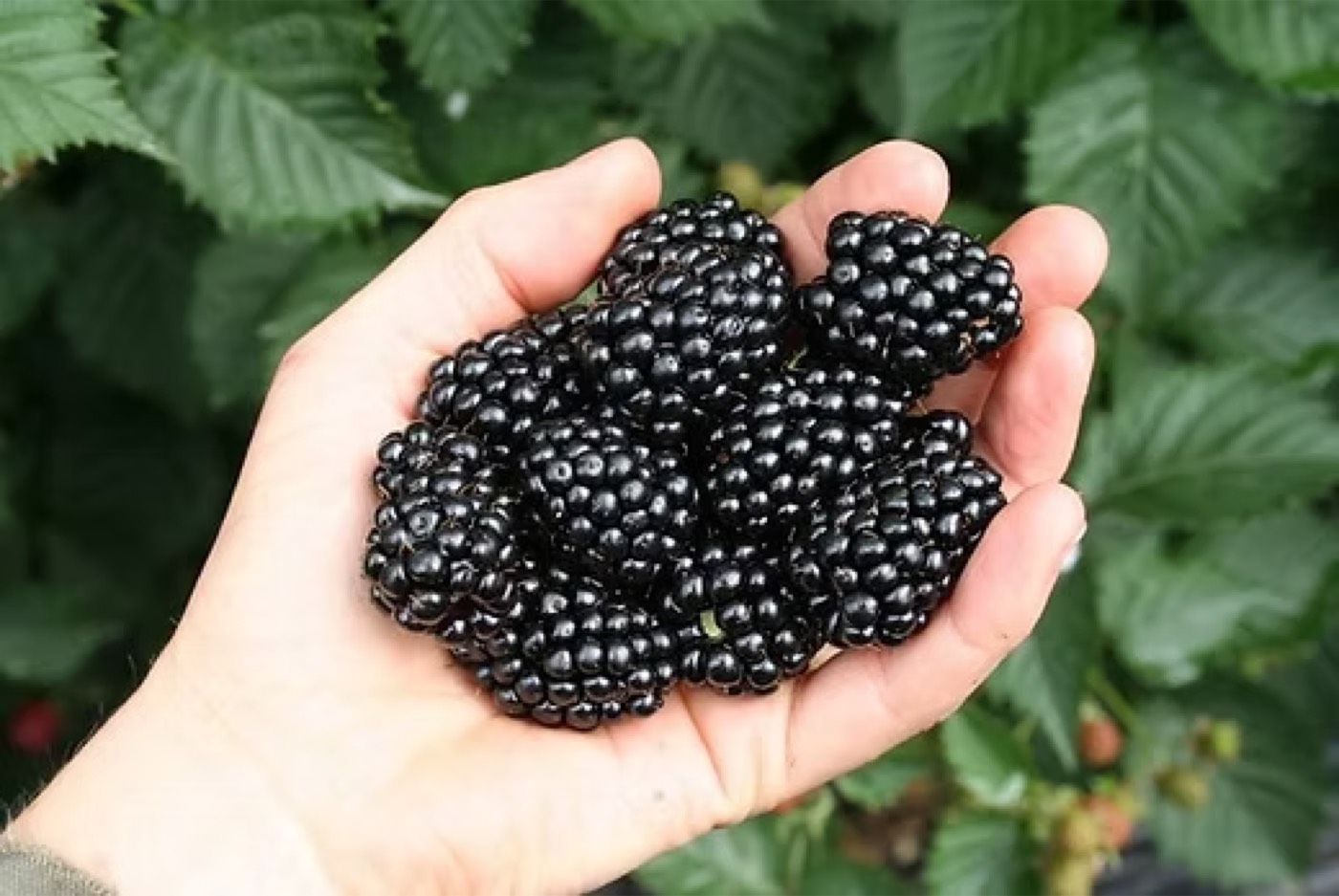
Stays about 7 ft on its ownLarge, glossy, sweet berries on a thornless, high-yielding vine that hardly suckers, so it stays tidy. It is a dependable blackberry for the low desert, where it ripens in May, and it also does well at mid elevation. Give it afternoon shade to prevent sunburned fruit, and cut out canes after they have fruited.
Cane berries
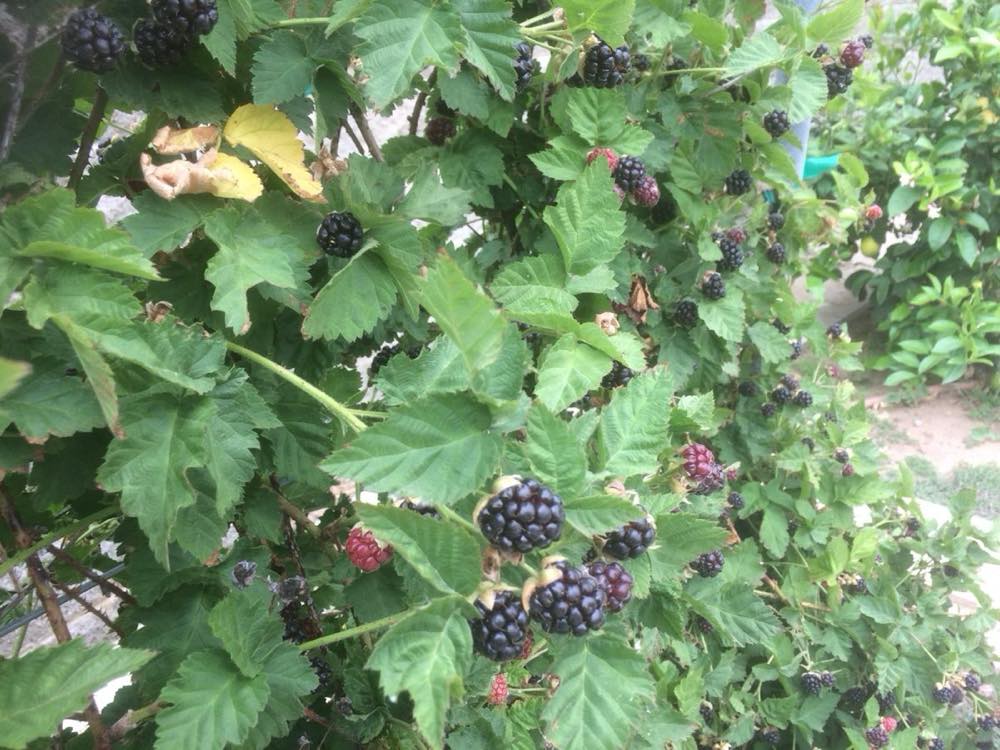
Stays about 9 ft on its ownLarge, juicy, maroon berries with a sweet-tart flavor, and better yields than the thornless form. The canes are thorny, so wear gloves and keep it off paths; in the low desert it needs afternoon shade and steady water, and at mid elevation it is easier. Berries soften quickly, so pick them ripe and use them the same day.
Cane berries
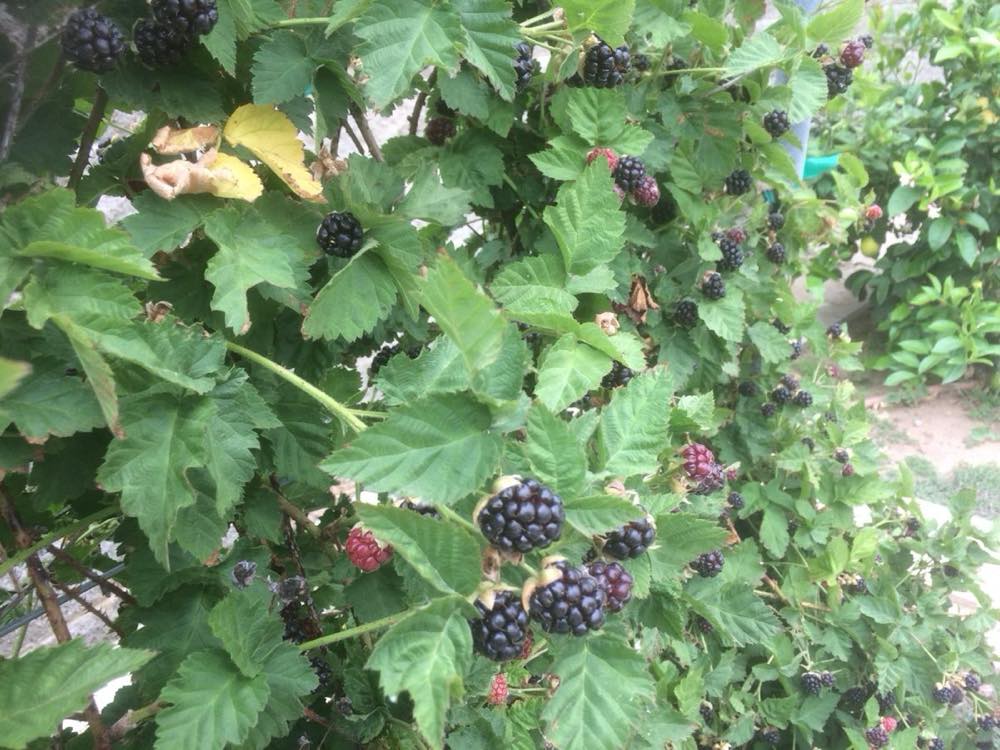
Stays about 9 ft on its ownA thornless boysenberry with very large, dark maroon, tangy-sweet fruit that is far easier to pick than the thorny kind, though yield is a bit lower. It sprawls, so give it a trellis. In the low desert it wants afternoon shade and regular water, and at mid elevation it is easier.
Cane berries
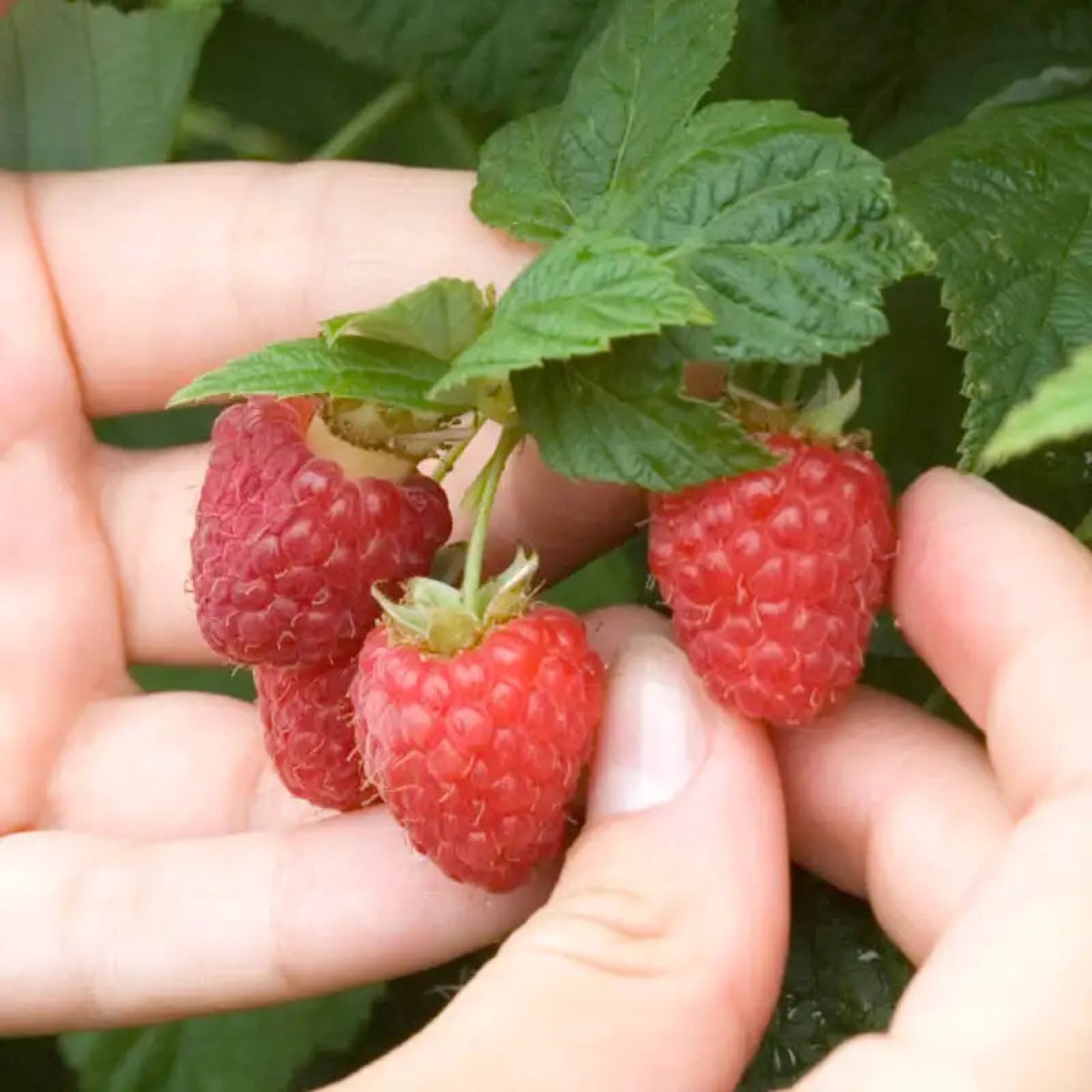
Stays about 5 ft on its ownThe only thornless red raspberry, with large, firm, juicy berries and some aphid resistance. It is a summer-bearing type that likes cooler summers and real winter, so it belongs at mid elevation and in the high country. It fruits on last year's canes, so cut out the ones that have finished, and give it regular water and a wire to tie to.
Cane berries
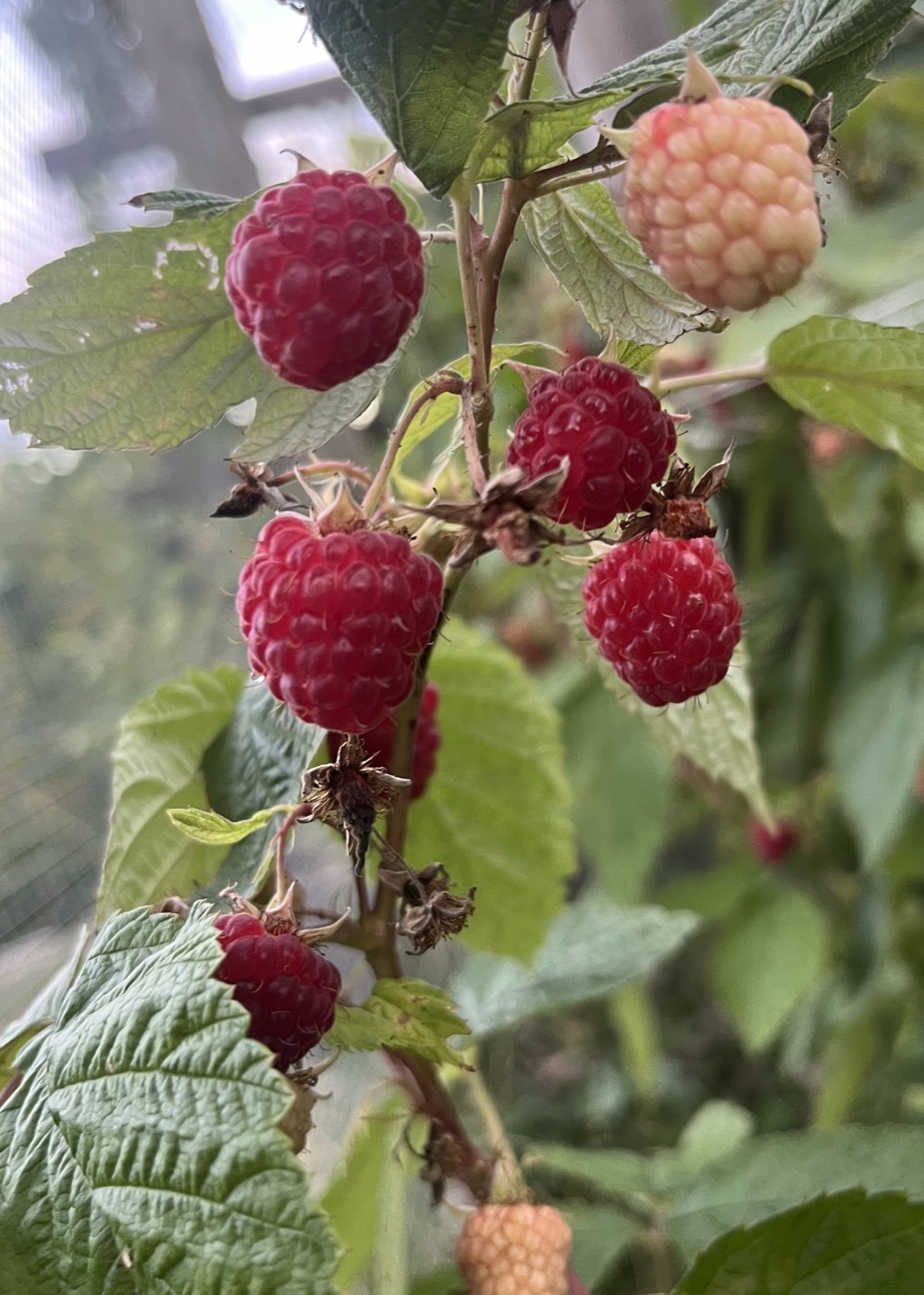
Stays about 5 ft on its ownLarge berries with a strong raspberry flavor, borne on new canes from summer into fall, and more tolerant of root rot than Heritage, which helps in heavy or wet soil. The afternoon shade it likes suits Arizona. Best at mid elevation and in the high country, since low desert summers are usually too hot for it.
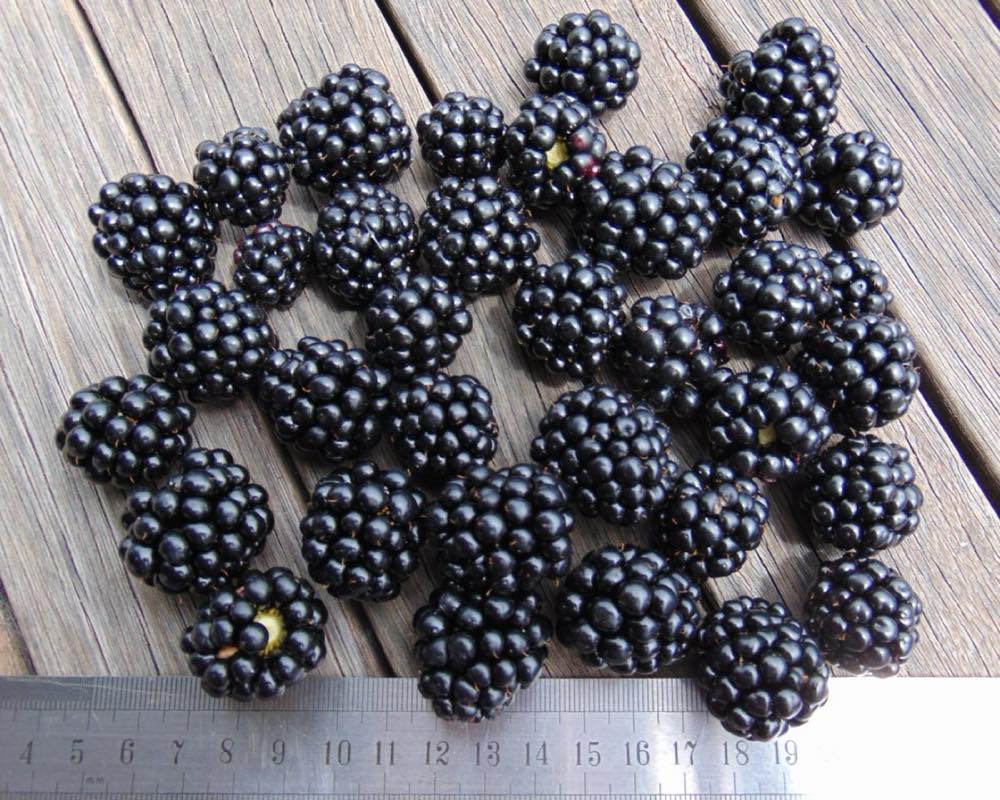
Cane berries
Stays about 9 ft on its ownA semi-trailing, thornless blackberry known for cold hardiness, big yields and sweet, mild berries that hold up in summer heat. It needs far more winter chill than the low desert gets, so it is a mid elevation plant. Give it a trellis and thin the canes each winter.
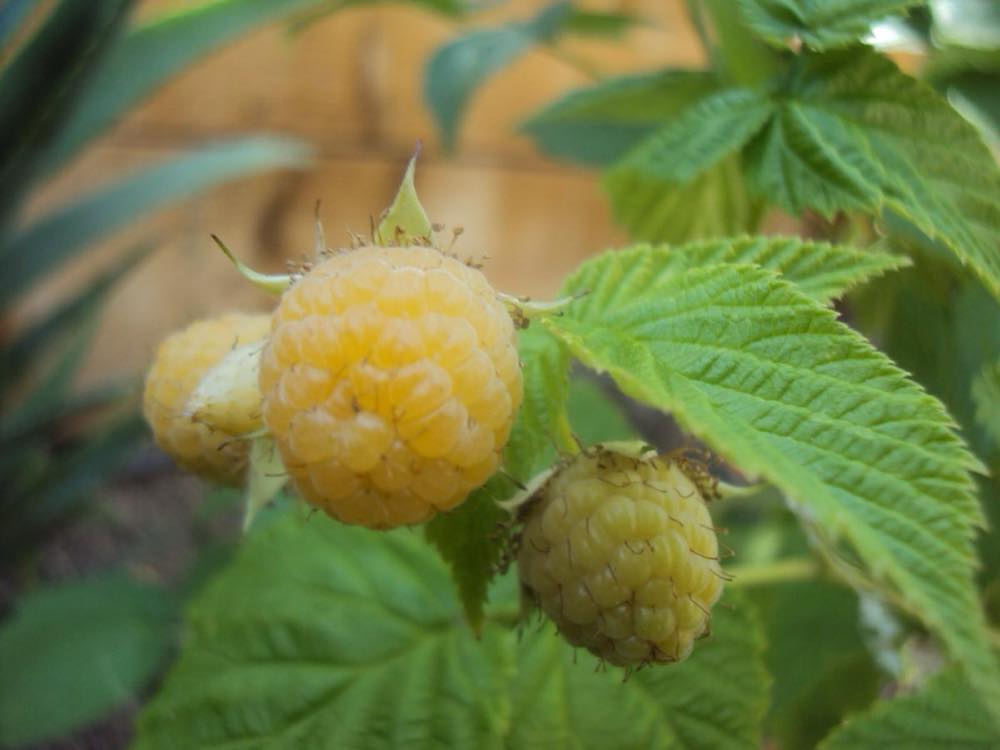
Cane berries
Stays about 5 ft on its ownA golden raspberry that is extremely sweet and soft-textured, bearing on new canes from summer into fall, so pick the delicate berries gently. One parent is a wild Korean mountain berry, which gives it good cold hardiness. Best at mid elevation and in the high country, with afternoon shade at lower sites; the low desert is too hot.
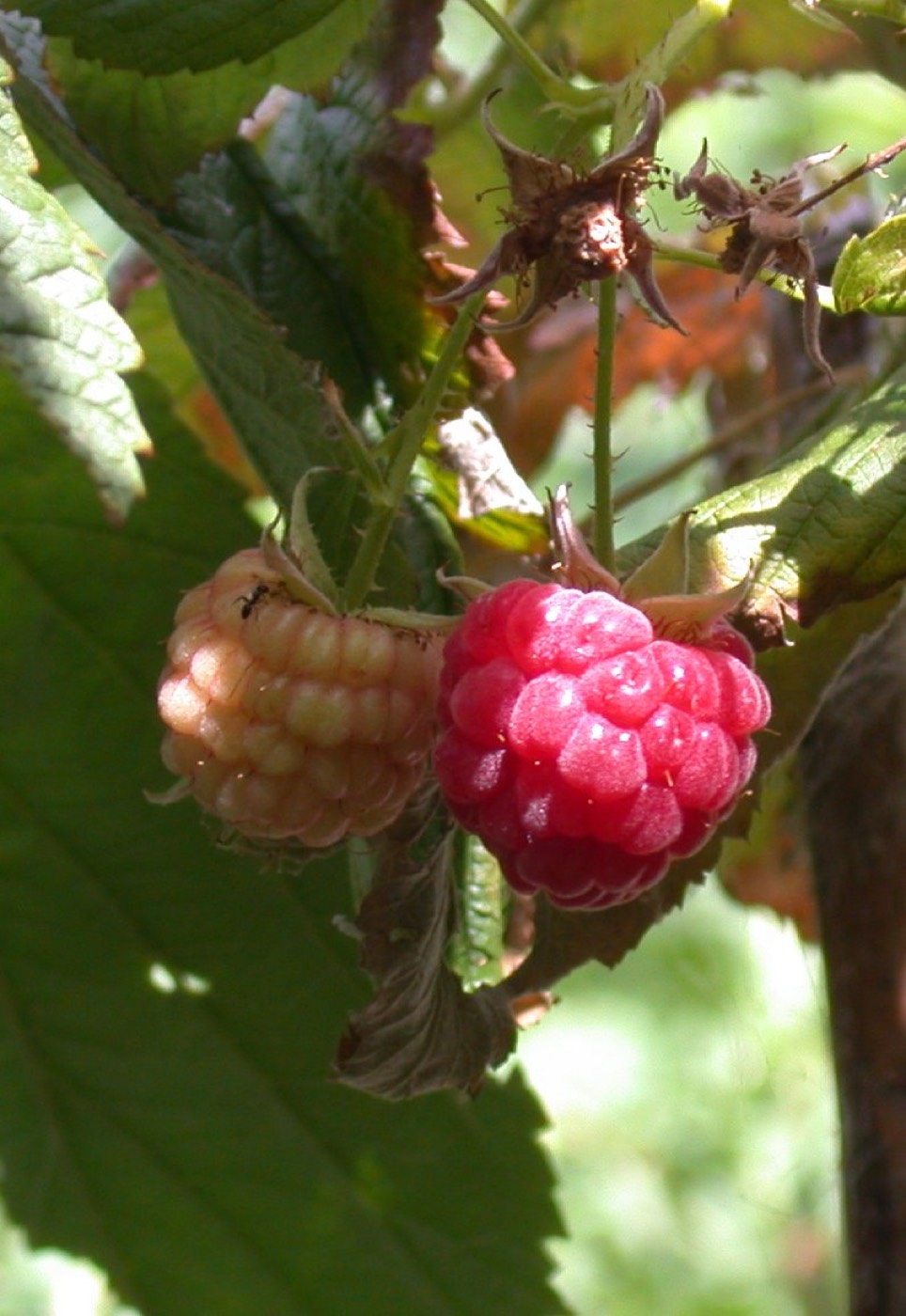
Cane berries
Stays about 5 ft on its ownThe standard fall raspberry, and the one University of Arizona extension says does well in northern Arizona, with firm, dark red, mild berries. It fruits on new canes, so cutting everything to the ground each late winter is the whole pruning plan. It ripens late, so early frost can cut the crop short in the high country, and low desert heat is too much.
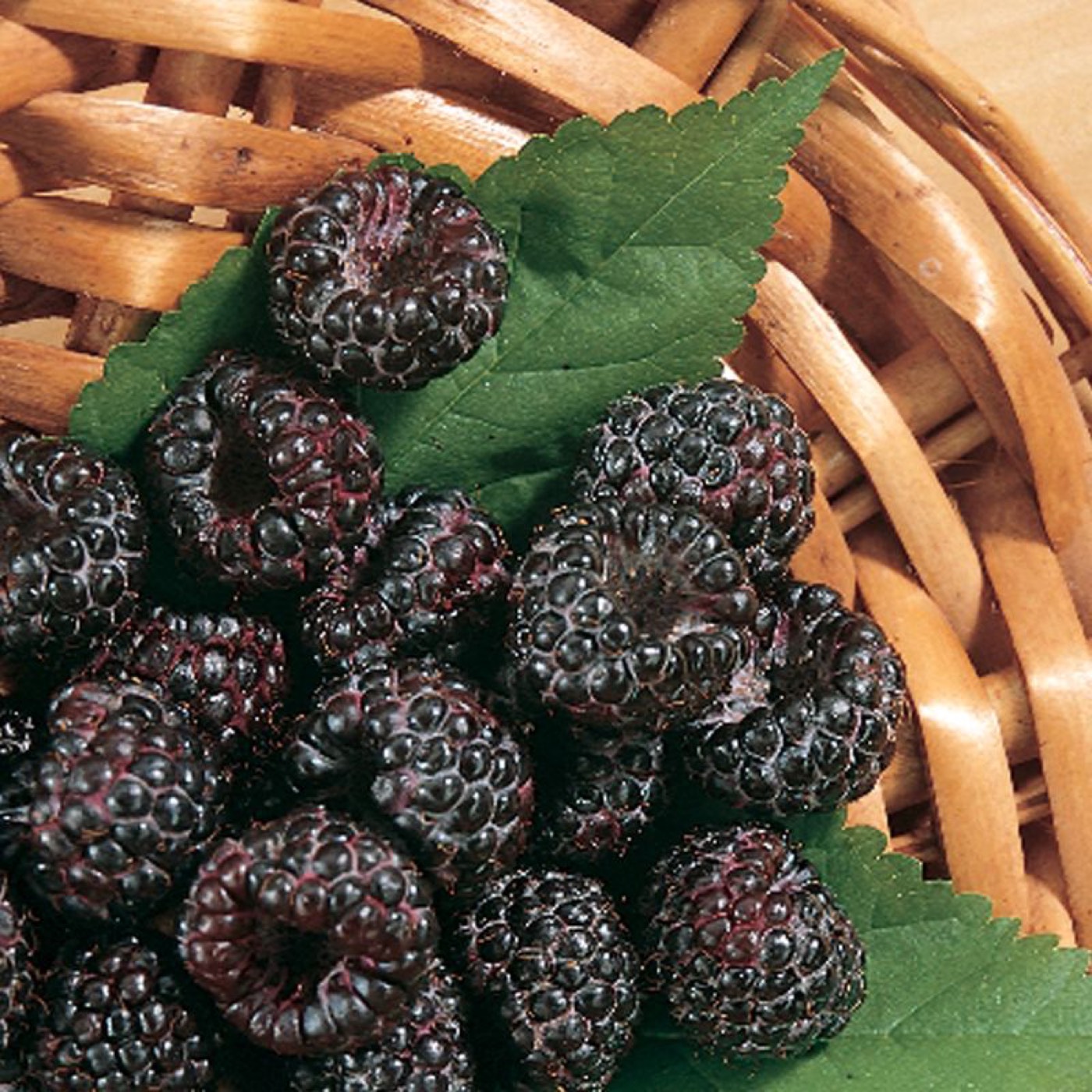
Cane berries
Stays about 5 ft on its ownA black raspberry with large, richly flavored fruit for pies, jam and fresh eating, on upright canes that need no support. It is the most disease-resistant black raspberry and handles cold well. Black raspberries also dislike heat more than red ones, so it suits mid elevation and the high country, with afternoon shade at lower sites.
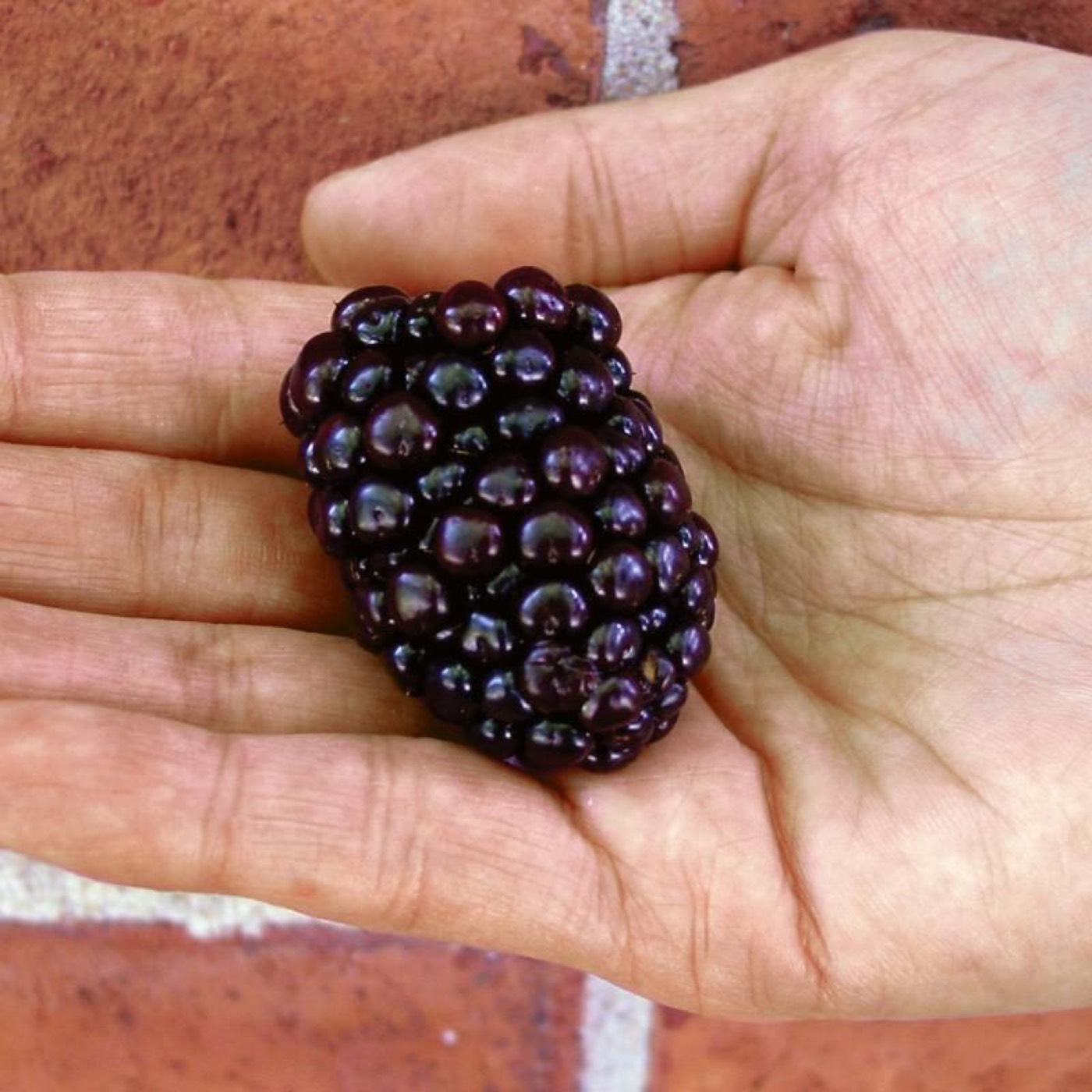
Cane berries
Stays about 6 ft on its ownThe largest of the Arkansas blackberries, with very large, firm, flavorful berries picked over about six weeks, and very thorny, so choose its spot carefully. Low chill makes it one of the better blackberries for the low desert, where afternoon shade helps prevent sunburn, and it does well at mid elevation. Canes stand up on their own.
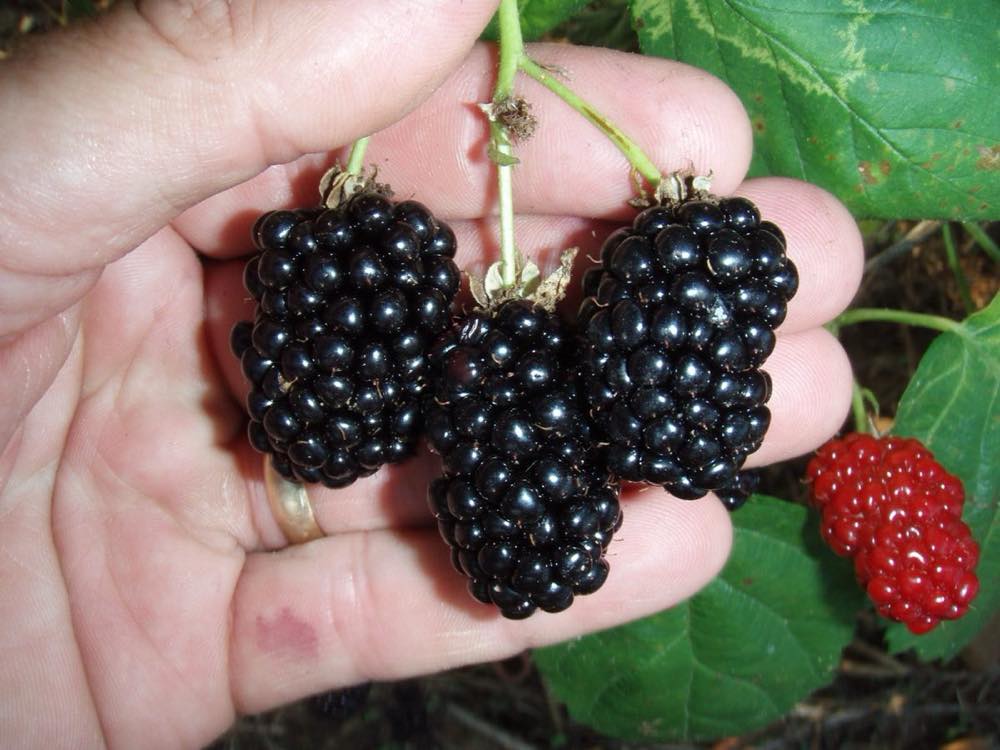
Cane berries
Stays about 6 ft on its ownAn early, thornless, semi-erect blackberry with large, glossy, flavorful berries and very good heat tolerance. It is one of the best choices for the low desert, ripening ahead of the worst heat, and it also does well at mid elevation. Give it a simple wire to lean on and afternoon shade to avoid sunburned fruit.
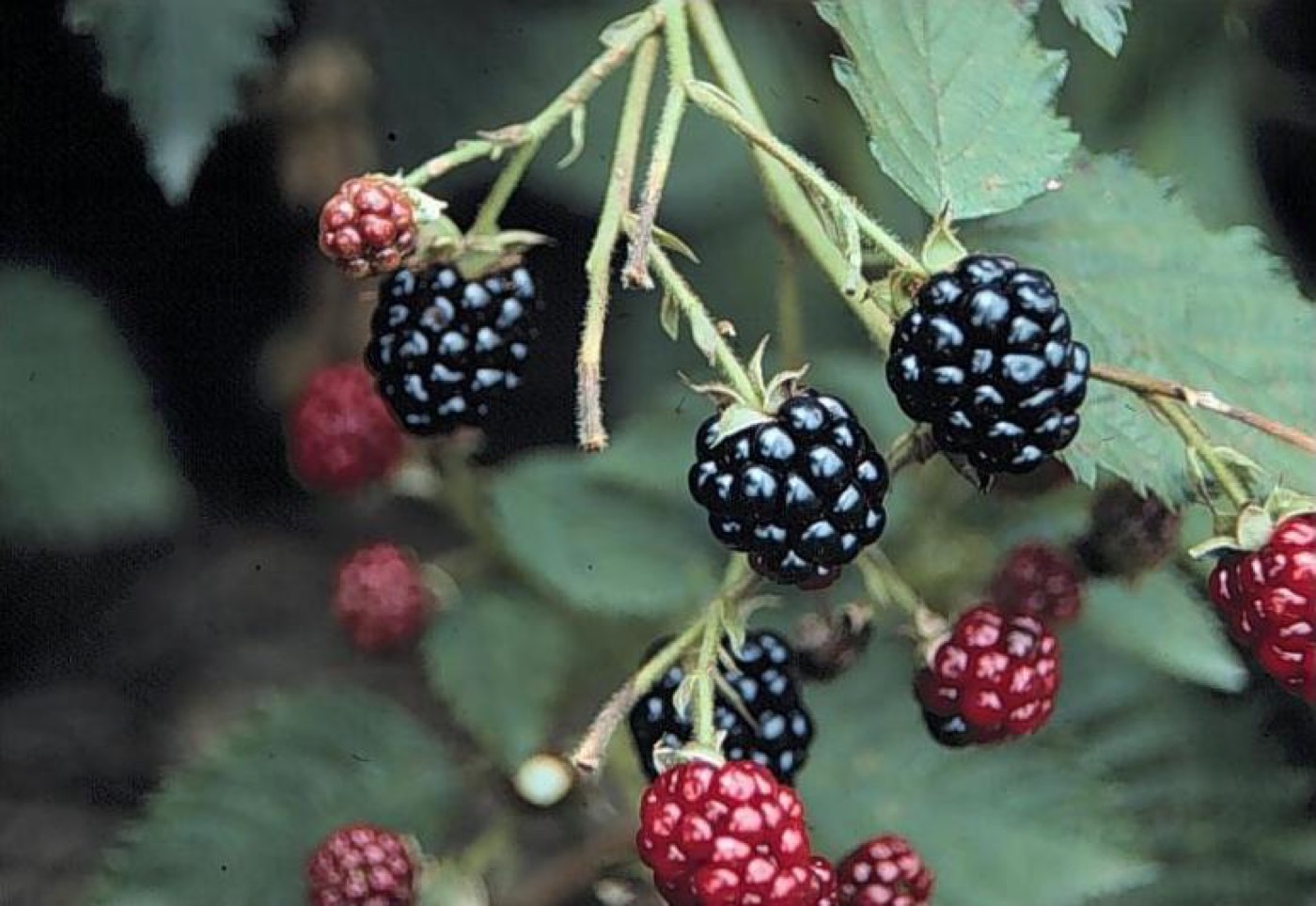
Cane berries
Stays about 5 ft on its ownA thornless, upright blackberry with small, firm, very flavorful berries and the smallest seeds of the thornless types. The canes stand without a trellis. It needs 800 to 900 chill hours, so it suits mid elevation, where Arizona extension suggests it for north central Arizona, but not low desert yards.
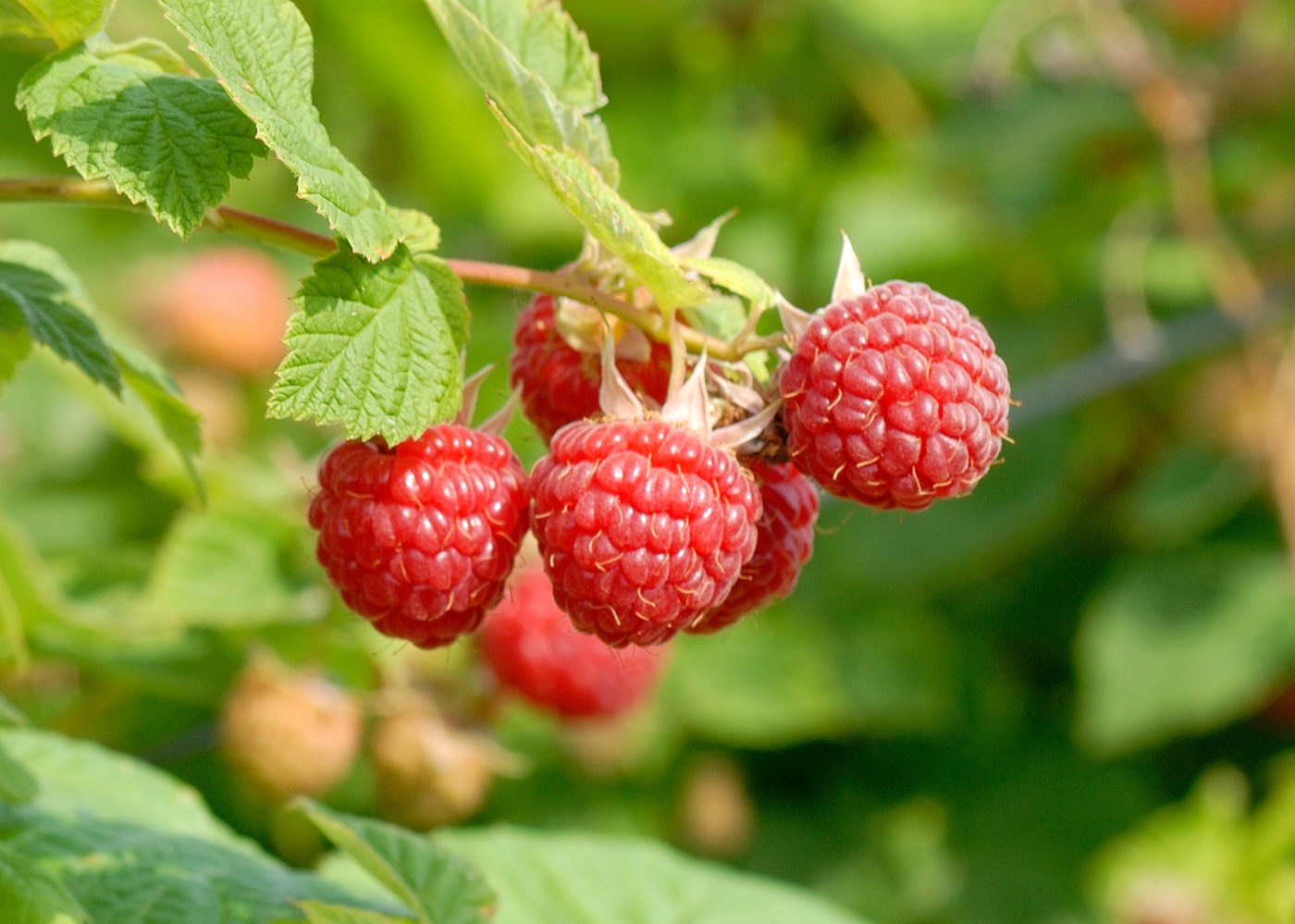
Cane berries
Stays about 5 ft on its ownA very cold-hardy, early summer raspberry with medium, bright red, firm berries that keep their shape. The hardy canes make it a good first raspberry for the high country; at mid elevation, plant it with afternoon shade. It fruits on last year's canes, so only prune out the ones that have finished, and it is not a low desert plant.
Cane berries
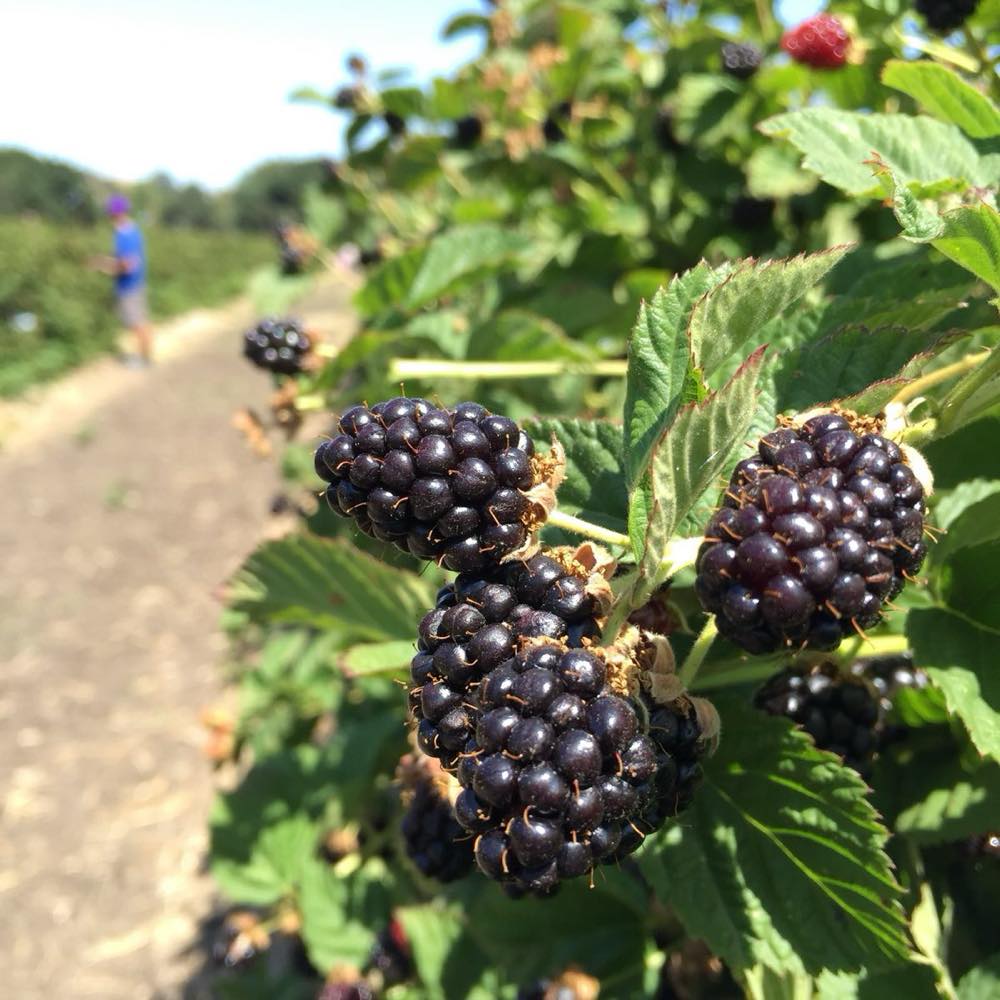
Stays about 9 ft on its ownMedium, sweet berries with an old-fashioned wild blackberry flavor on a vigorous trailing vine, which Arizona extension calls an excellent trailing type for north central Arizona. In the low desert it copes with afternoon shade and plenty of water. Give it a trellis and cut out the canes that have fruited.
Cane berries
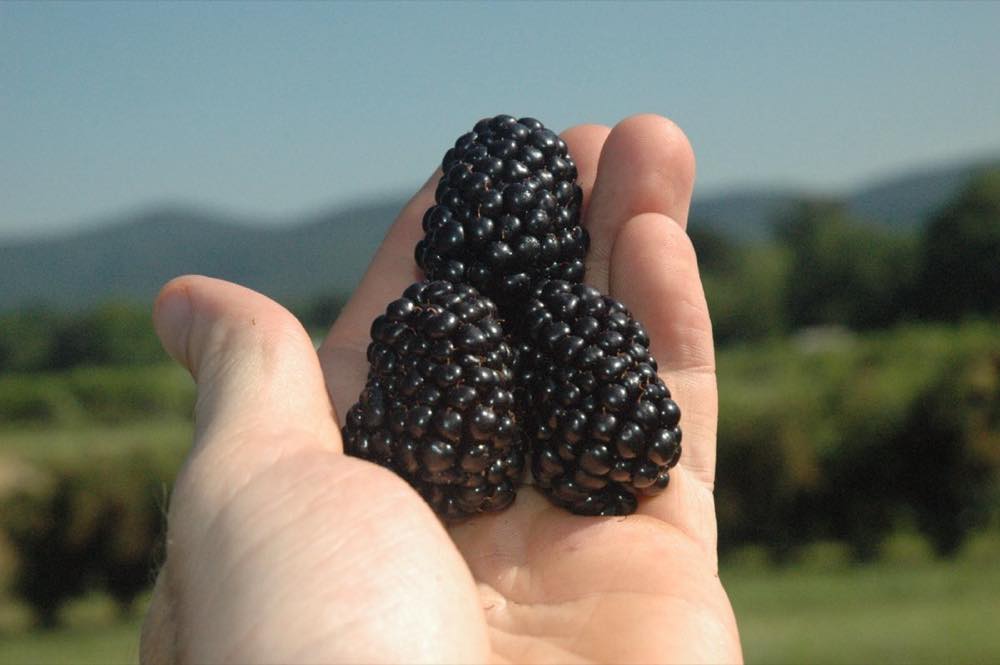
Stays about 5 ft on its ownThe first thornless blackberry that also fruits on new canes, so in a good year you get two crops: early summer and again in fall. Large, good-tasting fruit on upright canes that may need a stake. The fall crop stalls in very hot summers, so it suits mid elevation, while the low desert mostly gets only the spring crop.
Cane berries
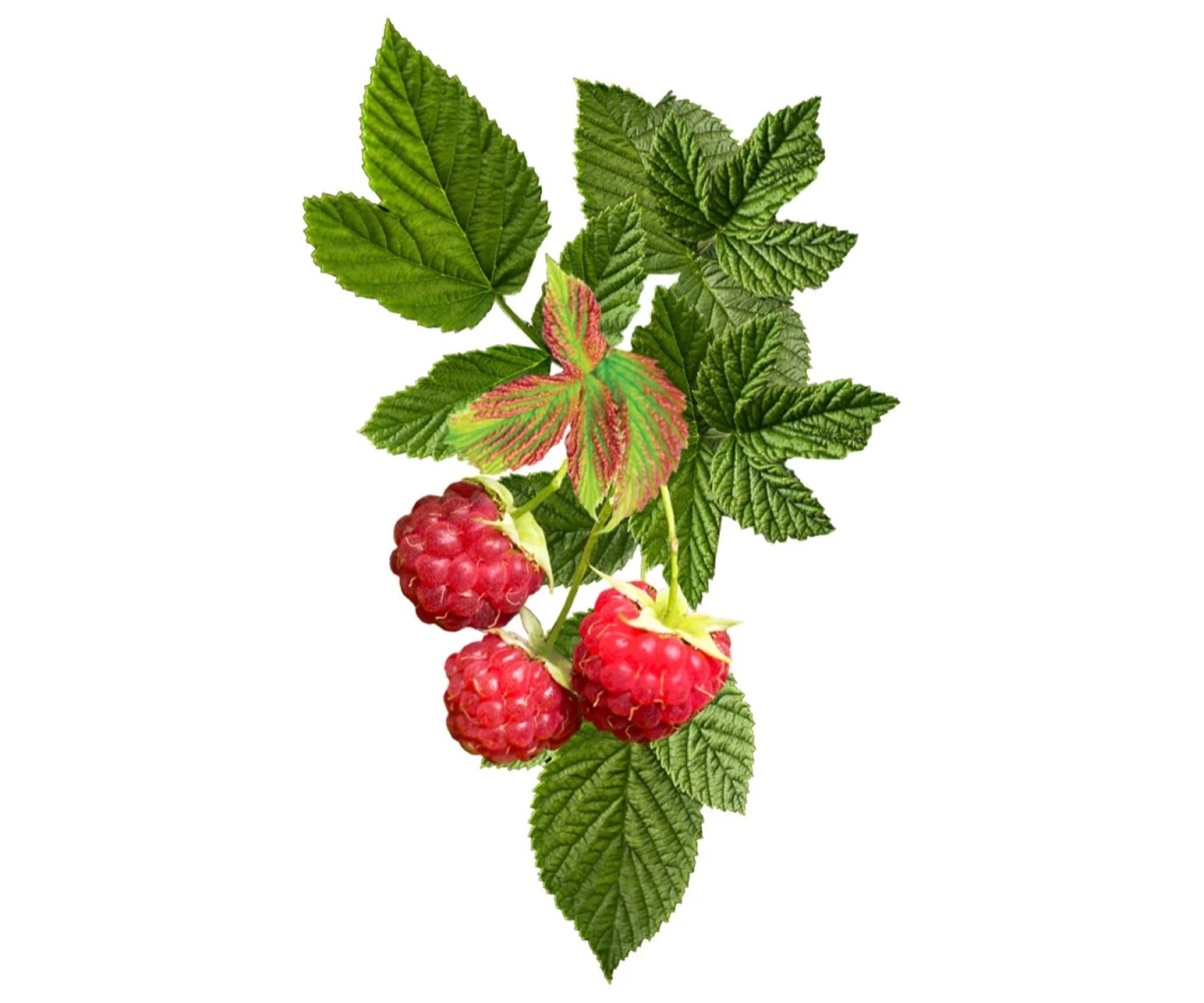
Stays about 3 ft on its ownA dwarf, thornless raspberry bush bred for pots, with sweet midsummer berries on self-supporting canes. Up to 500 chill hours is marginal for Phoenix and summer heat is hard on raspberries, so it fits mid elevation and the high country best. In the low desert, treat it as an experiment in a shaded pot.
Cane berries
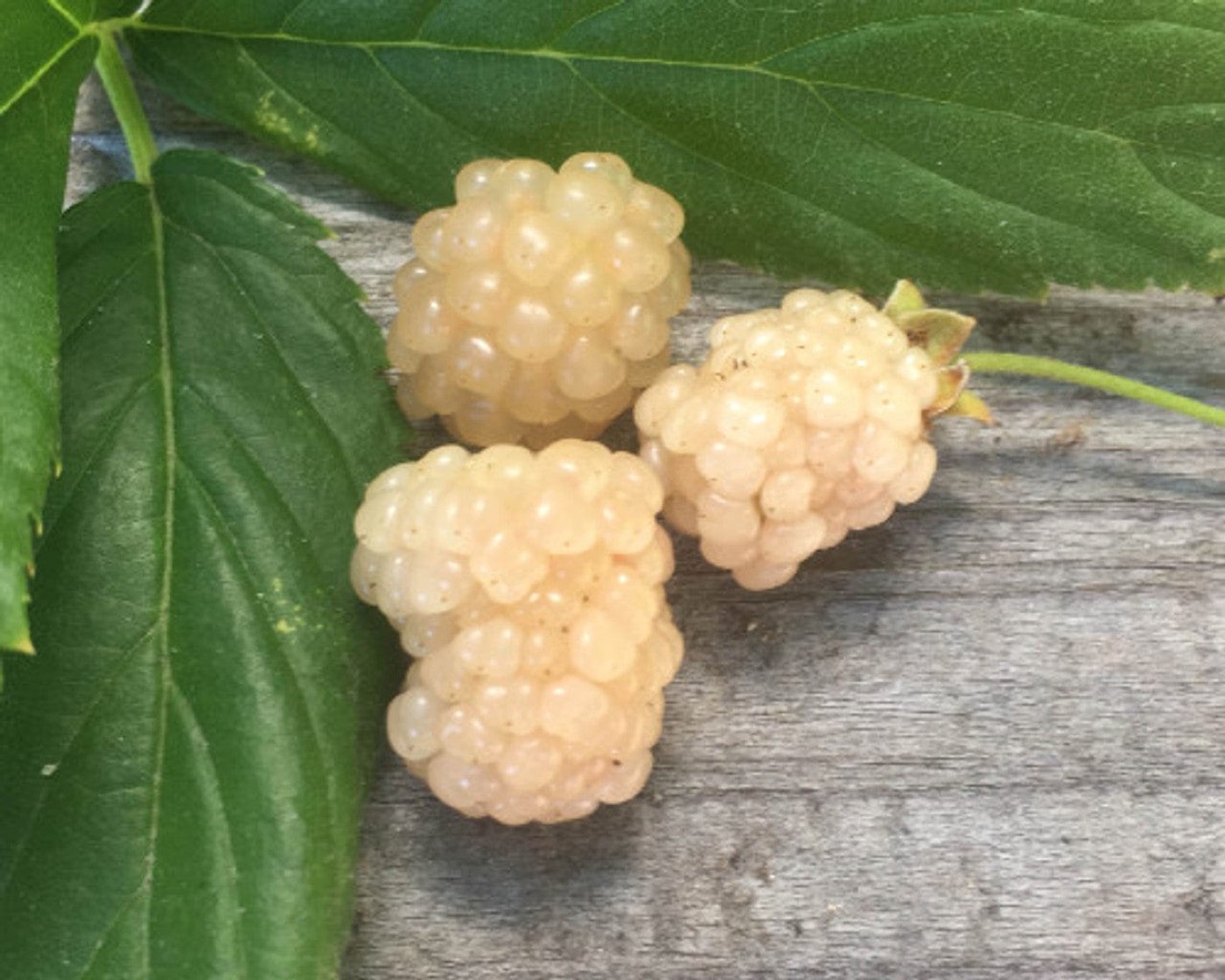
Stays about 7 ft on its ownAn old heirloom blackberry with creamy white to pale fruit that tastes like a full-flavored blackberry. The canes are thorny and trailing, so give it a trellis, and plant it at mid elevation with afternoon shade because pale berries can scald in strong sun. Expect a modest crop and an interesting curiosity.
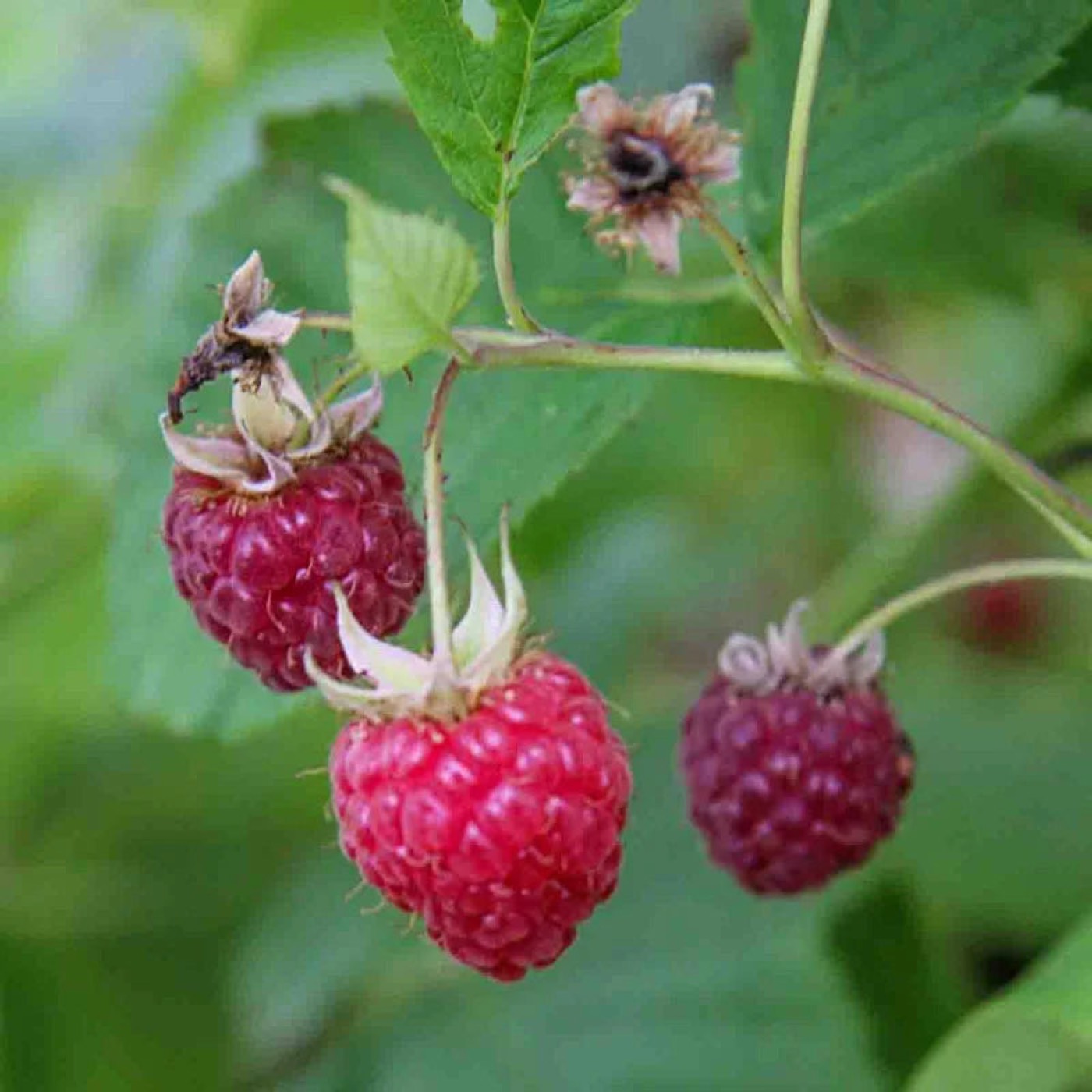
Cane berries
Stays about 6 ft on its ownLarge, long, firm, deep red berries with a slightly tart flavor and a long history in the West. It fruits on last year's canes, so cut out old ones after harvest, and it needs very good drainage since it is prone to root rot. Best at mid elevation with afternoon shade; low desert is too hot and the high country is borderline.
Blueberries
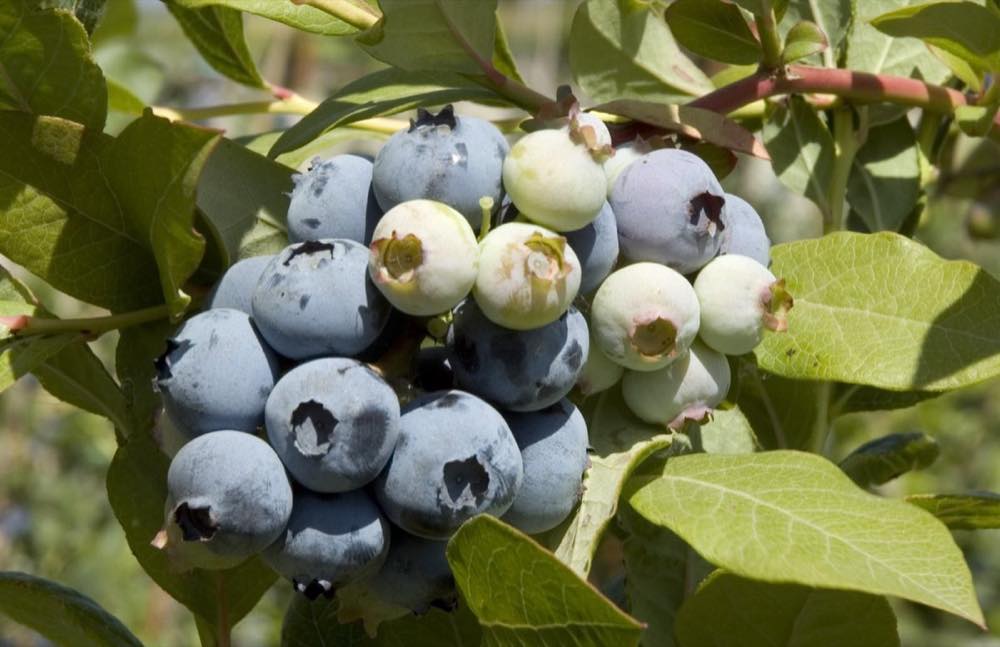
Blueberries
Grows well in a potThe standard northern blueberry: upright and productive, with large, firm berries that rarely crack or drop. It needs real winter chill and cooler summers, so it only suits mid elevation and the high country, and always in a big pot of acidic mix, because local soil and water are alkaline. Not a Phoenix plant.
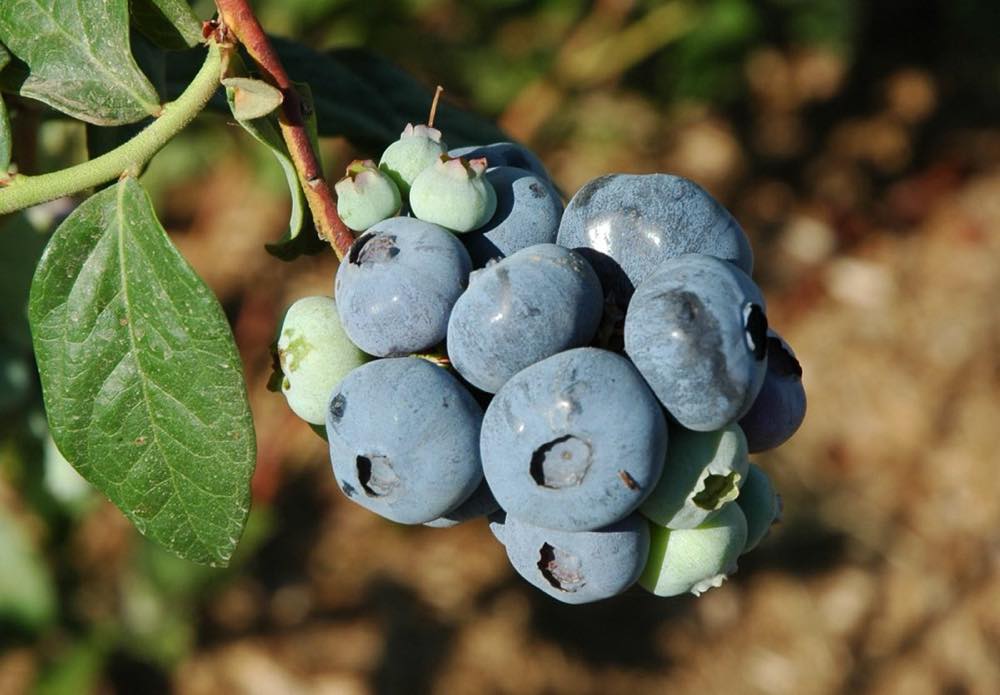
Blueberries
Grows well in a potLarge, bright blue berries on a cold-hardy, upright bush that also colors well in fall. It ripens a little before Bluecrop, which helps it finish ahead of the hottest weather. With 800 chill hours it is a mid elevation and high country plant, grown in a large pot of acidic mix with acidified water.
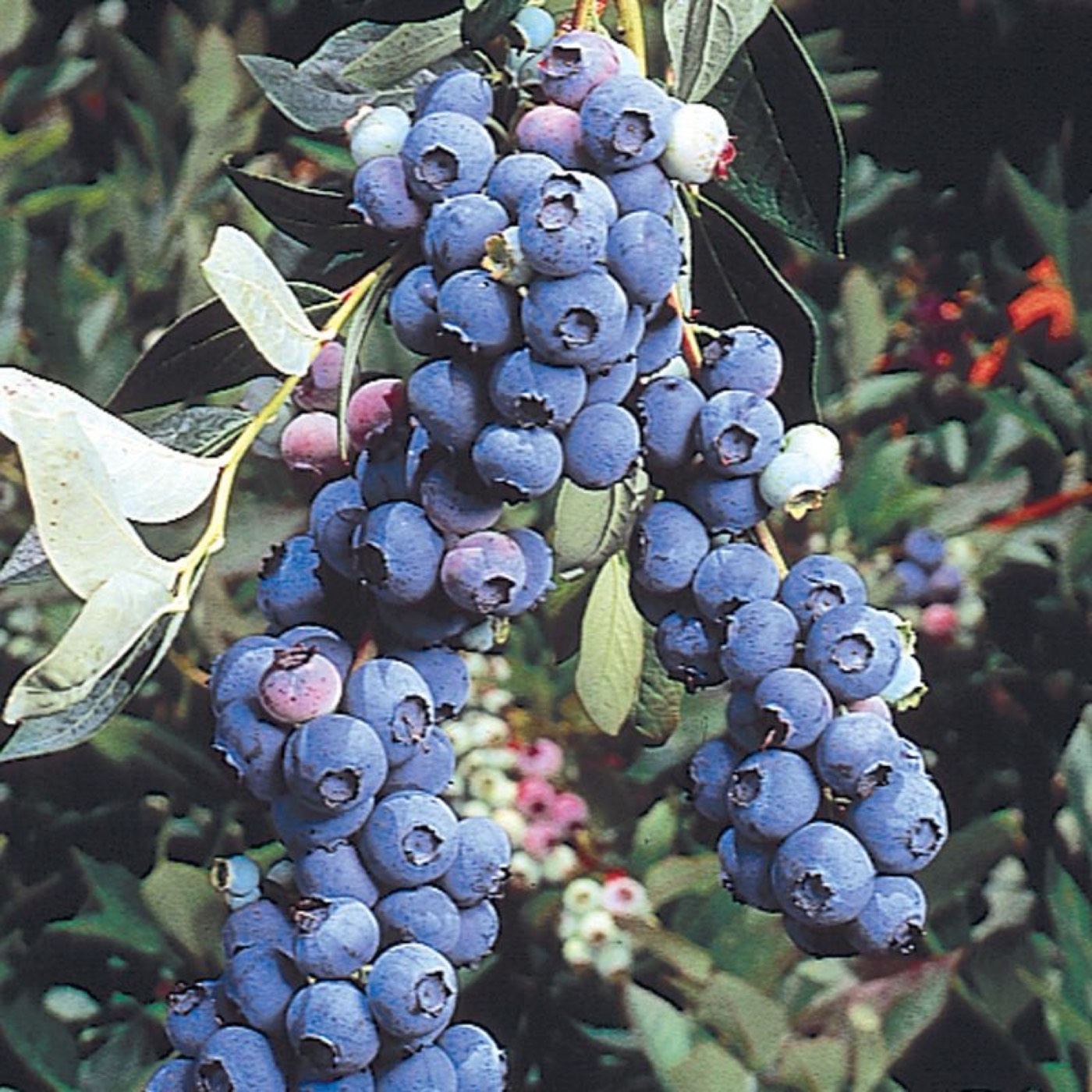
Blueberries
Grows well in a potA very late northern blueberry that spreads a heavy crop of medium, light blue, slightly tart berries over four to five weeks, which makes it a good partner for earlier types. Late fruit needs a long season, so it suits mid elevation better than the high country. Always a big pot of acidic mix and acidified water.
Blueberries
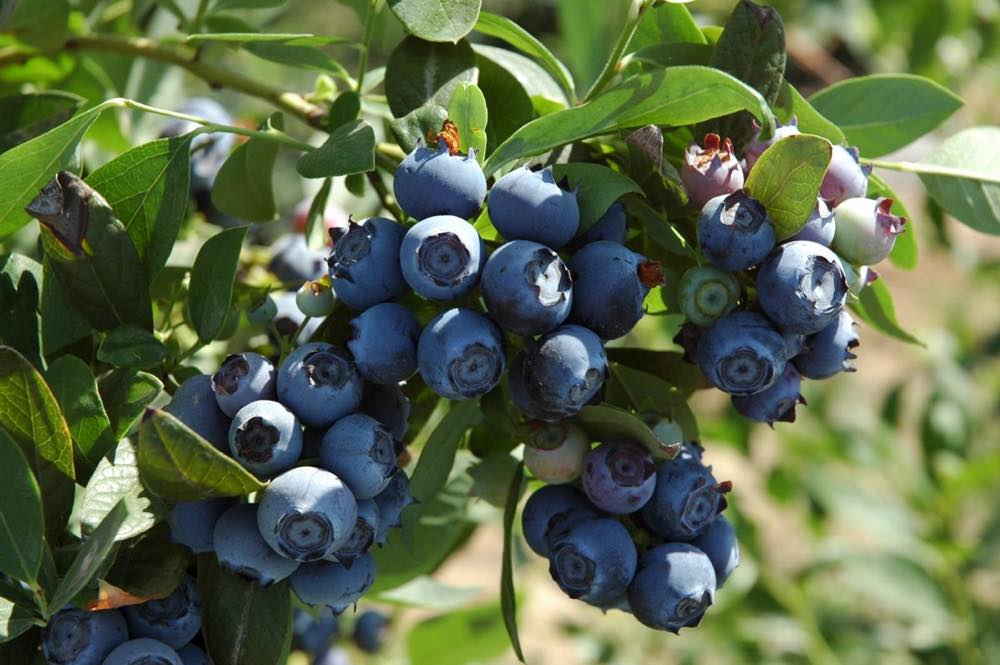
Grows well in a potBig, firm, balanced-sweet berries in heavy clusters on one of the most productive southern types. Low chill makes it a fit for the low desert, but like every blueberry here it lives in a pot of acidic mix, gets acidified water and wants afternoon shade. It also suits mid elevation; cover it if frost hits during bloom.
Blueberries
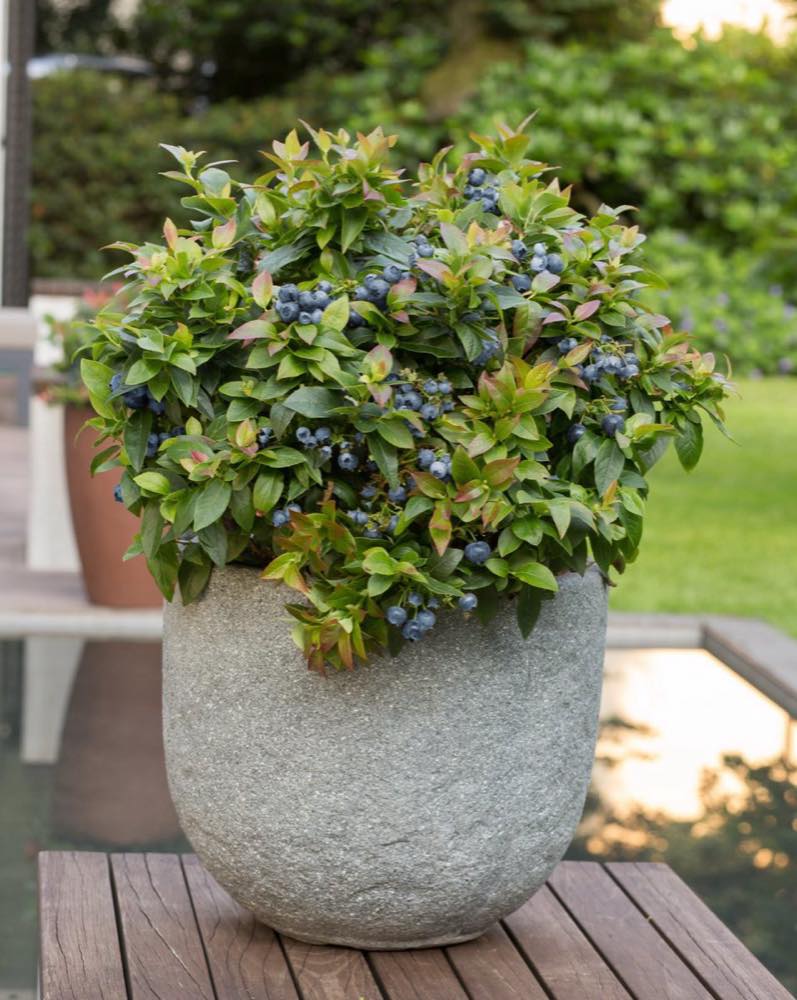
Grows well in a potA neat little bush with narrow, elongated leaves and medium to large flavorful berries, bred for pots and a good small-space blueberry at elevation. Up to 600 chill hours is too much for Phoenix, so it belongs at mid elevation and in the high country. Grow it in a pot of acidic mix and water with acidified water.
Blueberries
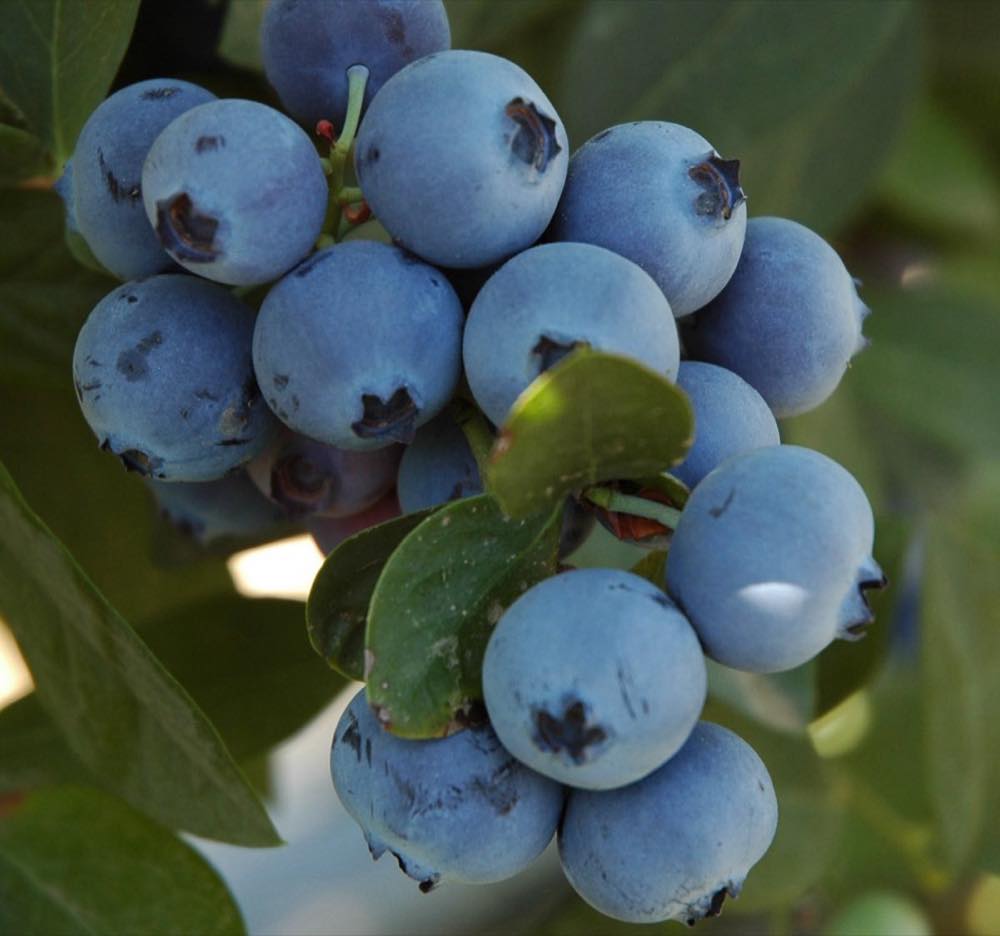
Grows well in a potA leading commercial southern type with large, tangy-sweet berries and high yields. It works in low desert pots with acidic mix, acidified water and afternoon shade, and it is fine at mid elevation too. It is vigorous and upright, so give it a big pot and cut out old canes each winter.
Blueberries
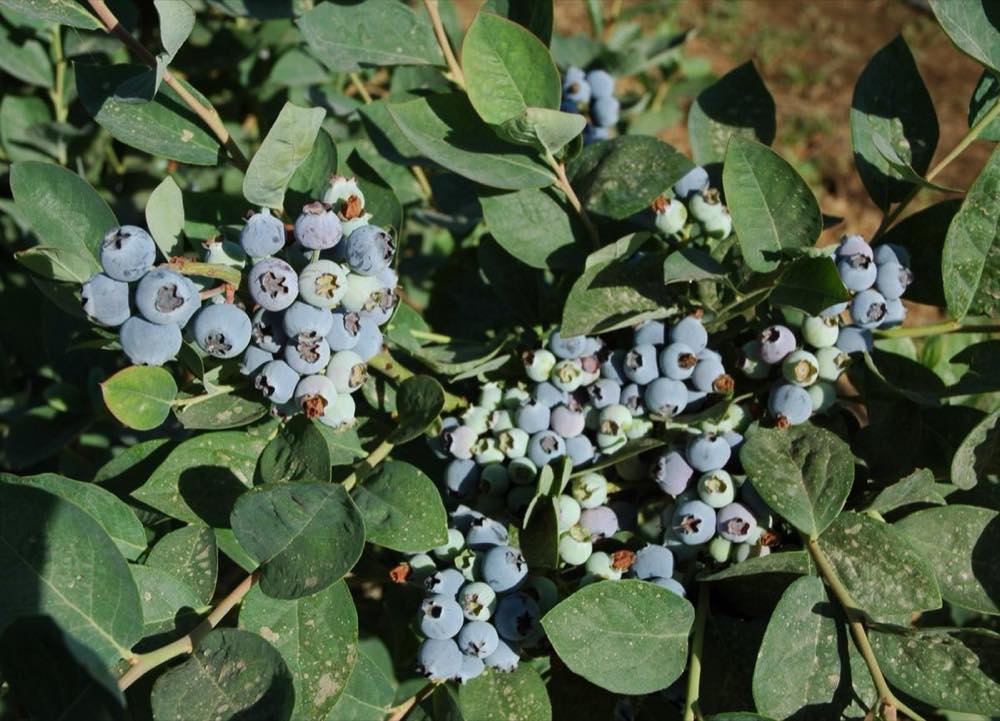
Grows well in a potA sweet, firm, upright and compact southern type that carries its berries on the outside of the bush, so they are easy to see and pick. At 400 to 500 chill hours it is on the edge for Phoenix, where light crops are likely in warm winters, so it does best at mid elevation. Always a pot plant, with acidic mix and acidified water.
Blueberries
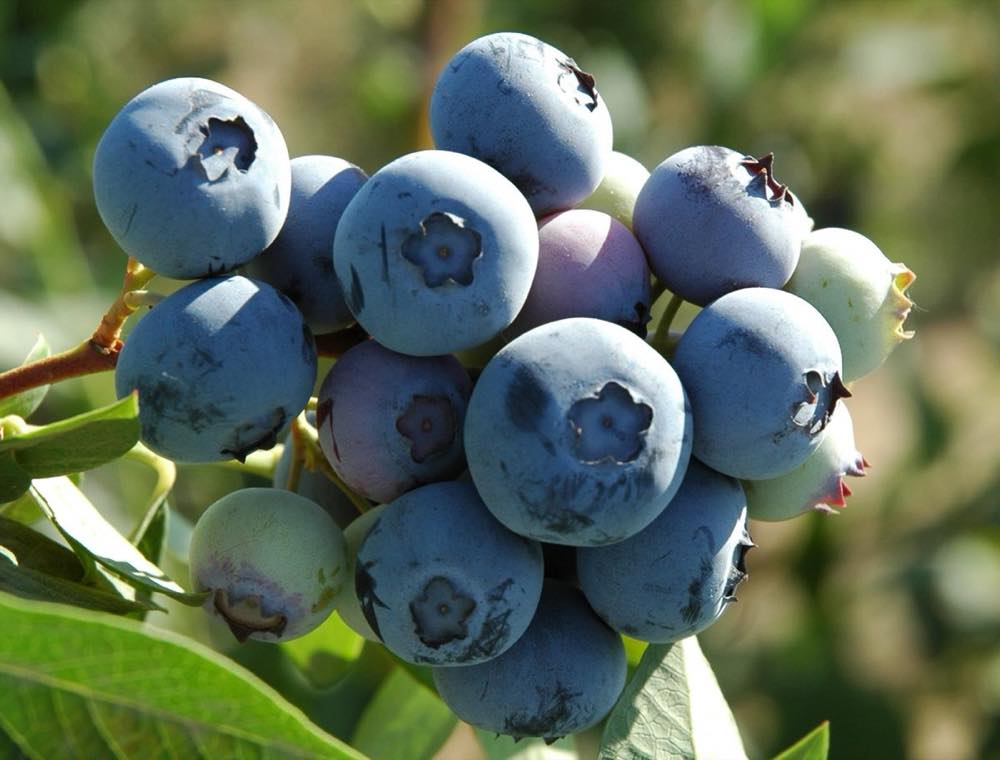
Grows well in a potA vigorous, late northern blueberry with medium to large berries and a rich, sweet flavor that scored well in national trials. It is hardy and productive, but needs 800 chill hours and cooler summers, so it is a mid elevation and high country plant. Grow it in a big pot with acidic mix and acidified water.
Blueberries
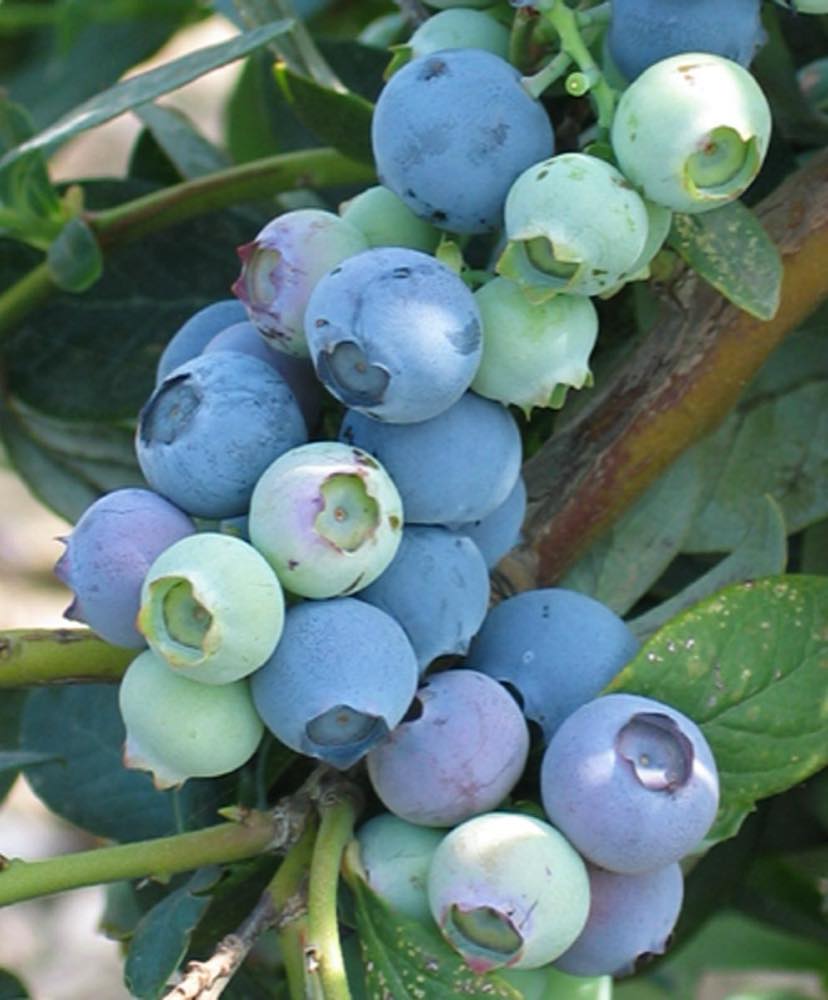
Grows well in a potAn early, vigorous southern blueberry with excellent flavor that is a regular in Phoenix pots, for the low desert and mid elevation. It blooms in late winter, so keep frost cloth handy. Arizona soil and water are alkaline, so it is container only, with an acidic mix, acidified water and afternoon shade in summer.
Blueberries
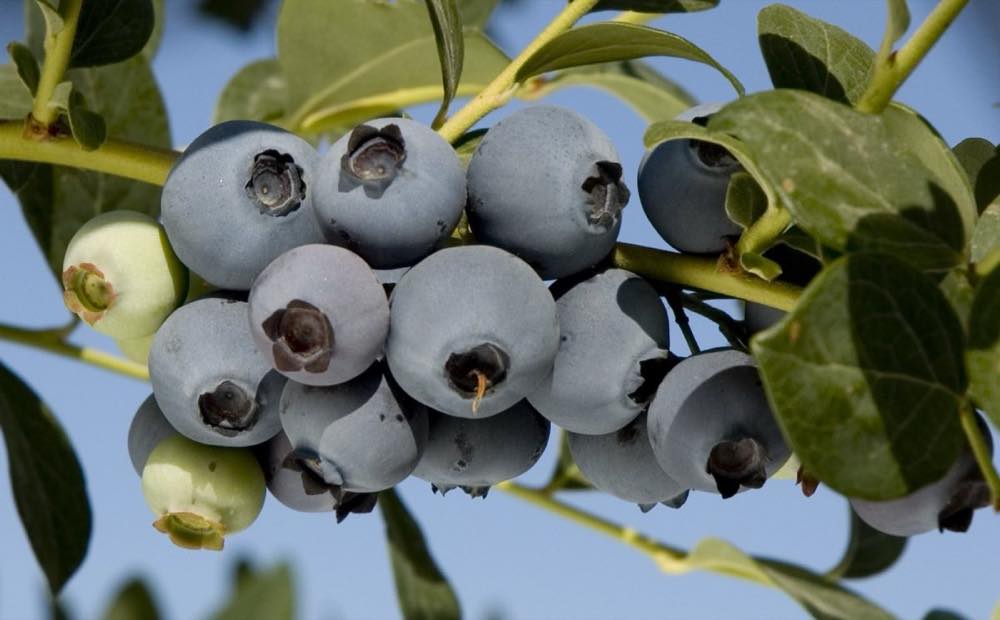
Grows well in a potEarly, large, sweet berries on a vigorous upright bush that stands up to heat better than most. Grow it in a big pot of acidic mix with acidified water, and give it afternoon shade in the low desert. It crops best with a second variety close by, and works in the low desert and at mid elevation.
Blueberries
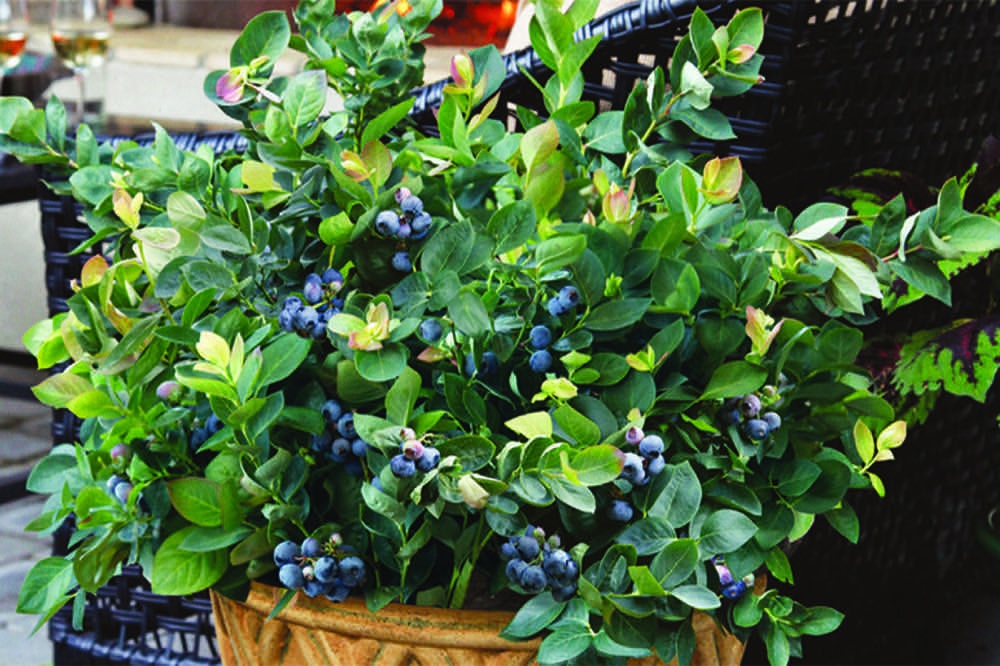
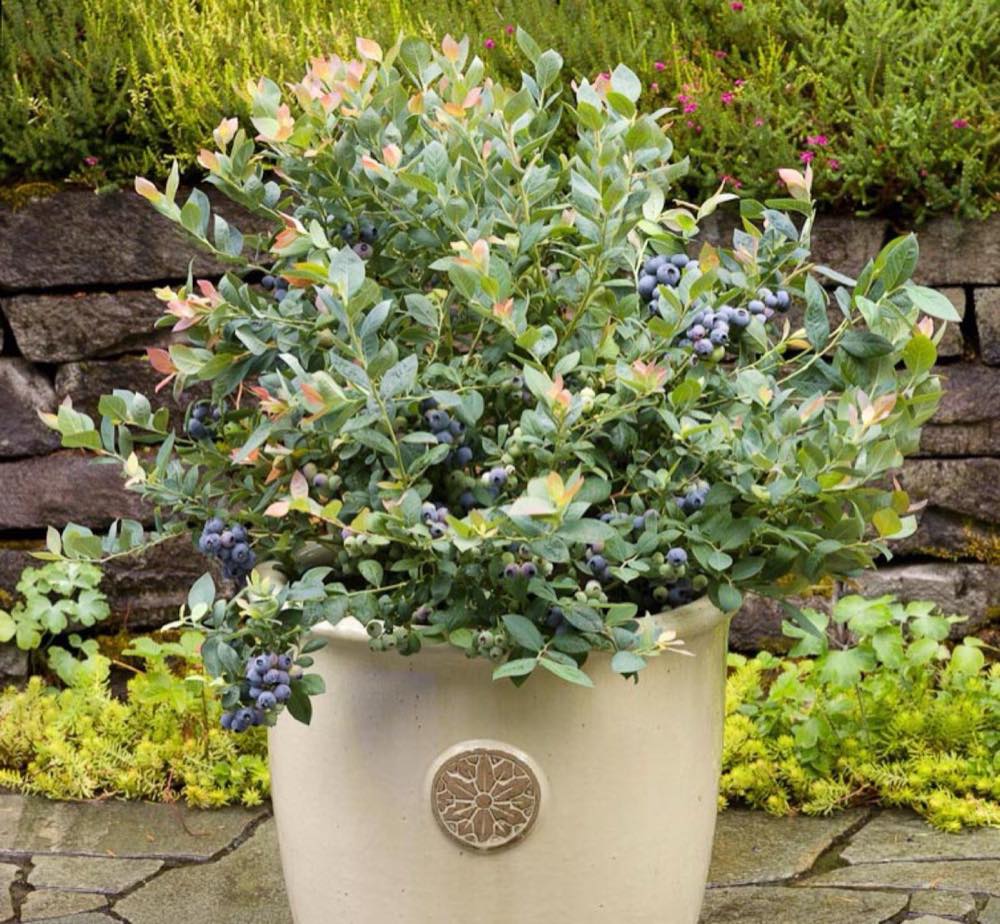
Stays about 2 ft on its ownA tiny mounded blueberry grown as much for its peach, pink and orange foliage as for its sweet, medium berries. In Arizona it is a pot plant: use an acidic mix, water with acidified or rain water, and give it afternoon shade in the low desert. Crops are modest, so think of it as an edible ornamental for the low desert and mid elevation.
Blueberries
Grows well in a potA compact bush with sweet, large berries and pink new growth that turns turquoise in winter, so it earns its spot as an ornamental too. At up to 500 chill hours it is borderline for Phoenix, where crops are likely to be light. It suits mid elevation best, in a pot of acidic mix watered with acidified water.
Blueberries
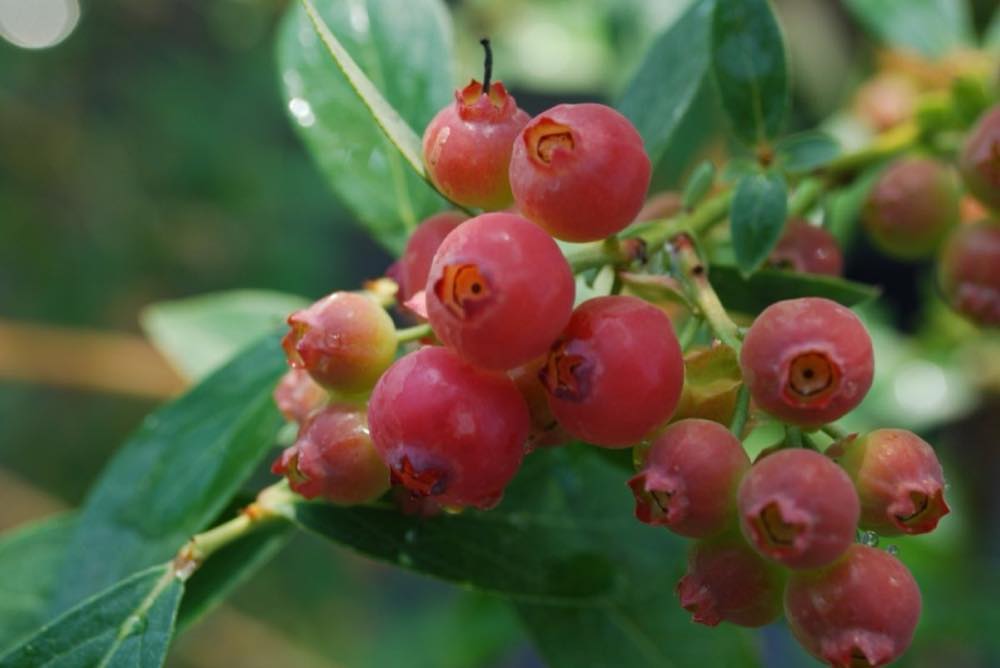
Grows well in a potBerries ripen pink inside and out, with a bright, sprightly sweet flavor that bakers love and a nice contrast beside blue types. It is a rabbiteye cross, so it handles heat better than most blueberries. Plant it in a big pot of acidic mix, water with acidified water and give afternoon shade in the low desert.
Blueberries
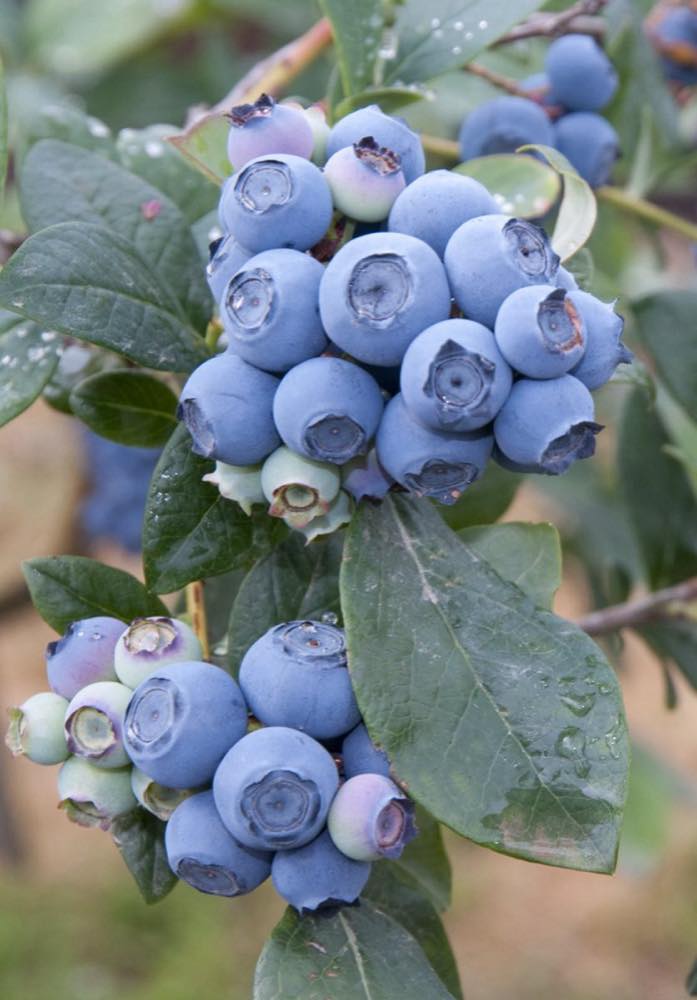
Grows well in a potCrunchy texture and good flavor set this southern type apart, and the bush stands up straight with little pruning. Its chill needs sit at the high end for the low desert, so crops there can be light. It does best at mid elevation, in a pot of acidic mix watered with acidified water.
Blueberries
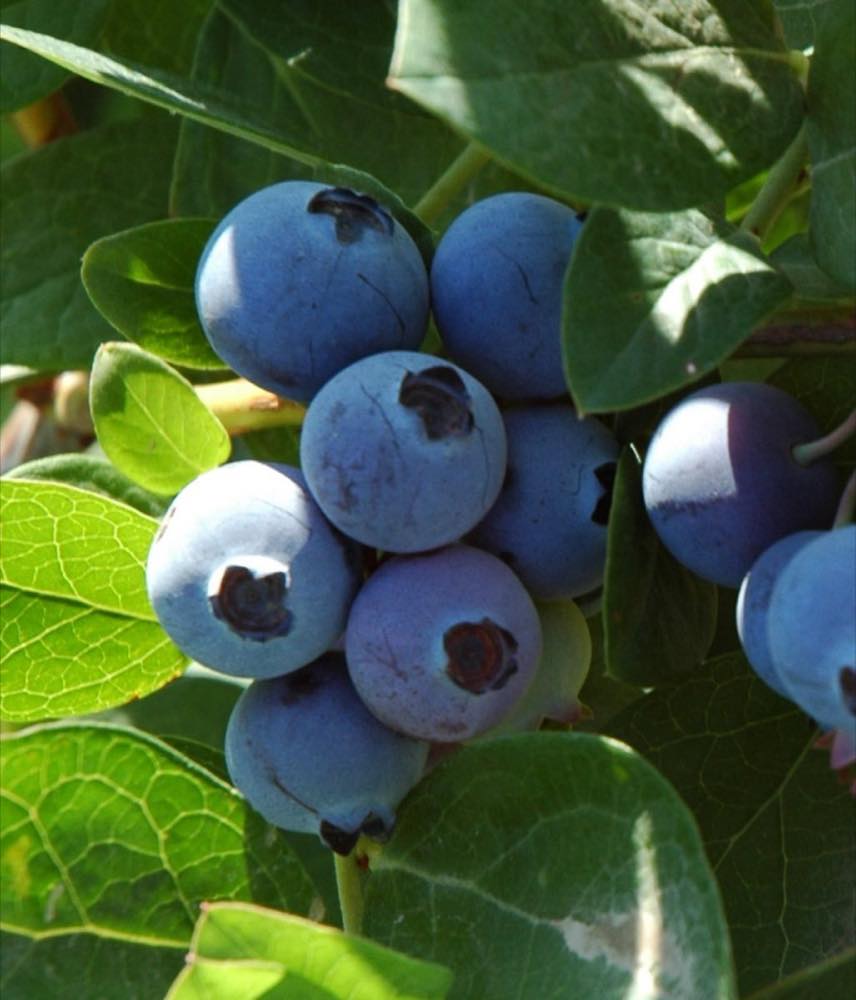
Grows well in a potSmall, dark, tangy-sweet berries on a nearly evergreen bush that has long been a Phoenix favorite, for the low desert and mid elevation. Blooms start in late winter, so frost cloth is worth having. Plant it in a large pot of acidic mix, water with acidified water and give it afternoon shade.
Blueberries
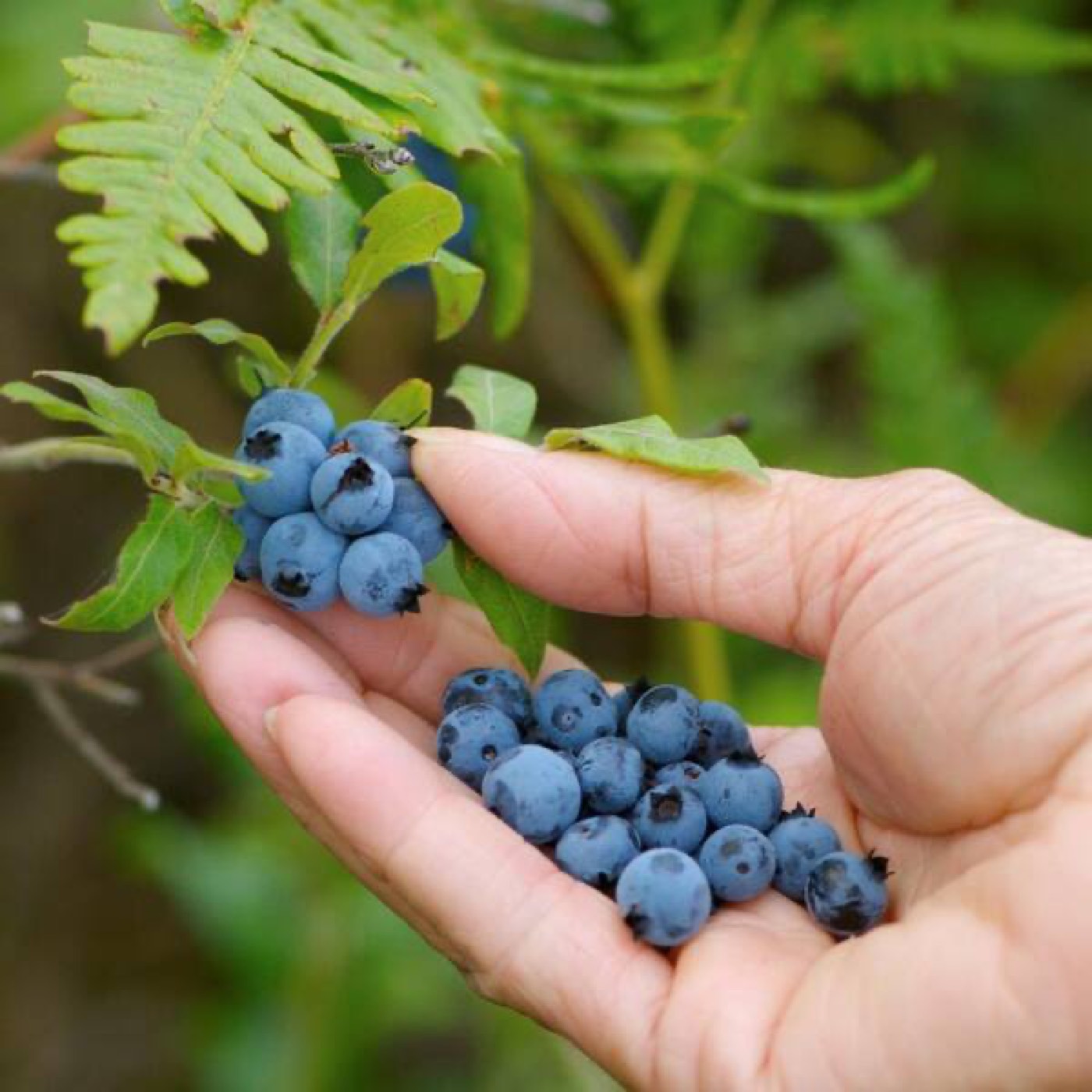
Grows well in a potA compact, near-evergreen bush with hot pink flowers that fade to white, so it looks good in a pot all year. It puts up with a little less acid than most blueberries, which helps in Arizona, but it still needs an acidic mix and acidified water. Give it afternoon shade in the low desert.
Blueberries
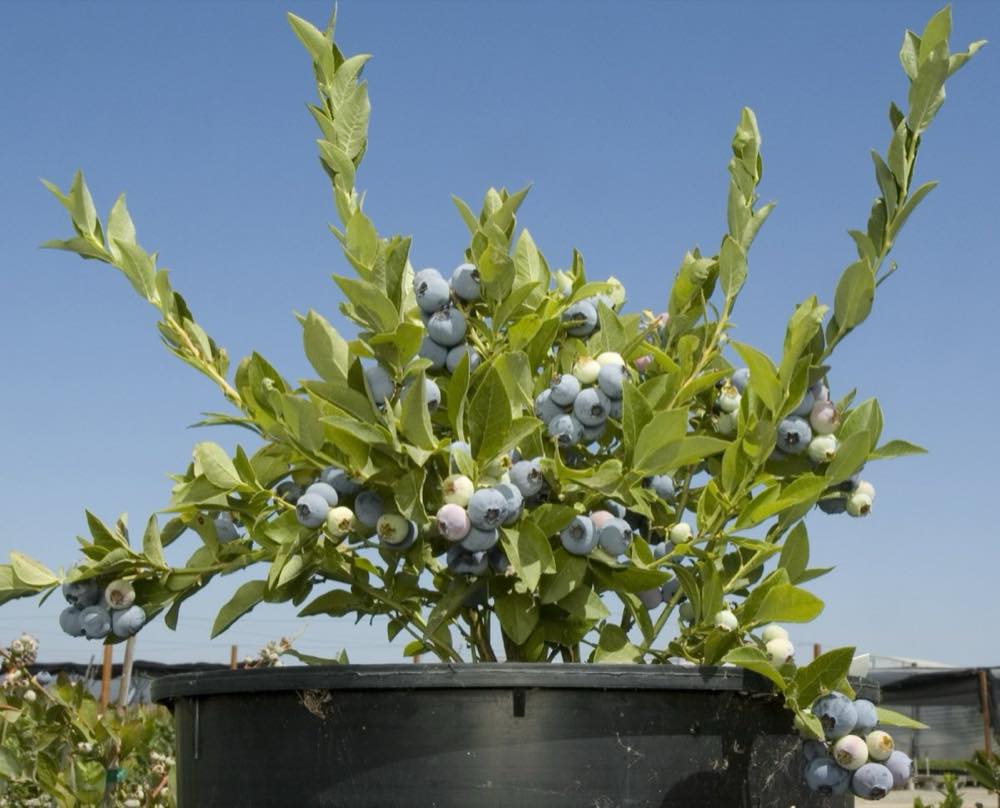
Grows well in a potA dwarf bush only a foot or two tall, with white spring flowers, firm sweet berries and good fall color, bred from wild lowbush stock. Very cold hardy, so it fits high country and mid elevation patios, but it is not a low desert plant. Plant it in a pot of acidic mix and water with acidified water.
Peaches
Peaches
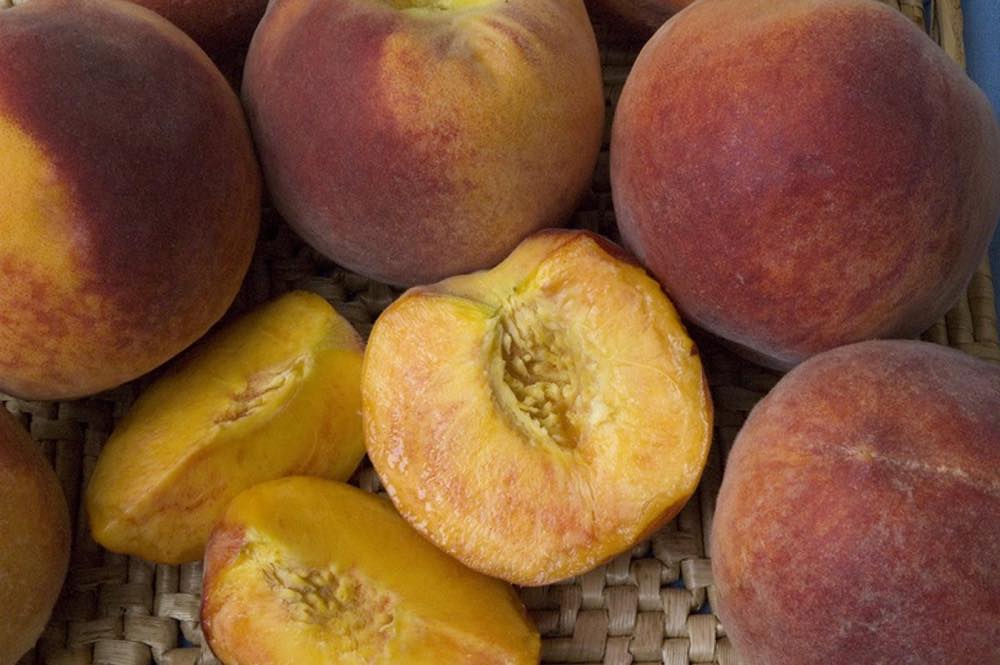
Grows well in a potA genetic dwarf peach that stays about 5 to 6 feet tall yet carries full-size, sweet, mild yellow freestone fruit. It needs 250 chill hours or less and ripens in May, ahead of the worst heat, so it suits Phoenix patios and small yards. It grows well in a large pot, and it still needs fruit thinning to keep branches from bowing.
Peaches
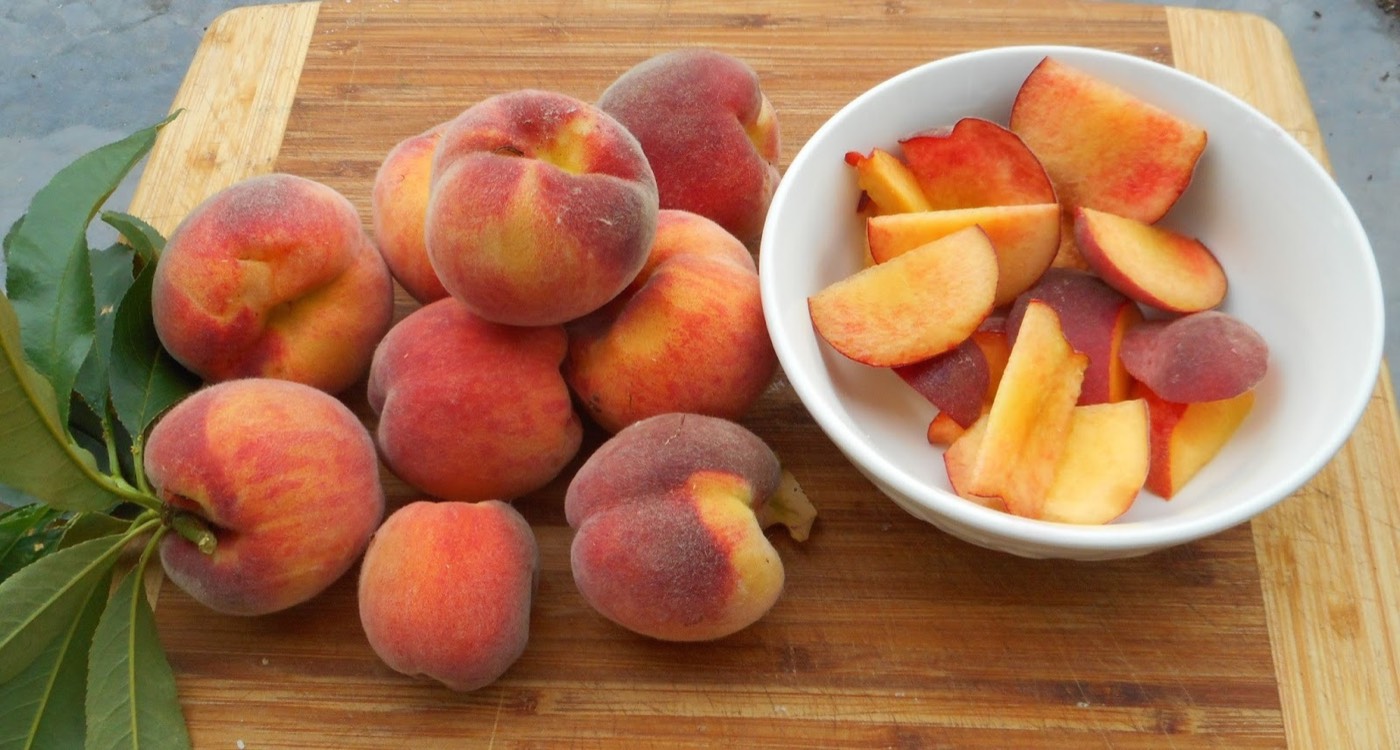
Grows well in a potA genetic dwarf peach, about 5 to 6 feet tall, that bears richly flavored yellow freestone fruit of good size. Its 400-hour ceiling is the top of what Phoenix gets, so place it where winter nights cool off well. It grows happily in a large pot.
Peaches
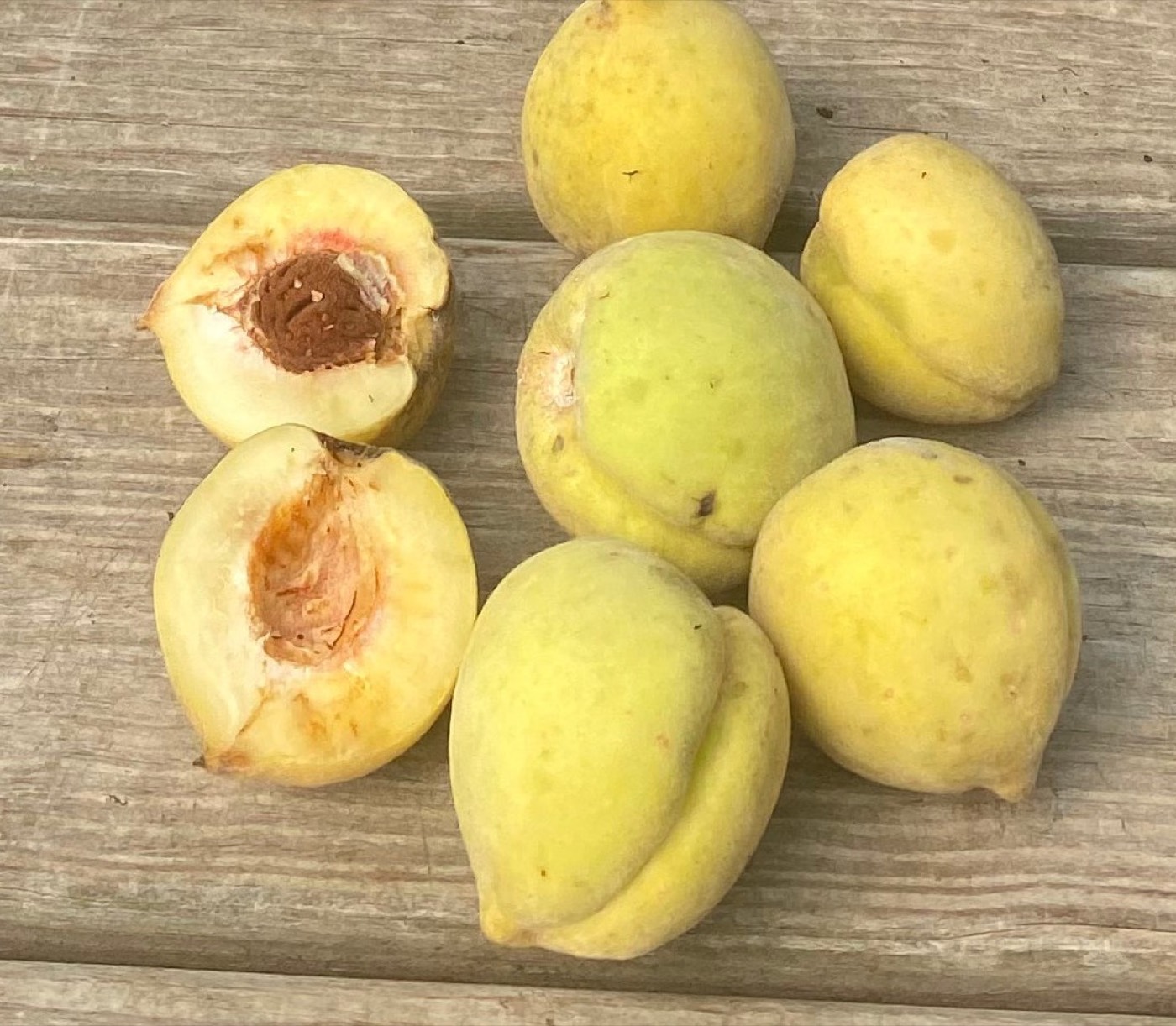
Grows well in a potA genetic dwarf white peach with small to medium fruit, white skin lightly blushed red and sweet white flesh. At 500 hours or less it gets enough chill at mid elevation, and growing it in a pot lets you wheel it into shelter on frost nights at bloom. In the low desert that chill figure is marginal, and a dwarf rated 400 or under, such as Snow Babe, is the surer bet there.
Peaches
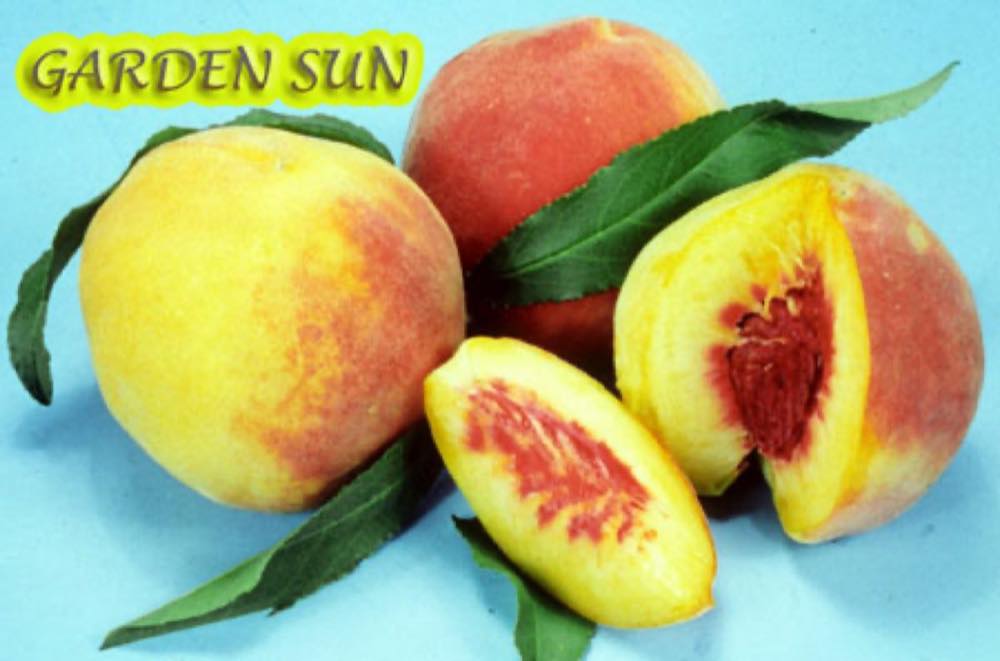
Stays about 6 ft on its ownA genetic dwarf with sweet, mild, low-acid yellow freestone fruit that ripens a week after Elberta. At 500 hours or less it gets enough chill at mid elevation, and a pot lets you move it under cover on frost nights during bloom. In the low desert that chill is marginal, so Eldorado or Pix Zee are the safer dwarfs there.
Peaches
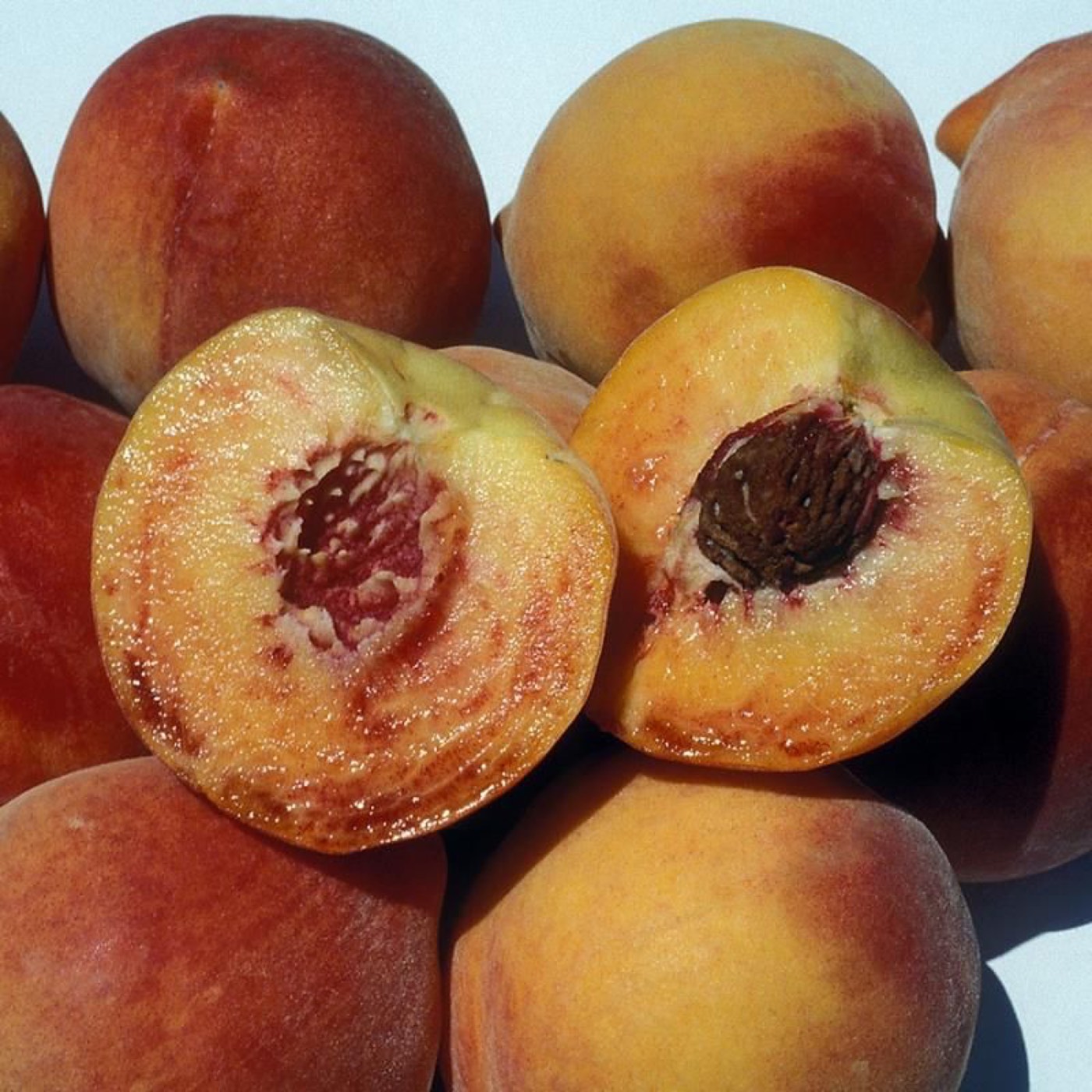
Grows well in a potA heavy-bearing genetic dwarf only about 5 feet tall, with sweet yellow freestone fruit and a rich peach flavor. It needs 400 chill hours or less, so it can crop in a normal Phoenix winter, and it works well in a pot. It is only partly self-fruitful, so plant a second peach nearby if you want steady crops.
Peaches
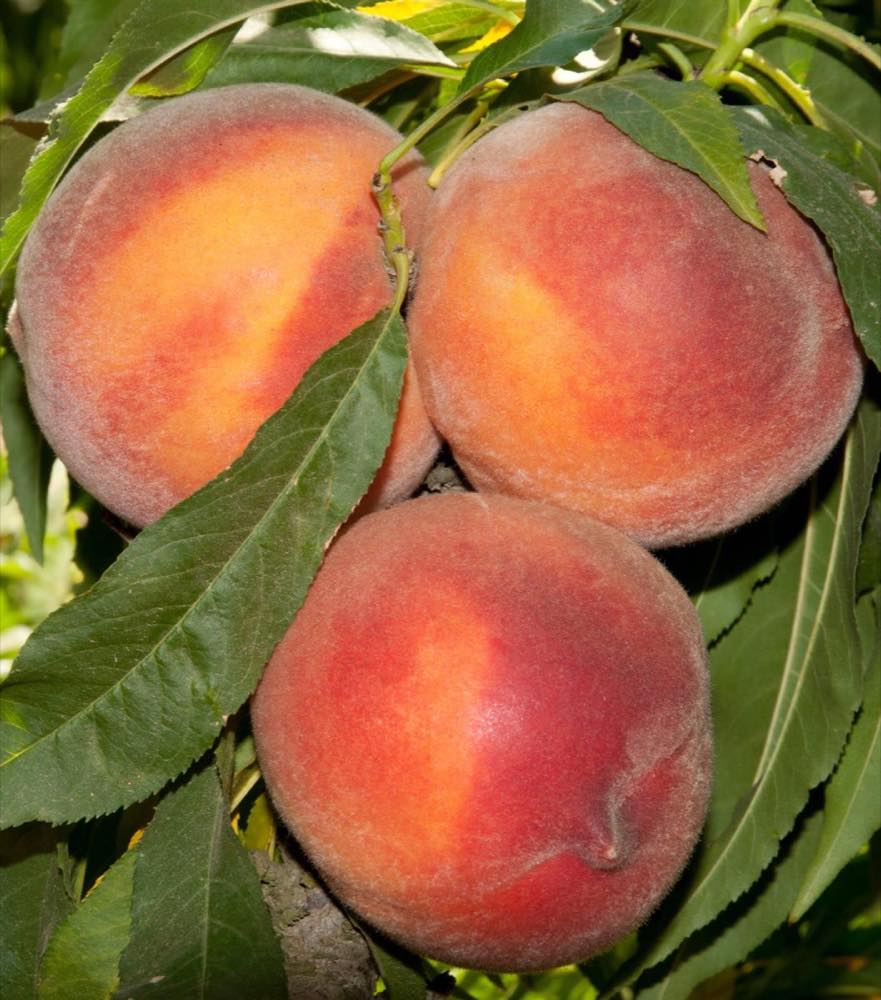
Grows well in a potA genetic dwarf peach, about 5 to 6 feet tall, with large, firm yellow freestone fruit that ripens in June elsewhere and a few weeks earlier in the low desert. It needs 400 chill hours or less, so it can crop in a normal Phoenix winter. It does well in a big pot.
Peaches
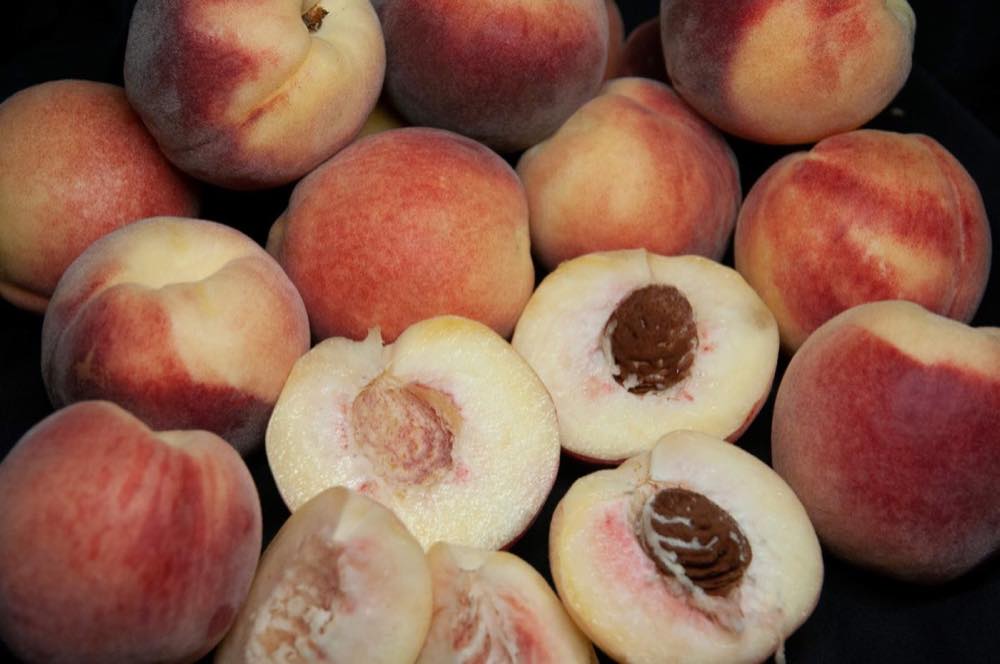
Grows well in a potA genetic dwarf with medium-sized, sweet white freestone fruit on a tree that stays about 5 to 6 feet. It needs 400 chill hours or less and ripens in mid to late June in the low desert, a bit later than the May varieties. A good pick for a large pot in a Phoenix yard.
Nectarines
Nectarines
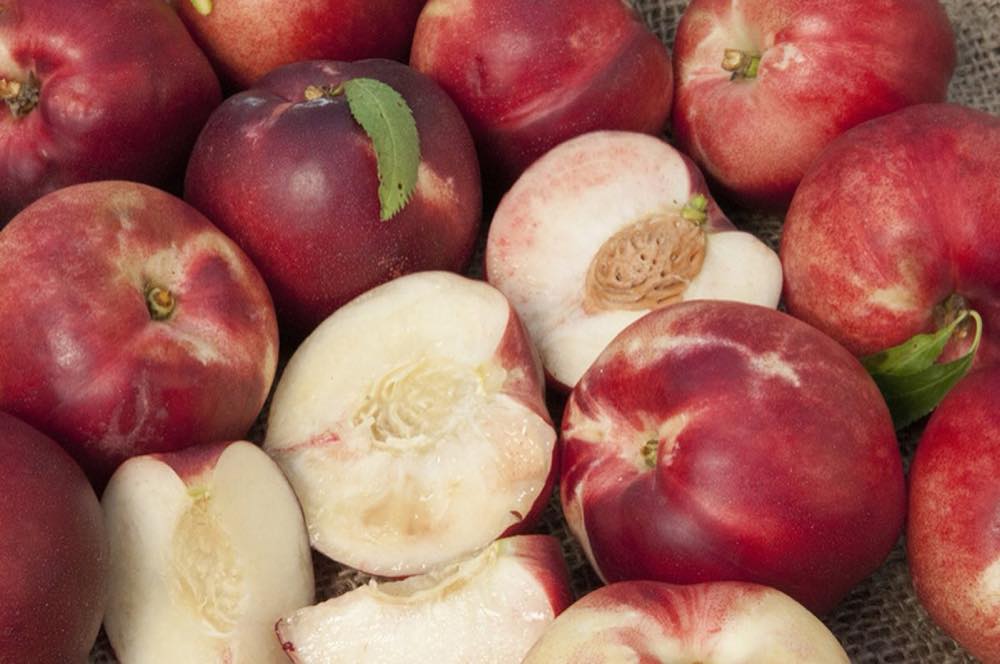
Grows well in a potThe first of the genetic-dwarf white nectarines, a small self-fruitful tree for a patio pot or tight yard. It stays small enough to throw a frost cloth over, which matters at mid elevation, where winters will give it the chill it wants. Fruit comes early, in early to mid June. Thrips can scar the skin in dry springs.
Nectarines
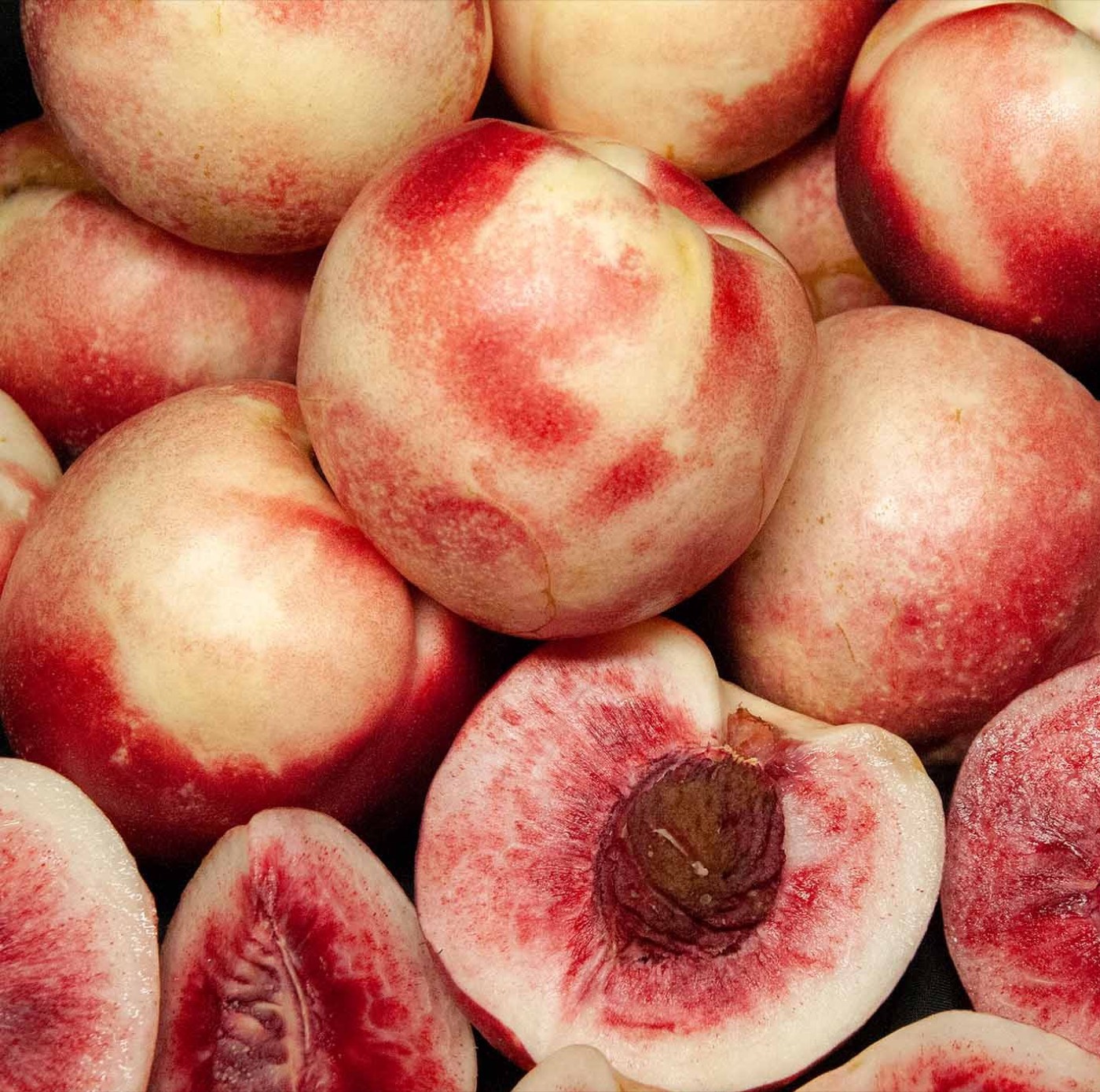
Grows well in a potA naturally small white nectarine tree, only 5 to 6 feet tall, with medium freestone fruit that balances sweetness and acid well. At up to 500 chill hours it blooms early, but the tree is small enough to cover on frost nights, so it suits mid elevation yards and big containers. Fruit comes mid to late August.
Nectarines
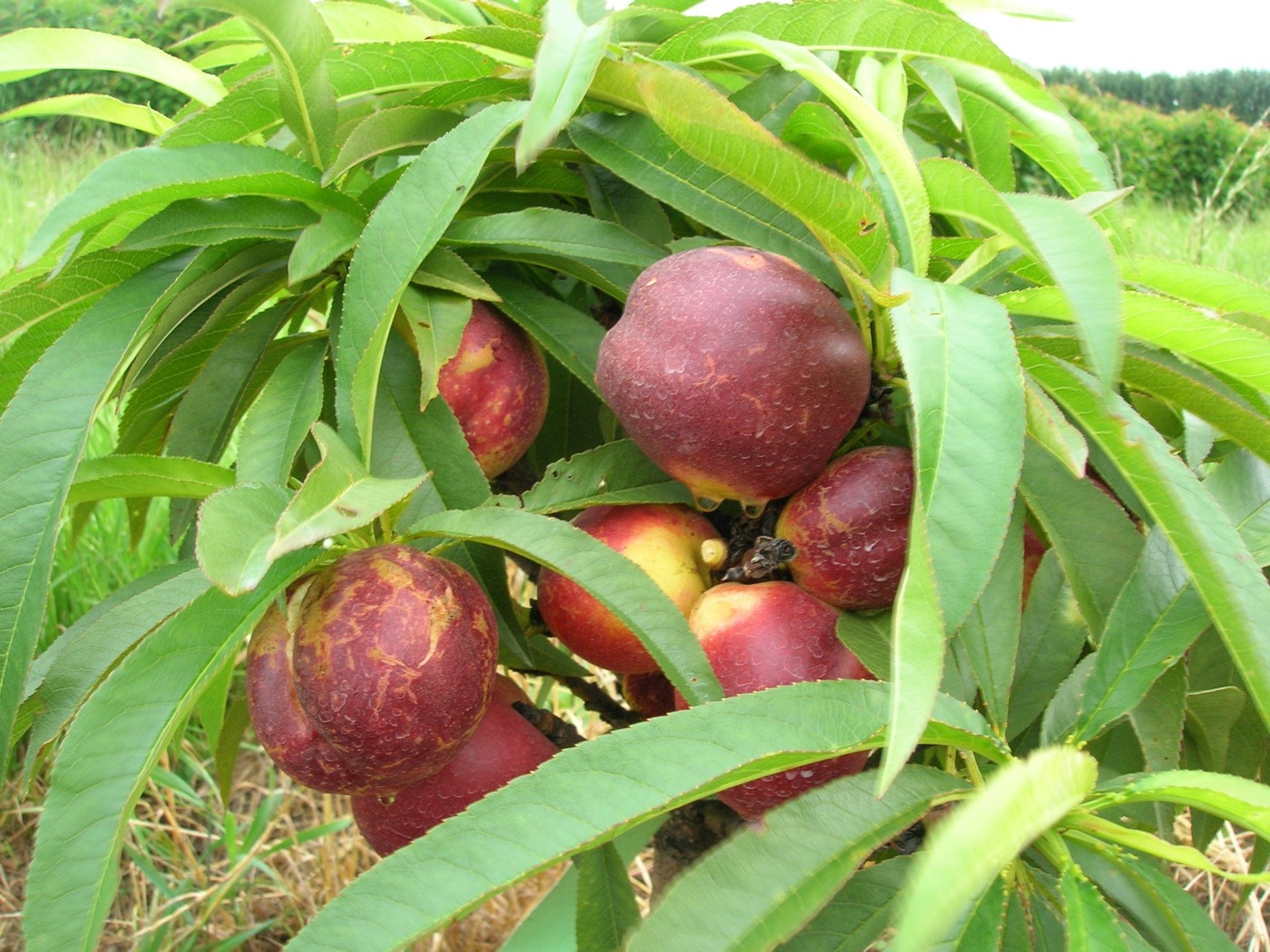
Grows well in a potA genetic-dwarf nectarine only 5 to 6 feet tall with large, sweet, refreshing yellow freestone fruit. It is rated at up to 500 chill hours and the small tree is easy to cover on frost nights, so it suits mid elevation yards and big containers. Ripens mid August to early September. Self-fruitful. Thrips can scar the skin in dry springs.
Nectarines
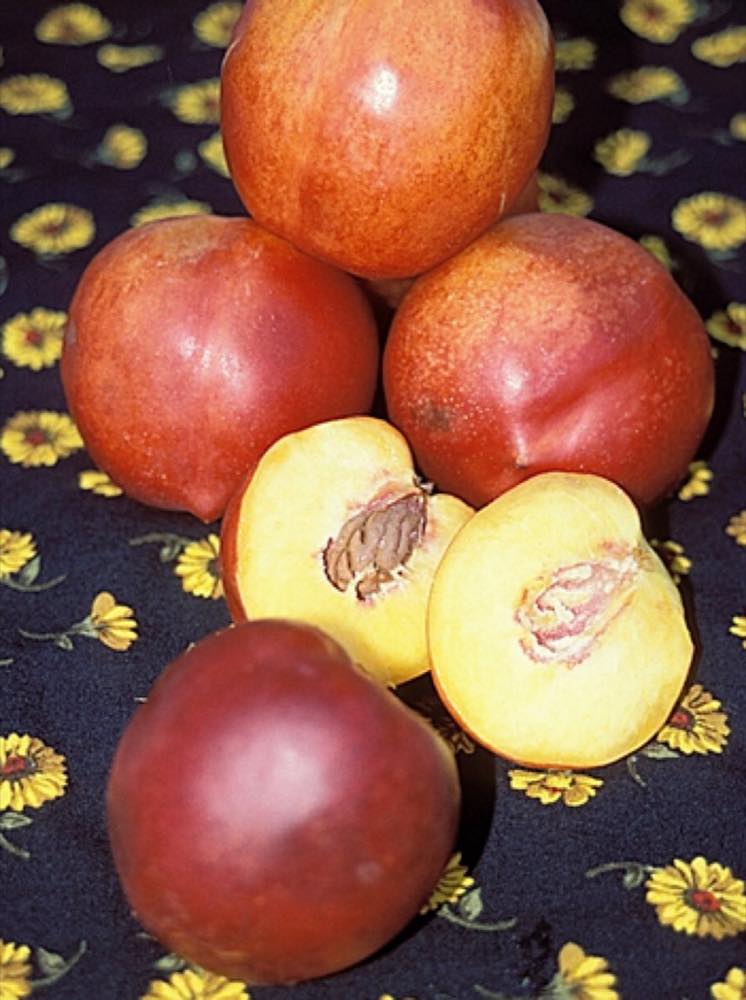
Grows well in a potA miniature yellow freestone nectarine, 5 to 6 feet tall, with sweet, rich fruit. It needs 400 chill hours or fewer, so it works in Phoenix, ripening mid to late June. Unlike most nectarines it needs another peach or nectarine nearby to set fruit. Good in a large pot, and thrips can scar the skin in dry springs.
Nectarines
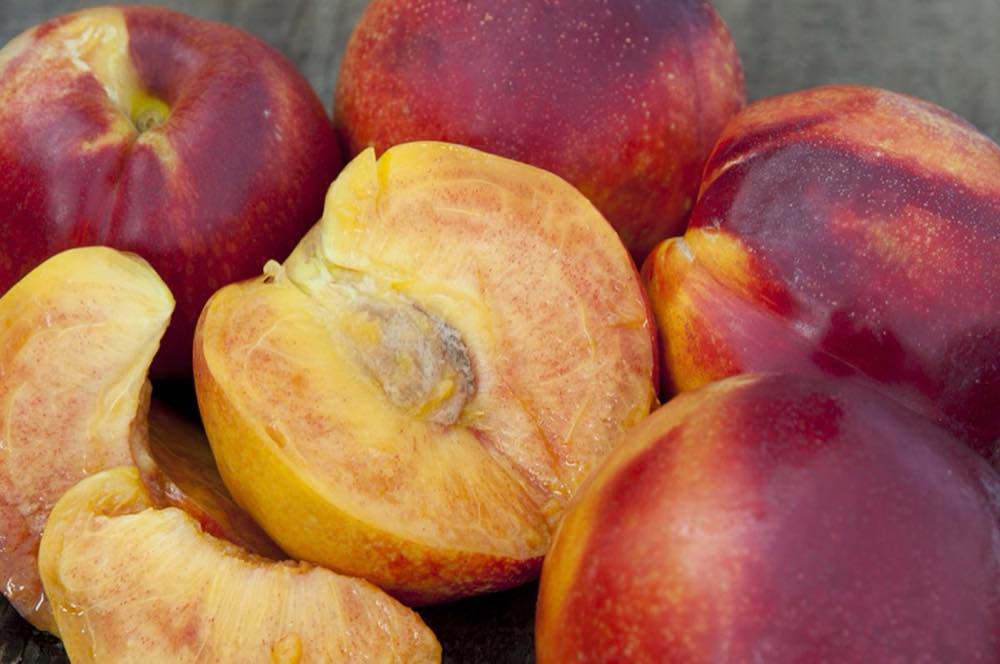
Grows well in a potA miniature nectarine that stays around 6 feet, with sweet, very flavorful yellow freestone fruit and bright red skin. It needs 400 chill hours or fewer, so it does well in Phoenix, ripening early to mid June. Self-fruitful and a good size for a pot. Thin the fruit so branches do not bend, and watch for thrips scarring.
Nectarines
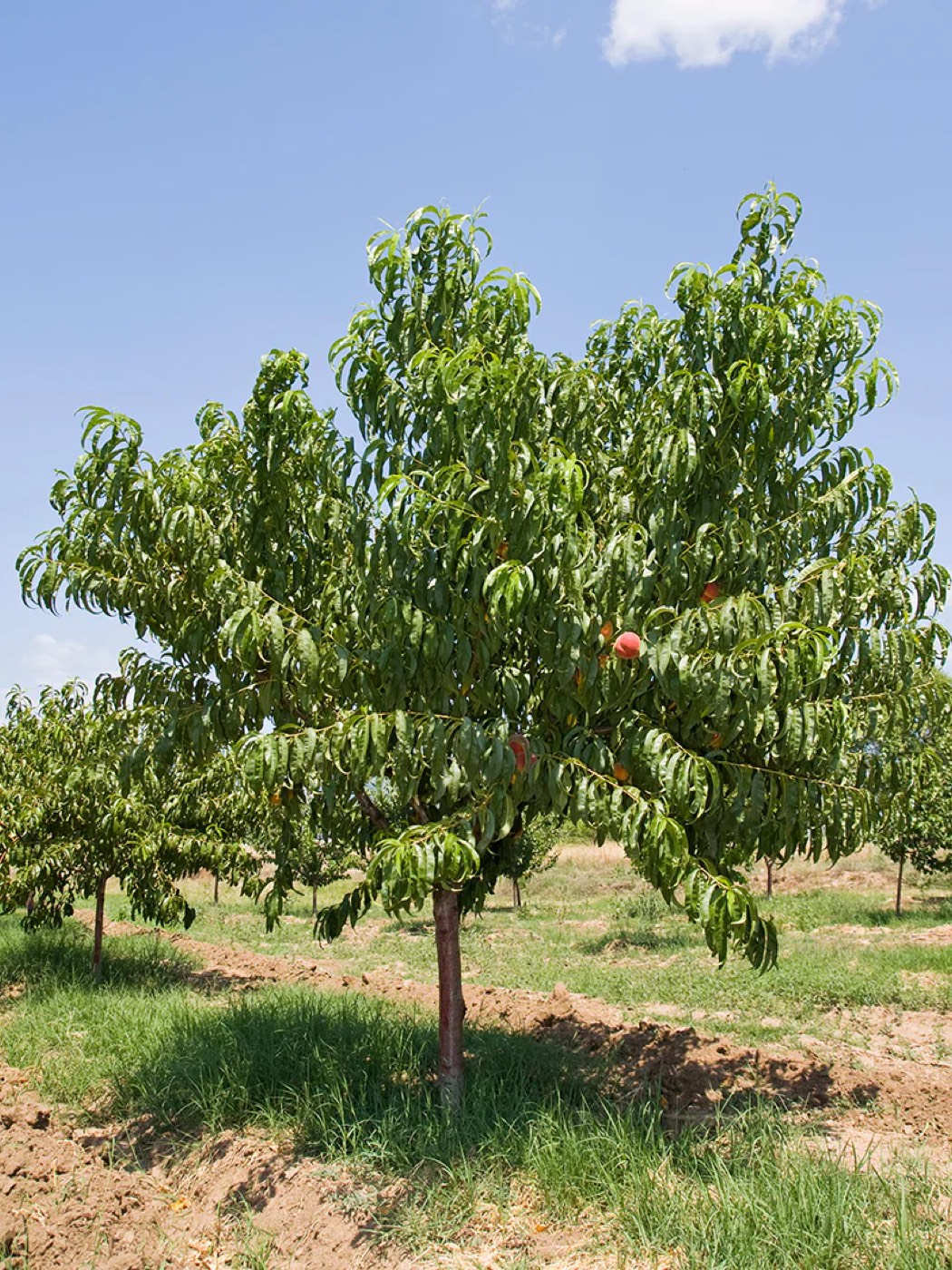
Grows well in a potA miniature yellow freestone nectarine that grows at least 6 feet tall, with large fruit and a true tangy nectarine flavor. At 450 to 500 chill hours it is marginal in Phoenix, and at mid elevation the small tree is easy to cover on frost nights. Ripens mid to late June in the low desert, July at mid elevation. Self-fruitful.
Apples
Apples
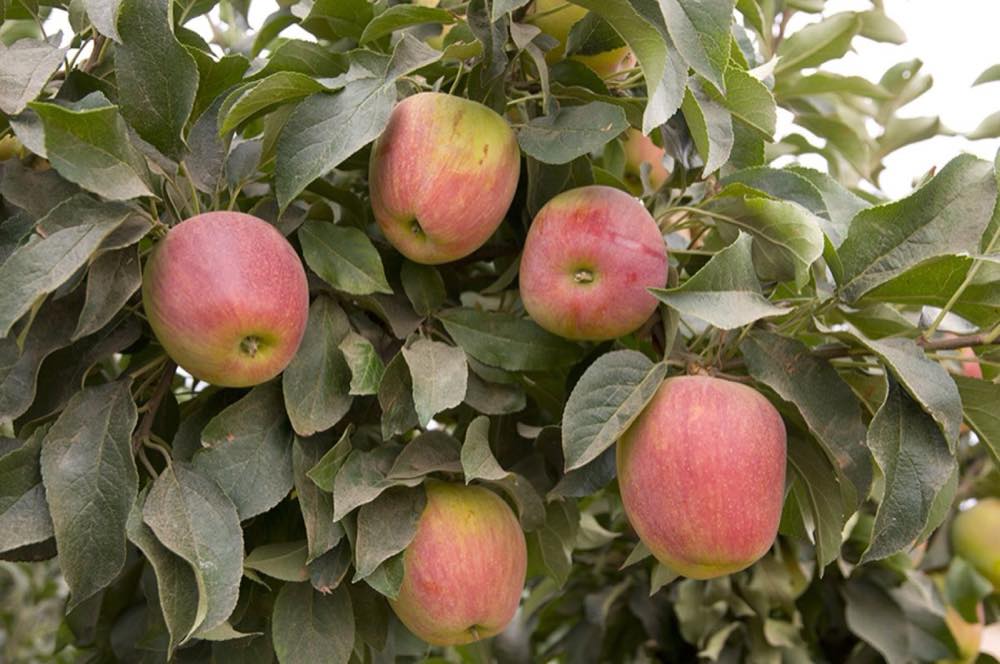
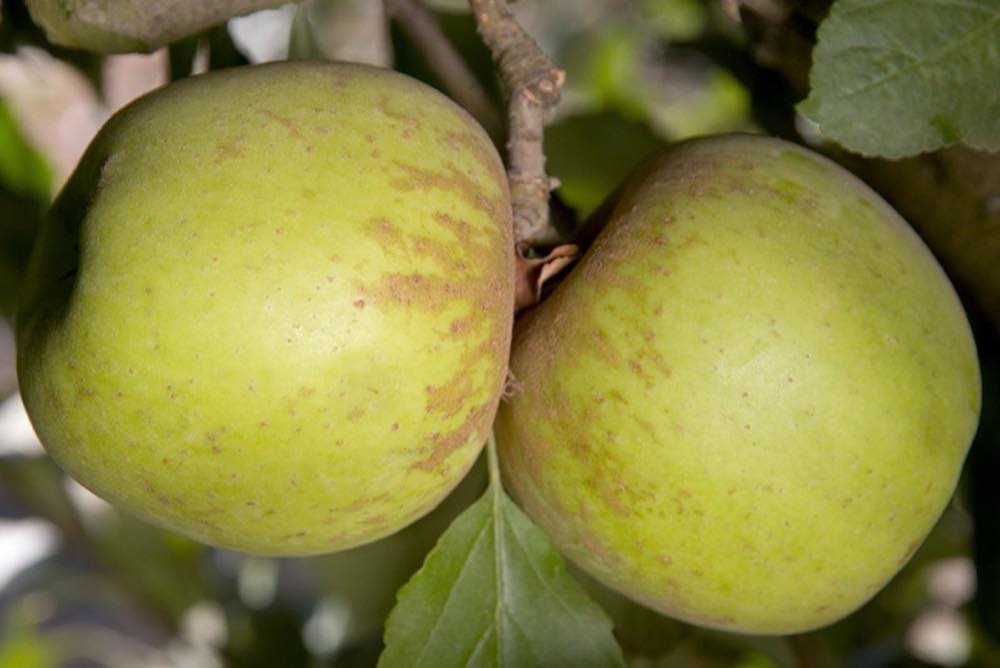
Grows well in a potA genetic dwarf that tops out around 8–10 feet with almost no pruning, so it suits small yards and big pots. The fruit is red, crisp and sweet, with clean, russet-free skin that handles warm inland summers. It needs around 700 chill hours, so plant it at mid elevation or in the high country, with a second apple like Garden Delicious for pollen.
Apples
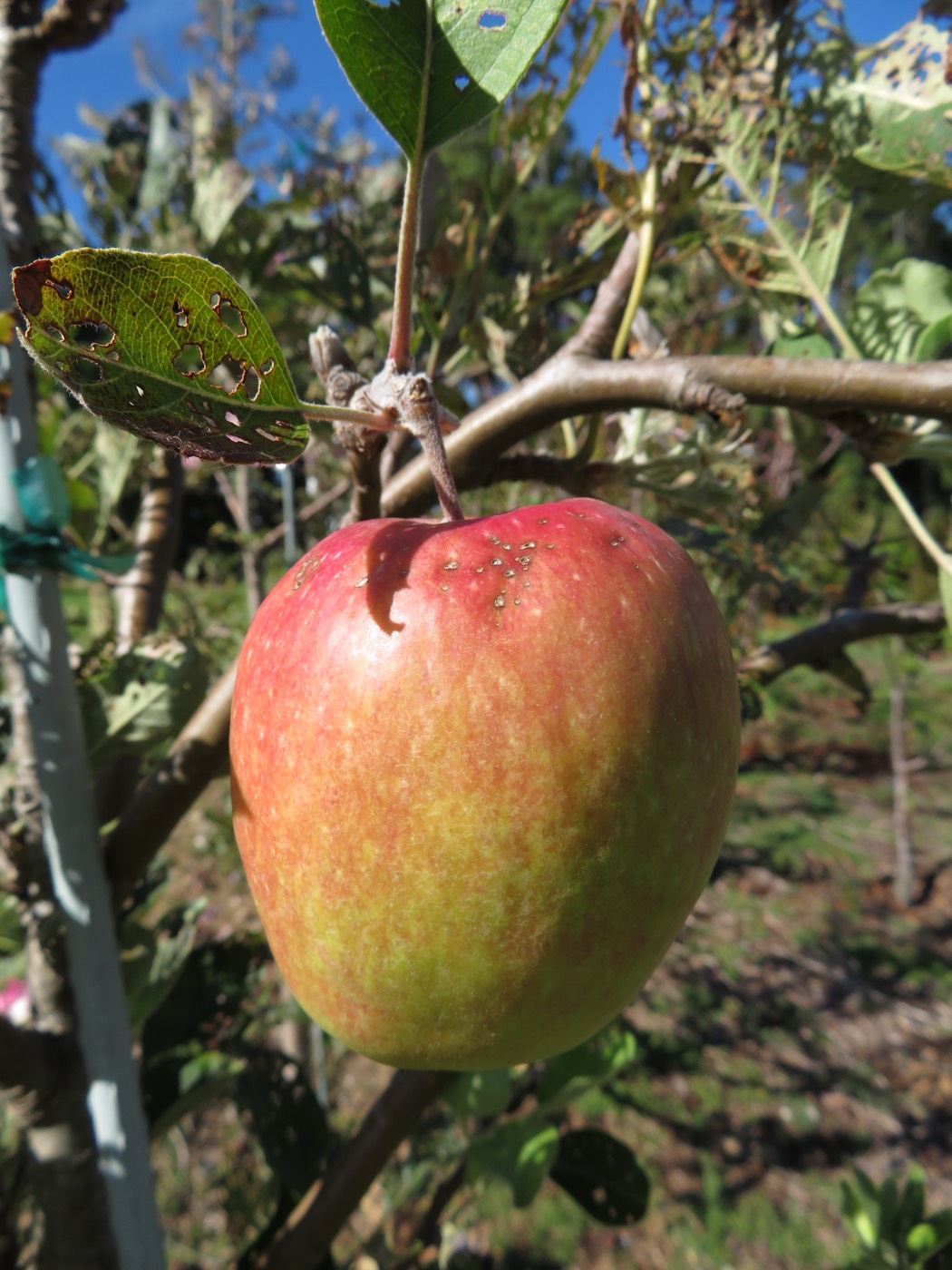
Grows well in a potA genetic dwarf apple, 8–10 feet tall, with sweet, crisp, red-blushed fruit that keeps its flavor in warm summers. Its late bloom helps it dodge frost, which makes it a safer choice at mid elevation and in the high country. A good one for small yards and large pots, and it resists scab.
Apples
Stays about 7 ft on its ownThree low-chill apples on one trained tree: Anna and Dorsett Golden ripen in June, and Fuji follows in the fall. It is built for low desert yards and looks good flat against a wall or fence. Fuji is the marginal one in Phoenix, with softer, paler fruit after warm winters, while the other two are dependable.
Currants & gooseberries
Currants & gooseberries
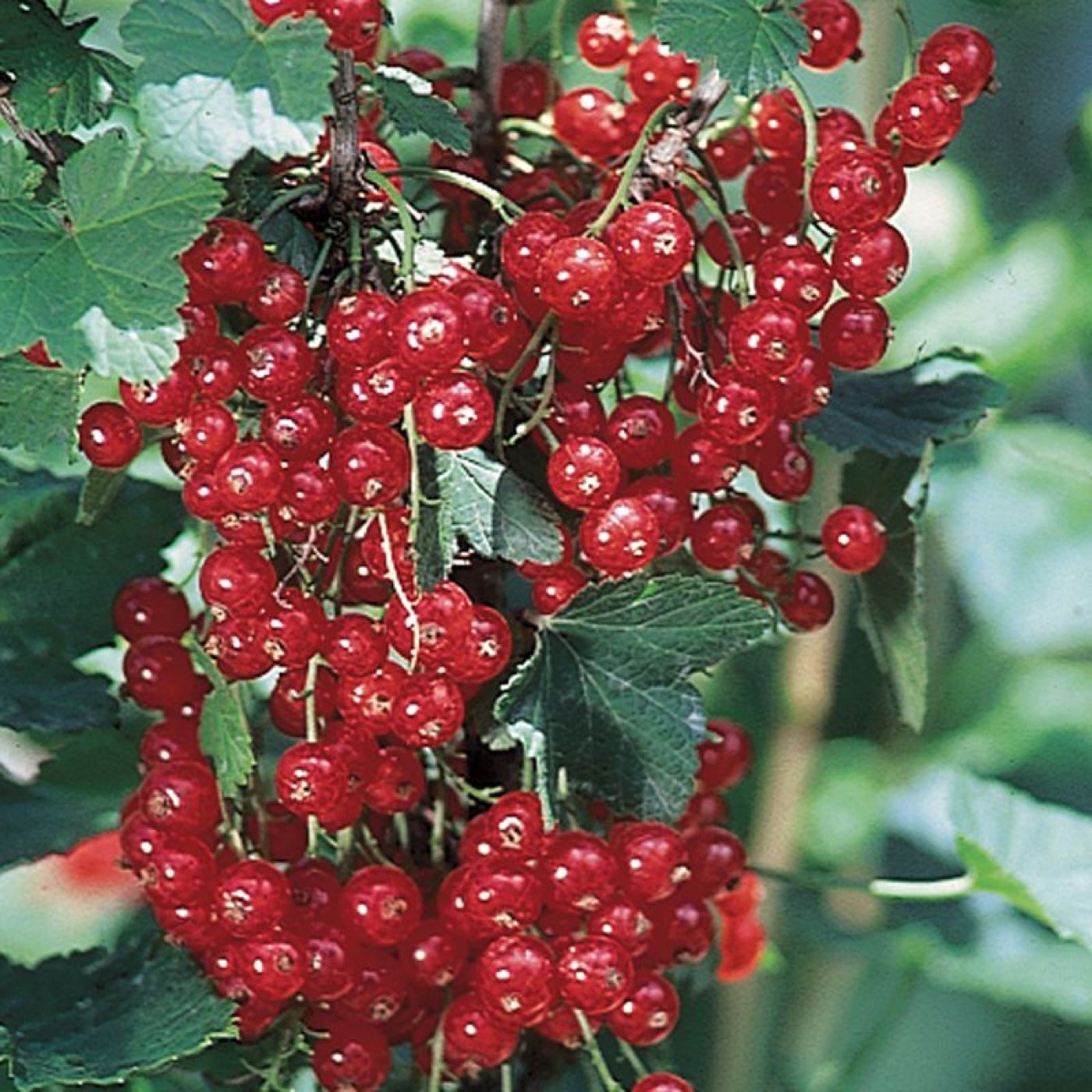
Stays about 5 ft on its ownA tart-sweet red currant that hangs in long loose clusters, very productive and winter hardy, and rated by many as the best red currant. Arizona extension lists it for the state's mid elevations, and Arizona is a low-risk area for pine blister rust. It needs cool summers, so it is a mid elevation and high country plant, with afternoon shade at lower sites.
Currants & gooseberries
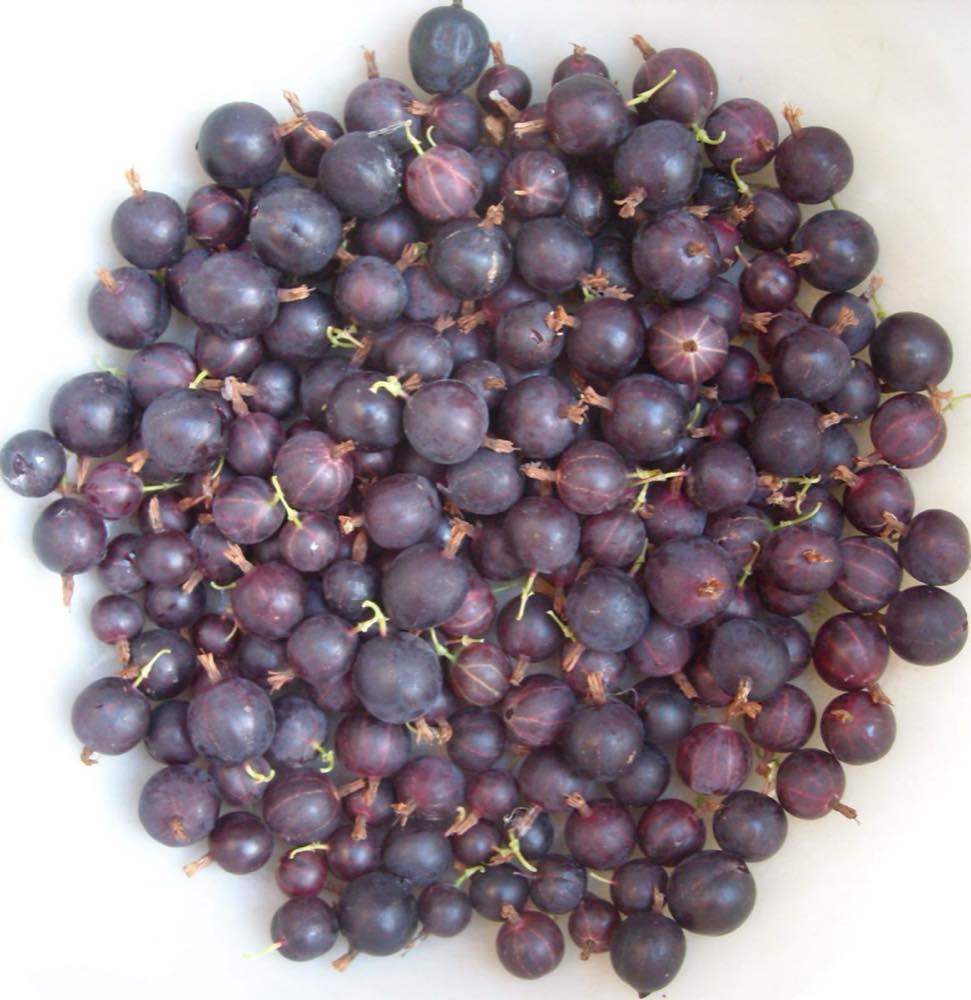
Stays about 4 ft on its ownA gooseberry you can eat off the bush: large, sweet, deep purple berries that look like blueberries when fully ripe, on a bush that resists mildew and winter cold. Gooseberries are native to Arizona's mountains and want cool summers, so plant it at mid elevation or in the high country with afternoon shade, and wear gloves for the thorns. Not a low desert plant.
Currants & gooseberries
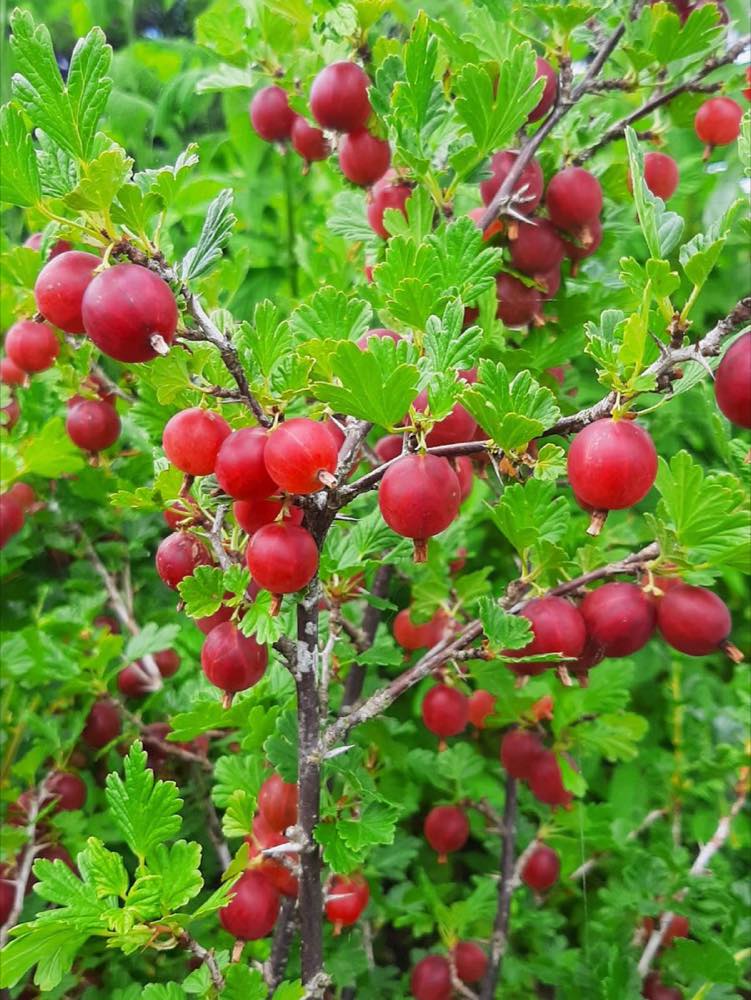
Stays about 4 ft on its ownA medium red gooseberry with a slightly tangy skin and very sweet flesh, on an upright bush that resists mildew. Of the Ribes here it is the one rated for warmer winters, but summer heat is still the limit, so grow it at mid elevation or in the high country, out of the afternoon sun. Wear gloves, since the stems are thorny.
Pomegranates
Pomegranates
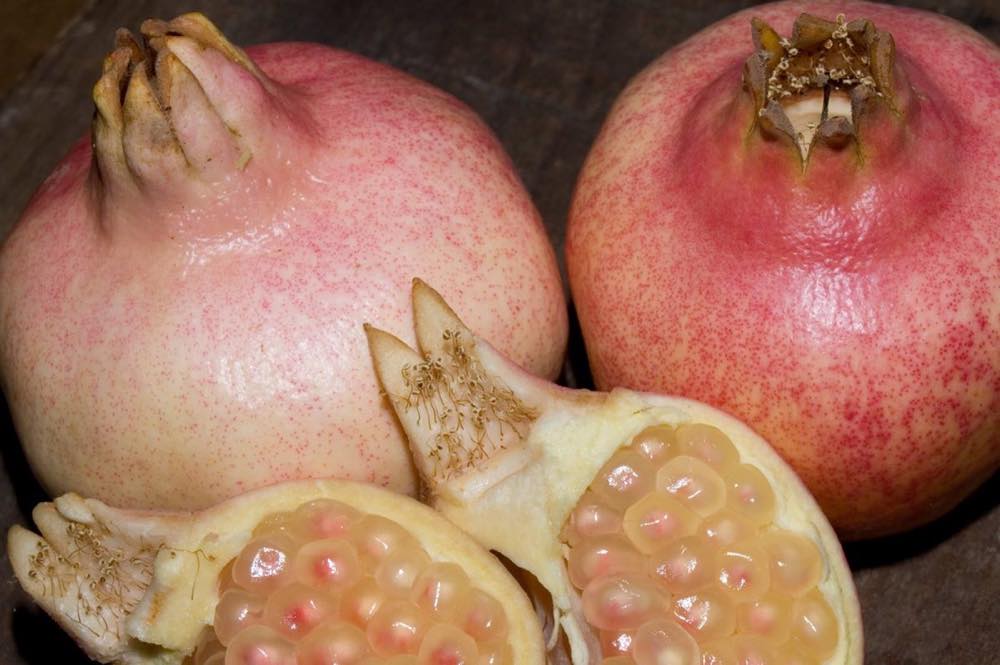
Stays about 9 ft on its ownA very sweet, almost seedless pomegranate with red skin and clear juice that will not stain, so it suits snacking and kids. Low acid means a mild flavor rather than a tangy one, and even immature fruit tastes sweet. A low desert shrub, hurt around 12 to 15°F, that can be trained as a tree or an espalier.
Pomegranates
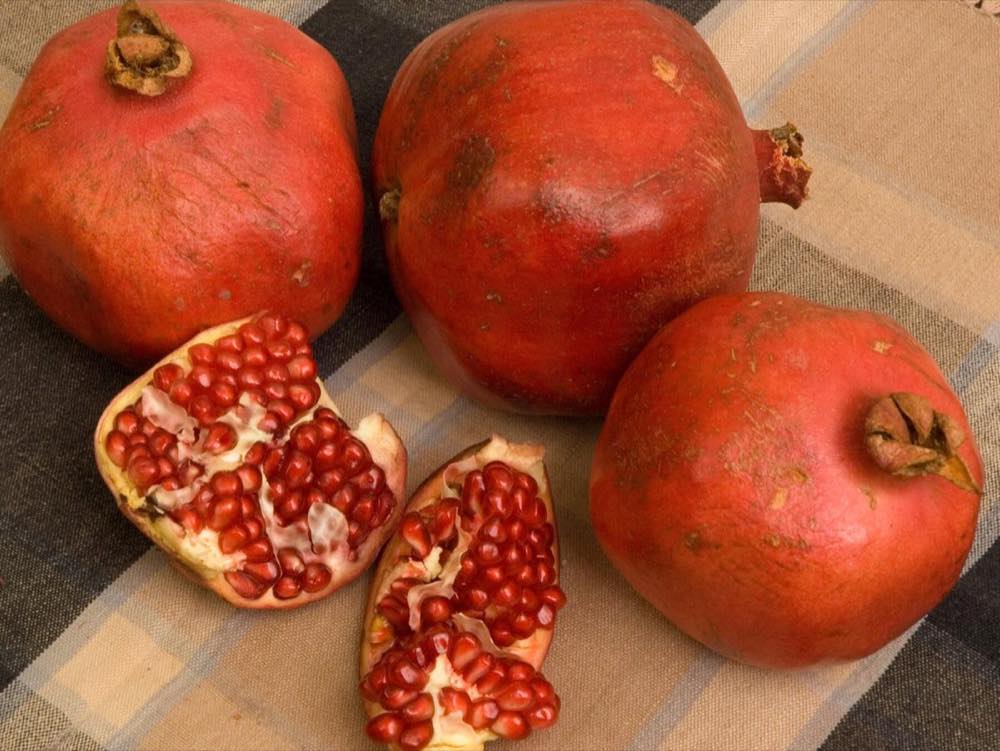
Stays about 10 ft on its ownA medium to large, brilliant red pomegranate with a good sugar and acid balance and a sweet berry flavor. The seeds are large and firm yet edible, so this one is for people who like some crunch. A naturally semi-dwarf, slightly spreading plant for the low desert, hurt around 12 to 15°F.
Pomegranates
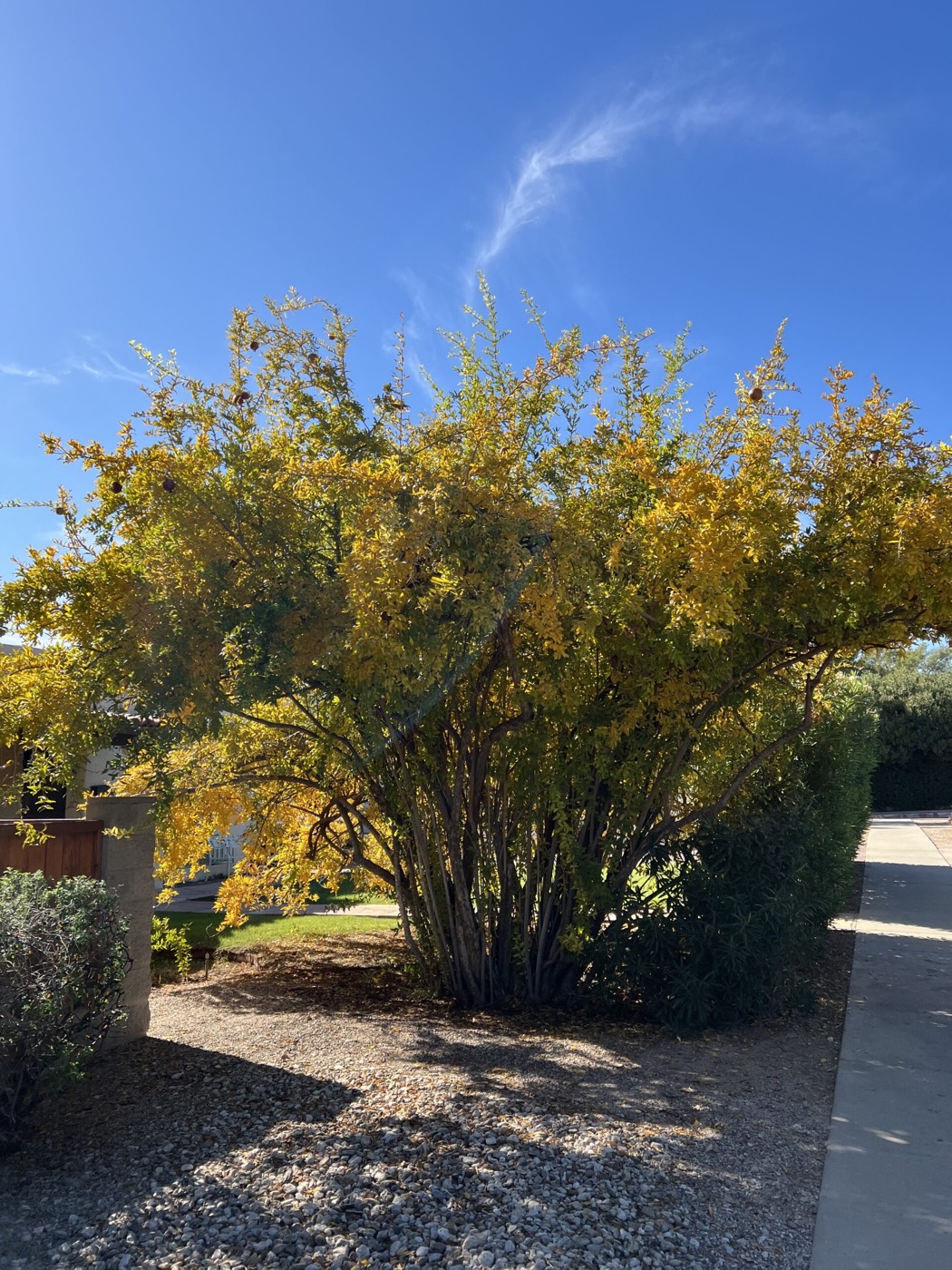
Stays about 10 ft on its ownA sweeter, more widely adapted pomegranate than Wonderful, on a small glossy-leafed tree with showy orange-red blossoms in late spring that suits pots and espalier. Unsplit ripe fruit stores two months or more in a cool, dry place. A low desert plant, hurt around 12 to 15°F.
Cherries
Cherries
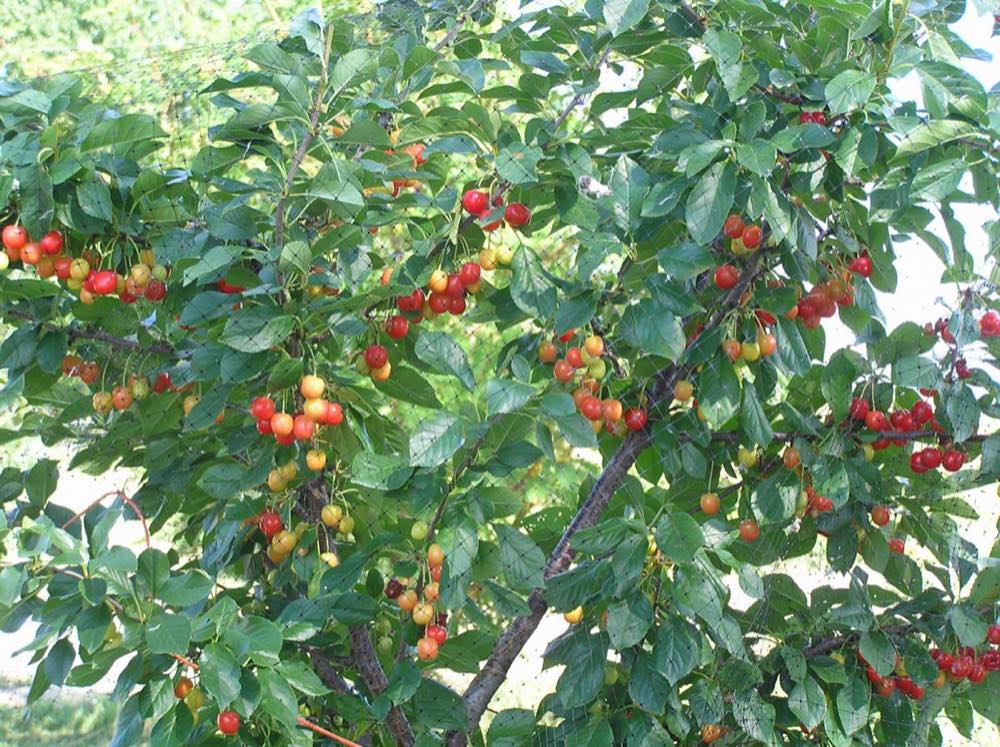
Stays about 7 ft on its ownA naturally small sour cherry that tops out near 7 ft, so it fits a patio corner or a small yard. The fruit is large and among the sweeter sour cherries, good fresh once fully ripe and better still in pies. It ripens late and takes extreme cold, so it suits mid elevation and high country. One tree is enough.
Cherries
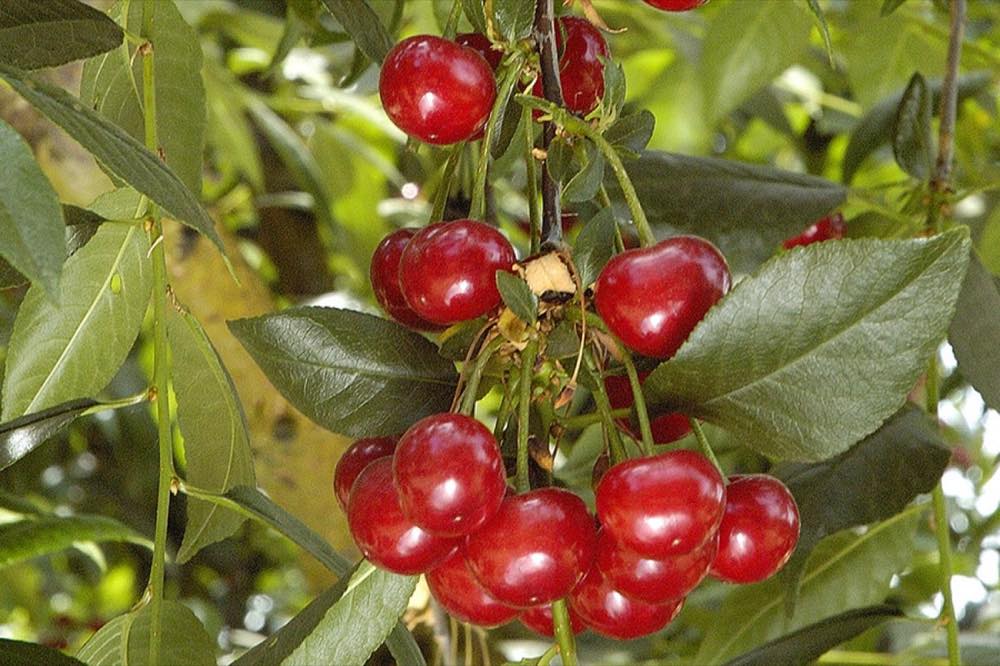
Stays about 9 ft on its ownA compact sour cherry that stays around 8 to 10 ft, which makes it one of the easiest cherries to net against birds. The fruit is large, meaty and tart, great for pies and good fresh when fully ripe. It is self-fruitful, very cold hardy and often bears by its second year, so it suits mid elevation and high country.
Figs
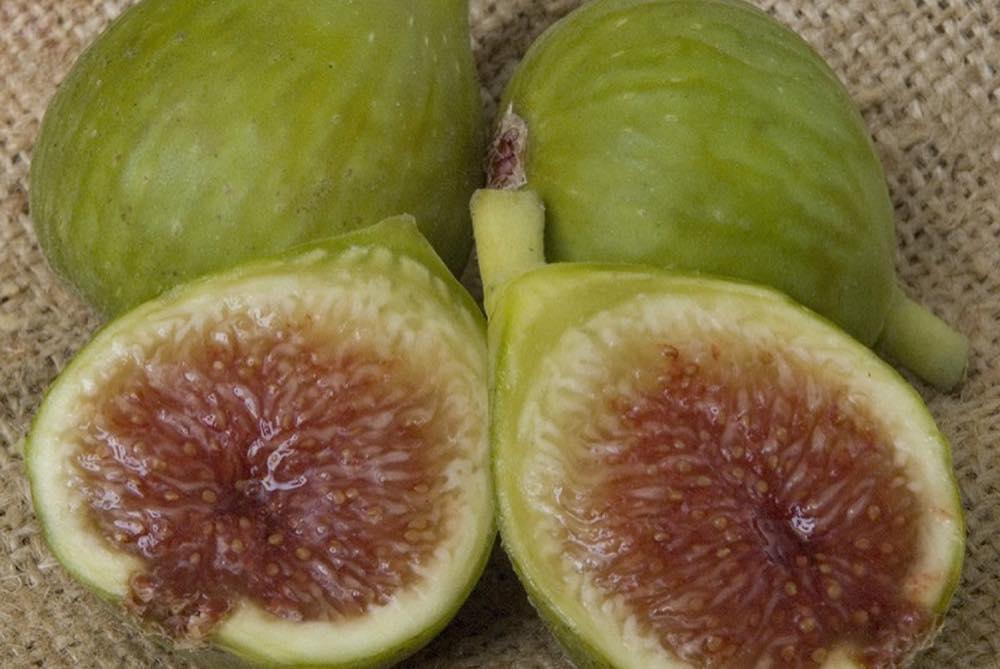
Small to medium green-yellow figs, also called Verte, with strawberry-red pulp and fine flavor. It is a natural semi-dwarf with a tight eye, both the early crop and the summer crop are heavy, and birds tend to ignore the green fruit. A good fig for small low desert yards and big containers.
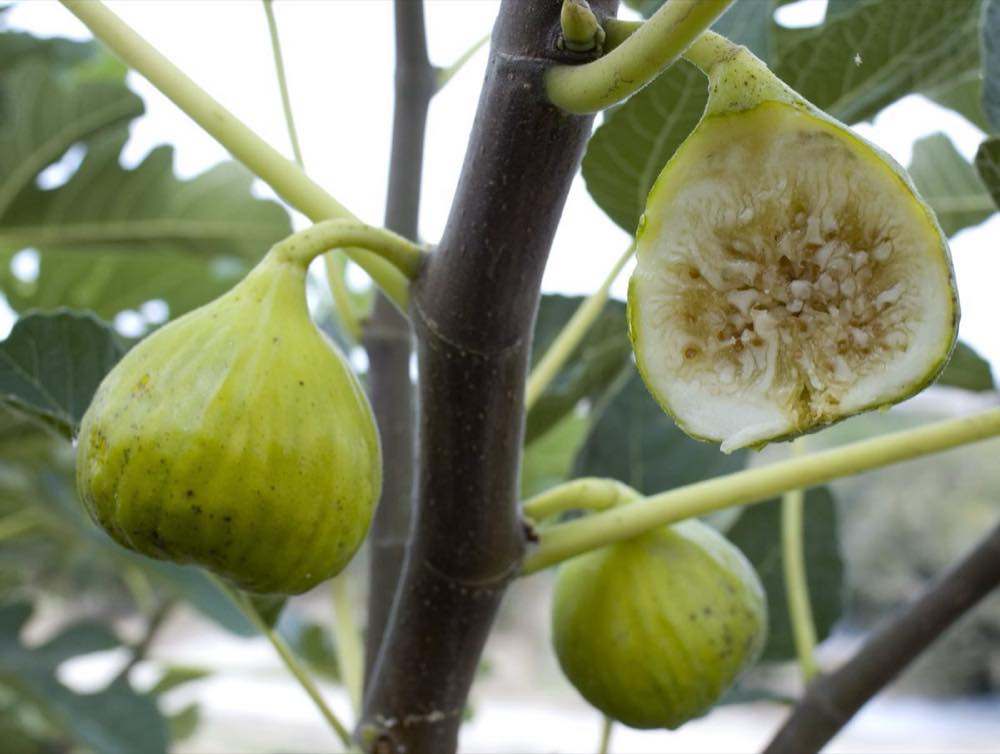
Greenish-yellow figs with sweet honey-amber pulp, also sold as Italian Honey. It gives a good early crop and a good late summer crop on a compact tree that suits containers and small spaces. Frost hardy once established, so it is a reliable low desert pick.
Multi-grafted
Multi-grafted
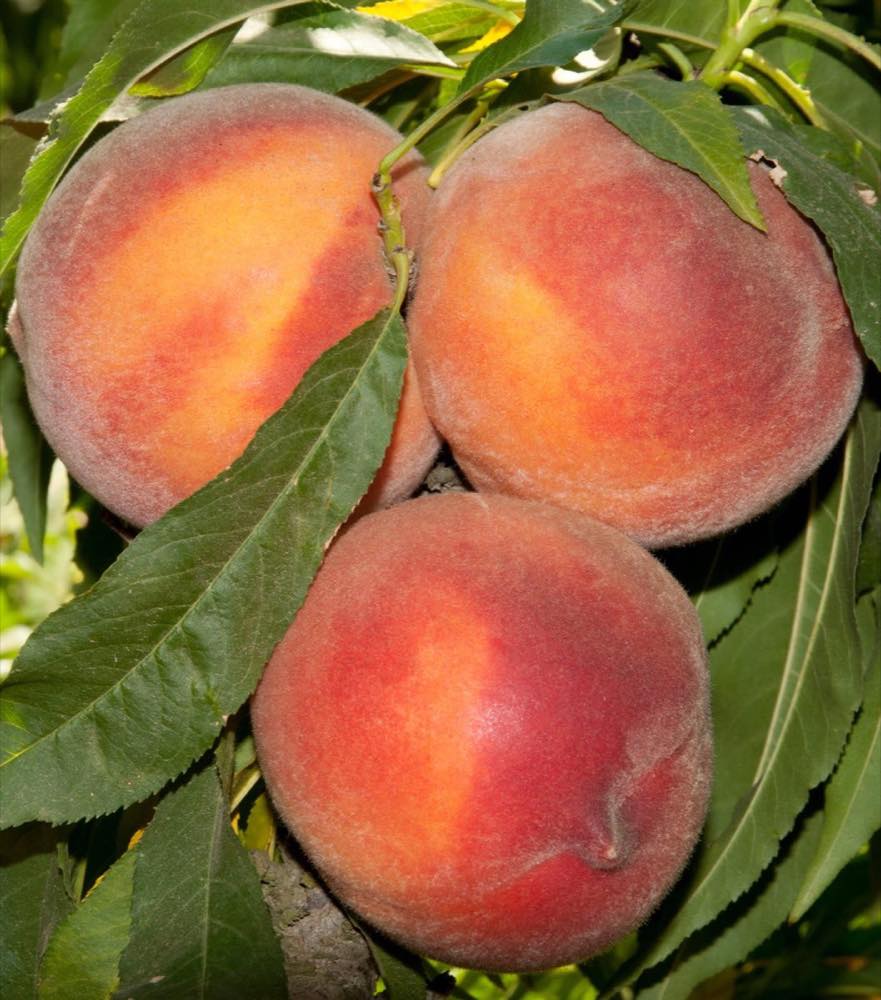
Grows well in a potA genetic dwarf nectarine and peach on one small tree, about 5 to 6 feet tall and well suited to patios and containers. Both need 400 chill hours or less, so it does well across the low desert, ripening in late May and June. Thin the fruit hard, because a dwarf will overbear and snap.
Multi-grafted
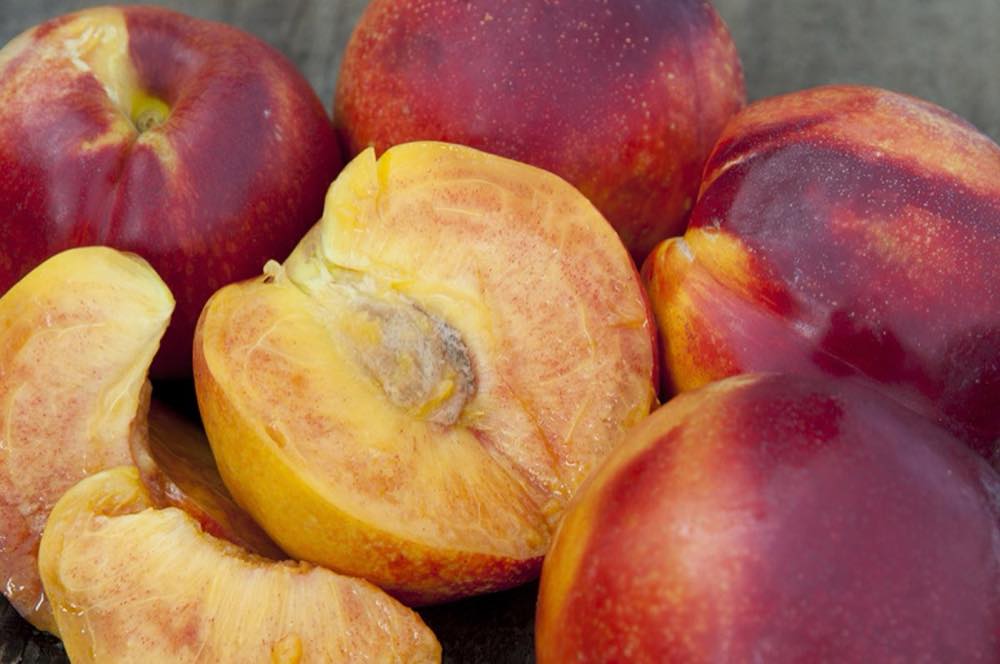
Grows well in a potA genetic dwarf nectarine and peach on one small tree, about 5 to 6 feet tall and happy in a big pot or a tight yard. Both need 400 chill hours or less, so it does well across the low desert, with fruit in late May and June. Thin the fruit hard, because a dwarf will overbear and snap.
Nuts
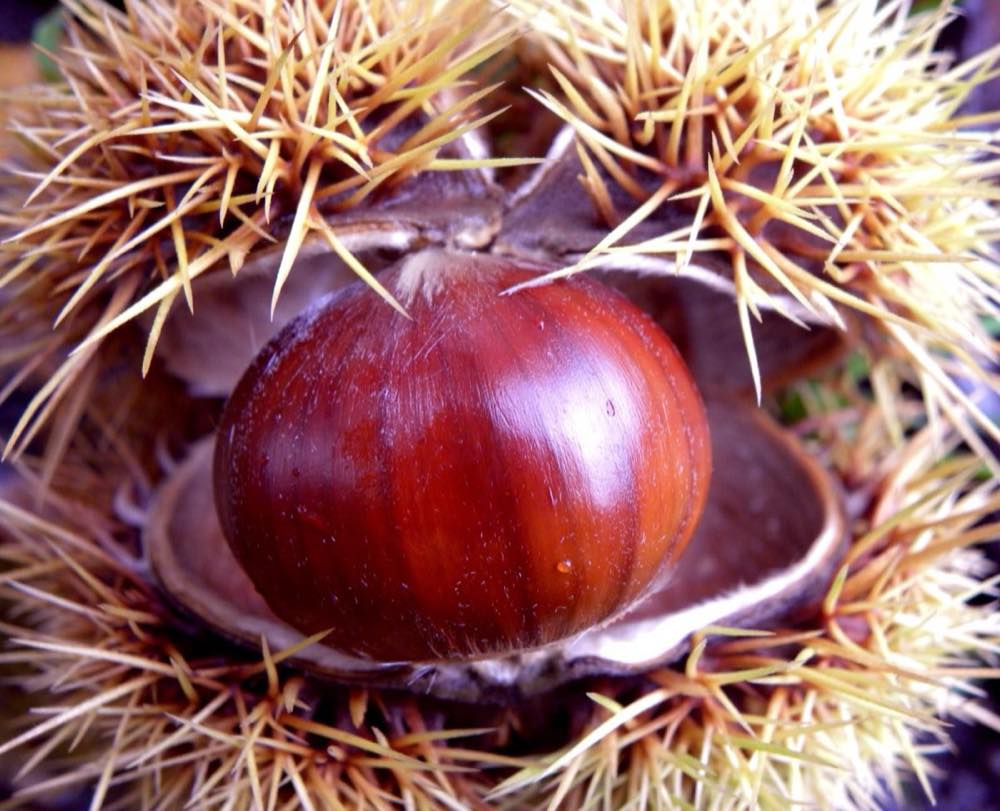
A big, spreading chestnut with large nuts that peel easily. It needs 400 to 500 chill hours but also acid soil, and most Arizona soil is too alkaline, so use it only where the ground is acidic, such as granite soil around Prescott and Payson, or grow it in a large amended container. It needs a Nevada chestnut nearby for pollination.
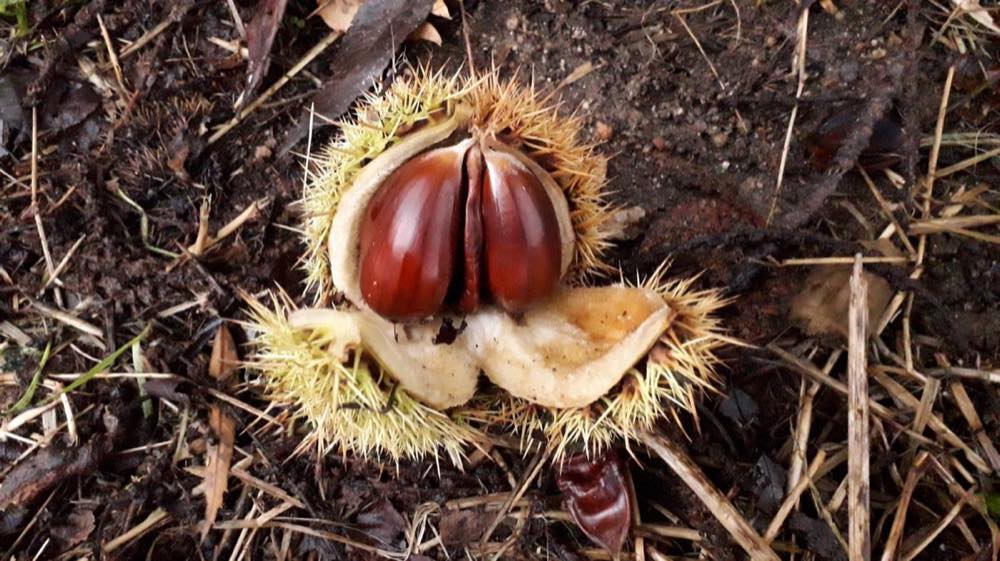
Nevada is a good nut tree in its own right and the pollen partner for Colossal, since one Nevada serves 8 to 10 Colossal. It needs 400 to 500 chill hours and, like Colossal, it will not tolerate alkaline soil. It only works where soil is acidic, like granite soils around Prescott and Payson, or in a big container with an acid mix.
Flowering shrubs
Flowering shrubs
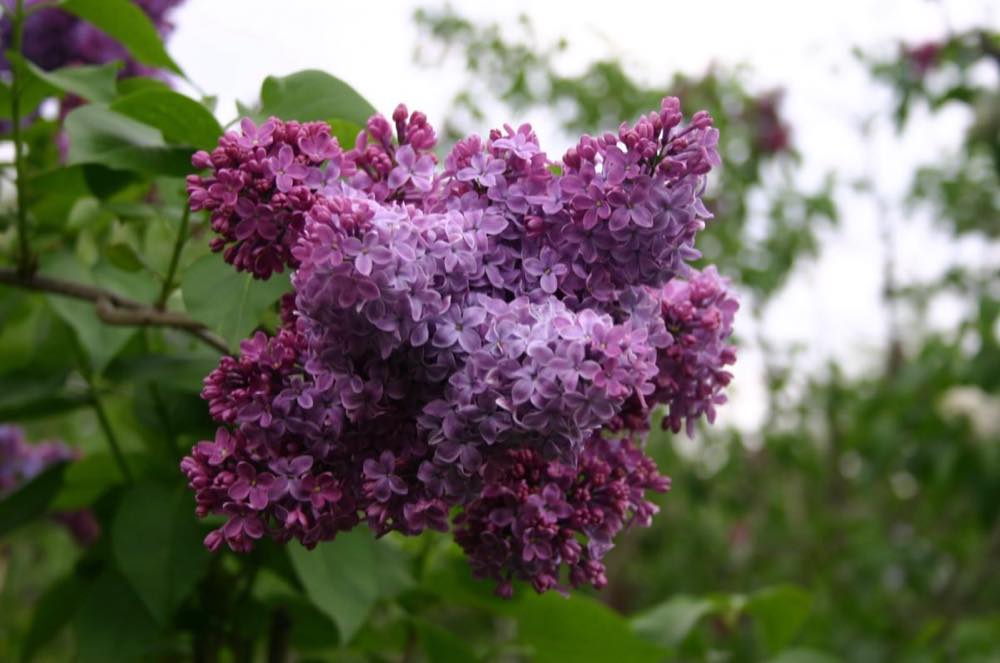
Stays about 9 ft on its ownA powerfully fragrant lilac whose flowers open vivid red and soften to purple. At 8–10 ft it works as a border or hedge. Like all lilacs it needs real winter cold to bloom, so plant it at mid elevation or in the high country, not in Phoenix. It likes full sun and tolerates our slightly alkaline soils.
Goji
Goji
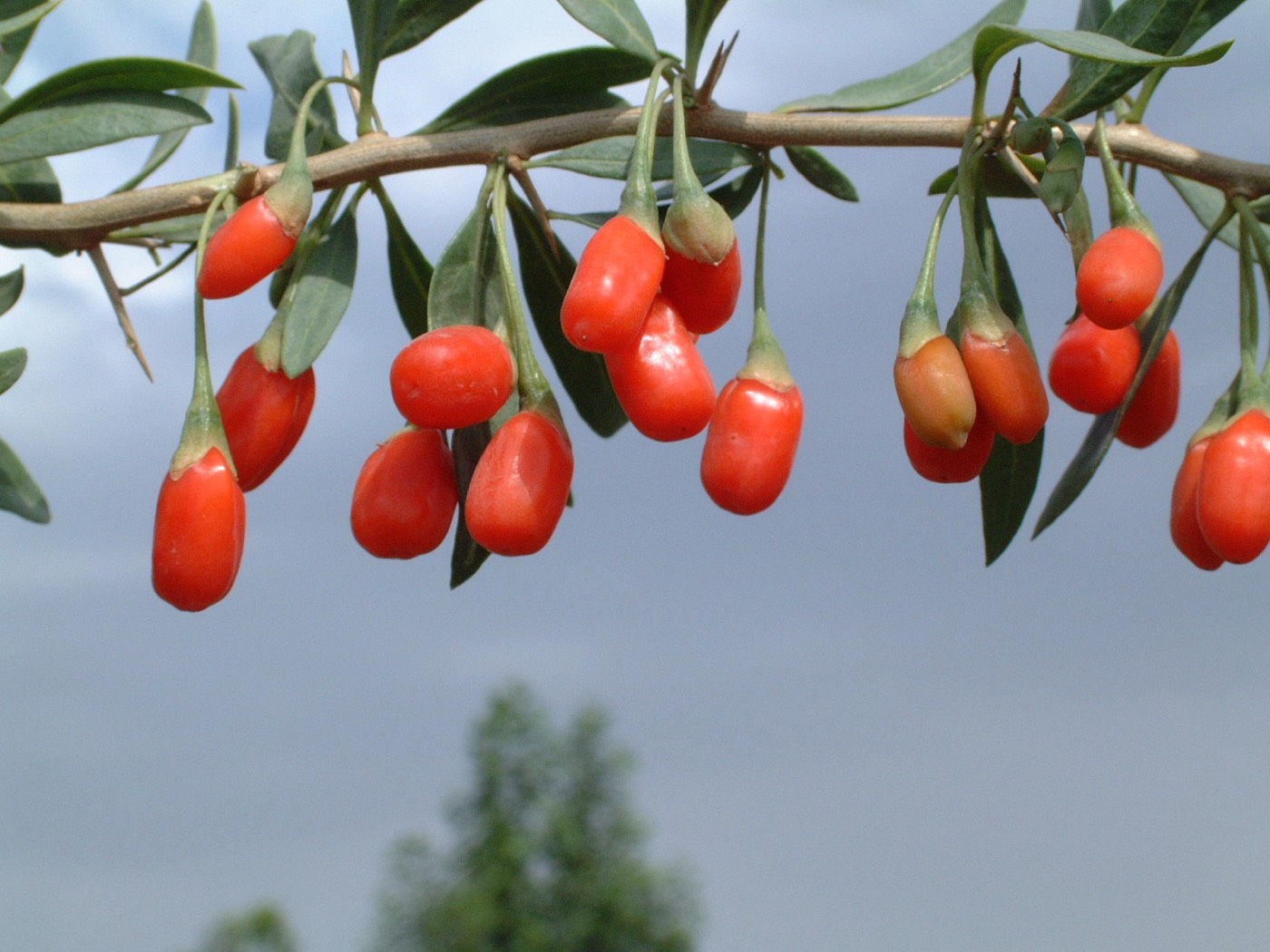
Stays about 10 ft on its ownA sprawling shrub with bright red-orange berries that taste mildly sweet, a little nutty and a little spicy. It shrugs off alkaline soil, drought and hard winters, so it fits every Arizona region. In the low desert flowers stop setting fruit in peak summer heat, so expect a spring crop and a fall crop, with afternoon shade helping.
Mulberries
Mulberries
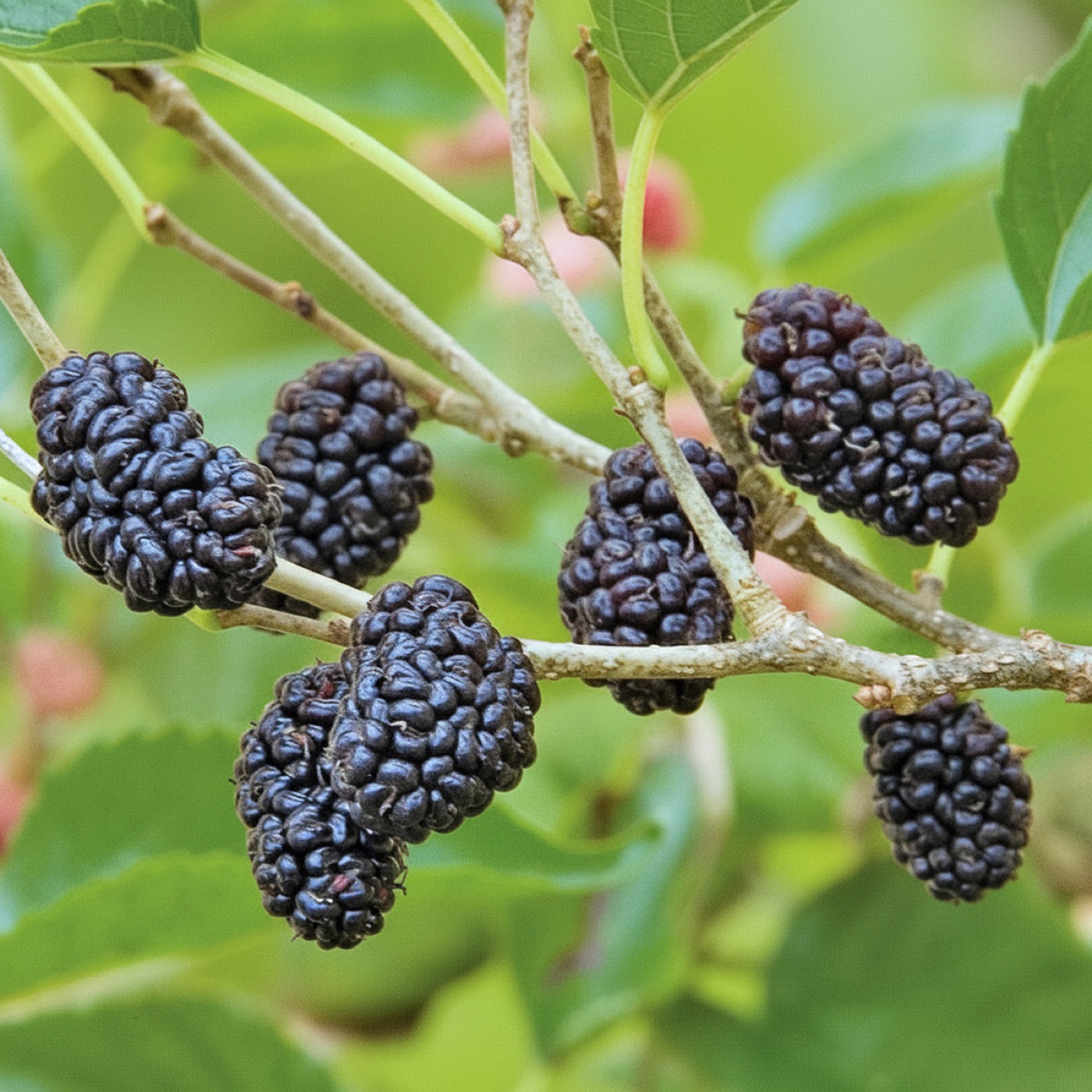
Grows well in a potA bush-form mulberry that keeps making sweet blackberry-like fruit through spring and early summer, and stays small enough for a big pot or a tight yard. Light pruning keeps it compact. It does well in the low desert and in mid elevation, but the juice stains, so pick over a tarp and not over concrete.
Plums
Plums
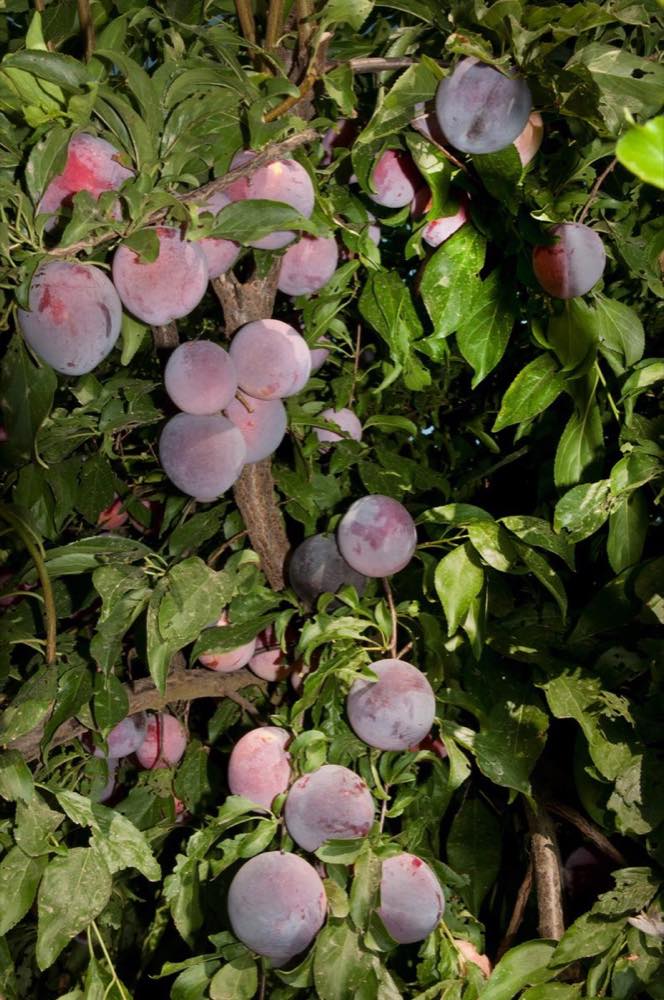
Stays about 9 ft on its ownA weeping form of Santa Rosa that stays around 8 to 10 ft, with long limbs that bow toward the ground. The fruit is aromatic and flavorful, and the shape trains easily flat against a wall or fence. It sets alone and fits the low desert at 200 to 400 hours. A good plum for small yards.
See them with the rest of the program, with every filter
