
Currants & gooseberries · Dave Wilson Nursery
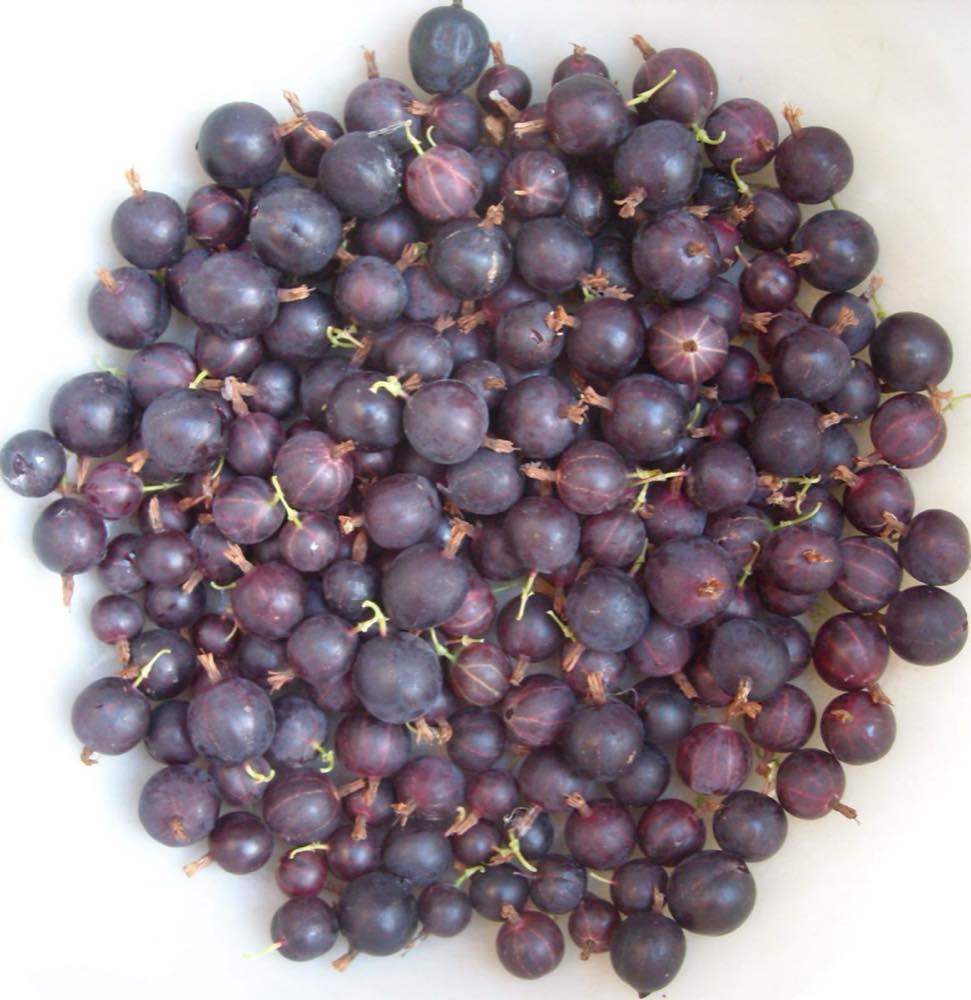
Black Velvet Gooseberry
A gooseberry you can eat off the bush: large, sweet, deep purple berries that look like blueberries when fully ripe, on a bush that resists mildew and winter cold. Gooseberries are native to Arizona's mountains and want cool summers, so plant it at mid elevation or in the high country with afternoon shade, and wear gloves for the thorns. Not a low desert plant.
- Chill hours
- 800–1200 chill hours
- Harvest
- July to August at mid elevation and in the high country
- Pollination
- Self-fruitful
- Mature size
- 3–4 ft tall and wide; easy to hold at 3 ft with winter pruning
- Cold hardiness
- Hardy here. Currants and gooseberries take about -22 to -31°F (group figure), so winter is no issue. They bloom very early, so a hard frost on open flowers can cost some fruit.
- Heat tolerance
- Needs afternoon shade. Ribes start to suffer above about 85°F and sunburn in strong sun. Black Velvet's wild American parent gives it fair heat tolerance for a gooseberry, but in Phoenix it still needs afternoon shade, mulch and steady water.
Which one
Every currants & gooseberrie side by side
Same fruit, different seasons and different jobs. Pick the row that fits your ground and your calendar.
| A gooseberry you can eat off the bush: large, sweet, deep purple berries that look like blueberries when fully ripe, on a bush that resists mildew and winter cold. Gooseberries are native to Arizona's mountains and want cool summers, so plant it at mid elevation or in the high country with afternoon shade, and wear gloves for the thorns. Not a low desert plant. | A medium red gooseberry with a slightly tangy skin and very sweet flesh, on an upright bush that resists mildew. Of the Ribes here it is the one rated for warmer winters, but summer heat is still the limit, so grow it at mid elevation or in the high country, out of the afternoon sun. Wear gloves, since the stems are thorny. | A tart-sweet red currant that hangs in long loose clusters, very productive and winter hardy, and rated by many as the best red currant. Arizona extension lists it for the state's mid elevations, and Arizona is a low-risk area for pine blister rust. It needs cool summers, so it is a mid elevation and high country plant, with afternoon shade at lower sites. | |
|---|---|---|---|
| Harvest | July to August at mid elevation and in the high country | July to August at mid elevation and in the high country | July at mid elevation; July to August in the high country |
| Chill hours | 800–1200 chill hours | 600–1000 chill hours | 800–1200 chill hours |
| Pollination | Self-fruitful | Self-fruitful | Self-fruitful |
| Mature size | 3–4 ft tall and wide; easy to hold at 3 ft with winter pruning | 3–4 ft tall and wide, upright; easy to hold at 3 ft with pruning | 4–5 ft tall and wide; hold at 4 ft by cutting out old canes |
| Cold | Hardy here | Hardy here | Hardy here |
| Heat | Needs afternoon shade | Needs afternoon shade | Needs afternoon shade |
| From | $15 | $15 | $15 |
More from this year's order
One standout variety of every other fruit in the order.
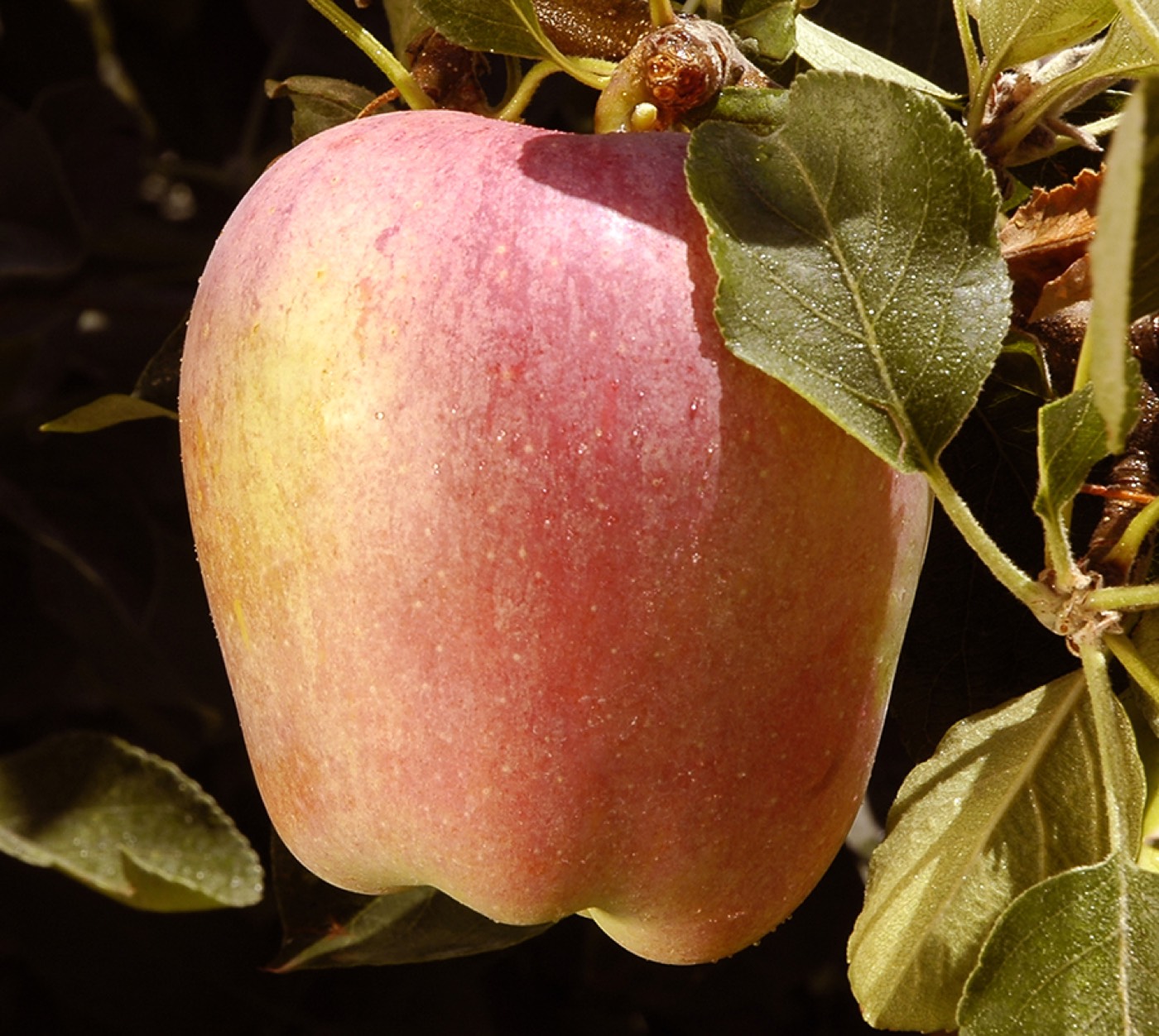 Anna Apple200 chill hours
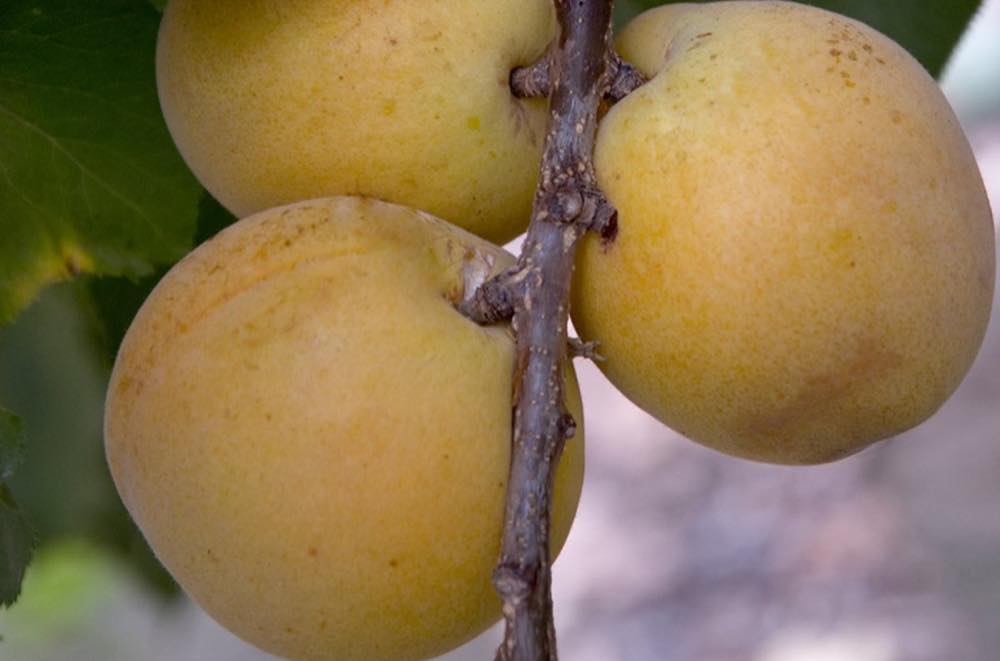 Autumn Glo Apricot500 chill hours or less
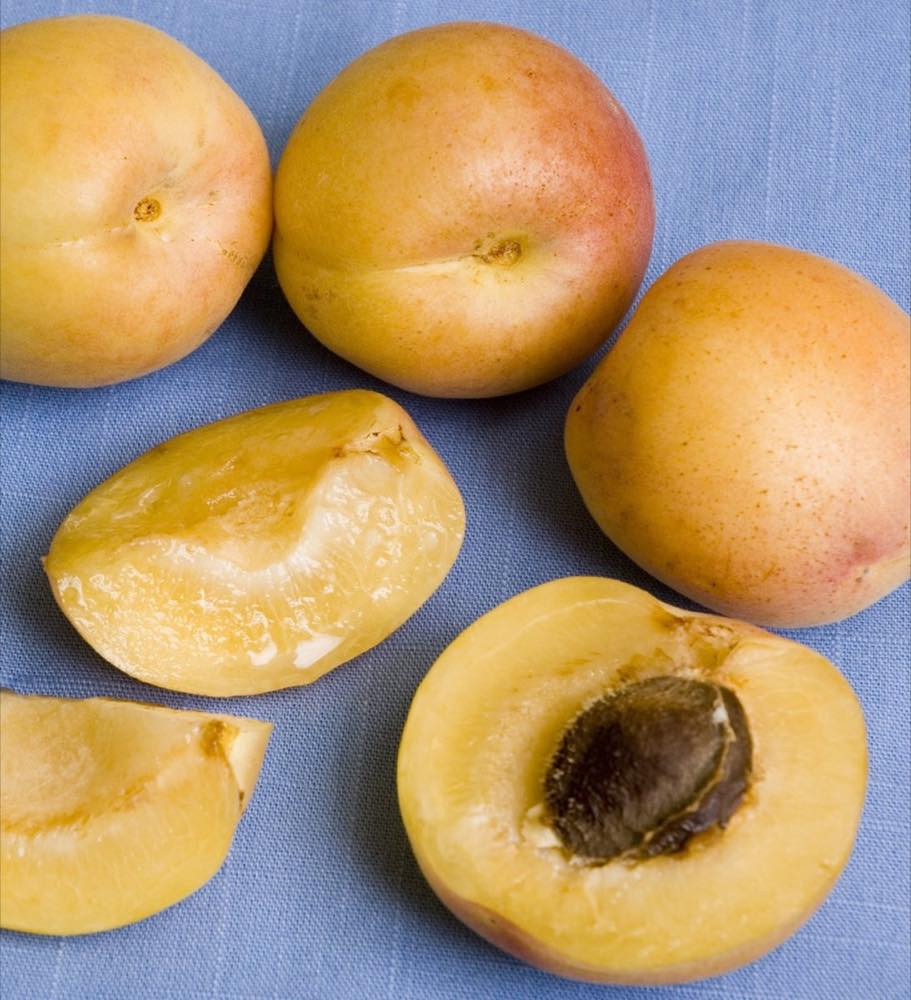 Cot-N-Candy Aprium400 chill hours
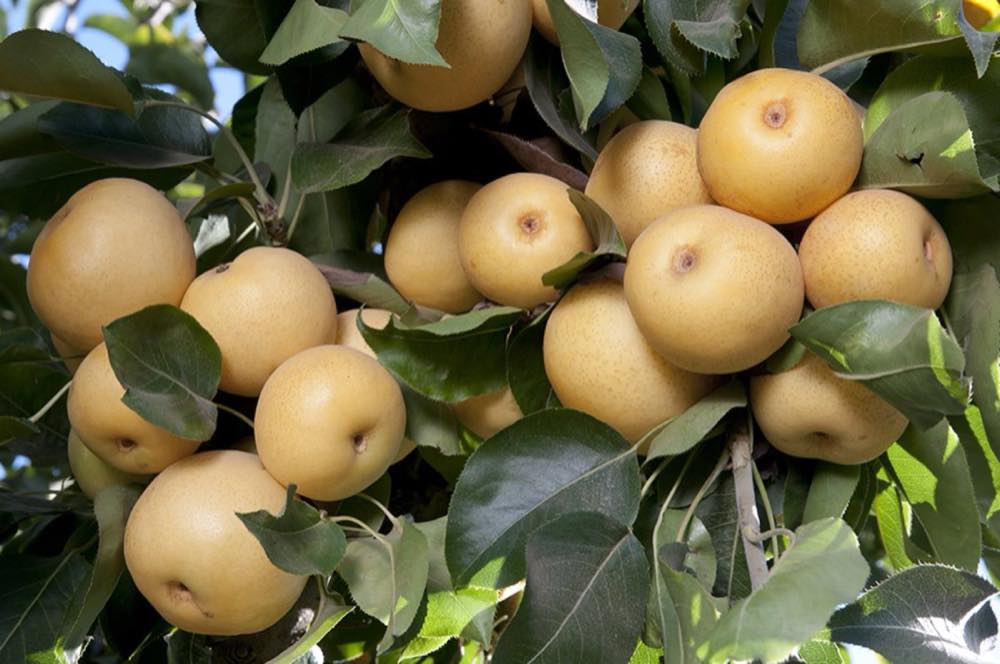 20th Century Asian Pear300–400 chill hours
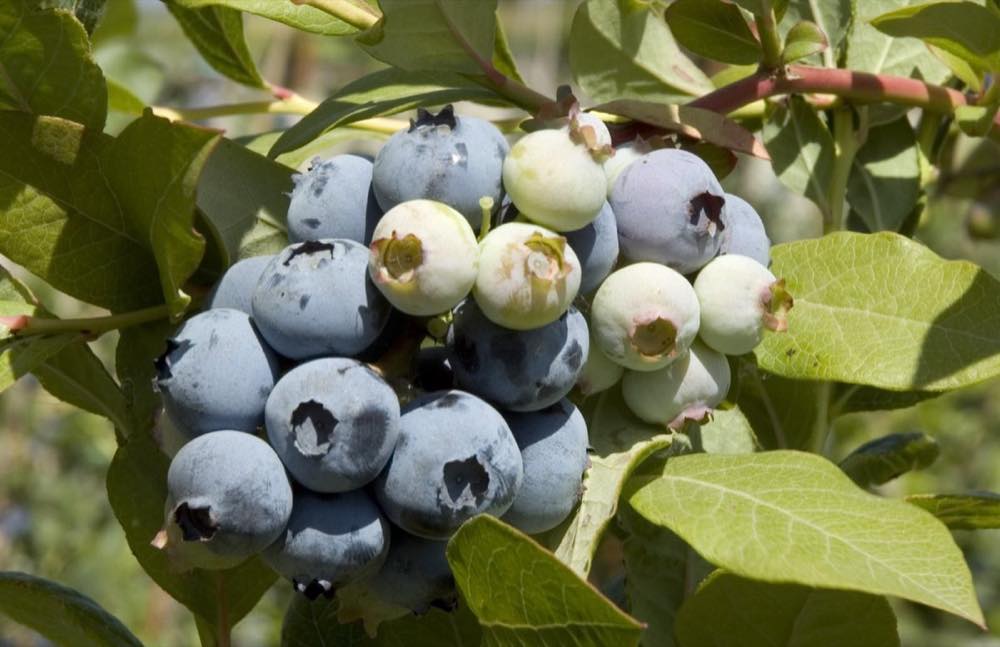 Bluecrop Northern Blueberry800 chill hours
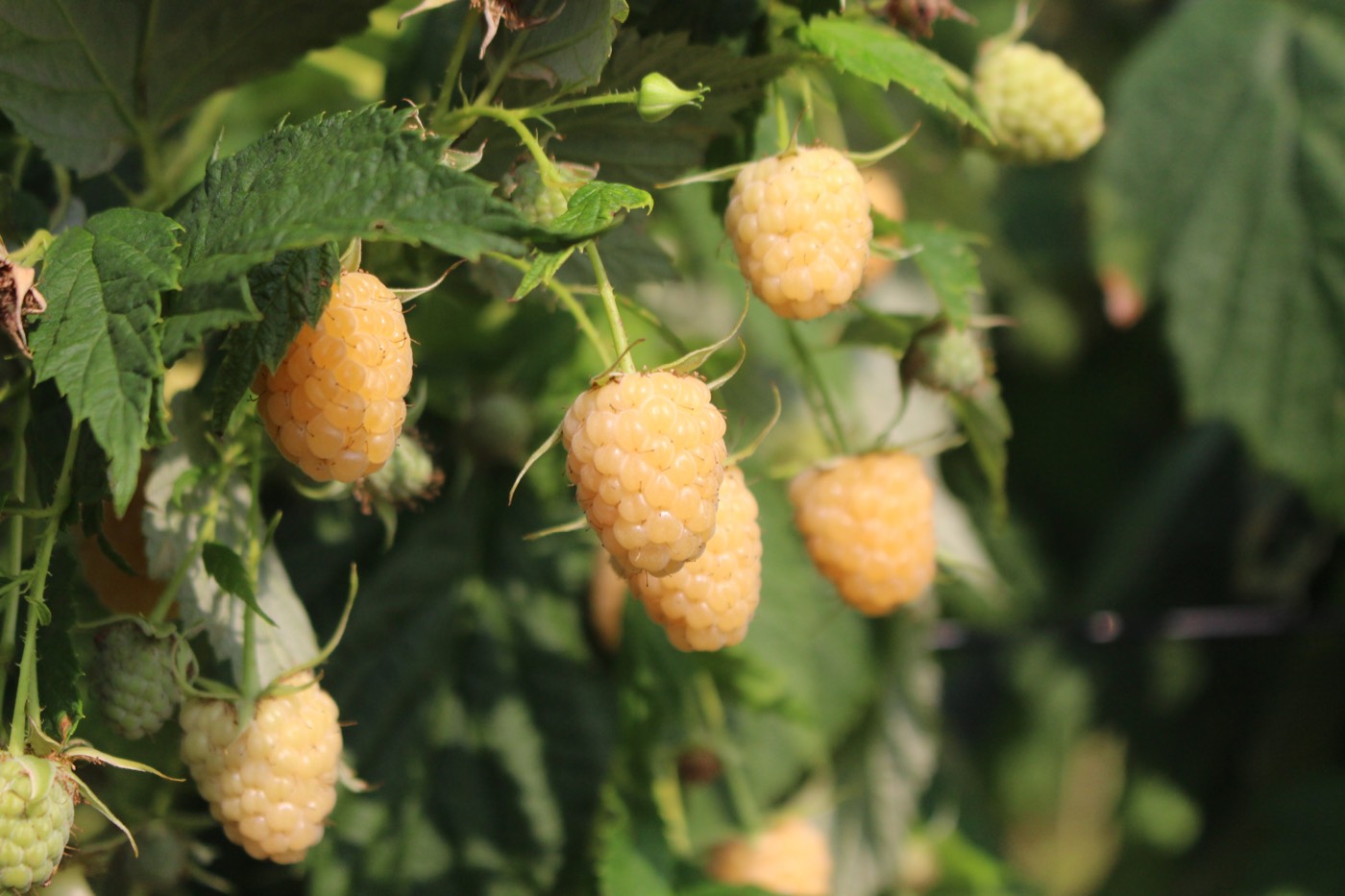 Anne RaspberryUnder 500 chill hours
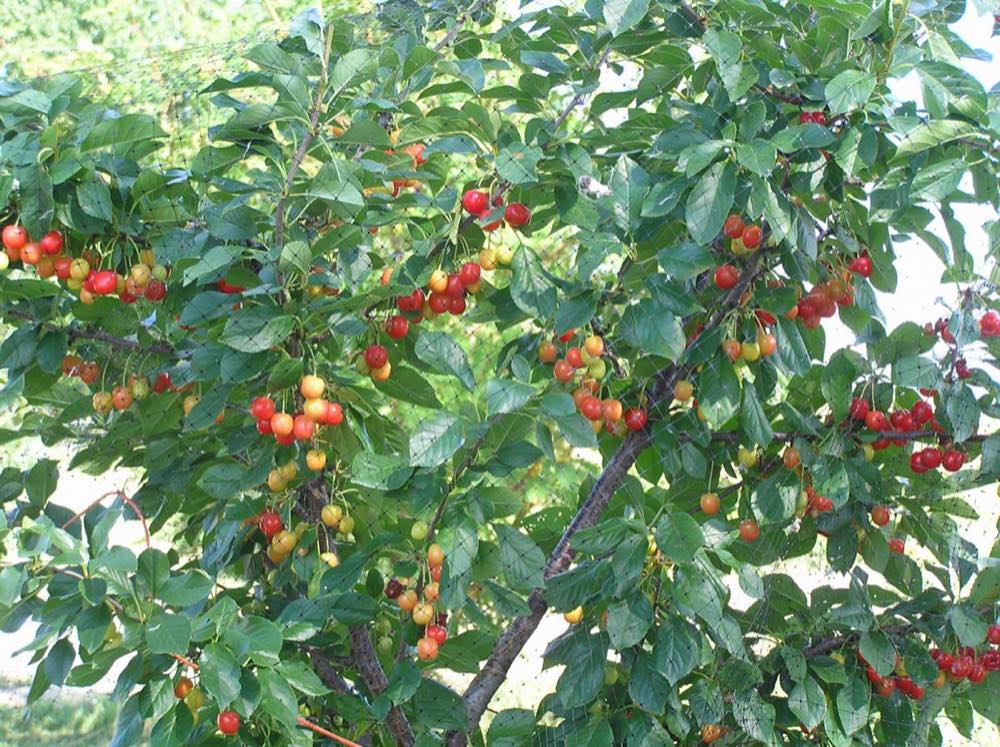 Bali Cherry400–700 chill hours
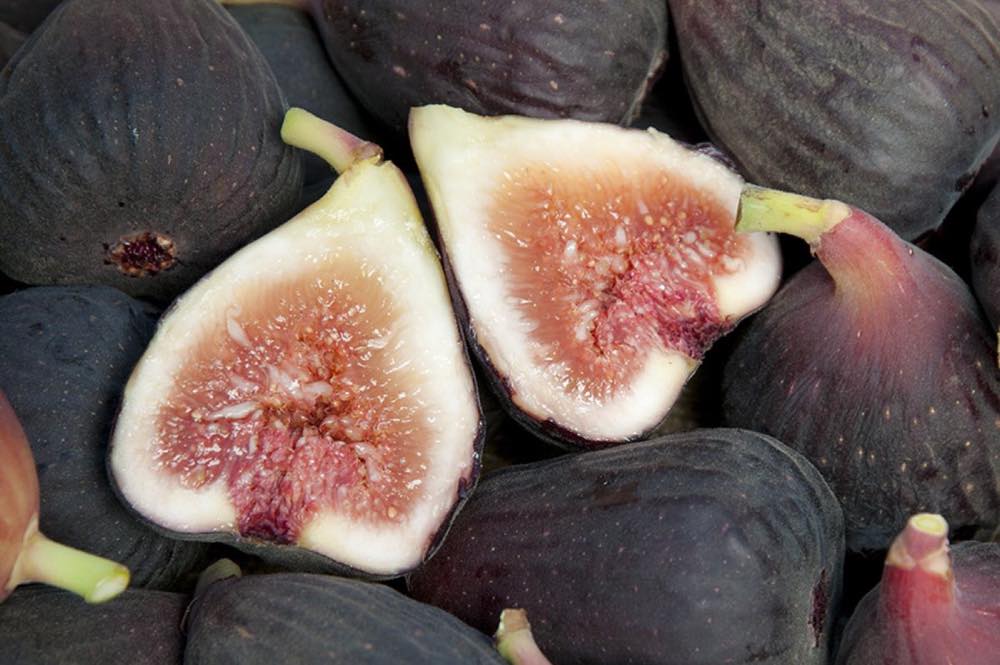 Black Jack Fig100 chill hours
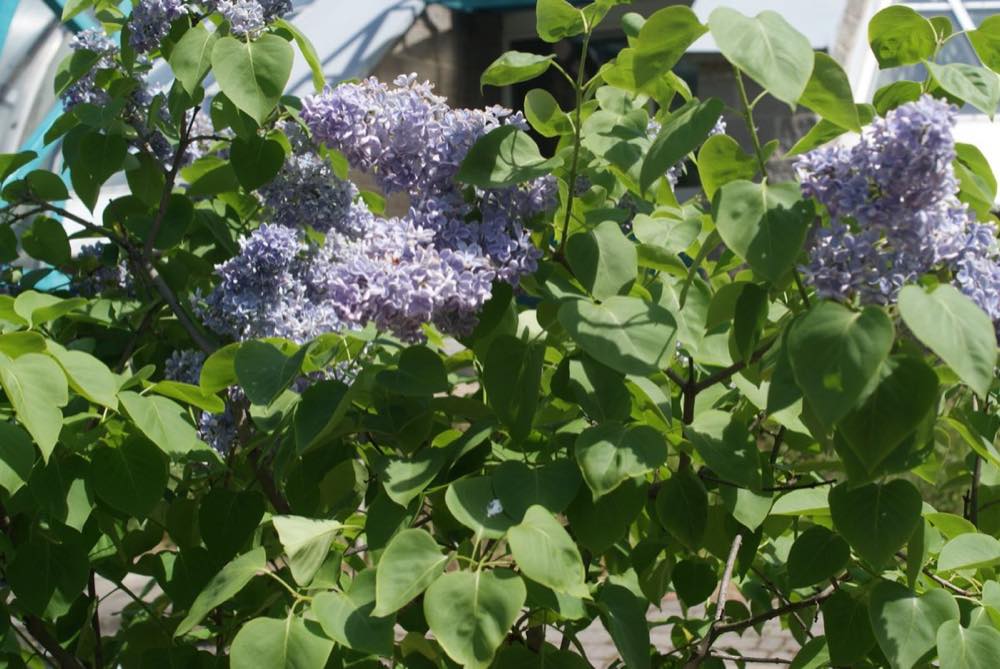 President Grevy Lilac
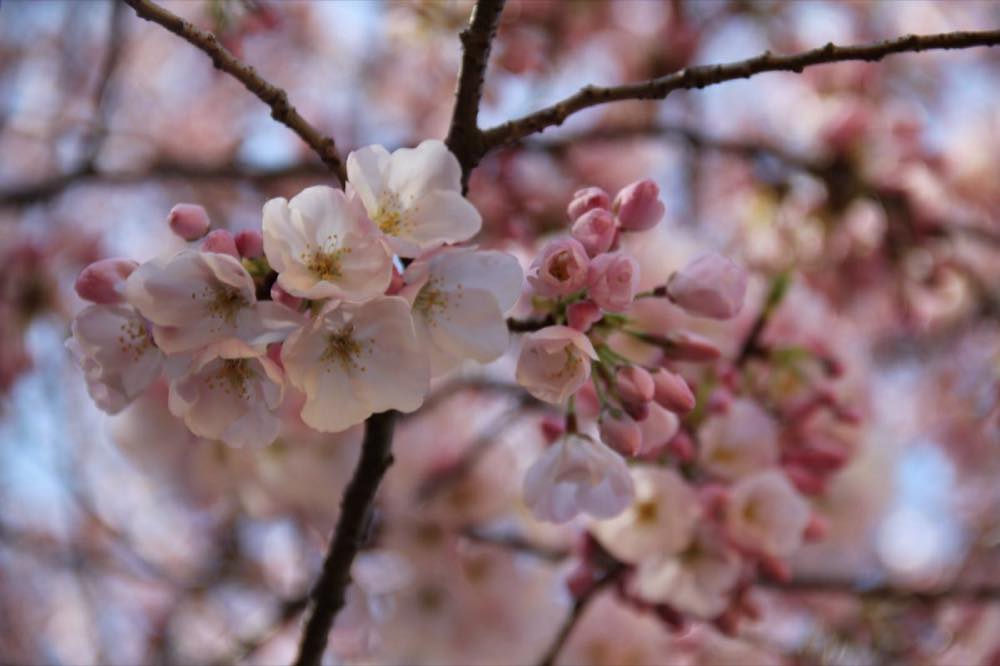 Akebono Flowering Cherry
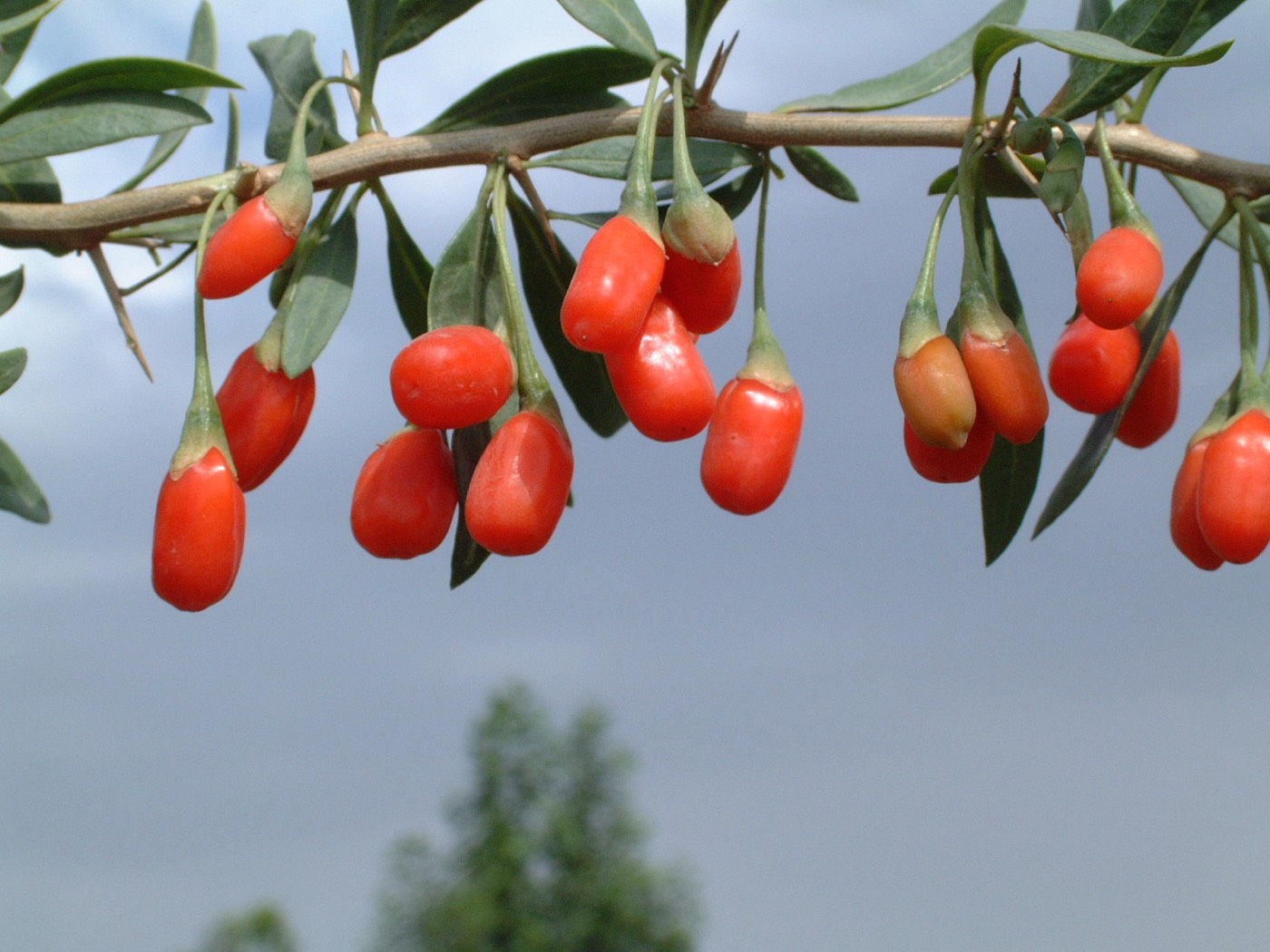 Goji BerryUnder 200 chill hours
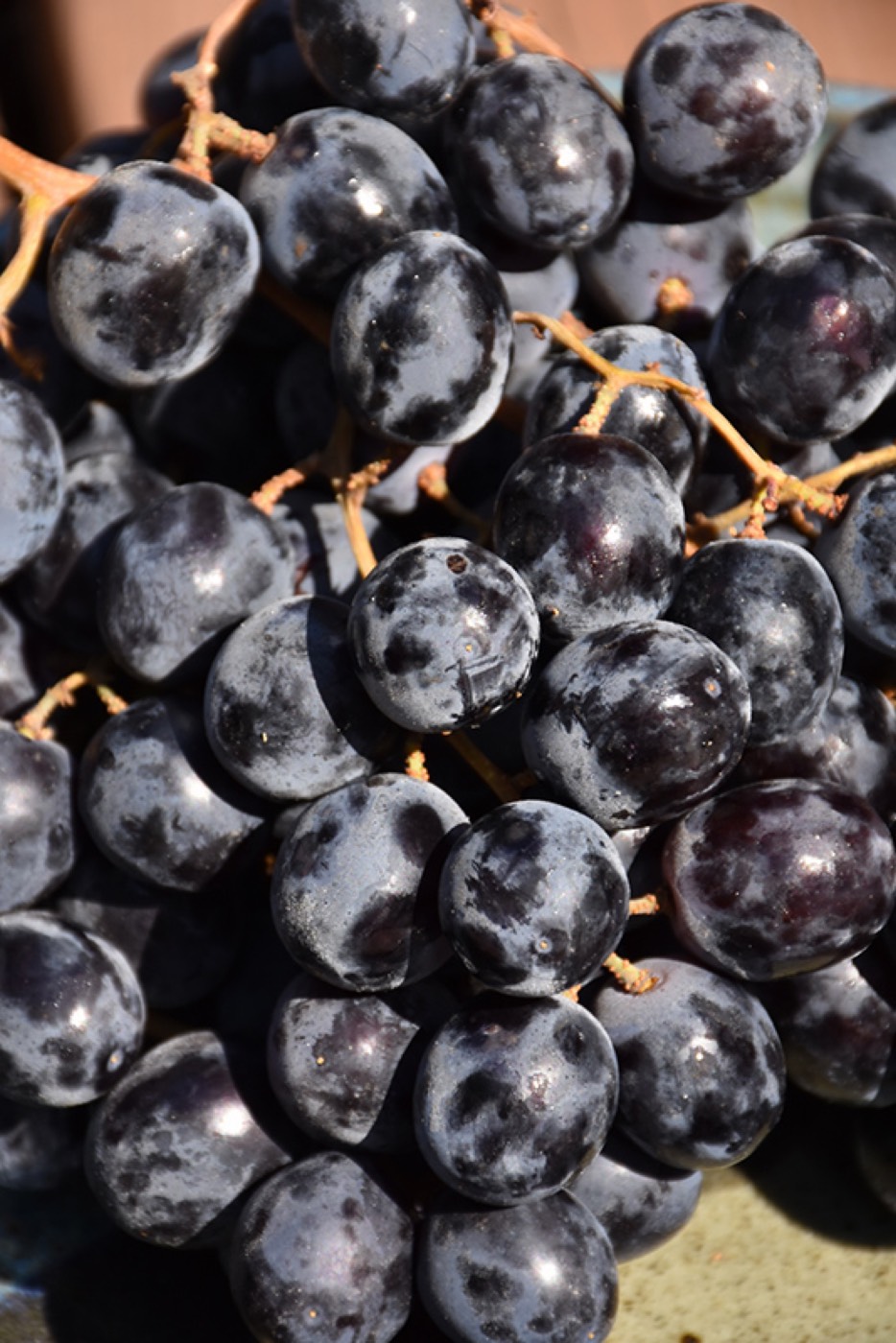 Black Monukka Grape100 chill hours
Native & desert adapted shade trees
Not part of the fruit tree order. Each opens in a new tab with how to grow it.
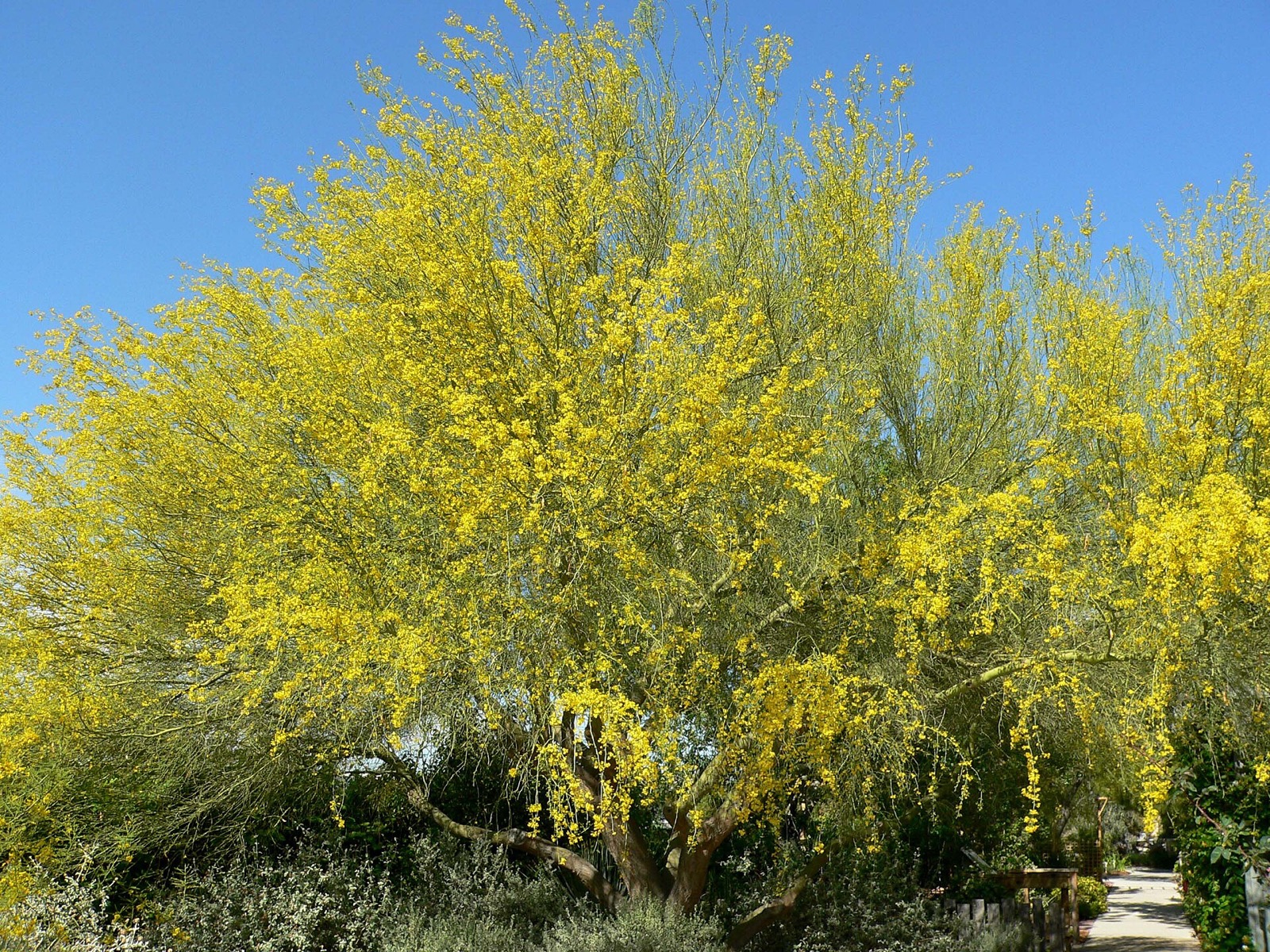 Blue palo verdeParkinsonia florida
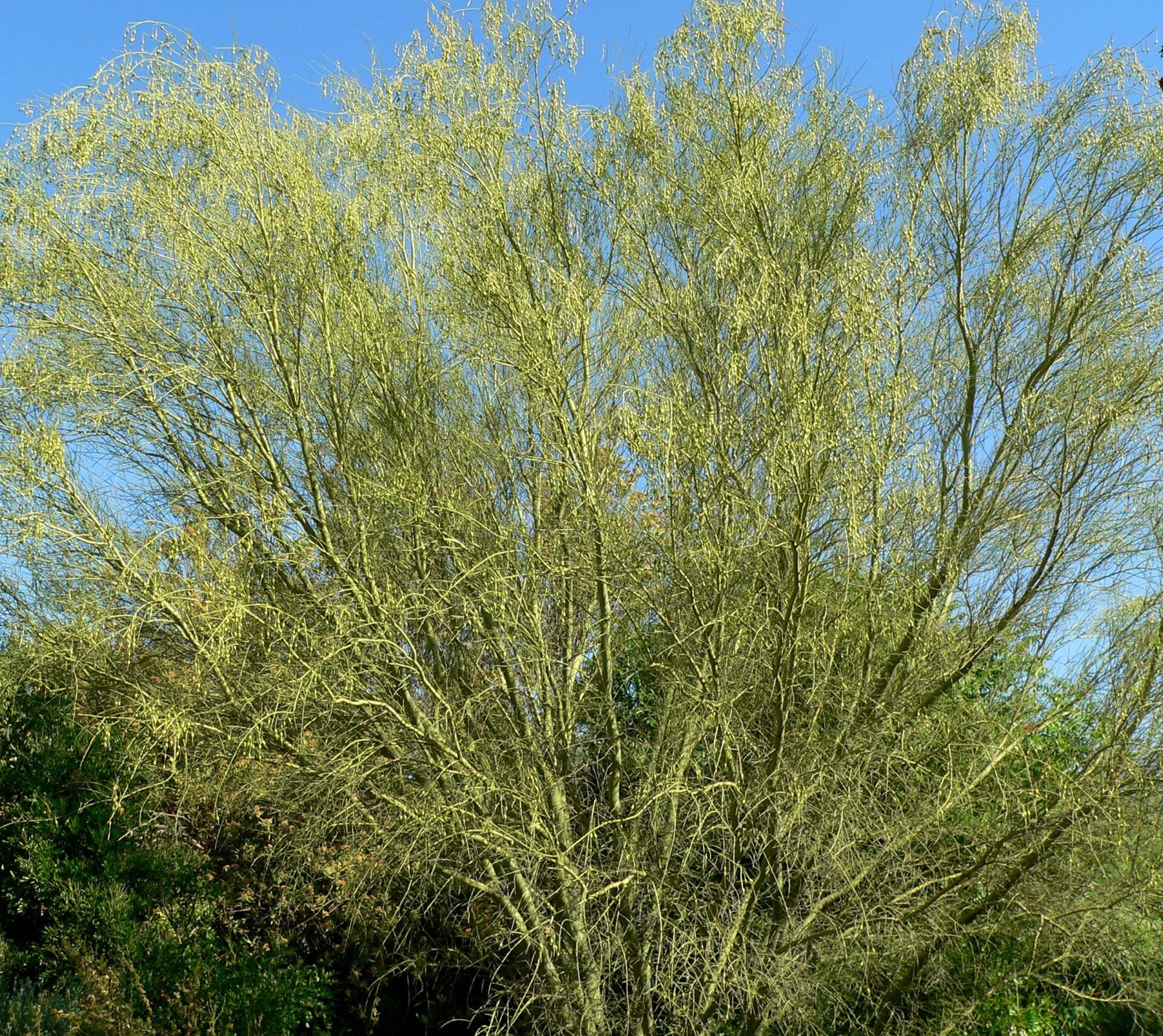 Foothill palo verdeParkinsonia microphylla
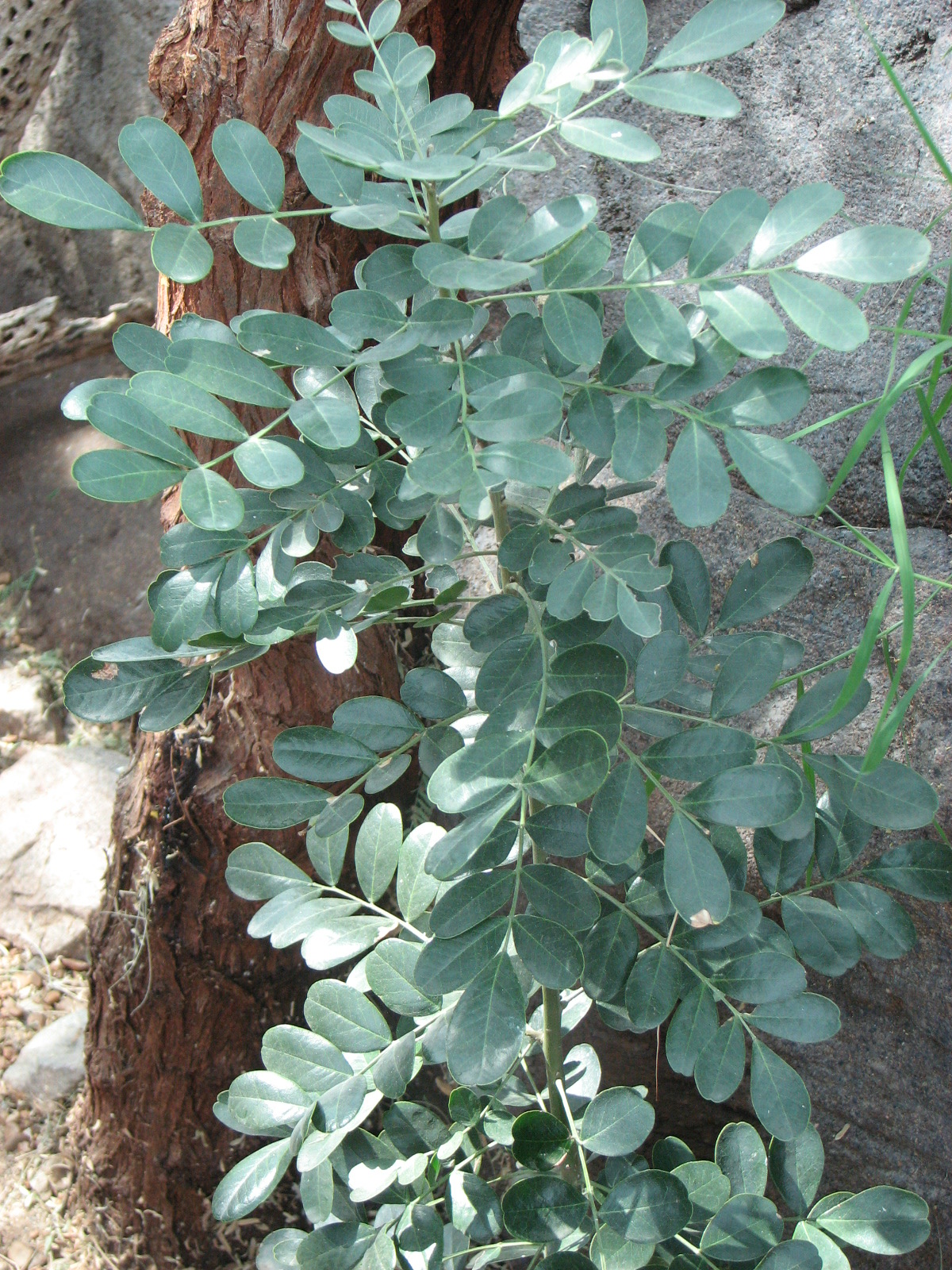 Desert ironwoodOlneya tesota
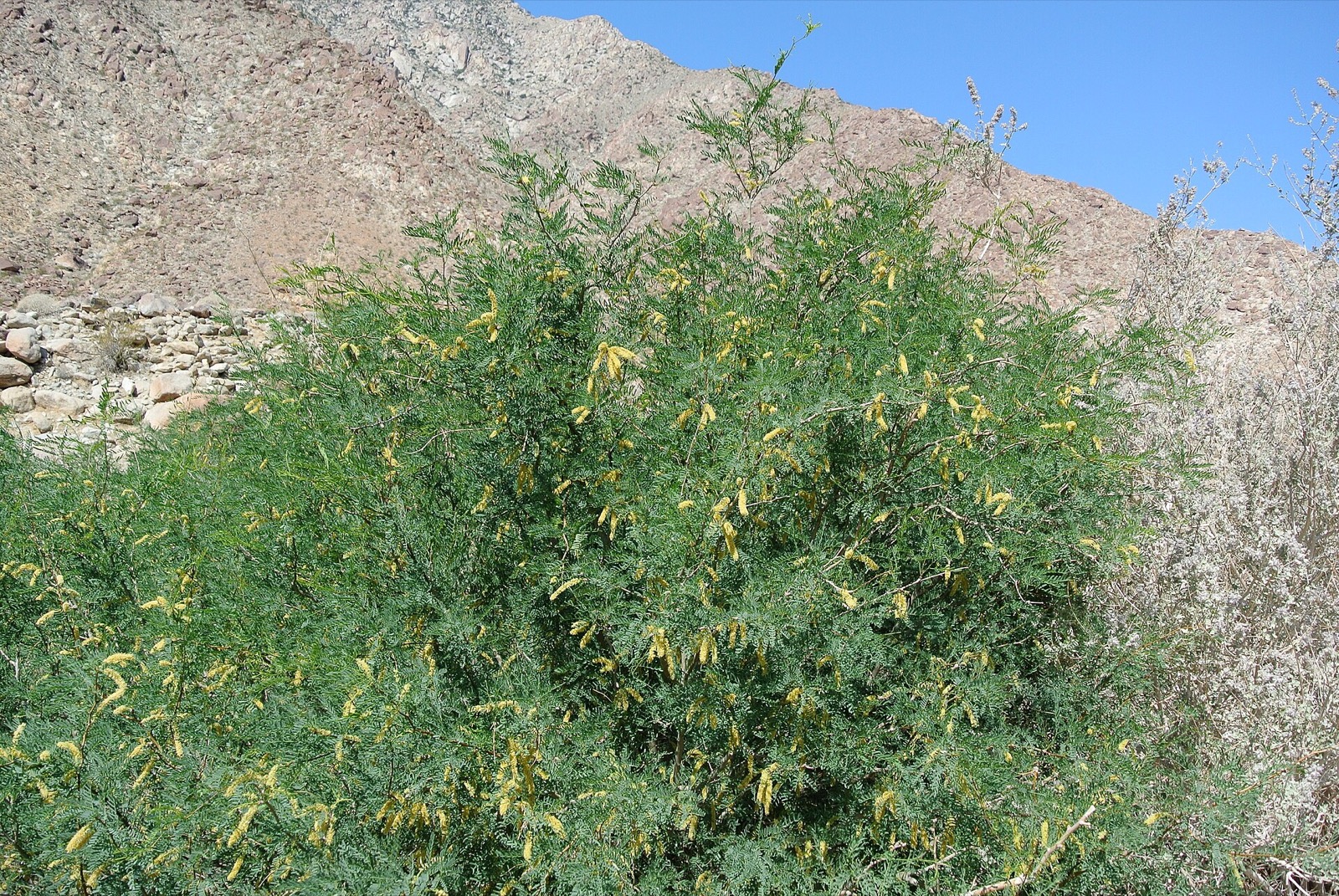 Velvet mesquiteNeltuma velutina
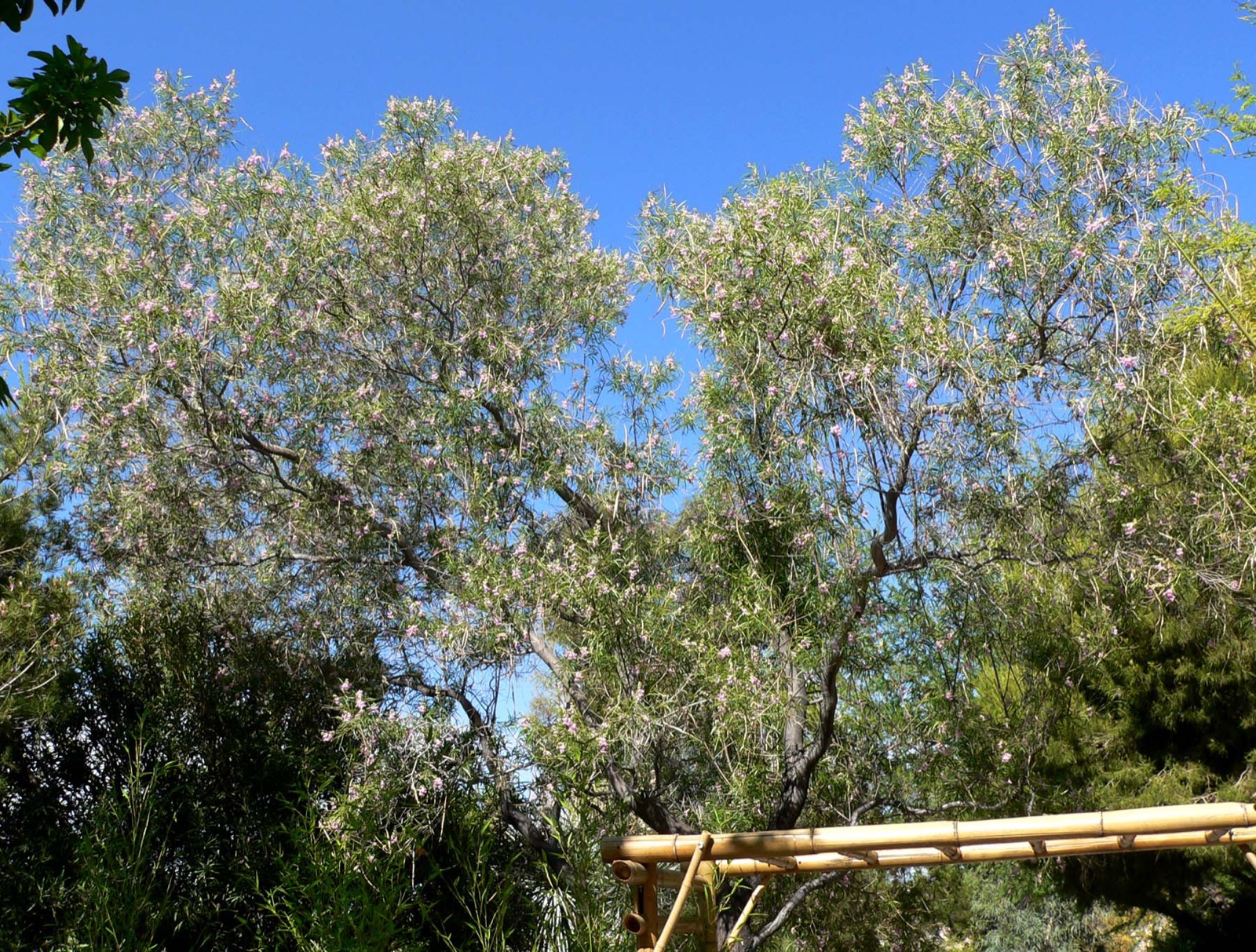 Desert willowChilopsis linearis
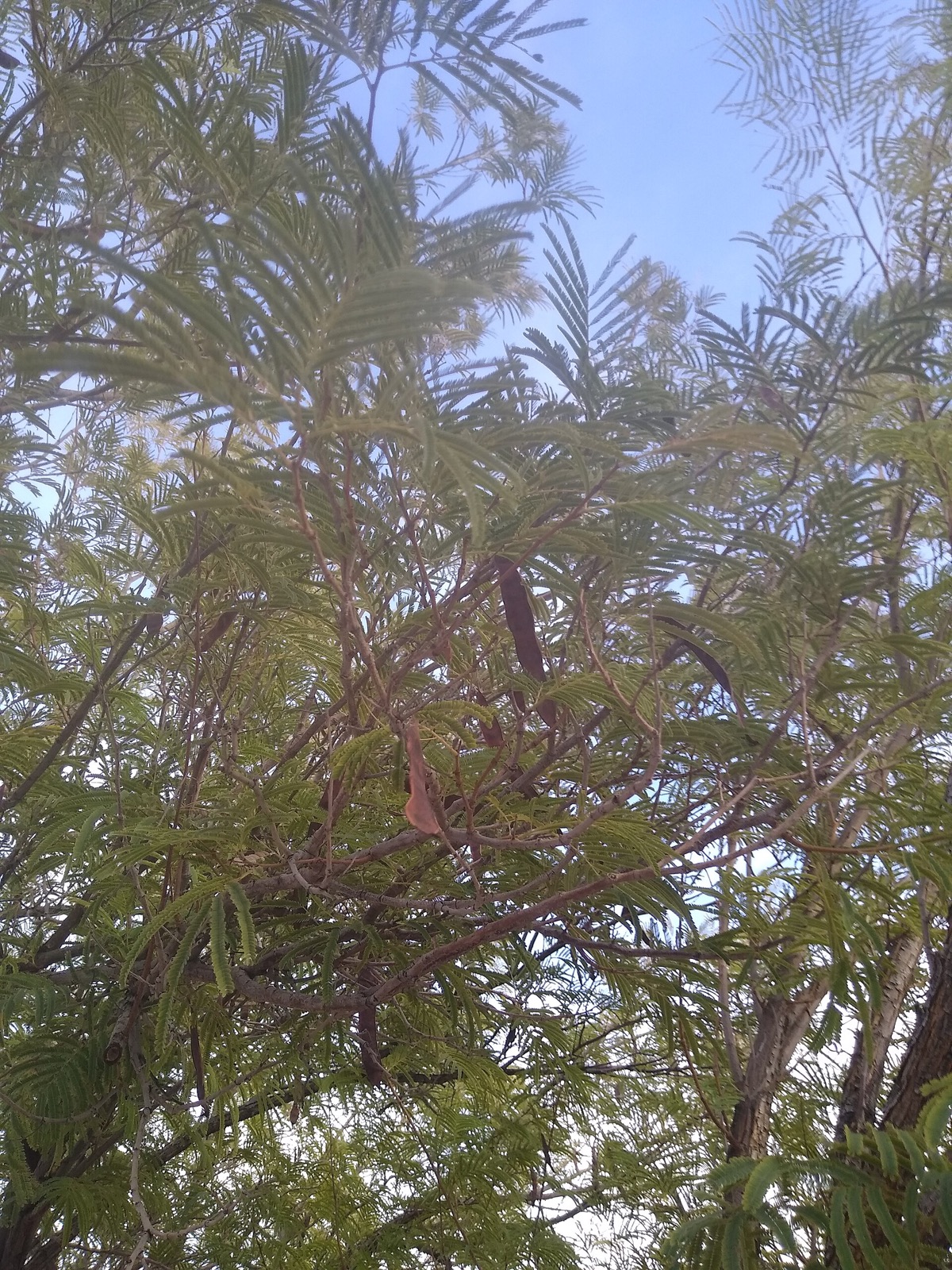 Desert fernLysiloma watsonii
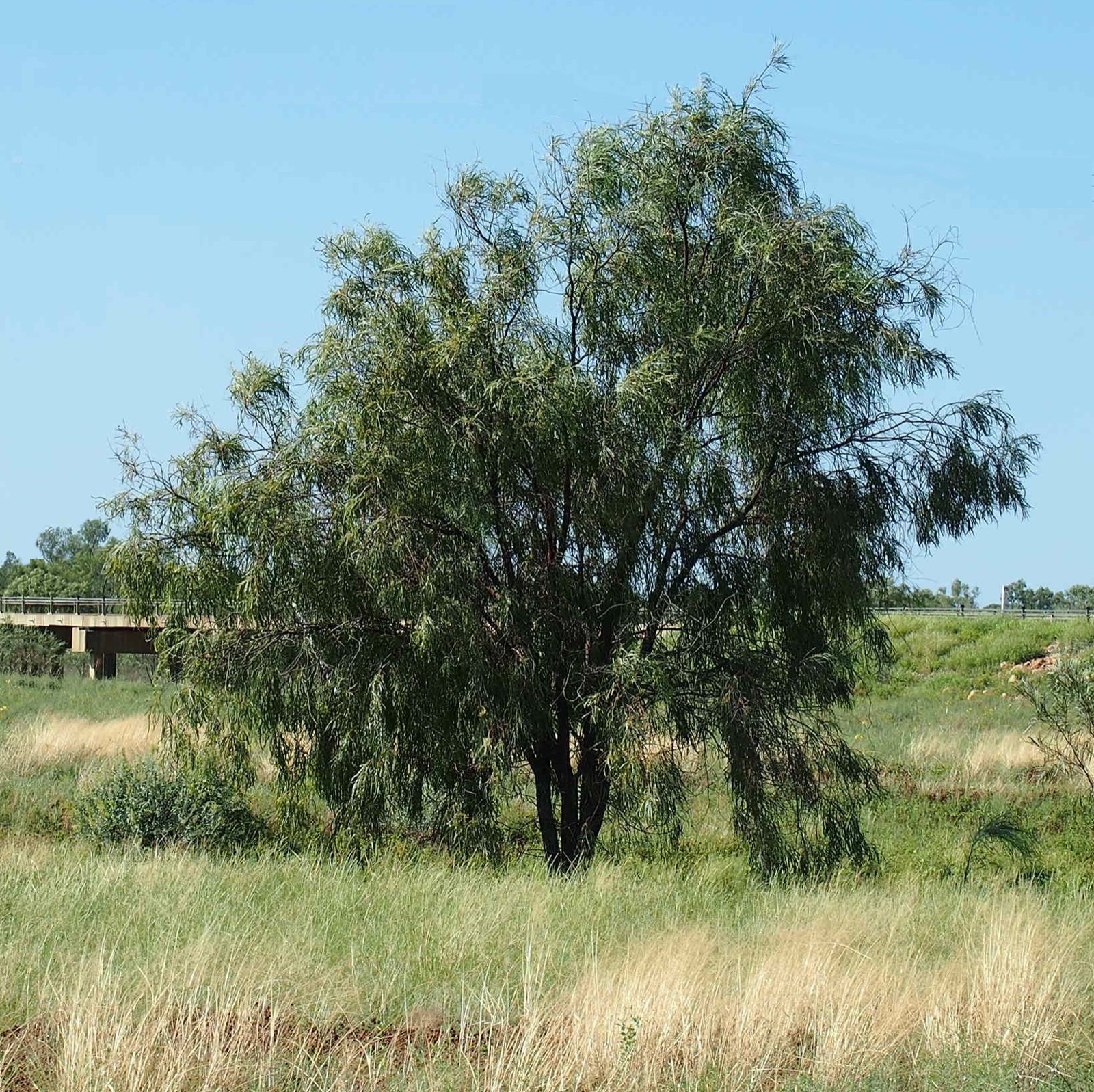 Willow acaciaAcacia salicina
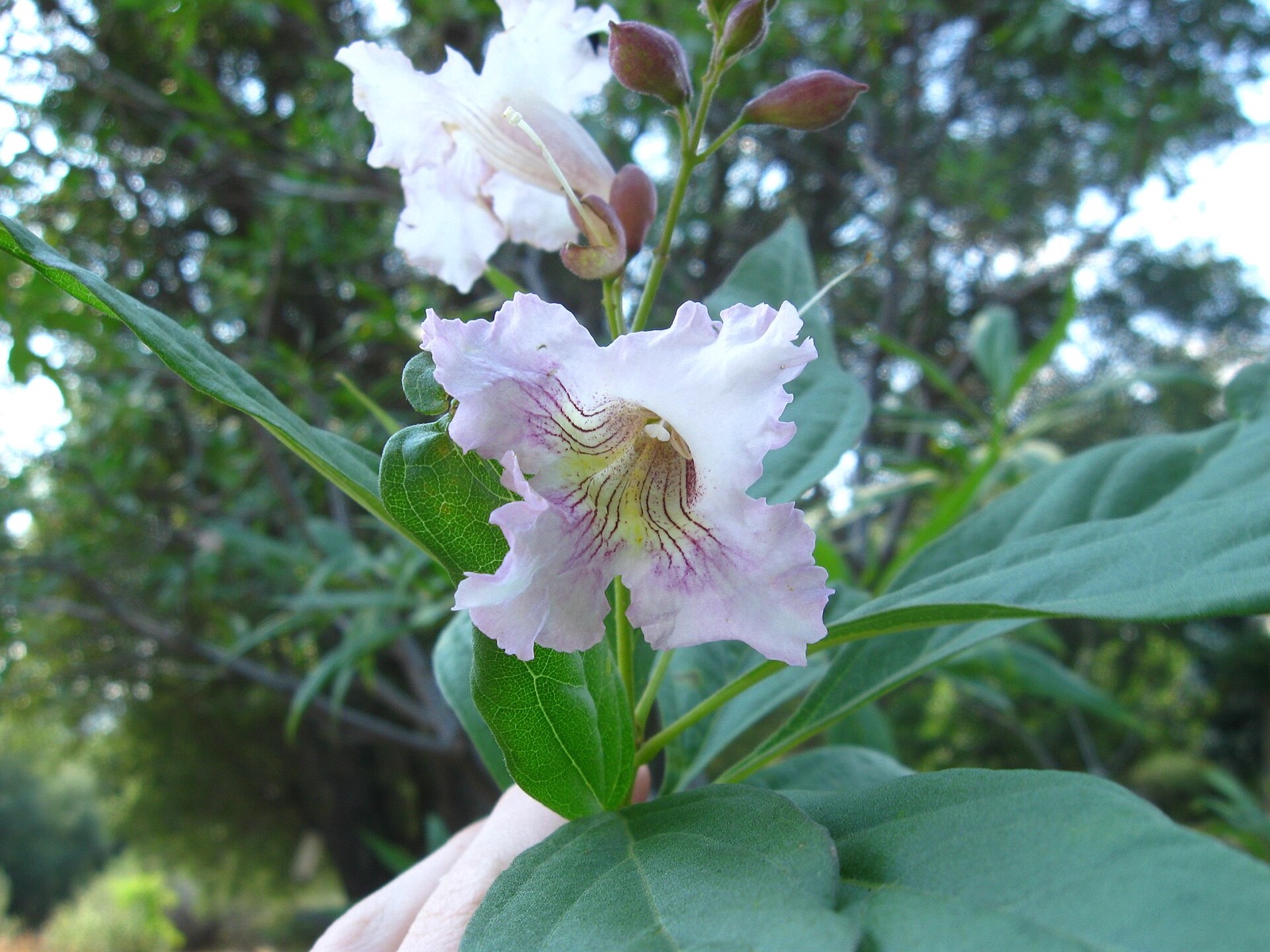 Chitalpa× Chitalpa tashkentensis
Wholesale citrus
Citrus is ordered separately. Each opens in a new tab.
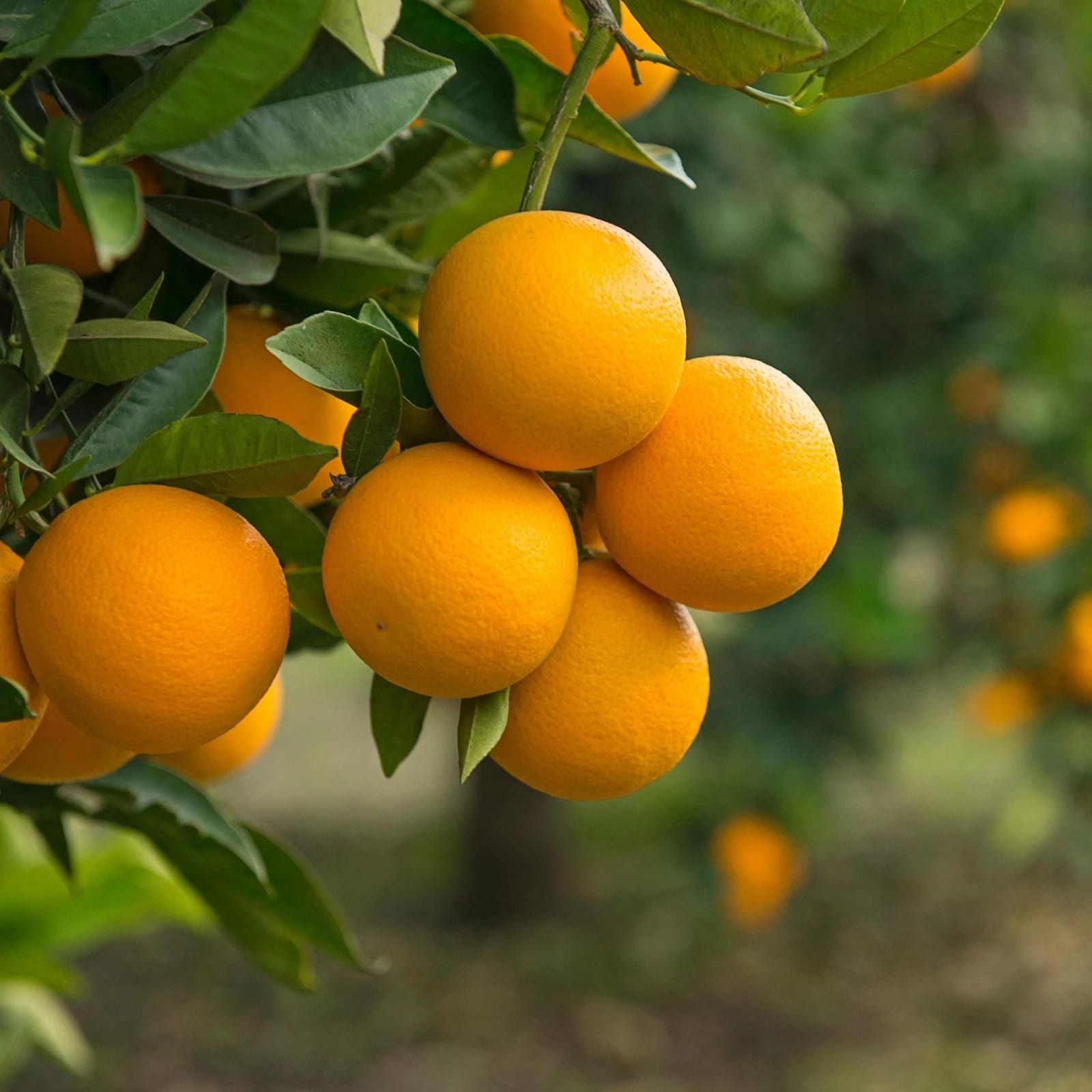 Diller Arizona sweet orangeCitrus sinensis ‘Diller’
- Trovita sweet orangeCitrus sinensis ‘Trovita’
- Parent Washington navel orangeCitrus sinensis ‘Parent Washington’
- Fukumoto navel orangeCitrus sinensis ‘Fukumoto’
- Lane Late navel orangeCitrus sinensis ‘Lane Late’
- Cara Cara navel orangeCitrus sinensis ‘Cara Cara’
- Valencia orangeCitrus sinensis ‘Valencia’
- Moro blood orangeCitrus sinensis ‘Moro’