
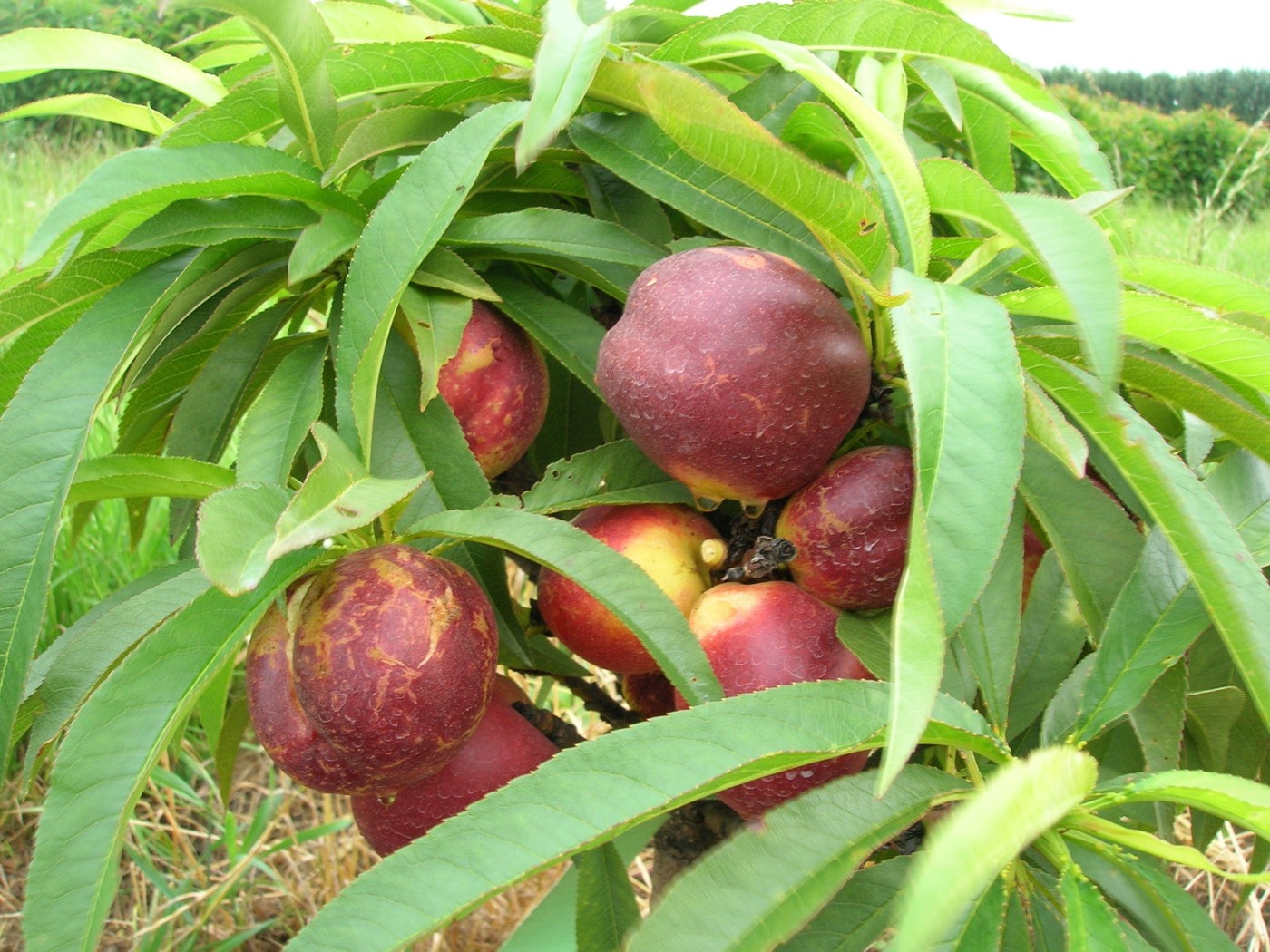
Nectarines · Dave Wilson Nursery
Garden Delight Nectarine
A genetic-dwarf nectarine only 5 to 6 feet tall with large, sweet, refreshing yellow freestone fruit. It is rated at up to 500 chill hours and the small tree is easy to cover on frost nights, so it suits mid elevation yards and big containers. Ripens mid August to early September. Self-fruitful. Thrips can scar the skin in dry springs.
- Chill hours
- 500 hours or less
- Harvest
- Mid August to early September at mid elevation
- Pollination
- Self-fruitful
- Mature size
- 5–6 ft naturally dwarf; needs little pruning and grows well in a large pot
Which one
Every nectarine side by side
Same fruit, different seasons and different jobs. Pick the row that fits your ground and your calendar.
| A genetic-dwarf nectarine only 5 to 6 feet tall with large, sweet, refreshing yellow freestone fruit. It is rated at up to 500 chill hours and the small tree is easy to cover on frost nights, so it suits mid elevation yards and big containers. Ripens mid August to early September. Self-fruitful. Thrips can scar the skin in dry springs. | The first of the genetic-dwarf white nectarines, a small self-fruitful tree for a patio pot or tight yard. It stays small enough to throw a frost cloth over, which matters at mid elevation, where winters will give it the chill it wants. Fruit comes early, in early to mid June. Thrips can scar the skin in dry springs. | A large white nectarine with firm, rich fruit early on that turns very sweet when soft-ripe, and low in acid. It needs 700 to 800 chill hours, so it is a mid elevation tree and ripens late August into September. Self-fruitful. White nectarines can scar from thrips in dry spring weather, which spoils looks, not flavor. | An early white nectarine, sprightly sweet with a good balance of sugar and acid, and a taste test winner. At 400 to 500 chill hours it is marginal in Phoenix, so expect lighter crops after a warm winter. Fruit ripens in June in the low desert. Self-fruitful. Thrips can scar the skin in dry springs, but the flesh is fine. | A richly flavored white nectarine with firm freestone fruit and a good balance of sugar and acid, ripening after Arctic Glo. It is rated at up to 500 chill hours, so it is marginal in Phoenix and the best crops follow cooler winters. Self-fruitful. Watch for thrips scarring on the skin in dry springs. | A super-sweet white nectarine with a crisp, crunchy bite when firm and a very sweet taste when fully ripe. It needs 600 to 700 chill hours, so it is a mid elevation tree, with fruit in mid to late August. Self-fruitful. Thrips can scar the skin in dry weather, so check blossoms and young fruit. | A super-sweet white nectarine, crunchy when firm and extremely sweet when fully ripe, and a repeat taste test winner. It needs 600 to 700 chill hours, so it is a mid elevation choice, ripening mid to late July. Self-fruitful. Late frost on the blossoms is the main risk, so avoid cold pockets. | A naturally small white nectarine tree, only 5 to 6 feet tall, with medium freestone fruit that balances sweetness and acid well. At up to 500 chill hours it blooms early, but the tree is small enough to cover on frost nights, so it suits mid elevation yards and big containers. Fruit comes mid to late August. | The earliest of the sweet, low-acid white nectarines, with dark red skin and snow-white semi-freestone flesh. At about 300 chill hours it is a solid Phoenix pick, ripening late May to early June in the low desert. Self-fruitful. Early fruit mostly beats the heat, though thrips can scar the skin in dry springs. | A heavy-bearing nectarine for warm winters, with solid red skin and juicy, rich yellow flesh that is semi-freestone. It needs only about 250 chill hours and ripens early to mid May in the low desert, ahead of the heat. Self-fruitful. Thin for bigger fruit, and watch for thrips scarring in dry springs. | An early, reliable nectarine for warm winters, with bright red skin, large fruit and rich yellow flesh. It needs only 100 to 200 chill hours, so it blooms very early and ripens mid to late May in the low desert. Self-fruitful. A good Phoenix and Yuma tree, but too early a bloomer for places with spring frost. | The yellow nectarine with the flavor reputation, rich and aromatic, plus showy double pink blossoms that make it a handsome yard tree. It needs about 300 chill hours and ripens mid to late June in the low desert. Self-fruitful and freestone. Thin the fruit for size, and watch for thrips scarring in dry springs. | A big, popular yellow freestone nectarine. Picked firm it is tangy, and left to ripen longer it turns sweet and rich. It is rated at up to 500 chill hours, so Phoenix is marginal in a warm winter, and fruit ripens late June to mid July in the low desert. Self-fruitful. Thrips can scar the skin in dry springs. | A large, firm yellow freestone nectarine that scores near the top in taste tests, with big showy blossoms. It needs about 650 chill hours, so it is a mid elevation tree, ripening late July to early August. Self-fruitful. The blossoms open early enough to need frost watching, and thrips can scar the skin in dry weather. | Dark red over yellow with sugar spots, intense nectarine flavor and a touch of tang to balance the sugar. It is good firm or soft, and the fruit hangs on the tree a good while. It needs 400 to 600 chill hours, which suits mid elevation yards. Fruit ripens late July to August. Self-fruitful. Thrips can scar the skin in dry spring weather. | A long-time California favorite white nectarine, small to medium, freestone, aromatic, juicy and sweet. It needs about 400 chill hours, so it works in Phoenix in most winters, and it ripens early to mid July in the low desert, later than most low desert nectarines. Self-fruitful. Thin the fruit, and watch for thrips scarring. | A very hardy Canadian nectarine with yellow fruit, one of the best scorers in nursery tastings, and good tolerance of bacterial spot and brown rot. It needs about 800 chill hours, so it suits mid elevation and a sheltered spot in the high country. Self-fruitful. Skip it in the low desert, where winters are too mild for it. | A very large, firm white freestone nectarine with a rich, complex flavor and a good balance of sweet and tart, and a repeat taste test winner. It needs about 650 chill hours, so it is a mid elevation tree, ripening late July to early August. Self-fruitful. Thrips can scar the skin in dry springs. | A yellow nectarine with high sugar and low acid, so no tartness at all, for people who find nectarines too sharp. It needs about 500 chill hours, so it is marginal in Phoenix, but it ripens early to late June in the low desert, well before the worst heat. Self-fruitful. Thrips can scar the skin in dry springs. | A bright red nectarine with firm yellow freestone fruit that is tangy and sweet, a dependable producer that handles cold winters well. It needs about 700 chill hours, so it is a mid elevation tree, ripening in July. Self-fruitful. Frost on the blossoms is the main risk, and thrips can scar the skin in dry spring weather. | A late nectarine with sprightly, spicy, intense flavor, ripening in early to mid September when other fruit is long finished. Chill needs are quoted from 600 to 800 hours, so it is for mid elevation yards, not the low desert. Self-fruitful. Its long season wants a sunny, warm spot to ripen fully. | A tough, frost-hardy nectarine with a late bloom and large, red-skinned yellow fruit with a rich, tangy flavor. It needs about 800 chill hours, so it fits mid elevation and a sheltered spot in the high country, where it is one of the safer nectarines. Self-fruitful. Not for the low desert. | A miniature nectarine that stays around 6 feet, with sweet, very flavorful yellow freestone fruit and bright red skin. It needs 400 chill hours or fewer, so it does well in Phoenix, ripening early to mid June. Self-fruitful and a good size for a pot. Thin the fruit so branches do not bend, and watch for thrips scarring. | A miniature yellow freestone nectarine, 5 to 6 feet tall, with sweet, rich fruit. It needs 400 chill hours or fewer, so it works in Phoenix, ripening mid to late June. Unlike most nectarines it needs another peach or nectarine nearby to set fruit. Good in a large pot, and thrips can scar the skin in dry springs. | A long-time favorite for warm winters, with red-skinned yellow freestone fruit that is aromatic with a good balance of sugar and acid. It needs only about 250 chill hours and ripens late June to mid July in the low desert. Self-fruitful. On Nemaguard rootstock it resists root-knot nematodes, common in Phoenix soil. Watch for thrips scarring. | A flat, donut-shaped white nectarine, sweet and juicy with red skin blushed yellow, and the first of its kind. It needs up to 500 chill hours, so Phoenix is marginal, but it fruits young and ripens late May to early June in the low desert. Thin hard, since a heavy set stays small. Thrips can scar the skin in dry springs. | An early white freestone nectarine, sweet and juicy with a classic nectarine flavor, and a long-time favorite in warm winter areas. It needs 250 to 300 chill hours and ripens early to mid June in the low desert. Self-fruitful. Some fruit can crack, so water evenly, and thrips can scar the skin in dry springs. | A miniature yellow freestone nectarine that grows at least 6 feet tall, with large fruit and a true tangy nectarine flavor. At 450 to 500 chill hours it is marginal in Phoenix, and at mid elevation the small tree is easy to cover on frost nights. Ripens mid to late June in the low desert, July at mid elevation. Self-fruitful. | A nectarine and plum cross with white flesh, dark maroon fruit that turns pale pink when ripe, and a flavor that shows both parents. It needs just 200 to 300 chill hours and ripens late June to mid July in the low desert. The purple-pink spring flowers and red young leaves make it a pretty tree too. Self-fruitful and very productive. | Dark red nectarines with a classic, zesty flavor and a good balance of sweet and tart, ripening in late summer about two weeks after Fantasia. It needs 600 to 700 chill hours, so it is a mid elevation tree. Self-fruitful, with showy pink blossoms. Thrips can scar the skin in dry springs. | |
|---|---|---|---|---|---|---|---|---|---|---|---|---|---|---|---|---|---|---|---|---|---|---|---|---|---|---|---|---|---|---|
| Harvest | Mid August to early September at mid elevation | Early to mid June at mid elevation | Late August to mid September at mid elevation | Early to late June in the low desert | Mid June to early July in the low desert | Mid to late August at mid elevation | Mid to late July at mid elevation | Mid to late August at mid elevation | Late May to early June in the low desert | Early to mid May in the low desert | Mid to late May in the low desert | Mid to late June in the low desert | Late June to mid July in the low desert | Late July to early August at mid elevation | Late July to August at mid elevation | Early to mid July in the low desert | Mid to late July at mid elevation; August higher up | Late July to early August at mid elevation | Early to late June in the low desert | Early to late July at mid elevation | Early to mid September at mid elevation | Late July to early August at mid elevation; later higher up | Early to mid June in the low desert | Mid to late June in the low desert | Late June to mid July in the low desert | Late May to early June in the low desert | Early to mid June in the low desert | Mid to late June in the low desert; July at mid elevation | Late June to mid July in the low desert | Mid August to early September at mid elevation |
| Chill hours | 500 hours or less | 700 hours or less | 700–800 hours | 400–500 hours | 500 hours or less | 600–700 hours | 600–700 hours | 500 hours or less | About 300 hours | 250 hours | 100–200 hours | 300 hours | 500 hours or less | 650 hours | 400–600 hours | 400 hours | 800 hours | 650 hours | 500 hours | 700 hours | 600–800 hours | 800 hours | 400 hours or less | 400 hours or less | 250 hours | 500 hours or less | 250–300 hours | 450–500 hours | 200–300 hours | 600–700 hours |
| Pollination | Self-fruitful | Self-fruitful | Self-fruitful | Self-fruitful | Self-fruitful | Self-fruitful | Self-fruitful | Self-fruitful | Self-fruitful | Self-fruitful | Self-fruitful | Self-fruitful | Self-fruitful | Self-fruitful | Self-fruitful | Self-fruitful | Self-fruitful | Self-fruitful | Self-fruitful | Self-fruitful | Self-fruitful | Self-fruitful | Self-fruitful | Needs a partner such as Necta Zee nectarine or Honey Babe peach | Self-fruitful | Self-fruitful | Self-fruitful | Self-fruitful | Self-fruitful | Self-fruitful |
| Mature size | 5–6 ft naturally dwarf; needs little pruning and grows well in a large pot | 5–6 ft naturally dwarf; needs little pruning and grows well in a large pot | 15–25 ft unpruned on standard rootstock; easy to hold at 8–10 ft with summer pruning | 15–25 ft unpruned on standard rootstock; easy to hold at 8–10 ft with summer pruning | 15–25 ft unpruned on standard rootstock; easy to hold at 8–10 ft with summer pruning | 15–25 ft unpruned on standard rootstock; easy to hold at 8–10 ft with summer pruning | 15–25 ft unpruned on standard rootstock; easy to hold at 8–10 ft with summer pruning | 5–6 ft naturally dwarf; needs little pruning and grows well in a large pot | 15–25 ft unpruned on standard rootstock; easy to hold at 8–10 ft with summer pruning | 8–14 ft on Citation, 15–25 ft on standard rootstock; easy to hold at 8 ft | 8–14 ft on Citation, 15–25 ft on standard rootstock; easy to hold at 8 ft | 8–14 ft on Citation, 15–25 ft on standard rootstock; easy to hold at 8 ft | 8–14 ft on Citation, 15–25 ft on standard rootstock; easy to hold at 8 ft | 15–25 ft unpruned on standard rootstock; easy to hold at 8–10 ft with summer pruning | 15–25 ft unpruned on standard rootstock; easy to hold at 8–10 ft with summer pruning | 8–14 ft on Citation, 15–25 ft on standard rootstock; easy to hold at 8 ft | 15–25 ft unpruned on standard rootstock; easy to hold at 8–10 ft with summer pruning | 15–25 ft unpruned on standard rootstock; easy to hold at 8–10 ft with summer pruning | 15–25 ft unpruned on standard rootstock; easy to hold at 8–10 ft with summer pruning | 15–25 ft unpruned on standard rootstock; easy to hold at 8–10 ft with summer pruning | 15–25 ft unpruned on standard rootstock; easy to hold at 8–10 ft with summer pruning | 15–25 ft unpruned on standard rootstock; easy to hold at 8–10 ft with summer pruning | 5–6 ft naturally dwarf; needs little pruning and grows well in a large pot | 5–6 ft naturally dwarf; needs little pruning and grows well in a large pot | 15–25 ft unpruned on standard rootstock; easy to hold at 8–10 ft with summer pruning | 15–25 ft unpruned on standard rootstock; easy to hold at 8–10 ft with summer pruning | 8–14 ft on Citation, 15–25 ft on standard rootstock; easy to hold at 8 ft | 6 ft or a little more; naturally dwarf, needs little pruning, fine in a large pot | 12–20 ft unpruned; easy to hold at 8–10 ft with summer pruning | 8–14 ft unpruned on Citation; easy to hold at 8 ft with summer pruning |
| From | $31 | $36 | $27 | $29 | $27 | $24 | $29 | $33 | $29 | $24 | $28 | $28 | $29 | $24 | $25 | $24 | $29 | $28 | $38 | $32 | $38 | $21 | $33 | $33 | $21 | $38 | $24 | $36 | $34 | $31 |
Where this tree sits
Nectarines sit in the lower canopy layer.
Lower canopy
Fruit trees kept below the tall ones. Most of this year's program lives here, held to eight or ten feet by summer pruning.
Other options in the lower canopy layer
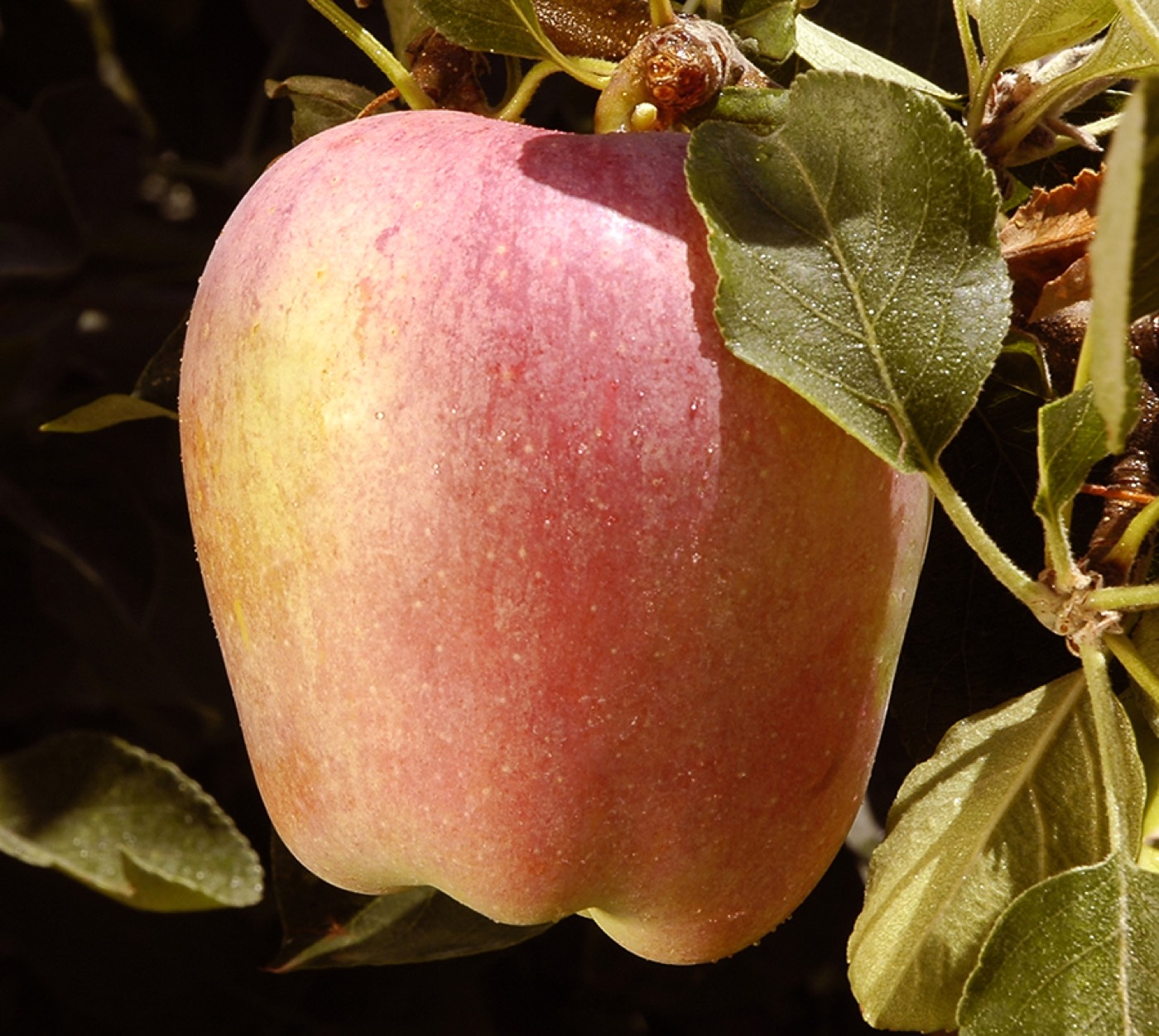 ApplesIn this year's order
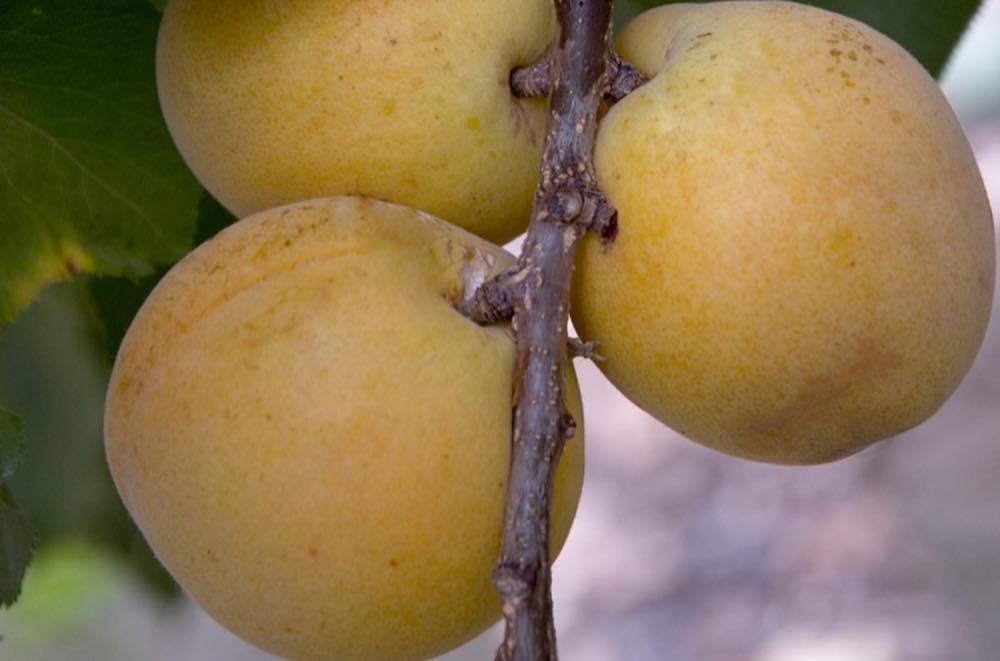 ApricotsIn this year's order
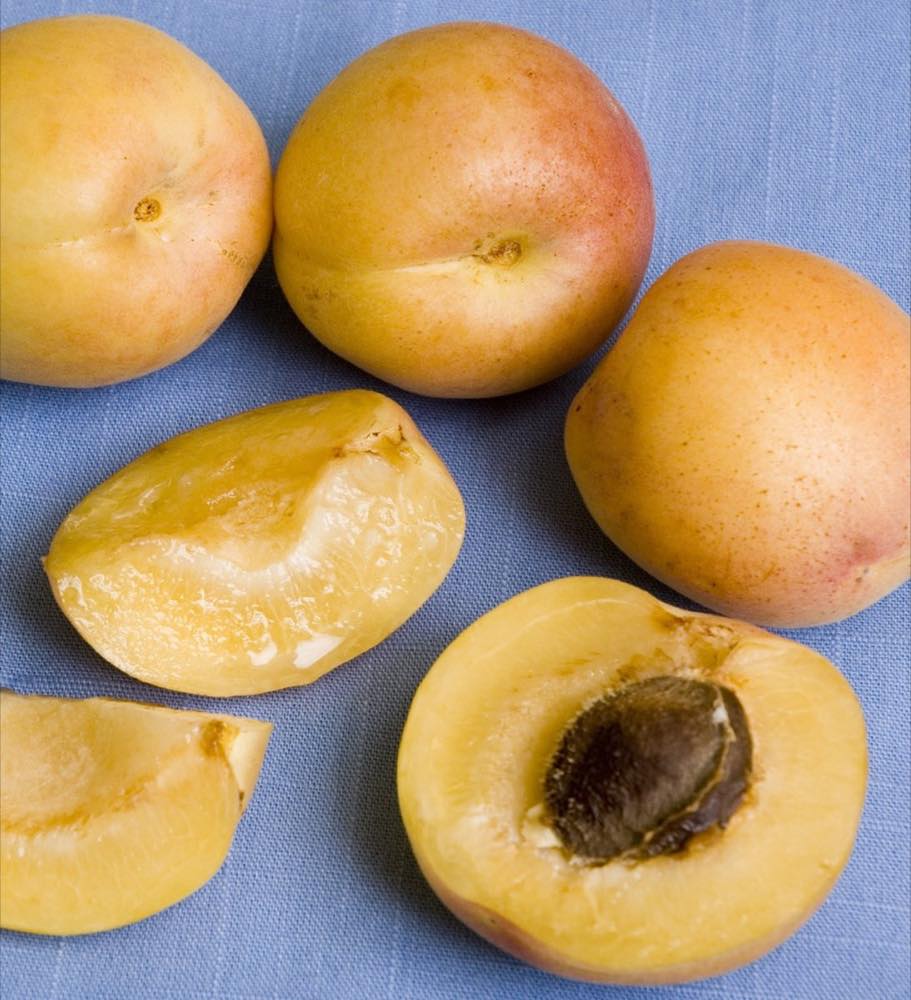 ApriumsIn this year's order
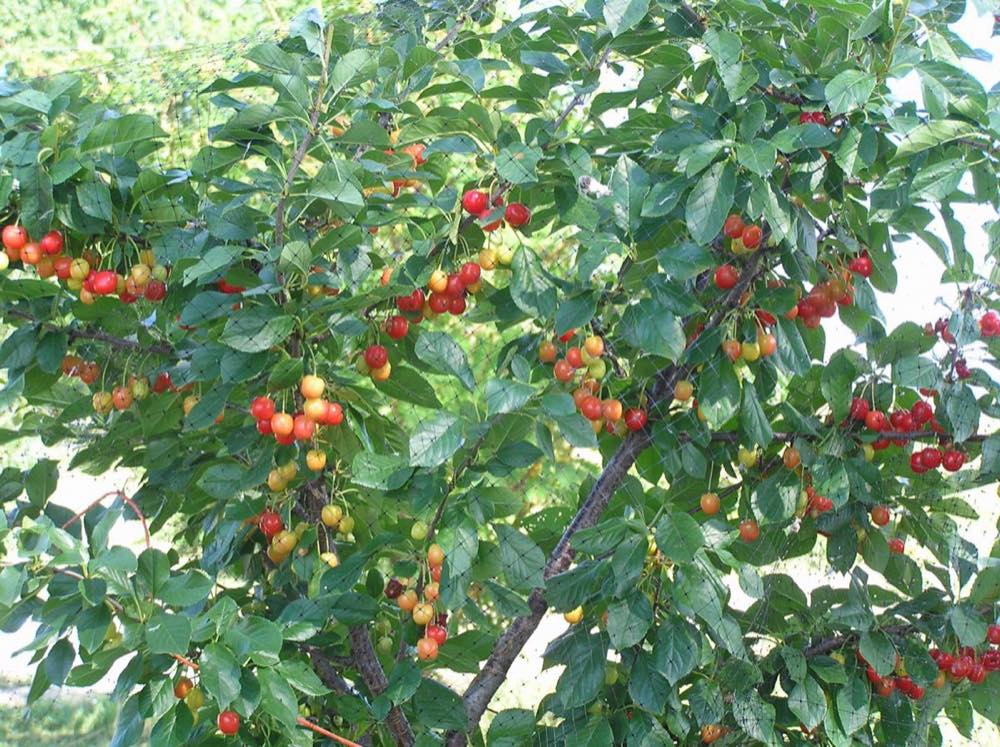 CherriesIn this year's order
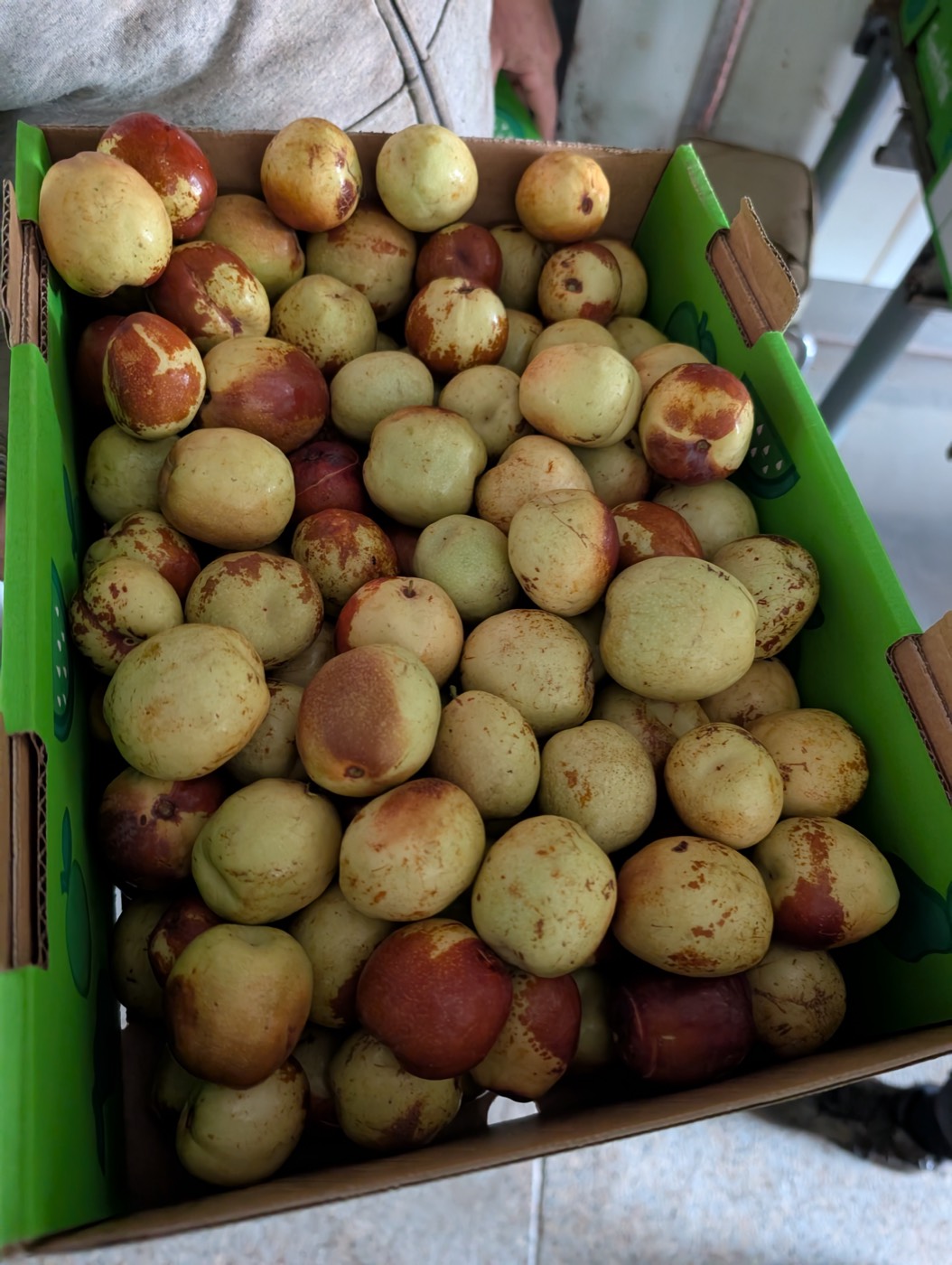 JujubesIn this year's order
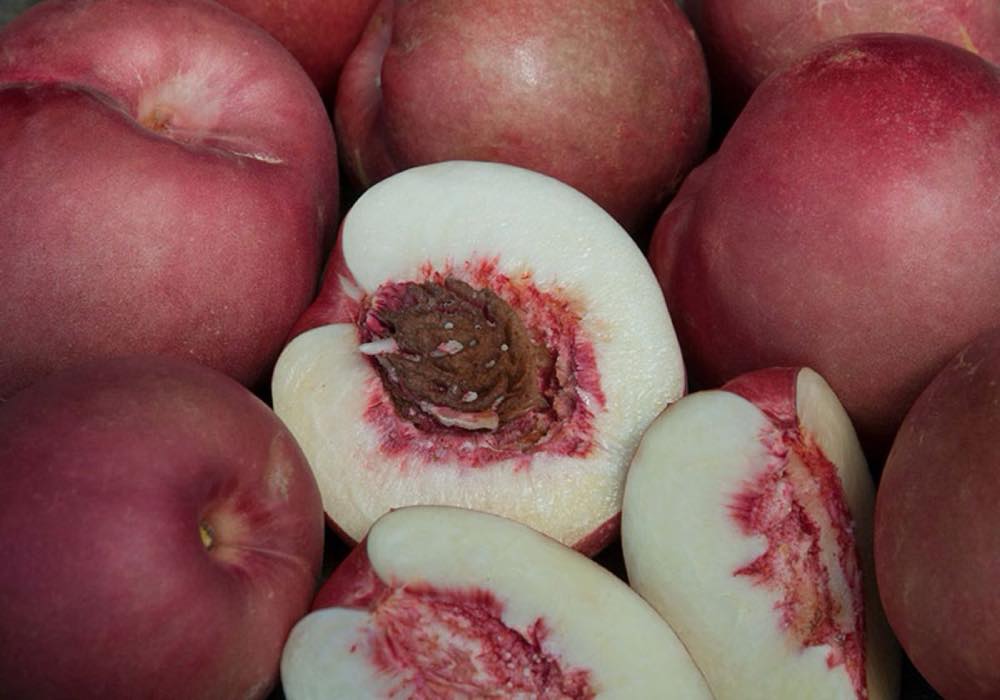 Pluots & interspecificsIn this year's order
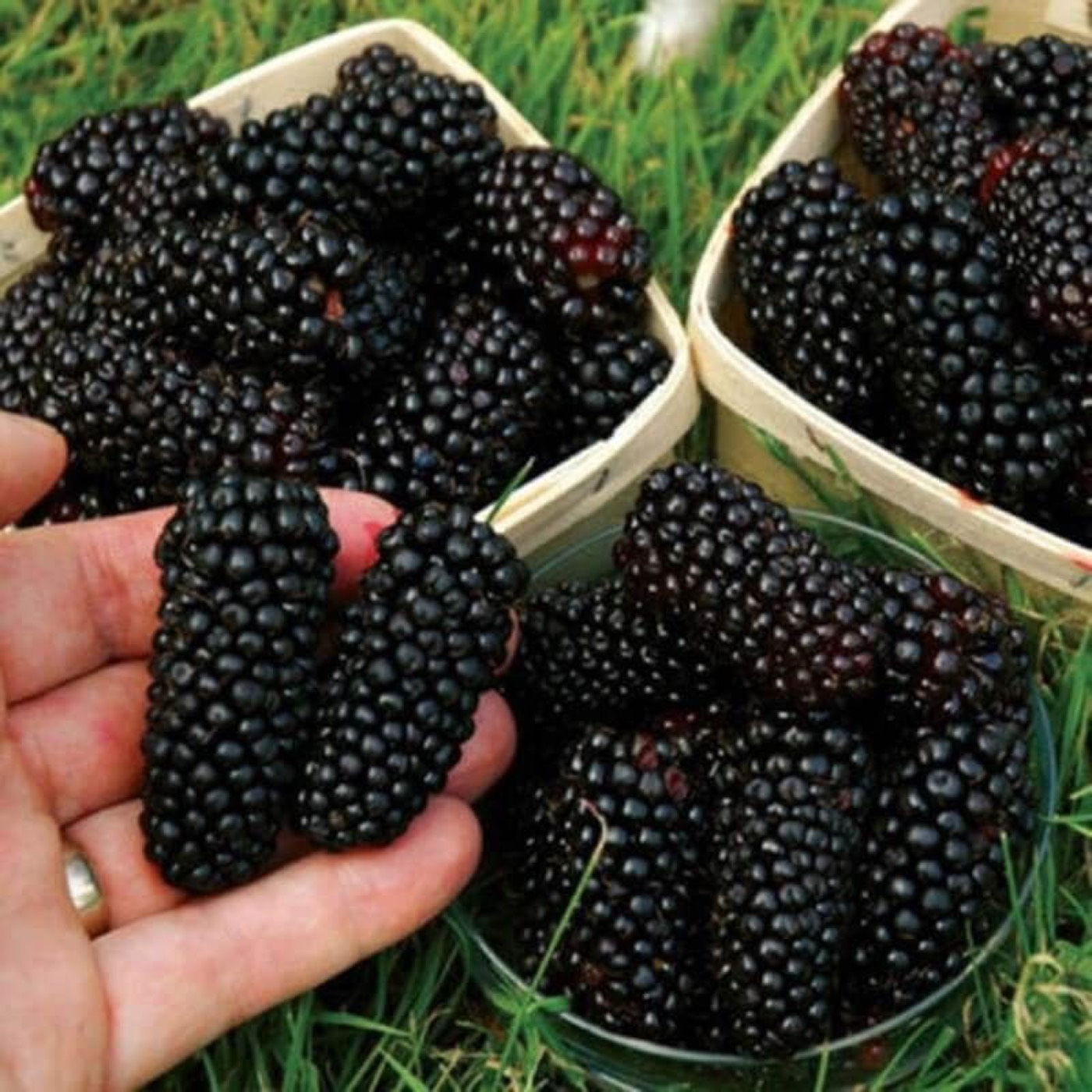 MulberriesIn this year's order
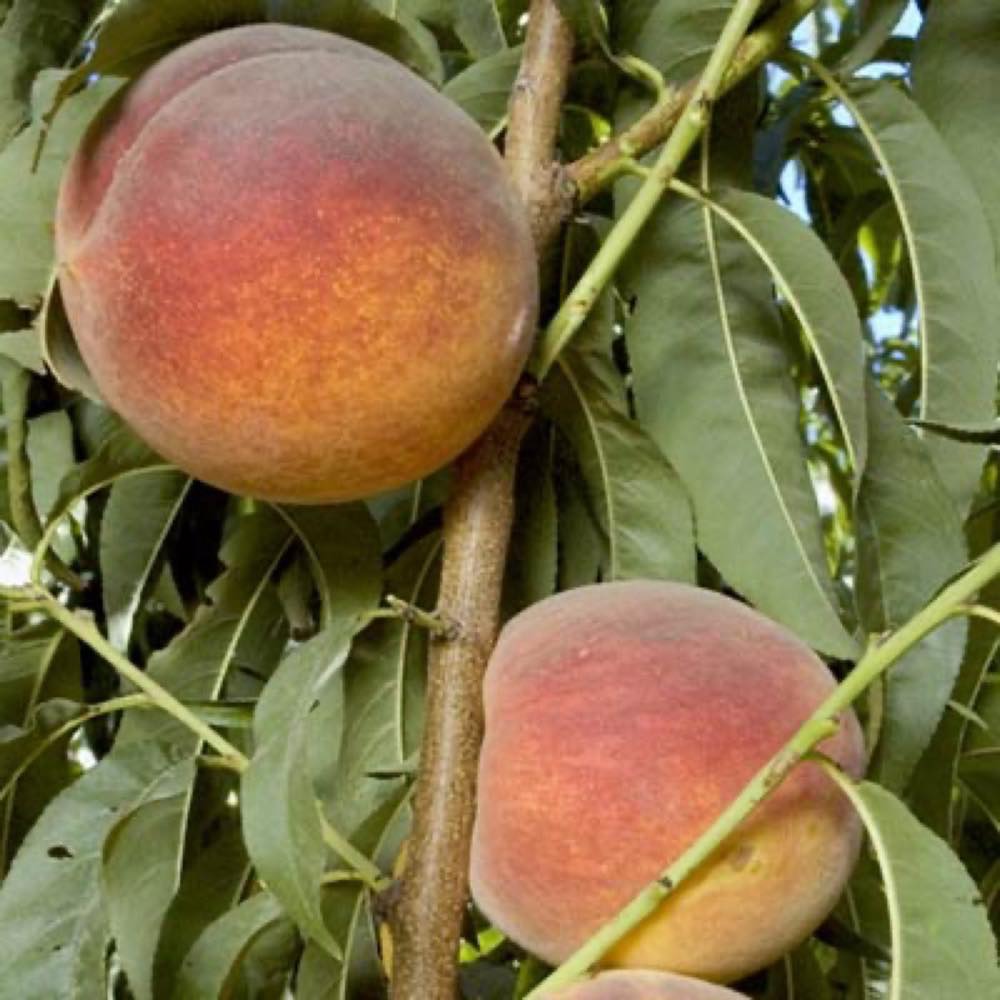 PeachesIn this year's order
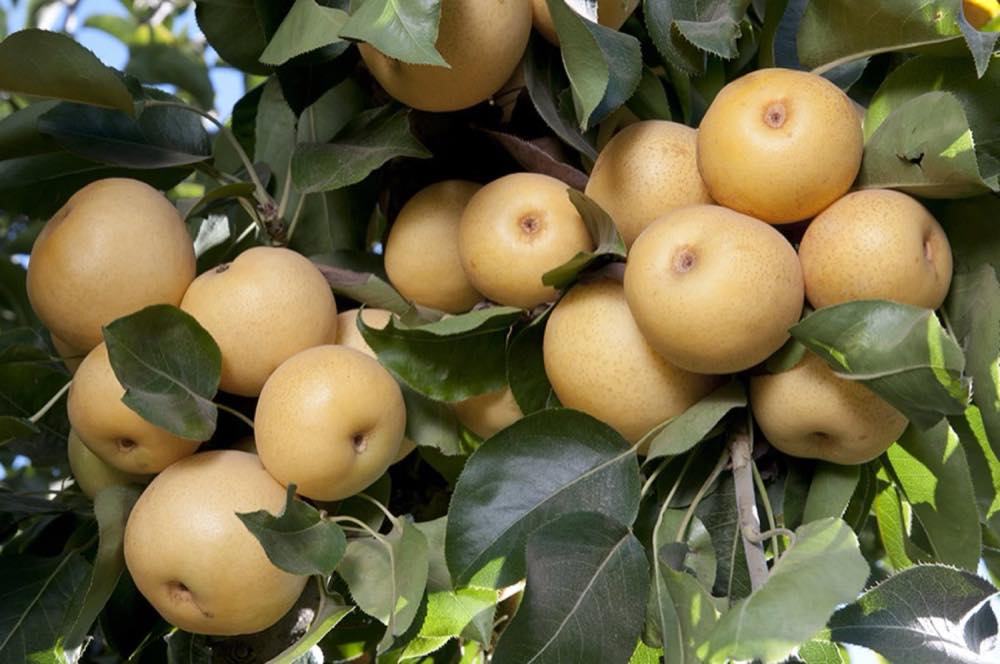 Asian pearsIn this year's order
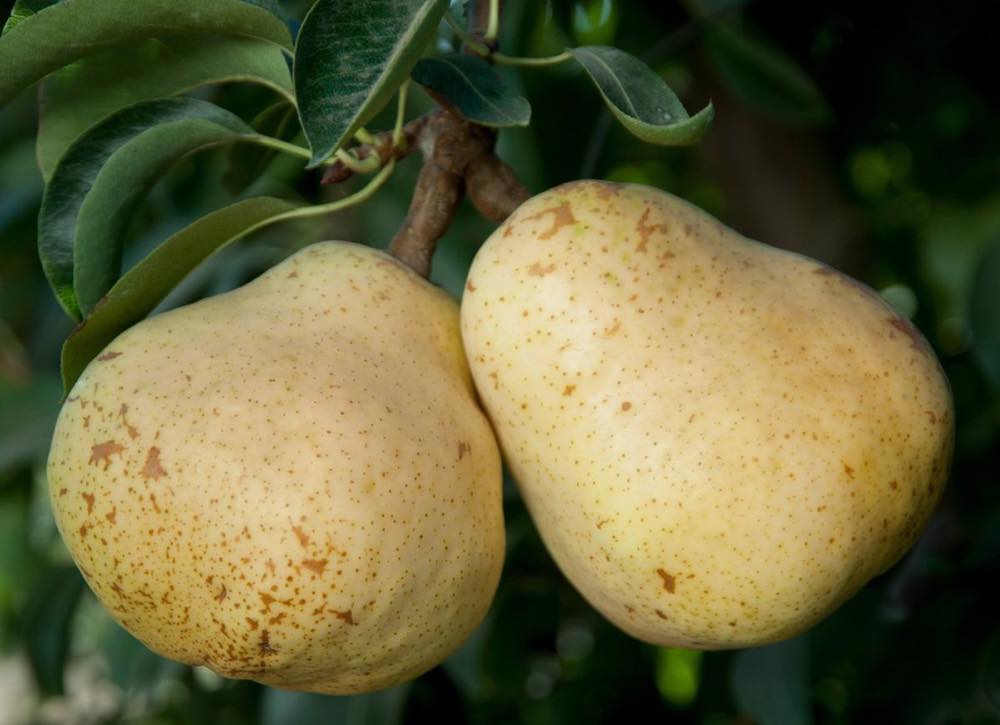 PearsIn this year's order
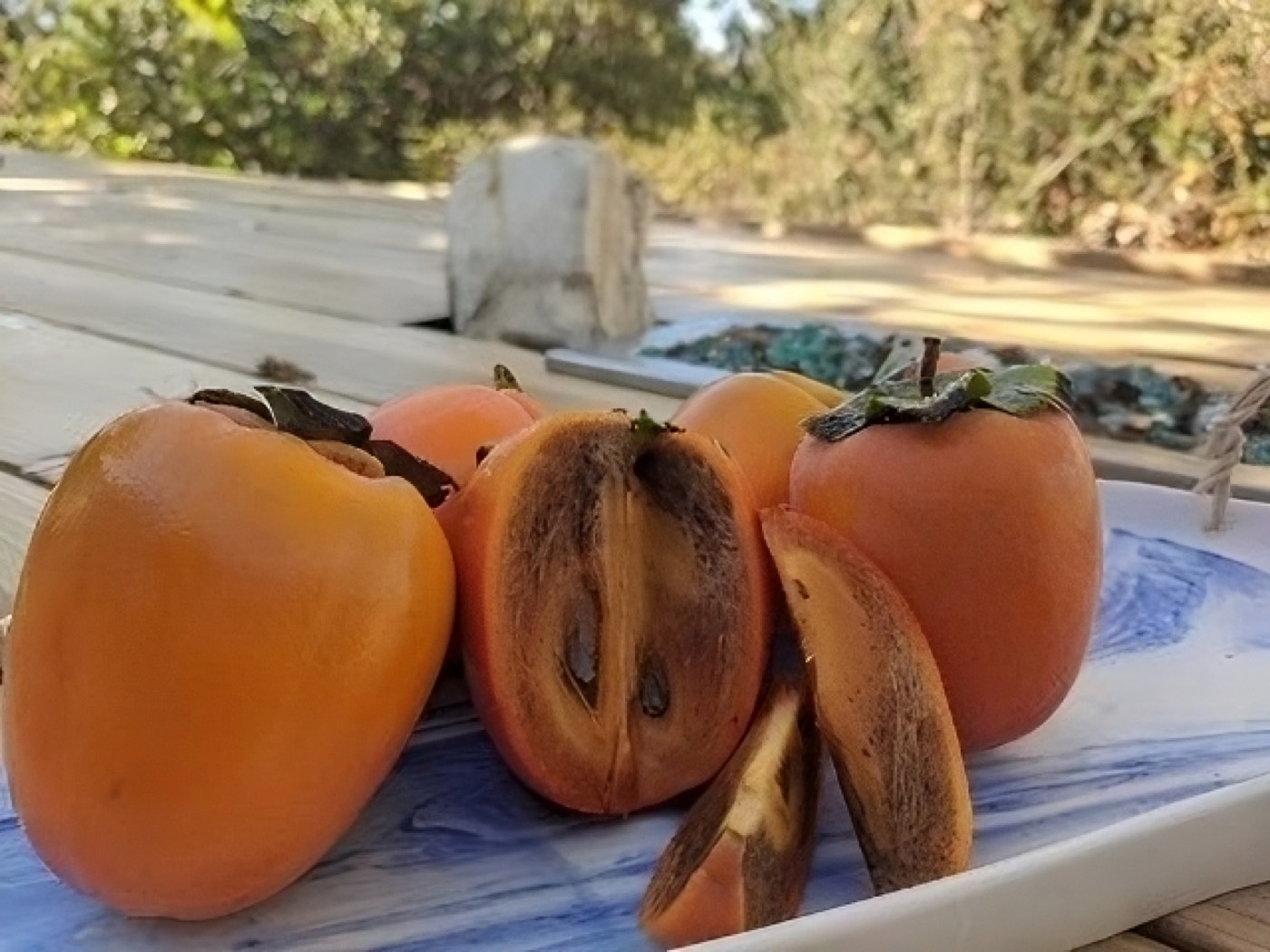 PersimmonsIn this year's order
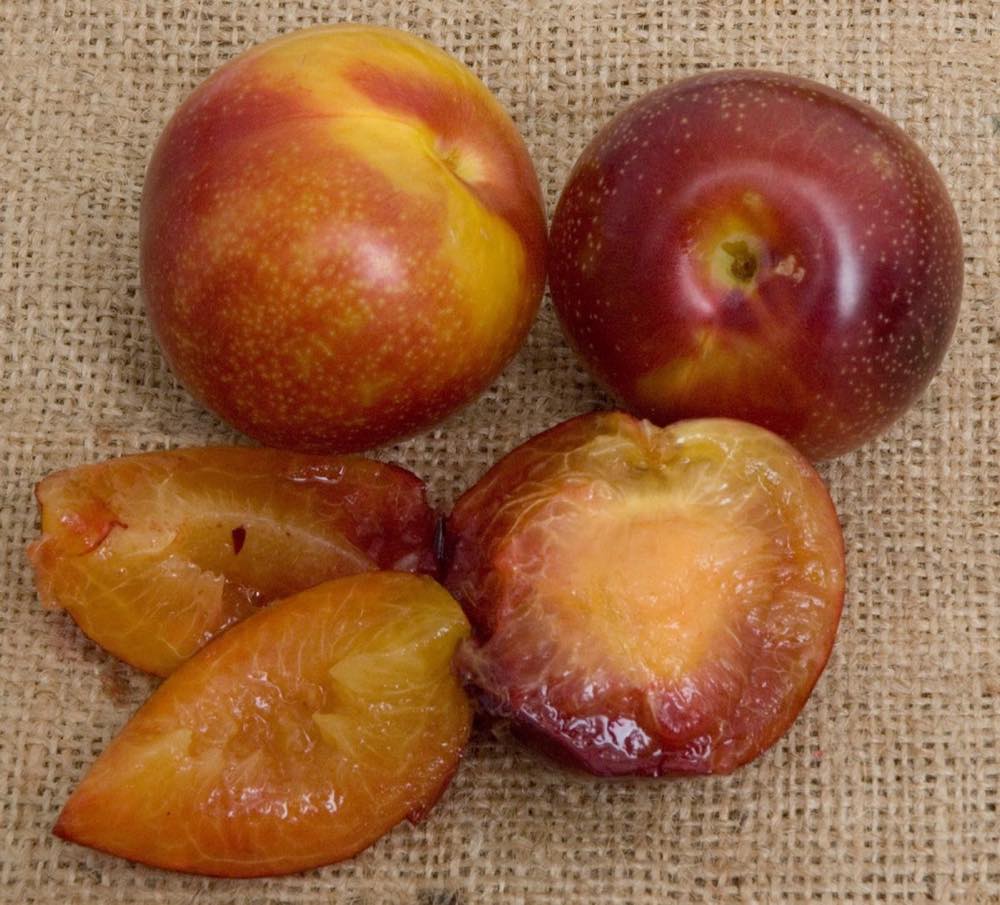 PlumsIn this year's order
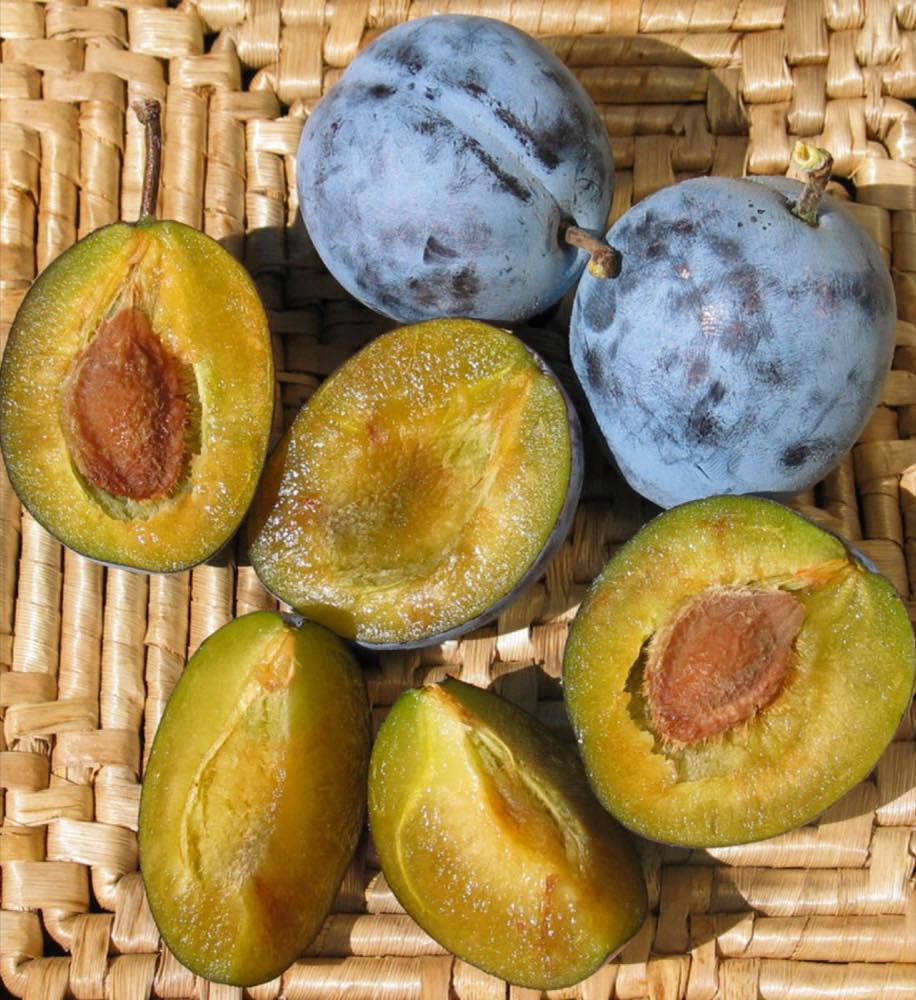 PrunesIn this year's order
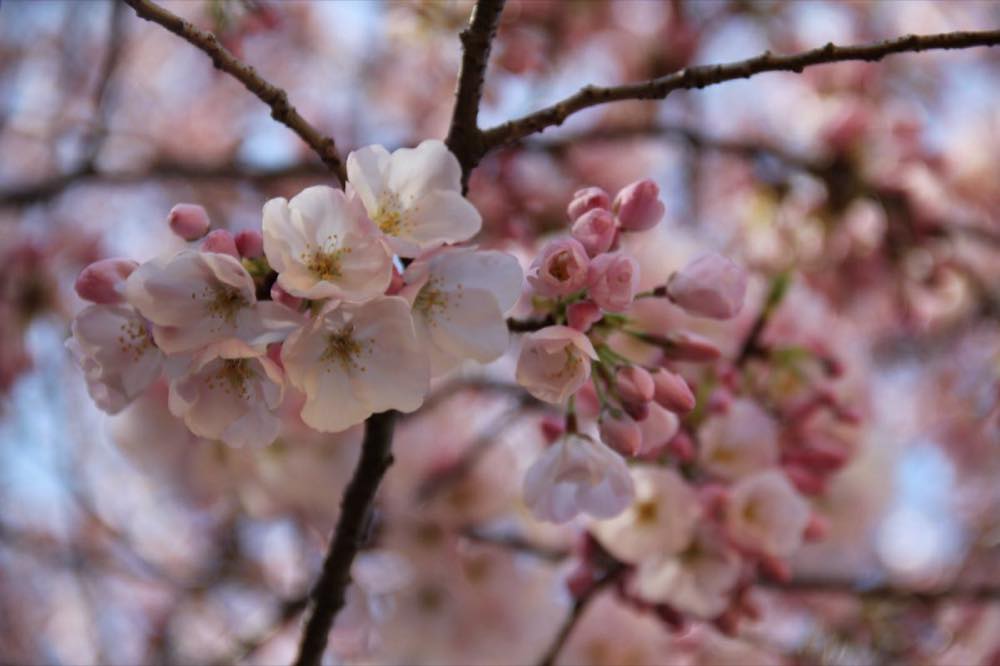 Flowering treesIn this year's order
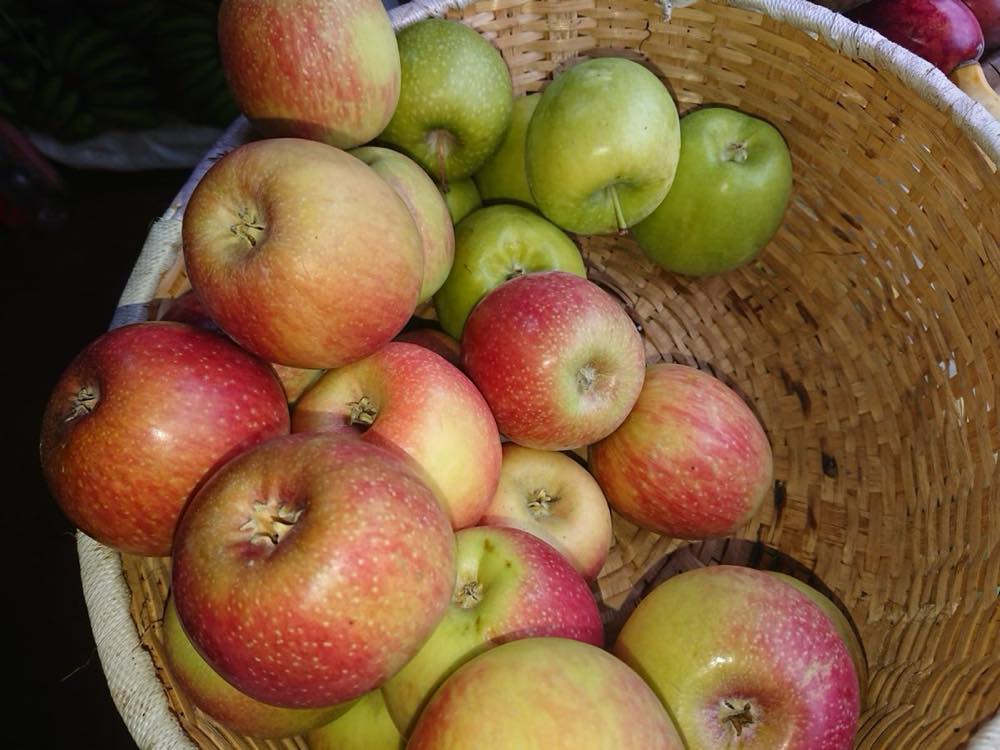 Multi-graftedIn this year's order
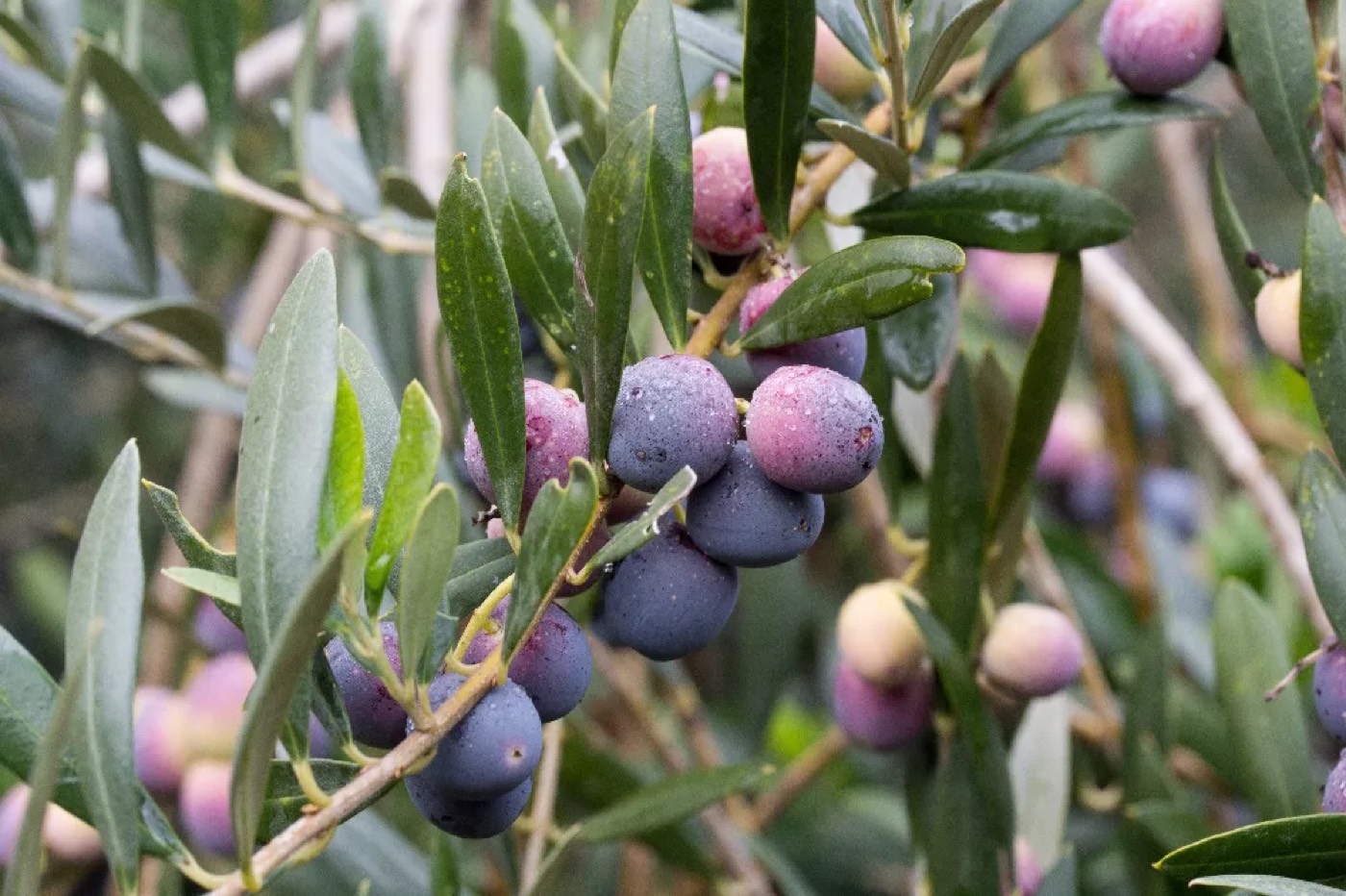 OlivesIn this year's order
Not in the current wholesale fruit tree program. Add it to your wishlist or a future wholesale preorder.
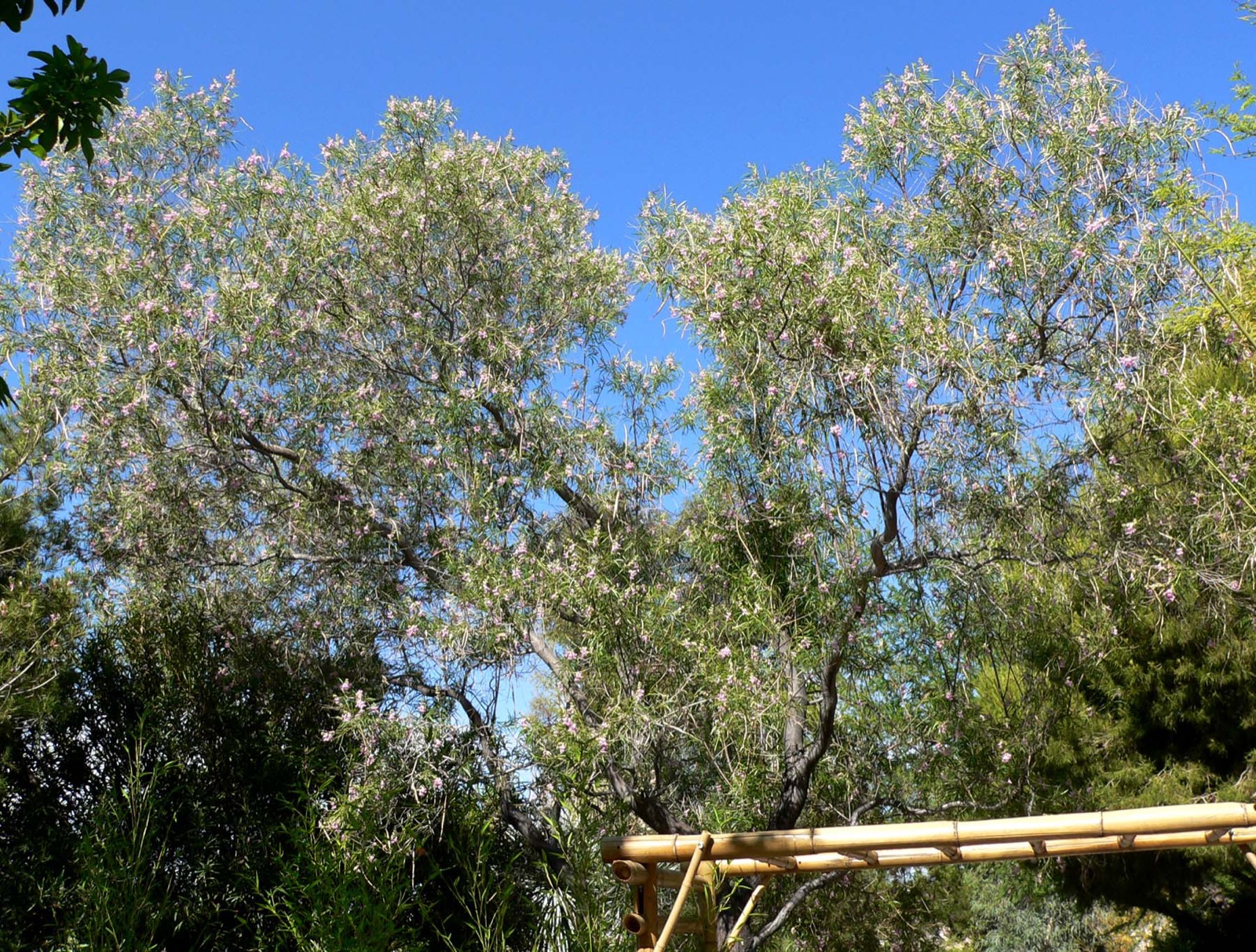 Desert willowChilopsis linearis
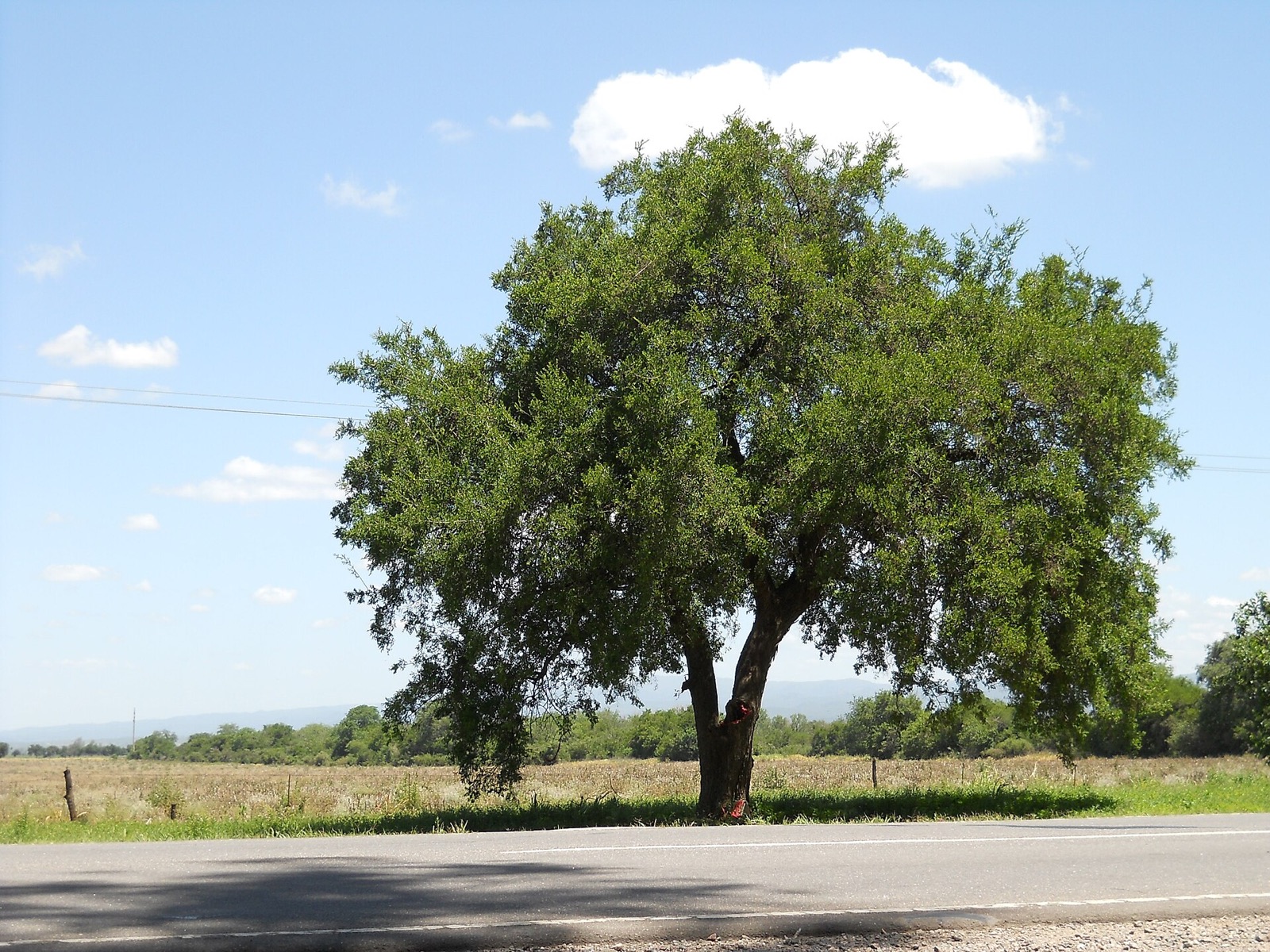 Desert hackberryCeltis pallida
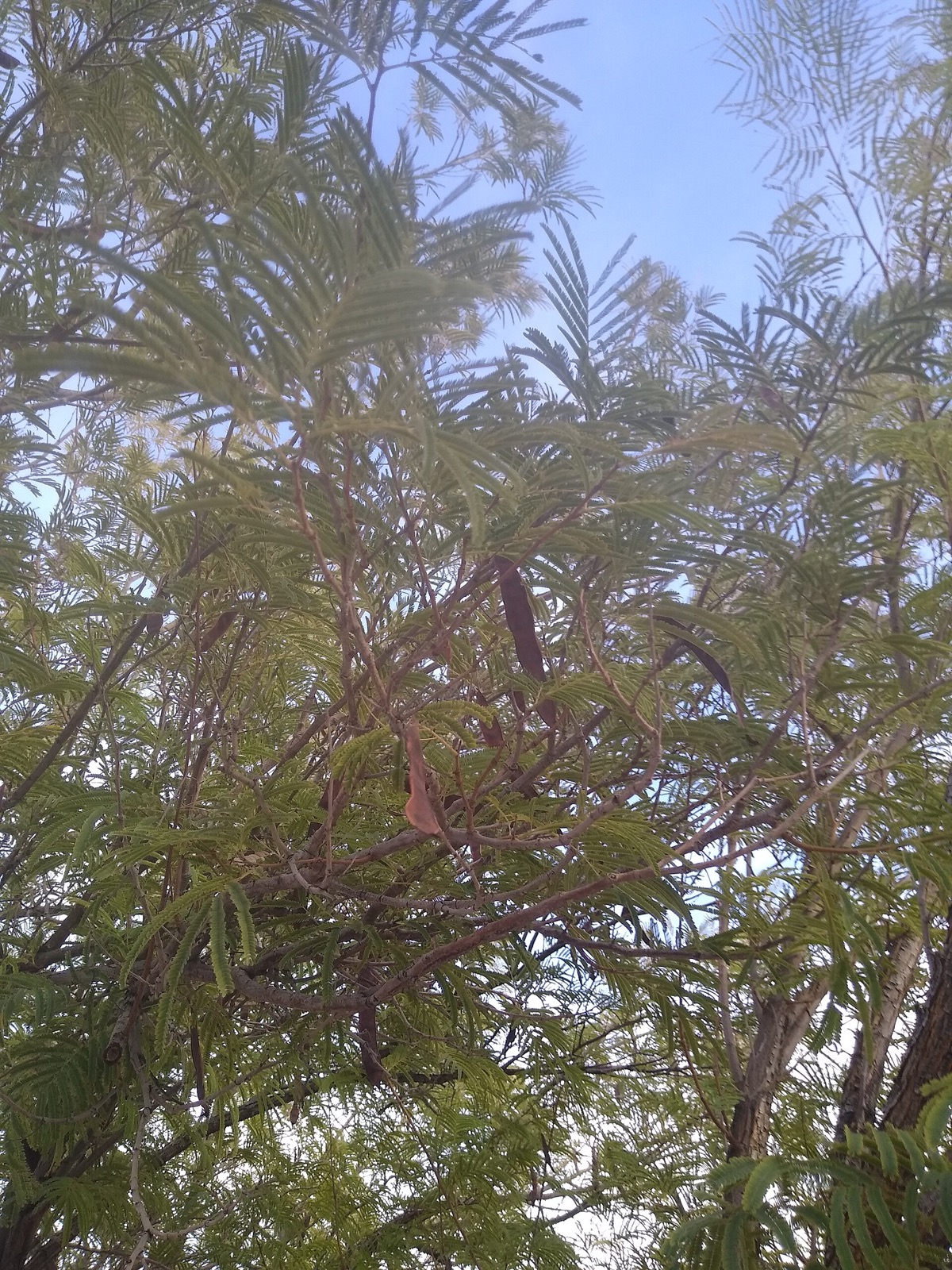 Desert fernLysiloma watsonii
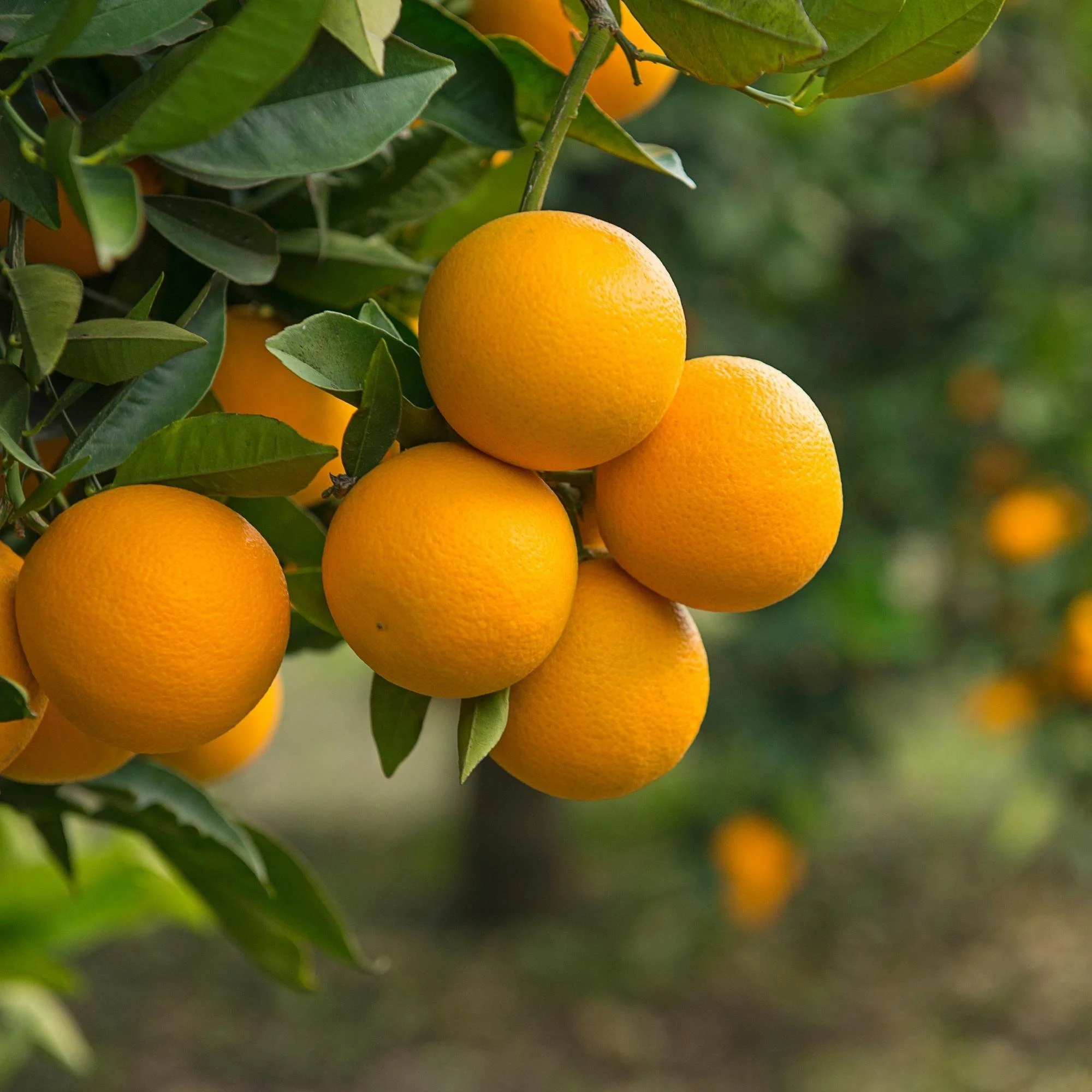 Diller Arizona sweet orangeCitrus sinensis ‘Diller’