
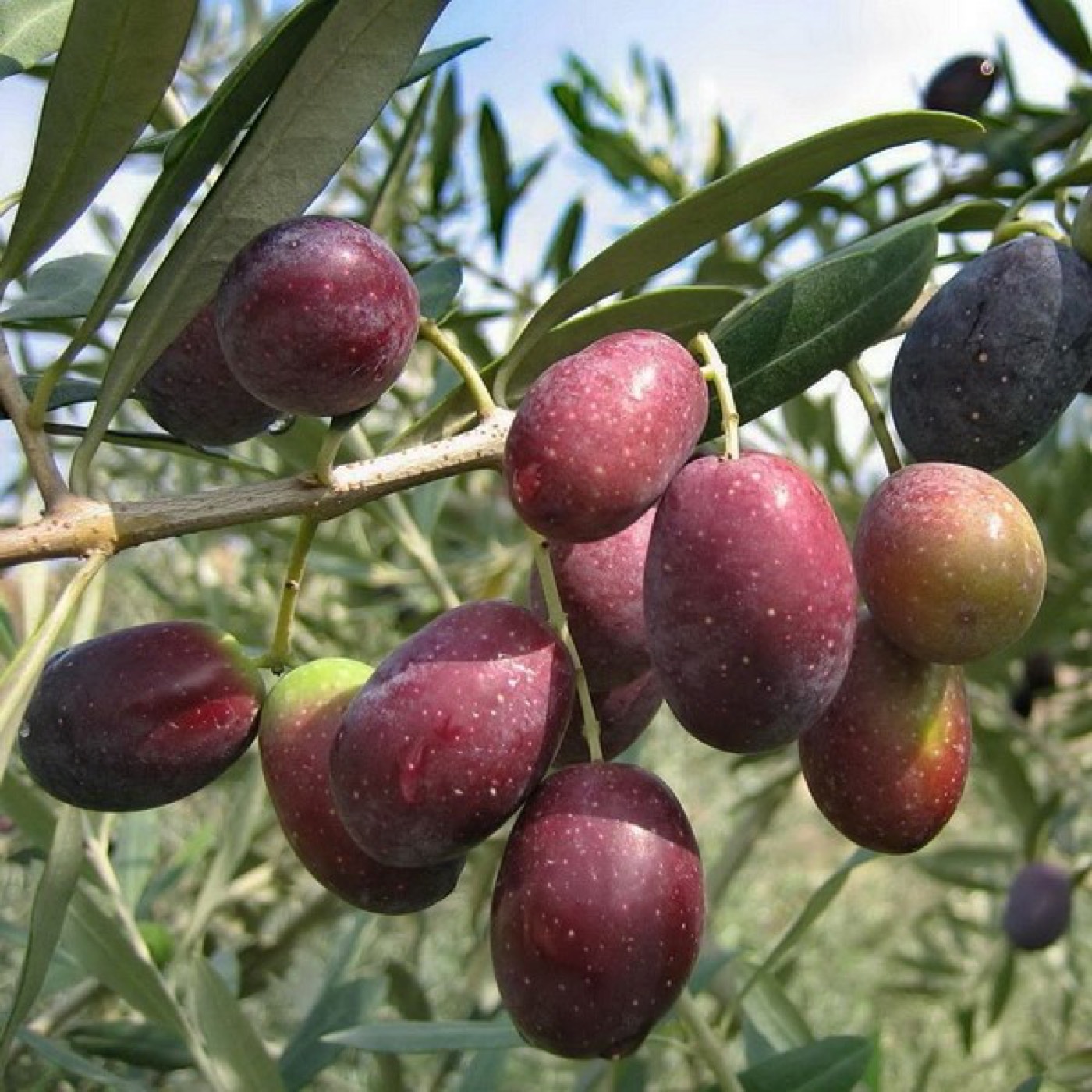
Olives · Dave Wilson Nursery
Pendolino Olive
In Tuscany this is the olive planted to pollinate others, with small fruit and a mild oil, but it also makes a dense, weeping landscape tree with good cold hardiness. It cannot set fruit on its own, so it needs a partner such as Frantoio. Low desert tree; check city pollen rules first.
- Chill hours
- Under 300 hours
- Harvest
- October to December in the low desert
- Pollination
- Self-sterile; needs another olive such as Frantoio or Leccino
- Mature size
- 20–25 ft unpruned (weeping); easy to hold at 10–12 ft
Which one
Every olive side by side
Same fruit, different seasons and different jobs. Pick the row that fits your ground and your calendar.
| In Tuscany this is the olive planted to pollinate others, with small fruit and a mild oil, but it also makes a dense, weeping landscape tree with good cold hardiness. It cannot set fruit on its own, so it needs a partner such as Frantoio. Low desert tree; check city pollen rules first. | Small, mild, fruity olives with very little bitterness and a high oil content, from a compact tree that is moderately frost hardy. Self-fruitful but heavier with Arbosana nearby. Best in the low desert, where damage starts around the mid teens, and check city pollen rules first. | A dwarf olive with big crops of small olives, rich in premium oil with a more robust, balanced flavor than Arbequina. It ripens about three weeks after Arbequina and is less cold hardy, so keep it in the low desert and out of frost pockets. Pair it with Arbequina for heavier crops and check city pollen rules first. | One of the great Tuscan oil olives, with a balanced fruity, bitter and peppery flavor, on a vigorous upright tree that ripens late, around November. It crops well in the low desert and is self-fruitful, though heavier with Pendolino or Leccino nearby. Check city pollen rules first. | The classic table olive, large and good cured green or black, though like any olive it is bitter until cured. It ripens earliest of the group, giving time to cure before the holidays. A low desert tree with only moderate cold hardiness, so check city pollen rules first. | The all-round home garden olive, good for curing or for oil, and hardier in the cold than most. It grows into a big, handsome evergreen that works as an edible landscape tree, but damage still comes in the teens, so it stays a low desert tree. Check city pollen rules first. | |
|---|---|---|---|---|---|---|
| Harvest | October to December in the low desert | October to November in the low desert | November to December in the low desert | November to December in the low desert | September to October for green olives in the low desert | September to November (green to black) in the low desert |
| Chill hours | Under 300 hours | Under 300 hours | 200–300 hours | Under 300 hours | Under 300 hours | Under 300 hours |
| Pollination | Self-sterile; needs another olive such as Frantoio or Leccino | Self-fruitful; heavier crops with Arbosana nearby | Self-fruitful; heavier crops with Arbequina nearby | Self-fruitful; heavier crops with Pendolino or Leccino | Self-fruitful; heavier crops with another olive such as Mission | Self-fruitful; heavier crops with another olive such as Manzanillo |
| Mature size | 20–25 ft unpruned (weeping); easy to hold at 10–12 ft | 12–15 ft unpruned (compact, upright); easy to hold at 8–10 ft | 10–15 ft unpruned (dwarf); easy to hold at 8 ft | 20–30 ft unpruned (vigorous, upright); easy to hold at 10–12 ft | 20–25 ft unpruned; easy to hold at 10–12 ft | 25–30 ft unpruned; easy to hold at 12 ft |
| From | $18 | $18 | $18 | $18 | $18 | $18 |
Where this tree sits
Olives sit in the lower canopy layer.
Lower canopy
Fruit trees kept below the tall ones. Most of this year's program lives here, held to eight or ten feet by summer pruning.
Other options in the lower canopy layer
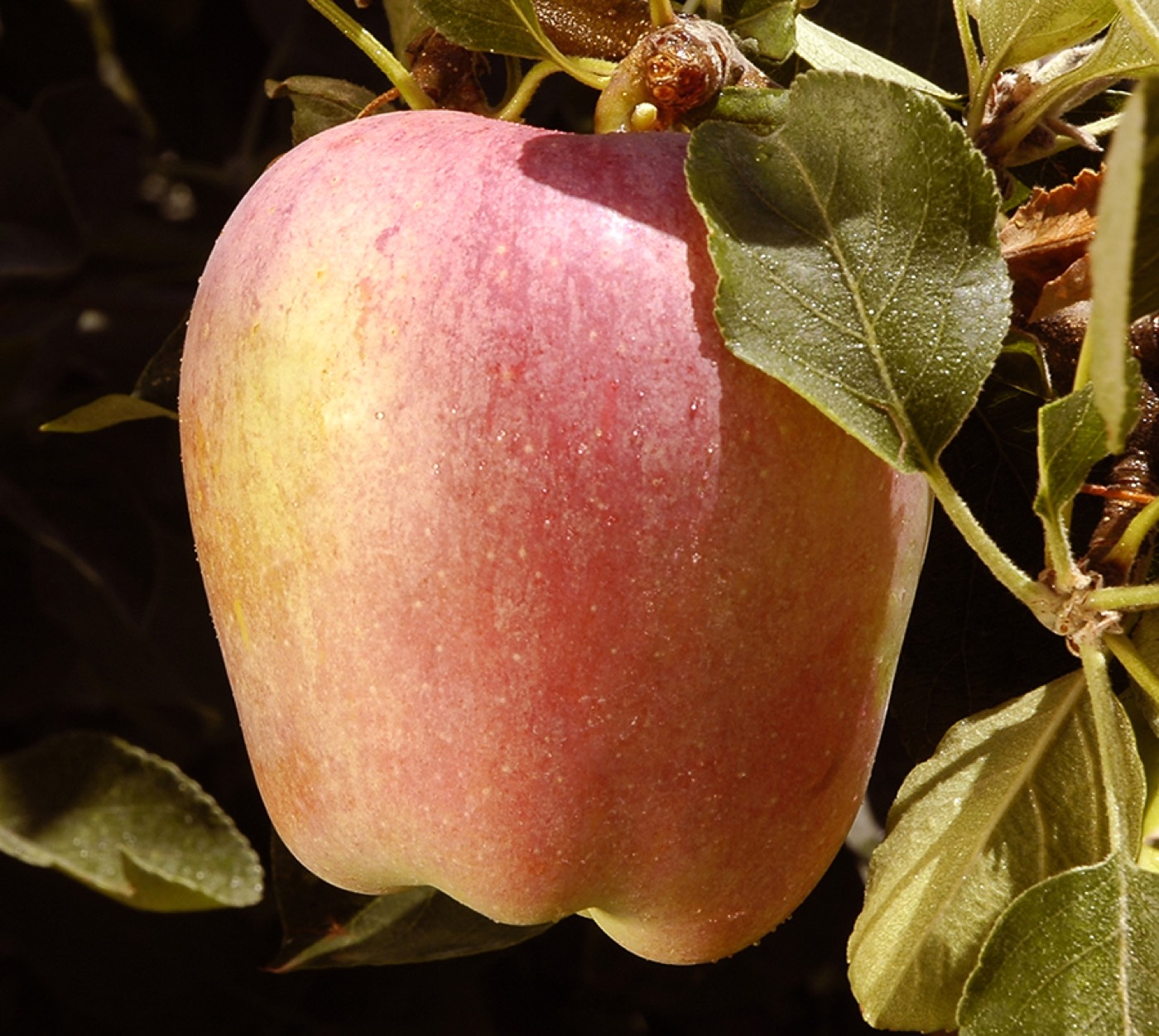 ApplesIn this year's order
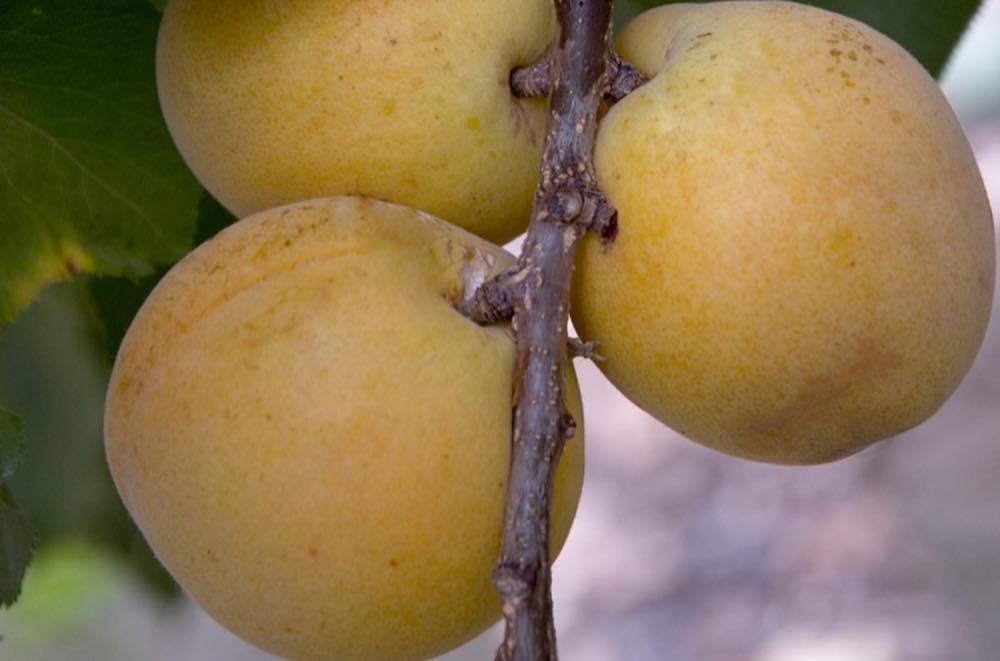 ApricotsIn this year's order
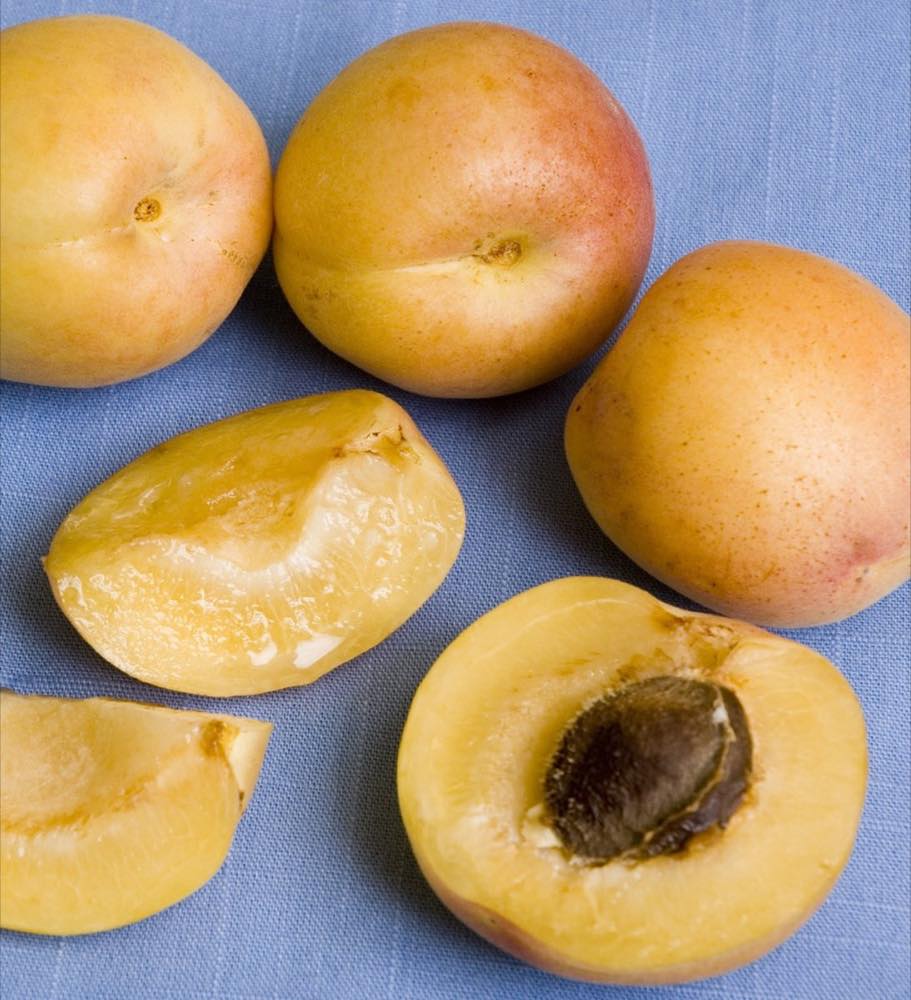 ApriumsIn this year's order
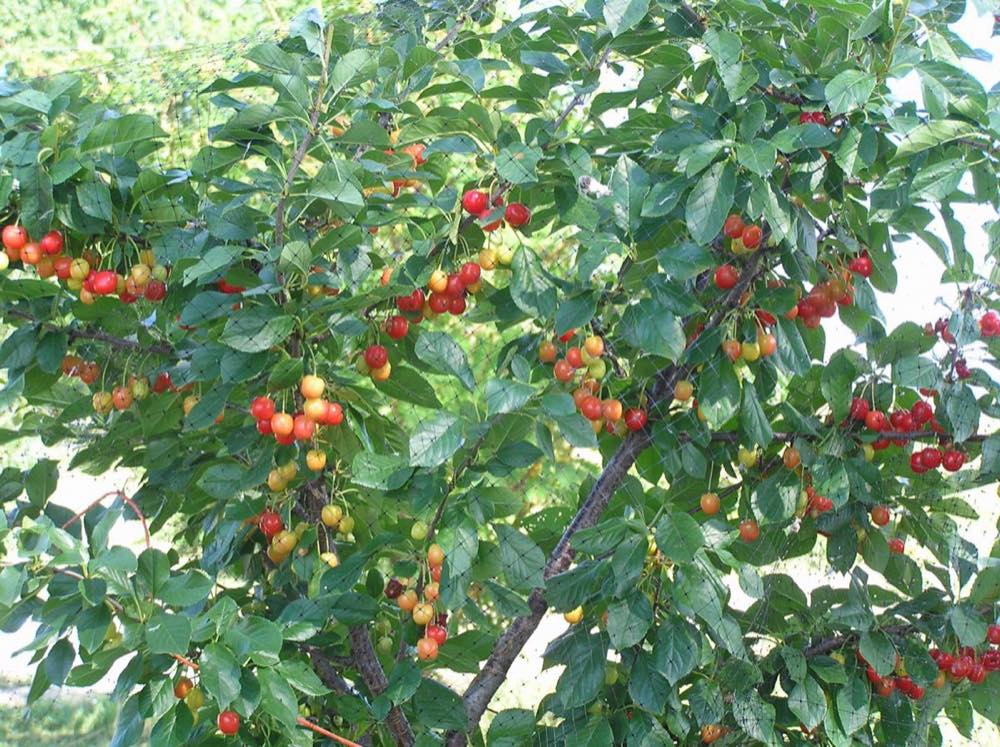 CherriesIn this year's order
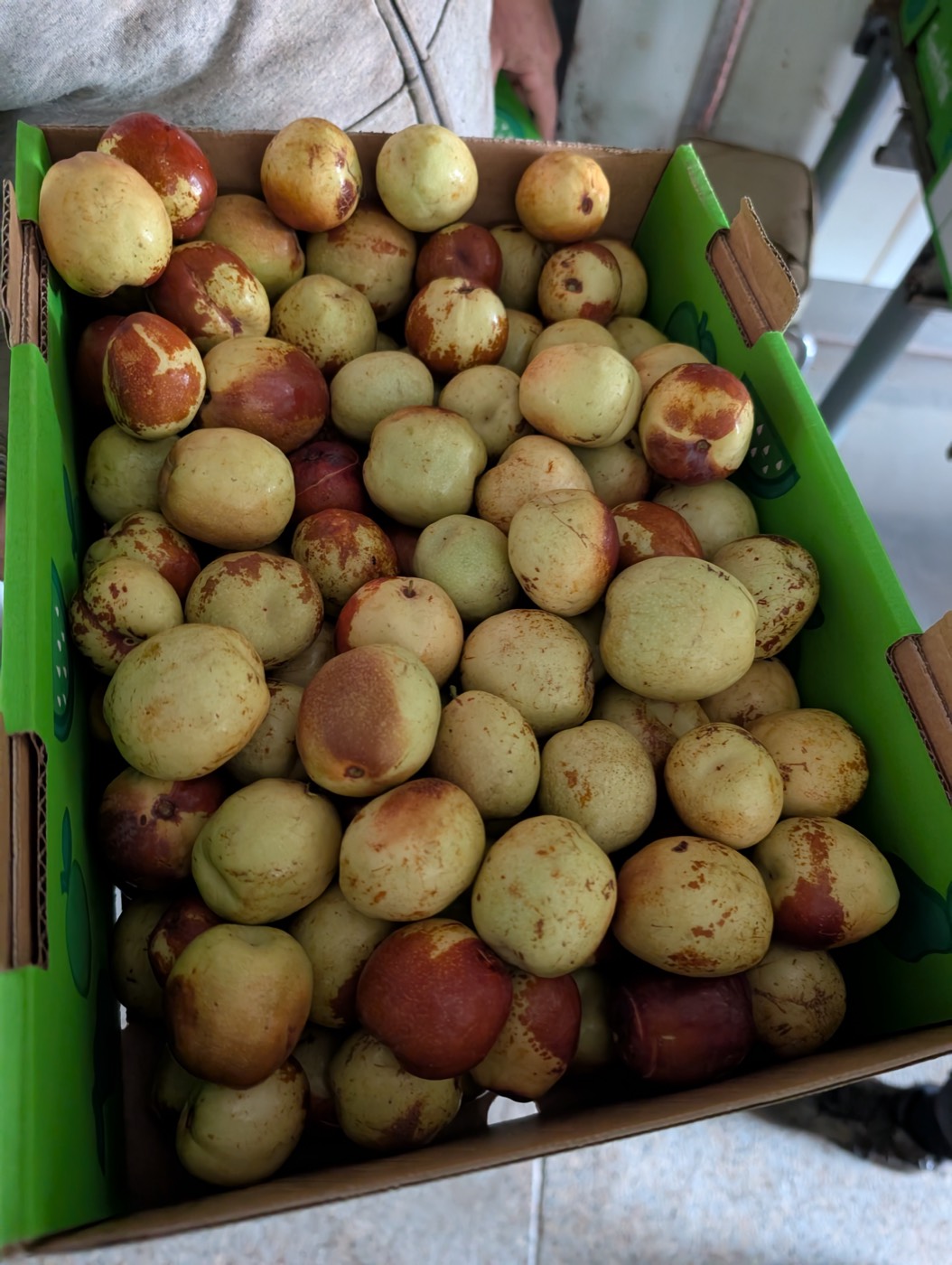 JujubesIn this year's order
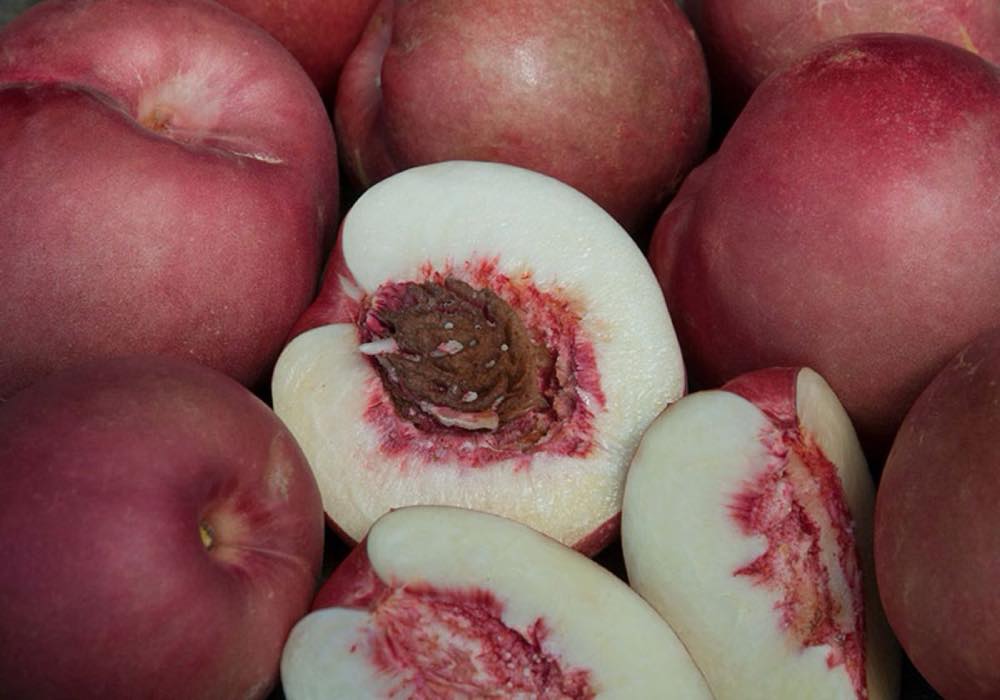 Pluots & interspecificsIn this year's order
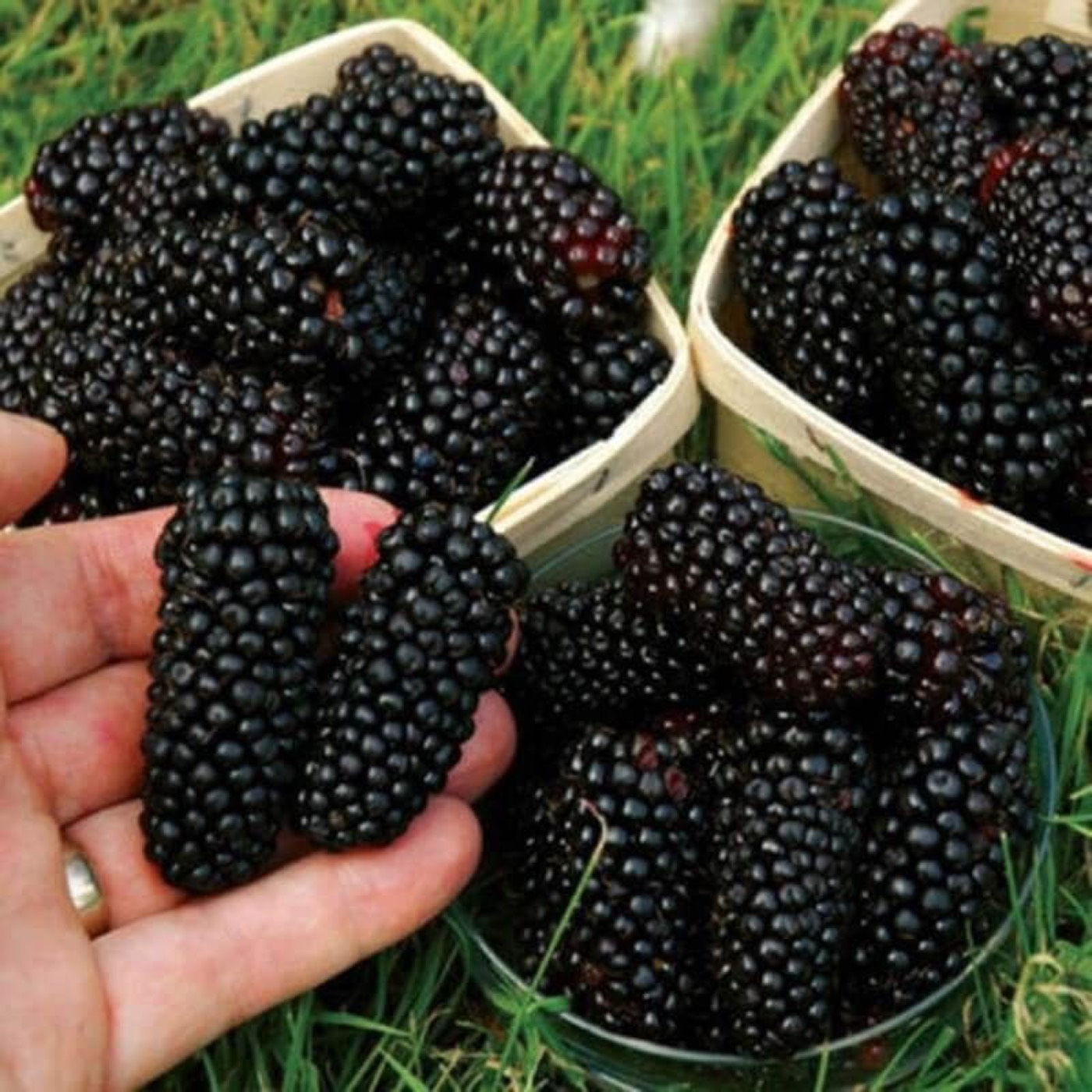 MulberriesIn this year's order
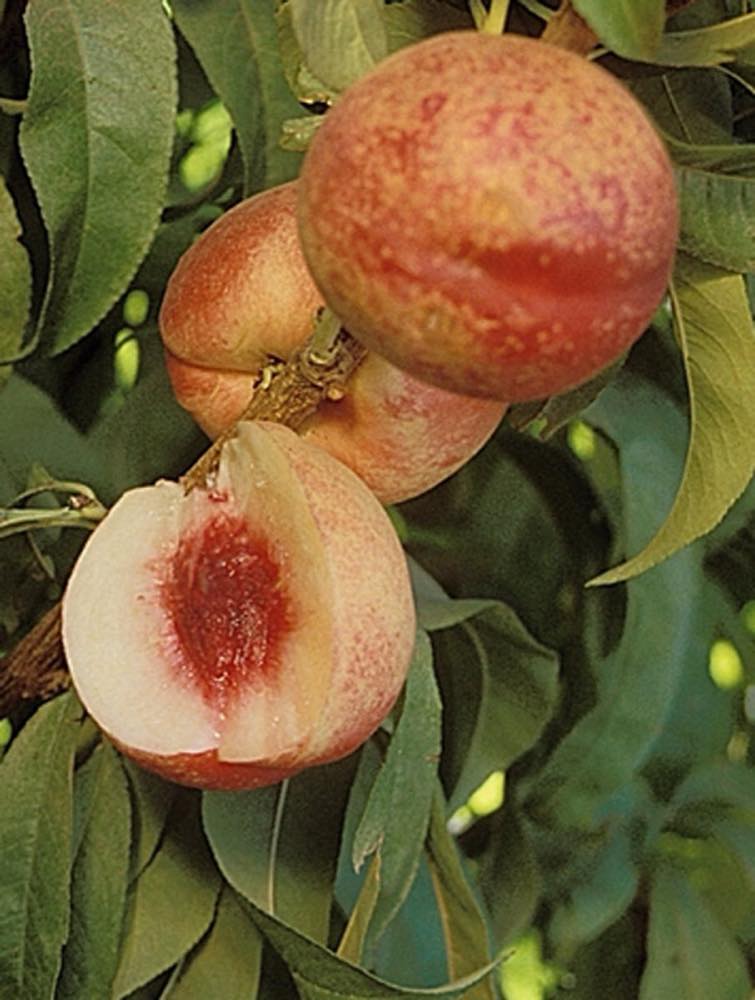 NectarinesIn this year's order
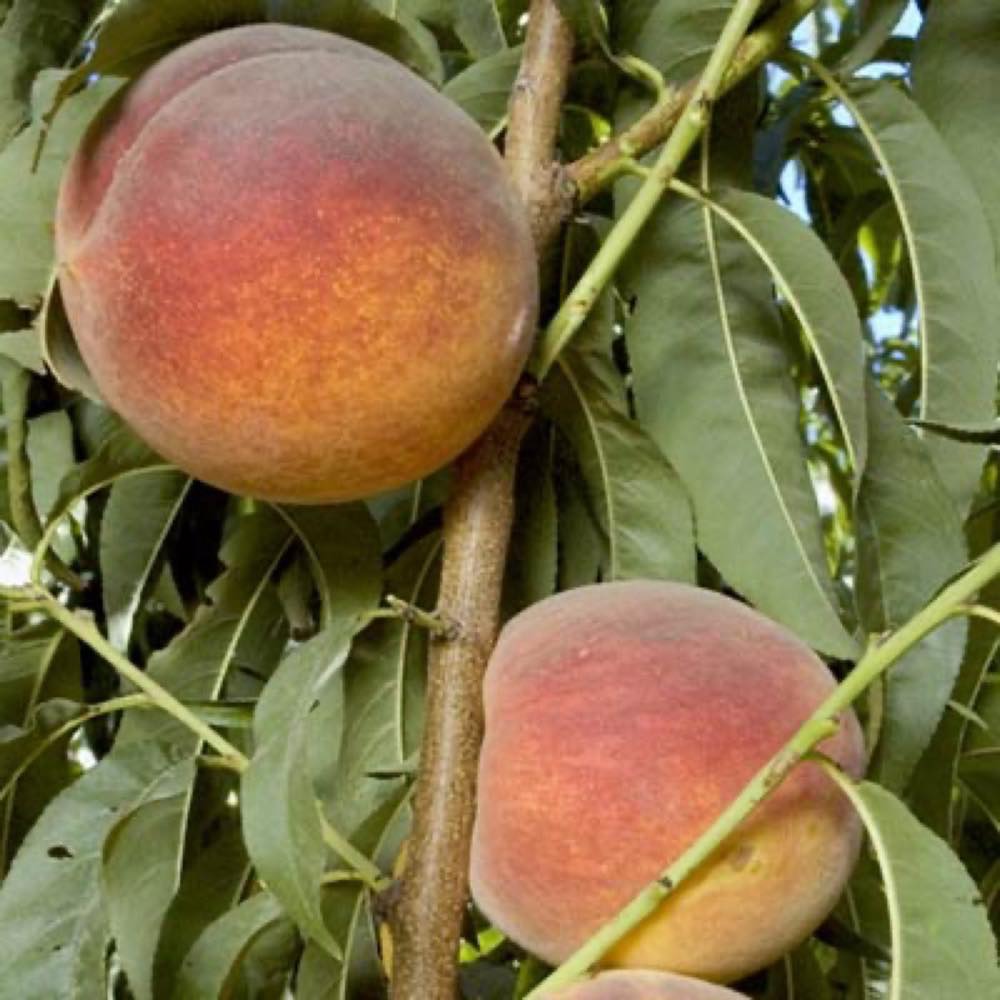 PeachesIn this year's order
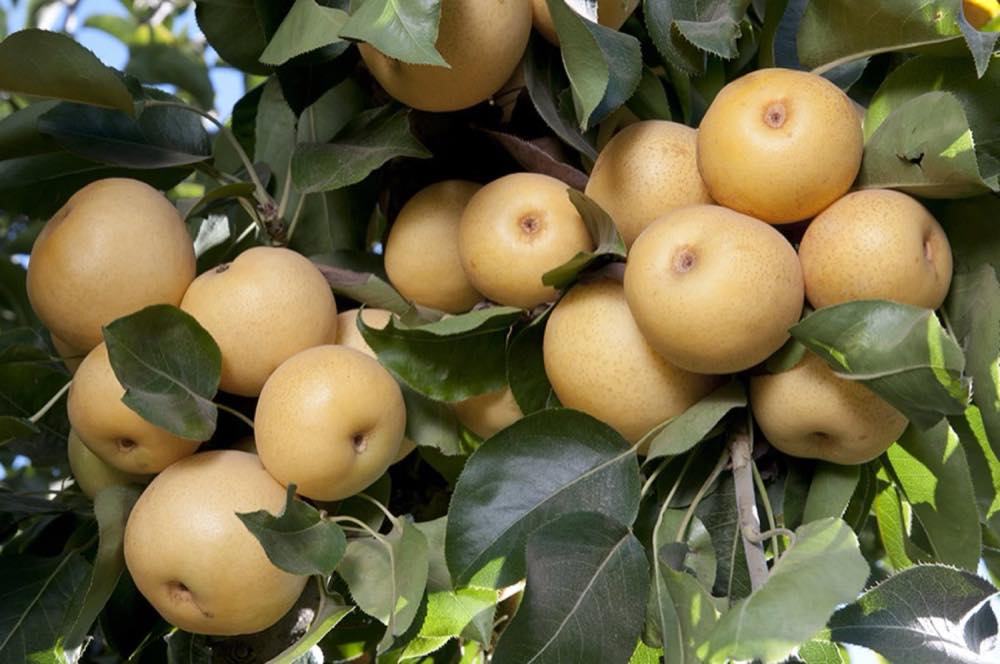 Asian pearsIn this year's order
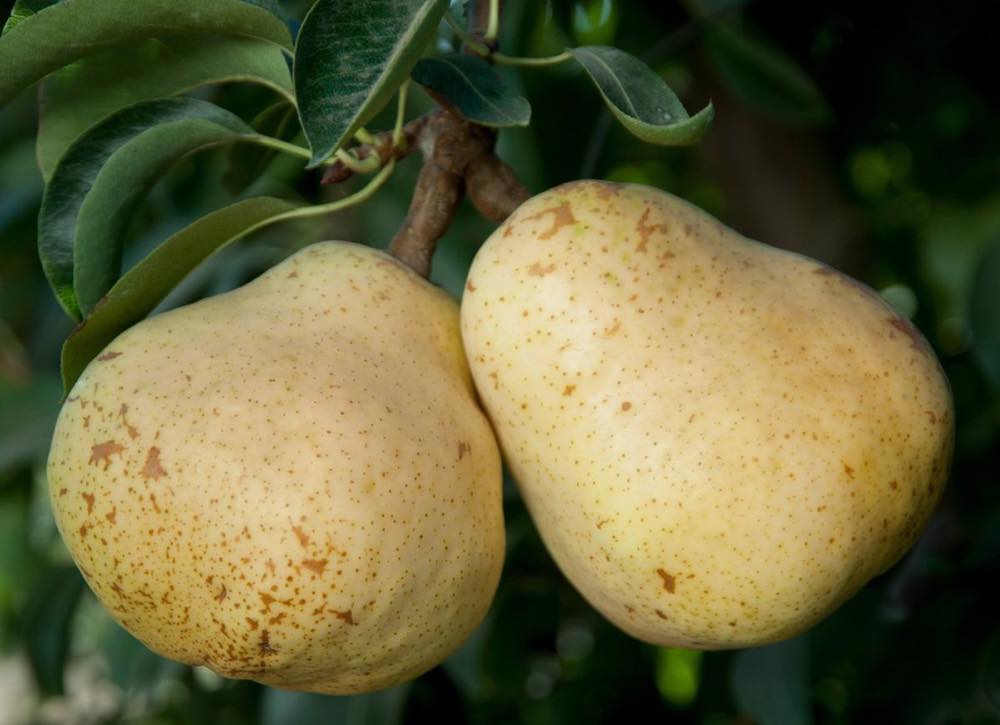 PearsIn this year's order
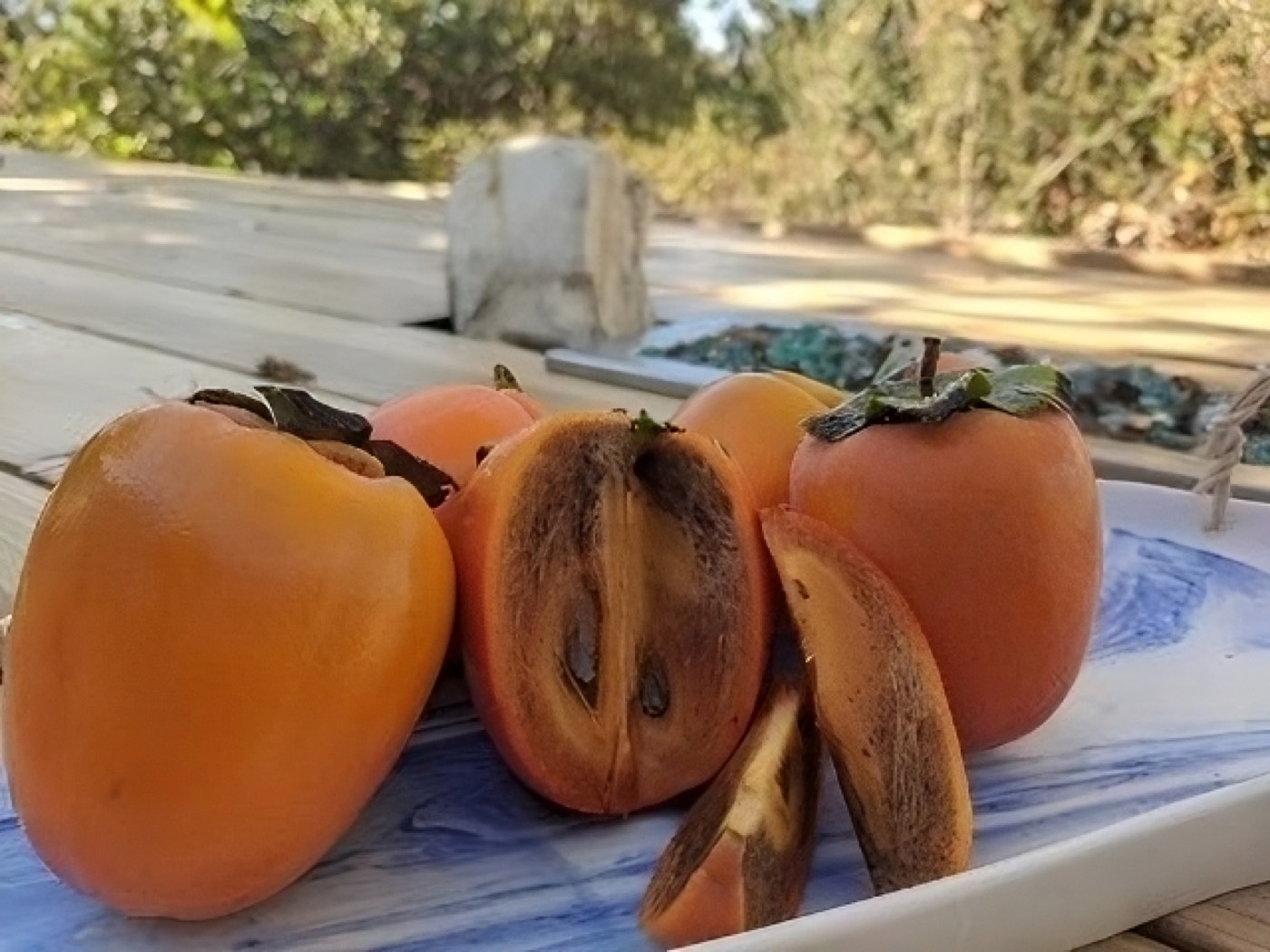 PersimmonsIn this year's order
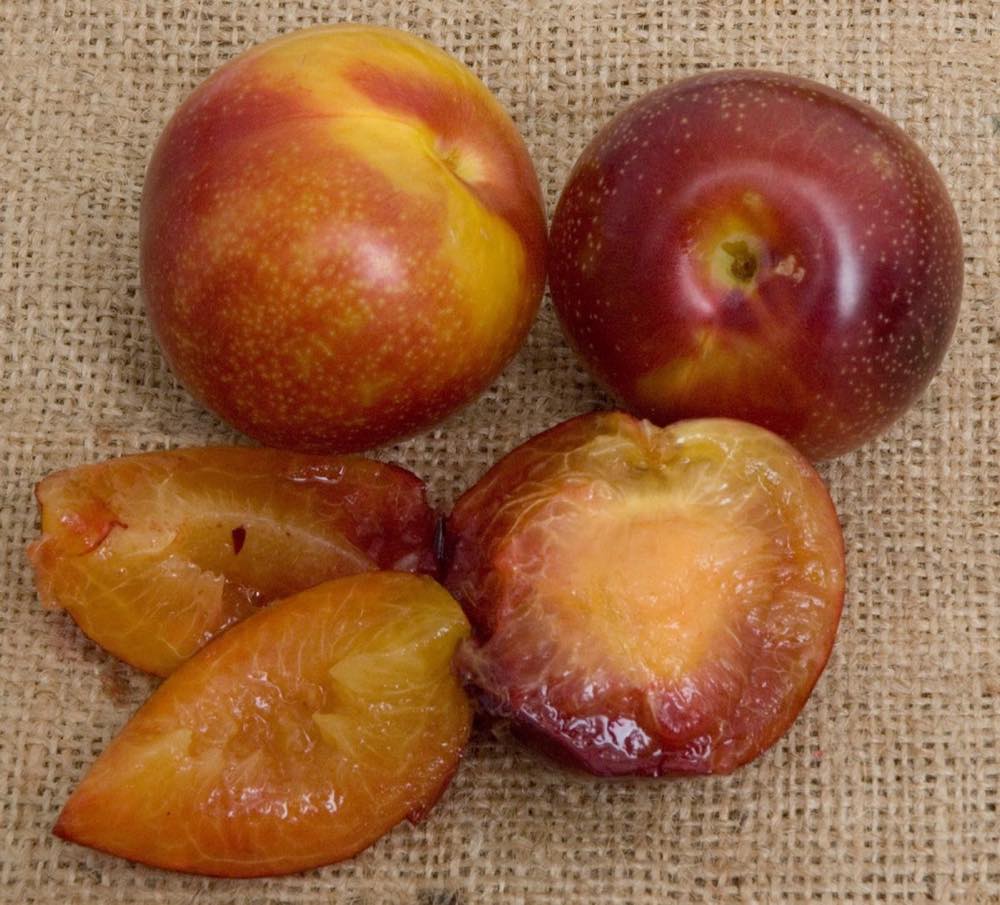 PlumsIn this year's order
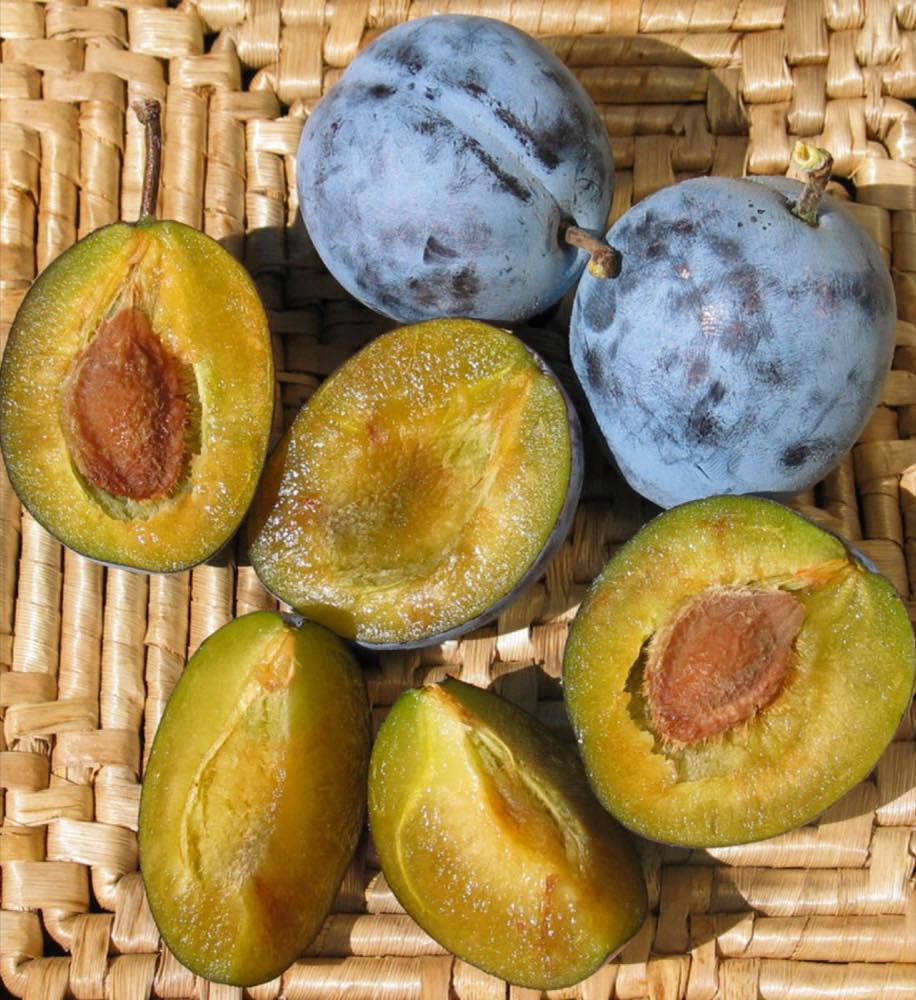 PrunesIn this year's order
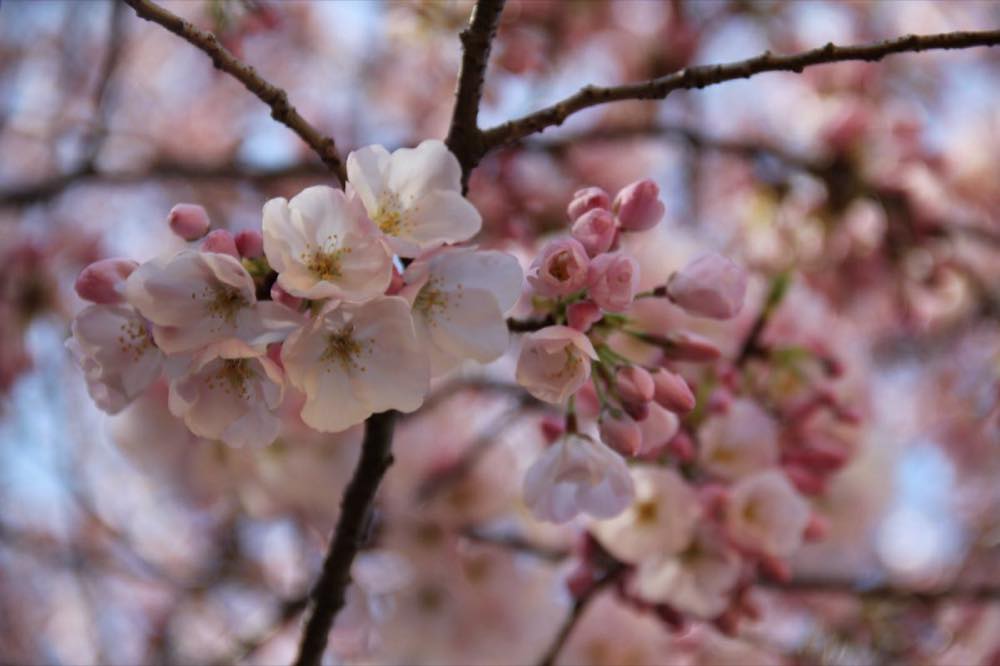 Flowering treesIn this year's order
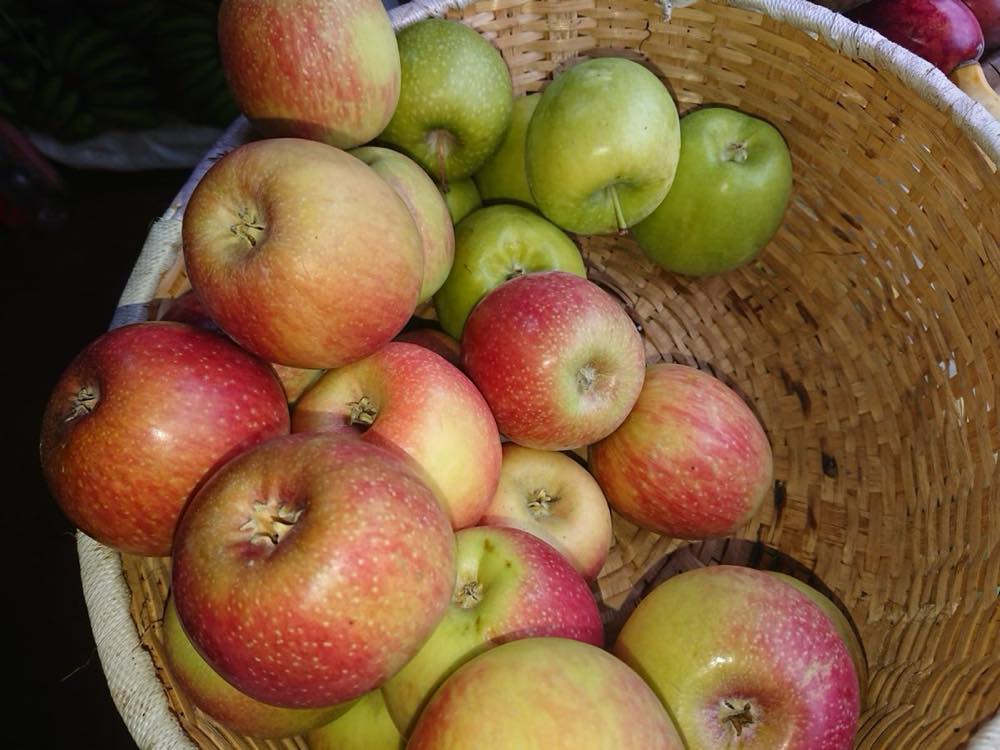 Multi-graftedIn this year's order
Not in the current wholesale fruit tree program. Add it to your wishlist or a future wholesale preorder.
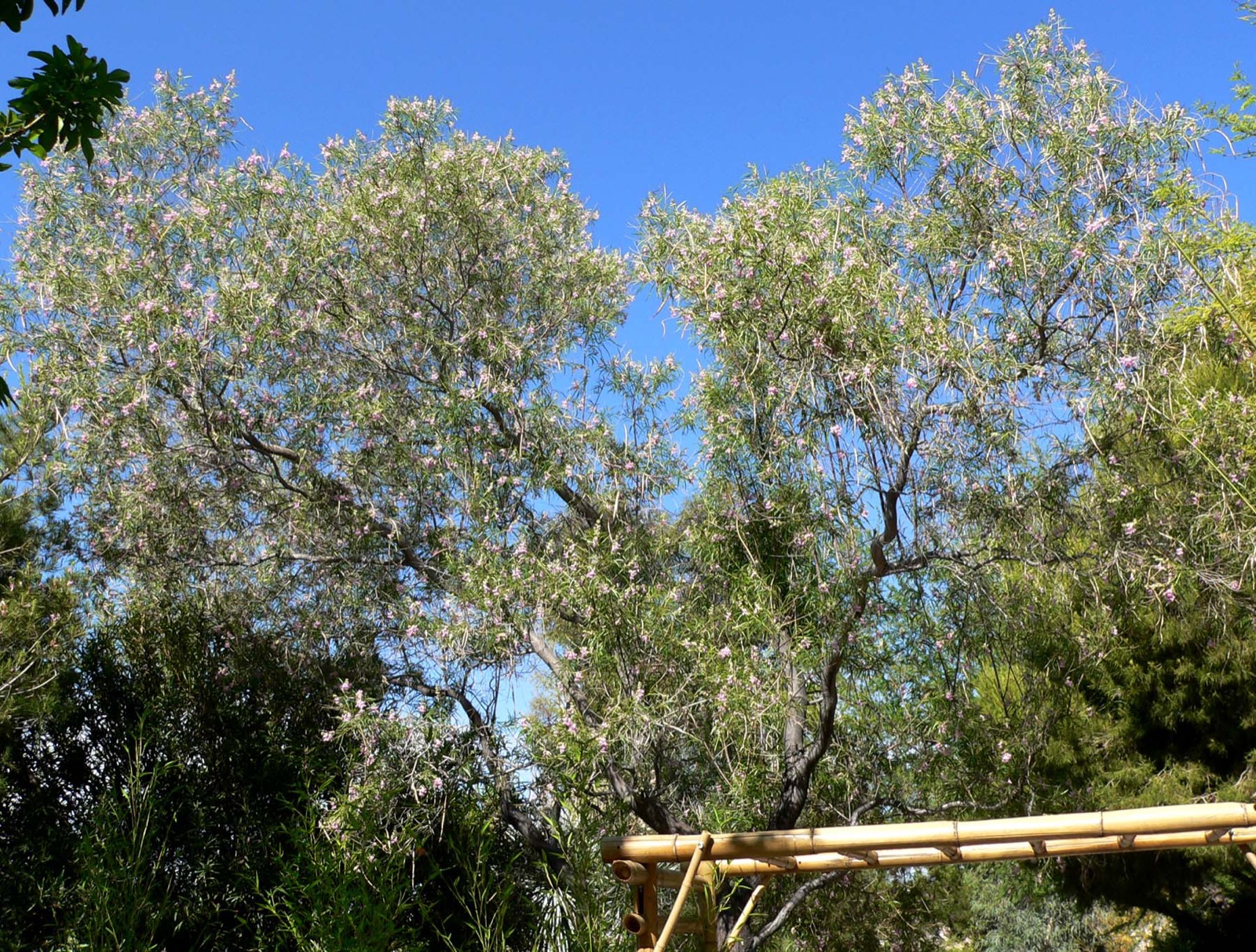 Desert willowChilopsis linearis
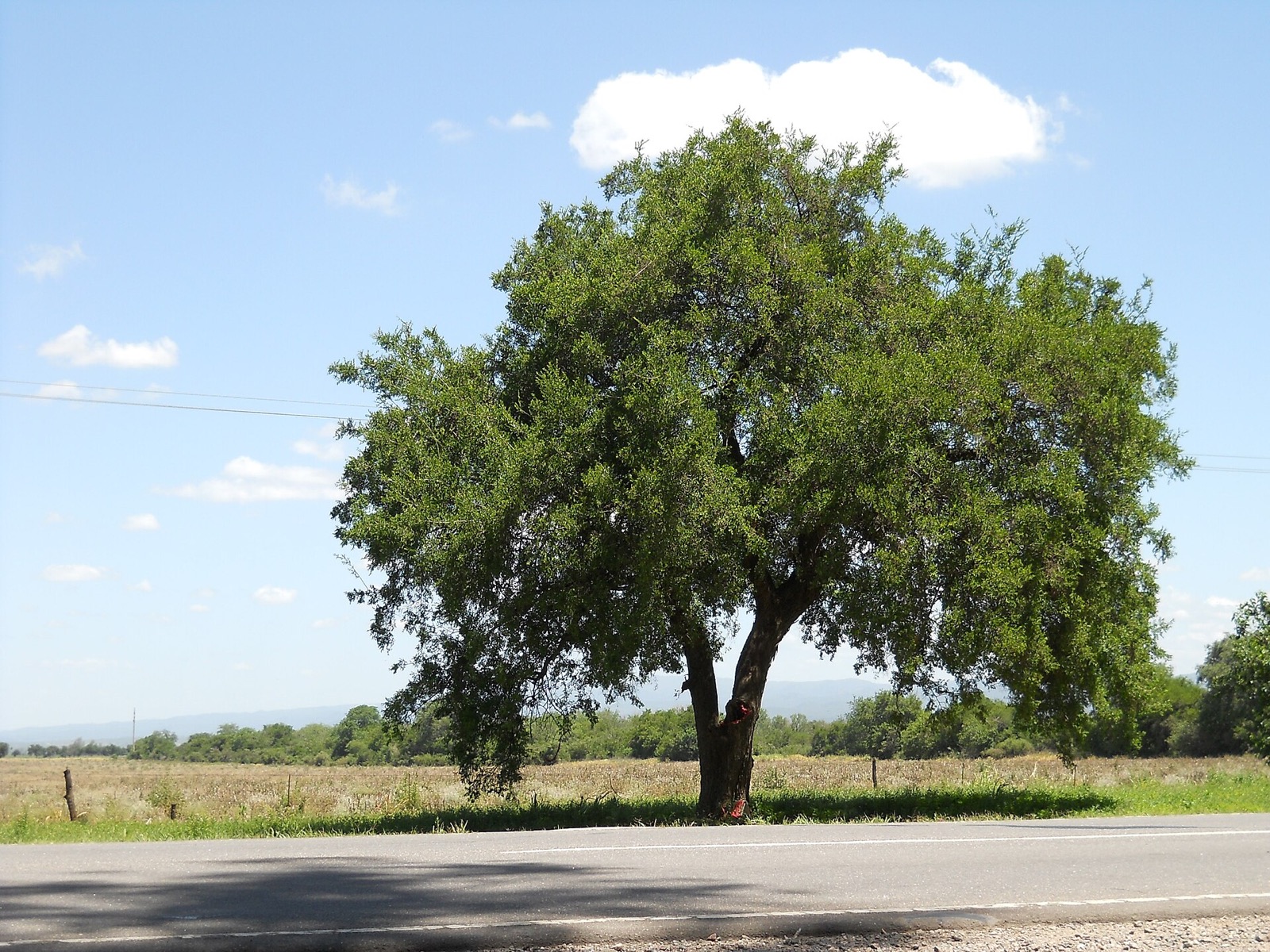 Desert hackberryCeltis pallida
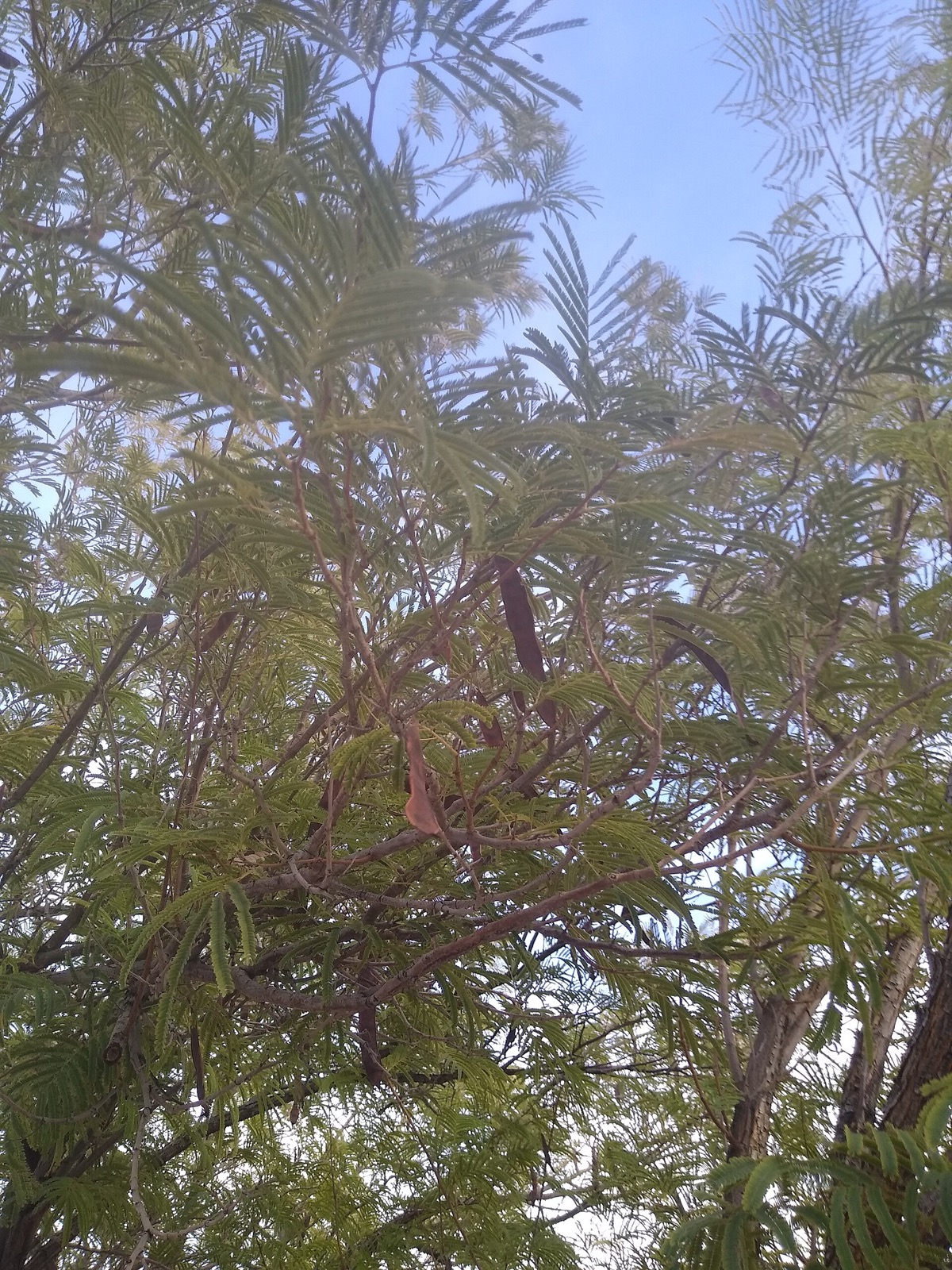 Desert fernLysiloma watsonii
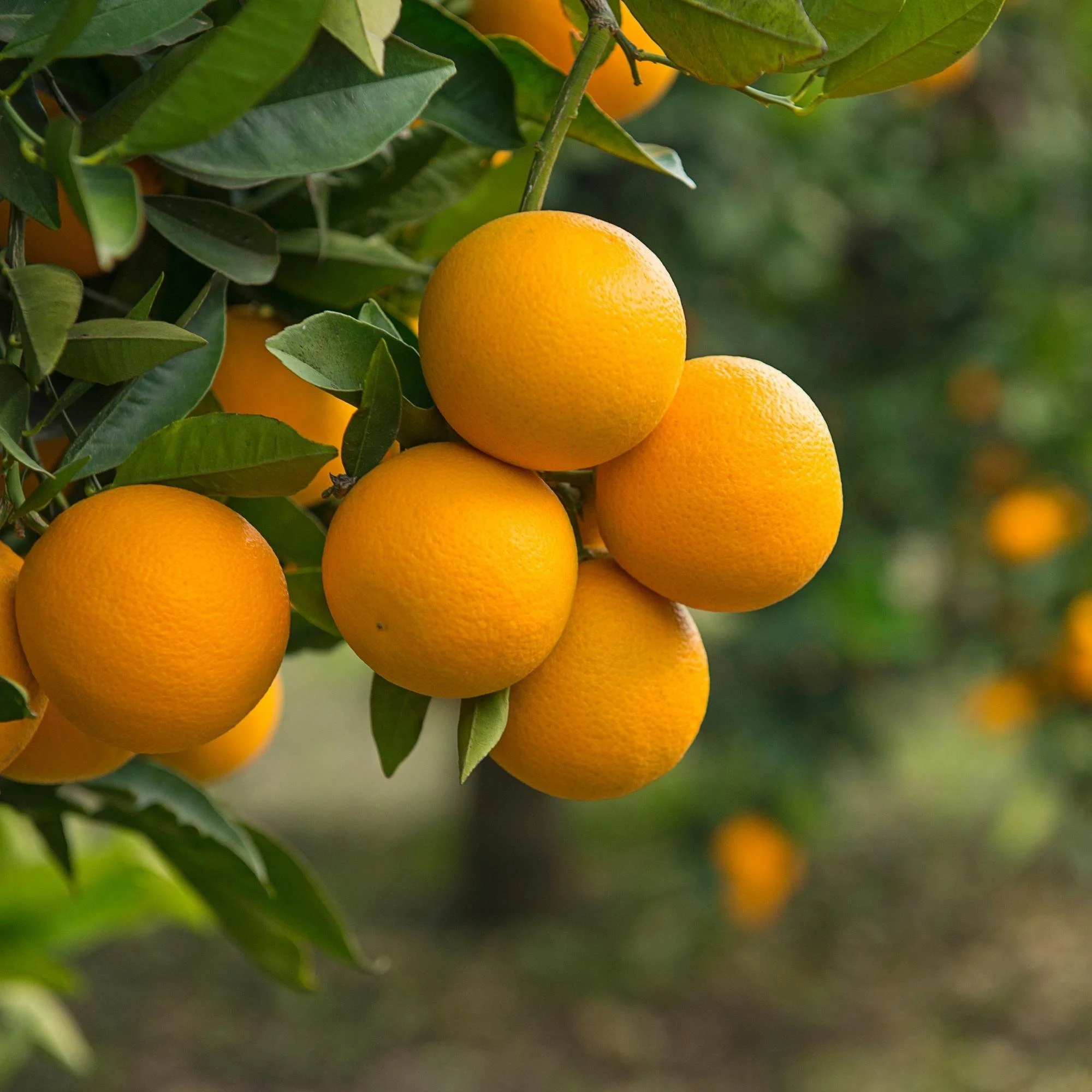 Diller Arizona sweet orangeCitrus sinensis ‘Diller’