
Mulberries · Dave Wilson Nursery
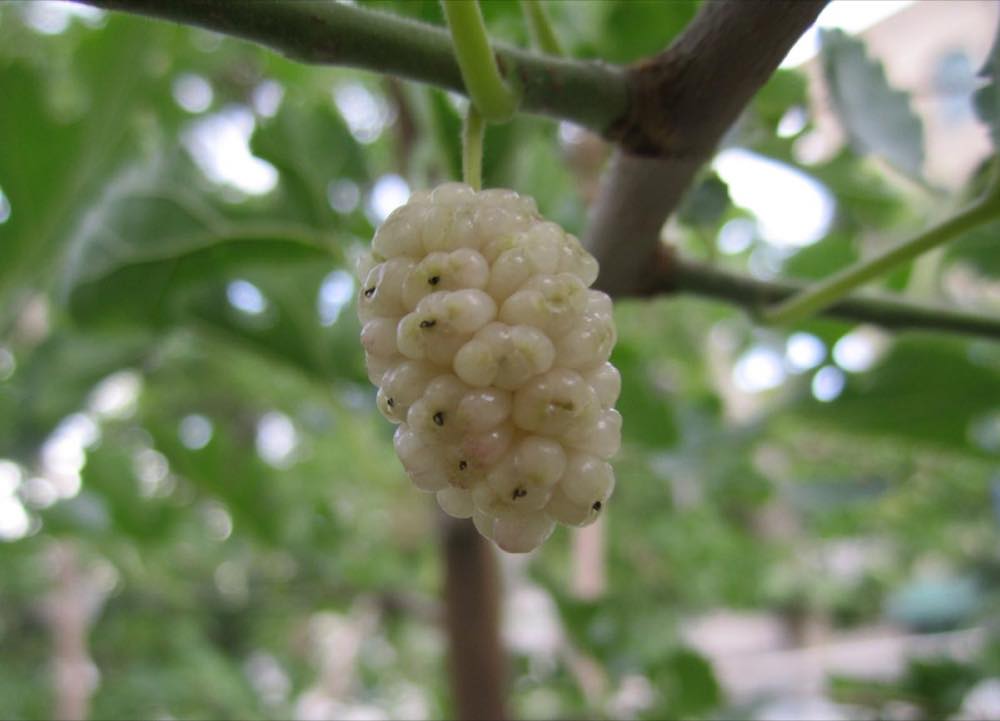
White Mulberry
Sweet white fruit shaped like blackberries on a big, drought-tolerant tree that grows larger and faster with irrigation. It is a fruiting tree, not one of the fruitless shade mulberries, so expect fruit drop and bird visits. Fits the low desert and warmer parts of mid elevation, and needs lots of room.
- Chill hours
- Under 200 hours
- Harvest
- April to June in the low desert; June to July at elevation
- Pollination
- Self-fruitful
- Mature size
- 20–60 ft unpruned (grows bigger with irrigation); easy to hold at 12–15 ft
Which one
Every mulberrie side by side
Same fruit, different seasons and different jobs. Pick the row that fits your ground and your calendar.
| Sweet white fruit shaped like blackberries on a big, drought-tolerant tree that grows larger and faster with irrigation. It is a fruiting tree, not one of the fruitless shade mulberries, so expect fruit drop and bird visits. Fits the low desert and warmer parts of mid elevation, and needs lots of room. | Large, glossy, deep purple-black berries with a rich, sweet-tart flavor like a good blackberry. It grows as a tree or a big shrub, fruits young and handles low desert heat easily. The fruit stains whatever is under the tree and birds love it, so plant it away from walkways, patios and parked cars. | A selection of Pakistan with very sweet fruit that can reach 5 inches long, bearing heavily once it gets going. It is a low desert tree, since cold snaps below the low 20s can damage it and the nursery says it may not be reliably hardy in colder climates. Fruiting types drop fruit onto paths and patios, so site it with that in mind. | A bush-form mulberry that keeps making sweet blackberry-like fruit through spring and early summer, and stays small enough for a big pot or a tight yard. Light pruning keeps it compact. It does well in the low desert and in mid elevation, but the juice stains, so pick over a tarp and not over concrete. | The hardy mulberry, with sweet, mild, very small-seeded black fruit that keeps coming through the summer, and young trees fruit quickly. Hardy to well below zero, it also suits mid elevation and high country, where it blooms late and escapes most spring frosts, as well as the low desert. Fruit stains and birds love it, so plant it away from walkways. | Long, firm, sweet red-to-black berries up to 3 inches, and the juice does not stain the way most mulberries do. It makes a large, vigorous, disease-resistant tree with a month-long harvest in late spring. A reliable low desert fruit tree, though tender wood can freeze in the low teens, so it is not a mid elevation pick. | A white-fruited cousin of Pakistan, with long, sweet, pale fruit and juice that does not stain. It makes a fast, big shade tree that fruits heavily in spring, with a milder, sweeter flavor than the dark types. Plant it in the low desert and keep it away from patios. | Another listing of the Pakistan mulberry, here as a potted tree: long, firm, sweet red-to-black fruit that does not stain like most mulberries. It is a big, vigorous, heat-loving tree that suits the low desert. Summer pruning keeps it to a size you can pick from. | A fast, heat-loving weeping mulberry that gives umbrella-like shade and blackberry-like fruit at the same time. Unlike the fruitless shade mulberries, this one fruits, so berries drop and stain and birds come. A good low desert shade tree for a spot away from the pool and patio. | |
|---|---|---|---|---|---|---|---|---|---|
| Harvest | April to June in the low desert; June to July at elevation | April to June in the low desert; June to July at elevation | May to June in the low desert; heaviest in June | April to June in the low desert; June to August at elevation | April to June in the low desert; June to August at elevation | April to June in the low desert | April to June in the low desert | April to June in the low desert | April to June in the low desert |
| Chill hours | Under 200 hours | 200 hours or less | 200 hours | Under 200 hours | Under 300 hours | Under 200 hours | 200 hours or less | Under 200 hours | Under 200 hours |
| Pollination | Self-fruitful | Self-fruitful | Self-fruitful | Self-fruitful | Self-fruitful | Self-fruitful | Self-fruitful | Self-fruitful | Self-fruitful |
| Mature size | 20–60 ft unpruned (grows bigger with irrigation); easy to hold at 12–15 ft | 20–30 ft unpruned (tree or large shrub); easy to hold at 10–12 ft | 30–40 ft unpruned (fast, vigorous); easy to hold at 10–12 ft | 10–20 ft in the ground, far less in a pot; easy to hold at 6–8 ft | 25–30 ft unpruned (fast, vigorous); easy to hold at 10–12 ft | 30–40 ft unpruned (fast, vigorous); easy to hold at 10–12 ft | 30–40 ft unpruned (fast, vigorous); easy to hold at 10–12 ft | 30–40 ft unpruned (fast, vigorous); easy to hold at 10–12 ft | About 20 ft tall and wide; easy to hold at 10–12 ft |
| From | $42 | $39 | $54 | $20 | $21 | $45 | $39 | $21 | $39 |
Where this tree sits
Mulberries sit in the lower canopy layer.
Lower canopy
Fruit trees kept below the tall ones. Most of this year's program lives here, held to eight or ten feet by summer pruning.
Other options in the lower canopy layer
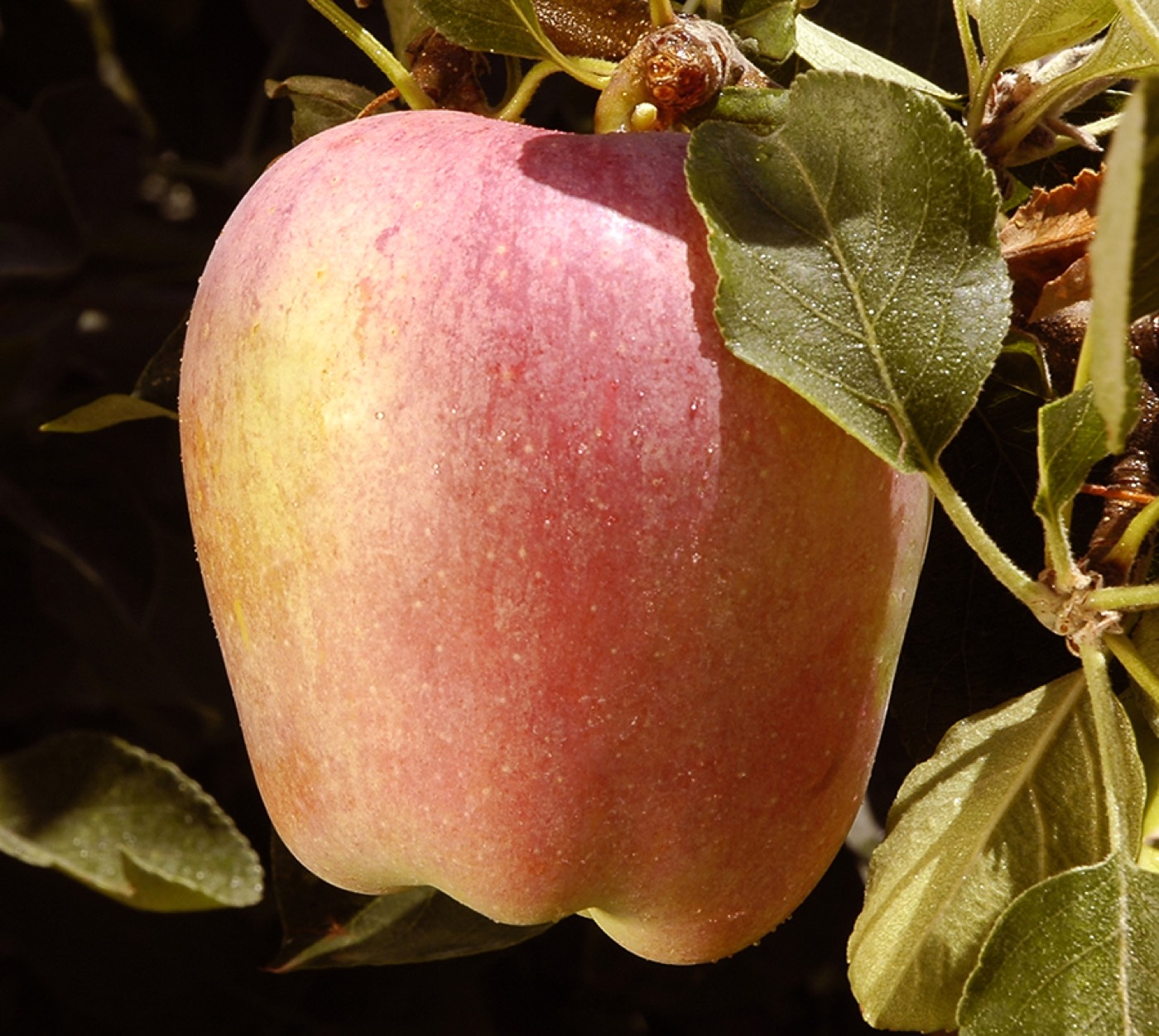 ApplesIn this year's order
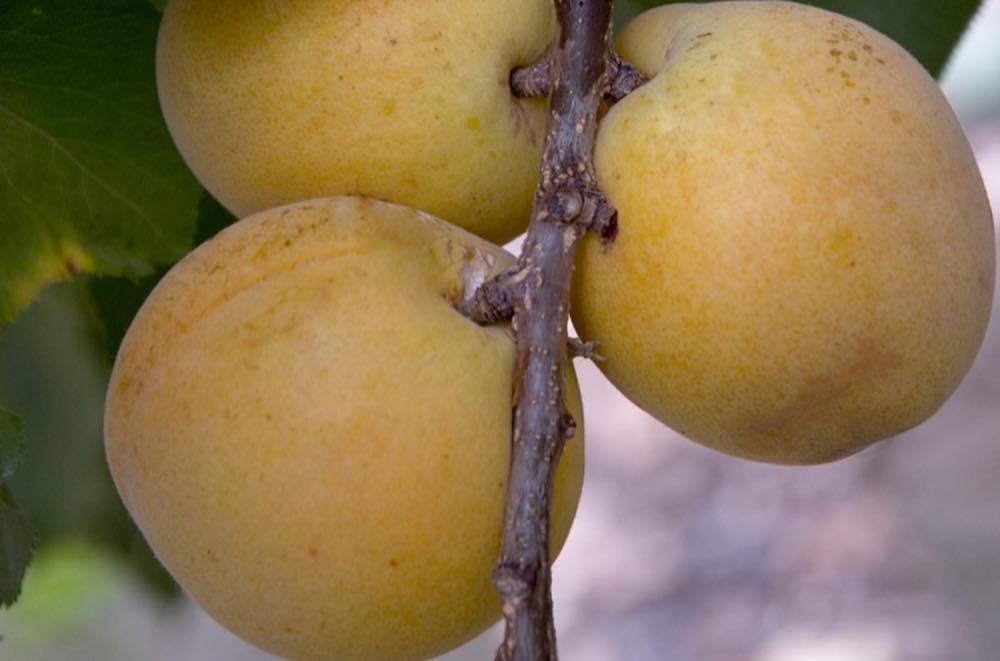 ApricotsIn this year's order
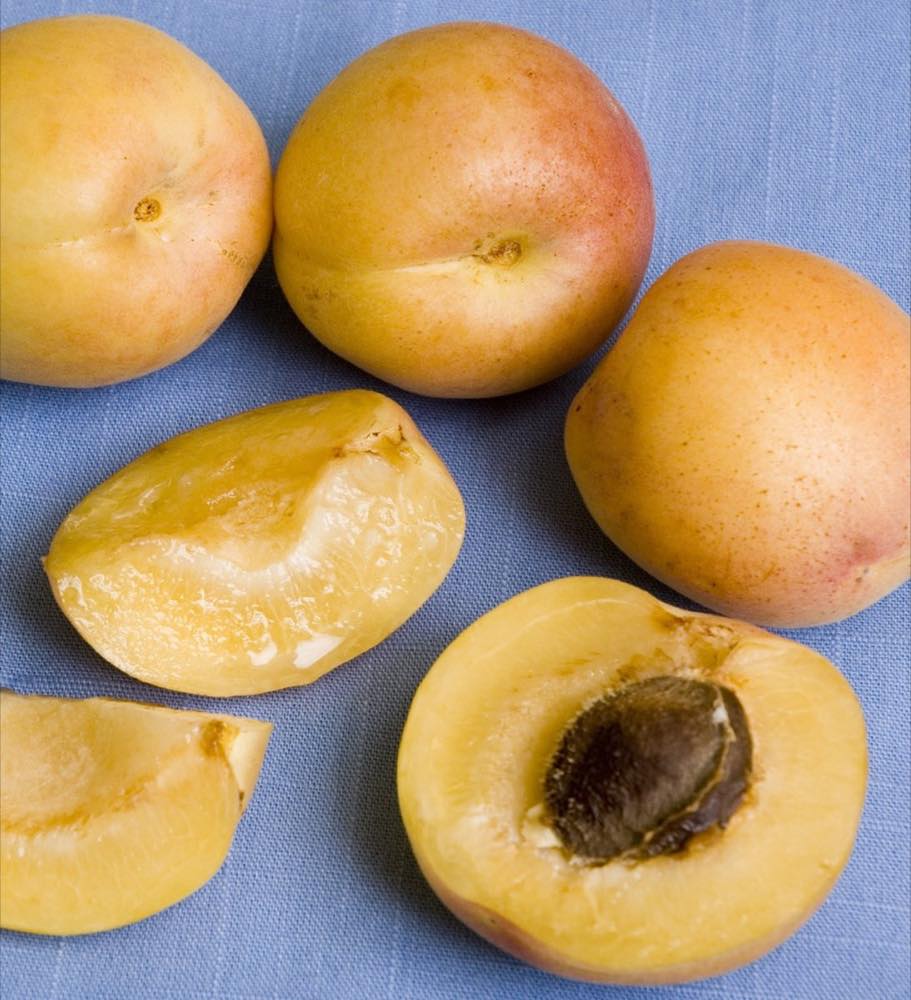 ApriumsIn this year's order
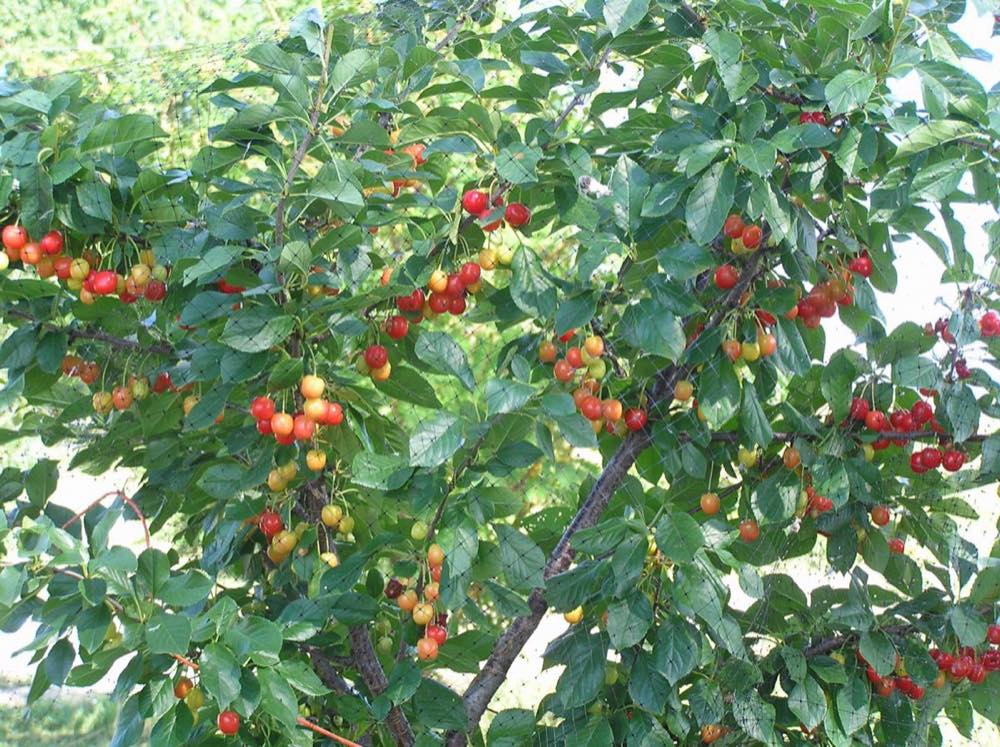 CherriesIn this year's order
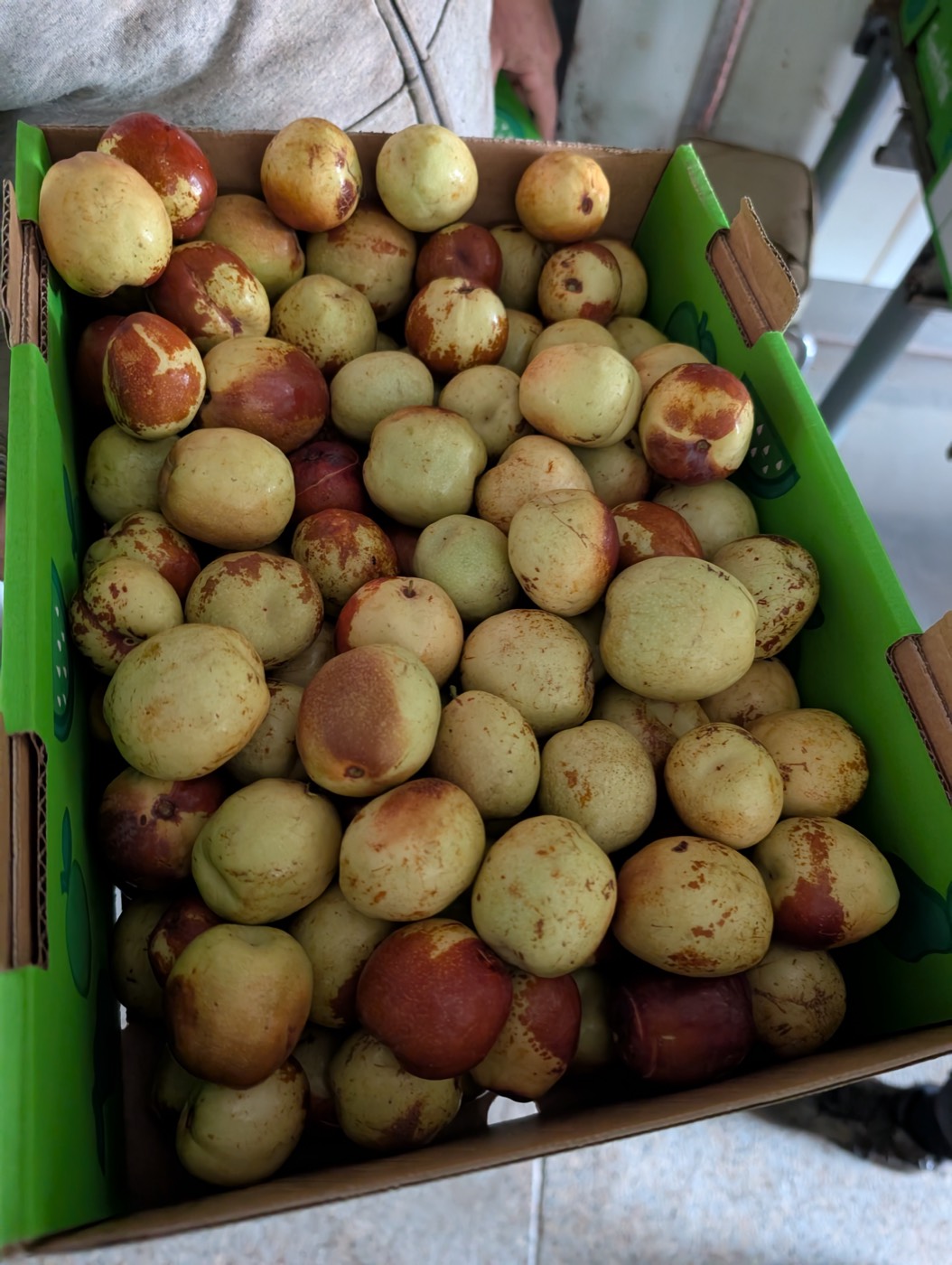 JujubesIn this year's order
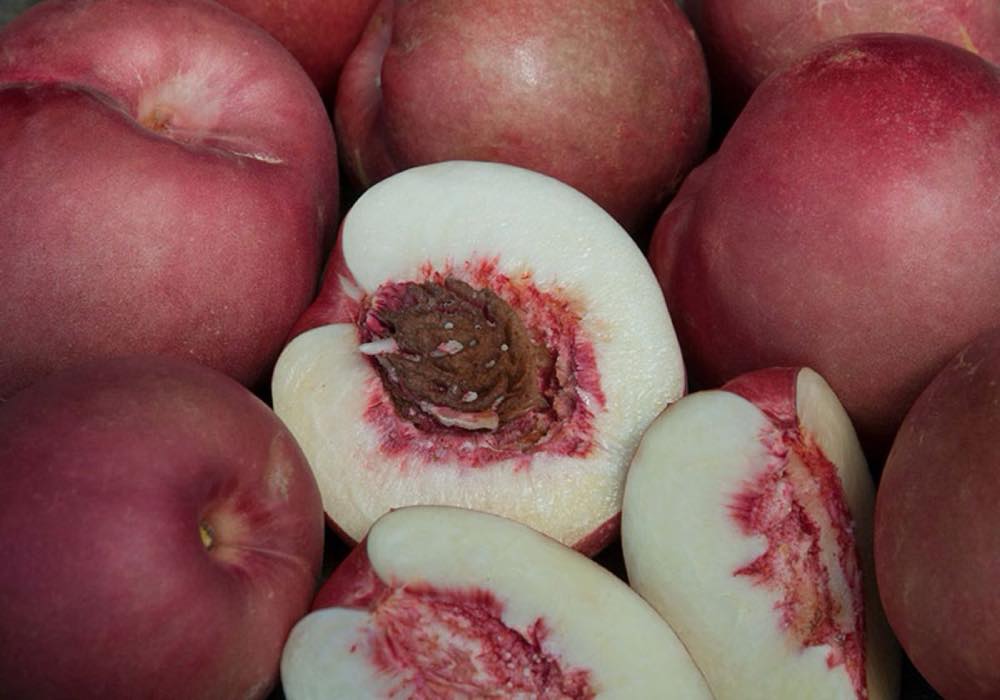 Pluots & interspecificsIn this year's order
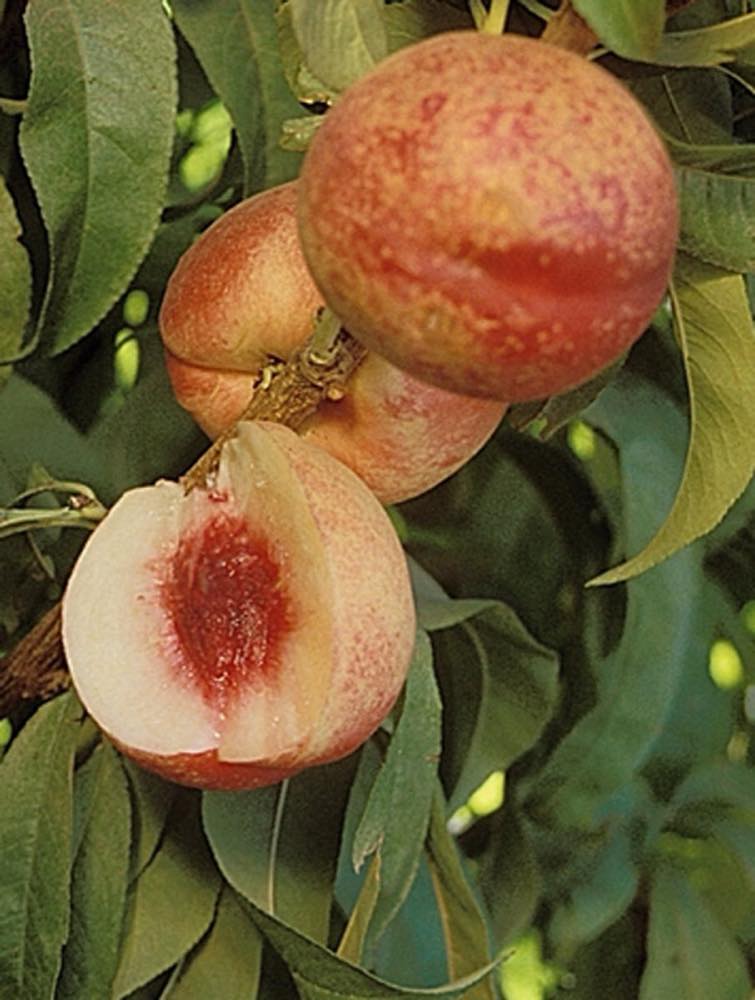 NectarinesIn this year's order
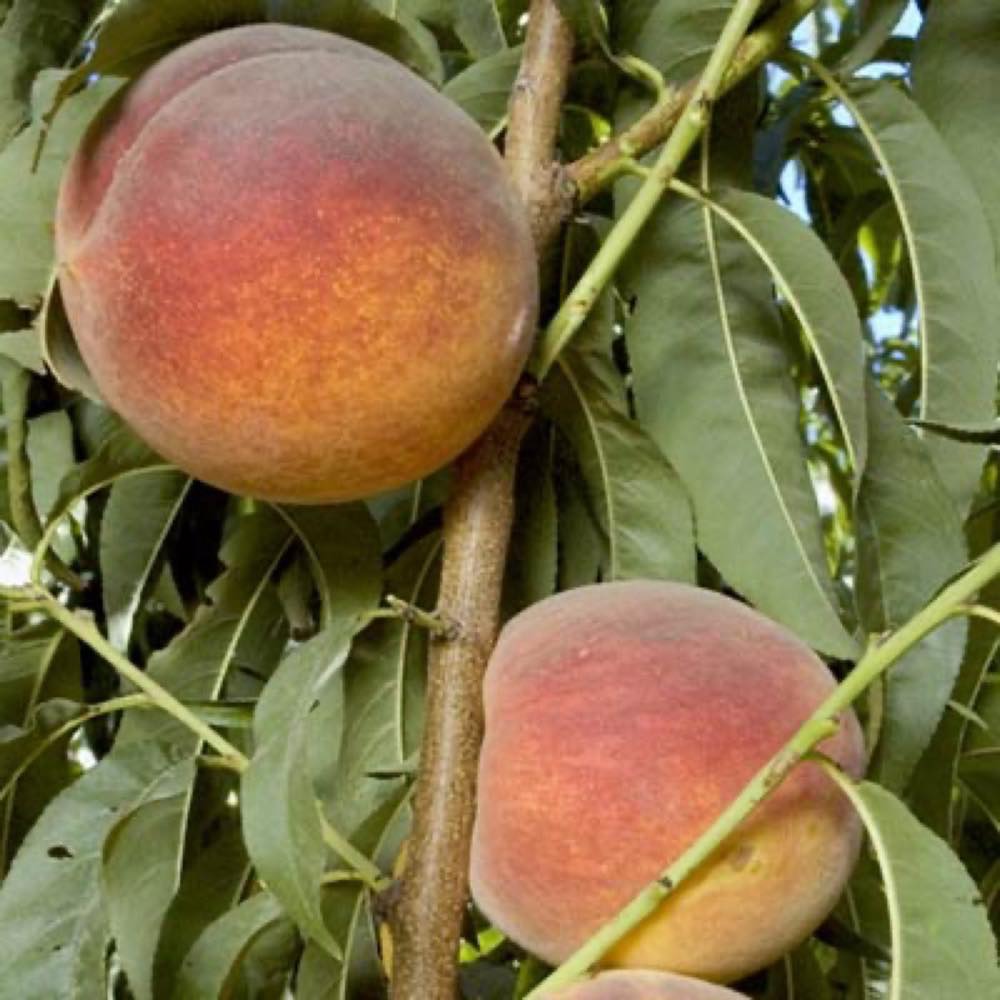 PeachesIn this year's order
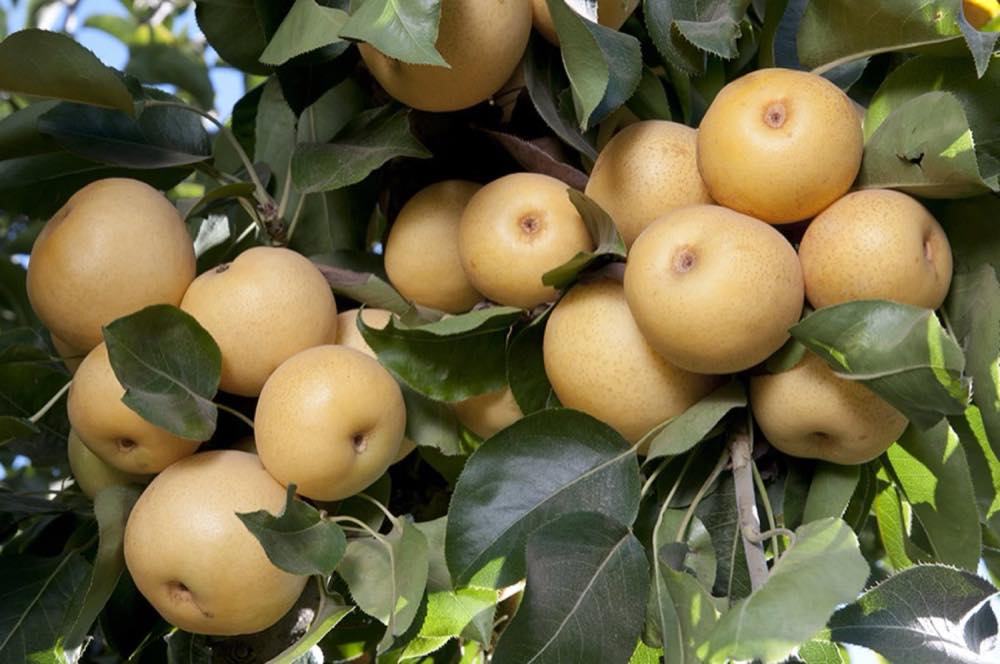 Asian pearsIn this year's order
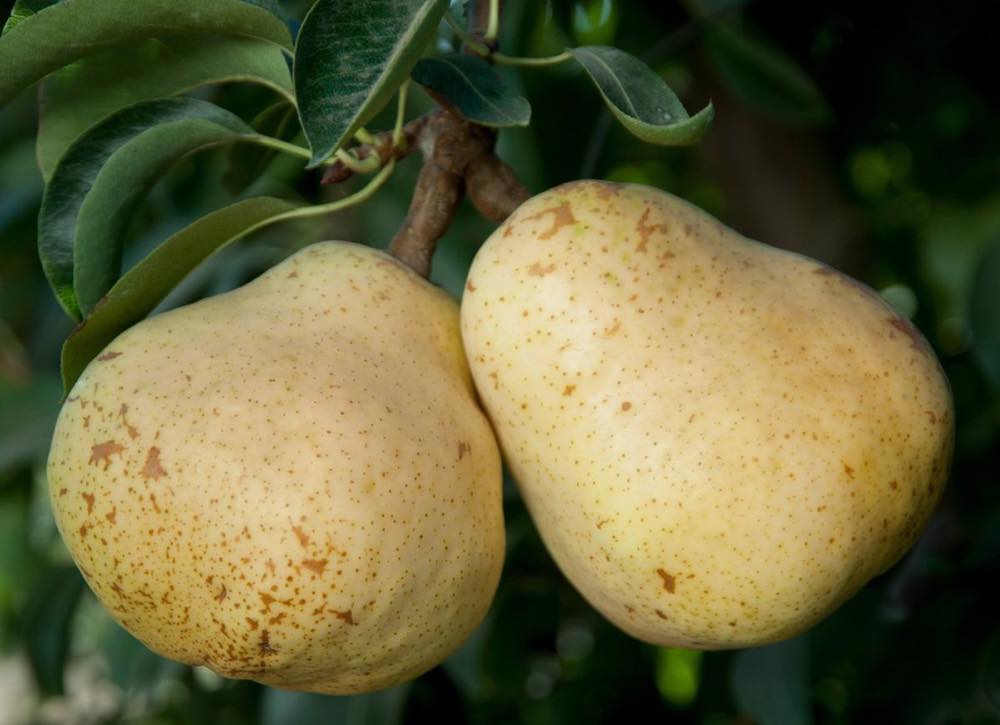 PearsIn this year's order
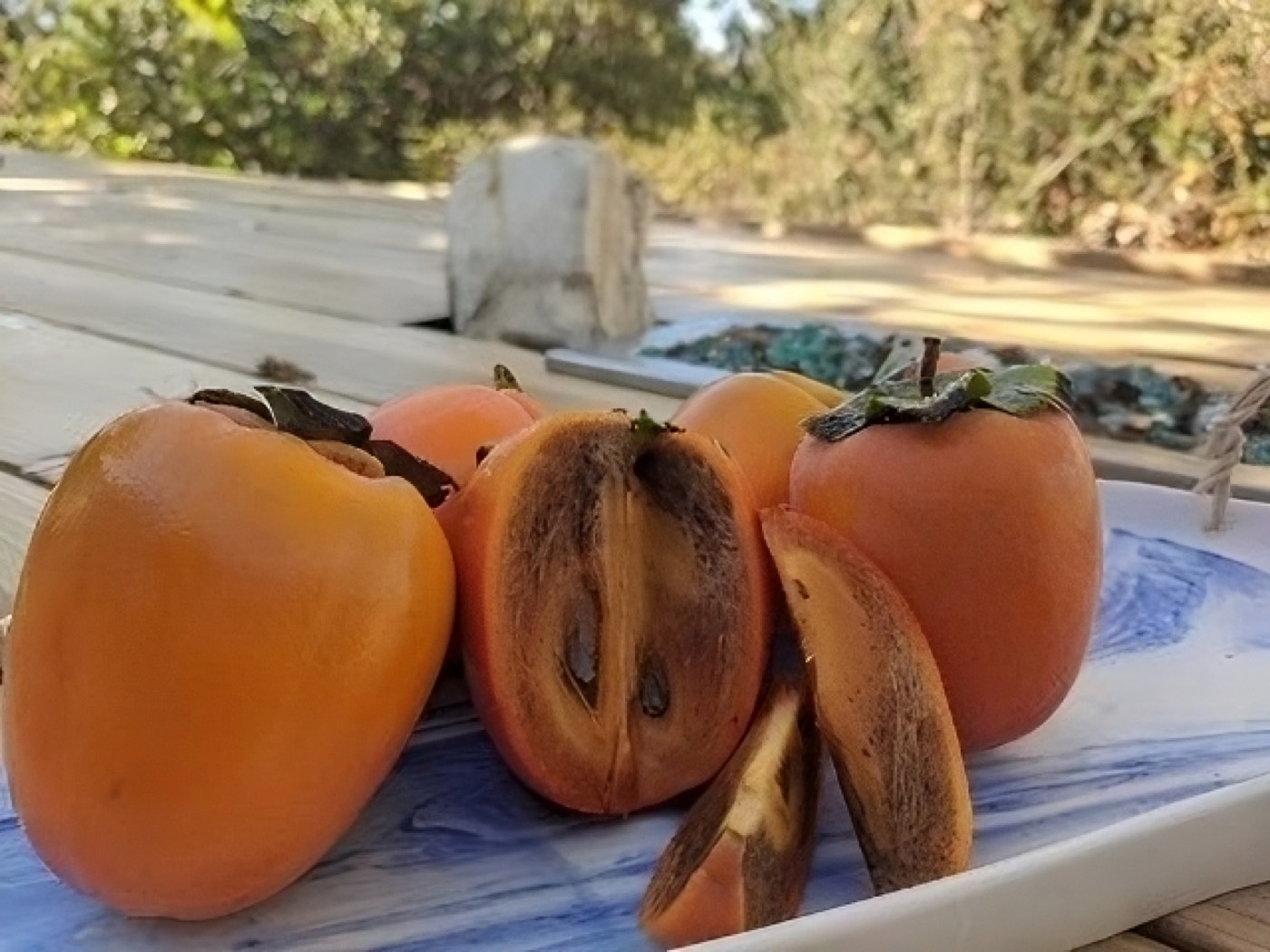 PersimmonsIn this year's order
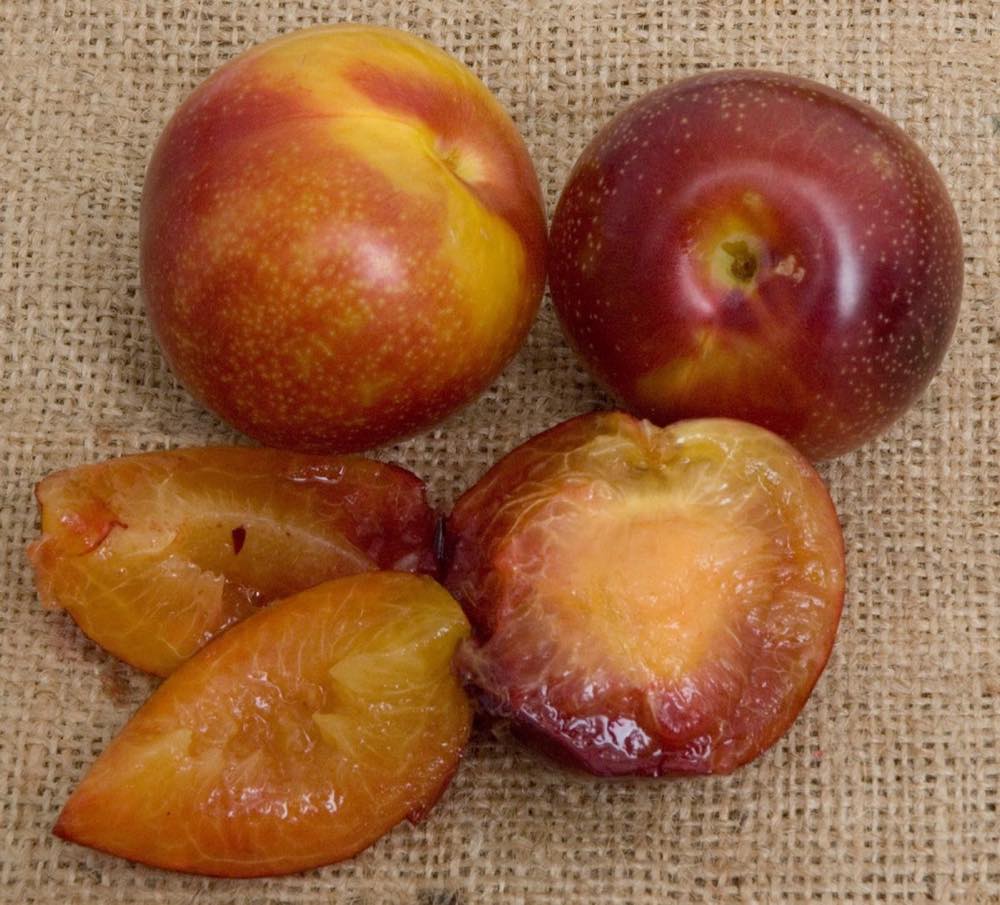 PlumsIn this year's order
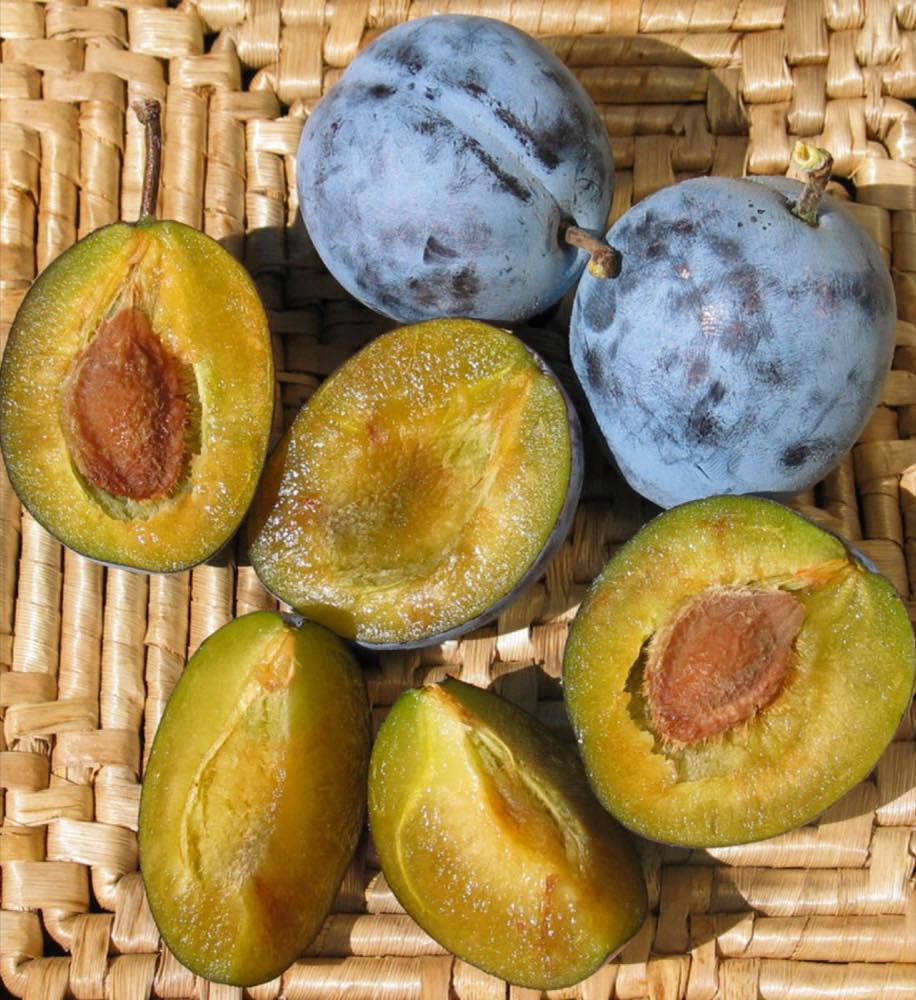 PrunesIn this year's order
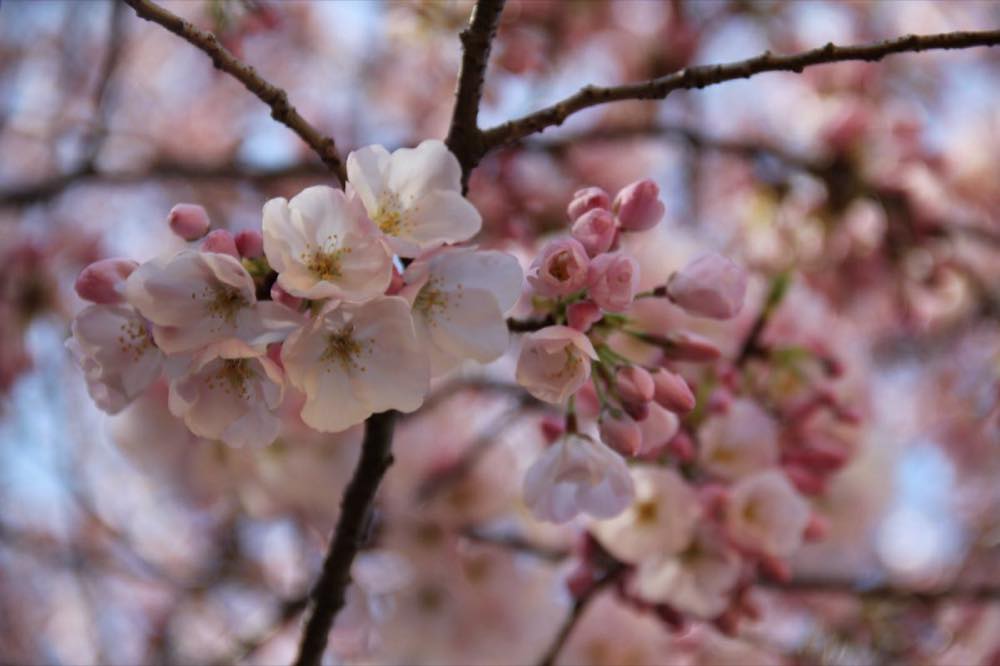 Flowering treesIn this year's order
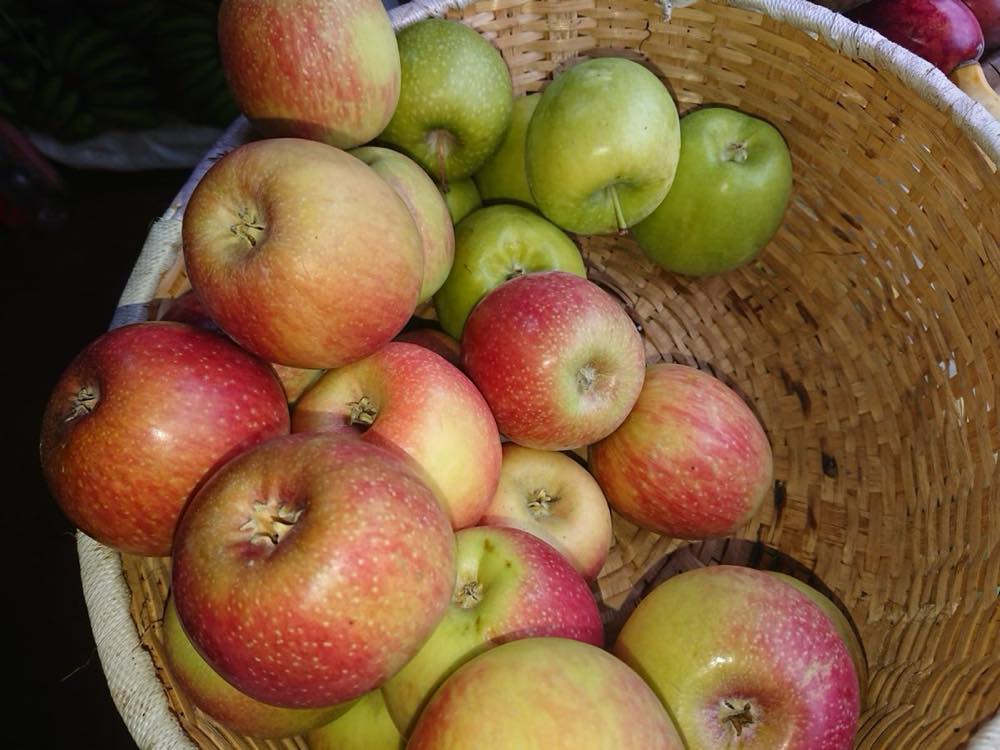 Multi-graftedIn this year's order
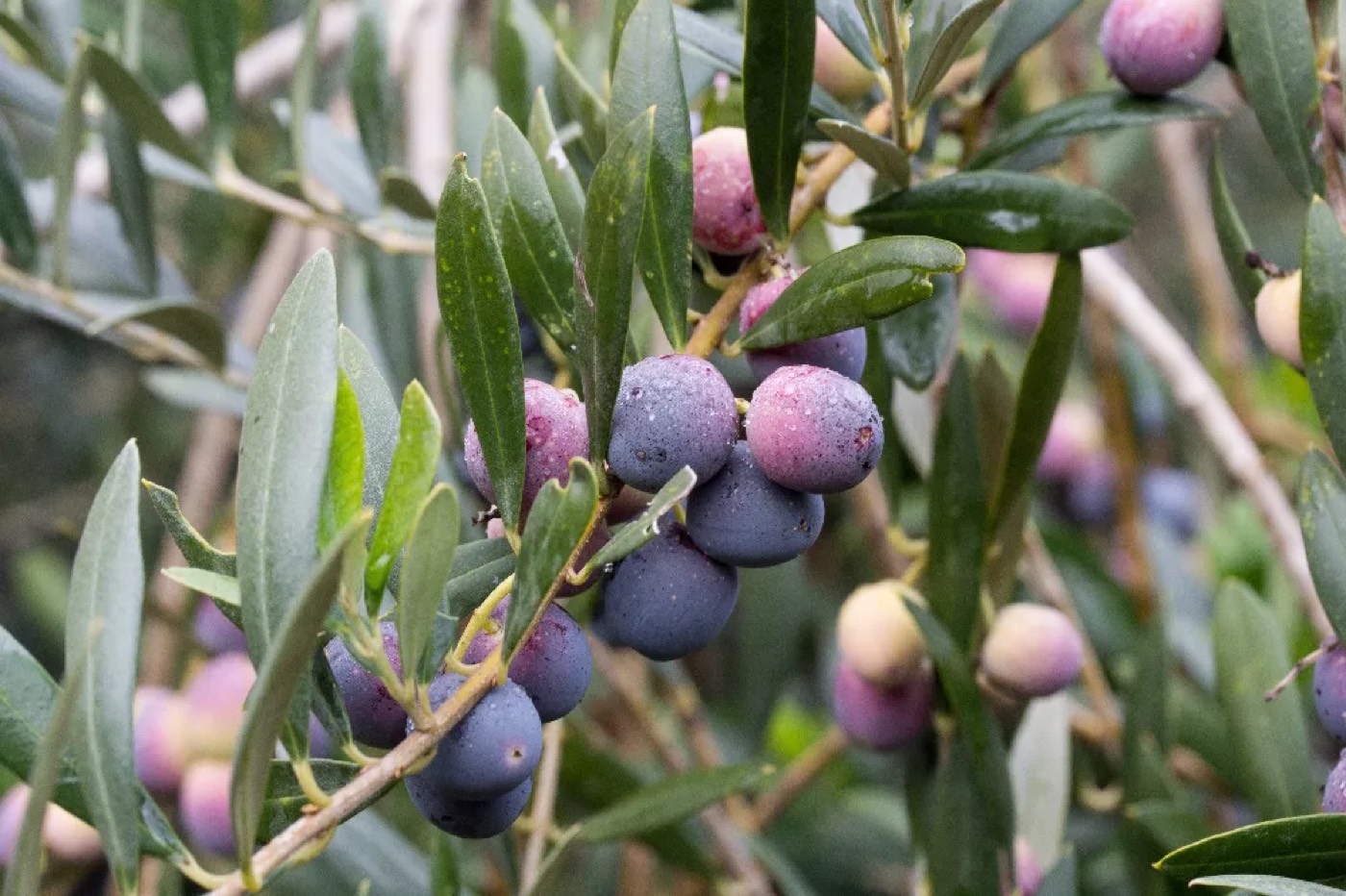 OlivesIn this year's order
Not in the current wholesale fruit tree program. Add it to your wishlist or a future wholesale preorder.
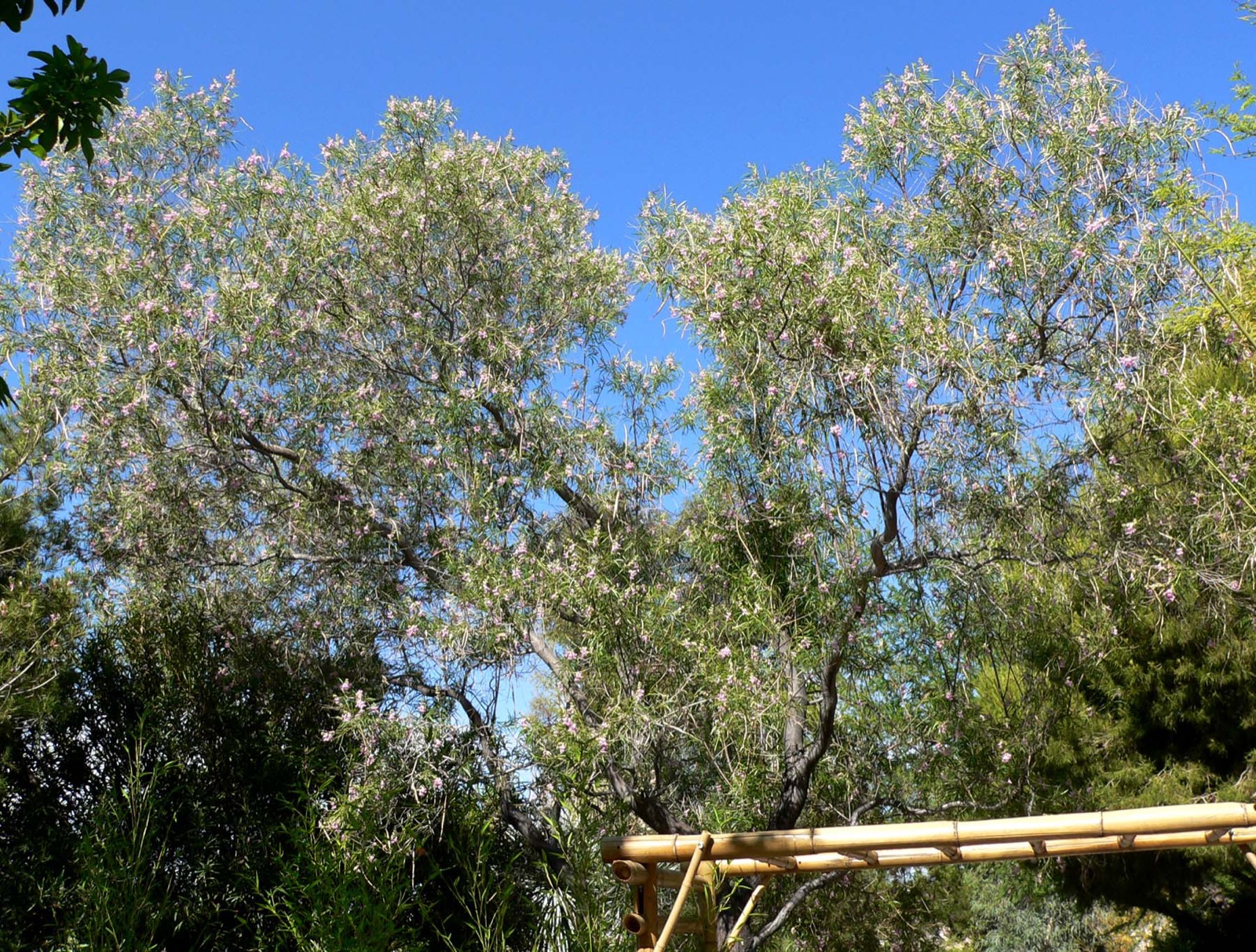 Desert willowChilopsis linearis
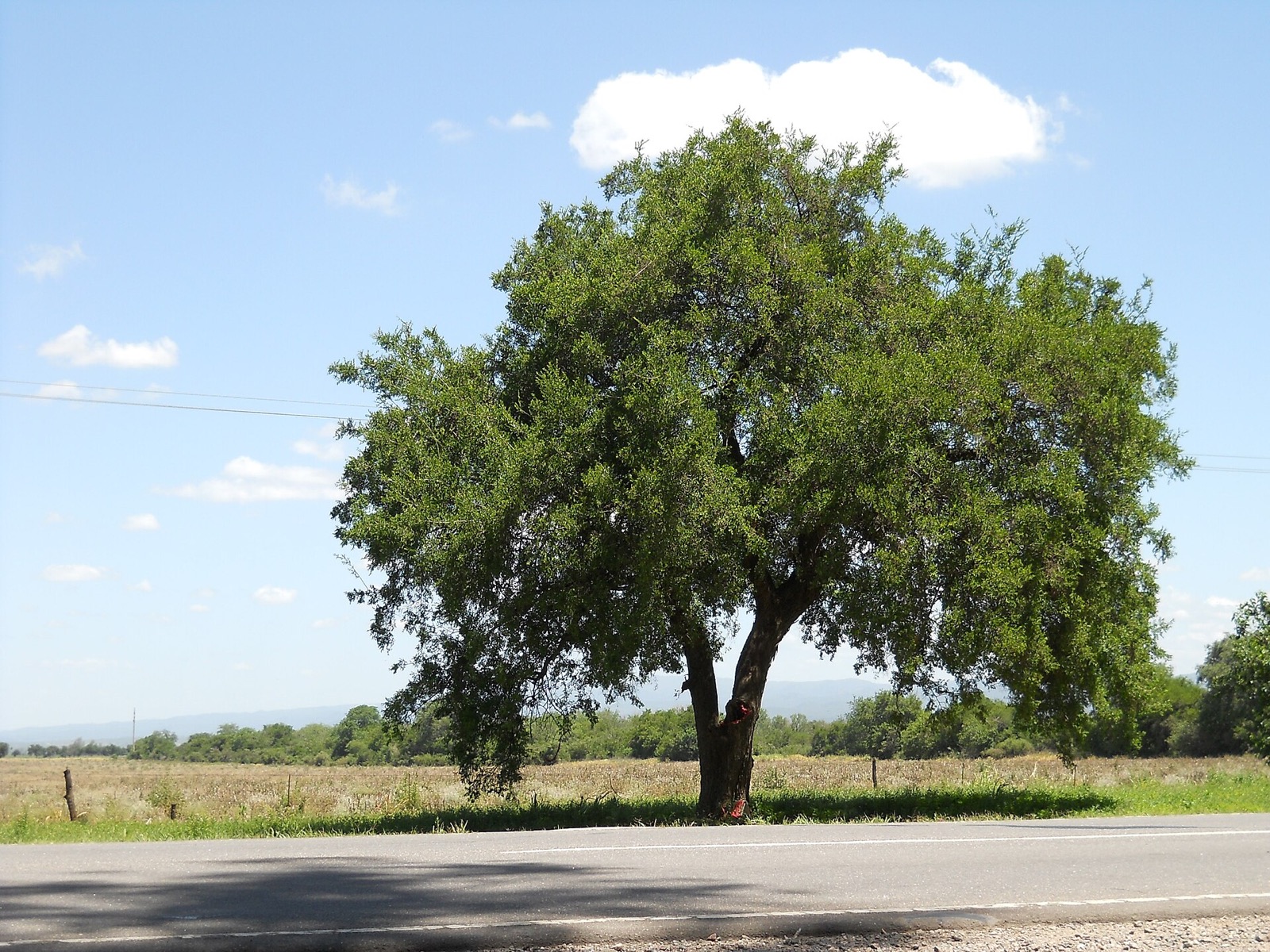 Desert hackberryCeltis pallida
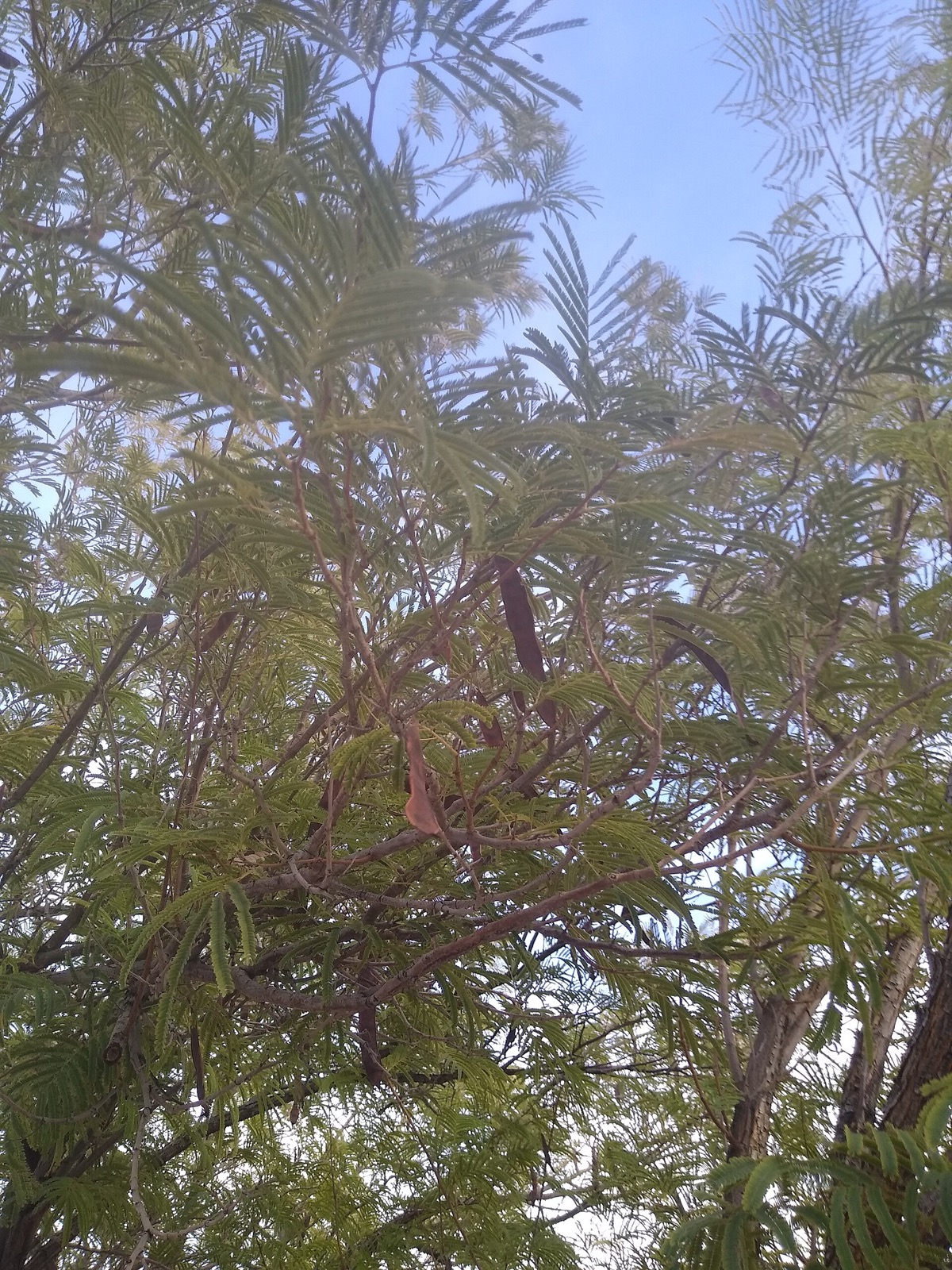 Desert fernLysiloma watsonii
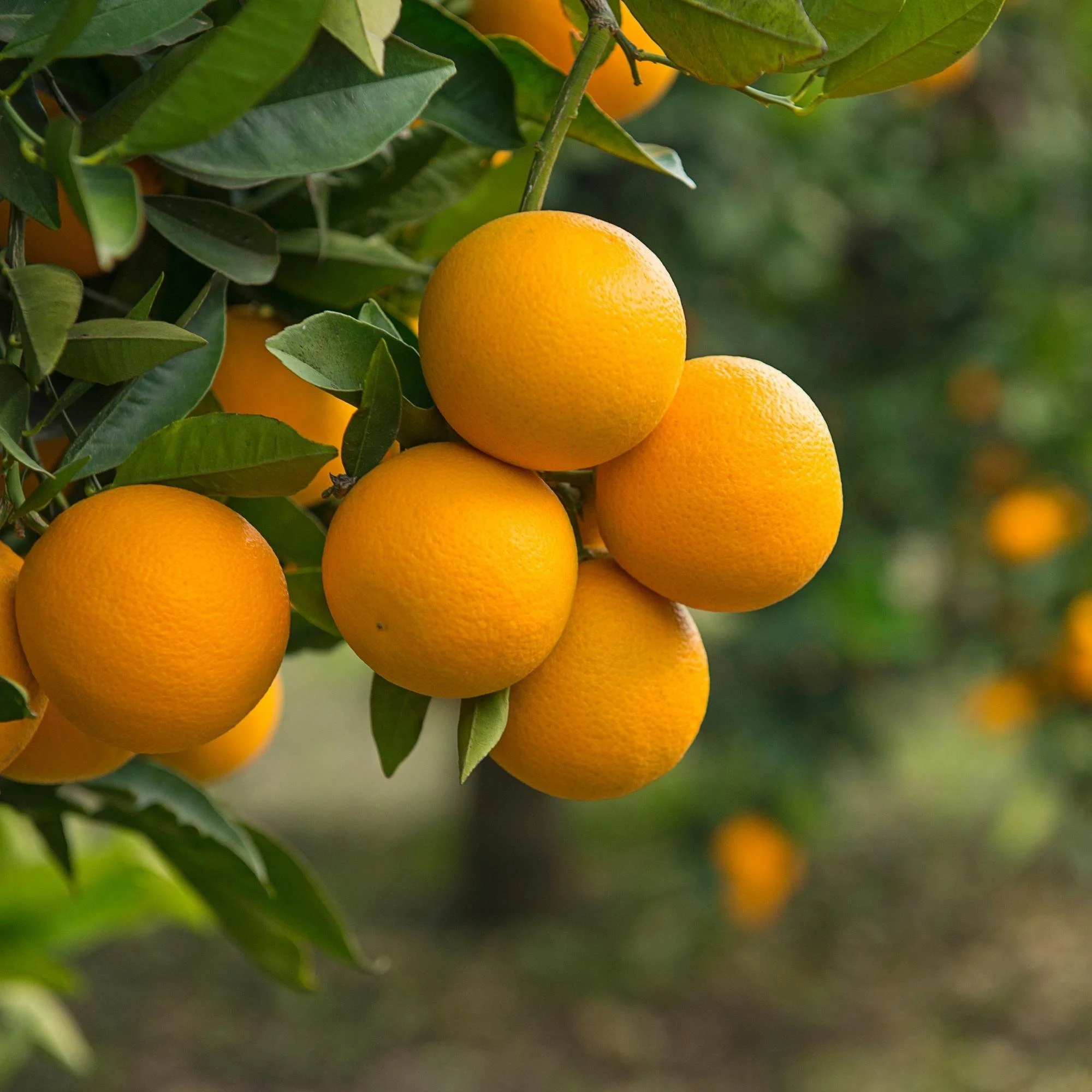 Diller Arizona sweet orangeCitrus sinensis ‘Diller’