
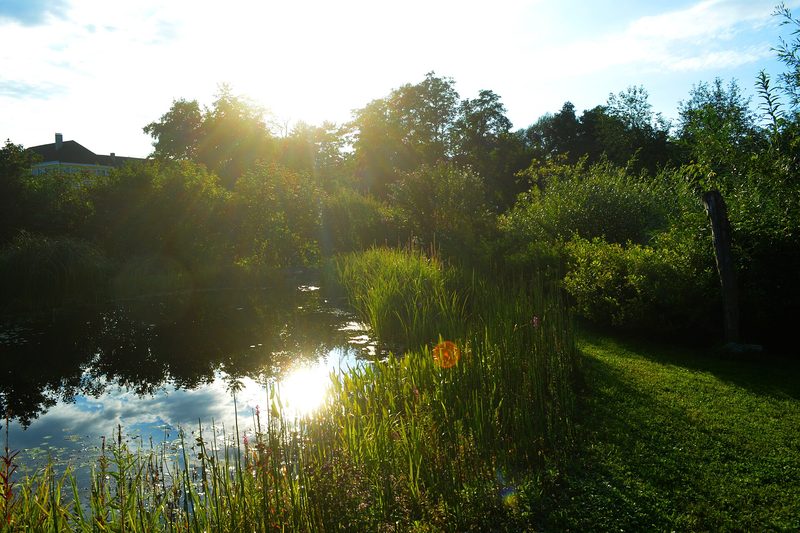
Natural swimming pools in Arizona
How a natural pool stays clean
Two ways to build the cleaning area
A planted regeneration zone A shallow, planted area beside the swim area, like a water garden. It needs roughly as much surface as the part you swim in, so a 500 square foot pool wants about 500 square feet of plants. It’s the most beautiful option, and the one that brings birds and dragonflies. A biofilm filter A compact filter box packed with material for biofilm to grow on, tucked away with the equipment. A filter about 40 square feet in size can serve a pool of around 500 square feet. It’s usually the lowest-cost way to go natural, and it fits small yards. Both together A small planted area for looks and habitat, with a biofilm filter doing most of the work. Good when you want plants but don’t have room for a full regeneration zone.
Converting the pool you have
A site visit and planning. The builder looks at your pool, equipment and yard, then puts together a conversion plan and a budget. Choose the cleaning area: a biofilm filter, a planted zone, or both, based on your space and how you want it to look. Change the plumbing so water flows gently through the new cleaning area and back. Take out the chemical systems: chlorinator, salt cell and the rest. Refill and let the biology settle in. The water is tested first, since city water can bring nutrients that feed a short algae bloom early on. Plant the regeneration zone, if you have one, and enjoy it.
Building a new natural pool
Natural pools in the Arizona heat
Warmer water The shallow cleaning area works like a solar heater, so natural pools often run warmer than regular ones. That’s great in spring and fall. Summer heat In July, shade and a solar setup that cools the water at night keep it comfortable. Plan shade over the regeneration zone and part of the pool. Evaporation Every Arizona pool loses water to the sun. Shade, wind breaks and a well-placed planted zone help, and an autofill keeps the level steady. Dust and leaves A fine net over the planted zone during leaf drop and dust storms keeps extra nutrients out of the water. Monsoon rain Keep yard runoff from flowing into the pool. It carries soil and nutrients. Grade the deck to drain away and send that water to your trees instead. Lower power bills The slow, open-air filter needs a much smaller pump than a pressurized system, and it can run on solar.
What the upkeep looks like
Empty the skimmer and pump baskets now and then. Brush the walls and vacuum the floor. A robot cleaner helps. Flush or backwash the biofilm filter every 3 to 6 months. Trim the plants, pull the ones you don’t want and cut back for the season. Net out leaves before they sink. Expect a little harmless algae here and there, especially early on.
Chlorine, salt or natural
Chlorine The most common. Clear and familiar, but you test and add chemicals all year, and it can sting eyes and dry out skin and hair. Salt A salt cell turns salt into chlorine for you. Softer-feeling water and less handling of chemicals, but it’s still chlorine, and salt can wear on stone, plaster and nearby plants. Natural Living filtration instead of chemicals. Gentle on skin and eyes, safe for birds and pets, and less power to run. It looks and behaves more like a pond, which is the point.
Common questions
Will a natural pool attract mosquitoes?
Is the water as clear as a regular pool?
Can I convert my salt pool?
How much space do plants need?
Does it still need a pump?
Do I still need a pool fence?
Who builds them
Talk to both of us
“Permascaping transformed my front yard into a sustainable, beautiful oasis. … The team’s expertise and attention to detail were outstanding, creating a low-maintenance, eco-friendly landscape that I absolutely love. … Highly recommend Permascaping for anyone looking to elevate their outdoor space in Arizona!”
Keep going
Draw your pool in the planner Add your pool under Hardscapes and mark it chlorine, salt or natural. Open the planner →Catch your rain Send roof and deck water to your trees instead of the pool. Watershed planner →Shade it with food Fruit trees can shade the water and the deck. Pick ones that don’t drop much. Browse trees →