
Wholesale deciduous
Dwarf Everbearing mulberry
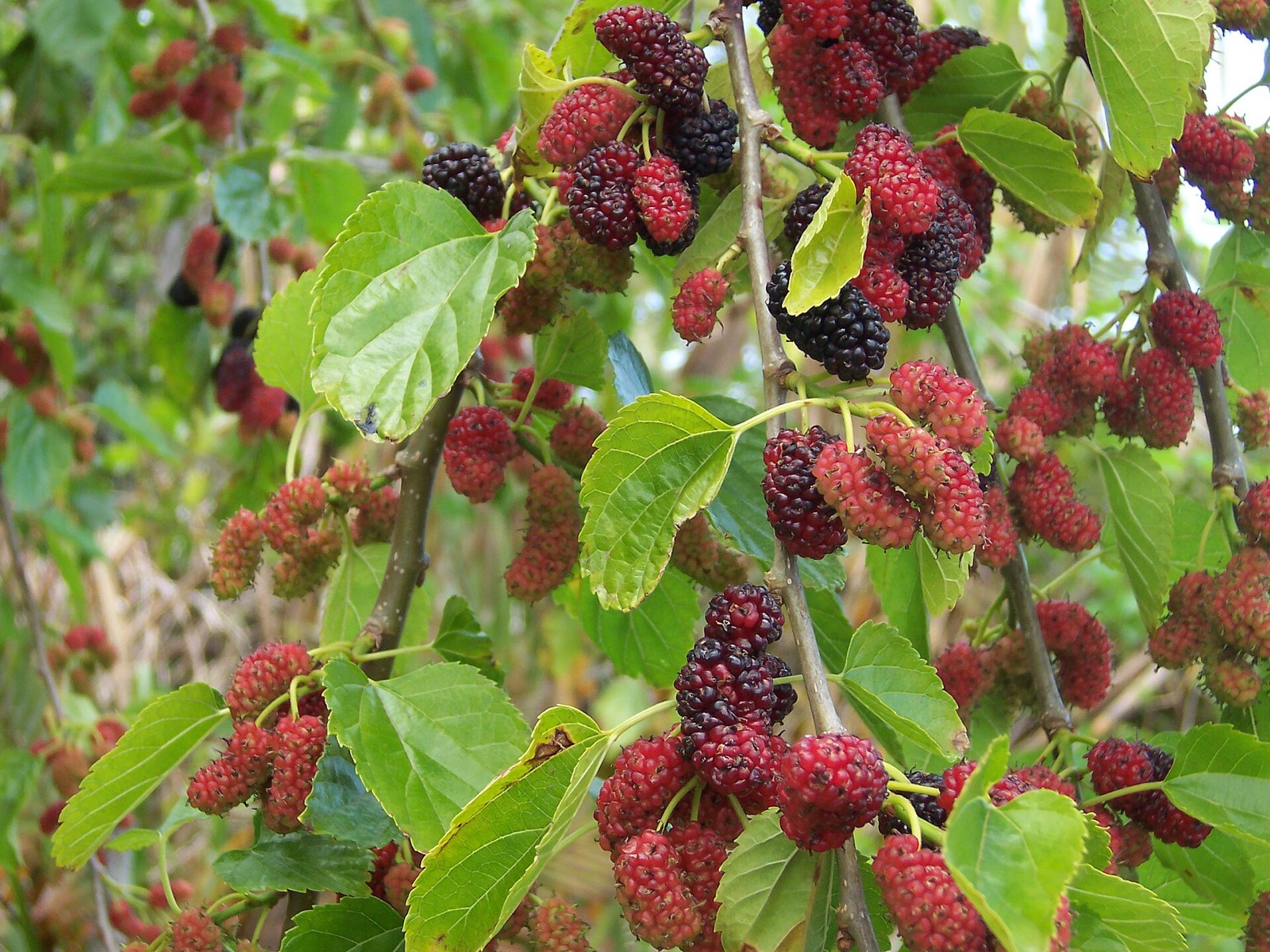
Morus alba ‘Dwarf Everbearing’A smaller fruiting mulberry with a long harvest window, useful where growers want berries without the full scale of a Pakistan mulberry.
Right plant, right place
Will Dwarf Everbearing mulberry grow at your Arizona property?
The low desert usually supplies roughly 300–400 chill hours, and in a warm winter less. Choose varieties needing 300 hours or fewer there; colder Arizona elevations can support higher-chill choices.
Best regional fit: Urban core · USDA 9b–10a, Valley suburbs · USDA 9a–9b, Desert outskirts · USDA 8b–9b, High desert · USDA 6a–8b.
Light
Sun exposure
Full sun with strong air circulation; protect young bark from western sun
Water
Irrigation
Deep irrigation through the root zone; frequency rises during establishment and fruit swell
Fruit set
Pollination
Self-fruitful
Harvest
How to use it
Fresh eating, freezing, and preserves
Planting & stewardship
How to help Dwarf Everbearing mulberry thrive
- 1
Choose a rootstock suited to the site’s soil, drainage, salinity, desired size, and pest pressures.
- 2
Plant bare-root trees while dormant, keeping the graft union above finished grade.
- 3
Thin developing fruit early enough to improve size and reduce limb breakage.
- 4
Use dormant and summer pruning intentionally to balance shade, access, vigor, and next year’s fruiting wood.