
Permascaping, by Homegrown Foods
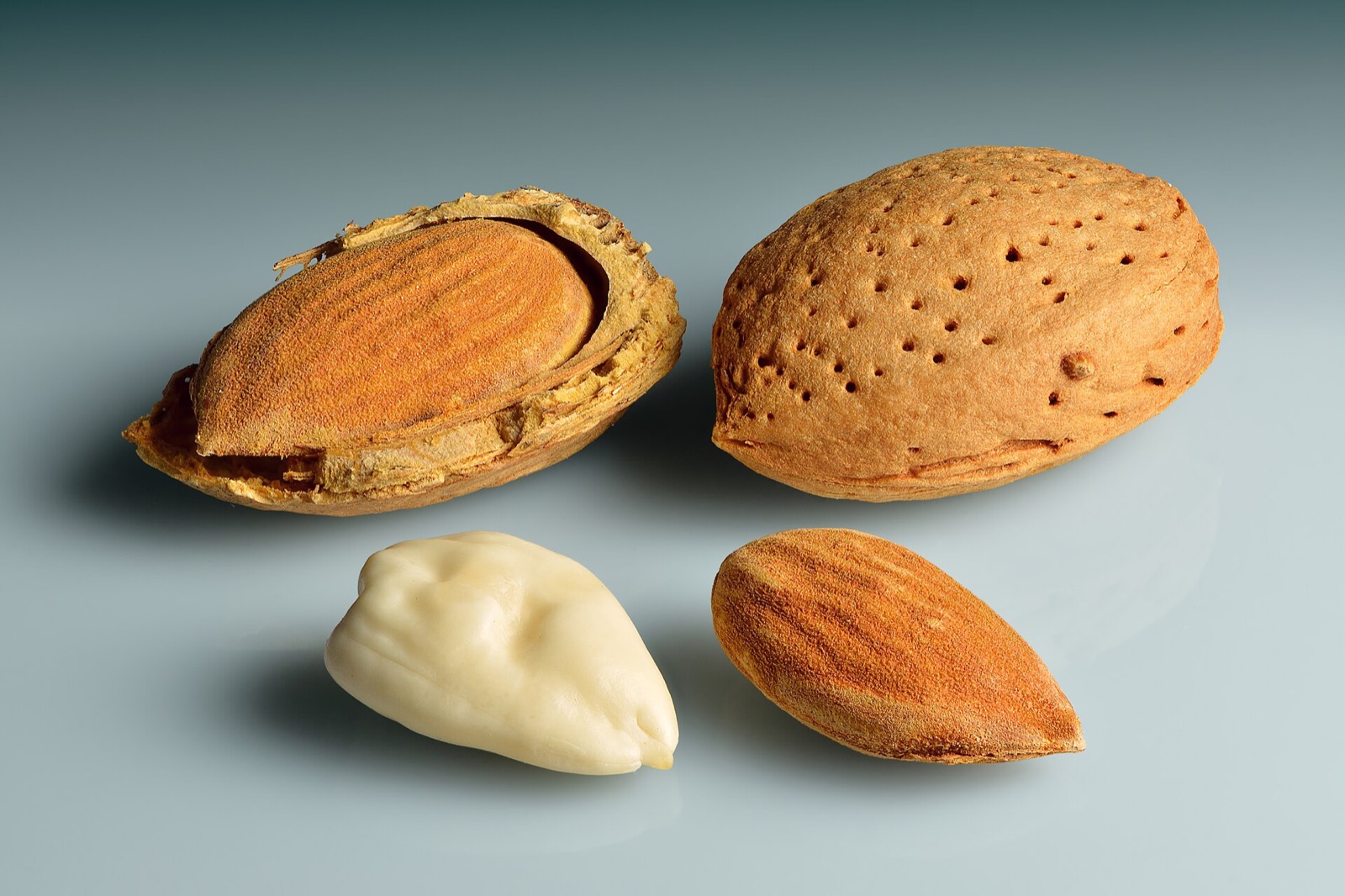
Garden Prince almond fruit tree

Wholesale deciduous

Garden Prince almond

Prunus dulcis ‘Garden Prince’

A compact genetic-dwarf almond with soft shells and sweet kernels, sized for smaller home orchards.

Edible nutGenetic dwarfLow chillSelf-fruitful
Program price · bare-root tree$32Bare-root · final caliper confirmed before fulfillment
Choose a size
View the 2027 wholesale fruit tree program →
Landscape layersLower canopy
Mature sizeAbout 10–12 ft tall and wide
Climate fitUrban core · USDA 9b–10a · Valley suburbs · USDA 9a–9b · Desert outskirts · USDA 8b–9b · High desert · USDA 6a–8b
Special categoriesEDIBLE
Hardiness guidanceVaries by species and cultivar; match both winter lows and local chill accumulation
Winter chillAbout 250 hours
Typical harvestLate summer

Before you plant

These conditions determine whether it will thrive.

Cold hardinessHardy here

Dormant almond buds are fine down to about 20°F. Almonds are the first to bloom, so open blossoms and small nuts are the most frost-exposed of any tree here. They can be damaged just below freezing.

Leaves and wood: damaged below 20°F · Blossoms and fruit: below 28°F
Heat toleranceTakes full sun and heat

Almonds love heat and full sun. The nuts ripen in fall inside a husk, so the bark is what needs protecting: paint young trunks white until the canopy shades them.

Sources: ipm.ucanr.edu, davewilson.com, pubs.nmsu.edu

Right plant, right place

Will Garden Prince almond grow at your Arizona property?

The low desert usually supplies roughly 300–400 chill hours, and in a warm winter less. Choose varieties needing 300 hours or fewer there; colder Arizona elevations can support higher-chill choices.

Best regional fit: Urban core · USDA 9b–10a, Valley suburbs · USDA 9a–9b, Desert outskirts · USDA 8b–9b, High desert · USDA 6a–8b.

Light

Sun exposure

Full sun with strong air circulation; protect young bark from western sun

Water

Irrigation

Deep irrigation through the root zone; frequency rises during establishment and fruit swell

Fruit set

Pollination

Self-fruitful

Harvest

How to use it

Fresh or dried kernels

Planting & stewardship

How to help Garden Prince almond thrive

  1. 1

    Choose a rootstock suited to the site’s soil, drainage, salinity, desired size, and pest pressures.

  2. 2

    Plant bare-root trees while dormant, keeping the graft union above finished grade.

  3. 3

    Thin developing fruit early enough to improve size and reduce limb breakage.

  4. 4

    Use dormant and summer pruning intentionally to balance shade, access, vigor, and next year’s fruiting wood.