
Permascaping, by Homegrown Foods
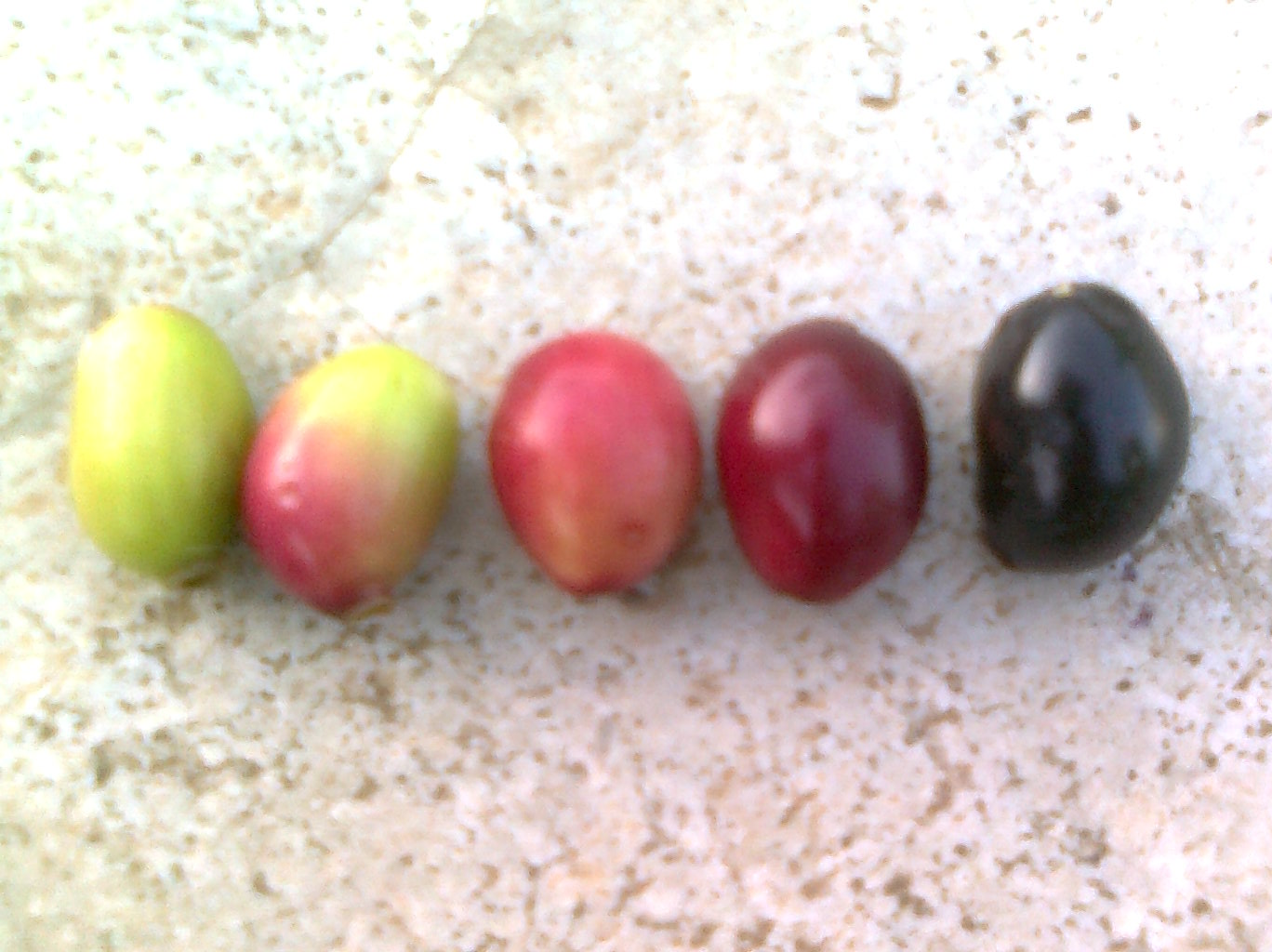
Jamun fruit ripening from green to dark purple

Native & adapted

Jamun

Syzygium cumini

Also known as Java plum · Malabar plum · Black plum · Jambolan · Jambul

A large evergreen shade tree with dark purple, sweet-tart fruit that stains the mouth. Takes full Phoenix sun and usually needs no winter protection once established.

EdibleFruitingEvergreenShade treeHeat tolerant
Landscape layersUpper canopy
Mature size30–40 ft tall and 20–30 ft wide
Climate fitUrban core · USDA 9b–10a · Valley suburbs · USDA 9a–9b · Desert outskirts · USDA 8b–9b
Plant spacing25 ft from other trees and paving
FrostYoung trees damaged near 30°F; established trees survive brief dips to about 26°F.
Special categoriesEDIBLE
Hardiness guidanceUSDA 9b–11; mature trees take brief dips to about 26°F
Winter chillNone
Typical harvestEarly to mid summer, roughly June through August.

Before you plant

These conditions determine whether it will thrive.

Soil chemistry

Tolerates alkaline and poor soil.

Required microclimatePlacement is part of the growing system.

Large open area away from patios and driveways, where fallen fruit will not stain.

Cold hardinessCover while young

ASU's Phoenix plant notes put it cold hardy to 25°F, and Morton says mature trees shrug off brief freezes while young trees are hurt by any frost. Cover it the first couple of winters only.

Leaves and wood: damaged below 25°F
Heat toleranceTakes full sun and heat

Takes full sun and Phoenix heat, and it's drought tolerant once established, reaching 30 to 40 feet here. The bigger problem is alkaline soil: heavy watering brings on yellow leaves between the veins.

Sources: asu.edu, growables.com

Right plant, right place

Will Jamun grow at your Arizona property?

Fallen fruit stains paving and cars purple. Give it room to become a large shade tree.

Best regional fit: Urban core · USDA 9b–10a, Valley suburbs · USDA 9a–9b, Desert outskirts · USDA 8b–9b.

Light

Sun exposure

Full sun.

Water

Irrigation

Moderate. Deep water weekly in summer; fairly drought tolerant once established.

Fruit set

Pollination

Self-fertile.

Harvest

How to use it

Fresh with a little salt, or in juice, jam and vinegar.

Planting & stewardship

How to help Jamun thrive

  1. 1

    Water deeply and widely to grow deep roots.

  2. 2

    Protect very young trees from frost.

  3. 3

    Prune to raise the canopy for shade.

  4. 4

    Rake up fallen fruit during harvest season.