
Permascaping, by Homegrown Foods
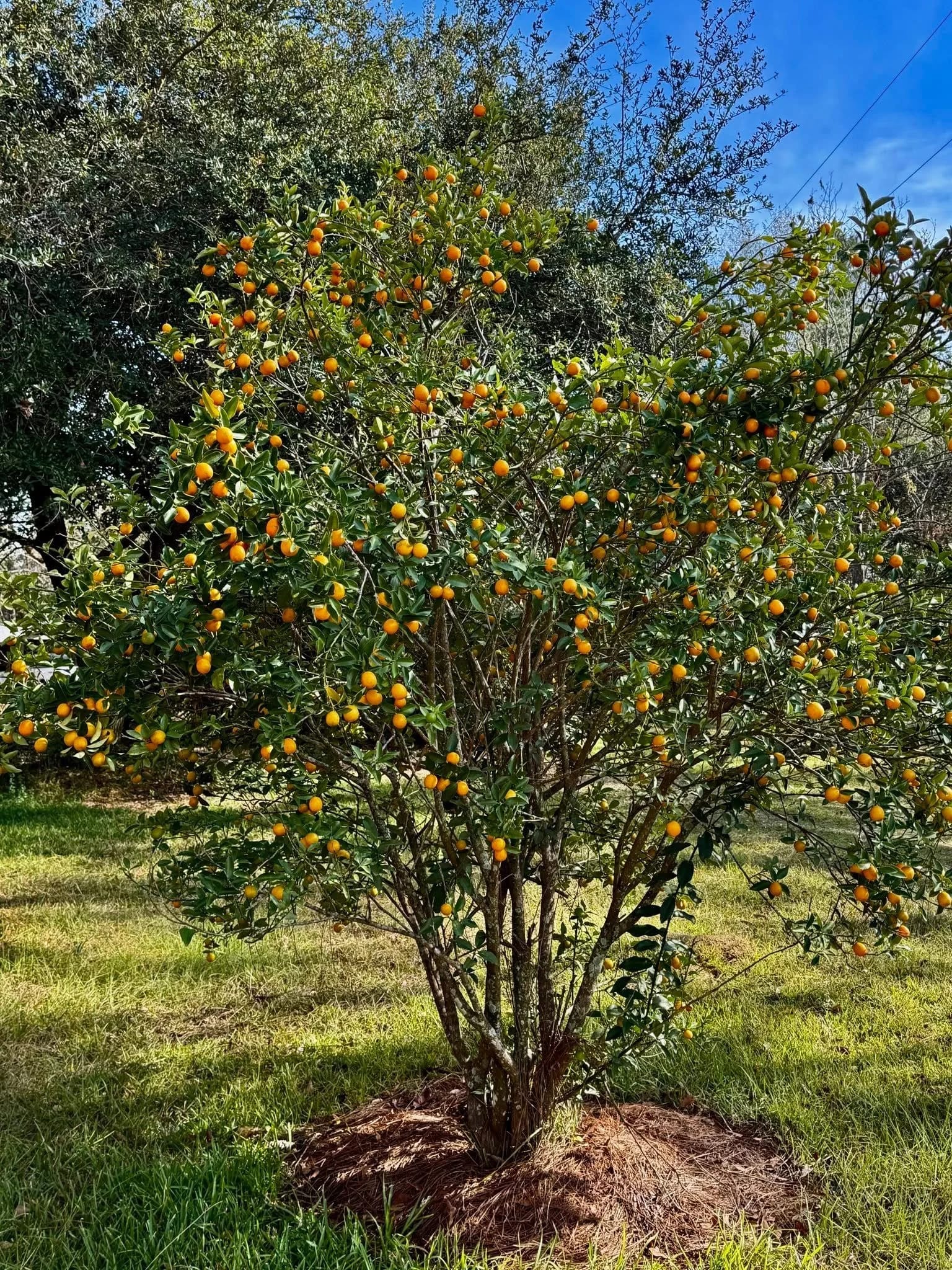
Nagami kumquat fruit growing on a citrus tree

Wholesale citrus

Nagami kumquat

Citrus japonica ‘Nagami’

An oblong, bright-orange kumquat with a sweet edible peel and tart center on a naturally compact, comparatively cold-tolerant tree.

Edible peelCompactCold tolerant citrusContainer friendly
Check the current program →
Landscape layersLower canopy
Mature sizeUsually 8–12 ft tall and 6–10 ft wide
Climate fitUrban core · USDA 9b–10a · Valley suburbs · USDA 9a–9b · Desert outskirts · USDA 8b–9b
Special categoriesEDIBLE
Winter chillNone
Typical harvestWinter into early spring

Before you plant

These conditions determine whether it will thrive.

Required microclimatePlacement is part of the growing system.

Zone D — morning shade and partial afternoon sun at the west end of the shadier north-facing side. Handles part shade and cold better than the rest of the genus.

Cold hardinessHardy here

Among the hardiest citrus. It goes semi-dormant in winter and takes 16 to 20°F with little wood damage. It doesn't need frost cover in Phoenix.

Leaves and wood: damaged below 18°F · Blossoms and fruit: below 28°F

Right plant, right place

Will Nagami kumquat grow at your Arizona property?

Plant in fast-draining soil with the graft union above grade. Keep mulch away from the trunk and avoid lawn irrigation at the root crown.

Best regional fit: Urban core · USDA 9b–10a, Valley suburbs · USDA 9a–9b, Desert outskirts · USDA 8b–9b.

Light

Sun exposure

Full sun; young trunks and exposed scaffold limbs need sunburn protection

Water

Irrigation

Deep, regular irrigation with drying between cycles; expand the wetted zone as the canopy grows

Fruit set

Pollination

Self-fruitful

Harvest

How to use it

Whole fresh fruit, marmalade, candying, and preserves

Planting & stewardship

How to help Nagami kumquat thrive

  1. 1

    Verify both the named cultivar and rootstock on the nursery tag before planting.

  2. 2

    Whitewash newly exposed bark and protect cold-sensitive trees during hard freezes.

  3. 3

    Feed in several light applications during the active season rather than one heavy dose.

  4. 4

    Let fruit color and flavor—not a calendar date alone—confirm harvest readiness.