
Wholesale deciduous
Persian mulberry
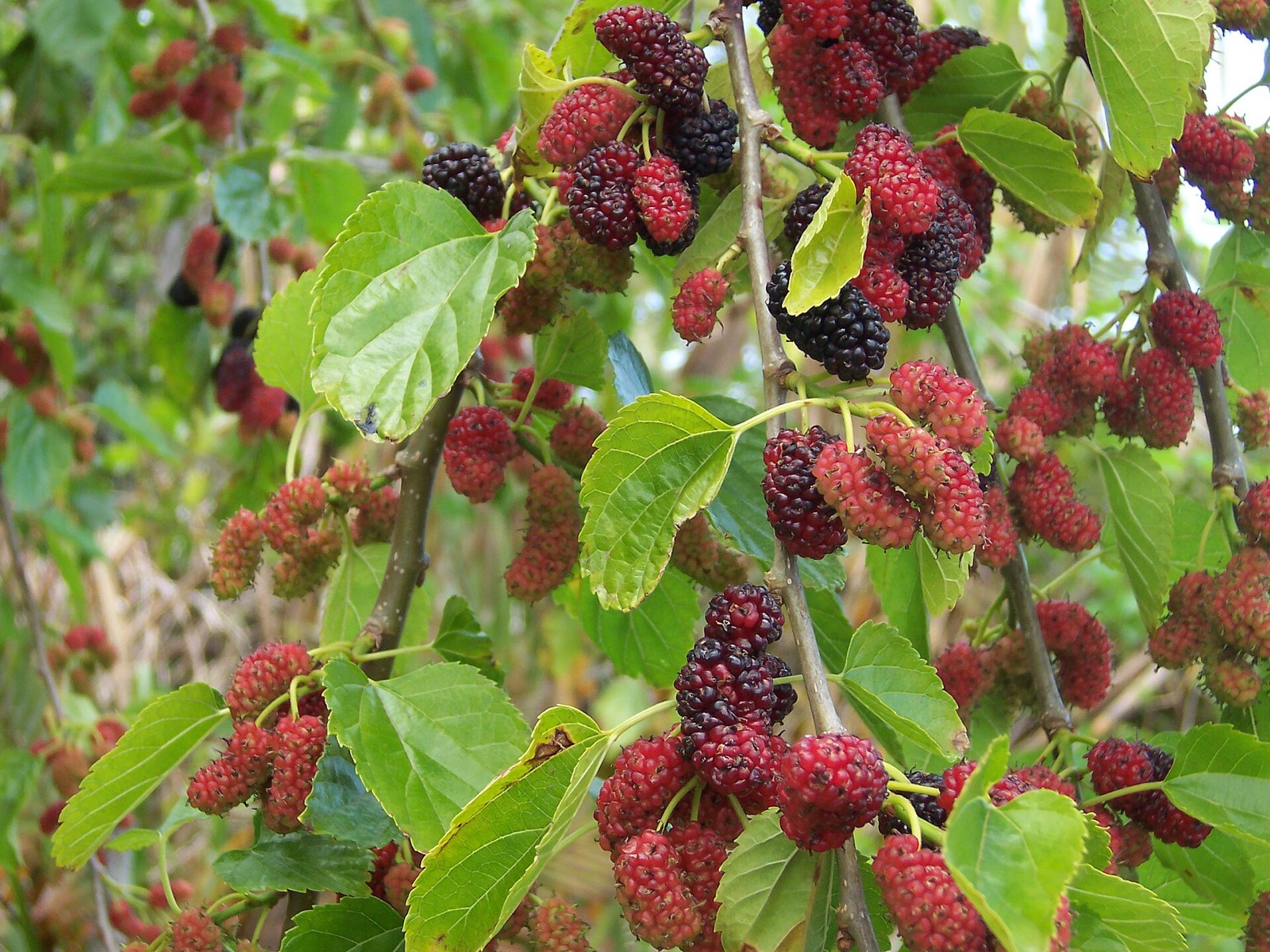
Morus nigra ‘Persian’A compact black mulberry prized for intensely flavored dark fruit and a manageable shrubby form compared with larger shade mulberries.
Right plant, right place
Will Persian mulberry grow at your Arizona property?
The low desert usually supplies roughly 300–400 chill hours, and in a warm winter less. Choose varieties needing 300 hours or fewer there; colder Arizona elevations can support higher-chill choices.
Best regional fit: Urban core · USDA 9b–10a, Valley suburbs · USDA 9a–9b, Desert outskirts · USDA 8b–9b, High desert · USDA 6a–8b.
Light
Sun exposure
Full sun with strong air circulation; protect young bark from western sun
Water
Irrigation
Deep irrigation through the root zone; frequency rises during establishment and fruit swell
Fruit set
Pollination
Self-fruitful on named fruiting selections
Harvest
How to use it
Premium fresh eating, preserves, and desserts
Planting & stewardship
How to help Persian mulberry thrive
- 1
Choose a rootstock suited to the site’s soil, drainage, salinity, desired size, and pest pressures.
- 2
Plant bare-root trees while dormant, keeping the graft union above finished grade.
- 3
Thin developing fruit early enough to improve size and reduce limb breakage.
- 4
Use dormant and summer pruning intentionally to balance shade, access, vigor, and next year’s fruiting wood.