
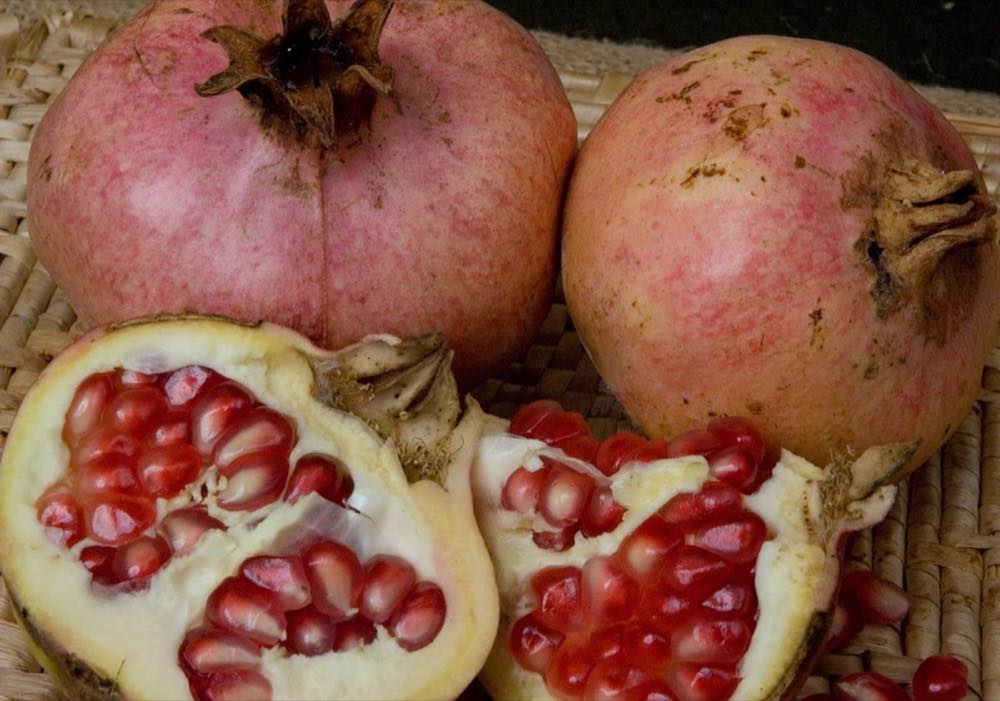
Pomegranates · Dave Wilson Nursery
Ambrosia Pomegranate
Punica granatum ‘Ambrosia’Medium to large fruit with pale pink skin and purple, sweet-tart juice, close to Wonderful in flavor. It is long-lived and fine in inland or coastal climates. Like all pomegranates, damage starts around 12 to 15°F, so it is a low desert plant, and steady watering helps avoid splits.
- Chill hours
- 150 chill hours
- Harvest
- September to October in the low desert
- Pollination
- Self-fruitful
- Mature size
- 10–15 ft unpruned; easy to hold at 6–8 ft with summer pruning
- Cold hardiness
- Cover early bloom below 28°F. Most pomegranates are hardy to about 12°F (species figure). It blooms after frost season.
- Heat tolerance
- Takes full sun and heat. Very heat tolerant and does well inland. The large, pale pink fruit shows sunburn, so keep a leafy canopy over it on the west side. Avoid heavy fall watering to limit splitting.
Which one
Every pomegranate side by side
Same fruit, different seasons and different jobs. Pick the row that fits your ground and your calendar.
| Medium to large fruit with pale pink skin and purple, sweet-tart juice, close to Wonderful in flavor. It is long-lived and fine in inland or coastal climates. Like all pomegranates, damage starts around 12 to 15°F, so it is a low desert plant, and steady watering helps avoid splits. | Bred in Beaver Dam, Arizona, with red to pink skin, pink-to-light red arils, soft edible seeds and a sweet, refreshing flavor. The fruit can hang for weeks without splitting, and the plant takes temperatures below zero, which makes it the pomegranate for mid elevation as well as the low desert. Ripening still needs a warm fall. | A large, bold red pomegranate with soft, small seeds you hardly notice and a sweet, punchy flavor, and one of the best-tasting in the University of California's collection. A good pick if you hate crunching seeds. Low desert plant that is hurt around 12 to 15°F, and steady watering helps avoid splits. | A medium pomegranate with cranberry-red skin, light to deep red arils, small seeds and a mild acidity, rated very good for flavor. A University of California release, it is a good one for people who find Wonderful too tart. Low desert plant that is hurt around 12 to 15°F. | A pomegranate with a light orange rind, dark red arils and very soft edible seeds, with a sweet-tart balance and a citrus, orange-juice note. The name means dessert, and it is firm-textured at maturity. A low desert plant that suffers around 12 to 15°F, so protect young plants. | A Wonderful-type pomegranate that ripens about two weeks ahead of the standard, with the same tangy, deep red fruit and firm seeds. A long-time low desert favorite that is hurt around 12 to 15°F, and even watering helps avoid splits. | A large pomegranate with bright red skin and deep red arils, with a flavor described as cherry-slurpy and rated very good. A University of California release. A low desert plant that gets hurt around 12 to 15°F, and even watering helps avoid splitting. | A very sweet, almost seedless pomegranate with red skin and clear juice that will not stain, so it suits snacking and kids. Low acid means a mild flavor rather than a tangy one, and even immature fruit tastes sweet. A low desert shrub, hurt around 12 to 15°F, that can be trained as a tree or an espalier. | A bud sport of Wonderful that is darker and less tart, and it ripens about a month earlier, which suits the low desert's long summers. Seeds are Wonderful-like and firm, and it grows in any soil. A low desert plant, hurt around 12 to 15°F, and even watering helps avoid splits. | A medium pomegranate with a light pink-red skin and ruby arils with an intense flavor and no sharp acidity. It has a slightly spreading habit and stays at any height with summer pruning. A low desert plant, hurt around 12 to 15°F, with fruit in October. | A large red pomegranate that is sweet with a hint of acidity and very small edible seeds, and some growers call it the best-tasting of all. The upright plant sets a heavy crop reliably and stays at any height with summer pruning. A low desert plant, and fruit ripens in September and October. | A medium to large pink-to-dark-red pomegranate with light-pink edible seeds and a light, refreshing juice that does not stain, with a fruit-punch sweetness. The plant grows vigorously as a shrub or tree and can be held at any height. A low desert plant, hurt around 12 to 15°F. | A medium to large, brilliant red pomegranate with a good sugar and acid balance and a sweet berry flavor. The seeds are large and firm yet edible, so this one is for people who like some crunch. A naturally semi-dwarf, slightly spreading plant for the low desert, hurt around 12 to 15°F. | A sweeter, more widely adapted pomegranate than Wonderful, on a small glossy-leafed tree with showy orange-red blossoms in late spring that suits pots and espalier. Unsplit ripe fruit stores two months or more in a cool, dry place. A low desert plant, hurt around 12 to 15°F. | The standard pomegranate, a large purple-red fruit with a deep, tangy flavor and firm seeds, and the most common one in the low desert. It is sold both as a multi-stem bush and as a single-trunk tree form. It does best in hot inland climates and grows in almost any soil, but it is hurt around 12 to 15°F and irregular watering splits the fruit. | |
|---|---|---|---|---|---|---|---|---|---|---|---|---|---|---|---|
| Harvest | September to October in the low desert | September to October in the low desert; October at elevation | October to early November in the low desert | October to early November in the low desert | October to early November in the low desert | Early to mid September in the low desert (about two weeks before Wonderful) | October to early November in the low desert | September to October in the low desert | August to September in the low desert | October in the low desert | September to October in the low desert | Late September to October in the low desert | Late September to October in the low desert | September to October in the low desert | September to October in the low desert |
| Chill hours | 150 chill hours | 100–200 chill hours | 100 chill hours | 150 chill hours | 200 chill hours | 150 chill hours | 150 chill hours | 150 chill hours | 150 chill hours | 150–200 chill hours | 100–200 chill hours | 150–200 chill hours | 150–200 chill hours | 100 chill hours | 150 chill hours |
| Pollination | Self-fruitful | Self-fruitful | Self-fruitful | Self-fruitful | Self-fruitful | Self-fruitful | Self-fruitful | Self-fruitful | Self-fruitful | Self-fruitful | Self-fruitful | Self-fruitful | Self-fruitful | Self-fruitful | Self-fruitful |
| Mature size | 10–15 ft unpruned; easy to hold at 6–8 ft with summer pruning | 10–15 ft unpruned; easy to hold at 6–8 ft with summer pruning | 10–15 ft unpruned; easy to hold at 6–8 ft with summer pruning | 10–15 ft unpruned; easy to hold at 6–8 ft with summer pruning | 10–15 ft unpruned; easy to hold at 6–8 ft with summer pruning | 12–15 ft unpruned; easy to hold at 6–8 ft with summer pruning | 10–15 ft unpruned; easy to hold at 6–8 ft with summer pruning | 8–10 ft arching shrub; easy to hold at 6 ft or train as a small tree | 10–15 ft unpruned; easy to hold at 6–8 ft with summer pruning | 10–15 ft unpruned (spreading); easy to hold at 6–8 ft with summer pruning | 10–15 ft unpruned; easy to hold at 6–8 ft with summer pruning | 10–15 ft unpruned; easy to hold at any height with summer pruning | 8–12 ft unpruned (semi-dwarf); easy to hold at 6 ft with summer pruning | 8–12 ft unpruned; easy to hold at 6 ft, and suits pots and espalier | Bush 12–15 ft, tree form 10–15 ft; easy to hold at 6–8 ft with summer pruning |
| Cold | Cover early bloom below 28°F | Cover early bloom below 28°F | Cover early bloom below 28°F | Cover early bloom below 28°F | Cover early bloom below 28°F | Cover early bloom below 28°F | Cover early bloom below 28°F | Cover early bloom below 28°F | Cover early bloom below 28°F | Cover early bloom below 28°F | Cover early bloom below 28°F | Cover early bloom below 28°F | Cover early bloom below 28°F | Cover early bloom below 28°F | Hardy here |
| Heat | Takes full sun and heat | Takes full sun and heat | Takes full sun and heat | Takes full sun and heat | Takes full sun and heat | Takes full sun and heat | Takes full sun and heat | Takes full sun and heat | Takes full sun and heat | Takes full sun and heat | Takes full sun and heat | Takes full sun and heat | Takes full sun and heat | Takes full sun and heat | Takes full sun and heat |
| From | $19 | $19 | $19 | $19 | $19 | $19 | $19 | $19 | $19 | $19 | $19 | $19 | $19 | $19 | $19 |
More from this year's order
One standout variety of every other fruit in the order.
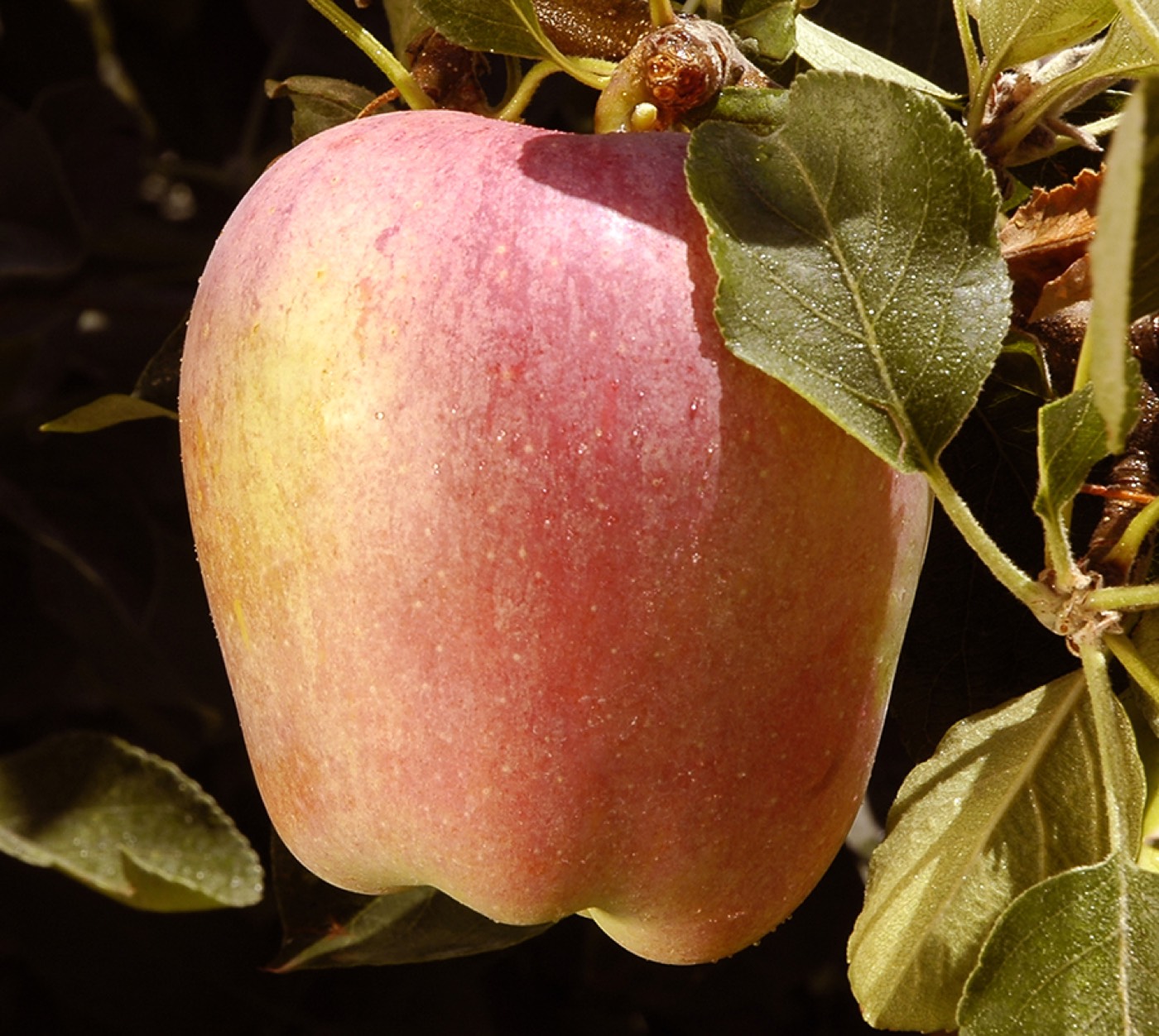 Anna Apple200 chill hours
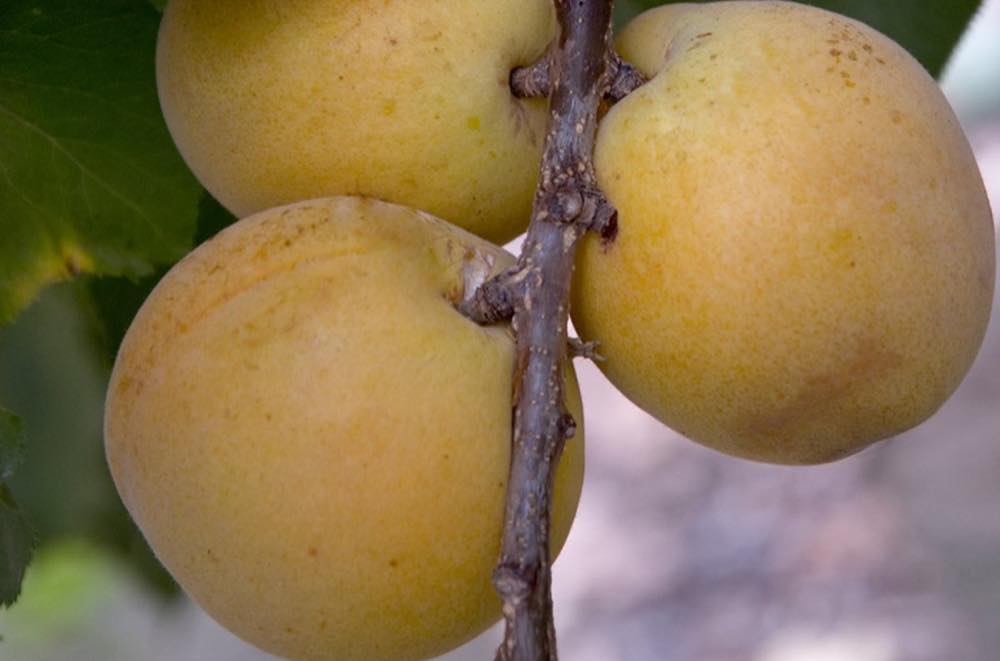 Autumn Glo Apricot500 chill hours or less
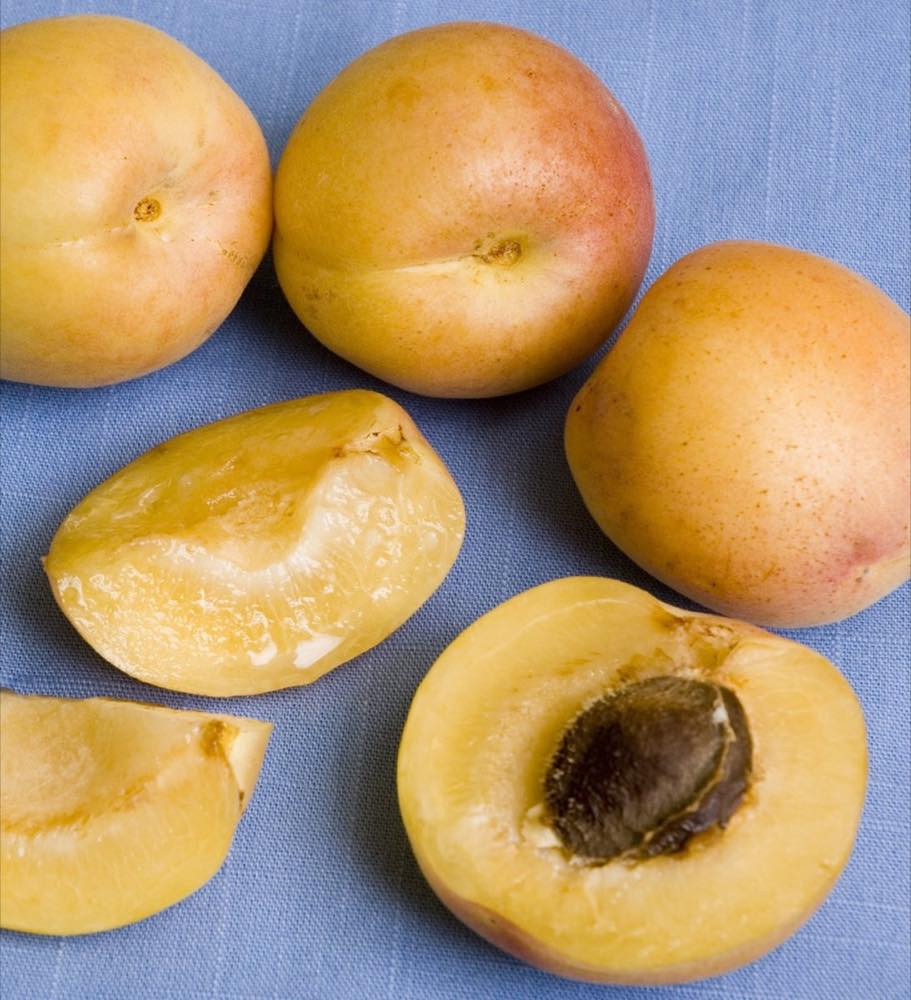 Cot-N-Candy Aprium400 chill hours
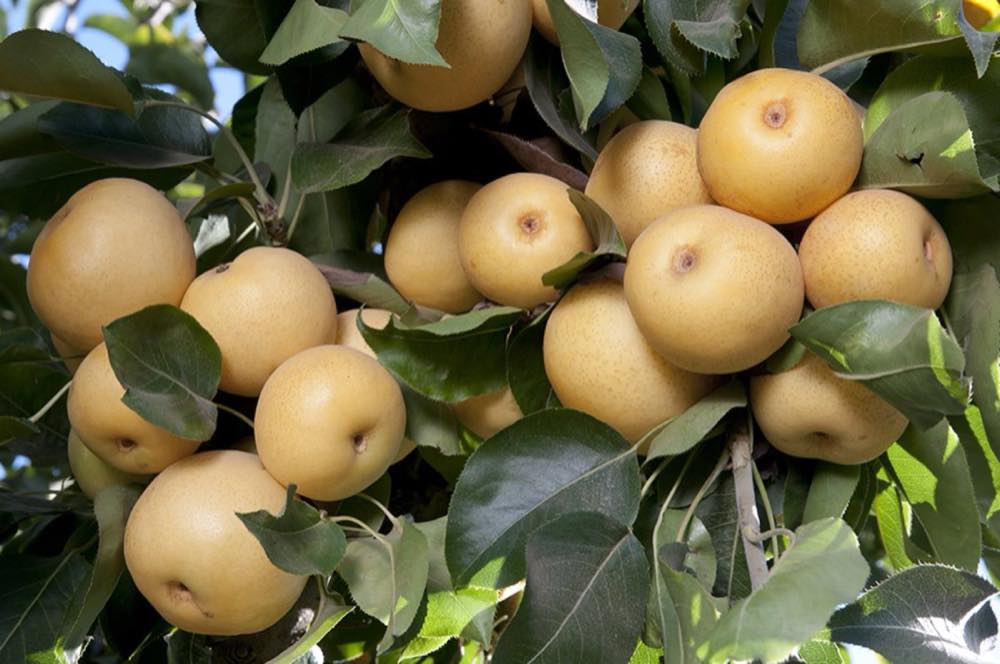 20th Century Asian Pear300–400 chill hours
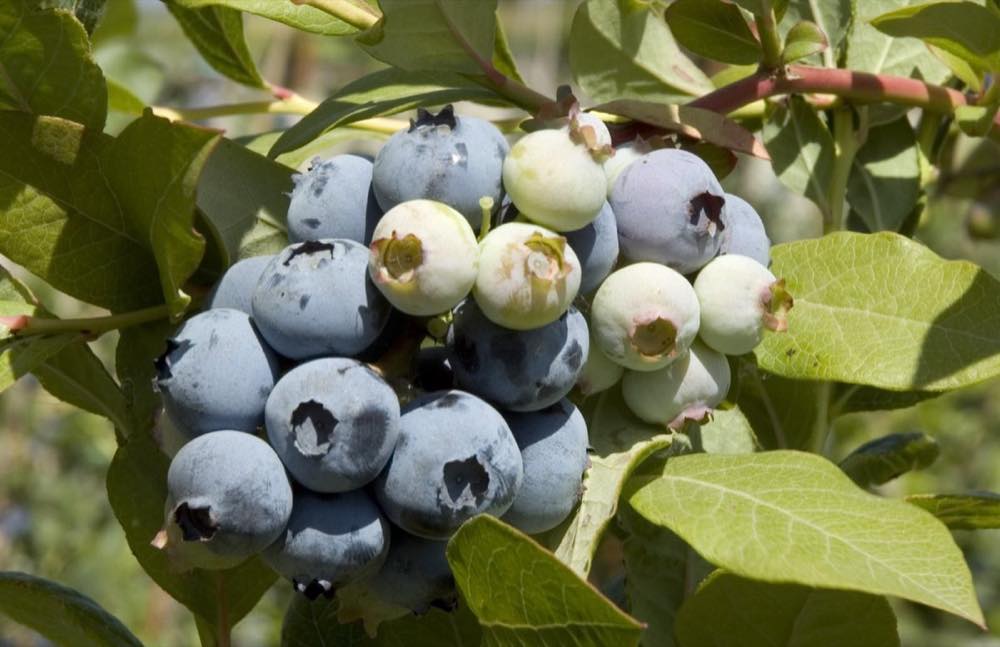 Bluecrop Northern Blueberry800 chill hours
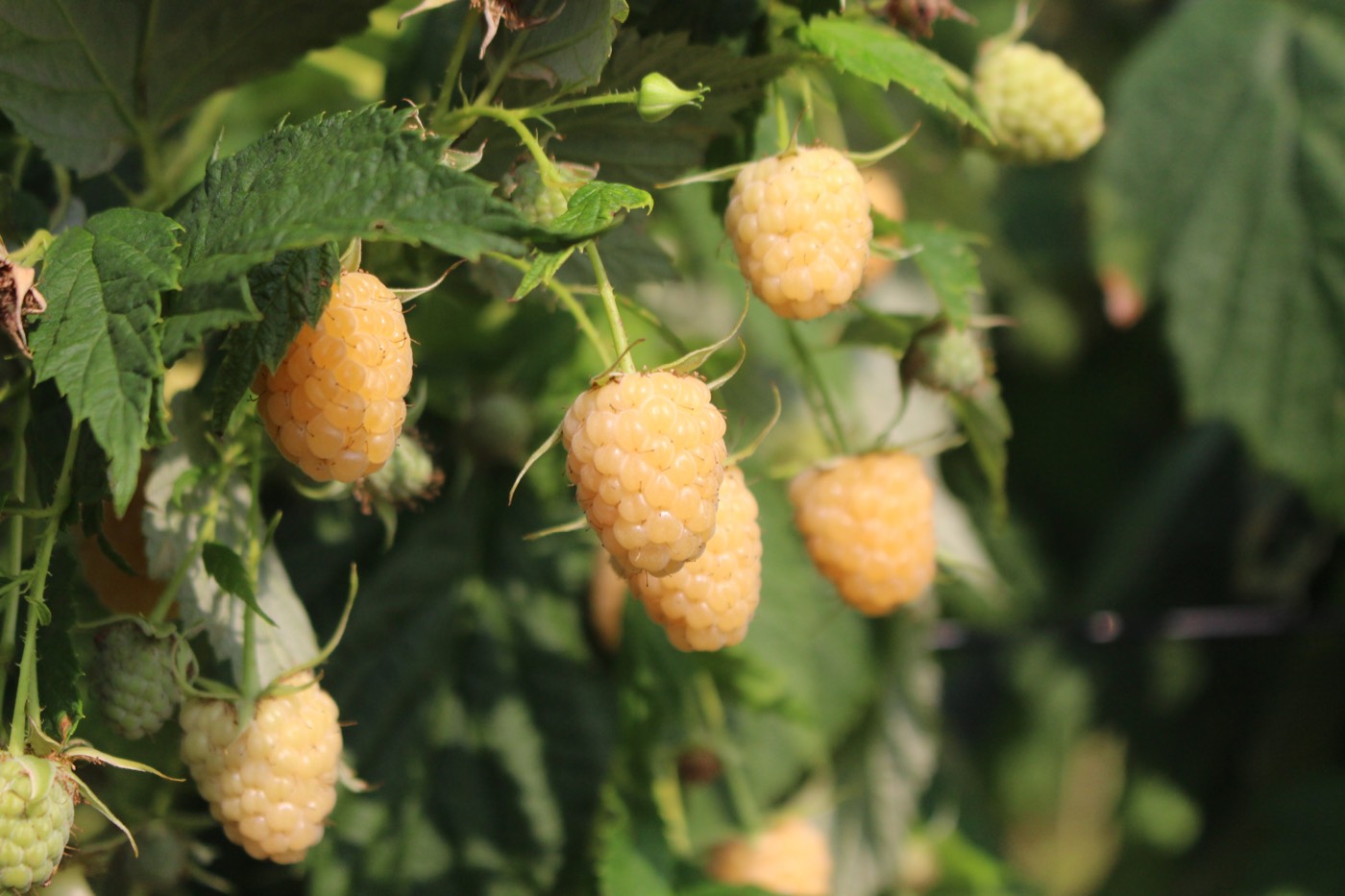 Anne RaspberryUnder 500 chill hours
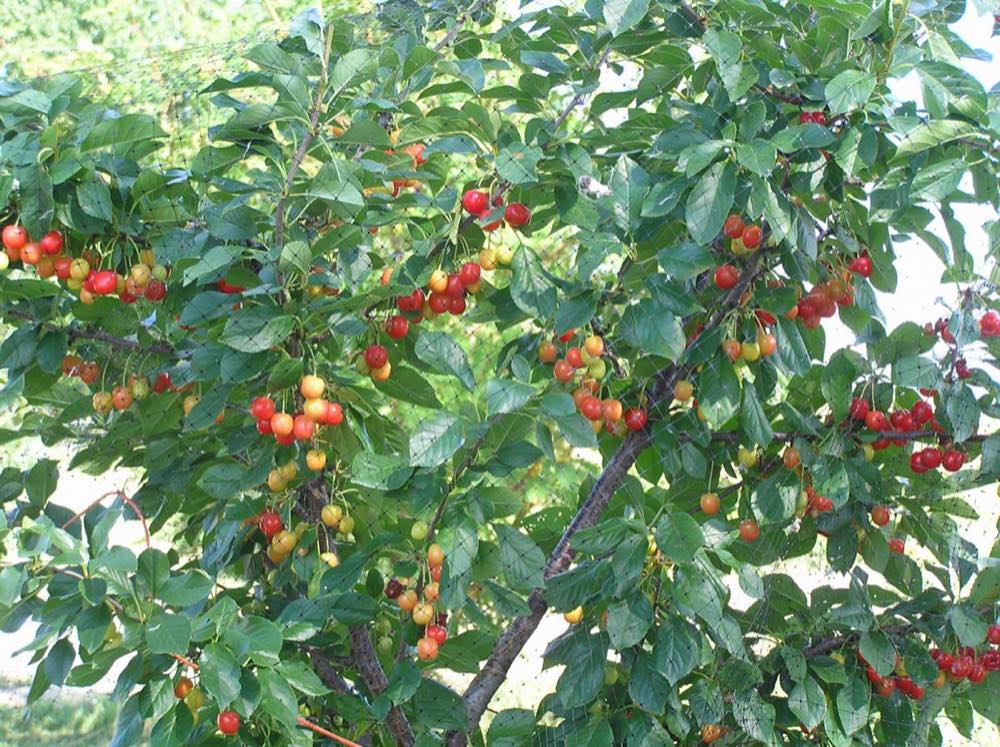 Bali Cherry400–700 chill hours
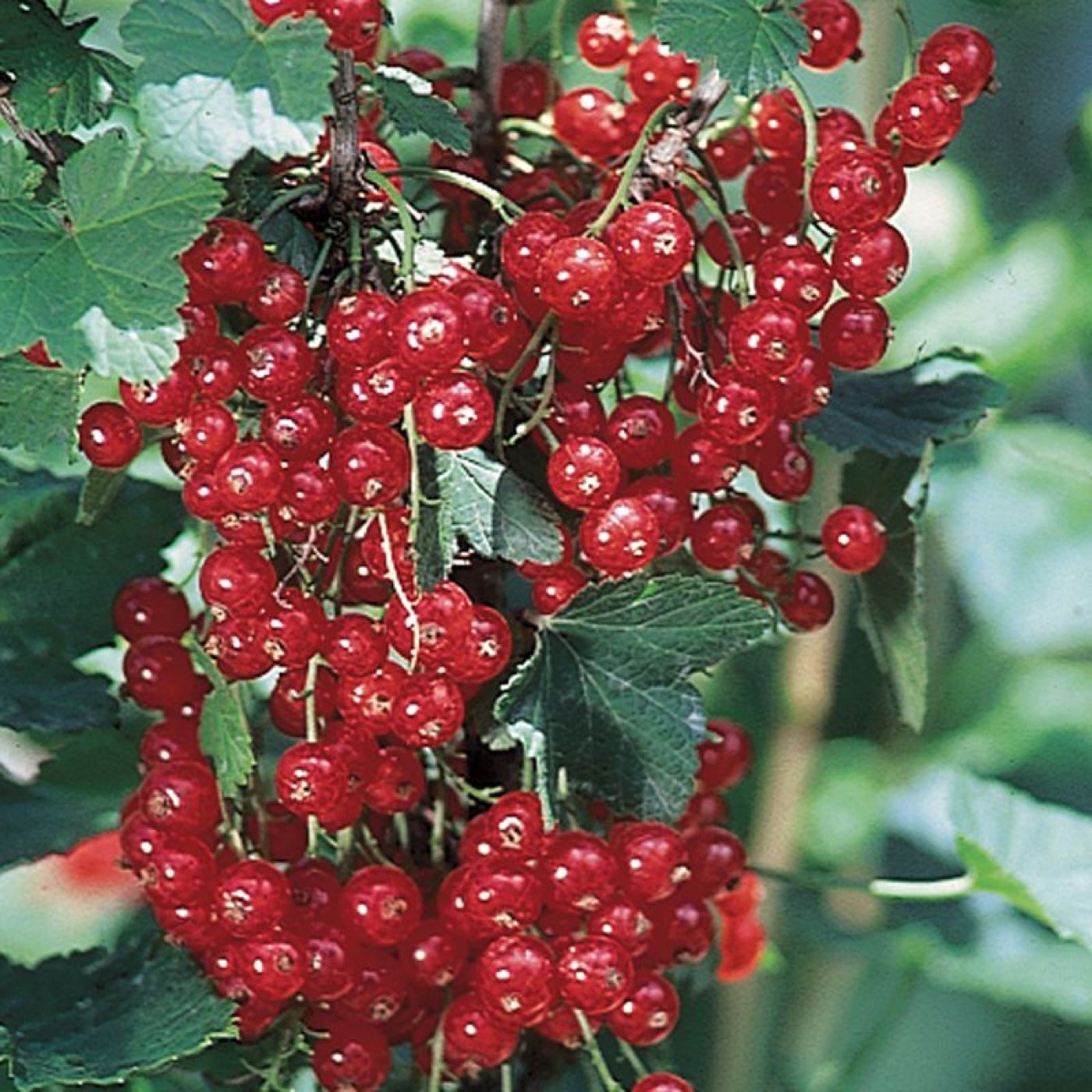 Red Lake Currant800–1200 chill hours
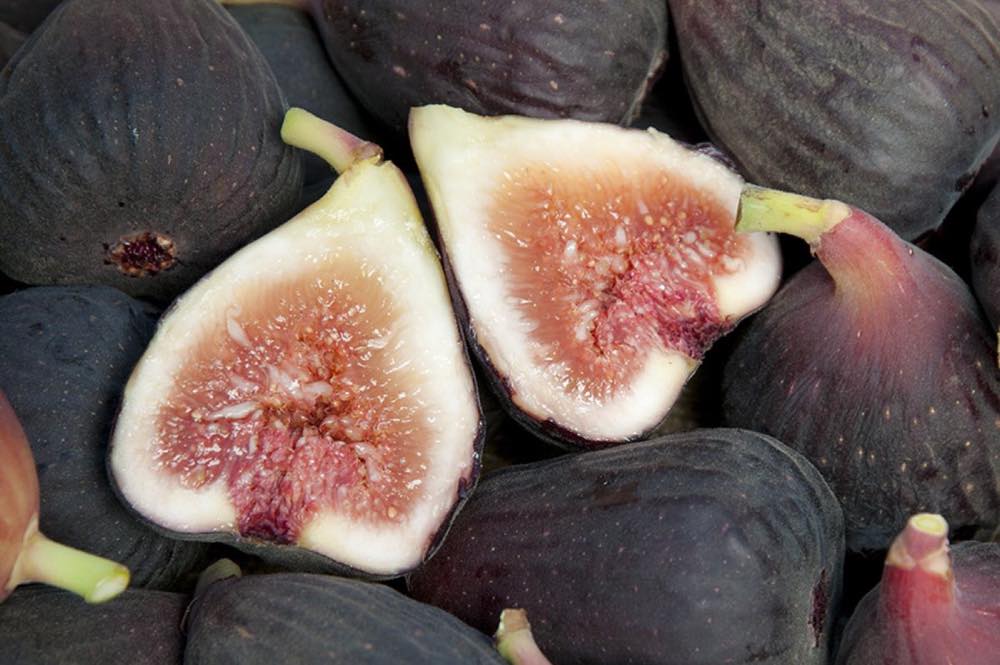 Black Jack Fig100 chill hours
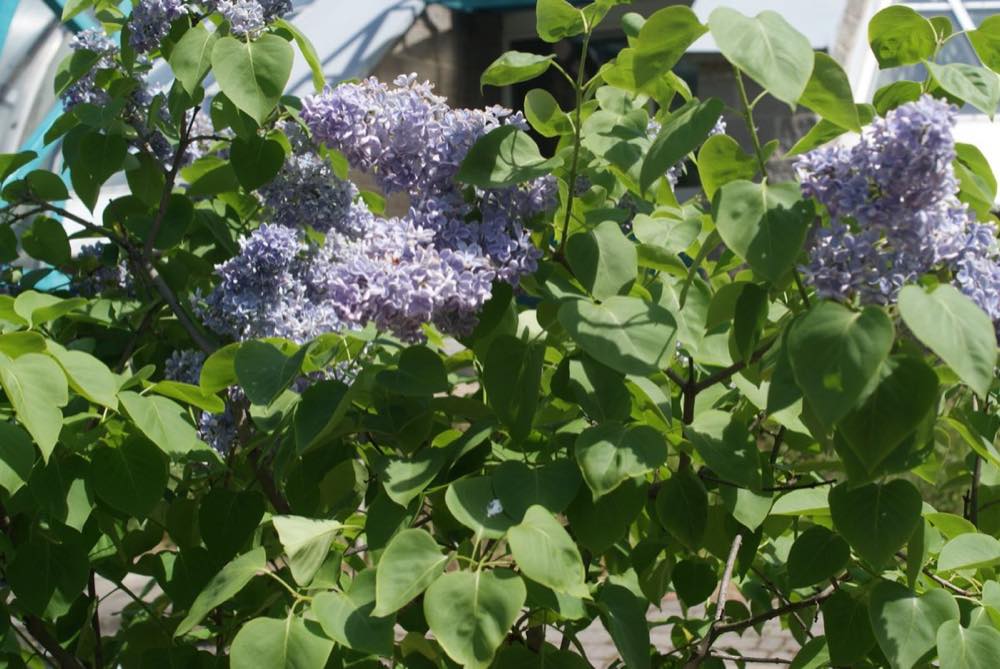 President Grevy Lilac
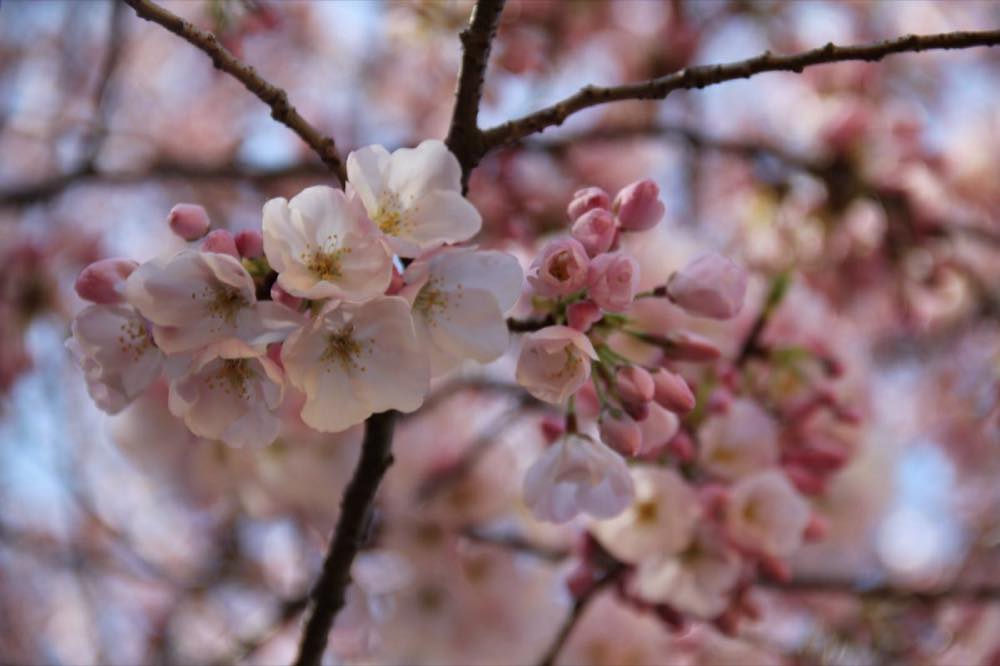 Akebono Flowering Cherry
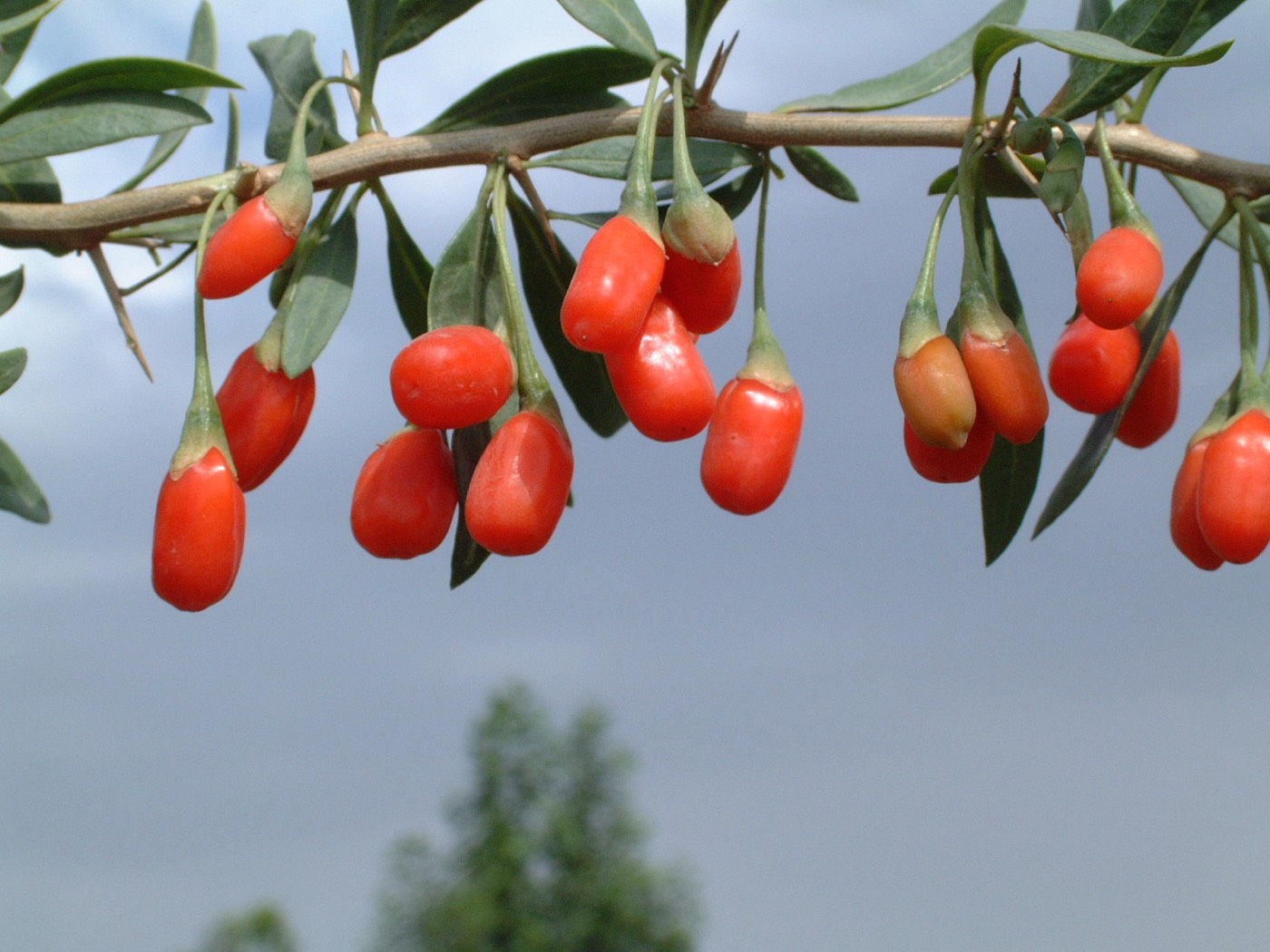 Goji BerryUnder 200 chill hours
Native & desert adapted shade trees
Not part of the fruit tree order. Each opens in a new tab with how to grow it.
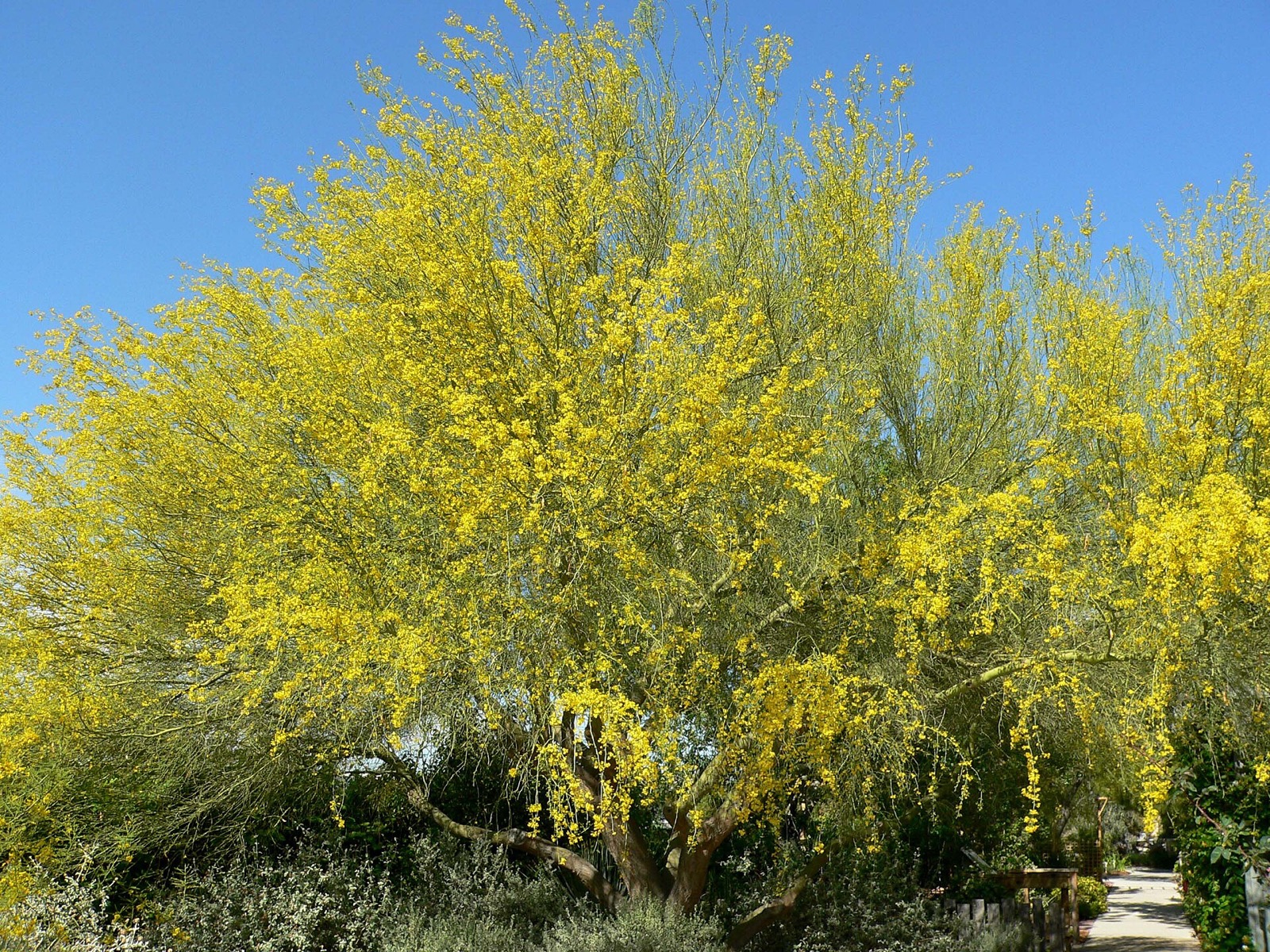 Blue palo verdeParkinsonia florida
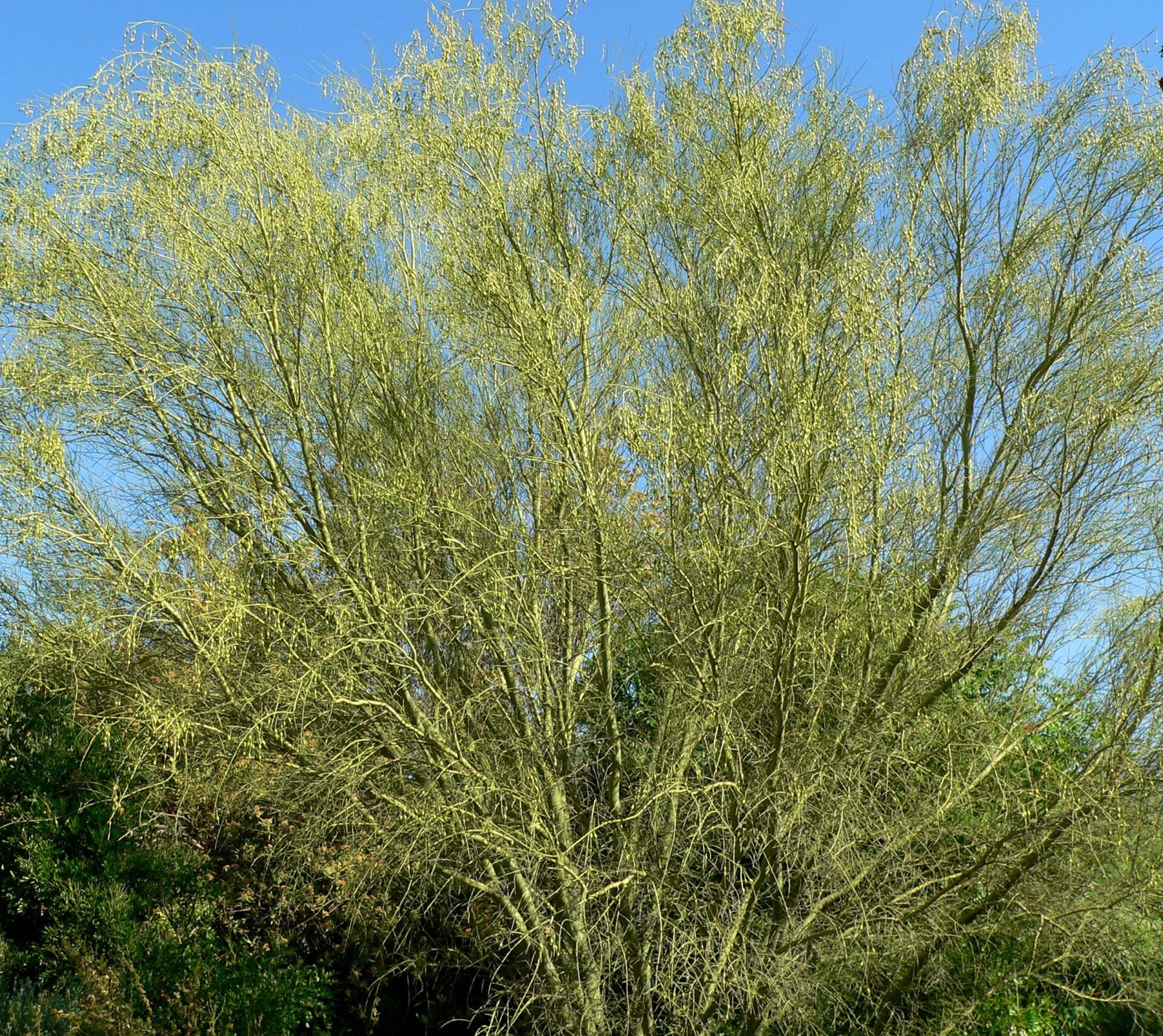 Foothill palo verdeParkinsonia microphylla
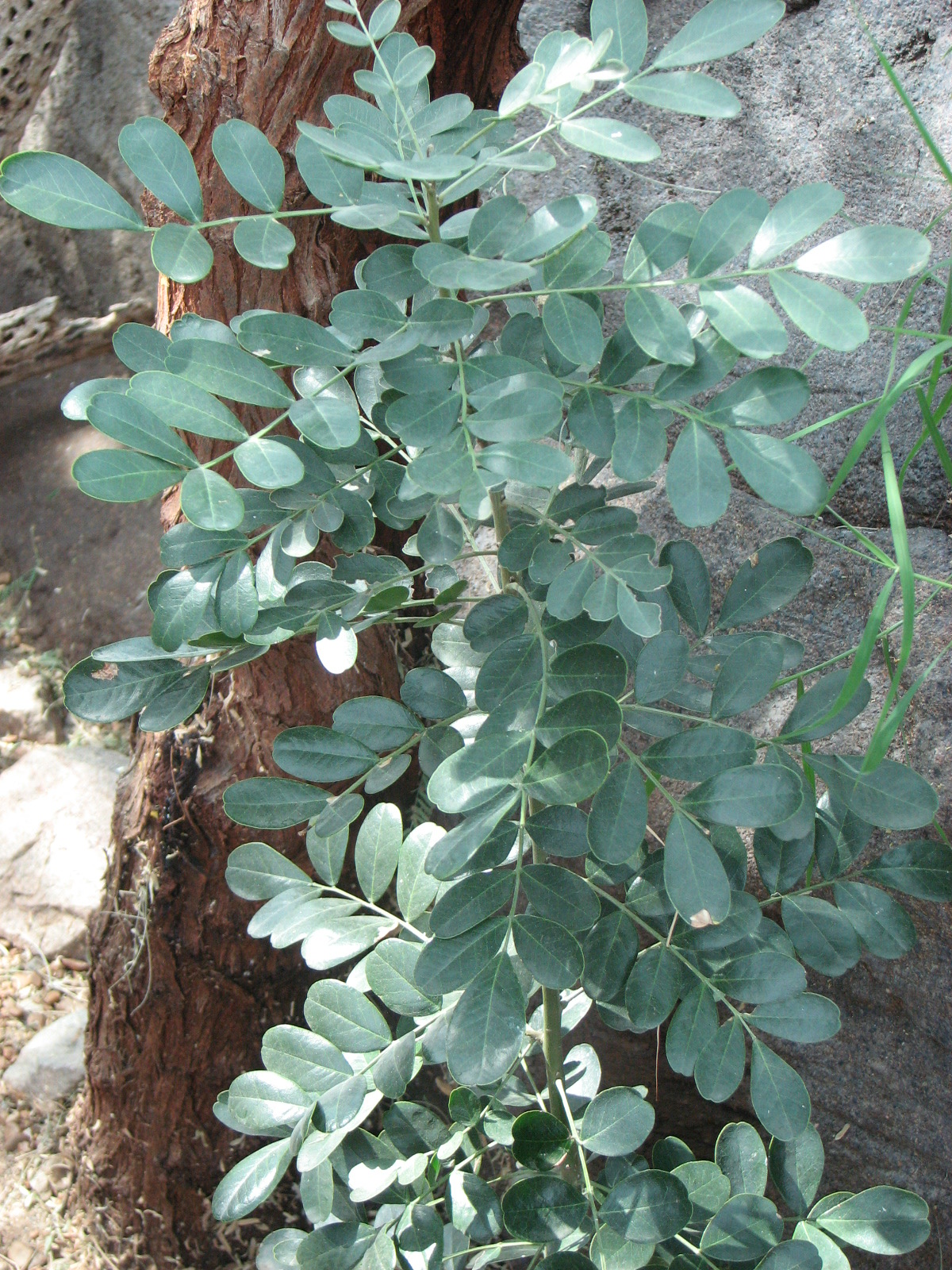 Desert ironwoodOlneya tesota
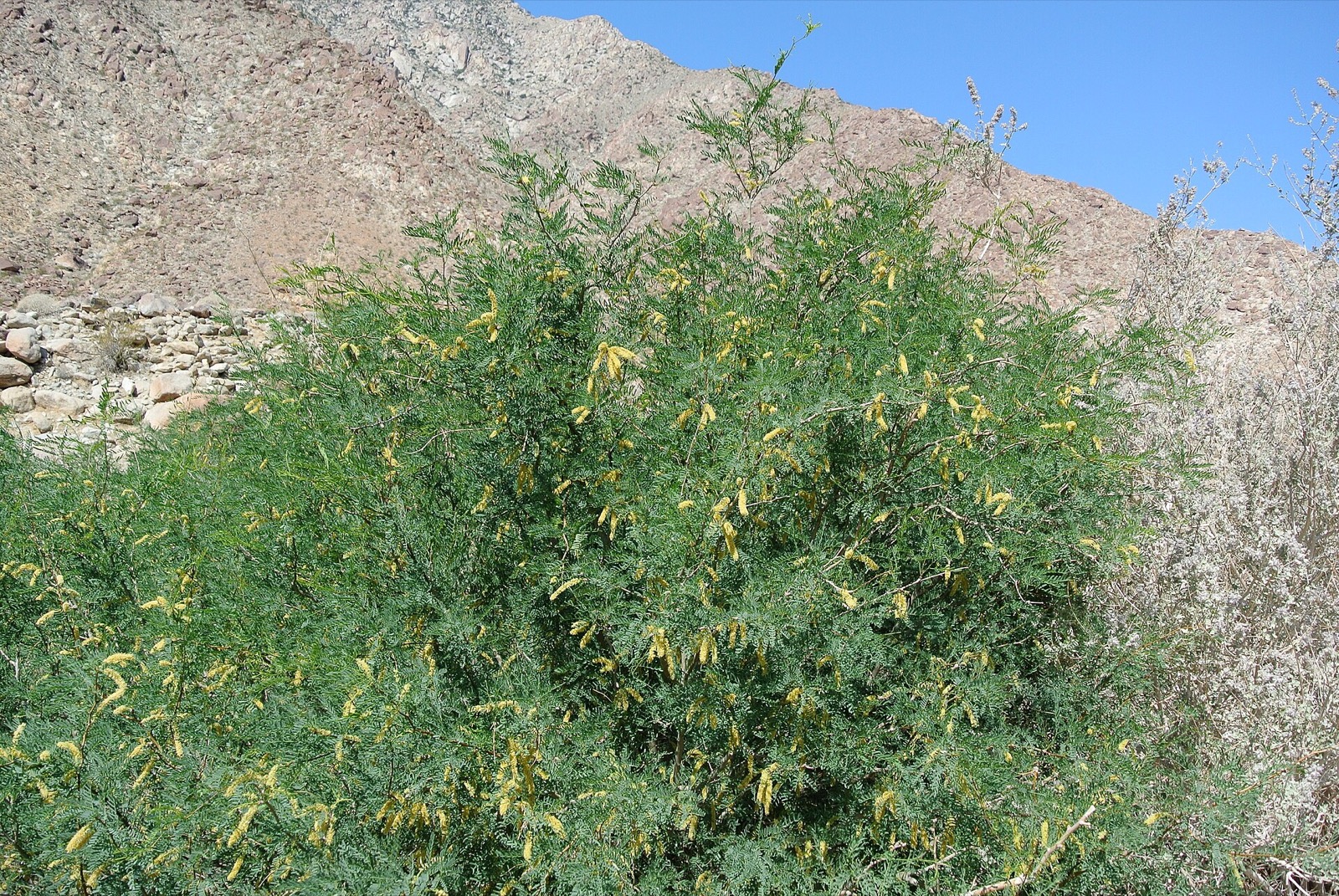 Velvet mesquiteNeltuma velutina
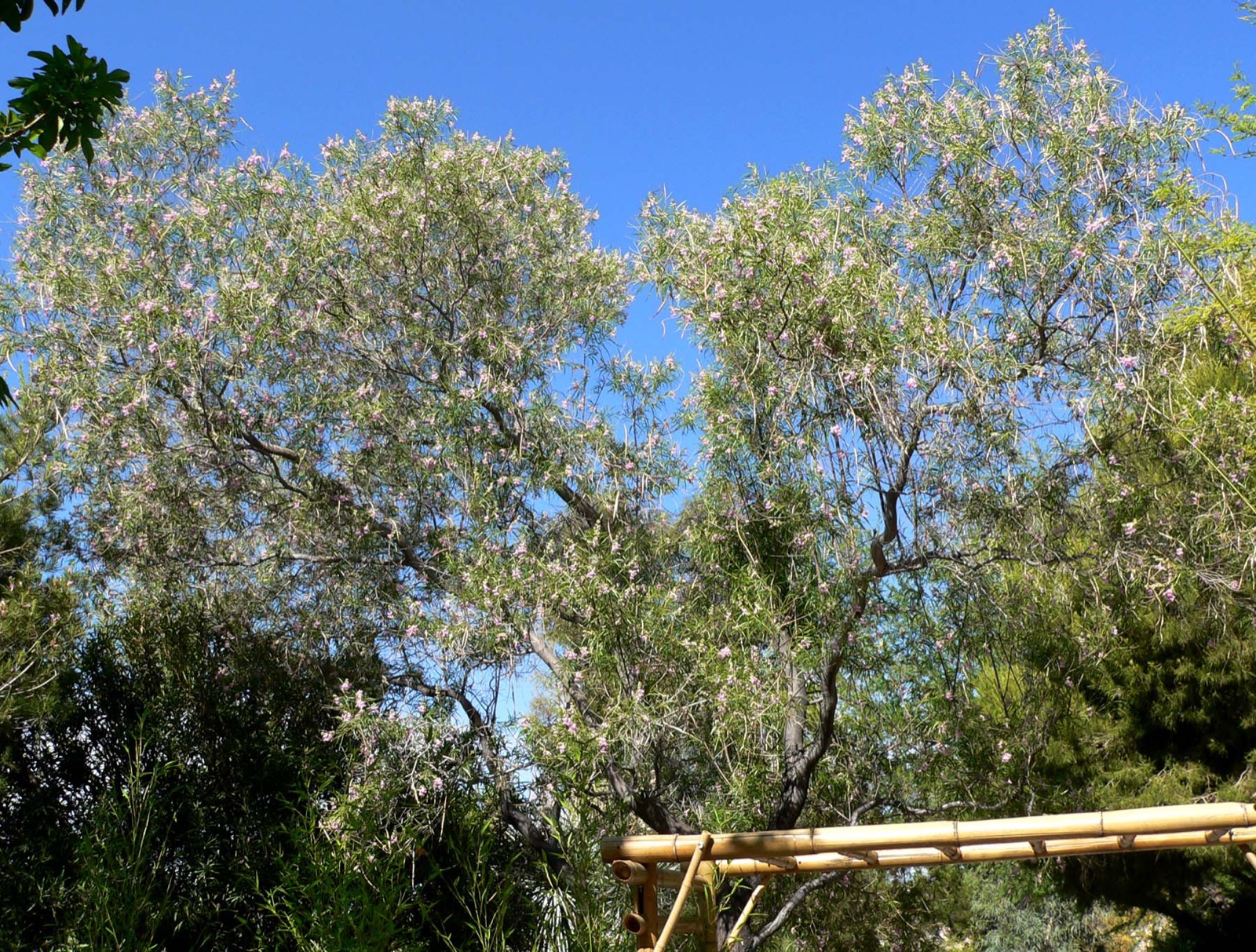 Desert willowChilopsis linearis
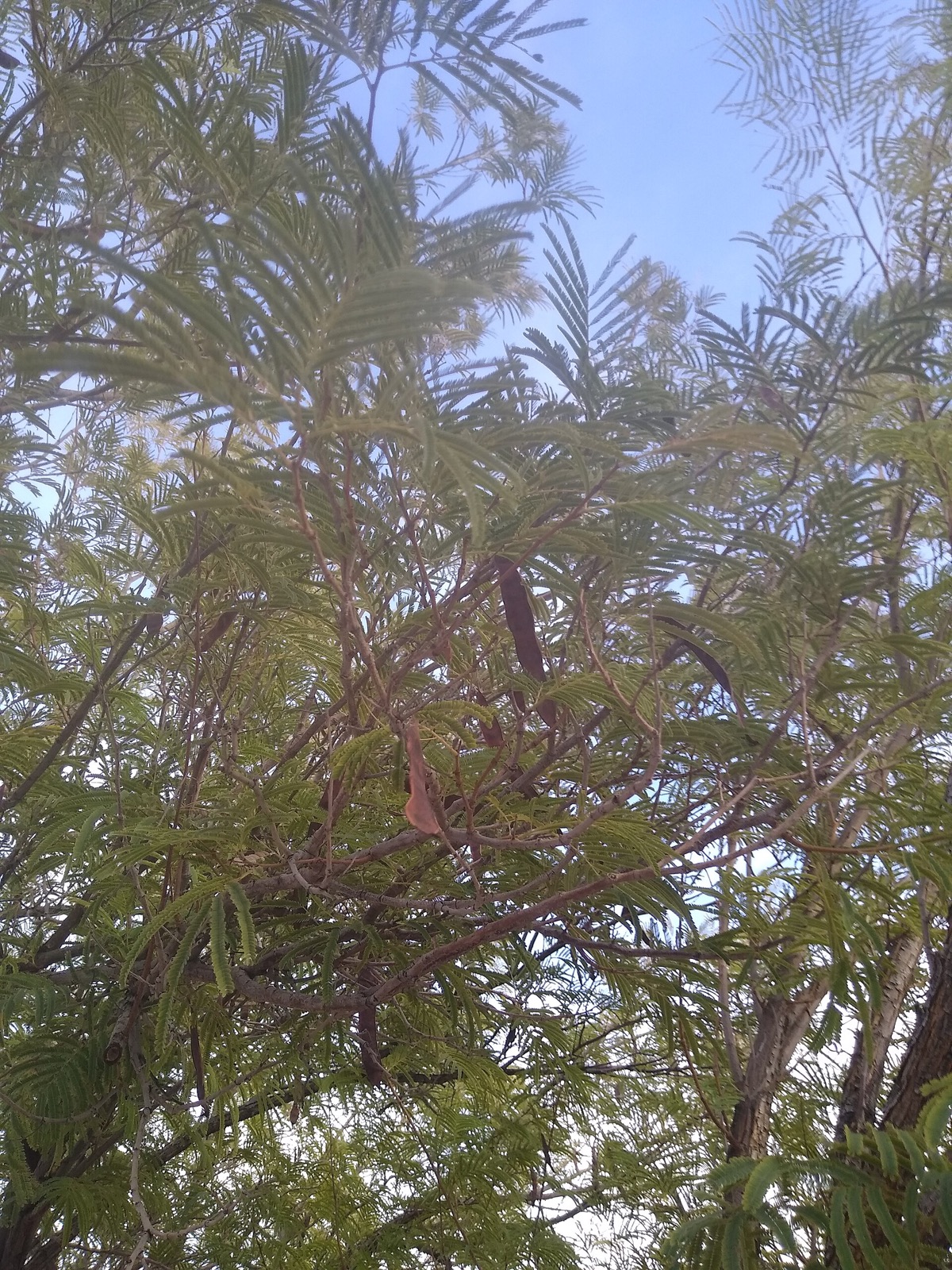 Desert fernLysiloma watsonii
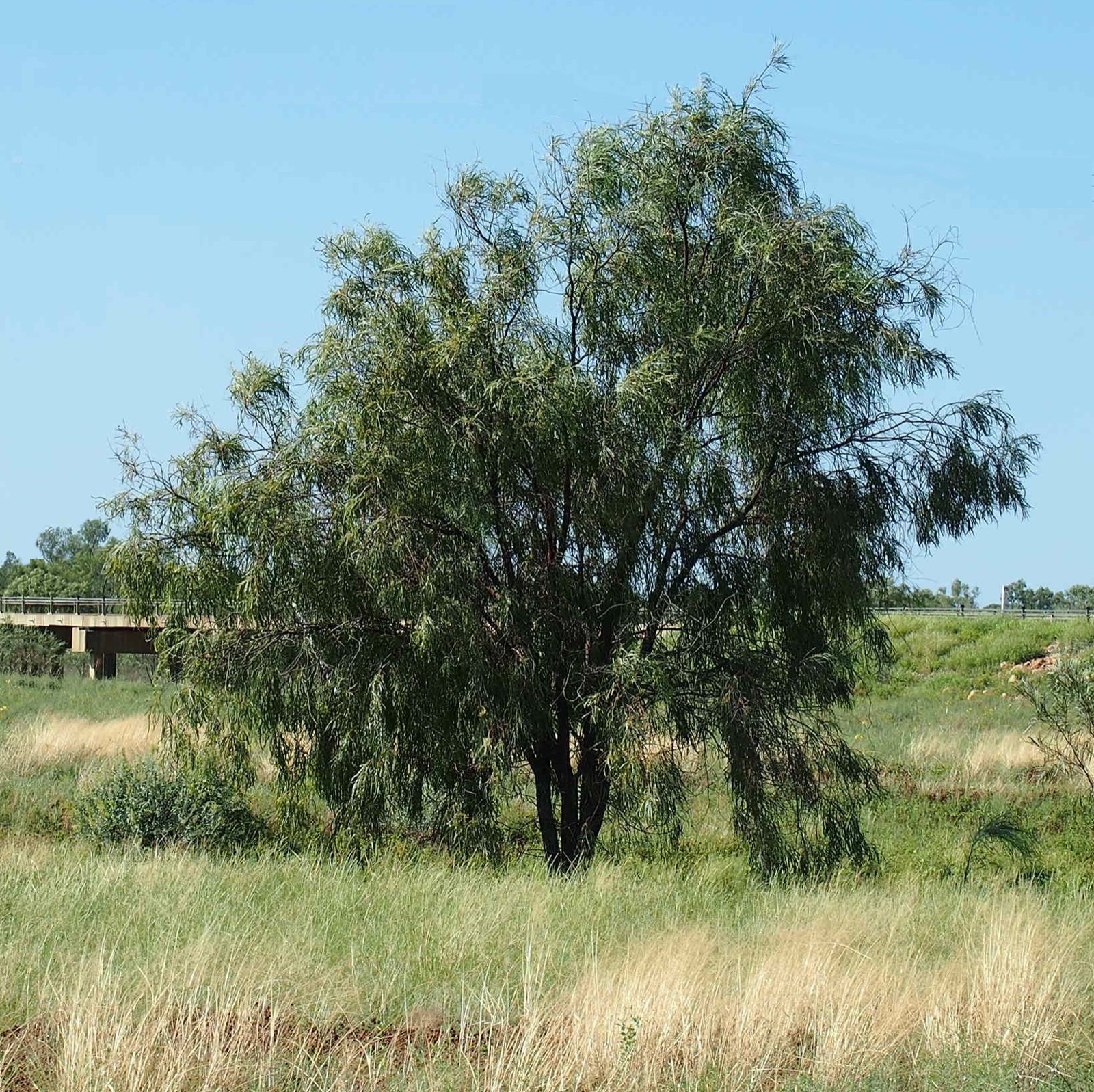 Willow acaciaAcacia salicina
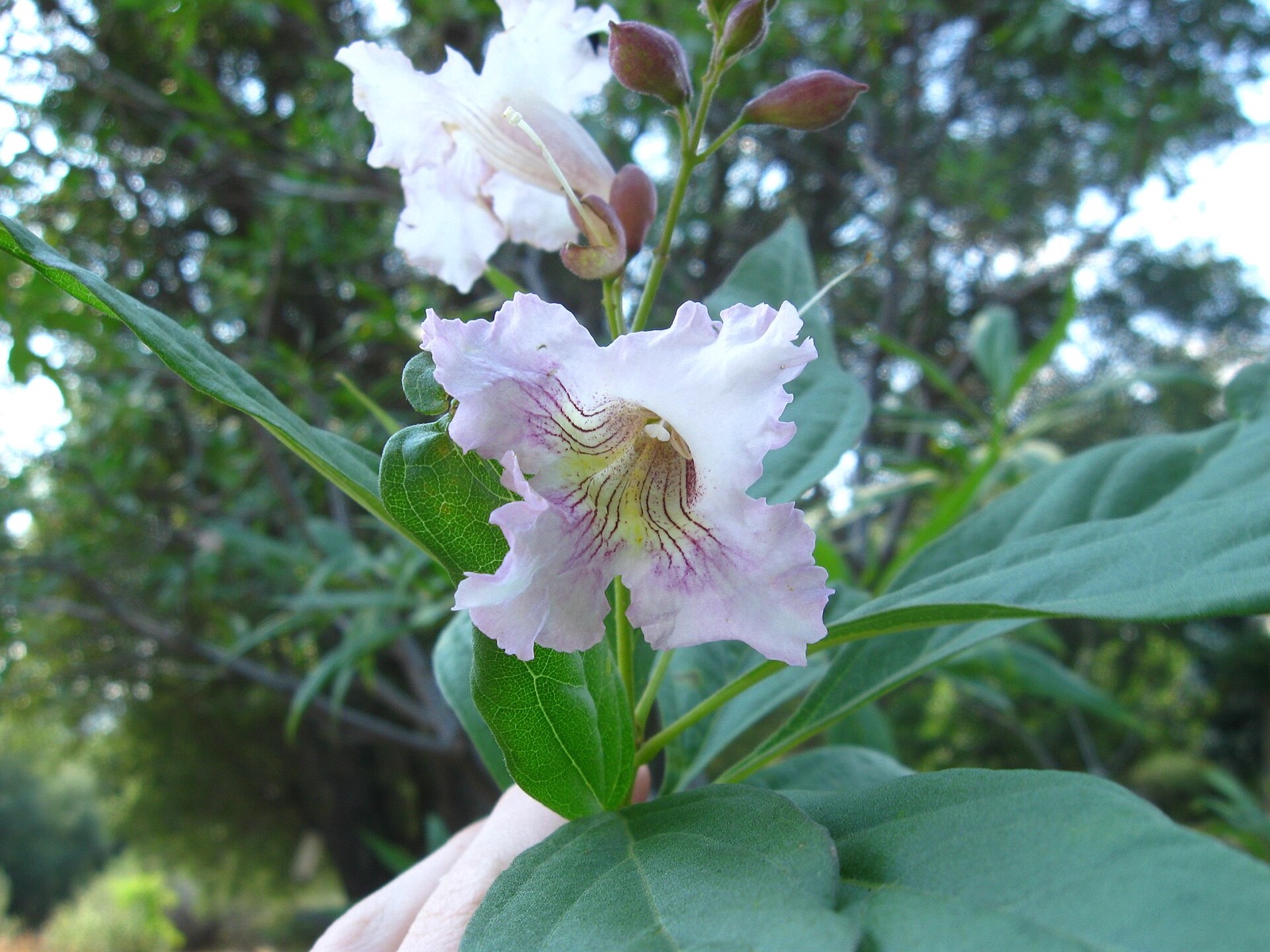 Chitalpa× Chitalpa tashkentensis
Wholesale citrus
Citrus is ordered separately. Each opens in a new tab.
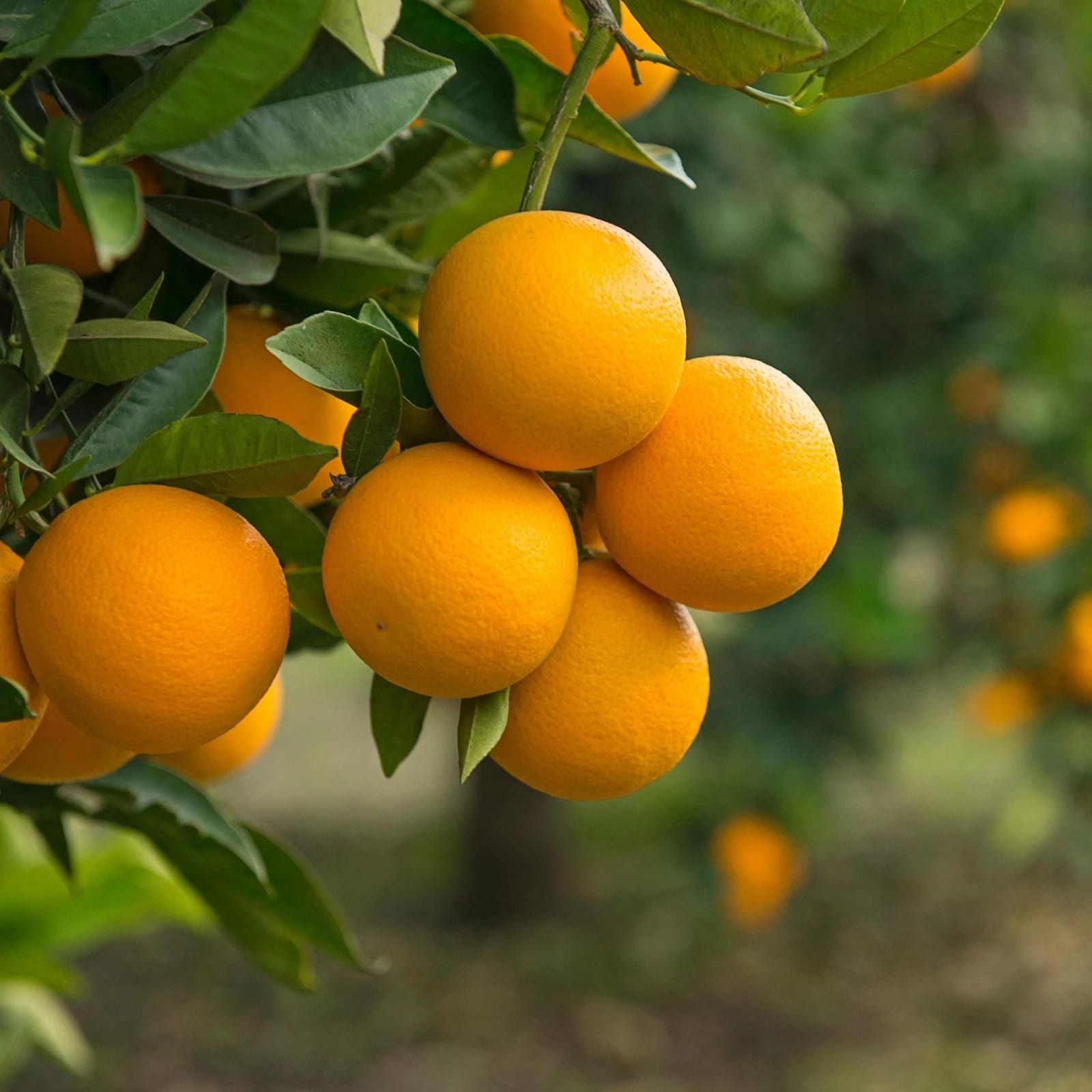 Diller Arizona sweet orangeCitrus sinensis ‘Diller’
- Trovita sweet orangeCitrus sinensis ‘Trovita’
- Parent Washington navel orangeCitrus sinensis ‘Parent Washington’
- Fukumoto navel orangeCitrus sinensis ‘Fukumoto’
- Lane Late navel orangeCitrus sinensis ‘Lane Late’
- Cara Cara navel orangeCitrus sinensis ‘Cara Cara’
- Valencia orangeCitrus sinensis ‘Valencia’
- Moro blood orangeCitrus sinensis ‘Moro’