
Olives · Dave Wilson Nursery
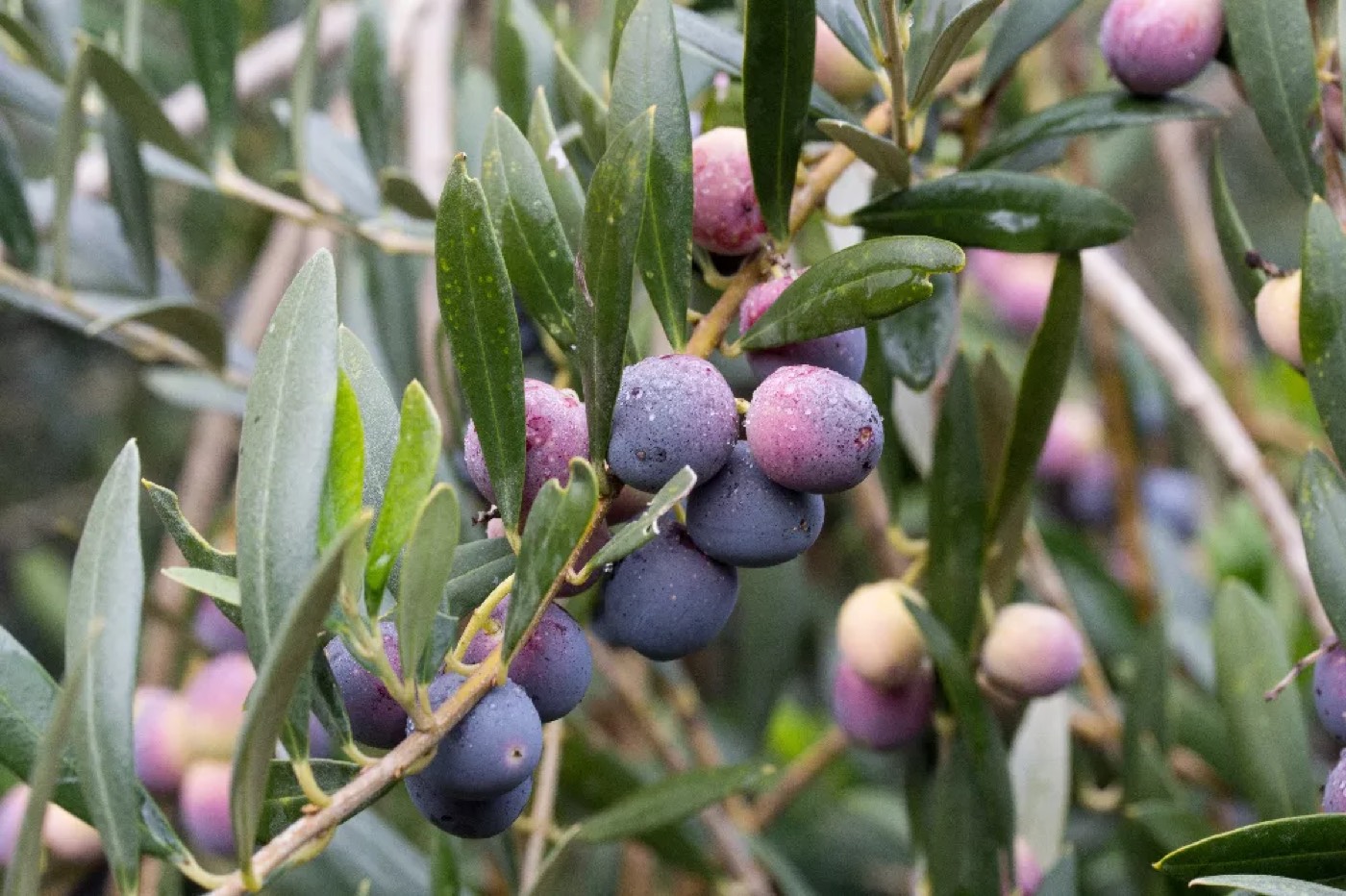
Arbequina AS-1 Olive
Olea europaea ‘Arbequina’Small, mild, fruity olives with very little bitterness and a high oil content, from a compact tree that is moderately frost hardy. Self-fruitful but heavier with Arbosana nearby. Best in the low desert, where damage starts around the mid teens, and check city pollen rules first.
- Chill hours
- Under 300 chill hours
- Harvest
- October to November in the low desert
- Pollination
- Self-fruitful; heavier crops with Arbosana nearby
- Mature size
- 12–15 ft unpruned (compact, upright); easy to hold at 8–10 ft
- Cold hardiness
- Hardy here. UC lists Arbequina among the cold-hardy olives, and olive trees in general are hardy to about 15°F. It blooms in late spring, after frost, but green fruit left on the tree can be hurt near 28°F.
- Heat tolerance
- Takes full sun and heat. Olives thrive in heat and full sun, including a west exposure. A sudden June heat spell can make young fruit drop. Paint the trunk white on newly planted trees.
Which one
Every olive side by side
Same fruit, different seasons and different jobs. Pick the row that fits your ground and your calendar.
| Small, mild, fruity olives with very little bitterness and a high oil content, from a compact tree that is moderately frost hardy. Self-fruitful but heavier with Arbosana nearby. Best in the low desert, where damage starts around the mid teens, and check city pollen rules first. | A dwarf olive with big crops of small olives, rich in premium oil with a more robust, balanced flavor than Arbequina. It ripens about three weeks after Arbequina and is less cold hardy, so keep it in the low desert and out of frost pockets. Pair it with Arbequina for heavier crops and check city pollen rules first. | One of the great Tuscan oil olives, with a balanced fruity, bitter and peppery flavor, on a vigorous upright tree that ripens late, around November. It crops well in the low desert and is self-fruitful, though heavier with Pendolino or Leccino nearby. Check city pollen rules first. | The classic table olive, large and good cured green or black, though like any olive it is bitter until cured. It ripens earliest of the group, giving time to cure before the holidays. A low desert tree with only moderate cold hardiness, so check city pollen rules first. | The all-round home garden olive, good for curing or for oil, and hardier in the cold than most. It grows into a big, handsome evergreen that works as an edible landscape tree, but damage still comes in the teens, so it stays a low desert tree. Check city pollen rules first. | In Tuscany this is the olive planted to pollinate others, with small fruit and a mild oil, but it also makes a dense, weeping landscape tree with good cold hardiness. It cannot set fruit on its own, so it needs a partner such as Frantoio. Low desert tree; check city pollen rules first. | |
|---|---|---|---|---|---|---|
| Harvest | October to November in the low desert | November to December in the low desert | November to December in the low desert | September to October for green olives in the low desert | September to November (green to black) in the low desert | October to December in the low desert |
| Chill hours | Under 300 chill hours | 200–300 chill hours | Under 300 chill hours | Under 300 chill hours | Under 300 chill hours | Under 300 chill hours |
| Pollination | Self-fruitful; heavier crops with Arbosana nearby | Self-fruitful; heavier crops with Arbequina nearby | Self-fruitful; heavier crops with Pendolino or Leccino | Self-fruitful; heavier crops with another olive such as Mission | Self-fruitful; heavier crops with another olive such as Manzanillo | Self-sterile; needs another olive such as Frantoio or Leccino |
| Mature size | 12–15 ft unpruned (compact, upright); easy to hold at 8–10 ft | 10–15 ft unpruned (dwarf); easy to hold at 8 ft | 20–30 ft unpruned (vigorous, upright); easy to hold at 10–12 ft | 20–25 ft unpruned; easy to hold at 10–12 ft | 25–30 ft unpruned; easy to hold at 12 ft | 20–25 ft unpruned (weeping); easy to hold at 10–12 ft |
| Cold | Hardy here | Cover while young | Cover while young | Cover while young | Cover early bloom below 28°F | Cover early bloom below 28°F |
| Heat | Takes full sun and heat | Takes full sun and heat | Takes full sun and heat | Takes full sun and heat | Takes full sun and heat | Takes full sun and heat |
| From | $18 | $18 | $18 | $18 | $18 | $18 |
More from this year's order
One standout variety of every other fruit in the order.
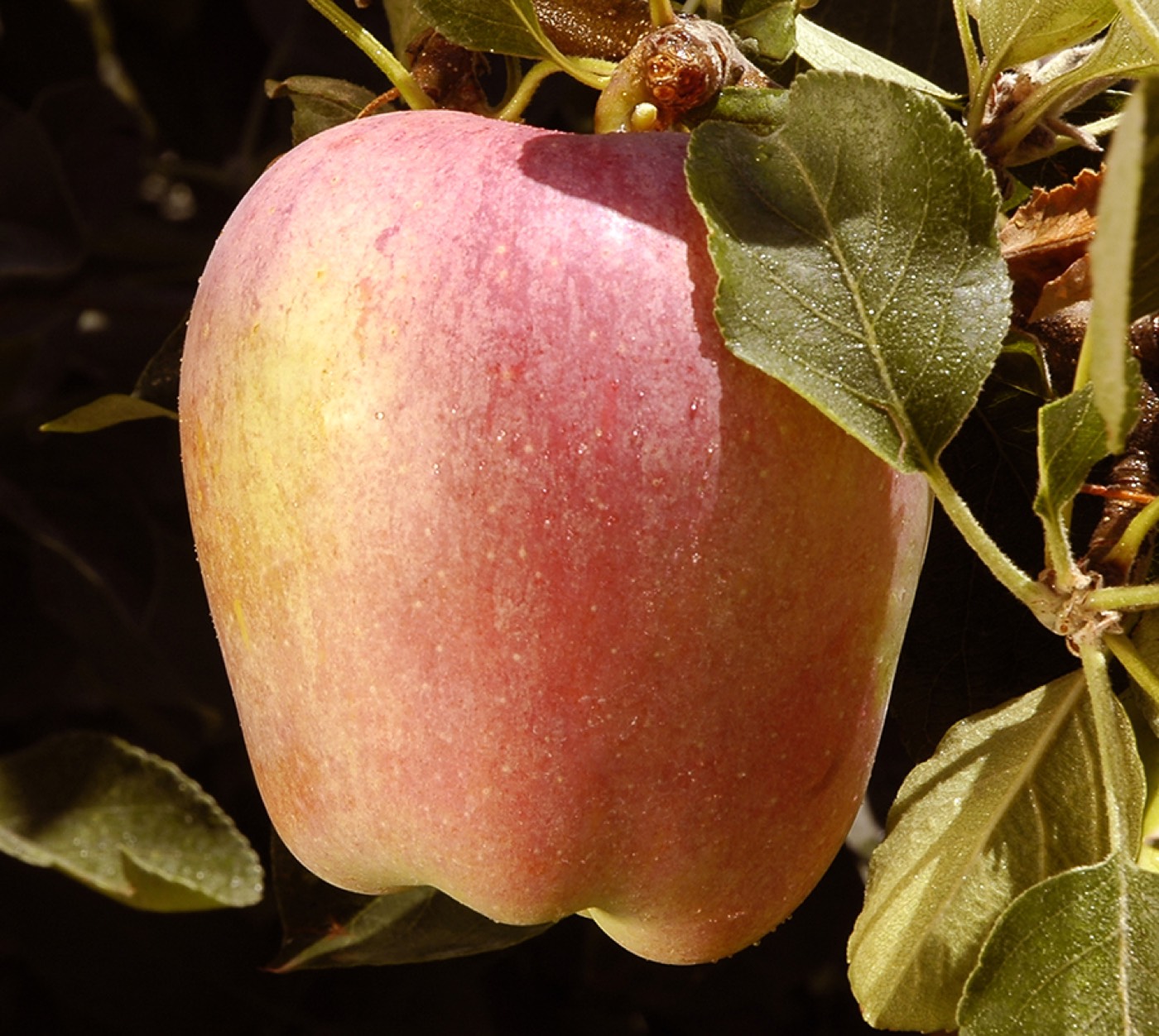 Anna Apple200 chill hours
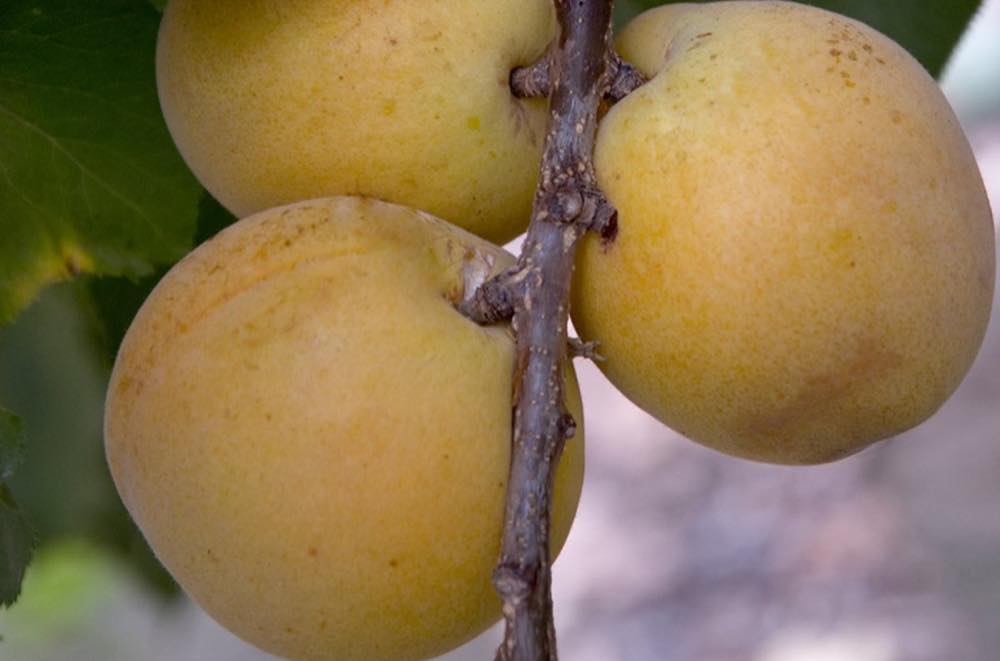 Autumn Glo Apricot500 chill hours or less
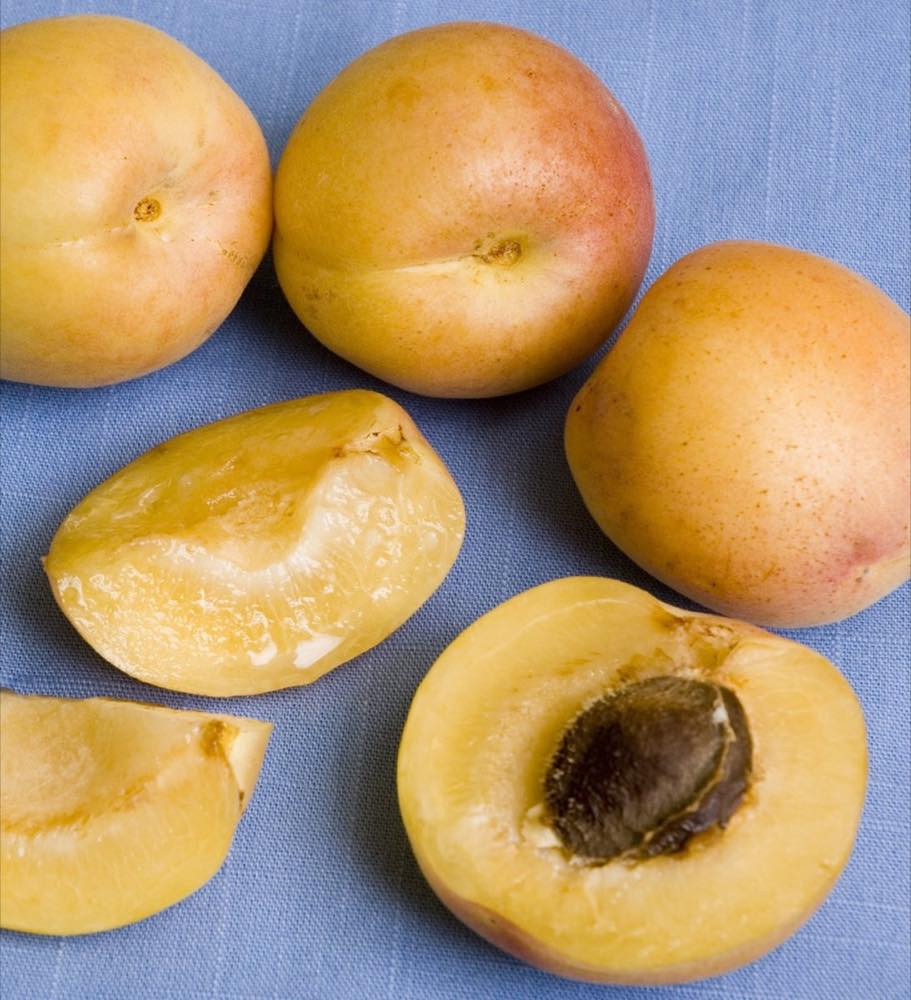 Cot-N-Candy Aprium400 chill hours
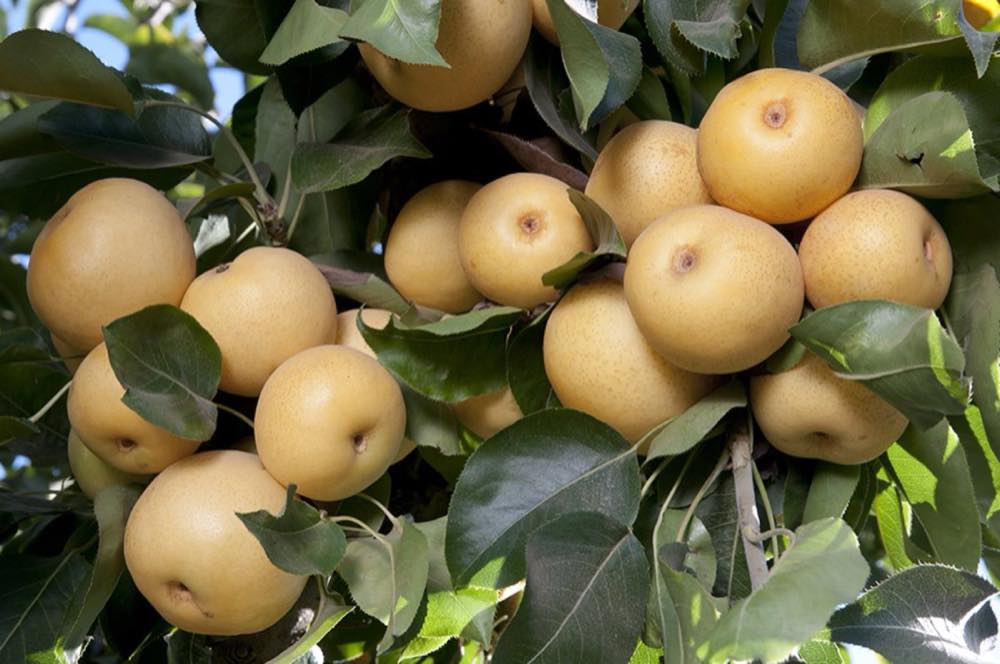 20th Century Asian Pear300–400 chill hours
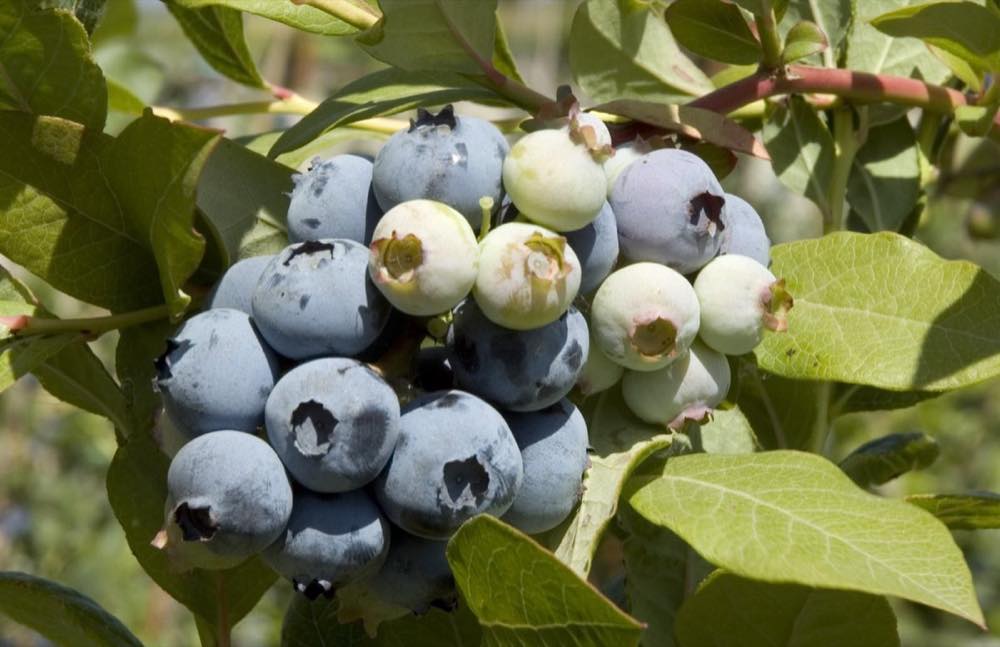 Bluecrop Northern Blueberry800 chill hours
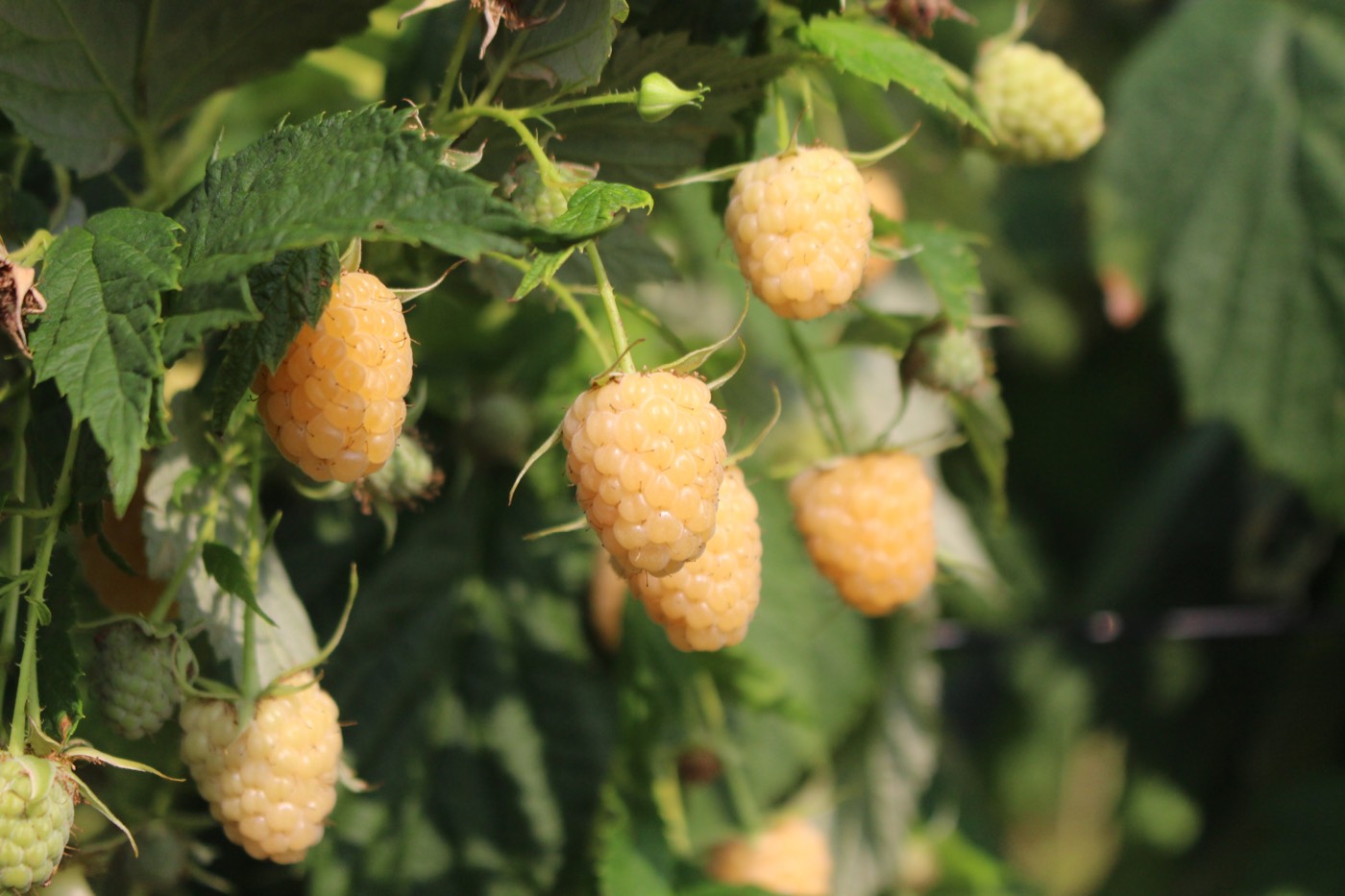 Anne RaspberryUnder 500 chill hours
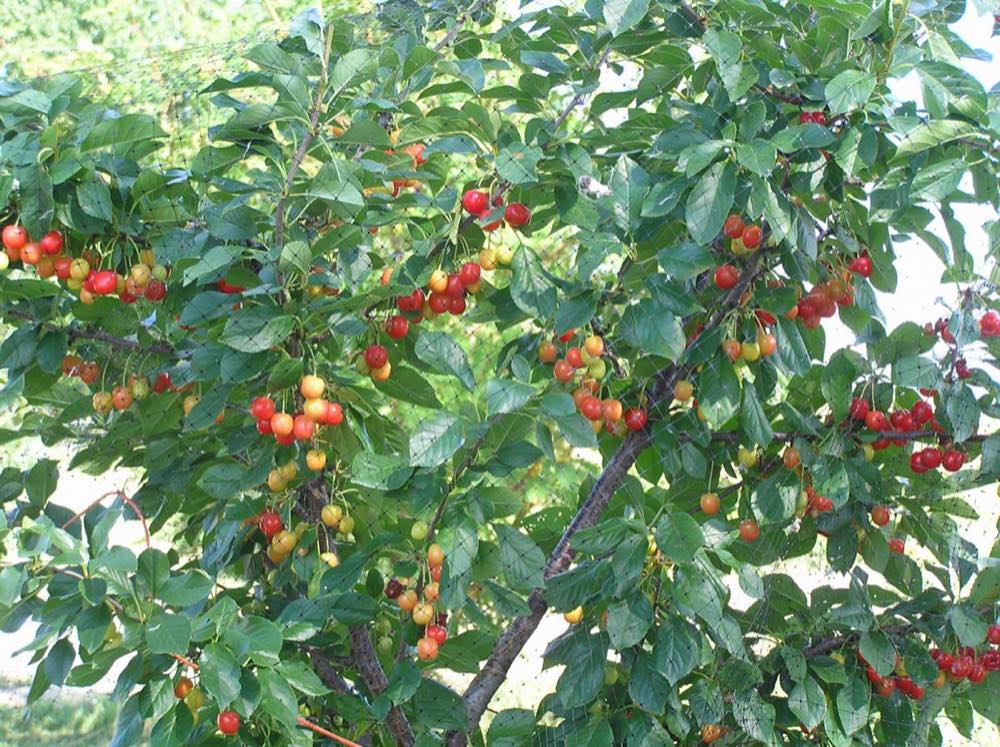 Bali Cherry400–700 chill hours
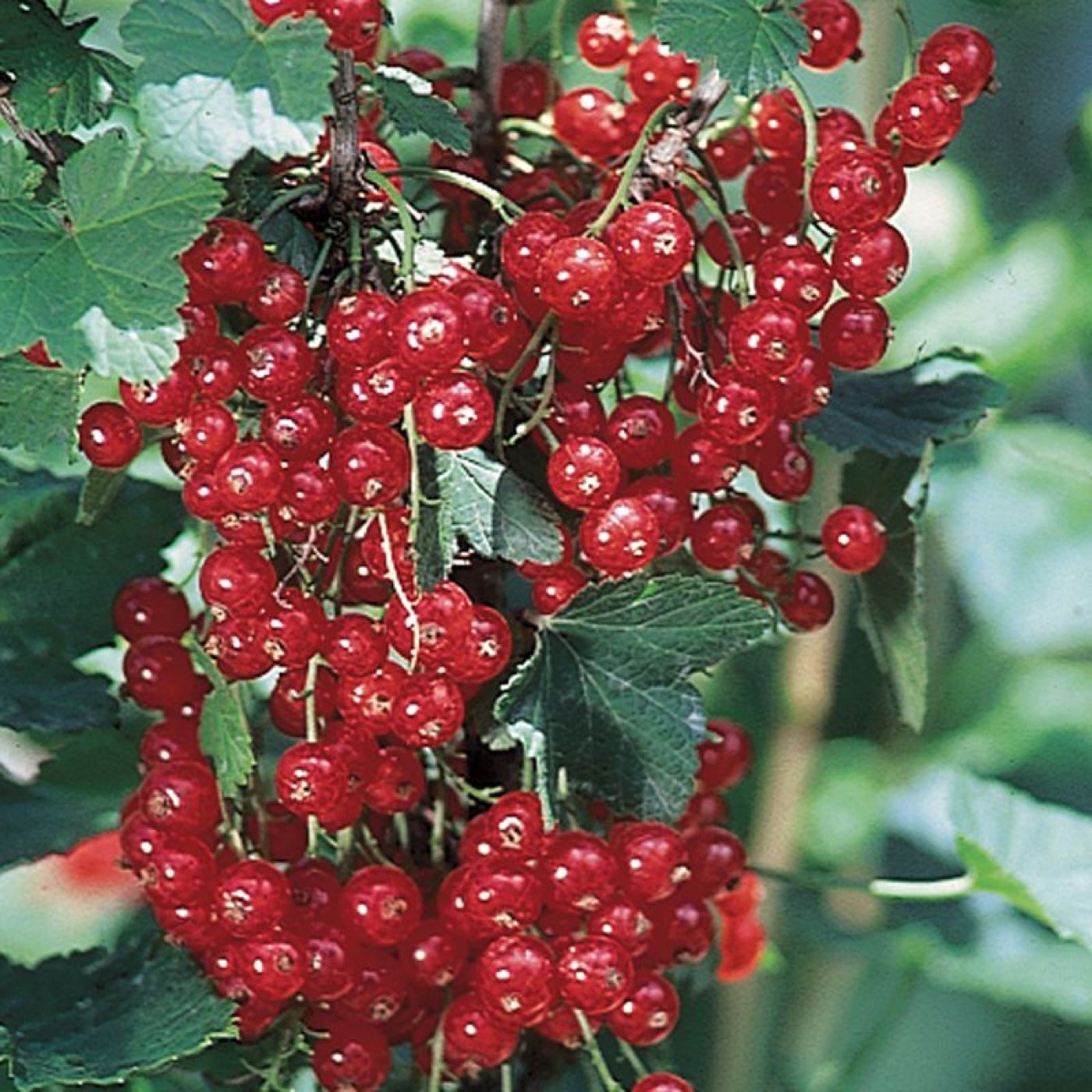 Red Lake Currant800–1200 chill hours
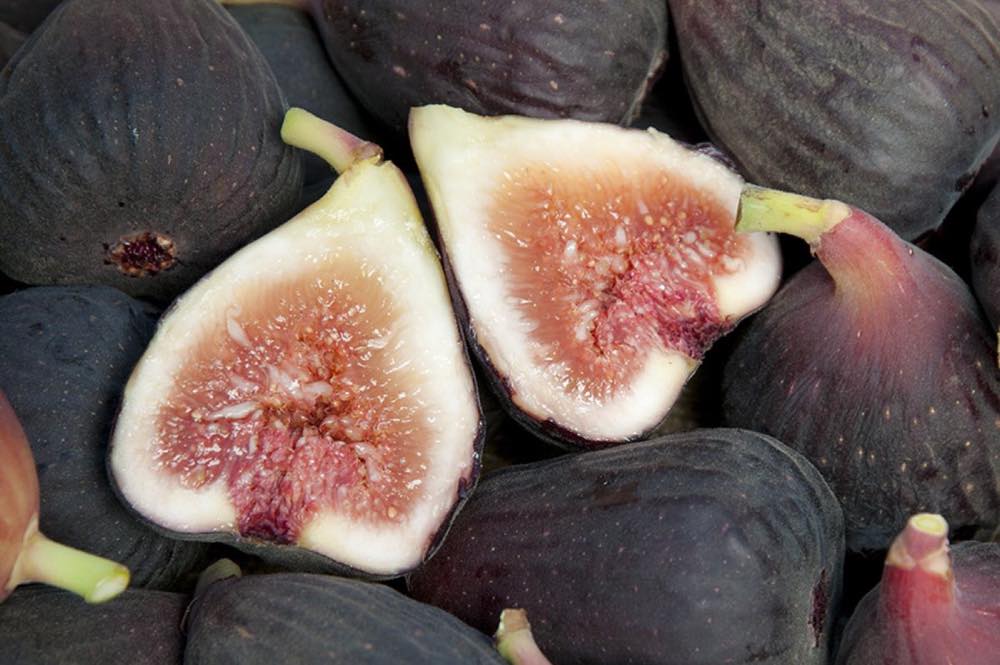 Black Jack Fig100 chill hours
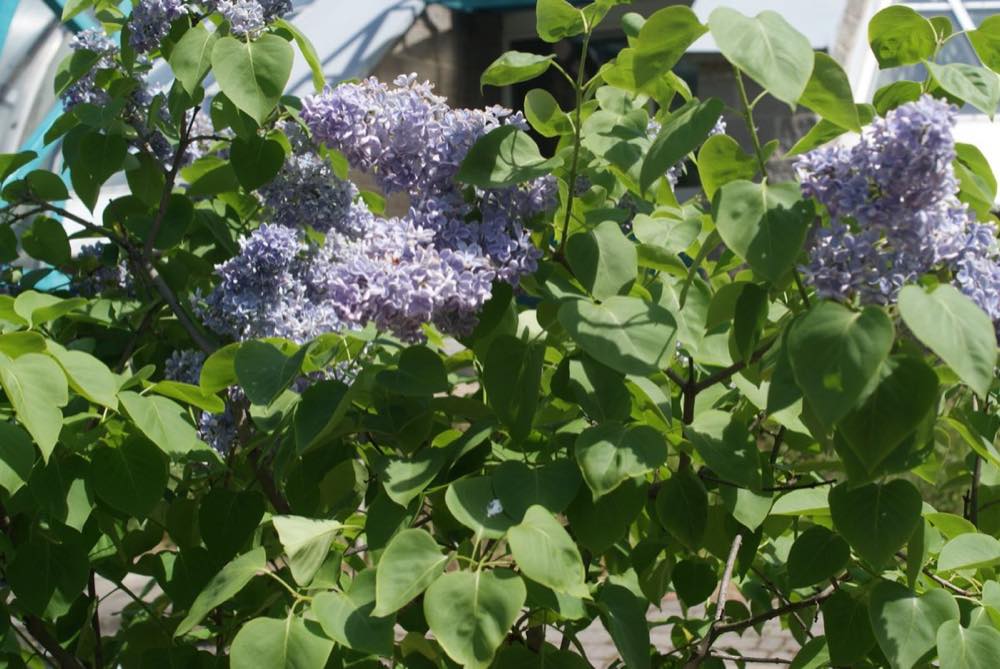 President Grevy Lilac
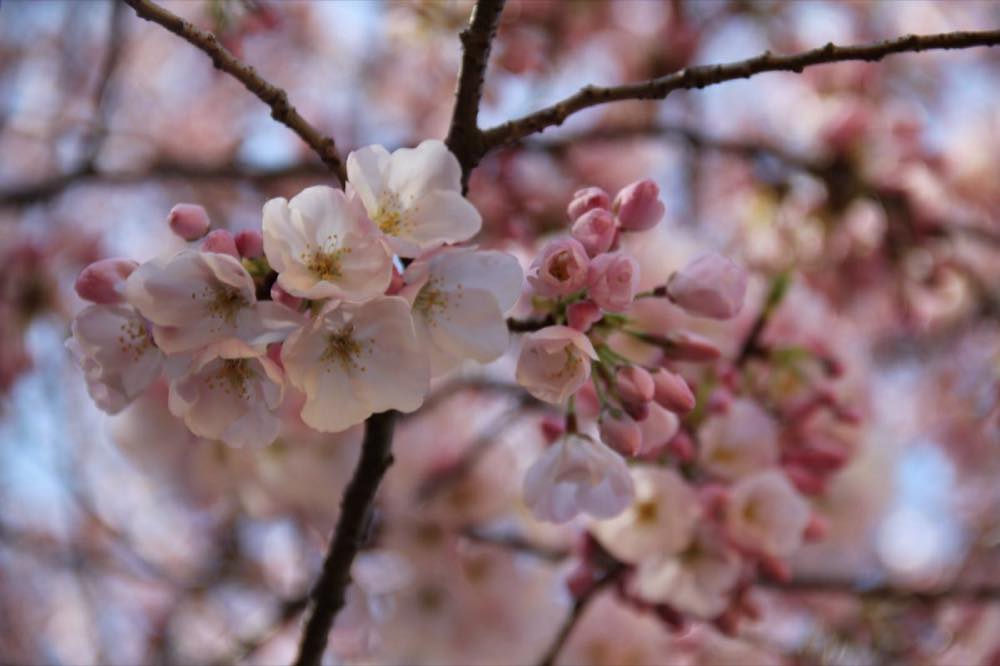 Akebono Flowering Cherry
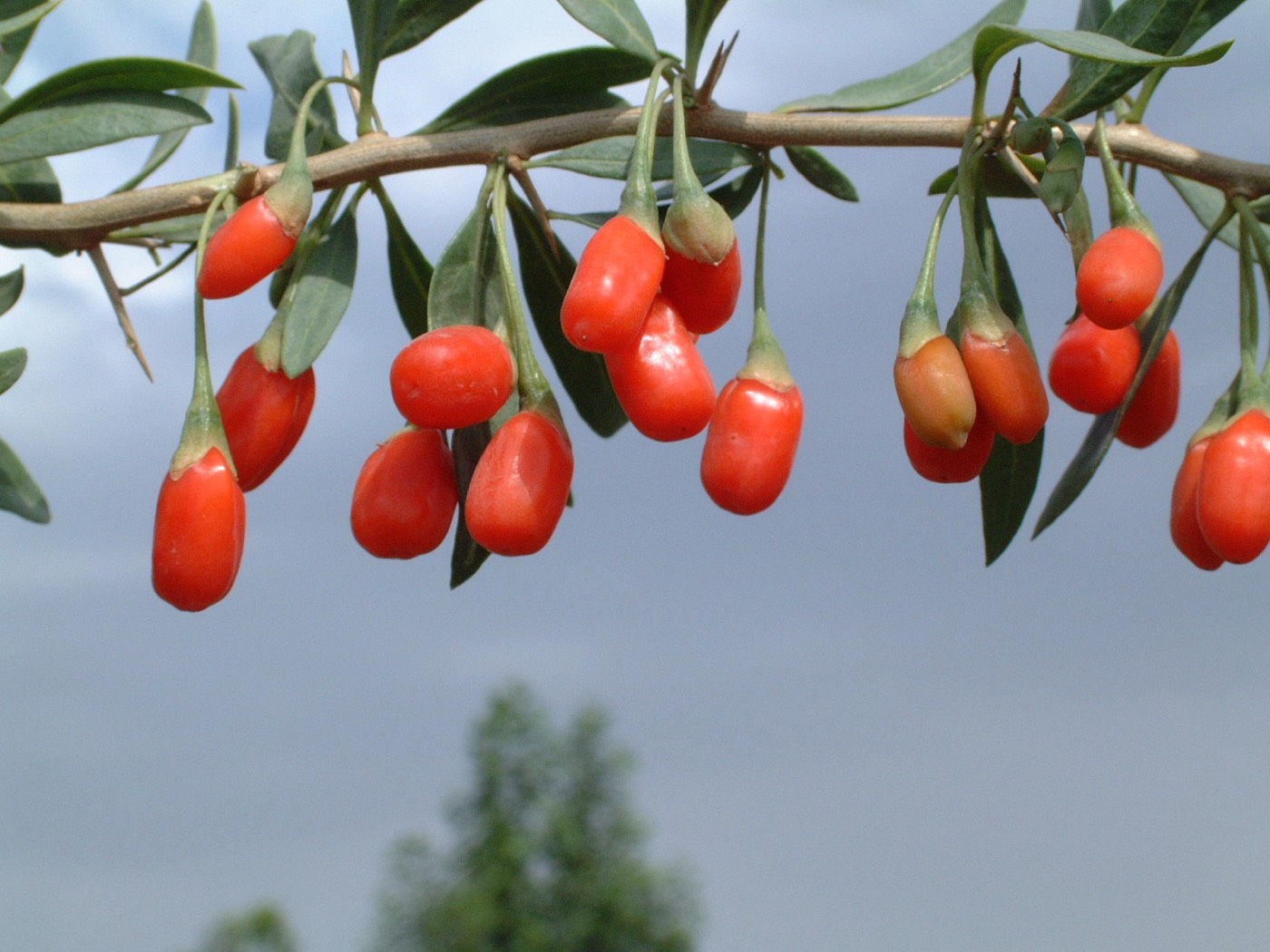 Goji BerryUnder 200 chill hours
Native & desert adapted shade trees
Not part of the fruit tree order. Each opens in a new tab with how to grow it.
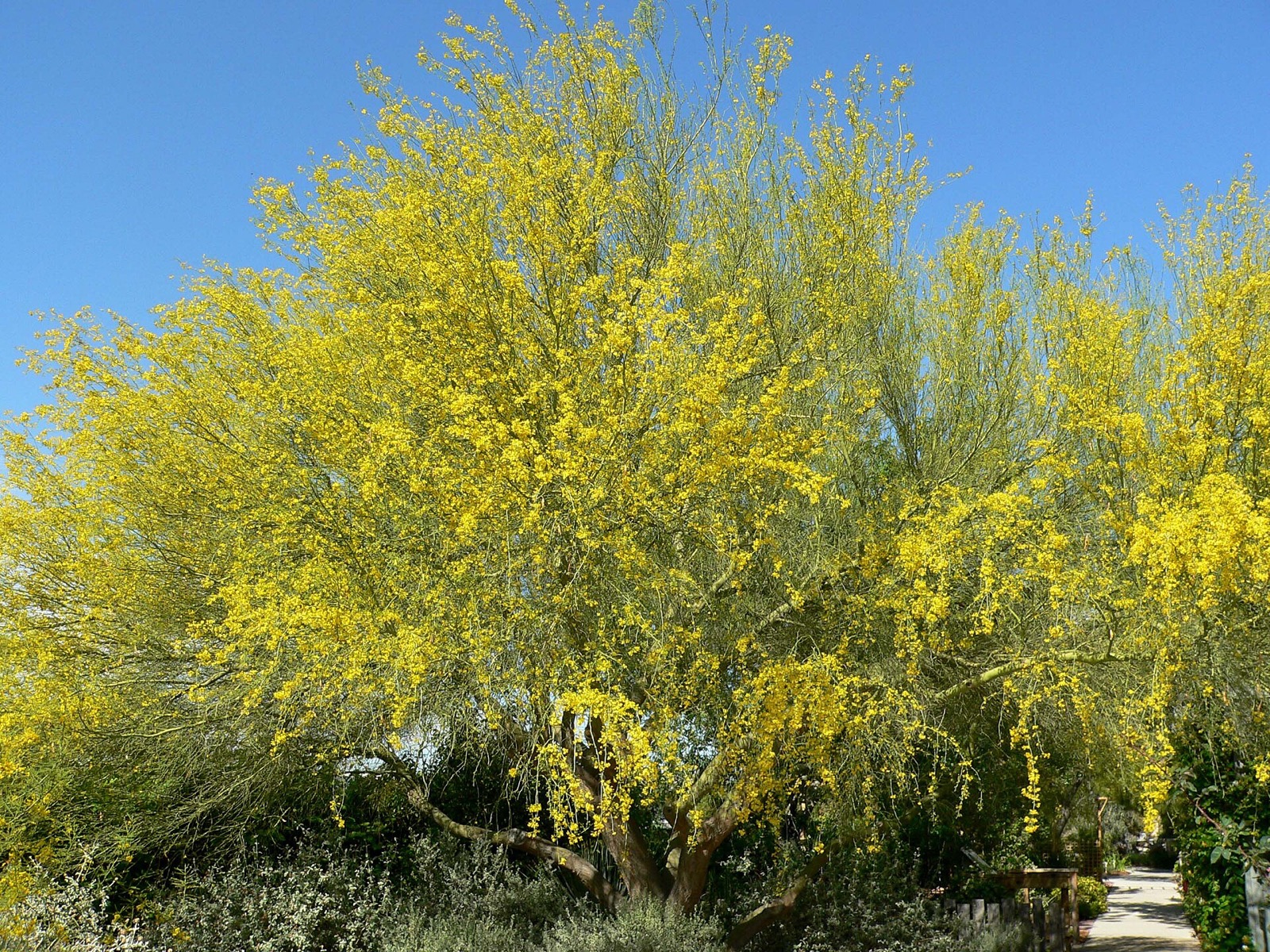 Blue palo verdeParkinsonia florida
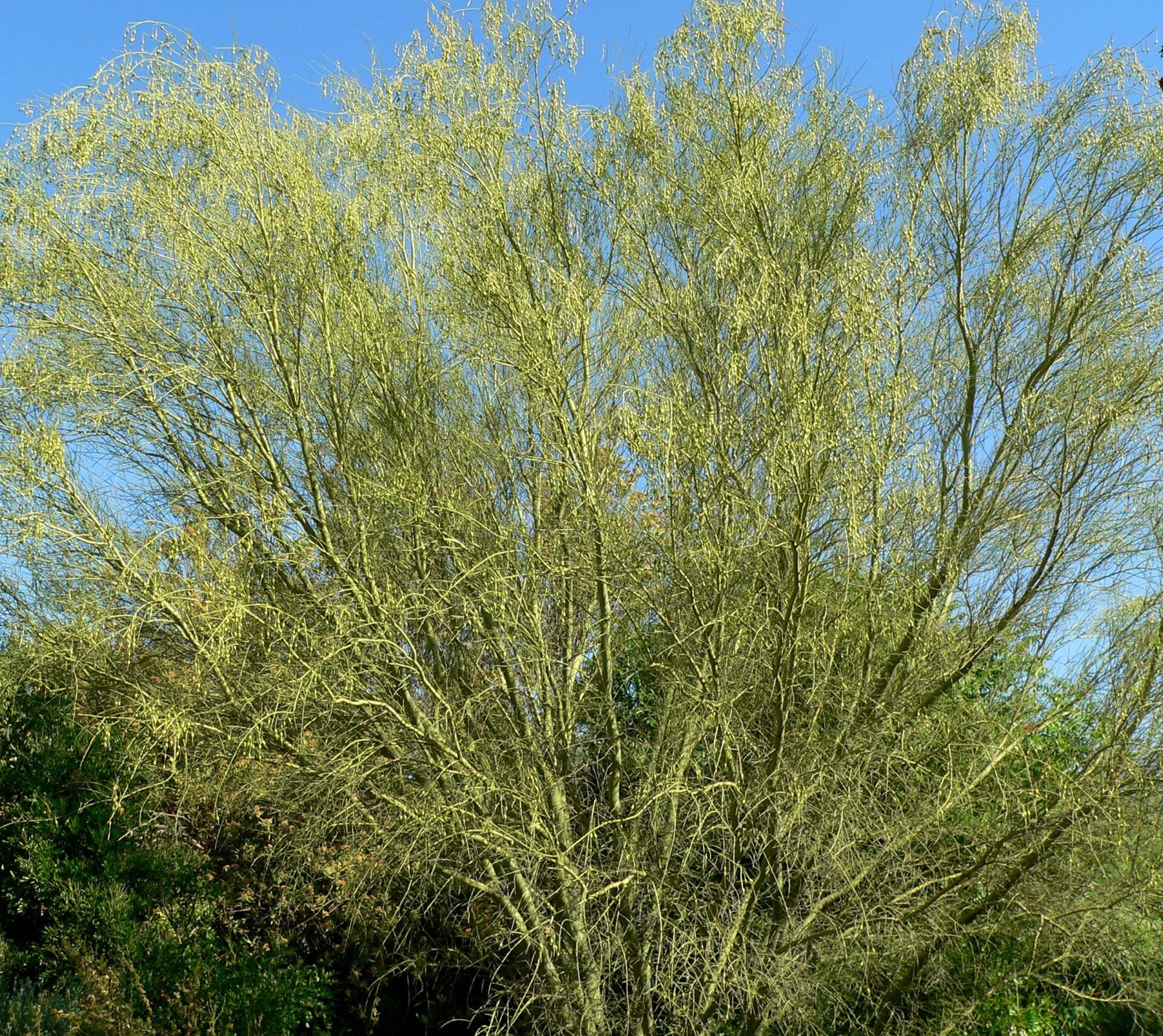 Foothill palo verdeParkinsonia microphylla
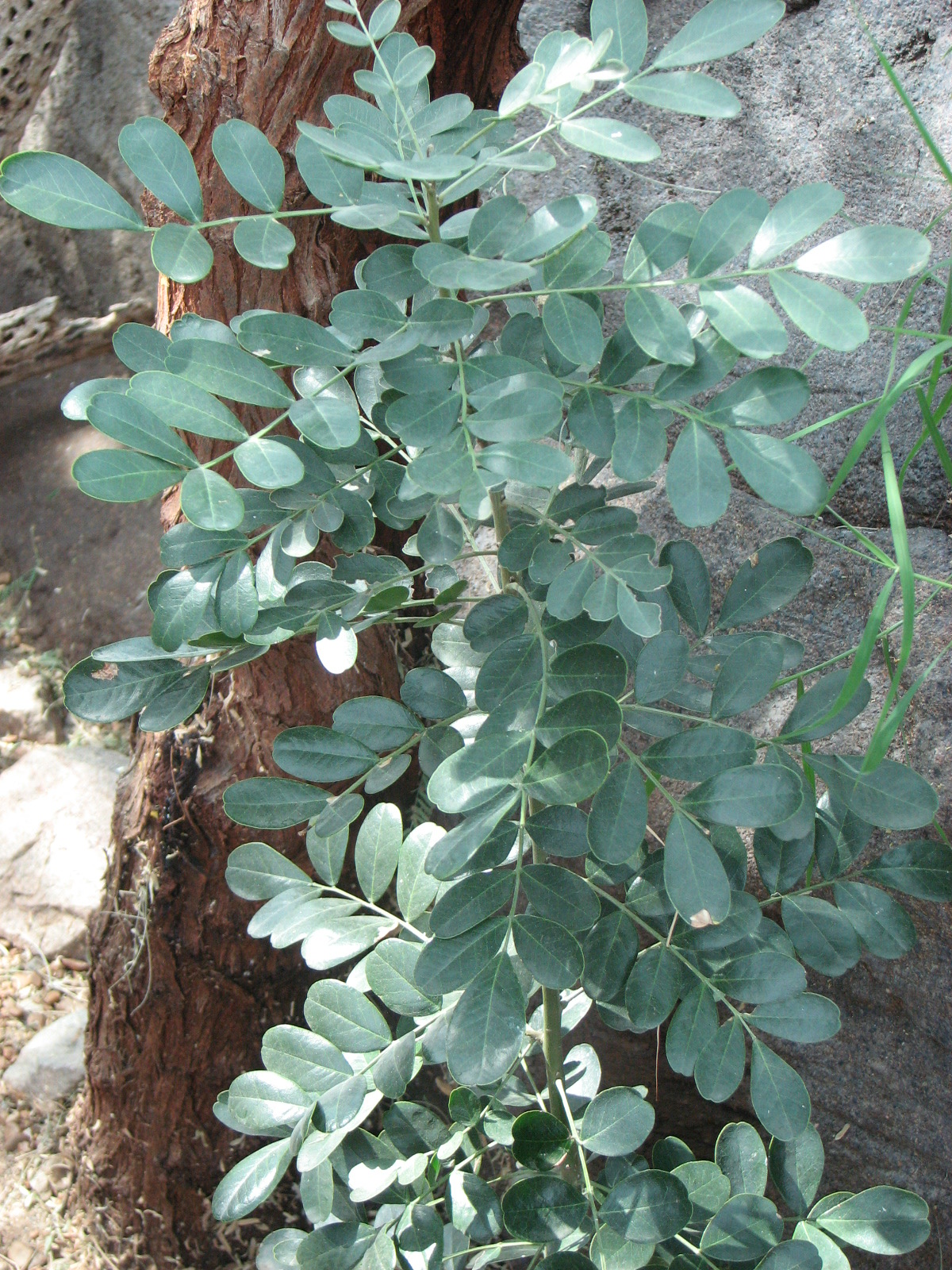 Desert ironwoodOlneya tesota
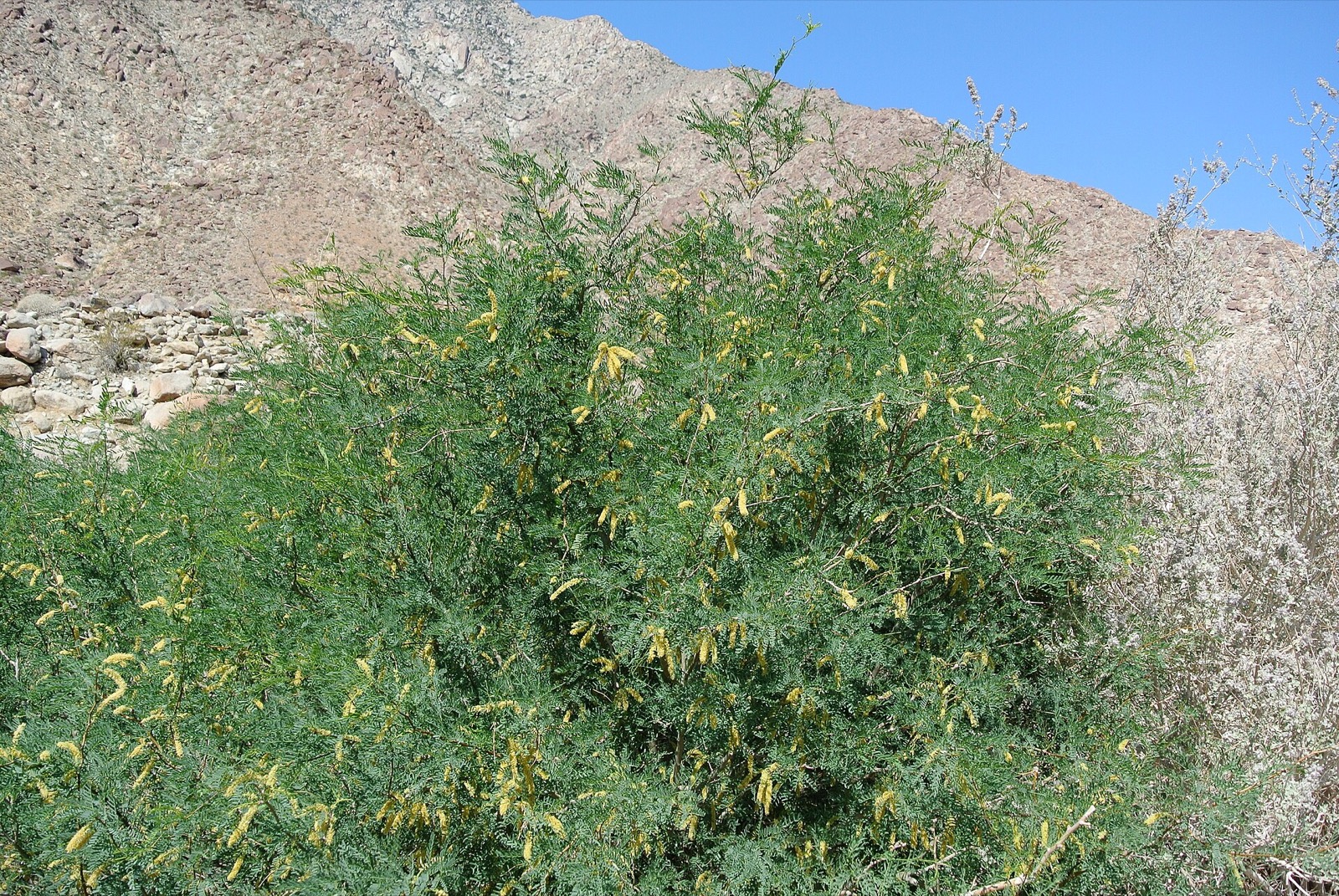 Velvet mesquiteNeltuma velutina
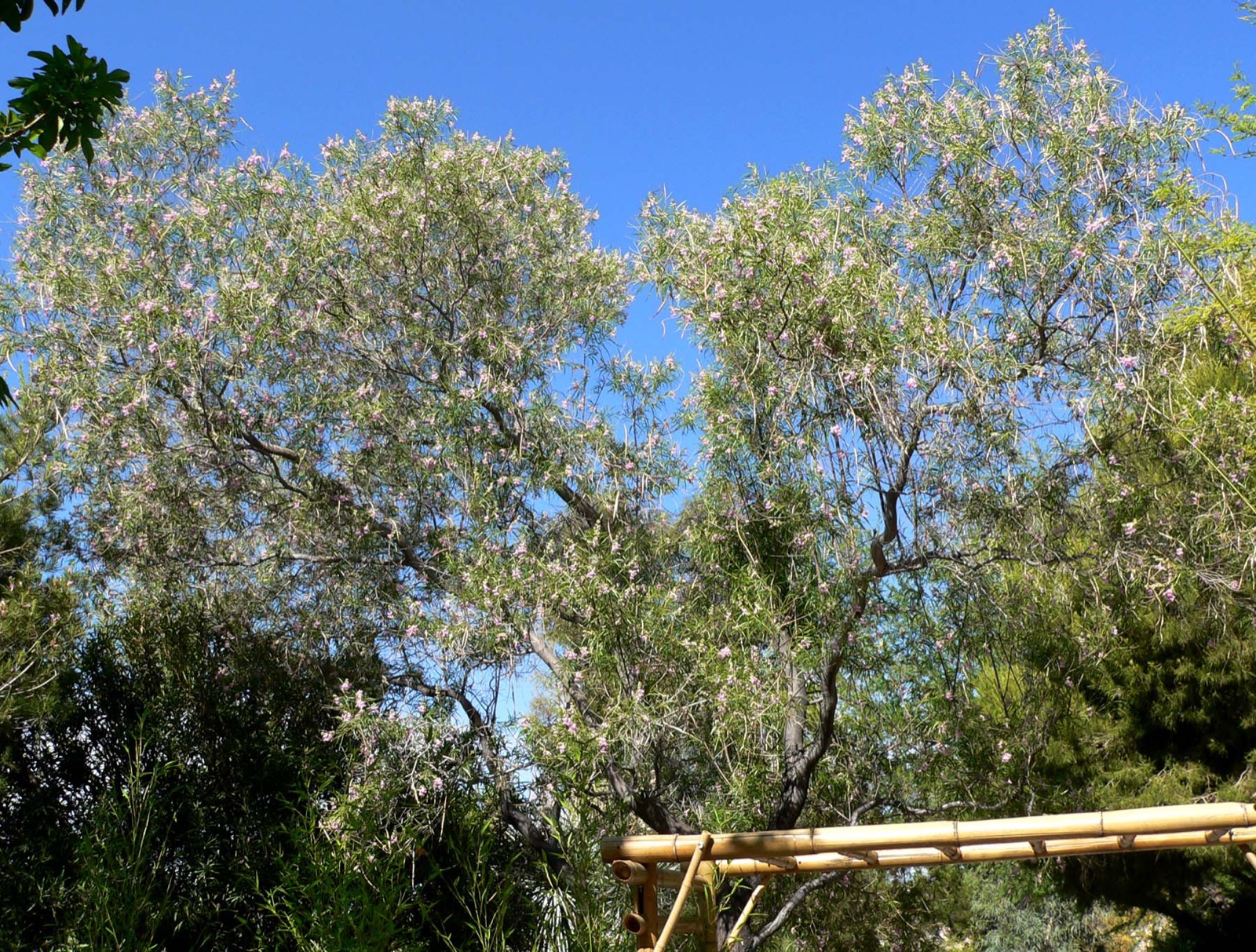 Desert willowChilopsis linearis
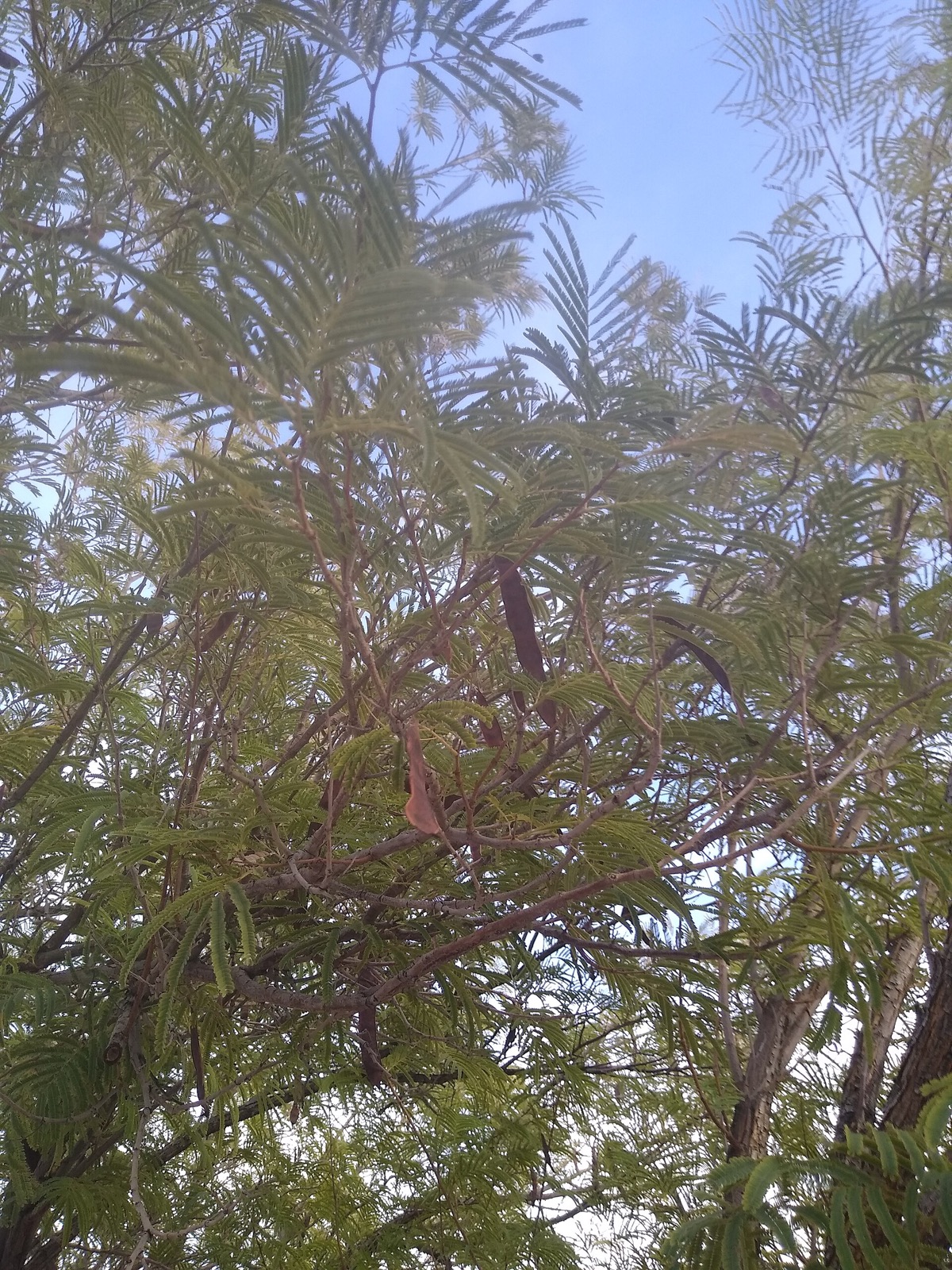 Desert fernLysiloma watsonii
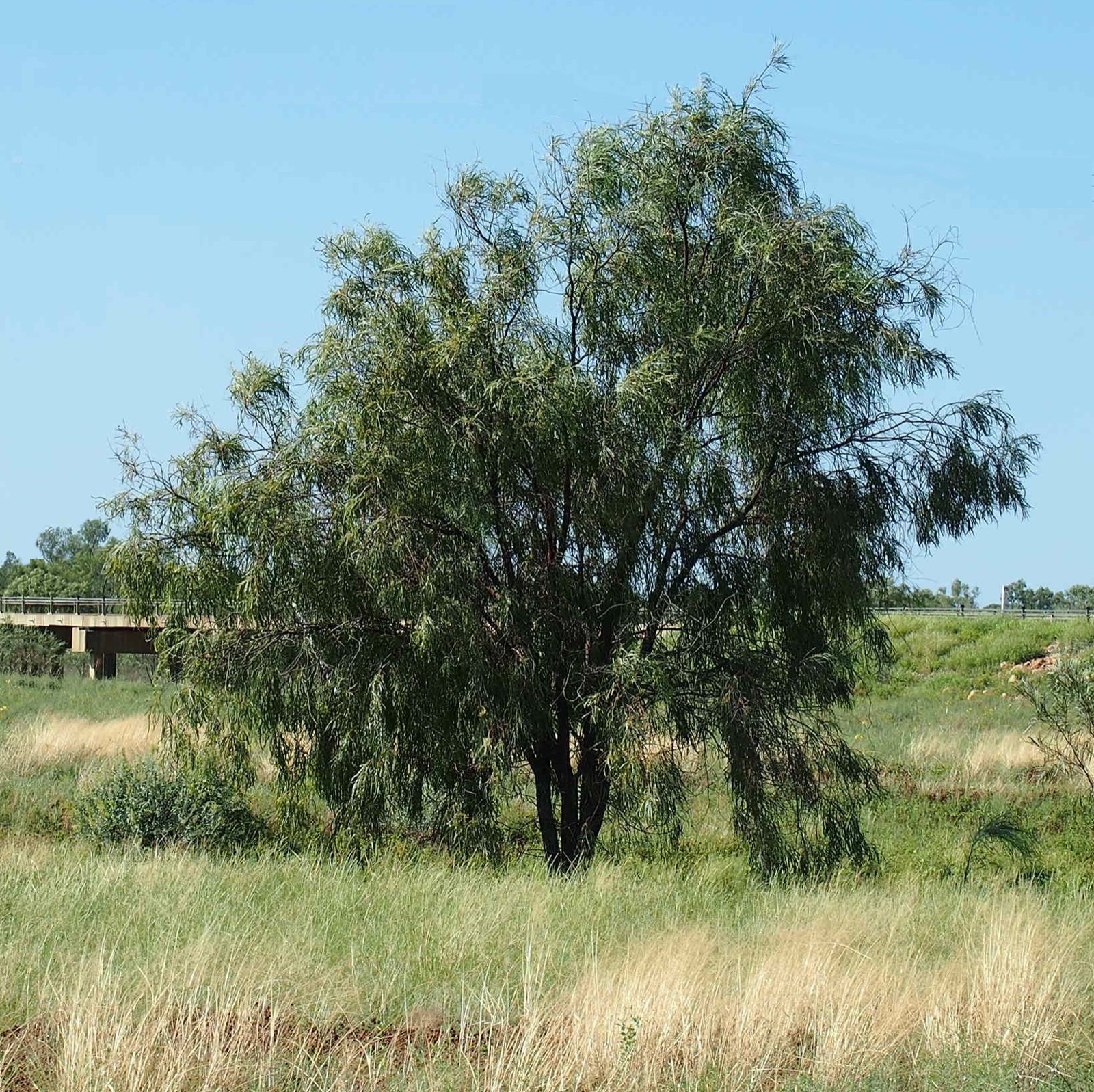 Willow acaciaAcacia salicina
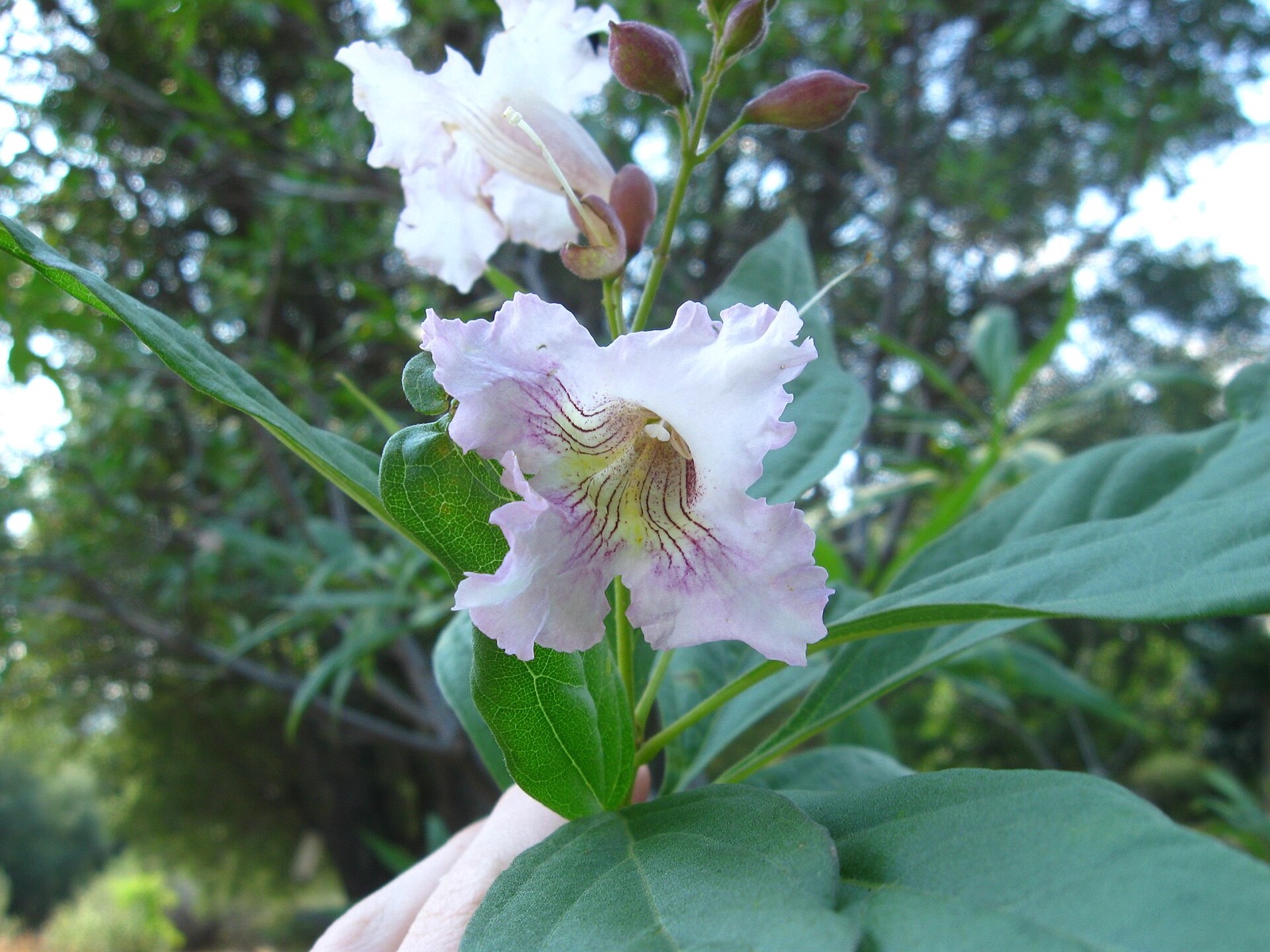 Chitalpa× Chitalpa tashkentensis
Wholesale citrus
Citrus is ordered separately. Each opens in a new tab.
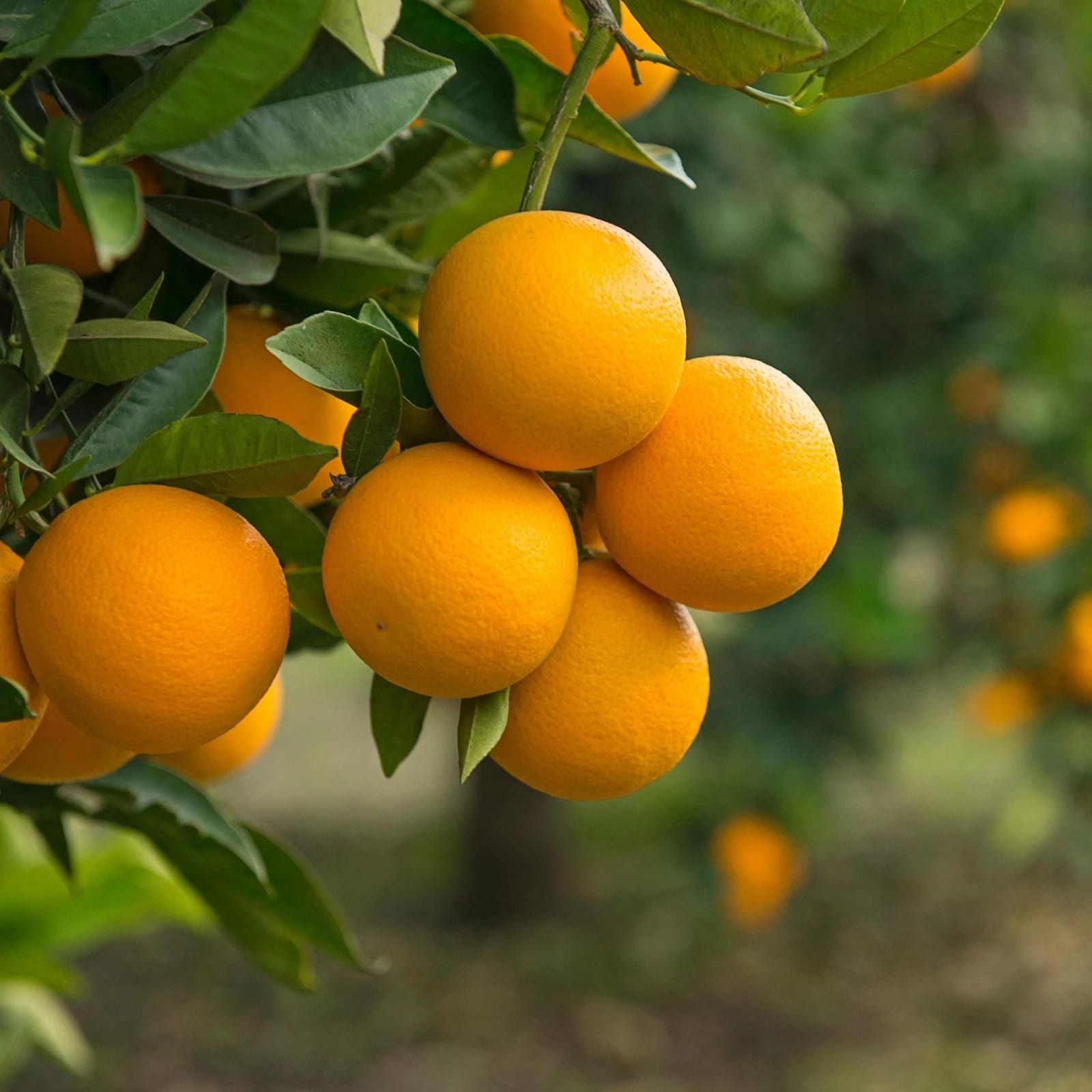 Diller Arizona sweet orangeCitrus sinensis ‘Diller’
- Trovita sweet orangeCitrus sinensis ‘Trovita’
- Parent Washington navel orangeCitrus sinensis ‘Parent Washington’
- Fukumoto navel orangeCitrus sinensis ‘Fukumoto’
- Lane Late navel orangeCitrus sinensis ‘Lane Late’
- Cara Cara navel orangeCitrus sinensis ‘Cara Cara’
- Valencia orangeCitrus sinensis ‘Valencia’
- Moro blood orangeCitrus sinensis ‘Moro’