
Permascaping, by Homegrown Foods
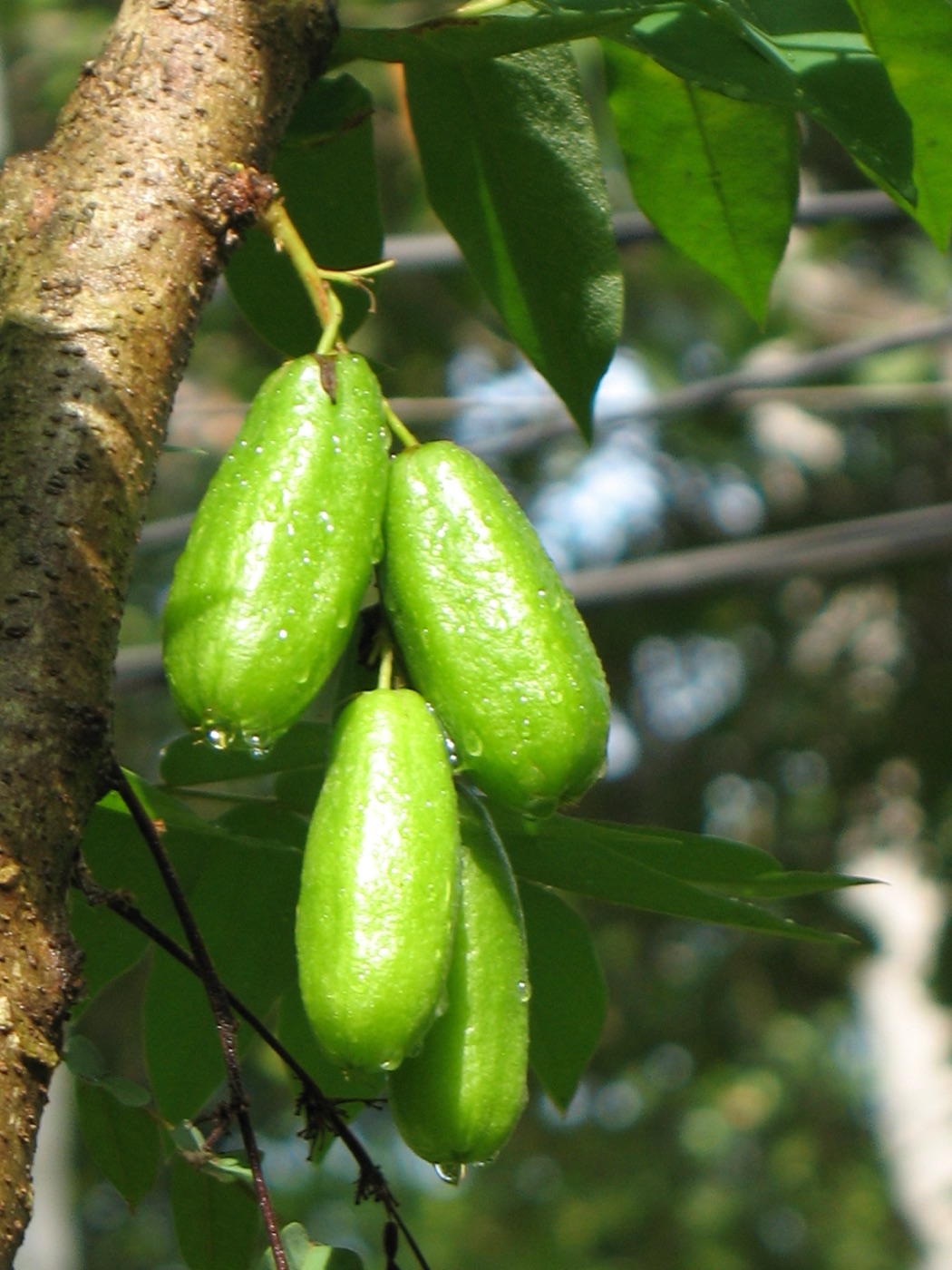
Green bilimbi fruit hanging in a cluster

Native & adapted

Bilimbi

Averrhoa bilimbi

Also known as Cucumber tree · Tree sorrel · Kamias · Khế tàu

A close relative of starfruit that bears clusters of small, very sour green fruit right on its trunk. A tender tree for the warmest yards or a large pot.

EdibleFruitingContainer friendlyFrost tender
Landscape layersLower canopy
Mature size10–15 ft tall and 8–10 ft wide in Phoenix
Climate fitUrban core · USDA 9b–10a
Plant spacing10 ft from other trees
FrostDamaged at 32°F; killed by hard frost.
Special categoriesEDIBLE
Hardiness guidanceUSDA 10b–11; damaged near 32°F
Winter chillNone
Typical harvestFruits in flushes through the warm months.

Before you plant

These conditions determine whether it will thrive.

Soil chemistry

Fast-draining soil rich in compost. Phoenix soil is alkaline, so work in soil sulfur and organic matter and use chelated iron if new leaves turn yellow between the veins.

Required microclimatePlacement is part of the growing system.

Warmest sheltered spot or a large container that can be moved under cover.

Cold hardinessCover on every frost night

More cold tender than its cousin the starfruit, and light frost damages it; young trees are often killed below 32°F. Cover it every frost night until it's 8 to 10 feet tall, and keep it out of cold wind.

Leaves and wood: damaged below 32°F
Heat toleranceNeeds afternoon shade

Likes a short dry season, but it's still a humid-tropics tree and Florida growers shelter it from wind. In Phoenix give it afternoon shade and steady water; there's little real data on how it handles 115°F dry heat.

Sources: growables.com, growables.org

Right plant, right place

Will Bilimbi grow at your Arizona property?

Very frost tender. Treat as a container or courtyard plant.

Best regional fit: Urban core · USDA 9b–10a.

Light

Sun exposure

Morning sun with afternoon shade from June through September, such as the east side of a house or under a taller nurse tree. Protect from frost on winter nights.

Water

Irrigation

Moderate to high and steady.

Fruit set

Pollination

Self-fertile.

Harvest

How to use it

Too sour to eat fresh; used in pickles, chutneys, curries and as a souring agent.

Planting & stewardship

How to help Bilimbi thrive

  1. 1

    Shade from afternoon sun.

  2. 2

    Keep soil evenly moist.

  3. 3

    Cover or move under shelter on frost nights.

  4. 4

    Feed lightly every 6 to 8 weeks in the warm season.