
Permascaping, by Homegrown Foods
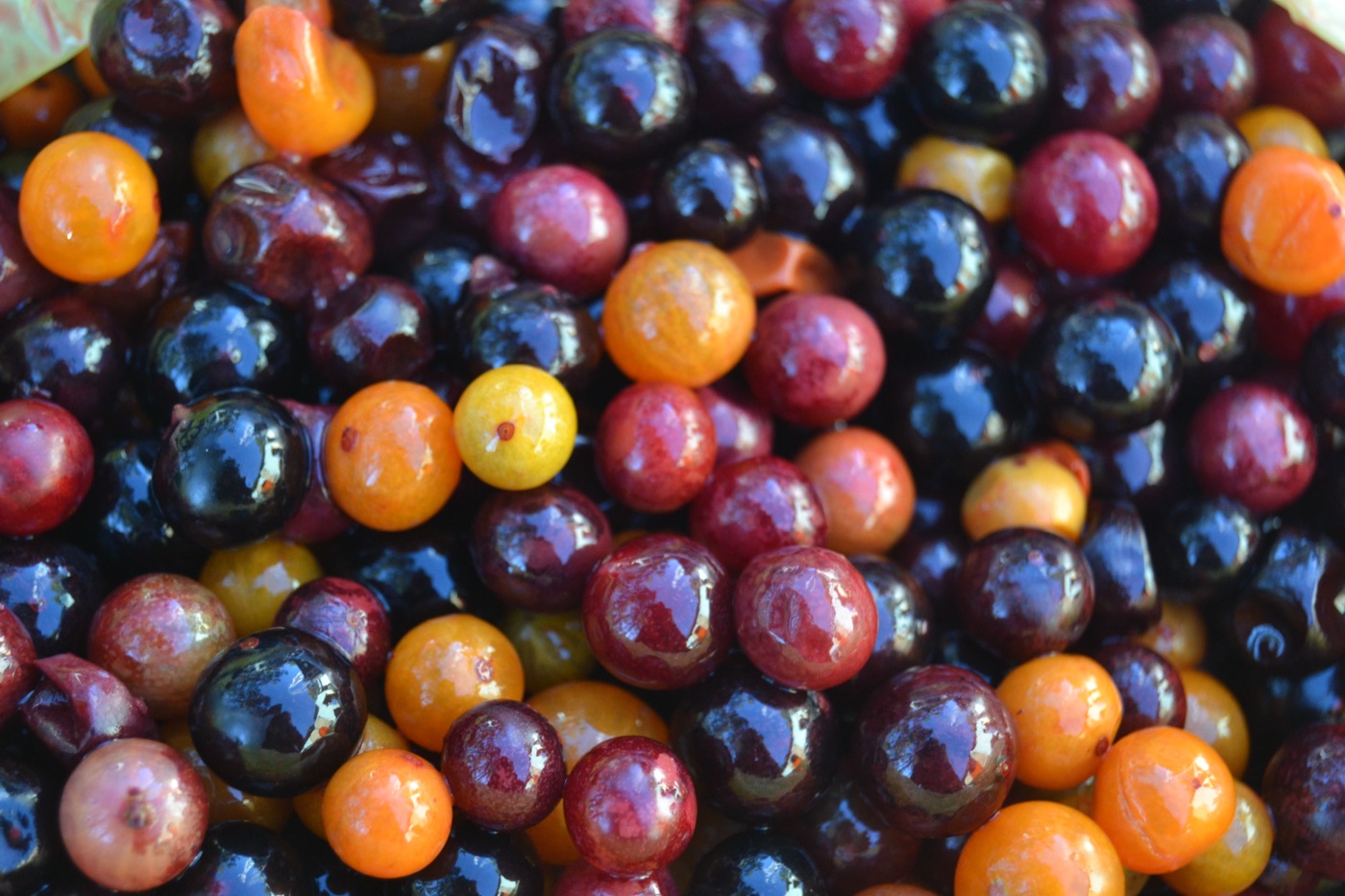
Pile of small orange and dark purple guavaberry fruits

Native & adapted

Guavaberry

Myrciaria floribunda

Also known as Rumberry Β· Murta Β· Mirto

A Caribbean shrub or small tree with small orange to dark purple berries used for a traditional holiday liqueur. Tender and best in a large pot.

EdibleFruitingEvergreenContainer friendlyFrost tender
Landscape layersLower canopy
Mature size10–15 ft tall and 6–10 ft wide
Climate fitUrban core Β· USDA 9b–10a
Plant spacing8 ft apart
FrostDamaged at 32Β°F.
Special categoriesEDIBLE
Hardiness guidanceUSDA 10b–11; damaged near 32Β°F
Winter chillNone
Typical harvestMostly late summer into fall.

Before you plant

These conditions determine whether it will thrive.

Soil chemistry

Slightly acidic, rich, fast-draining soil.

Required microclimatePlacement is part of the growing system.

Large container or sheltered courtyard with afternoon shade.

Cold hardinessCover on every frost night

No reliable figure. One general garden site claims it takes a short frost into the upper 20s, but nursery growers just call it frost sensitive, so treat it as tender and cover or move it in any night near 32Β°F.

Heat toleranceNeeds afternoon shade

Grows wild in coastal woodlands and nurseries list it for semi-shade with steady moisture. In Phoenix put it in filtered or afternoon shade; there's no real data on how it handles our dry heat.

Sources: toptropicals.com, gardeningknowhow.com

Right plant, right place

Will Guavaberry grow at your Arizona property?

Slow from seed; may take several years to fruit.

Best regional fit: Urban core Β· USDA 9b–10a.

Light

Sun exposure

Morning sun with afternoon shade from June through September, such as the east side of a house or under a taller nurse tree. Protect from frost on winter nights.

Water

Irrigation

Moderate and steady.

Fruit set

Pollination

Self-fertile.

Harvest

How to use it

Fresh, in jams, or steeped in rum for the traditional guavaberry liqueur.

Planting & stewardship

How to help Guavaberry thrive

  1. 1

    Shade from afternoon sun.

  2. 2

    Use an acid-forming fertilizer.

  3. 3

    Protect from every frost.

  4. 4

    Keep soil evenly moist.