
Permascaping, by Homegrown Foods
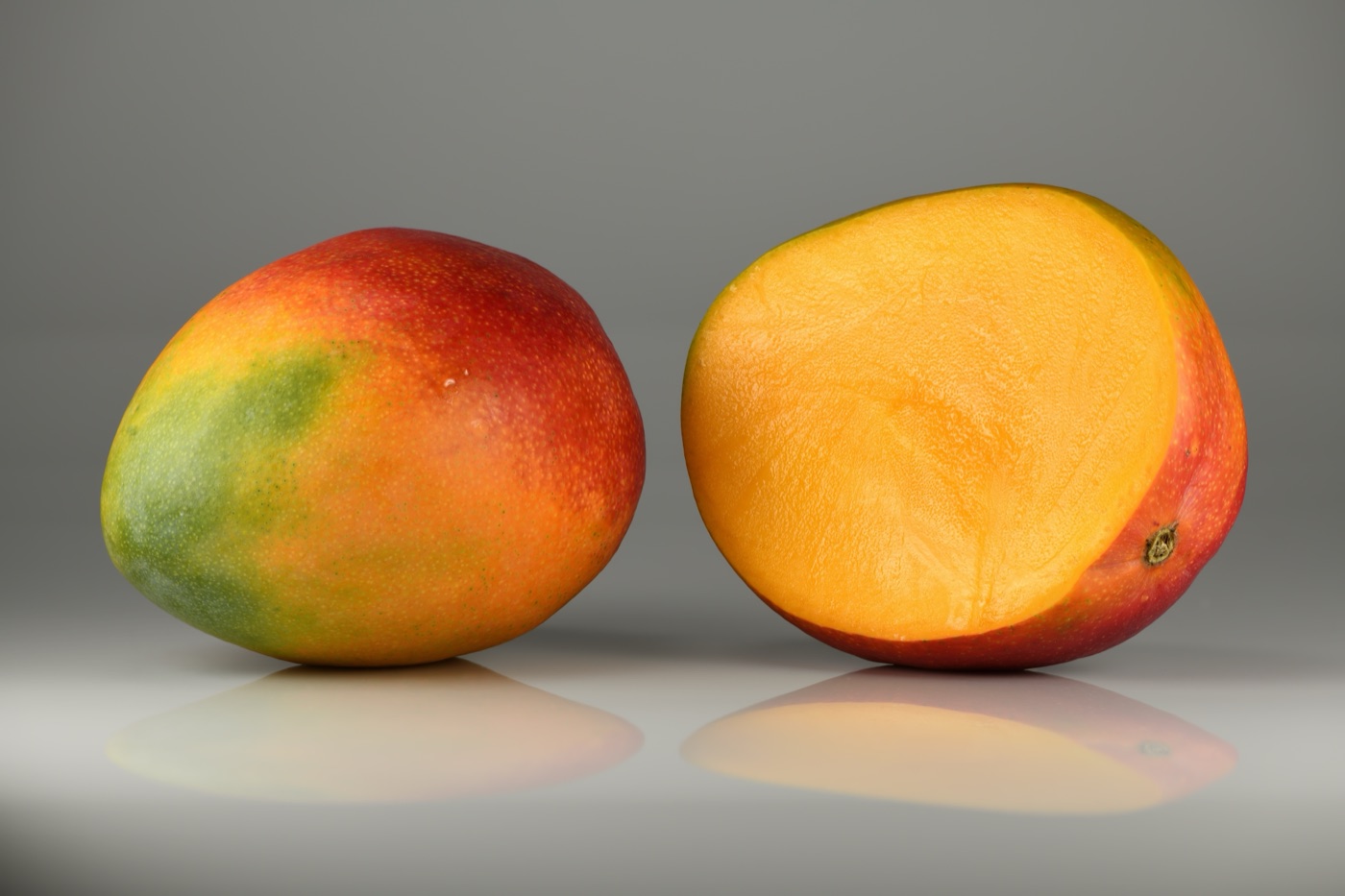
Whole and halved red-yellow mango

Native & adapted

Mango

Mangifera indica

Also known as Mango tree · Xoài

The tropical fruit most Phoenix growers want. Mangos do fruit here with afternoon shade, acidifying care and frost protection for the first few winters.

EdibleFruitingEvergreenFrost tender
Landscape layersLower canopy
Mature size15–25 ft tall and 15–20 ft wide; easy to hold at 10–12 ft with pruning
Climate fitUrban core · USDA 9b–10a · Valley suburbs · USDA 9a–9b
Plant spacing15 ft from other trees
FrostFlowers and young growth damaged at 32°F; young trees killed below about 30°F; mature trees survive brief dips to about 28°F.
Special categoriesEDIBLE
Hardiness guidanceUSDA 10–11; flowers and young growth damaged at 32°F, young trees killed below about 30°F
Winter chillNone
Typical harvestMostly July through September, depending on variety.

Before you plant

These conditions determine whether it will thrive.

Soil chemistry

Fast-draining soil with compost. Amend alkaline Phoenix soil with soil sulfur, chelated iron and manganese.

Required microclimatePlacement is part of the growing system.

Under a nurse tree or 50% shade cloth at first, near a south or east wall for winter warmth.

Cold hardinessCover in a hard freeze below 30°F

Young trees can be killed at 29 to 30°F, so cover them every frost night for the first few winters. Mature trees take a few hours at 25°F with leaf and twig damage, but flowers and tiny fruit are hurt below 40°F, which is common during Phoenix's late winter bloom.

Leaves and wood: damaged below 30°F · Blossoms and fruit: below 40°F
Heat toleranceShade from late-afternoon sun

Established mangos handle heat and drought better than most tropicals here, tolerating highs near 118°F. Young grafted trees need sunburn protection until their canopy shades the trunk, so give afternoon shade, often the east side of a deciduous tree, and paint the trunk.

Sources: edis.ifas.ufl.edu, hort.purdue.edu, tropical.theferns.info

Right plant, right place

Will Mango grow at your Arizona property?

Choose smaller, cold-tolerant varieties such as Glenn, Nam Doc Mai, Ice Cream or Pickering. Buying the largest tree you can makes the first winters easier.

Best regional fit: Urban core · USDA 9b–10a, Valley suburbs · USDA 9a–9b.

Light

Sun exposure

Dappled sun or morning sun only for the first two or three summers, then more sun as the canopy fills in.

Water

Irrigation

Deep, infrequent watering over a wide area, about once or twice a week in summer. Avoid constantly wet soil.

Fruit set

Pollination

Self-fertile; flies and bees help.

Harvest

How to use it

Fresh, frozen, dried or blended. Green mangos are used in salads and pickles.

Planting & stewardship

How to help Mango thrive

  1. 1

    Shade the trunk and canopy for the first two or three summers.

  2. 2

    Feed with an acid-forming fertilizer and micronutrients in spring and summer.

  3. 3

    Cover the whole tree with frost cloth on nights below 34°F.

  4. 4

    Prune after harvest to keep the tree small and shaped.