
Permascaping, by Homegrown Foods
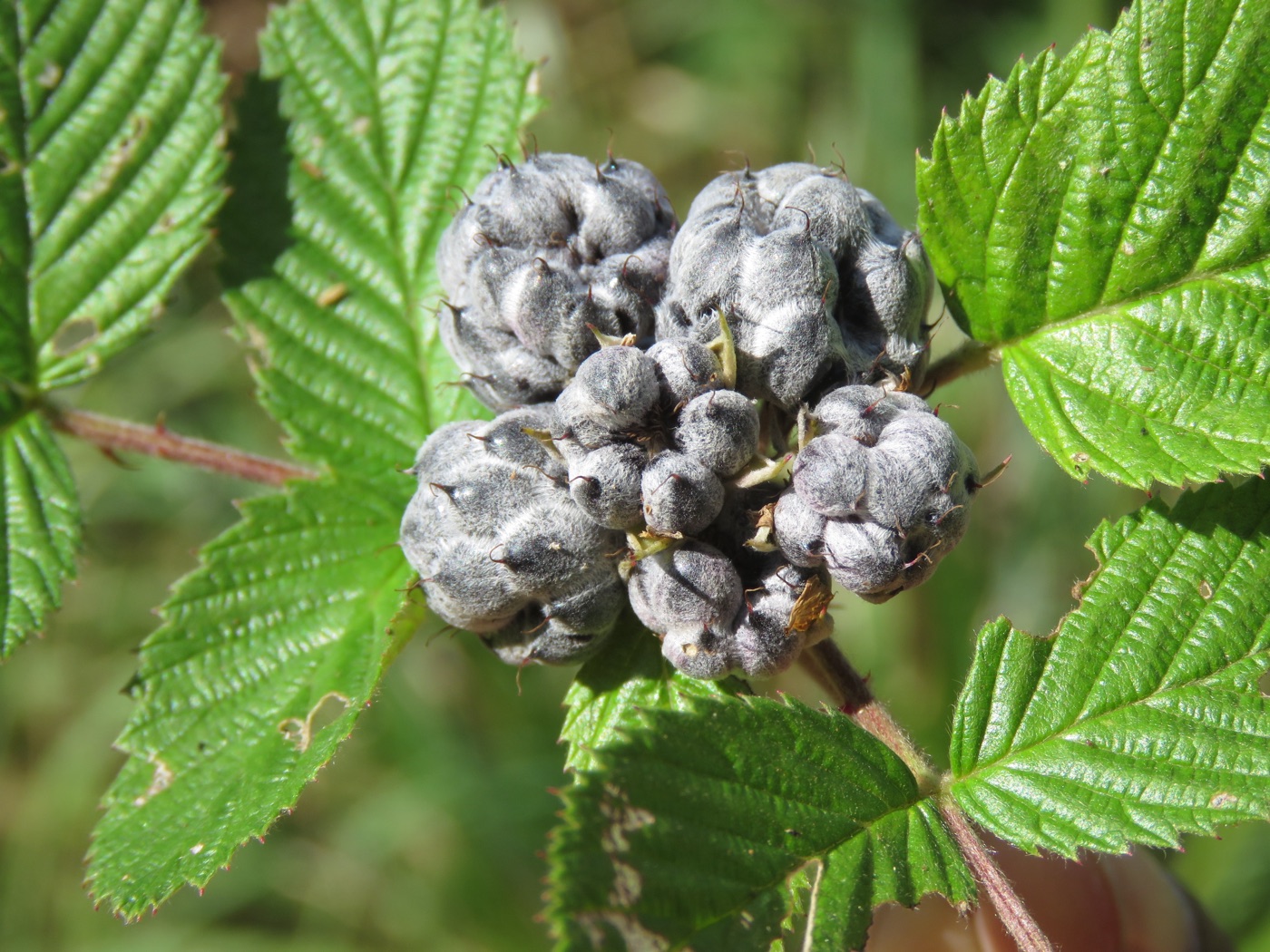
Dark Mysore raspberries among serrated leaves

Native & adapted

Mysore raspberry

Rubus niveus

Also known as Hill raspberry · Ceylon raspberry · Snowpeaks raspberry

A tropical black raspberry that tolerates heat far better than ordinary raspberries. Thorny canes produce sweet, dark berries in spring and again in fall.

EdibleFruitingThornyHeat tolerant
Landscape layersUnderstory
Mature size6–10 ft tall arching canes, 6 ft wide
Climate fitUrban core · USDA 9b–10a · Valley suburbs · USDA 9a–9b
Plant spacing6 ft between plants
FrostCanes damaged near 28°F; roots resprout.
Special categoriesEDIBLE
Hardiness guidanceUSDA 9b–11; canes damaged near 28°F
Winter chillNone
Typical harvestSpring and again in fall.

Before you plant

These conditions determine whether it will thrive.

Soil chemistry

Rich, fast-draining soil with plenty of compost.

Required microclimatePlacement is part of the growing system.

East side of a fence or wall where canes can be tied up.

Cold hardinessCover in a hard freeze below 28°F

Canes are cold hardy only to the upper 20s°F, and young plants are more tender. Cover when a hard freeze is forecast; damaged canes usually regrow from the base.

Leaves and wood: damaged below 28°F
Heat toleranceShade from late-afternoon sun

Handles tropical heat and full sun in Florida, but there's little desert data. In Phoenix, afternoon shade and steady water are the safe bet.

Sources: toptropicals.com, rfcarchives.org.au

Right plant, right place

Will Mysore raspberry grow at your Arizona property?

Spreads by tip-rooting and is invasive in some wet tropical regions. Keep it contained and remove stray rooted tips.

Best regional fit: Urban core · USDA 9b–10a, Valley suburbs · USDA 9a–9b.

Light

Sun exposure

Morning sun with afternoon shade in summer.

Water

Irrigation

Moderate and steady. Deep water twice a week in summer.

Fruit set

Pollination

Self-fertile.

Harvest

How to use it

Fresh, in jams and baking.

Planting & stewardship

How to help Mysore raspberry thrive

  1. 1

    Tie canes to a fence or trellis.

  2. 2

    Cut out canes that have fruited.

  3. 3

    Remove rooted cane tips that wander.

  4. 4

    Wear gloves; the canes are very thorny.