
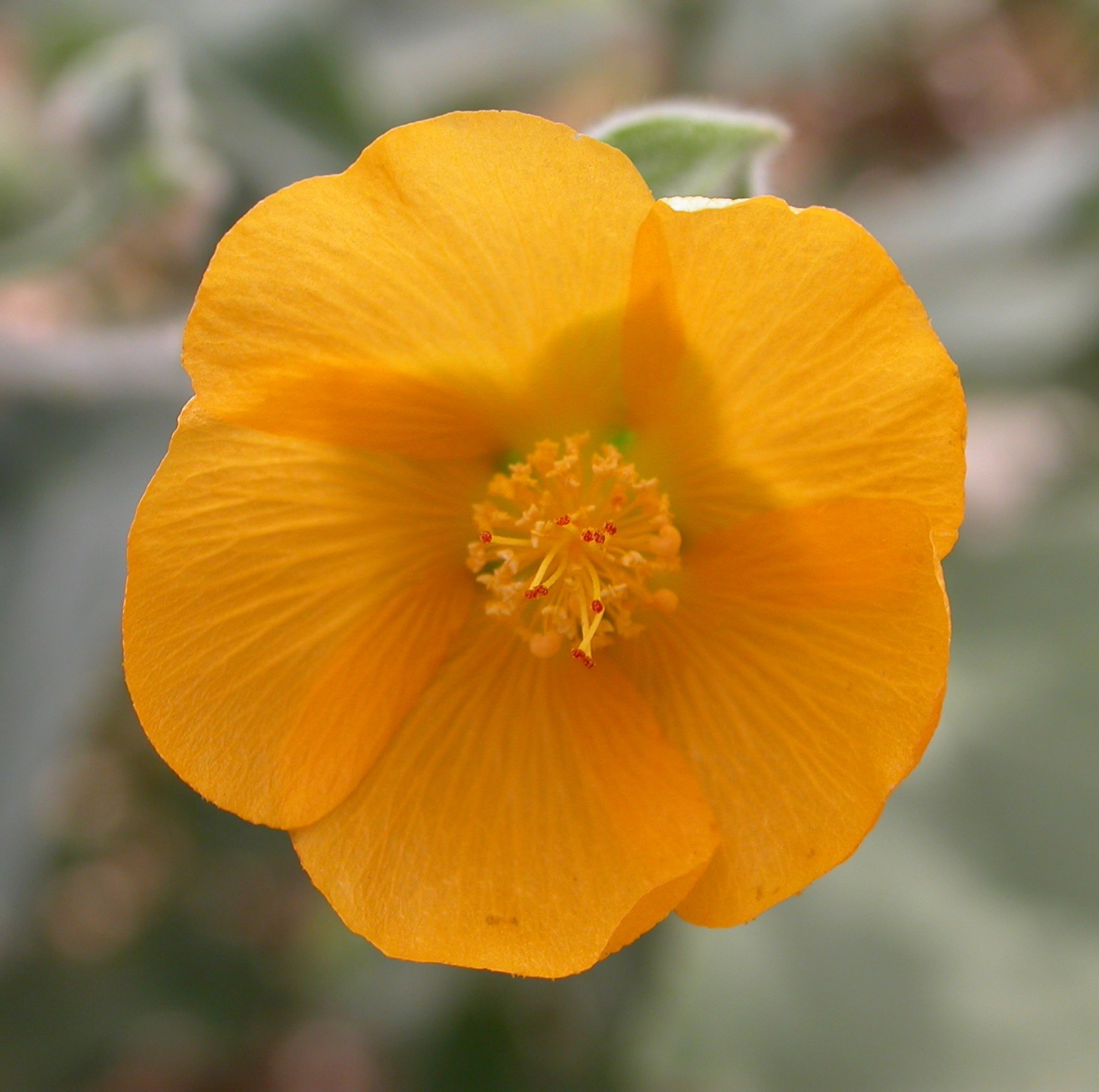
Native & adapted
Palmer’s Indian mallow
These conditions determine whether it will thrive.
Leaves burn in the low to mid 20s and it can freeze to the ground, but it usually resprouts in spring. Cover it for a hard freeze, or tuck it near big rocks to protect the crown.
Leaves and wood: damaged below 25°FWants full desert sun and lots of heat for its best show. West sun is fine.
Will Palmer’s Indian mallow grow at your Arizona property?
Use the whole site—not only the hardiness zone. Confirm mature width, reflected heat, seasonal shade, drainage, irrigation reach, and cold-air pockets before planting.
How to help Palmer’s Indian mallow thrive
- 1
Confirm the plant’s mature spread and underground conflicts before digging.
- 2
Place the root flare at finished grade and keep mulch away from the trunk.
- 3
Establish a wide, deep root zone instead of irrigating only at the trunk.
- 4
Observe seasonal growth, heat stress, and wildlife use before making major pruning changes.