
Permascaping, by Homegrown Foods
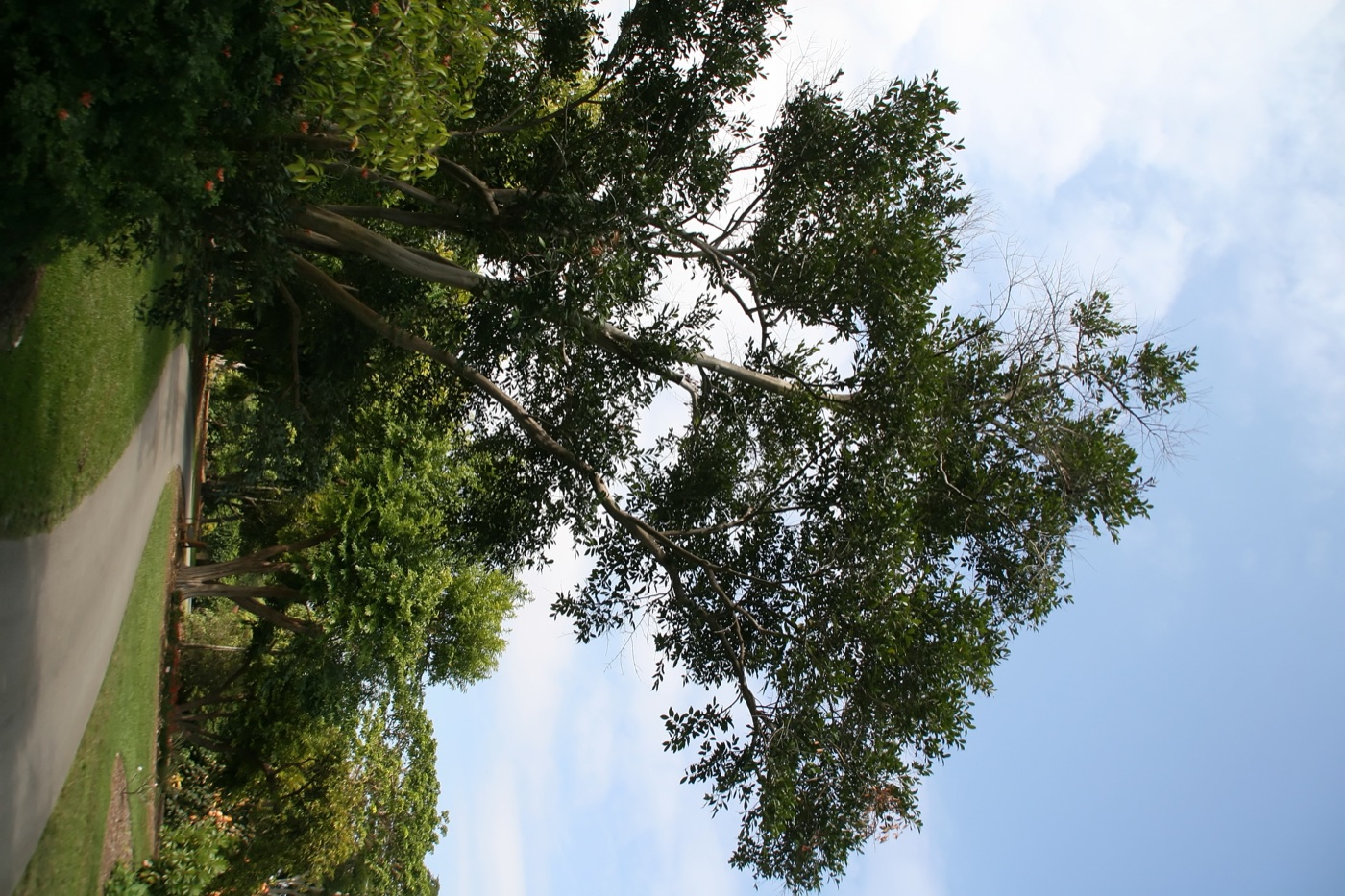
Pitomba tree with a rounded evergreen canopy

Native & adapted

Pitomba

Eugenia luschnathiana

Also known as Pitomba cherry · Brazilian cherry · Pitombeira

A slow Brazilian tree in the Surinam cherry family with bright orange-yellow fruit that is soft, juicy and lightly acidic, like a small apricot.

EdibleFruitingEvergreenContainer friendly
Landscape layersLower canopy
Mature size10–20 ft tall and 10–15 ft wide
Climate fitUrban core · USDA 9b–10a · Valley suburbs · USDA 9a–9b
Plant spacing10–12 ft from other trees
FrostTolerates light frost near 30°F; damaged by hard freezes.
Special categoriesEDIBLE
Hardiness guidanceUSDA 10–11; tolerates light frost near 30°F
Winter chillNone
Typical harvestSummer.

Before you plant

These conditions determine whether it will thrive.

Soil chemistry

Slightly acidic, rich, fast-draining soil; add soil sulfur.

Required microclimatePlacement is part of the growing system.

East-facing or filtered shade spot, sheltered from frost.

Cold hardinessCover in a hard freeze below 30°F

Sources range from about 30°F to the upper 20s for mature trees, while young plants need cover any frost night. Cover established trees when a hard freeze is forecast.

Leaves and wood: damaged below 30°F
Heat toleranceShade from late-afternoon sun

Grown in full sun with regular water. Data on dry desert heat is thin, so an east-facing spot or filtered afternoon shade is the safer bet here.

Sources: toptropicals.com, en.wikipedia.org

Right plant, right place

Will Pitomba grow at your Arizona property?

Slow growing and attractive as a small specimen tree or container plant.

Best regional fit: Urban core · USDA 9b–10a, Valley suburbs · USDA 9a–9b.

Light

Sun exposure

Morning sun with afternoon shade from June through September, such as the east side of a house or under a taller nurse tree. Protect from frost on winter nights.

Water

Irrigation

Moderate and steady.

Fruit set

Pollination

Self-fertile.

Harvest

How to use it

Fresh, or in jams and drinks.

Planting & stewardship

How to help Pitomba thrive

  1. 1

    Shade from afternoon sun.

  2. 2

    Feed with an acid-forming fertilizer.

  3. 3

    Cover on frost nights.

  4. 4

    Keep soil evenly moist.