
Permascaping, by Homegrown Foods
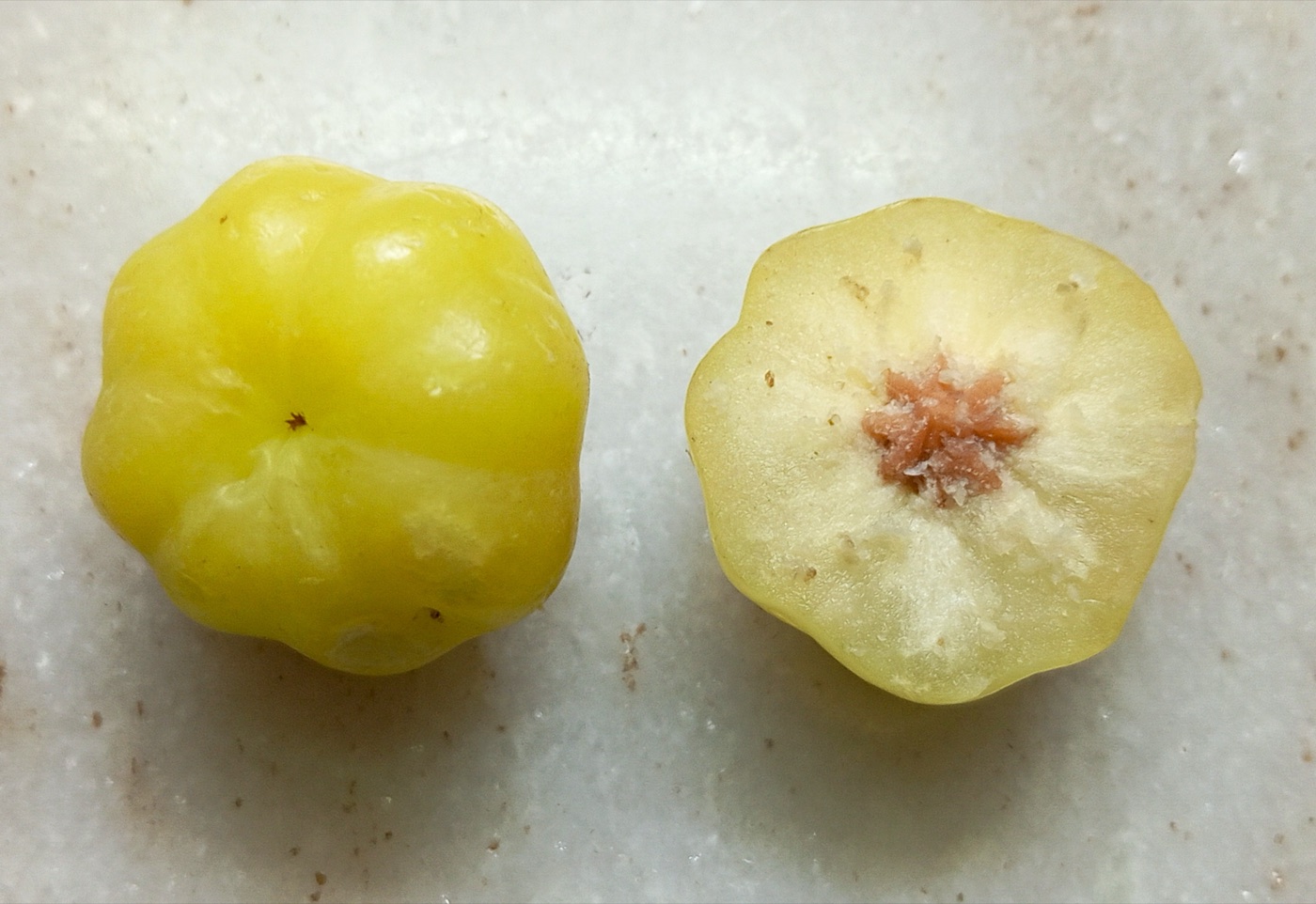
Whole and halved pale yellow star gooseberry fruit

Native & adapted

Star gooseberry

Phyllanthus acidus

Also known as Otaheite gooseberry · Tahitian gooseberry · Malay gooseberry · Grosella

A small tropical tree that bears dense clusters of ribbed, pale yellow fruit along its branches. Sour and refreshing, and best grown in a large pot in Phoenix.

EdibleFruitingContainer friendlyFrost tender
Landscape layersLower canopy
Mature size6–15 ft tall and 6–10 ft wide
Climate fitUrban core · USDA 9b–10a
Plant spacing8 ft from other trees
FrostDamaged near 32°F; protect below 40°F.
Special categoriesEDIBLE
Hardiness guidanceUSDA 10b–11; protect below about 40°F
Winter chillNone
Typical harvestFruits in flushes through the warm season.

Before you plant

These conditions determine whether it will thrive.

Soil chemistry

Fertile, fast-draining soil rich in compost.

Required microclimatePlacement is part of the growing system.

Large container that can move under cover on cold nights.

Cold hardinessCover in a hard freeze below 30°F

Mature trees take light freezing to about 30°F, and Morton notes it survives and fruits in Tampa, which gets colder than South Florida. Cover young plants every frost night and older ones when a hard freeze is forecast.

Leaves and wood: damaged below 30°F
Heat toleranceShade from late-afternoon sun

Grown in full sun in the tropics, but there's little data on how it handles 115°F dry heat. Give it afternoon shade in the hottest west-facing spots and keep it watered.

Sources: growables.org, toptropicals.com

Right plant, right place

Will Star gooseberry grow at your Arizona property?

Rare in Arizona. Treat as a patio container plant.

Best regional fit: Urban core · USDA 9b–10a.

Light

Sun exposure

Afternoon shade or filtered sun all day.

Water

Irrigation

Moderate and steady.

Fruit set

Pollination

Self-fertile.

Harvest

How to use it

Very sour; eaten with salt, pickled, or cooked into jam and syrup.

Planting & stewardship

How to help Star gooseberry thrive

  1. 1

    Shade from afternoon sun.

  2. 2

    Move under cover when nights drop below 40°F.

  3. 3

    Feed lightly every 6 to 8 weeks in the warm season.

  4. 4

    Keep soil evenly moist.