Permascaping, by Homegrown Foods
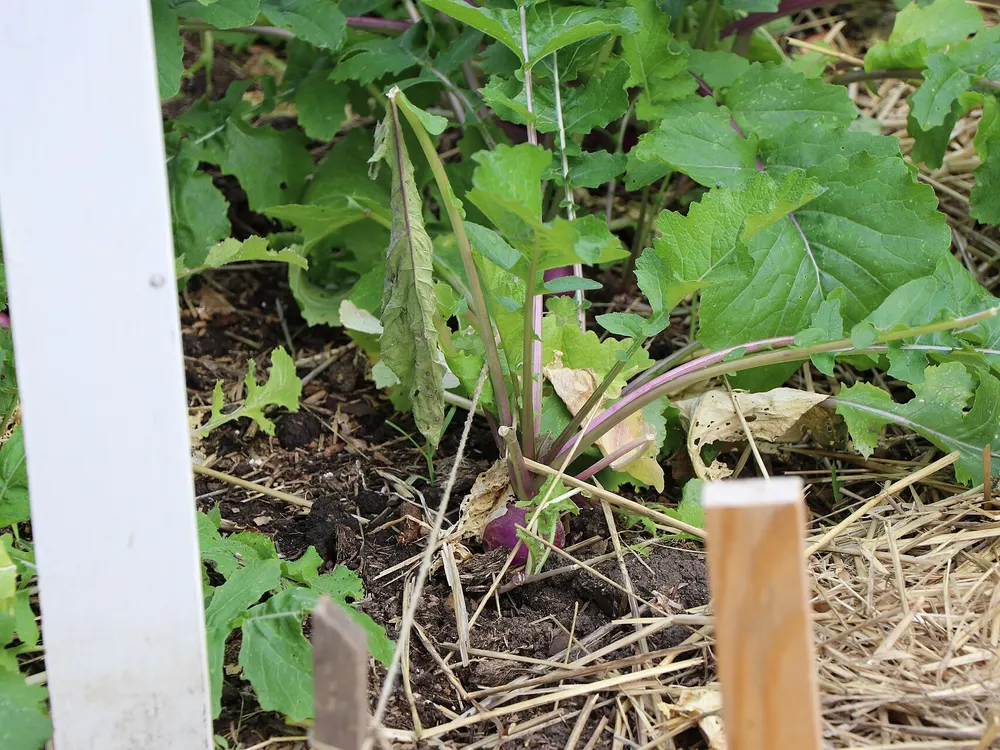
Turnip growing

Cool-season produce

Turnip

Brassica rapa Rapifera Group

Also known as Turnips · Turnip greens

Harvest tender young roots and greens. Larger roots can turn fibrous as weather warms.

EdibleCool-season crop
Growing spaceVegetable bed
Climate fitUrban core · USDA 9b–10a · Valley suburbs · USDA 9a–9b · Desert outskirts · USDA 8b–9b
Crop familyBrassicaceae (mustard)
Life cycleAnnual crop
Phoenix planting windowSeptember–February.
How to plantDirect sow and thin.
Plant spacing4–6 in
FrostTolerates light frost once established; cover during a hard freeze.
Time to harvestAbout 75–120 days in the Maricopa calendar; baby roots sooner
SuccessionSow every 2–3 weeks in fall.
Special categoriesEDIBLE
Typical harvestWinter roots and leafy tops.

Before you plant

These conditions determine whether it will thrive.

Cold hardinessCover in a hard freeze below 28°F

Takes frost well, though tops can burn in the upper 20s. Cover in a hard freeze.

Leaves and wood: damaged below 28°F

Right plant, right place

Will Turnip grow at your Arizona property?

Harvest tender young roots and greens. Larger roots can turn fibrous as weather warms.

Best regional fit: Urban core · USDA 9b–10a, Valley suburbs · USDA 9a–9b, Desert outskirts · USDA 8b–9b.

Light

Sun exposure

Full winter sun; give leafy crops afternoon protection during warm fall and spring weather.

Water

Irrigation

Keep the vegetable root zone evenly moist with regular irrigation; adjust to rain, soil, and temperature rather than using a fixed summer schedule.

Planting & stewardship

How to help Turnip thrive

  1. 1

    Prepare a fertile, well-drained bed and keep seed or transplants evenly moist through establishment.

  2. 2

    Thin to the final spacing; crowding reduces harvest quality.

  3. 3

    Watch for aphids and caterpillars and protect sensitive growth from a hard freeze.

  4. 4

    Harvest before sustained spring heat causes bolting or poor quality.

Read the growing reference ↗ Planting dates can shift with cultivar, weather, and your yard’s microclimate.