
Cherries · Dave Wilson Nursery
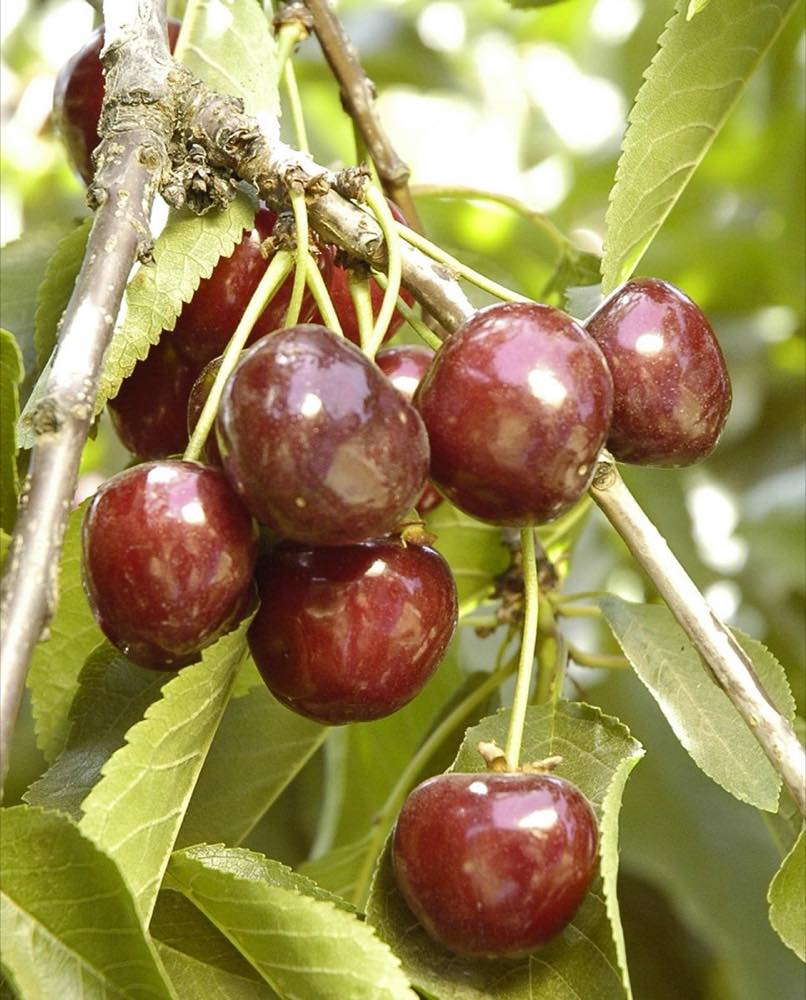
Craig's Crimson Cherry
A dark, spicy, very firm sweet cherry on a naturally smaller tree, which makes netting and picking easier. It sets some fruit alone but crops better with a late-blooming sweet cherry nearby. It blooms late, which helps with spring frost, so it suits mid elevation and the milder parts of high country. Too little chill for Phoenix.
- Chill hours
- 500–600 hours
- Harvest
- Early to late June at mid elevation
- Pollination
- Partly self-fruitful; heavier crops with Bing, Van or Stella
- Mature size
- 20–27 ft unpruned on Maxma 14; easy to hold at 10–12 ft with summer pruning
Which one
Every cherrie side by side
Same fruit, different seasons and different jobs. Pick the row that fits your ground and your calendar.
| A dark, spicy, very firm sweet cherry on a naturally smaller tree, which makes netting and picking easier. It sets some fruit alone but crops better with a late-blooming sweet cherry nearby. It blooms late, which helps with spring frost, so it suits mid elevation and the milder parts of high country. Too little chill for Phoenix. | A naturally small sour cherry that tops out near 7 ft, so it fits a patio corner or a small yard. The fruit is large and among the sweeter sour cherries, good fresh once fully ripe and better still in pies. It ripens late and takes extreme cold, so it suits mid elevation and high country. One tree is enough. | The classic dark, sweet, firm cherry and still the benchmark for flavor. It needs a second sweet cherry nearby to set fruit, and Lapins, Van or Black Tartarian all work. Plan on mid elevation or higher, where winters give it the cold it needs. Spring frost on the blossoms is the usual risk, so a spot where cold air drains away helps. | An early, nearly black sweet cherry with a lively flavor on a vigorous, productive tree. It crosses with all the popular sweet cherries, so it is a handy pollinator for Bing or Van. Grow it at mid elevation or higher and protect the blossoms from late frost. Phoenix does not get nearly enough winter chill for it. | A bright red, juicy sour cherry for pies, jam and canning, and fine fresh when fully ripe. It is a heavy, adaptable bearer that needs no partner, so one tree is enough. It handles cold well, which makes it a dependable pick for mid elevation and high country. Phoenix winters are too mild for it. | A dark, firm, good-tasting sweet cherry that sets fruit on its own, which is the big reason to choose it. It also pollinates Bing and Rainier if you want a second tree. It does best at mid elevation and in high country. At 500 hours it is marginal for Phoenix, where most winters fall short. | A naturally small sour cherry with large, bright red fruit that is tart and meaty, mainly for pies and cooking. It blooms about a week after Montmorency, which gives it a better chance of missing a late frost. It needs real winter chill and tolerates extreme cold, so plant it at mid elevation or in high country. | A very low chill sweet cherry, medium to large and red with firm flesh and good flavor. In the low desert it is an experiment rather than a sure thing: it has fruited with very little winter chill elsewhere, but Phoenix track records are short. Plant it with Royal Lee or Royal Crimson for pollination, and expect the very early bloom to need frost cover. | The standard pie cherry, with light red skin, yellow flesh and a clean tart flavor. It is extremely hardy, heavy bearing and self-fruitful, so one tree is enough. It suits mid elevation and high country, where it gets the winter chill it needs, and it blooms later than sweet cherries so late frost is less of a threat. | A compact sour cherry that stays around 8 to 10 ft, which makes it one of the easiest cherries to net against birds. The fruit is large, meaty and tart, great for pies and good fresh when fully ripe. It is self-fruitful, very cold hardy and often bears by its second year, so it suits mid elevation and high country. | A large yellow cherry with a red blush and a very sweet, clean flavor, often rated the best of the light cherries. The skin is thin, so birds and rain splitting are the main headaches. It needs another sweet cherry such as Bing or Lapins nearby for pollination, and it suits mid elevation and high country. | A very low chill sweet cherry that sets fruit on its own, which makes it the simplest of the low chill trio for a single-tree yard. The fruit is large, crimson and tasty. In Phoenix it is still experimental, since sweet cherries are unproven there, and very early blooms can be hurt by a cold snap. It blooms too early to be a good bet at mid elevation. | A very firm, crunchy, dark red low chill sweet cherry with excellent flavor, ripening about a week after Minnie Royal. It needs Minnie Royal or Royal Crimson alongside for pollination. Treat it as an experiment in the Phoenix area. In young trees it can bloom a little later than Minnie Royal, so adding Royal Crimson improves the odds. | A large yellow cherry with more red blush than Rainier, excellent flavor, and fruit that ripens a few days sooner. It needs another sweet cherry such as Bing or Lapins nearby. It asks for less chill than Rainier, but 500 hours is still too much for Phoenix, so plant it at mid elevation or in high country and watch for frost at bloom. | A large, dark, richly flavored sweet cherry that sets fruit alone, so a single tree works. That makes it a good choice if you only have room for one cherry. It does best at mid elevation and in high country. Some sources put its chill need well above 400 hours, so treat Phoenix as a gamble. | Large, firm and flavorful, a favorite sweet cherry in Utah that rarely forms double fruit and cans well. It needs real winter cold and a second sweet cherry like Bing or Van nearby. Best at mid elevation and in high country. Phoenix winters are far too mild. | A reliable, heavy-bearing sweet cherry with dark fruit like Bing but usually a little smaller. It is very cold hardy and crosses with the other popular sweet cherries, so it makes a good partner tree. It suits mid elevation and high country and needs a second cherry for pollination. | |
|---|---|---|---|---|---|---|---|---|---|---|---|---|---|---|---|---|---|
| Harvest | Early to late June at mid elevation | Late August to September at elevation | Mid June to early July at mid elevation | Early to mid June at mid elevation | Late June to July at mid elevation and up | Mid June to early July at mid elevation | Late June to mid July at mid elevation and up | Late April to mid May in the low desert, if it sets | Late June to July at mid elevation and up | Late June to July at mid elevation and up | Mid June to early July at mid elevation | April to early May in the low desert, if it sets | Late April to mid May in the low desert, if it sets | Mid June to early July at mid elevation | Mid June to early July at mid elevation | Mid June to early July at mid elevation | Mid June to early July at mid elevation |
| Chill hours | 500–600 hours | 400–700 hours | 700 hours | 700 hours | 700 hours | 500 hours or less | 800 hours | 200–300 hours | 500 hours | 500 hours | 700 hours | 200–300 hours | 200–300 hours | 500 hours | 400 hours | 800 hours | 700 hours |
| Pollination | Partly self-fruitful; heavier crops with Bing, Van or Stella | Self-fruitful | Needs a partner such as Black Tartarian, Van or Lapins | Needs a partner such as Bing, Van or Lapins | Self-fruitful | Self-fruitful; also a good partner for Bing and Rainier | Self-fruitful | Needs a partner: Royal Lee or Royal Crimson | Self-fruitful | Self-fruitful | Needs a partner such as Bing, Black Tartarian or Lapins | Self-fruitful; also pollinates Minnie Royal and Royal Lee | Needs a partner: Minnie Royal or Royal Crimson | Needs a partner such as Bing, Black Tartarian or Lapins | Self-fruitful; pollinates Bing and others where winters are cold | Needs a partner such as Bing, Van or Rainier | Needs a partner such as Bing, Black Tartarian or Lapins |
| Mature size | 20–27 ft unpruned on Maxma 14; easy to hold at 10–12 ft with summer pruning | About 7 ft naturally; stays small with little pruning | 20–34 ft unpruned on Maxma 14 or Mahaleb; easy to hold at 10–12 ft with summer pruning | 20–34 ft unpruned on Maxma 14 or Mahaleb; easy to hold at 10–12 ft with summer pruning | 15–18 ft unpruned on Mahaleb; easy to hold at 8–10 ft with summer pruning | 20–34 ft unpruned on Maxma 14 or Mahaleb; easy to hold at 10–12 ft with summer pruning | 10–12 ft naturally; easy to hold at 8 ft | 20–27 ft unpruned on Maxma 14; easy to hold at 10–12 ft with summer pruning | 15–20 ft unpruned on Mahaleb; easy to hold at 8–10 ft with summer pruning | 8–10 ft naturally; needs little pruning | 25–34 ft unpruned on Mahaleb; easy to hold at 10–12 ft with summer pruning | 20–27 ft unpruned on Maxma 14; easy to hold at 10–12 ft with summer pruning | 20–27 ft unpruned on Maxma 14; easy to hold at 10–12 ft with summer pruning | 20–27 ft unpruned on Maxma 14; easy to hold at 10–12 ft with summer pruning | 20–34 ft unpruned on Maxma 14 or Mahaleb; easy to hold at 10–12 ft with summer pruning | 20–34 ft unpruned on Maxma 14 or Mahaleb; easy to hold at 10–12 ft with summer pruning | 20–34 ft unpruned on Maxma 14 or Mahaleb; easy to hold at 10–12 ft with summer pruning |
| From | $37 | $32 | $34 | $34 | $30 | $34 | $30 | $41 | $30 | $30 | $32 | $43 | $43 | $37 | $34 | $32 | $32 |
Where this tree sits
Cherries sit in the lower canopy layer.
Lower canopy
Fruit trees kept below the tall ones. Most of this year's program lives here, held to eight or ten feet by summer pruning.
Other options in the lower canopy layer
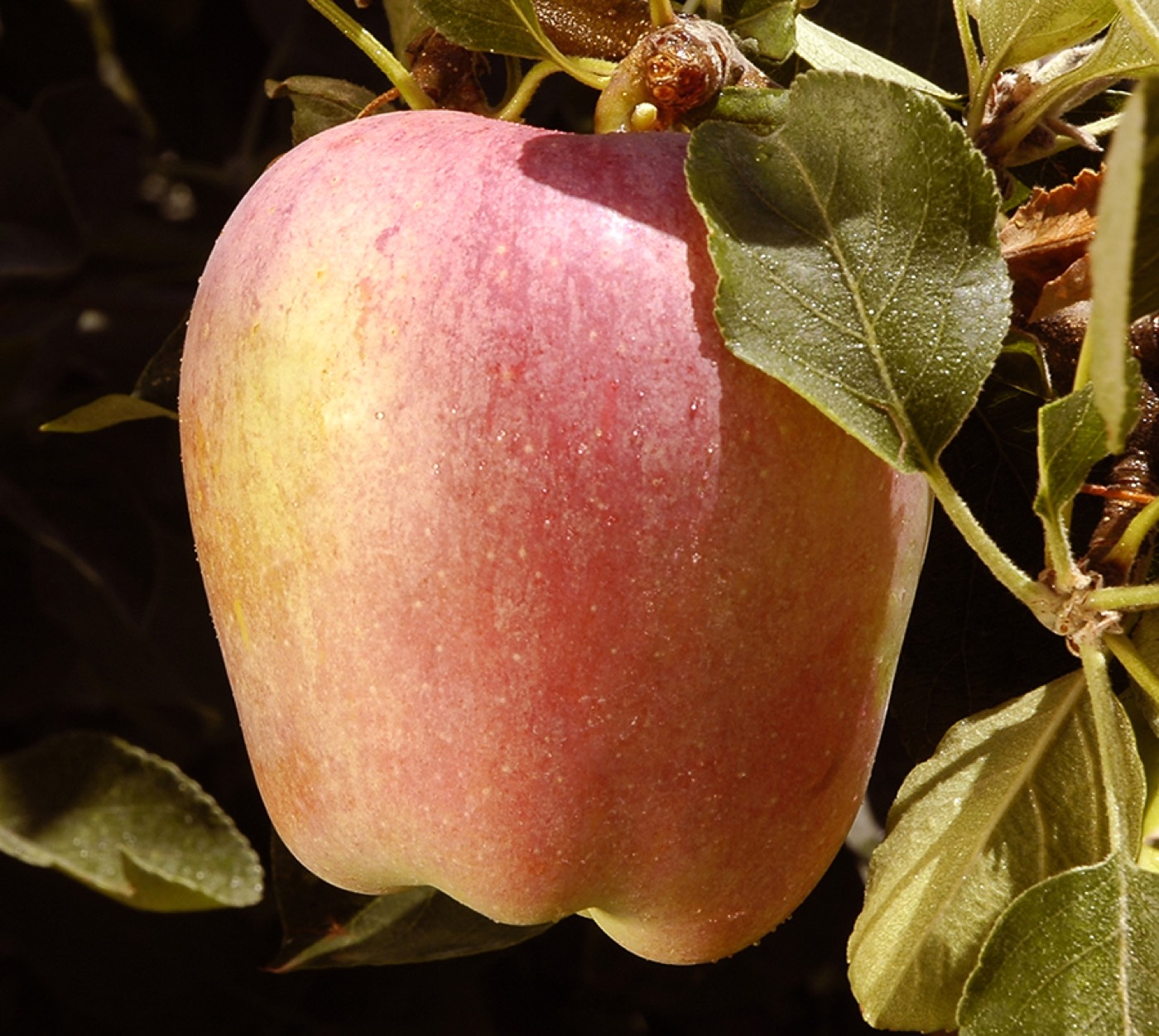 ApplesIn this year's order
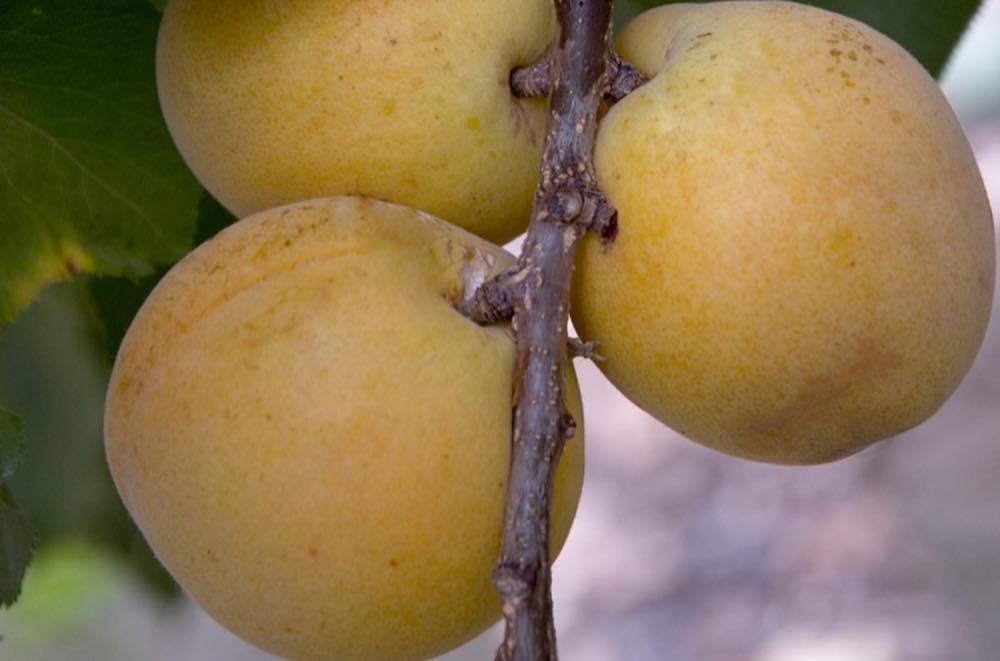 ApricotsIn this year's order
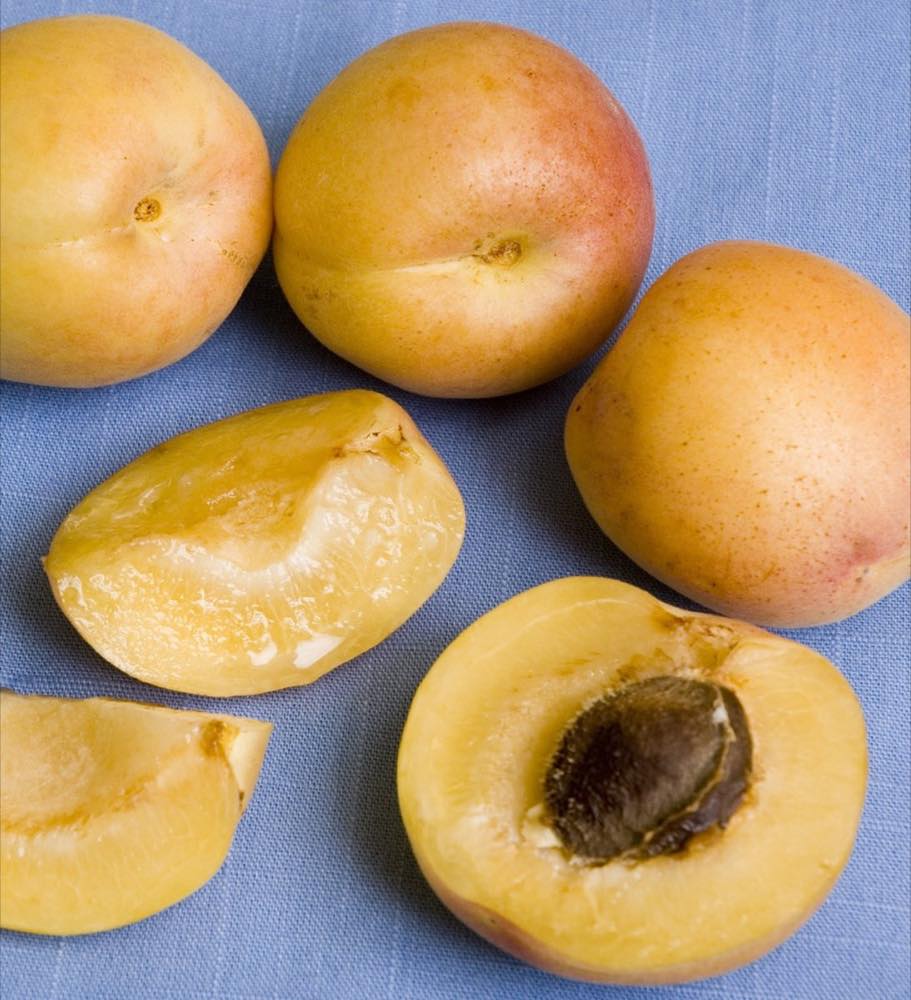 ApriumsIn this year's order
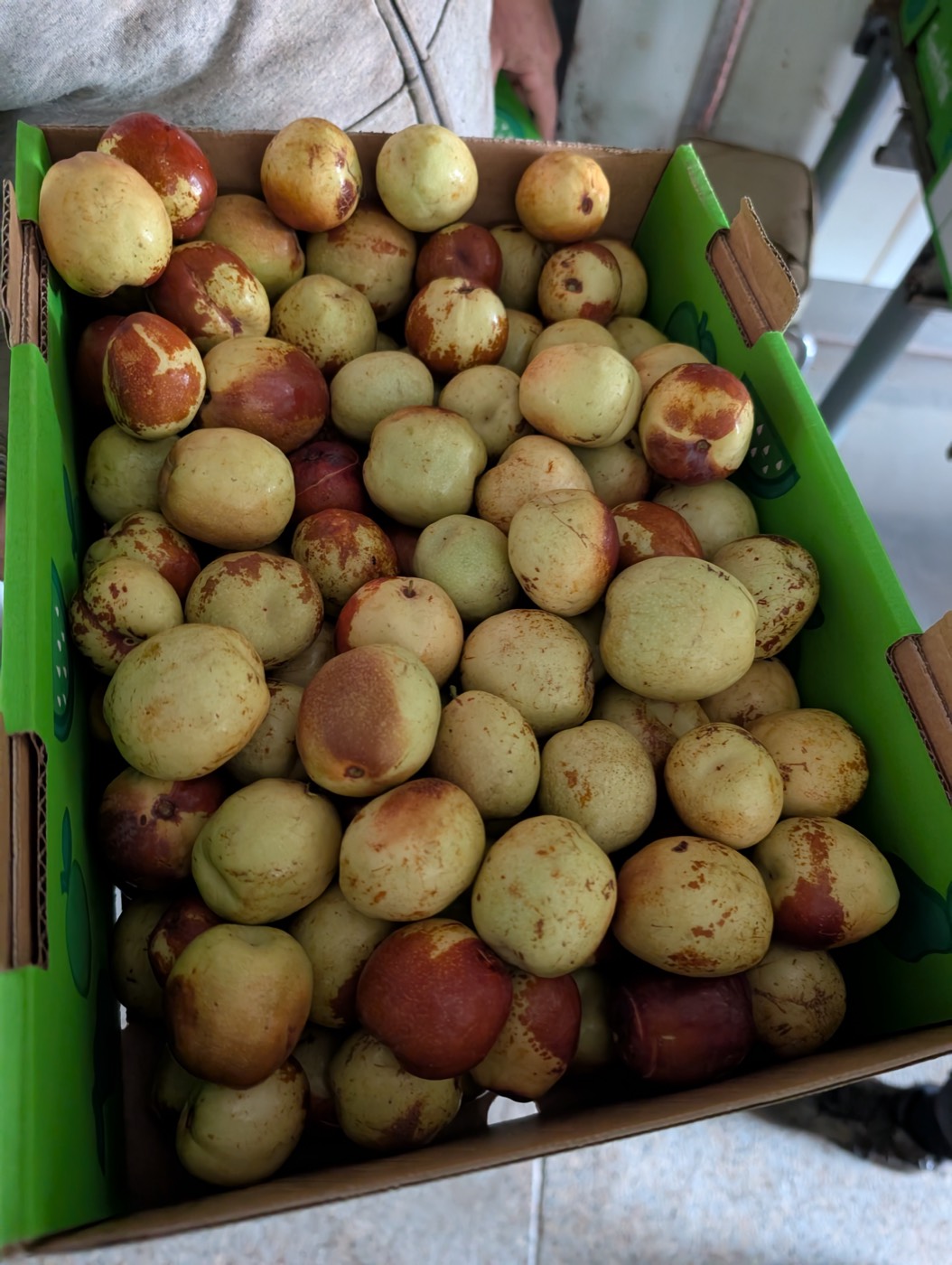 JujubesIn this year's order
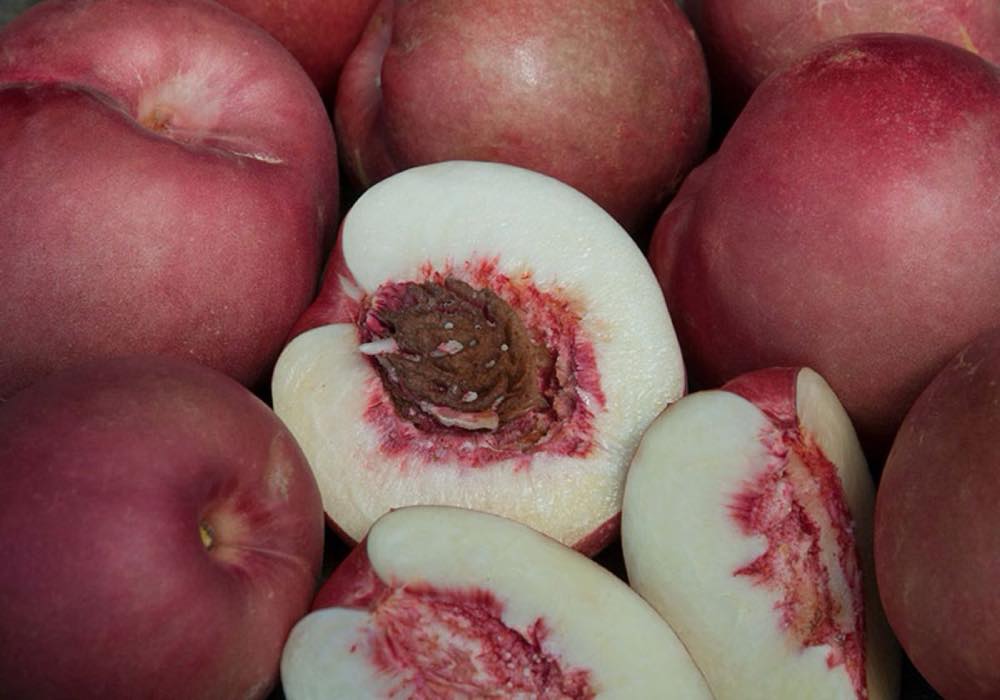 Pluots & interspecificsIn this year's order
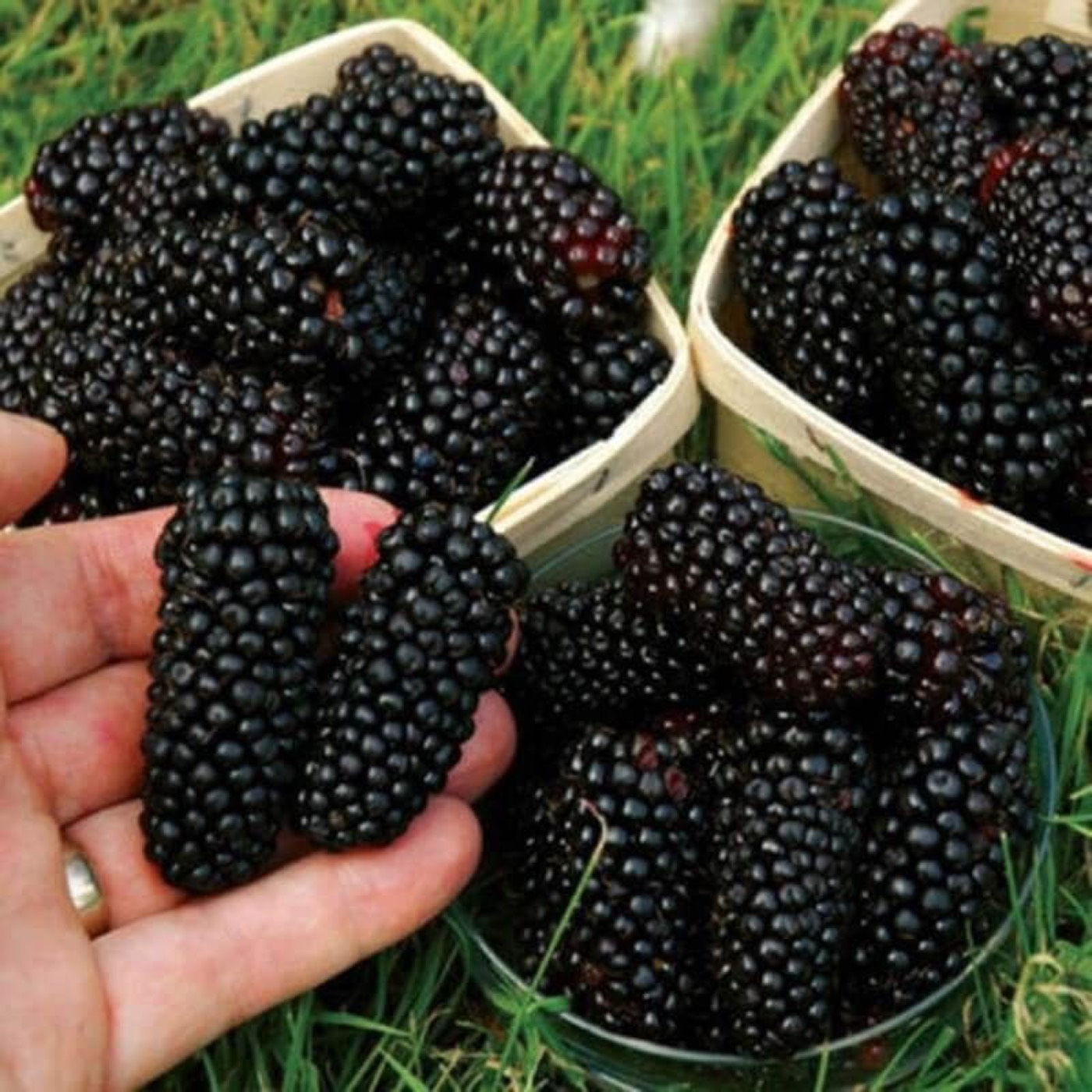 MulberriesIn this year's order
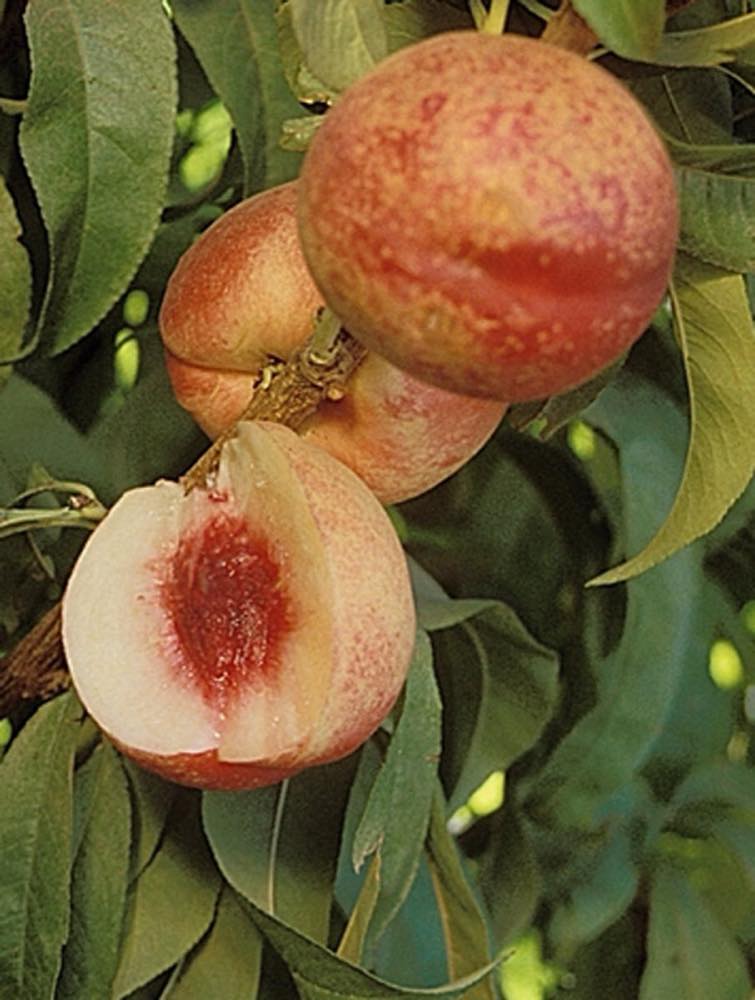 NectarinesIn this year's order
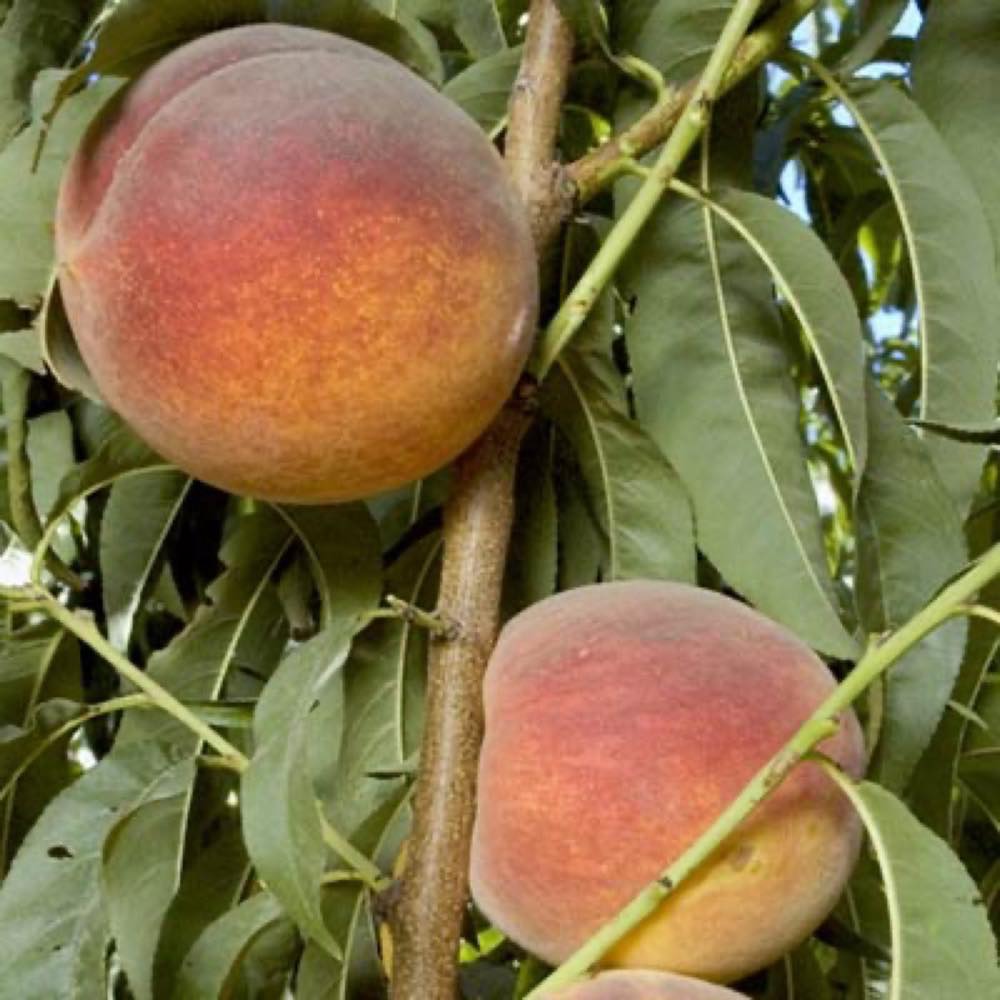 PeachesIn this year's order
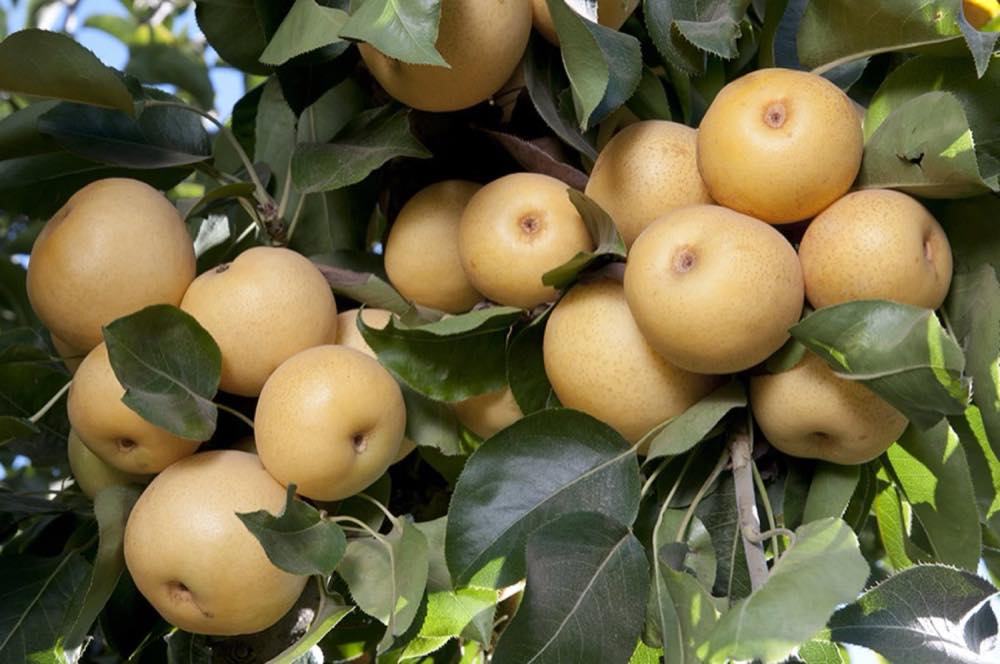 Asian pearsIn this year's order
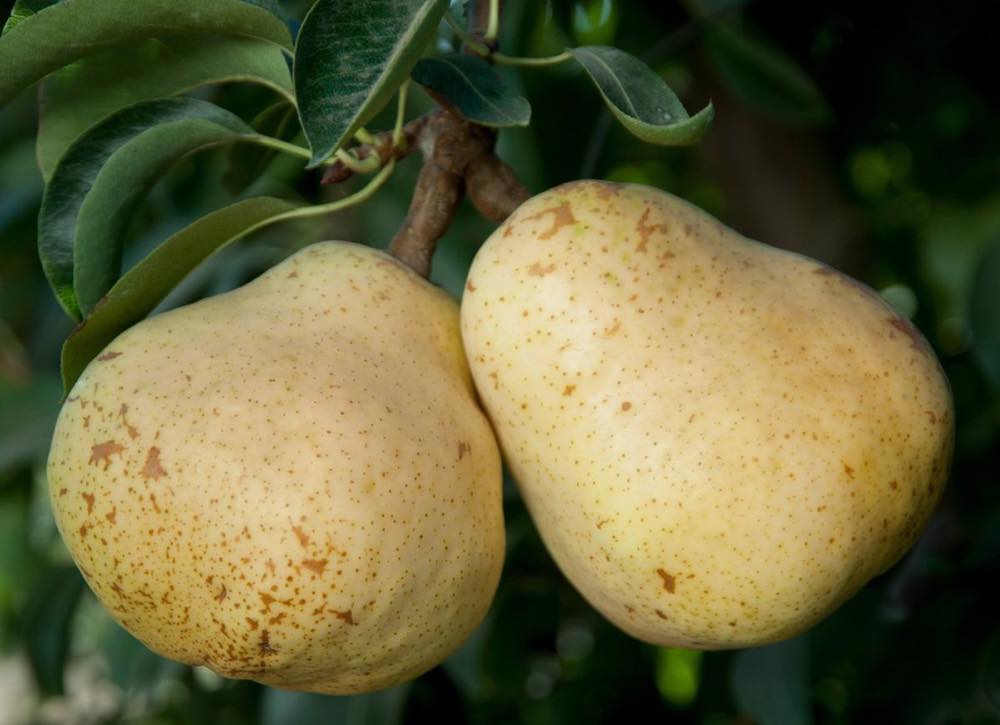 PearsIn this year's order
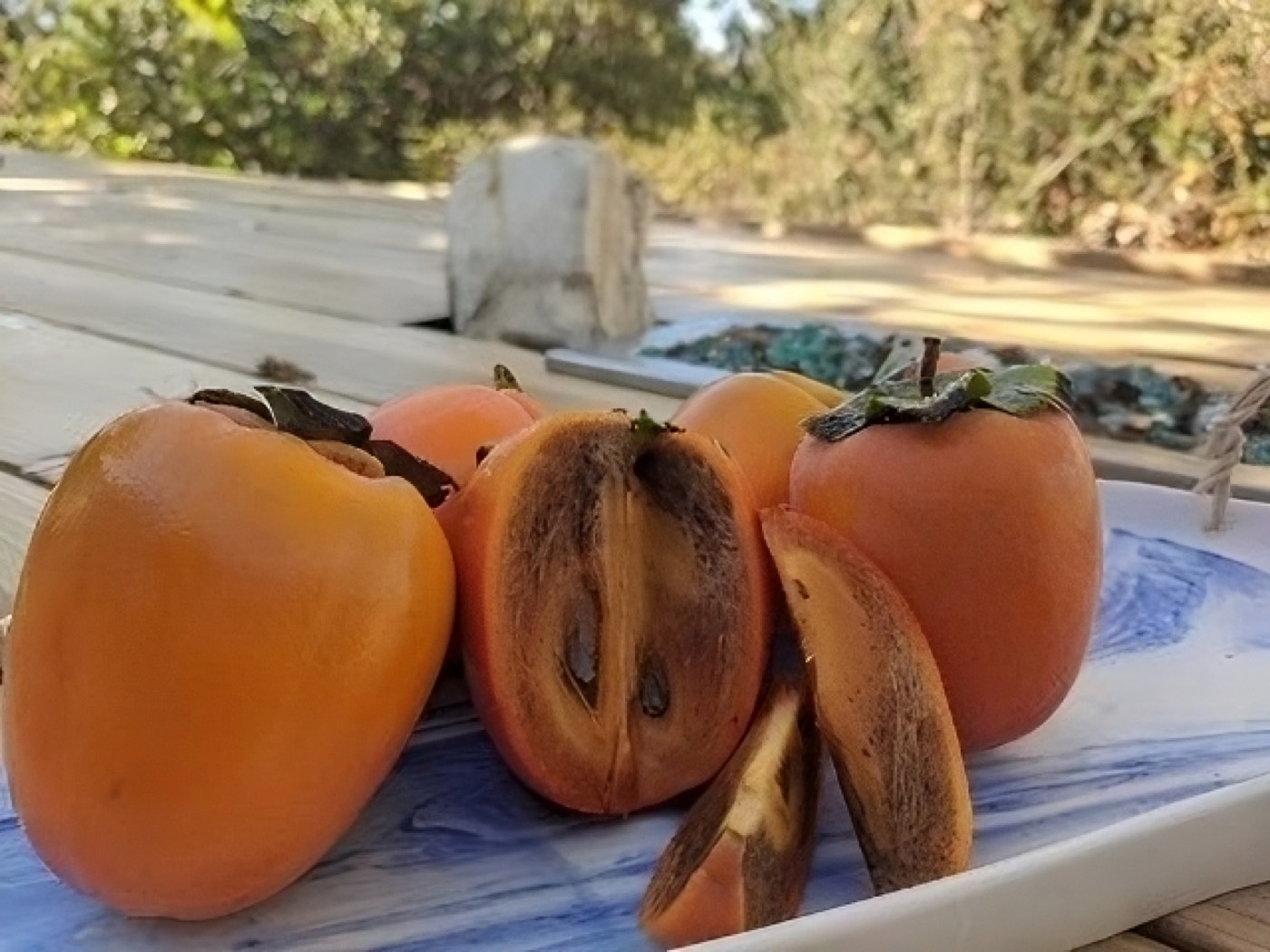 PersimmonsIn this year's order
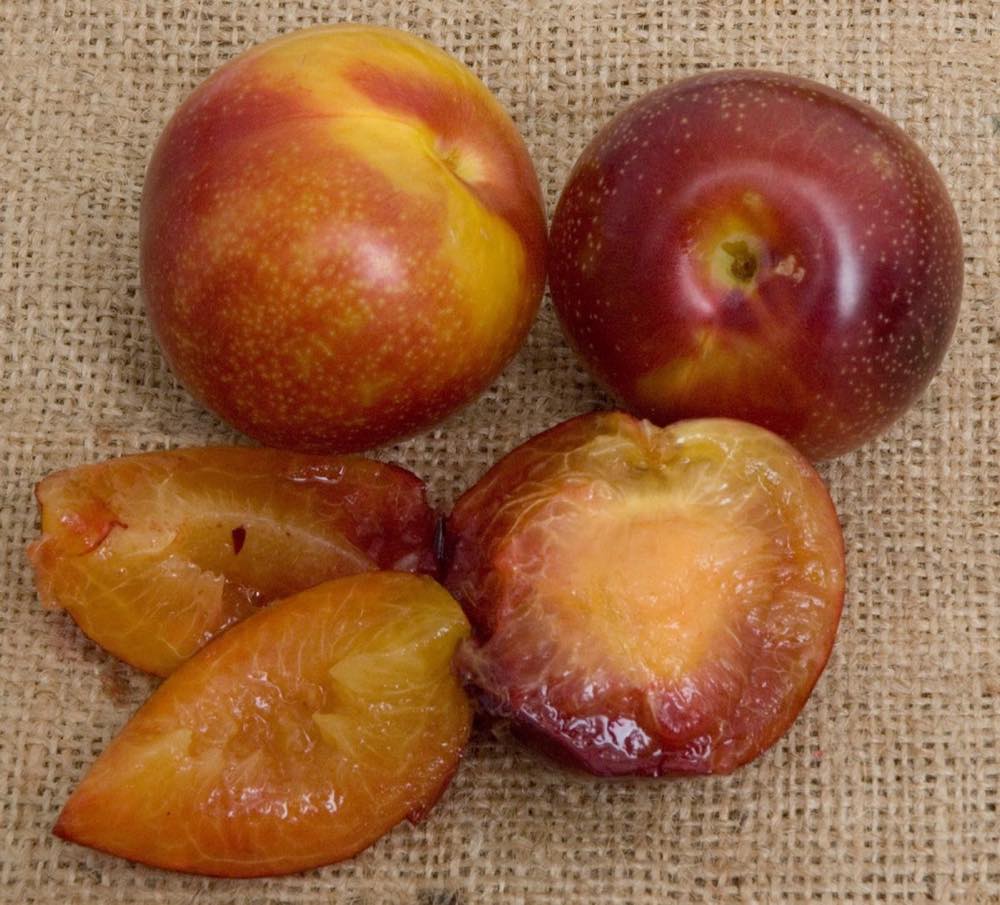 PlumsIn this year's order
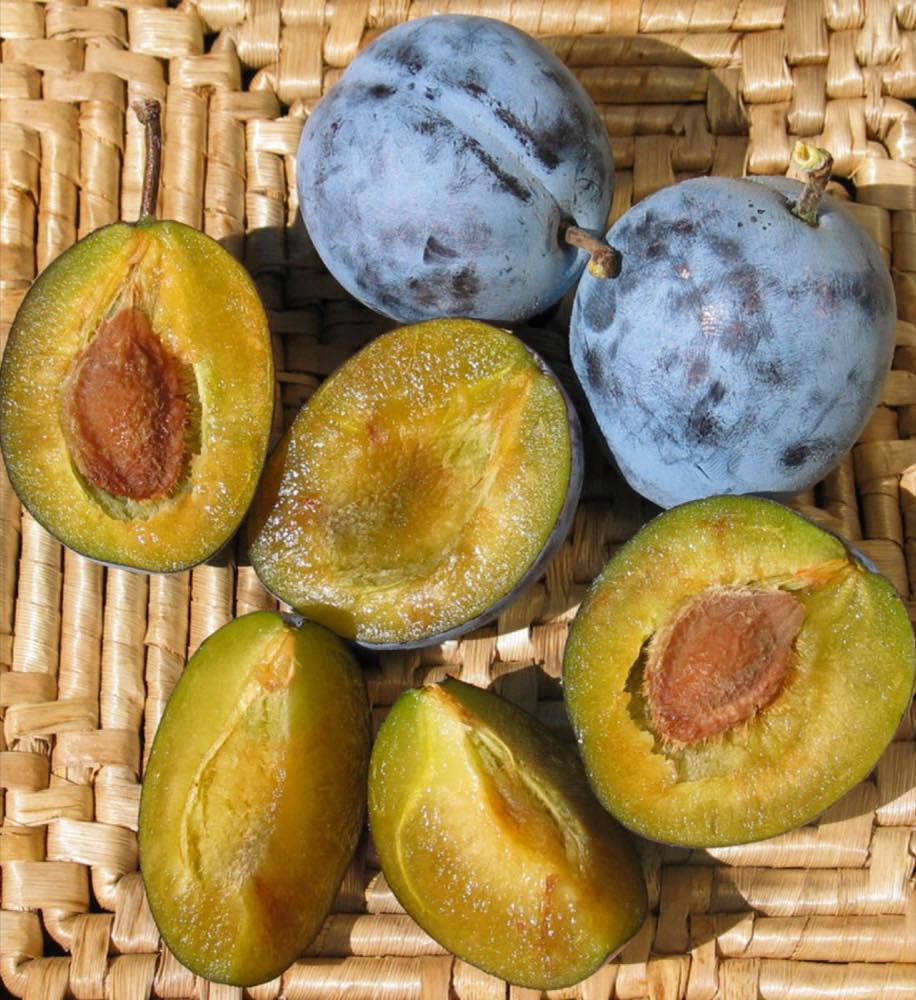 PrunesIn this year's order
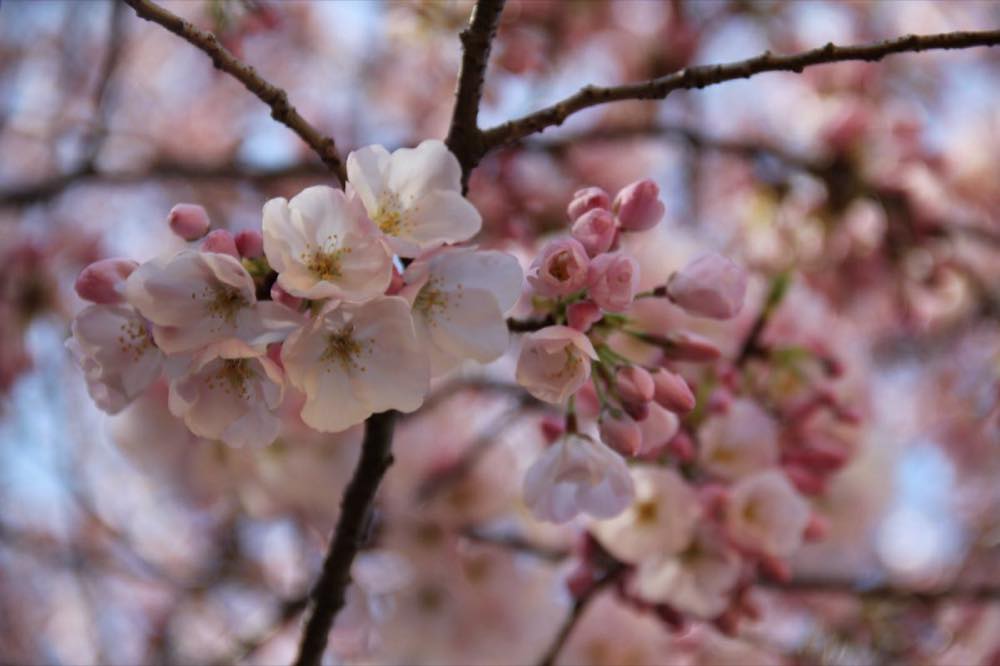 Flowering treesIn this year's order
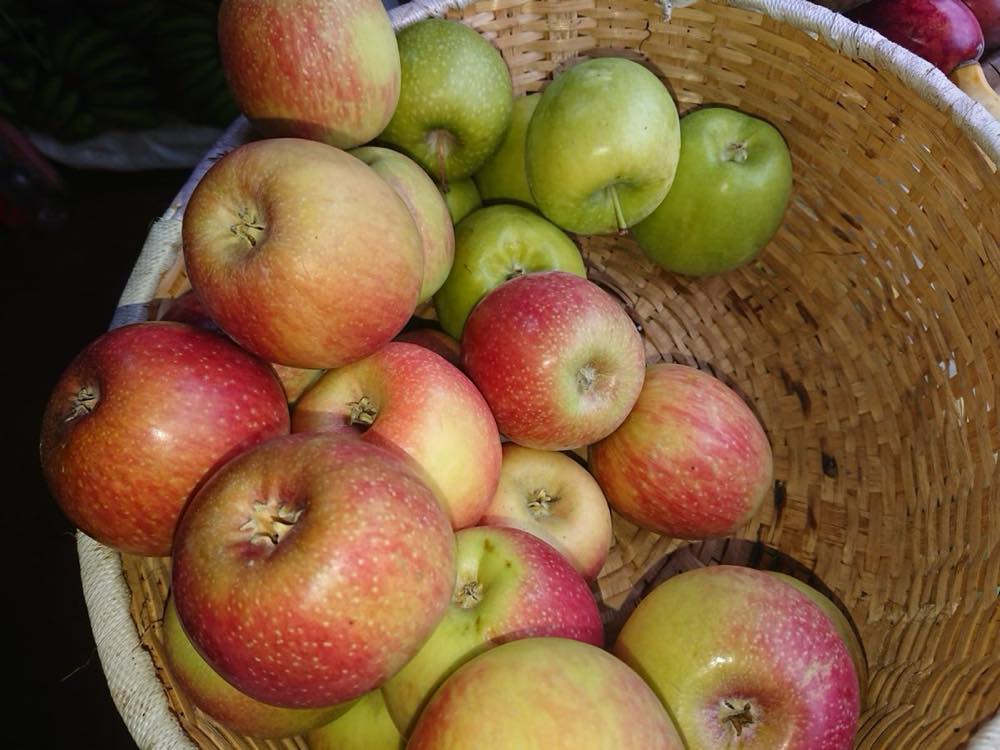 Multi-graftedIn this year's order
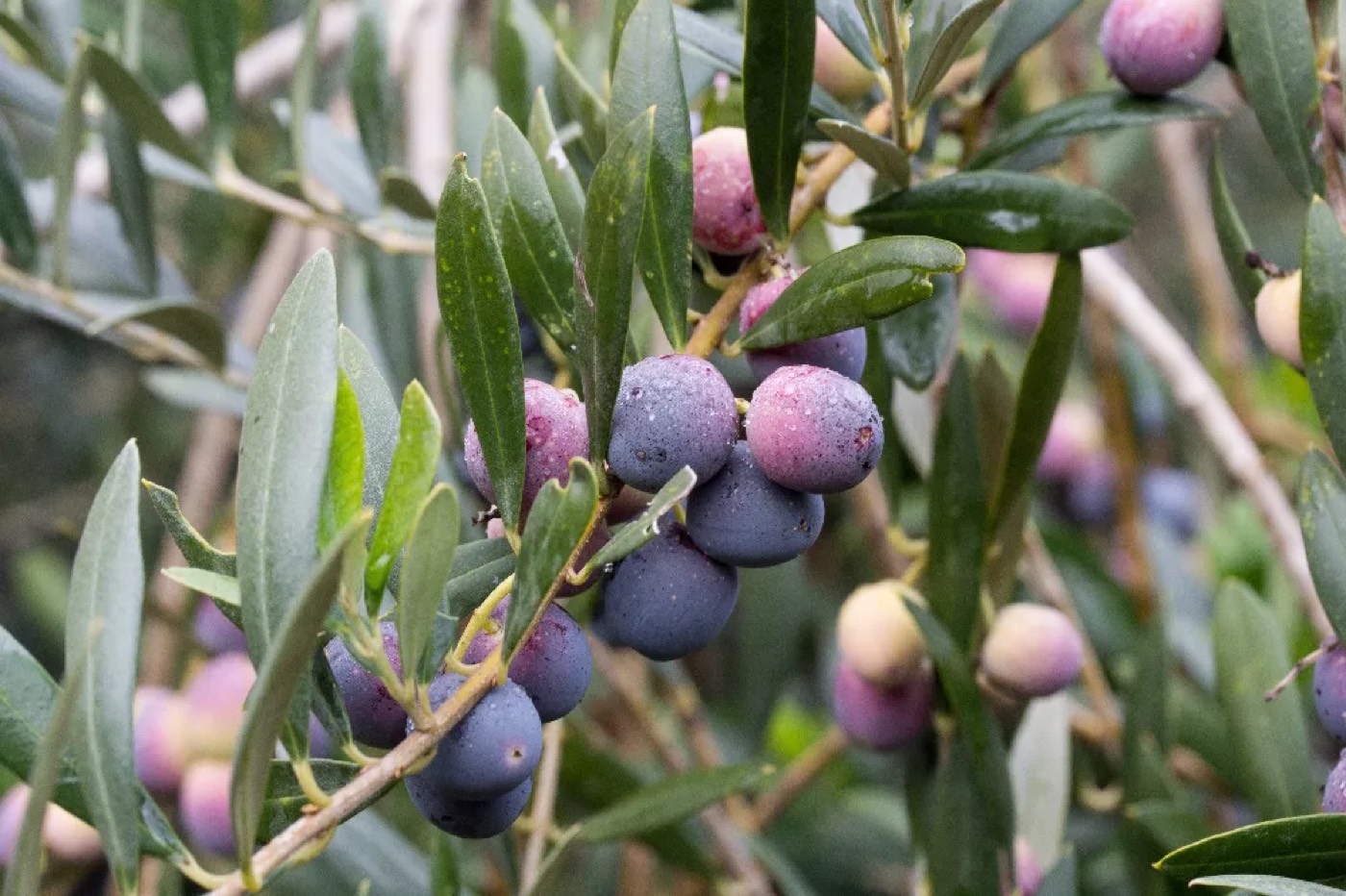 OlivesIn this year's order
Not in the current wholesale fruit tree program. Add it to your wishlist or a future wholesale preorder.
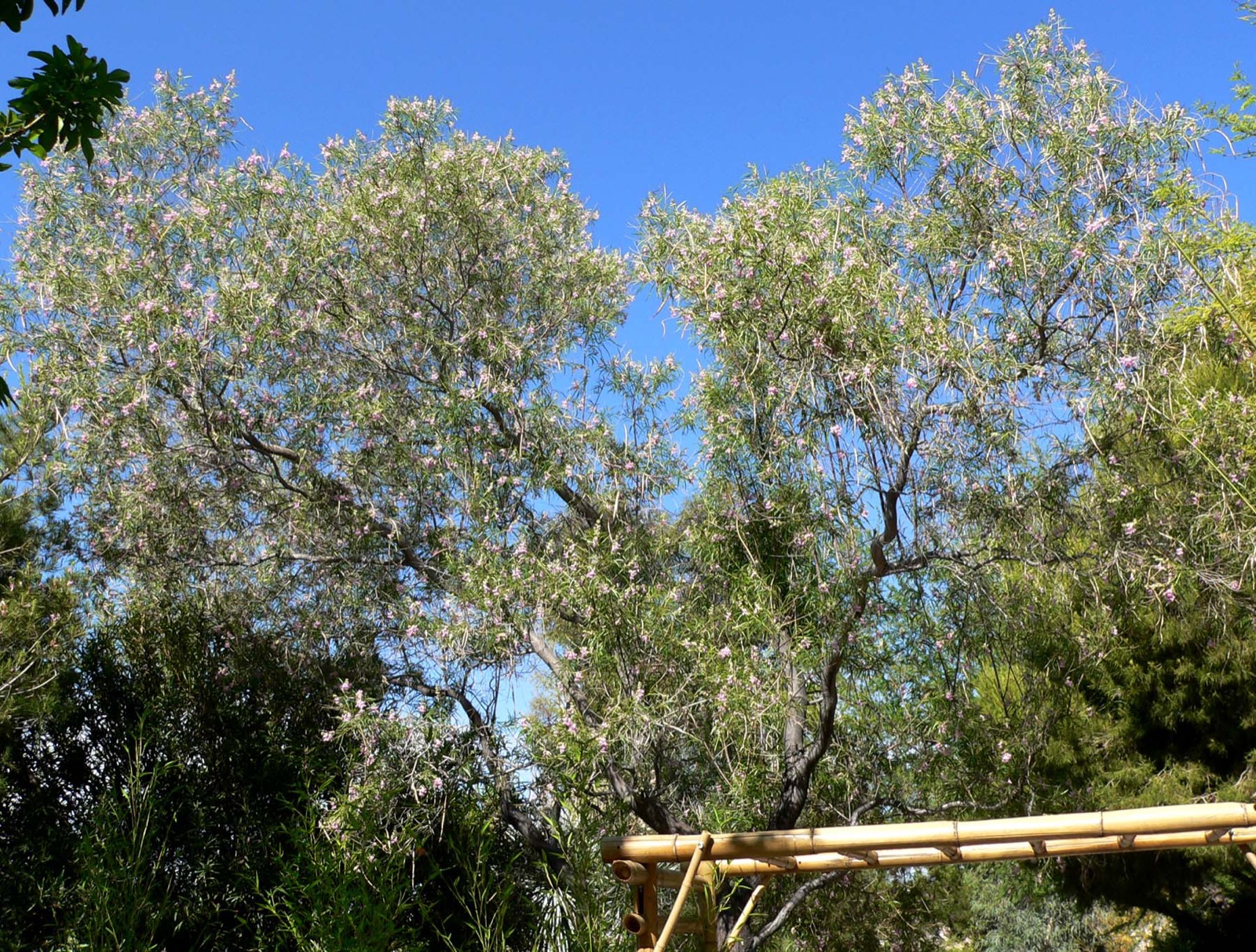 Desert willowChilopsis linearis
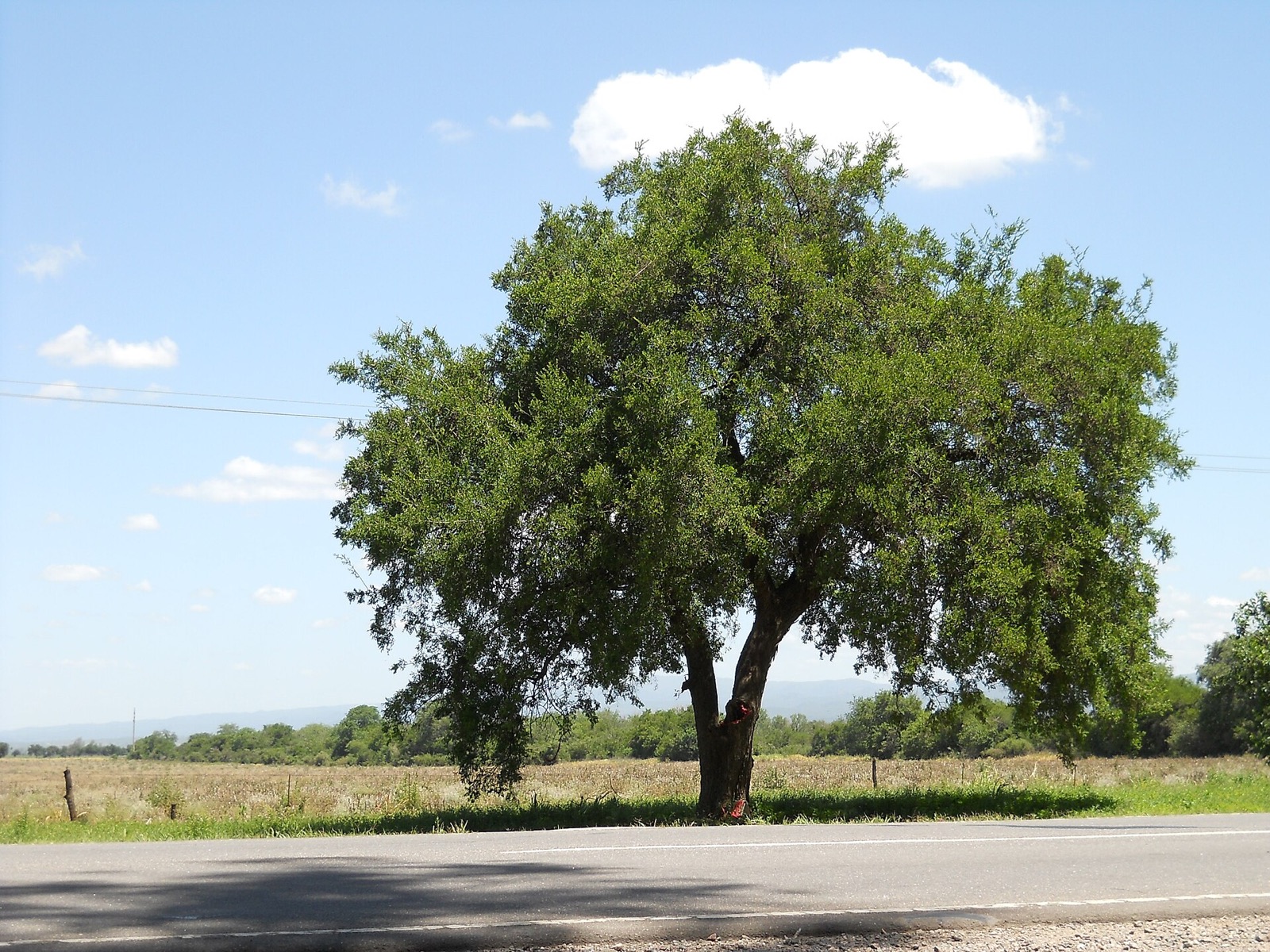 Desert hackberryCeltis pallida
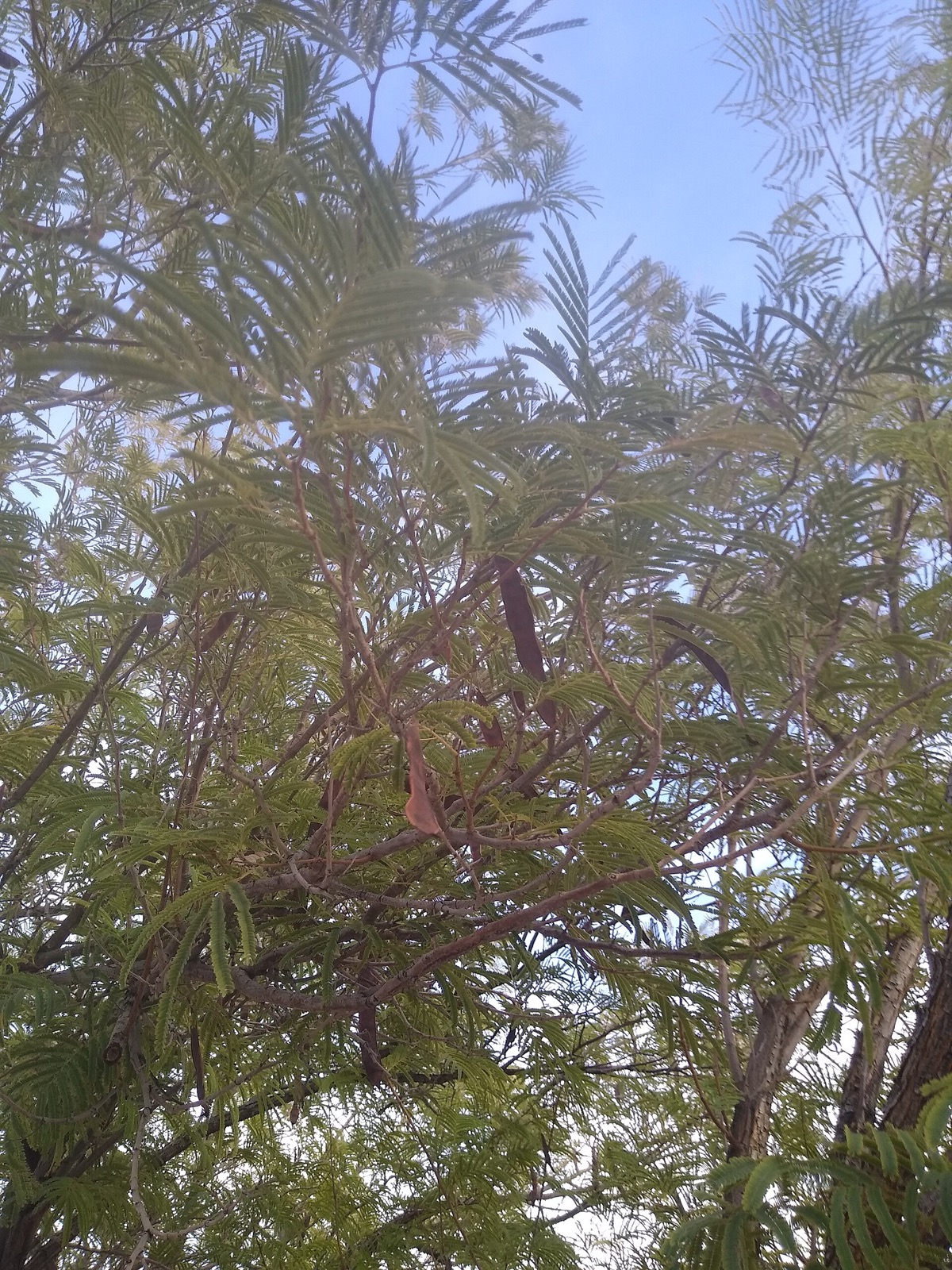 Desert fernLysiloma watsonii
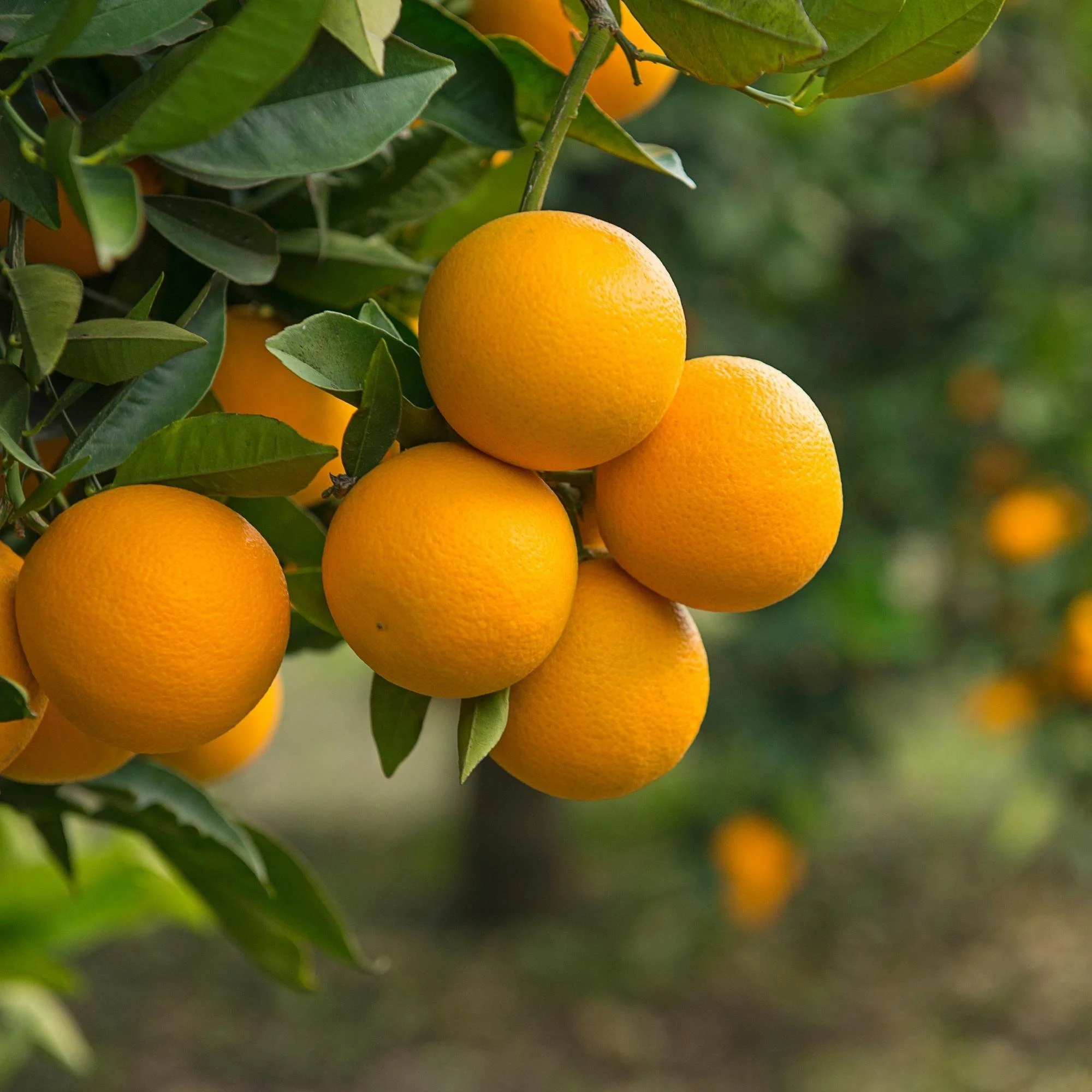 Diller Arizona sweet orangeCitrus sinensis ‘Diller’