
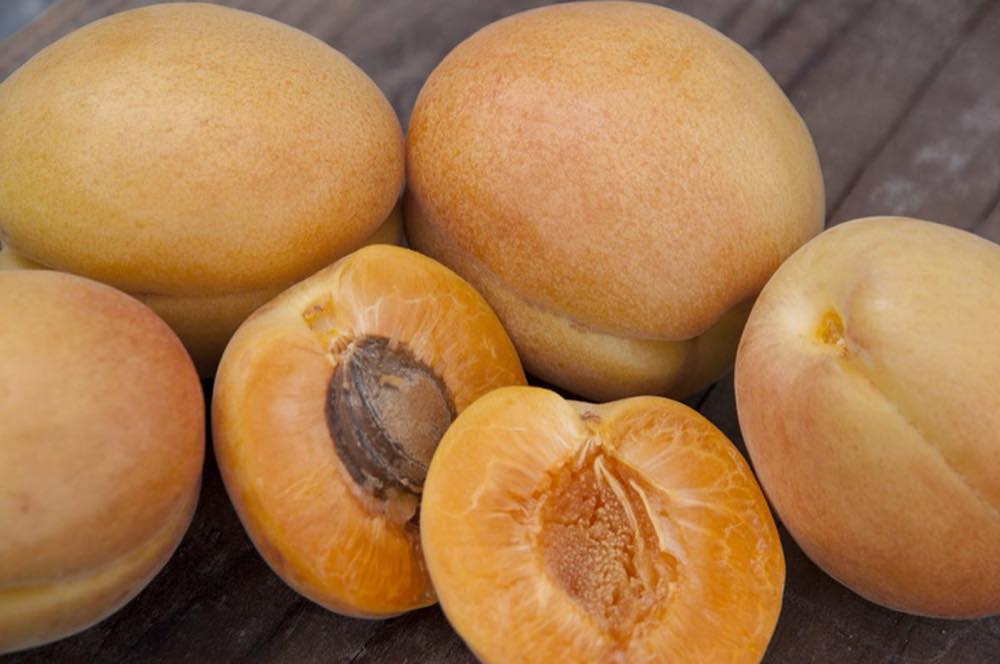
Apricots · Dave Wilson Nursery
Harcot Apricot
A Canadian apricot with sweet, juicy, rich fruit that blooms late enough to dodge many spring frosts, which is why it is a favorite for cold places. It needs about 700 chill hours, so it fits Prescott, Payson and the Verde Valley, and a sheltered spot in Flagstaff or Show Low. It resists brown rot and canker. Self-fruitful.
- Chill hours
- 700 hours
- Harvest
- Late June to early July at mid elevation; mid July higher up
- Pollination
- Self-fruitful
- Mature size
- 12–18 ft on Citation, 15–25 ft on standard rootstock; easy to hold at 8–10 ft
Which one
Every apricot side by side
Same fruit, different seasons and different jobs. Pick the row that fits your ground and your calendar.
| A Canadian apricot with sweet, juicy, rich fruit that blooms late enough to dodge many spring frosts, which is why it is a favorite for cold places. It needs about 700 chill hours, so it fits Prescott, Payson and the Verde Valley, and a sheltered spot in Flagstaff or Show Low. It resists brown rot and canker. Self-fruitful. | A late-season apricot with a strong reputation for flavor, ripening mid August to early September, long after other apricots are done. Its best home here is mid elevation, where winters give plenty of chill and late summer is mild. It blooms early for its chill need, so a late frost can take the crop in some years. In the low desert it is a gamble: chill is marginal and the fruit ripens in peak heat. | A yellow-skinned apricot with pale orange flesh that ripens in September, well after other apricots. It does best at mid elevation, where winters give far more chill than its 400 hours and September weather is mild. It blooms early, so pick a sheltered spot and cover the blossoms on frost nights. In the low desert chill is usually enough, but August ripening means heat and some sunburn on exposed fruit. | The classic sweet, aromatic apricot, a freestone that is good fresh, dried or in jam. At roughly 400 chill hours it sits right at the edge of Phoenix winters, so bloom can be thin after a warm winter, but in most years it crops in early to mid June ahead of the worst heat. It blooms early, so it is a low desert tree and not a mid elevation one. | A large, firm apricot that can hang on the tree for three weeks or more, so there is no rush to pick at the right moment. It needs more winter than the low desert gives, so it is a mid elevation choice, ripening late July to mid August. It has a name for performing where other apricots struggle, but keep a frost cloth handy at bloom. | A pale, almost white-fleshed apricot with a syrupy-sweet taste and firm texture, and a top scorer in nursery taste tests. It needs about 700 chill hours, so it is a mid elevation tree. It cannot set a crop alone, so plant a late-blooming apricot such as Harcot or Harglow close by. Fruit ripens in early to mid August. | A tough, frost-hardy apricot with small to medium sweet fruit and heavy crops, sometimes sold as the Mormon apricot. It needs about 700 chill hours, so it fits Prescott, Payson, the Verde Valley and, in a sheltered spot, Flagstaff and Show Low yards. Self-fruitful, so one tree is enough. Not for the low desert. | An apricot that ripens in August, with good flavor fresh or dried. It does best at mid elevation, where winters give the chill it wants and August is milder than in the desert. Its low chill need means early bloom, so frost is the main risk and a sheltered spot helps. In the low desert it will flower, but the fruit ripens in peak summer heat and may sunburn, so give it some afternoon shade. | Very large, sweet-tart apricots among the first fruit of the year, ripening mid to late May in the low desert. It is rated at up to 500 chill hours, so Phoenix is borderline and a warm winter can mean a light crop. Self-fruitful, so one tree works. Thin the fruit so the heavy apricots do not overload the branches. | A dependable freestone apricot bred for warm winters, and one of the safest apricots for Phoenix at about 300 chill hours. It bears heavily and ripens mid to late May, well ahead of the summer heat. Thin the crop so the limbs hold up. Early bloom means a late frost can still catch it in colder low desert pockets. | A large apricot with light orange skin, firm flesh and excellent flavor, and good resistance to pit burn, the heat disorder that browns the flesh around the pit in some apricots. It needs about 600 chill hours, so it is a mid elevation tree, ripening in mid to late July. Like most apricots it blooms early, so a sheltered spot and a frost cloth help. Pollination is not stated, so a second apricot nearby is a sensible precaution. | A late-blooming Canadian apricot with bright orange freestone fruit that is firm and sweet, with good resistance to fruit cracking and canker. It needs about 800 chill hours, so it suits mid elevation and sheltered high country spots, where the late bloom helps it miss frost. Skip it in the low desert, where it would not get enough winter. | A very cold-hardy apricot from the mountain valleys of Pakistan, known for sweet, flavorful fruit that is often dried. It is a good gamble for the coldest places where other apricots freeze out, from mid elevation up into the high country. Published chill and harvest details are thin, so treat 700 hours as our best estimate. | A large, flavorful freestone apricot that is mild rather than sharp when tree-ripe, and a proven performer in Phoenix. It crops mid to late May, ahead of the heat, and is self-fruitful. Bloom is early, so a frost cloth on cold nights helps in colder low desert spots. Thin the fruit so heavy crops do not break branches. | A Colorado seedling with real cold hardiness and a late bloom that resists frost, bearing large, sweet yellow fruit with a red blush and an edible pit. At about 600 chill hours it fits mid elevation and sheltered high country yards. Self-fruitful, so one tree is enough. Not for the low desert. | The old favorite for rich flavor and aroma, good fresh or canned. It needs about 600 chill hours, so it is a mid elevation tree, ripening mid to late July. It can lose blossoms to a spring frost in some years, so plant it in a protected spot. Self-fruitful, so one tree is enough. | A vigorous yellow freestone apricot with orange skin and a red blush, ripening late May to early June in the low desert. It is rated at up to 500 chill hours, so Phoenix is borderline and the crop can be light after a warm winter. Self-fruitful, so one tree is enough. | A hardy, productive apricot with very large, sweet, juicy fruit, grown where spring frost is a problem. Reported chill needs are about 700 hours, so it fits mid elevation and sheltered high country yards. Pollination is not confirmed, so a second apricot nearby is a sensible precaution. | Large, flavorful apricots from a variety proven in the cool, wet Pacific Northwest, where spring weather is hard on apricots. It needs about 600 chill hours, so it suits mid elevation, with fruit in early to mid August. Self-fruitful. As with any apricot, a late frost can still take the blossoms. | A large oval apricot with an aromatic, slightly tart flavor and an orange-red blush, from a heavy, dependable bloom. It needs 700 to 800 chill hours, so it is a mid elevation choice, and it needs an early-blooming apricot such as Blenheim or Tomcot nearby to set fruit. Not for the low desert, which does not give enough winter. | A very early, sweet, low-acid apricot that bears young and heavy, ripening early to mid May in the low desert. It is rated around 500 chill hours, so Phoenix is marginal in a warm winter, though it is known for vigor and good disease tolerance. Self-fruitful. Early bloom makes frost a problem outside the low desert. | Prized for canning but just as good fresh or dried, a medium to large apricot with firm flesh and rich flavor. It needs about 600 chill hours, so it is a mid elevation tree, ripening early to mid July. It is among the better apricots for colder yards, but still cover the bloom on frost nights. Self-fruitful. | A consistent producer of large, orange, firm apricots with a sweet, slightly tart flavor, ripening early for a cold-hardy type. Its modest chill need means an early bloom, so frost is the main risk at mid elevation and a sheltered spot matters. Partly self-fruitful, with bigger crops if another apricot is nearby. | A medium to large apricot with golden skin, an orange-red blush and a reputation for excellent flavor. It needs 350 chill hours or fewer, so it is a good low desert pick, ripening early to mid June. Self-fruitful. It ripens a little later than Katy or Gold Kist, so keep some leaf cover to protect the fruit from sunburn. | A long-time Pacific Northwest favorite, good fresh, dried or canned, and happy where spring weather is tricky. It needs about 700 chill hours, so it fits mid elevation, with fruit in late June to early July. Self-fruitful. Skip it in the low desert, where winters are too mild to bring it into bloom properly. | |
|---|---|---|---|---|---|---|---|---|---|---|---|---|---|---|---|---|---|---|---|---|---|---|---|---|---|
| Harvest | Late June to early July at mid elevation; mid July higher up | Mid August to early September at mid elevation | September at mid elevation | Early to mid June in the low desert | Late July to mid August at mid elevation | Early to mid August at mid elevation | Late June to mid July at mid elevation; July higher up | Early to late August at mid elevation | Mid to late May in the low desert | Mid to late May in the low desert | Mid to late July at mid elevation | Early to mid July at mid elevation; later in the high country | Likely July at mid elevation (not confirmed) | Mid to late May in the low desert | Mid to late July at mid elevation; August in the high country | Mid to late July at mid elevation | Late May to early June in the low desert | Late June to early July at mid elevation | Early to mid August at mid elevation | Late June to early July at mid elevation | Early to mid May in the low desert | Early to mid July at mid elevation | Mid to late June at mid elevation | Early to mid June in the low desert | Late June to early July at mid elevation |
| Chill hours | 700 hours | 500 hours or less | 400 hours | 400 hours or less | 500–600 hours | 700 hours | 700 hours | 500 hours or less | 500 hours or less | 300 hours | 600 hours | 800 hours | 700 hours | 200–300 hours | 600 hours | 600 hours | 500 hours or less | 700 hours | 600 hours | 700–800 hours | 500 hours | 600 hours | 500 hours or less | 350 hours or less | 700 hours |
| Pollination | Self-fruitful | Self-fruitful | Self-fruitful | Self-fruitful | Self-fruitful | Needs a late-blooming apricot partner such as Harcot or Harglow | Self-fruitful | Self-fruitful | Self-fruitful | Self-fruitful | Not stated; a second apricot such as Moorpark or Tilton is the safe choice | Self-fruitful | Not confirmed; a second apricot such as Chinese or Harcot is the safe choice | Self-fruitful | Self-fruitful | Self-fruitful | Self-fruitful | Not confirmed; plant a second apricot such as Harcot for a safer crop | Self-fruitful | Needs an early-blooming apricot partner such as Blenheim or Tomcot | Self-fruitful | Self-fruitful | Partly self-fruitful; bigger crops with a second apricot such as Harcot | Self-fruitful | Self-fruitful |
| Mature size | 12–18 ft on Citation, 15–25 ft on standard rootstock; easy to hold at 8–10 ft | 12–18 ft unpruned on Citation; easy to hold at 8–10 ft with summer pruning | 15–25 ft unpruned on standard rootstock; easy to hold at 8–10 ft with summer pruning | 12–18 ft on Citation, 15–25 ft on standard rootstock; easy to hold at 8–10 ft | 12–18 ft unpruned on Citation; easy to hold at 8–10 ft with summer pruning | 15–25 ft unpruned on Myro 29C; easy to hold at 8–10 ft with summer pruning | 12–18 ft on Citation, 15–25 ft on standard rootstock; easy to hold at 8–10 ft | 12–18 ft unpruned on Citation; easy to hold at 8–10 ft with summer pruning | 15–25 ft unpruned on standard rootstock; easy to hold at 8–10 ft with summer pruning | 12–18 ft on Citation, 15–25 ft on standard rootstock; easy to hold at 8–10 ft | 12–18 ft on Citation, 15–25 ft on standard rootstock; easy to hold at 8–10 ft | 15–25 ft unpruned on standard rootstock; easy to hold at 8–10 ft with summer pruning | 12–18 ft unpruned on Citation; easy to hold at 8–10 ft with summer pruning | 12–18 ft on Citation, 15–25 ft on standard rootstock; easy to hold at 8–10 ft | 15–25 ft unpruned on standard rootstock; easy to hold at 8–10 ft with summer pruning | 12–18 ft on Citation, 15–25 ft on standard rootstock; easy to hold at 8–10 ft | 15–25 ft unpruned on standard rootstock; easy to hold at 8–10 ft with summer pruning | 15–25 ft unpruned on standard rootstock; easy to hold at 8–10 ft with summer pruning | 15–25 ft unpruned on standard rootstock; easy to hold at 8–10 ft with summer pruning | 15–25 ft unpruned on standard rootstock; easy to hold at 8–10 ft with summer pruning | 15–25 ft unpruned on standard rootstock; easy to hold at 8–10 ft with summer pruning | 12–18 ft on Citation, 15–25 ft on standard rootstock; easy to hold at 8–10 ft | 12–18 ft unpruned on Citation; easy to hold at 8–10 ft with summer pruning | 15–25 ft unpruned on standard rootstock; easy to hold at 8–10 ft with summer pruning | 15–25 ft unpruned on standard rootstock; easy to hold at 8–10 ft with summer pruning |
| From | $29 | $29 | $22 | $25 | $29 | $25 | $22 | $29 | $31 | $25 | $33 | $36 | $33 | $25 | $35 | $29 | $30 | $35 | $32 | $33 | $25 | $29 | $30 | $30 | $36 |
Where this tree sits
Apricots sit in the lower canopy layer.
Lower canopy
Fruit trees kept below the tall ones. Most of this year's program lives here, held to eight or ten feet by summer pruning.
Other options in the lower canopy layer
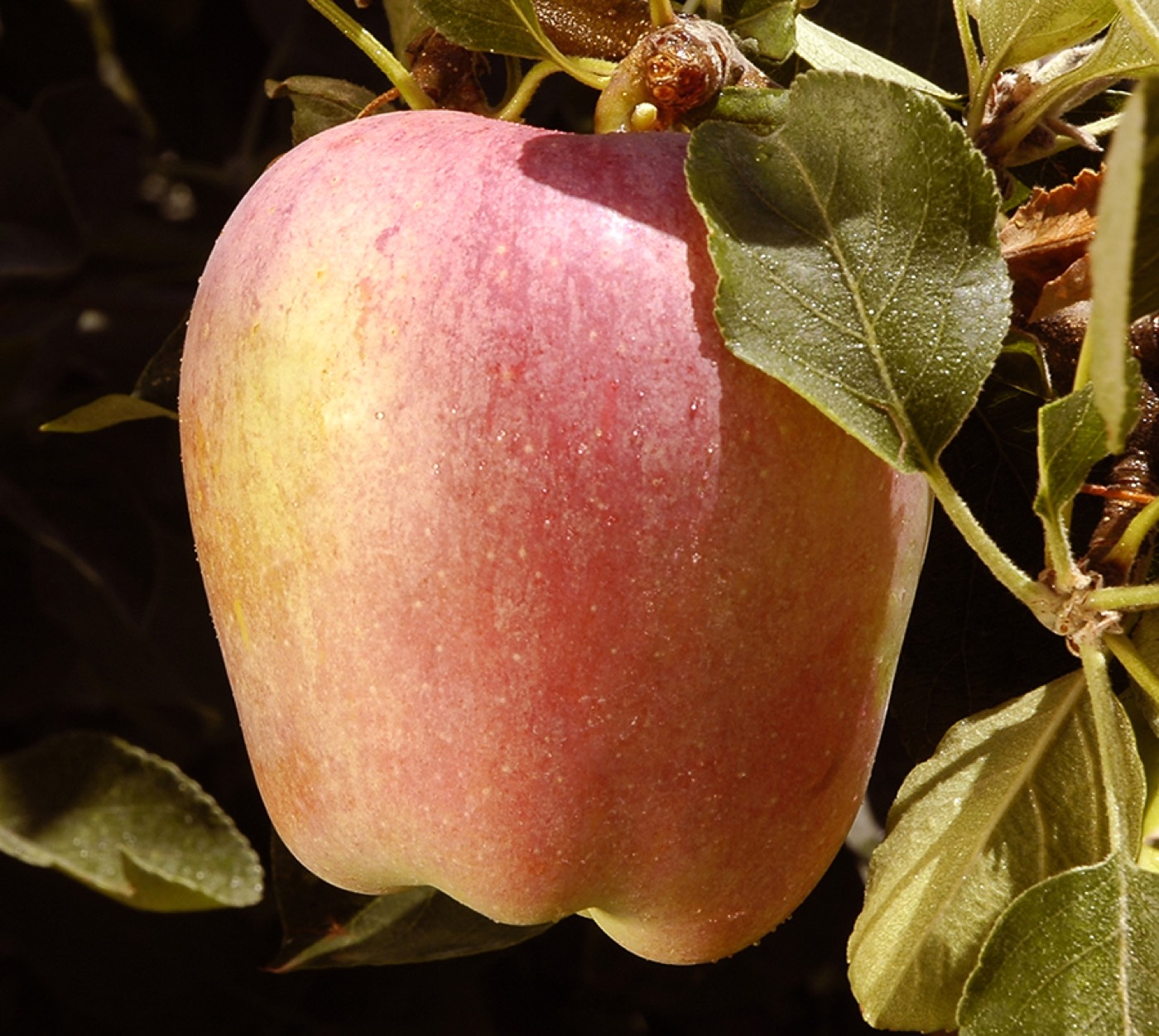 ApplesIn this year's order
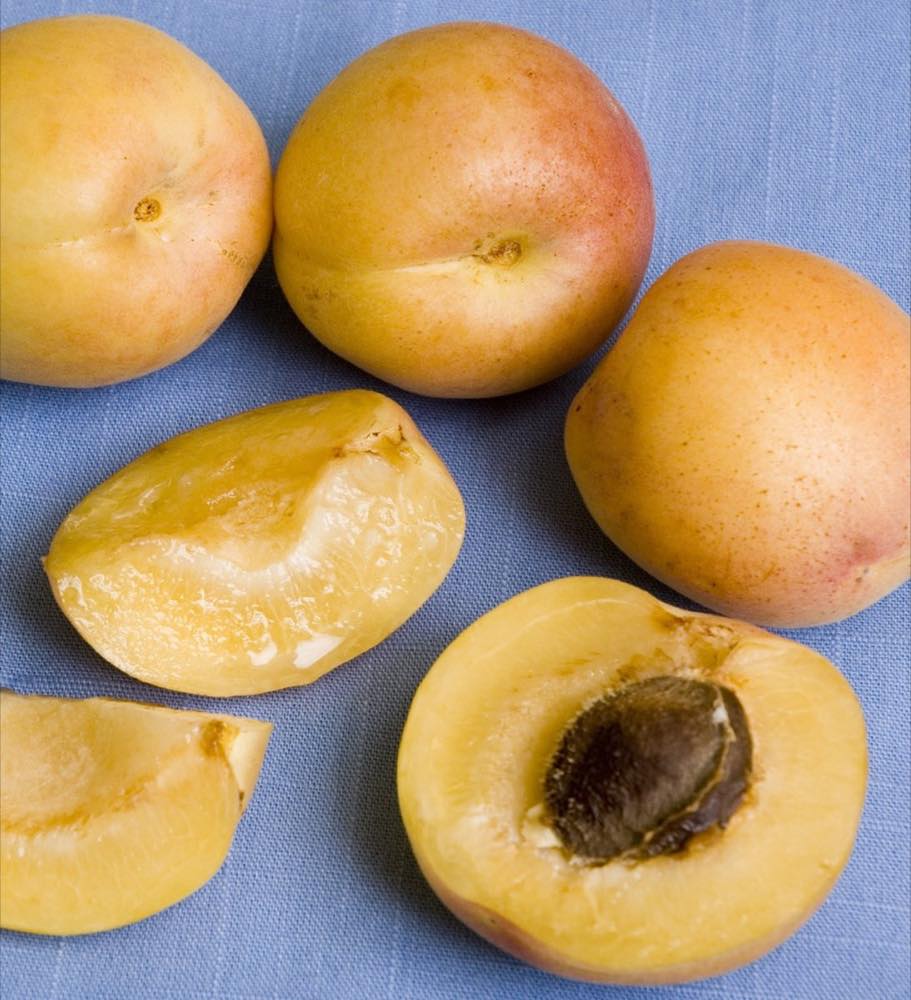 ApriumsIn this year's order
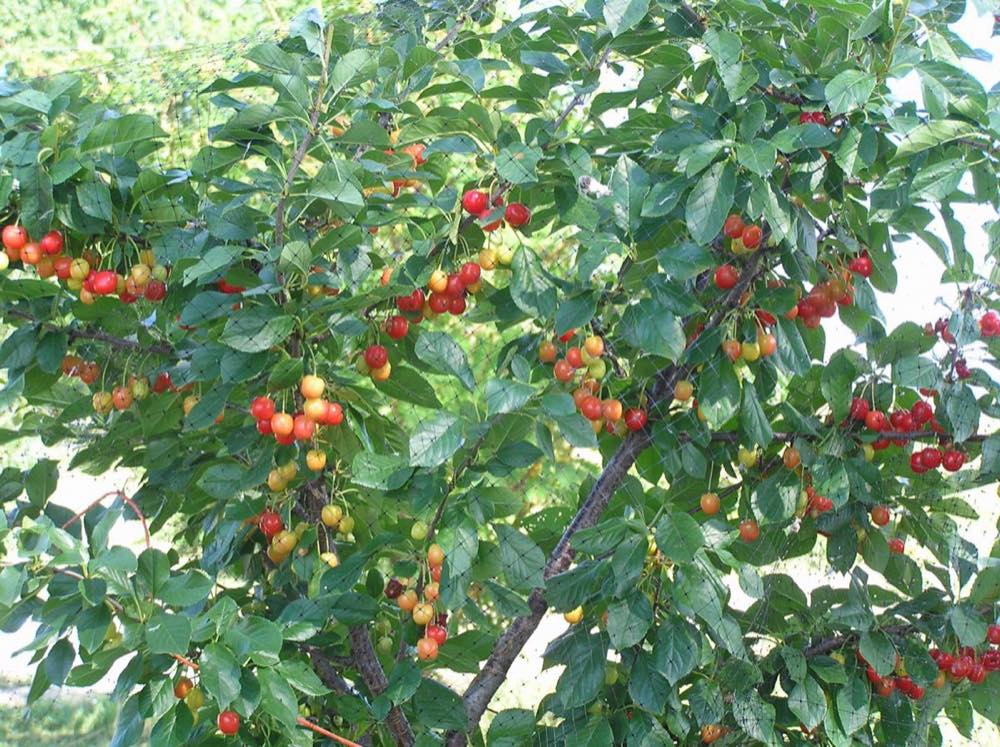 CherriesIn this year's order
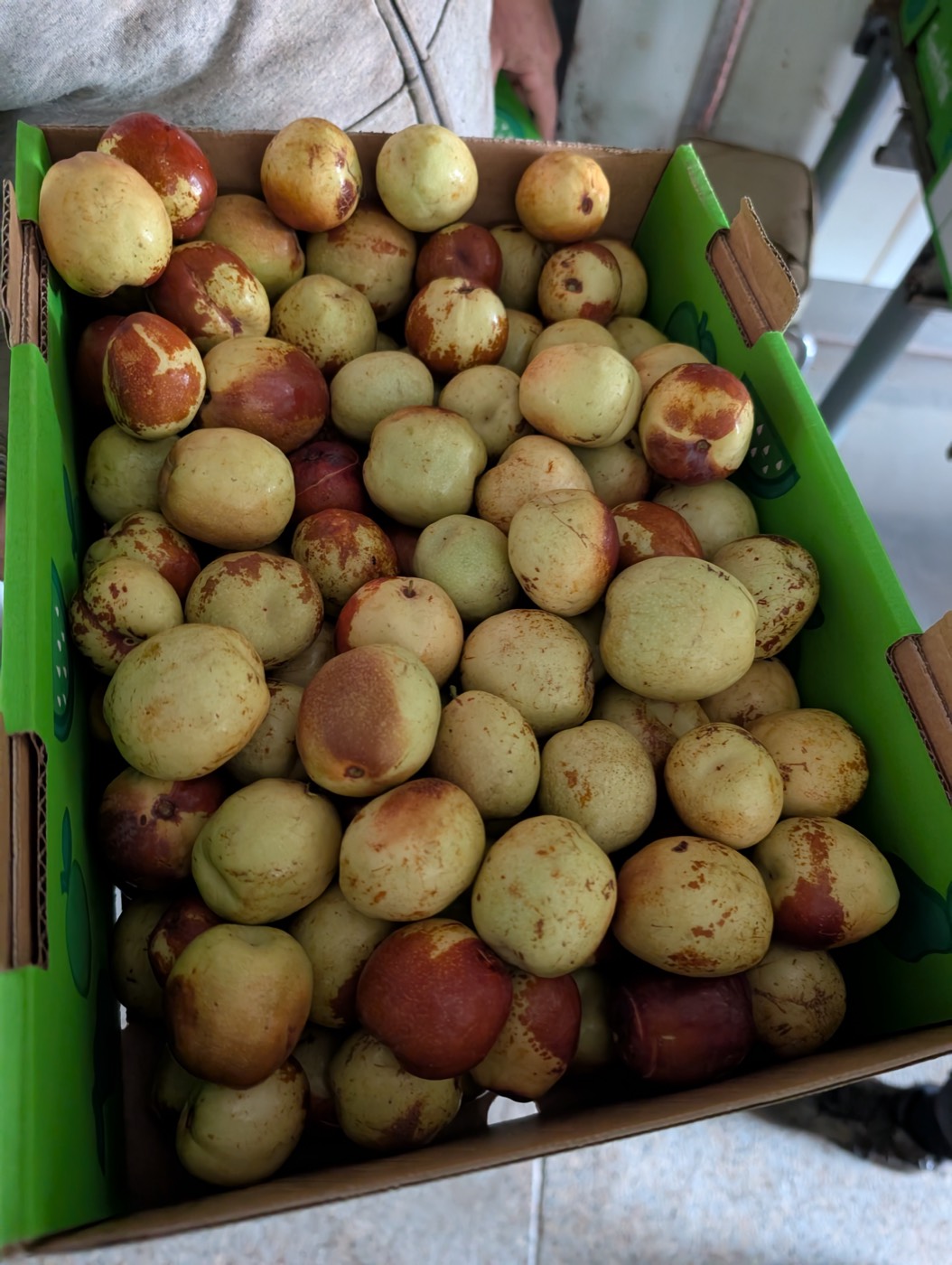 JujubesIn this year's order
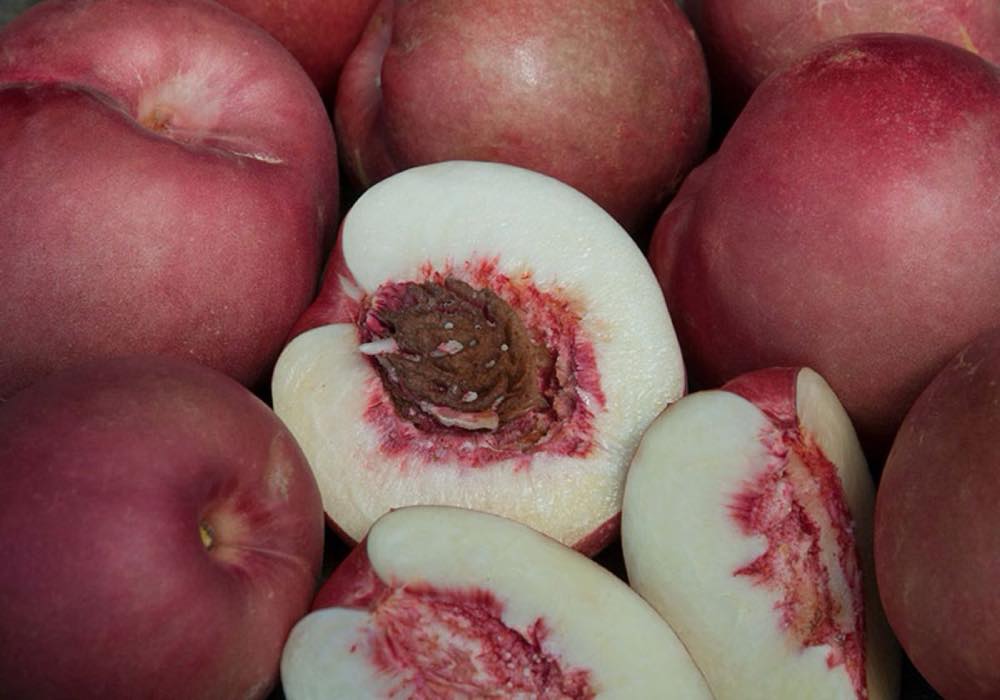 Pluots & interspecificsIn this year's order
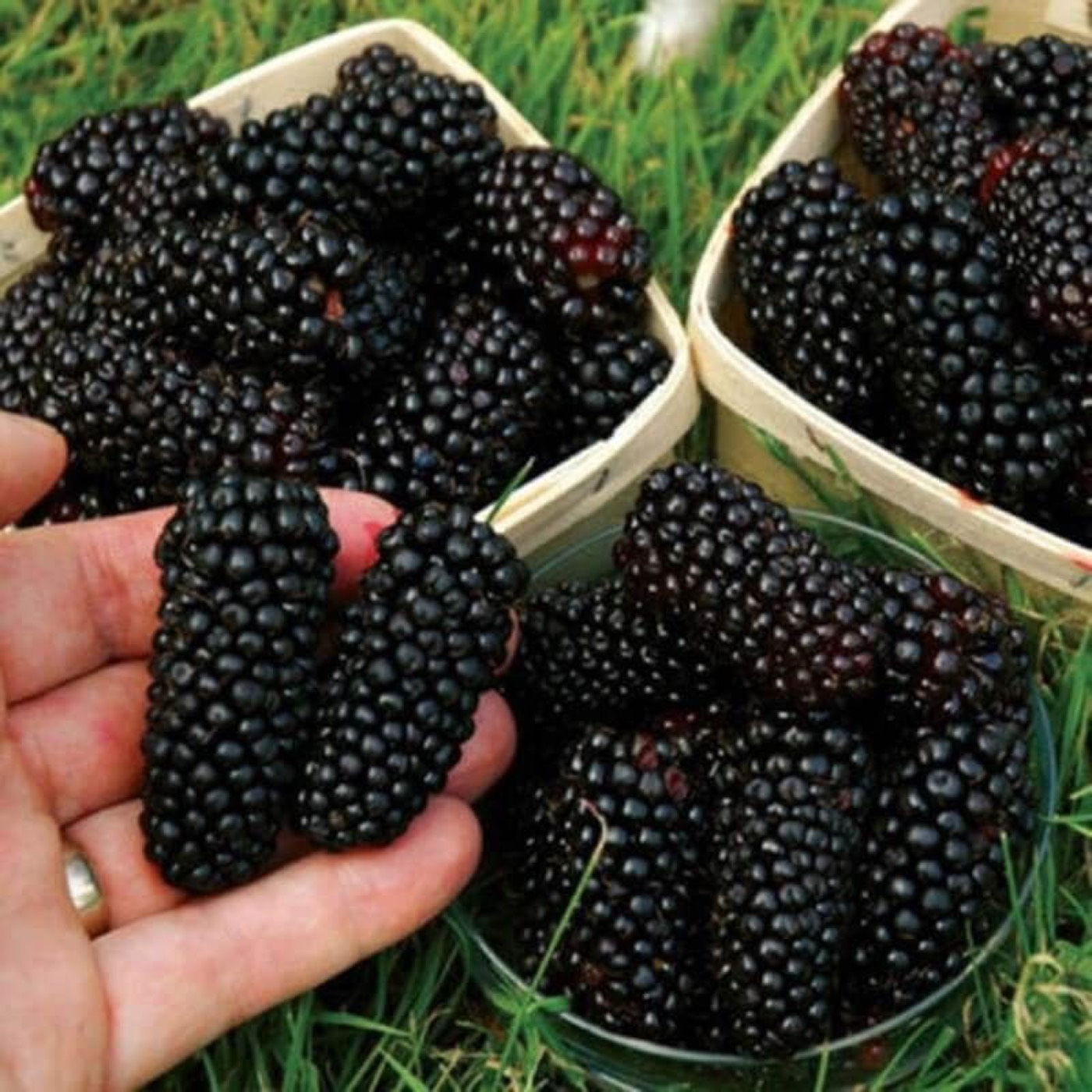 MulberriesIn this year's order
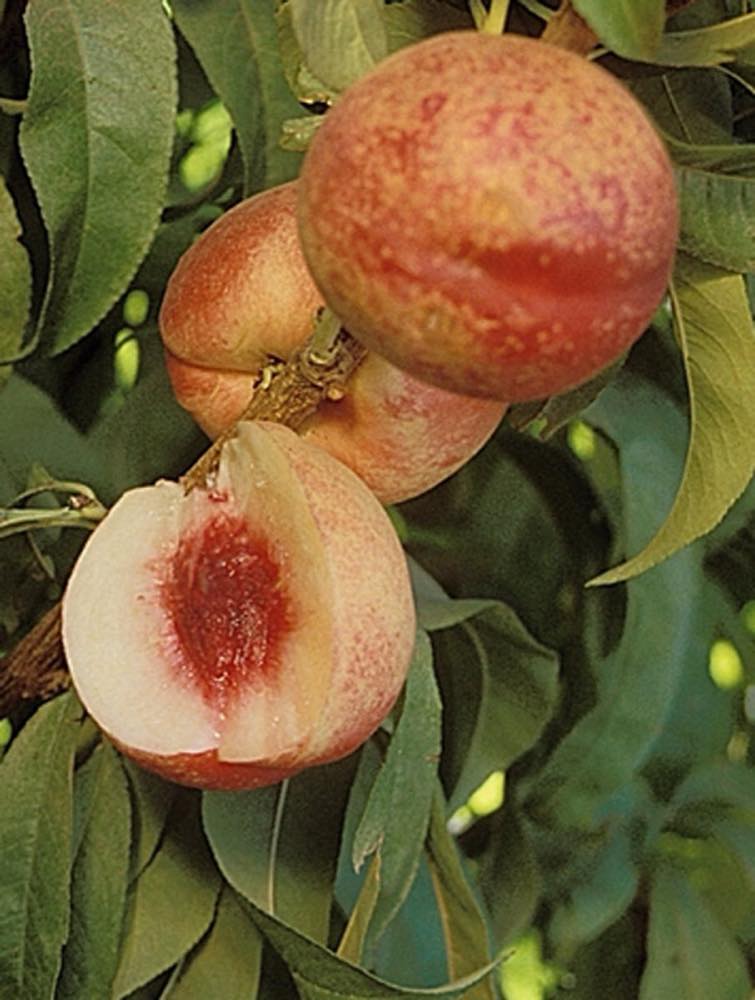 NectarinesIn this year's order
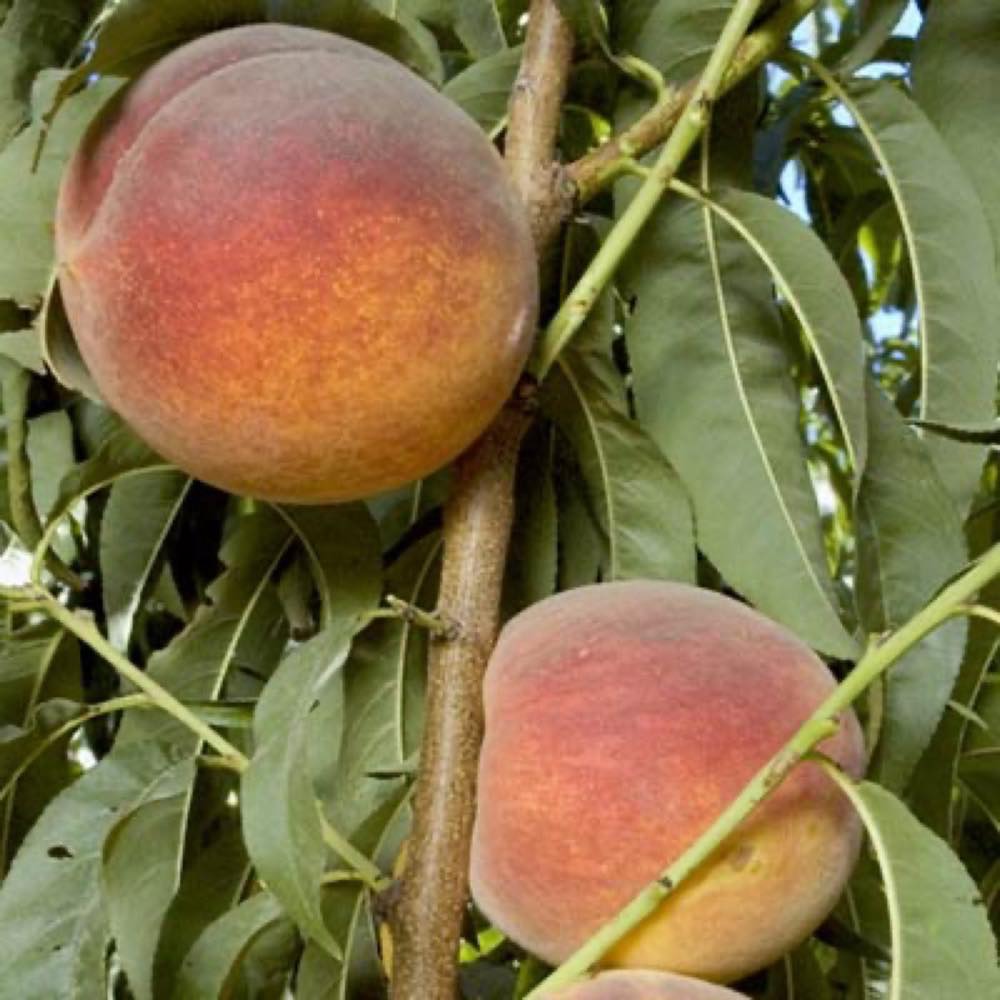 PeachesIn this year's order
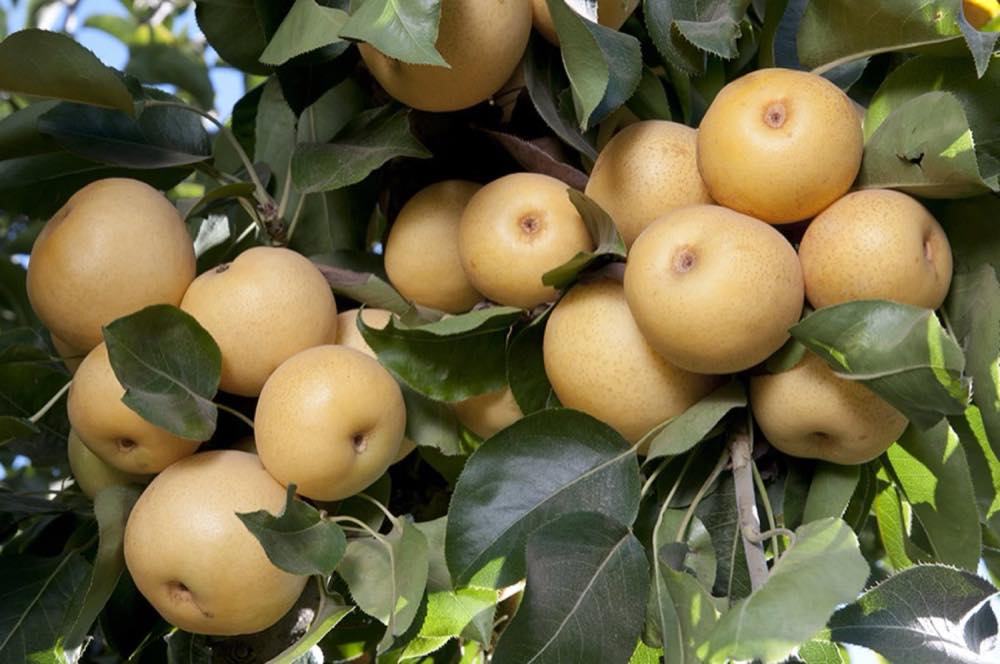 Asian pearsIn this year's order
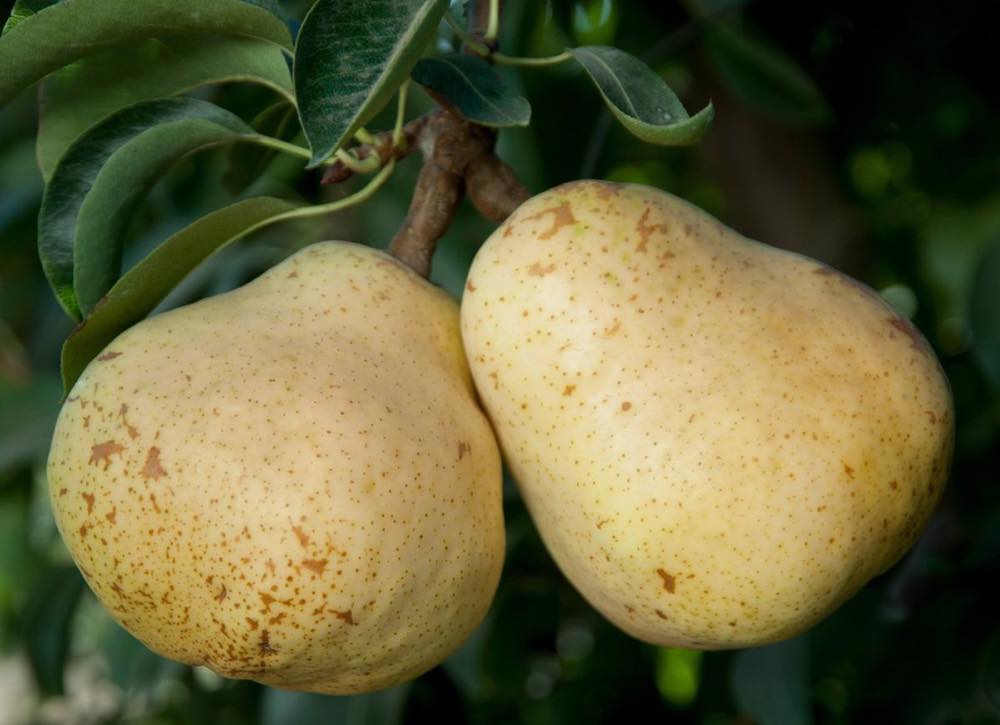 PearsIn this year's order
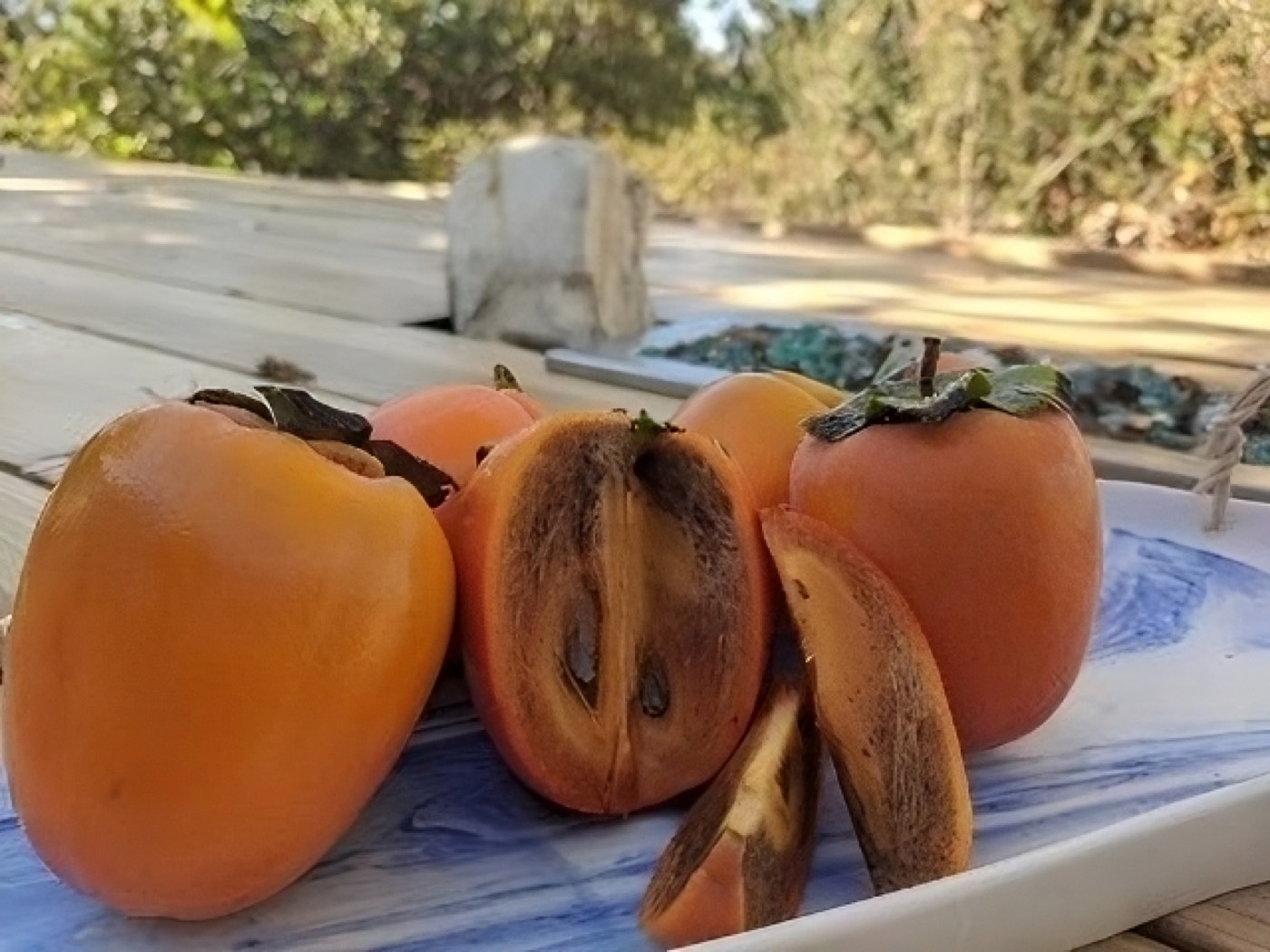 PersimmonsIn this year's order
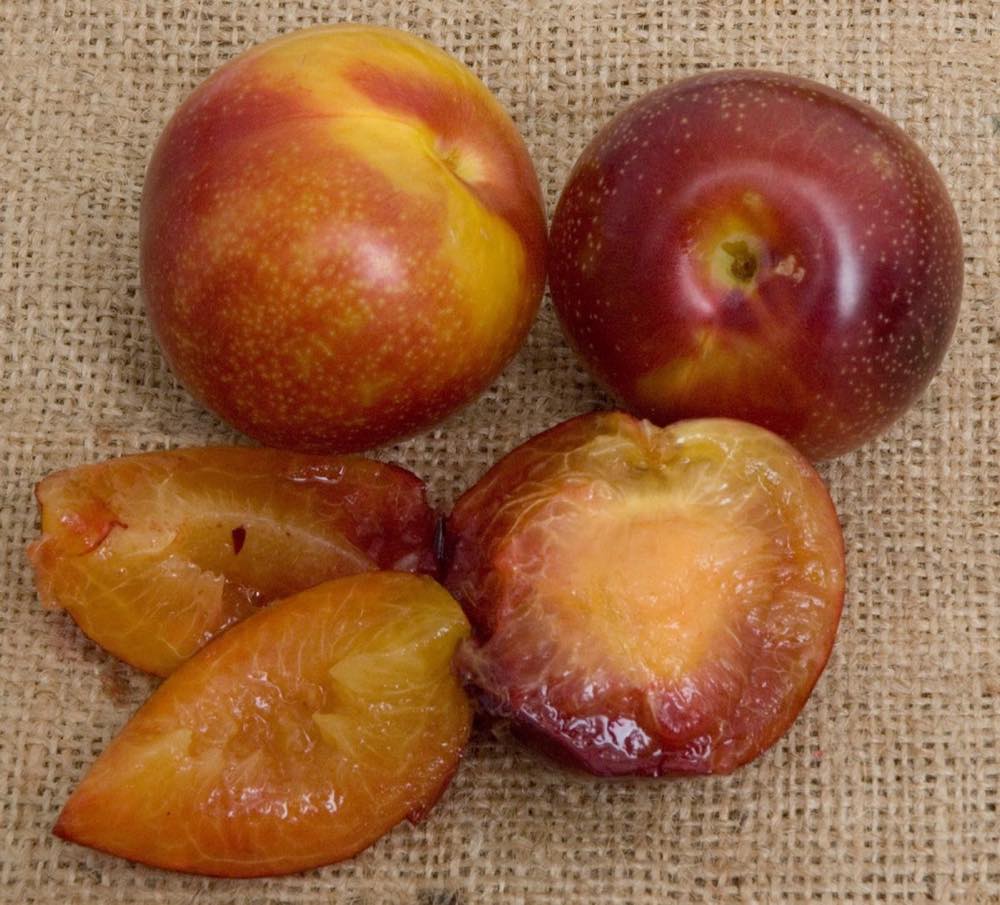 PlumsIn this year's order
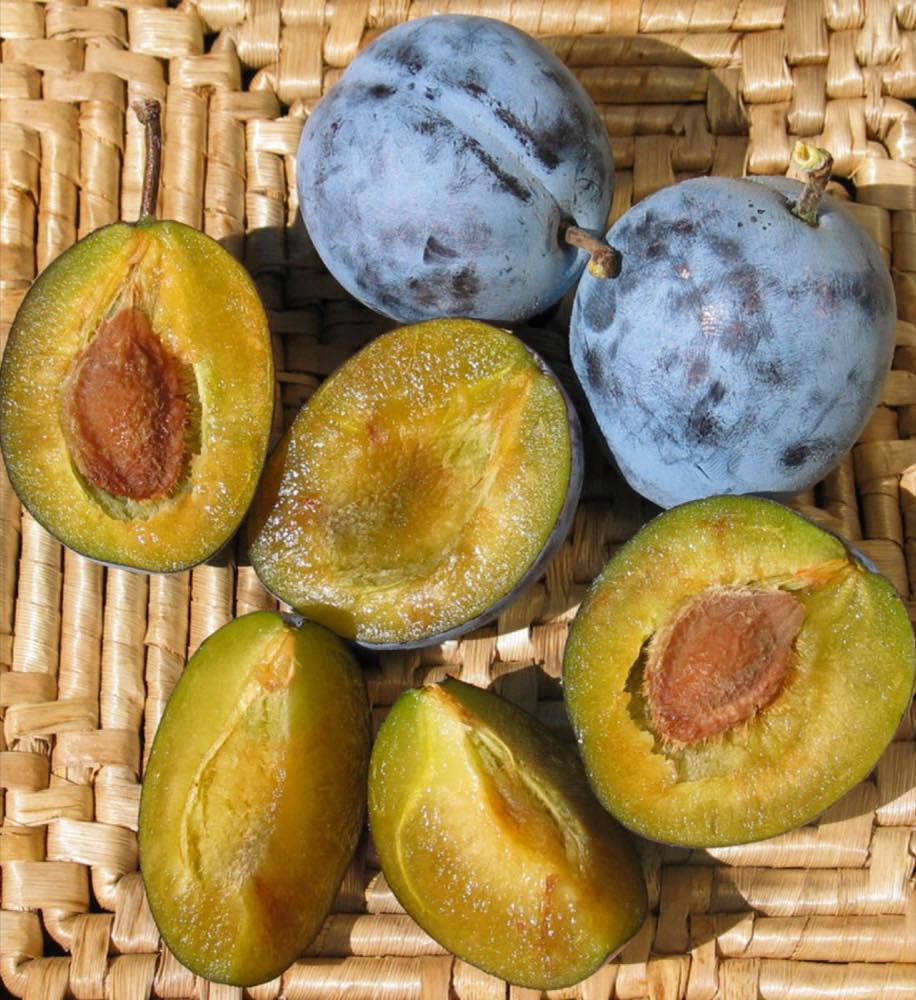 PrunesIn this year's order
 Flowering treesIn this year's order
 Multi-graftedIn this year's order
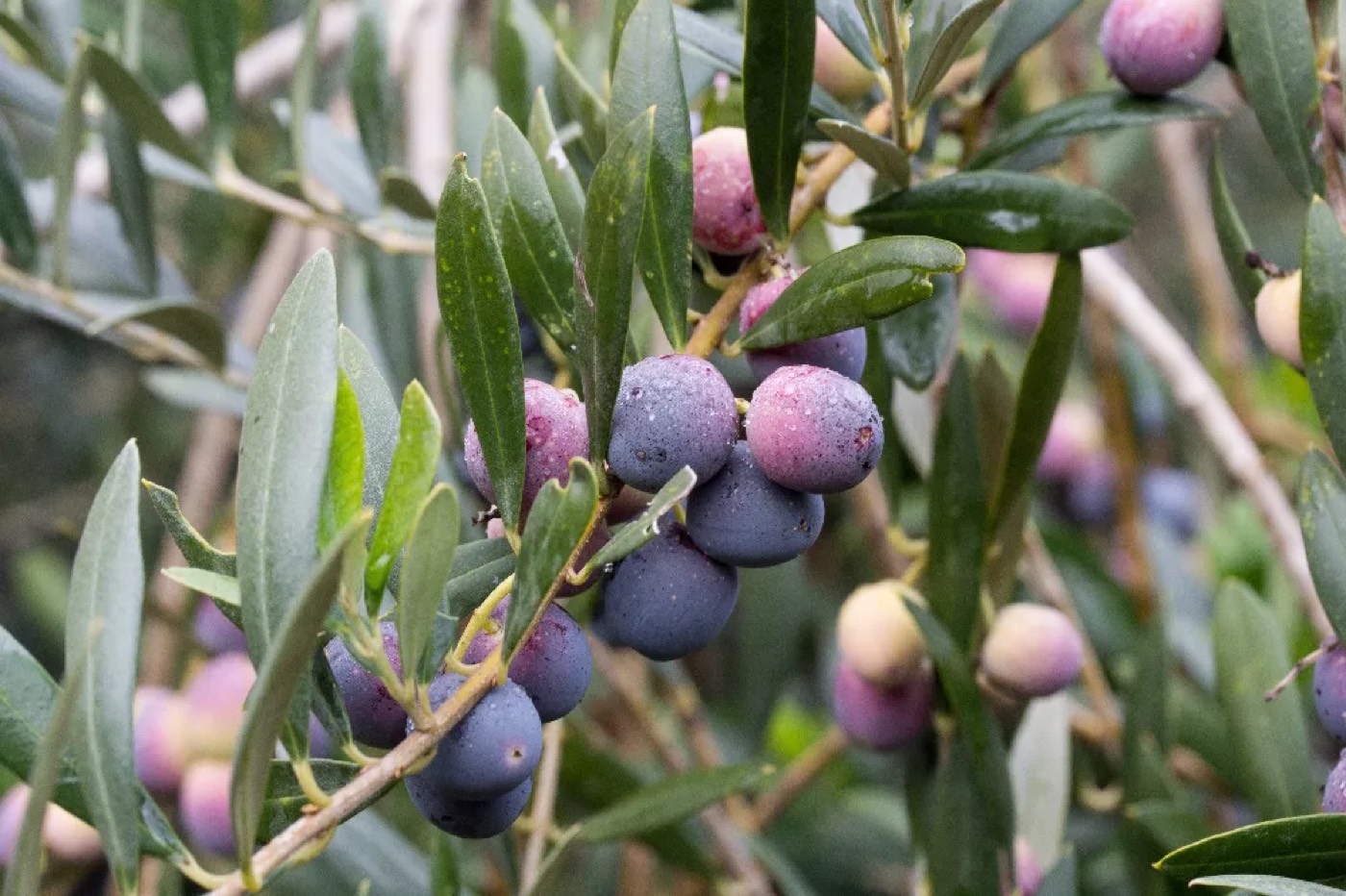 OlivesIn this year's order
Not in the current wholesale fruit tree program. Add it to your wishlist or a future wholesale preorder.
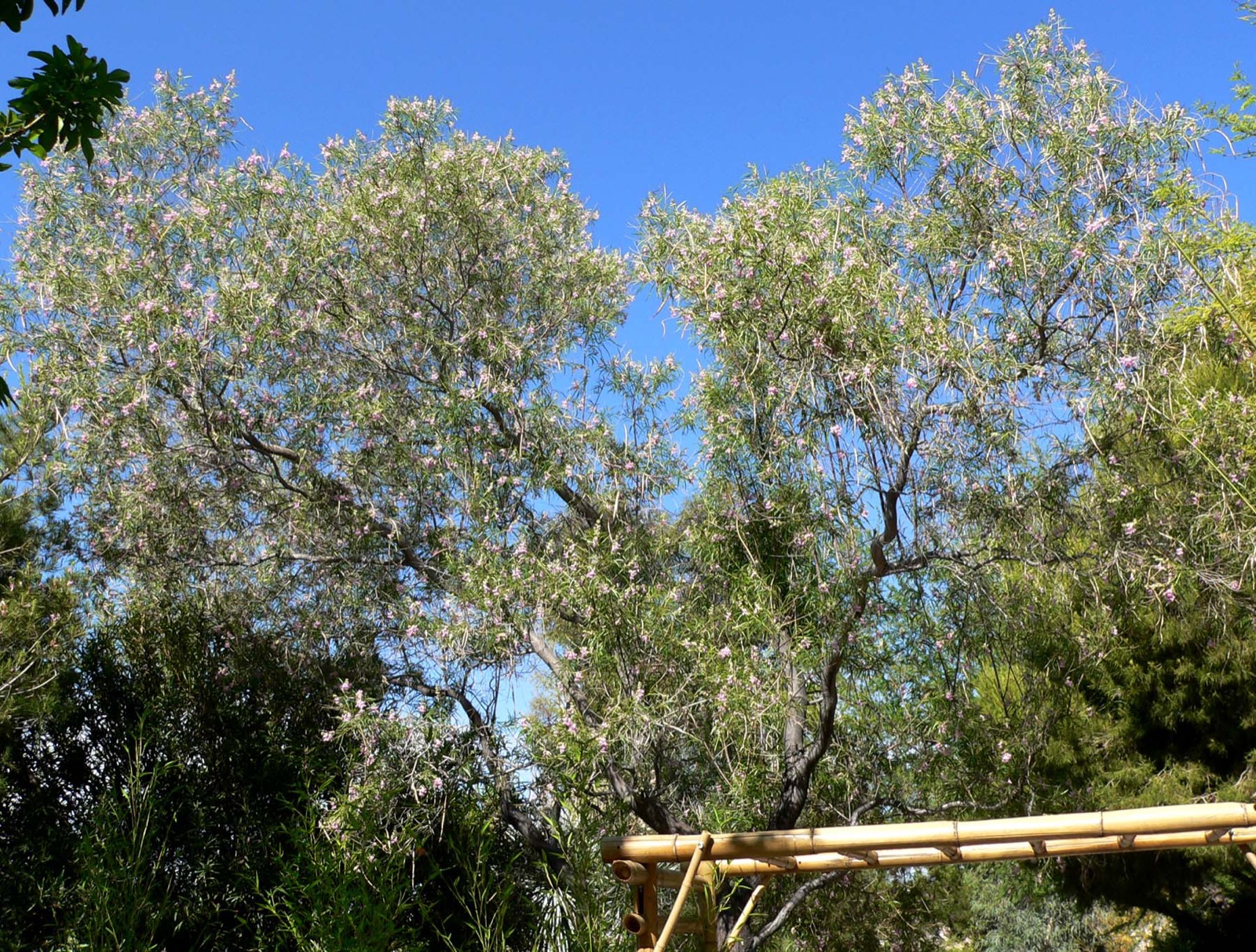 Desert willowChilopsis linearis
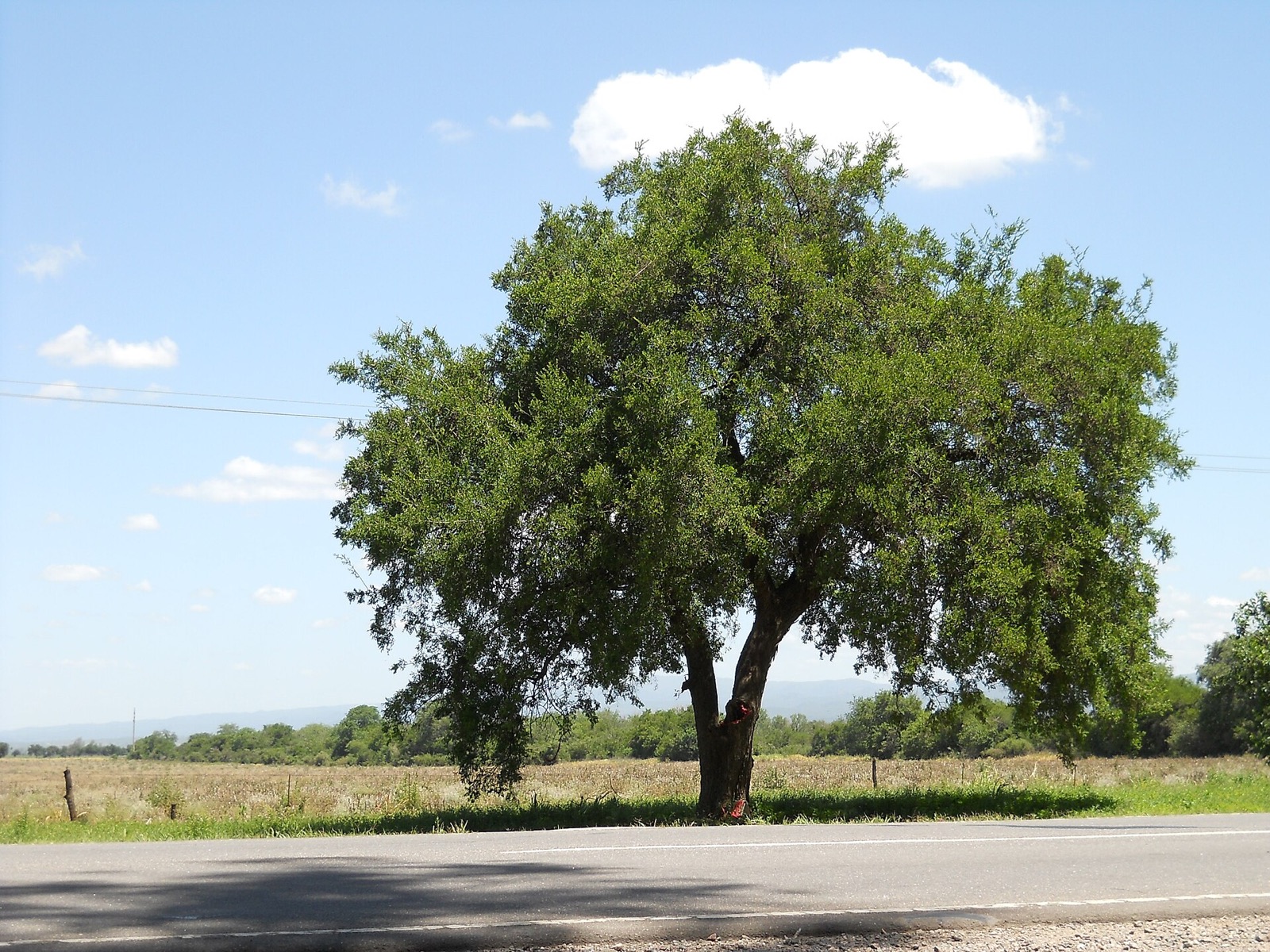 Desert hackberryCeltis pallida
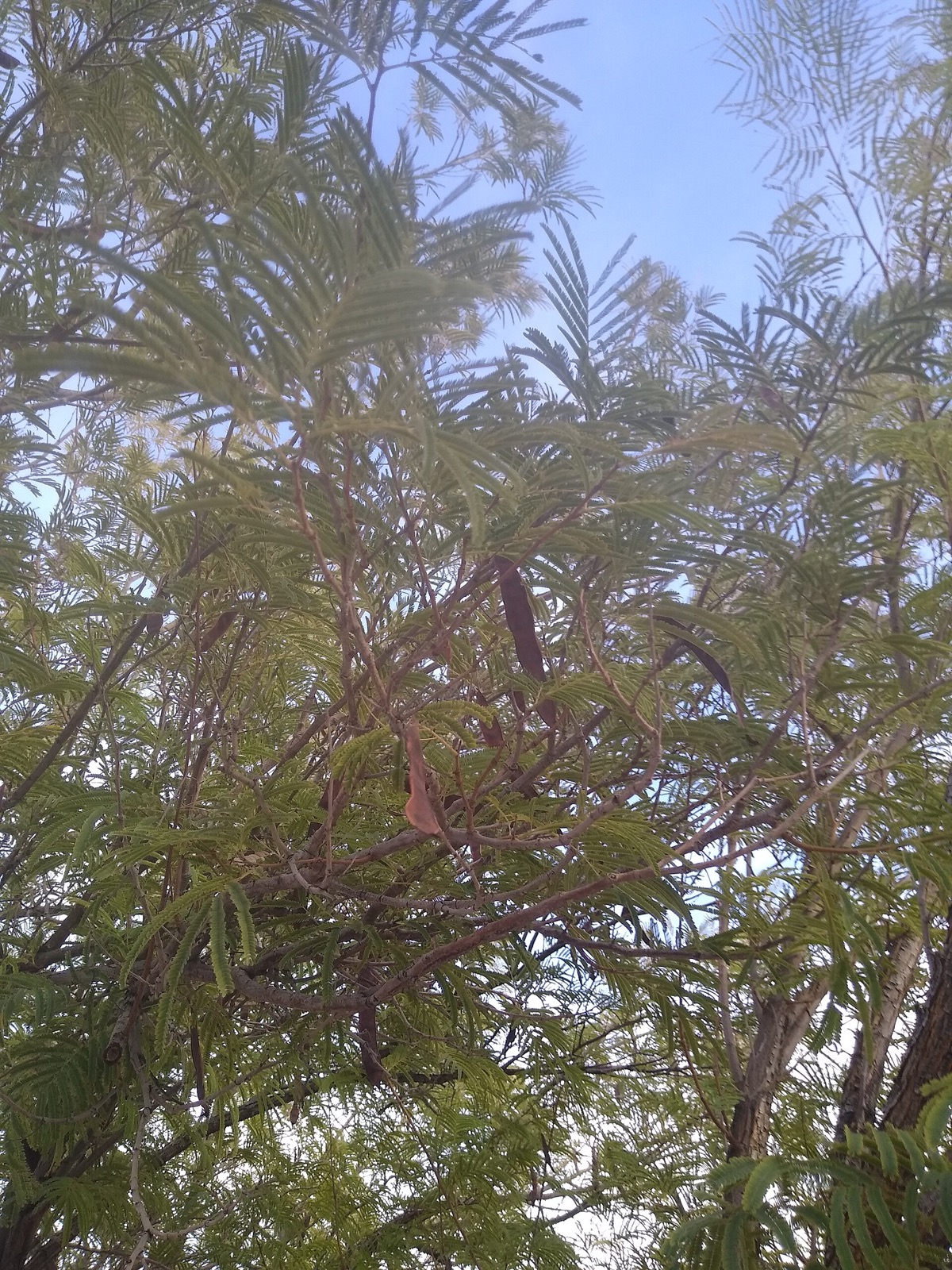 Desert fernLysiloma watsonii
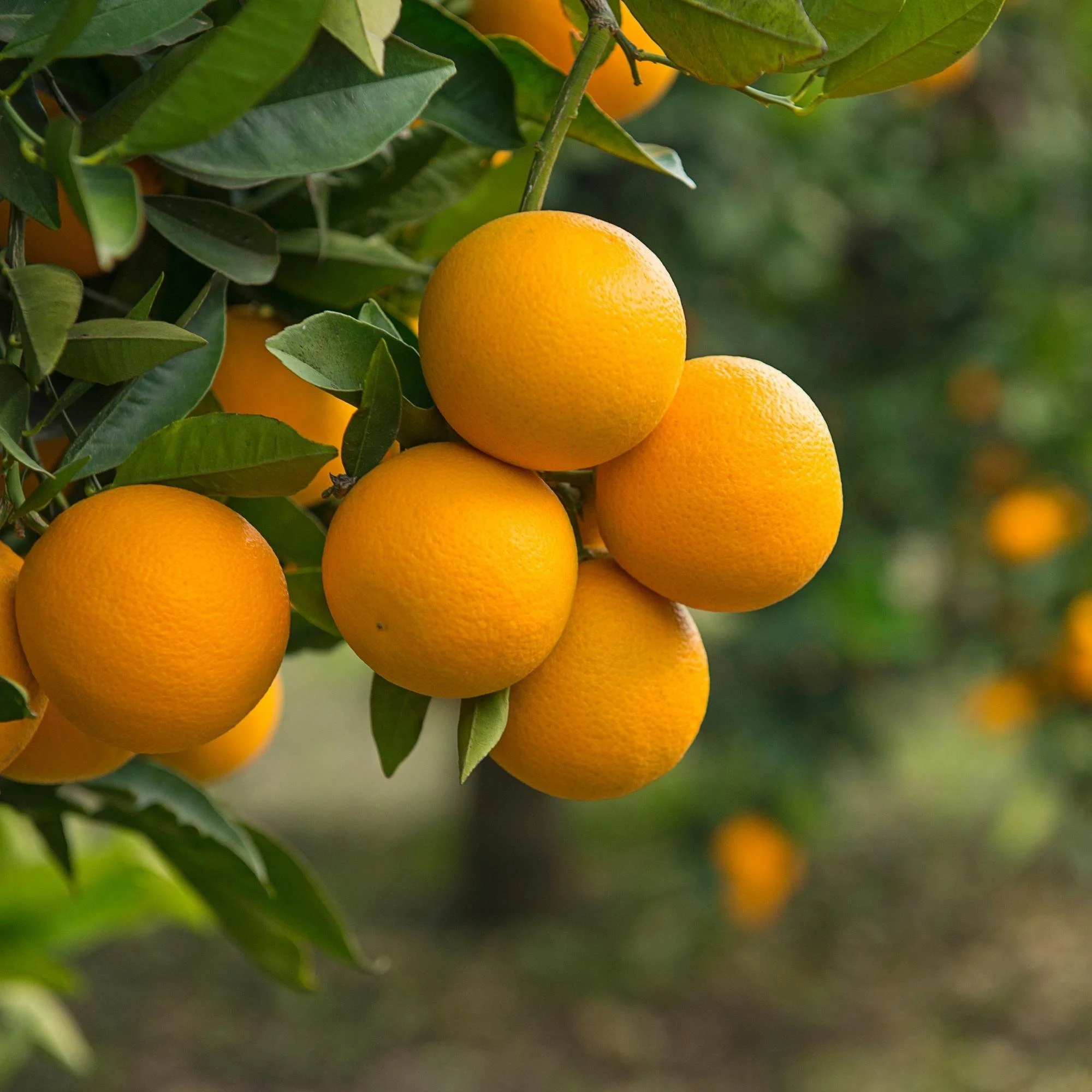 Diller Arizona sweet orangeCitrus sinensis ‘Diller’