
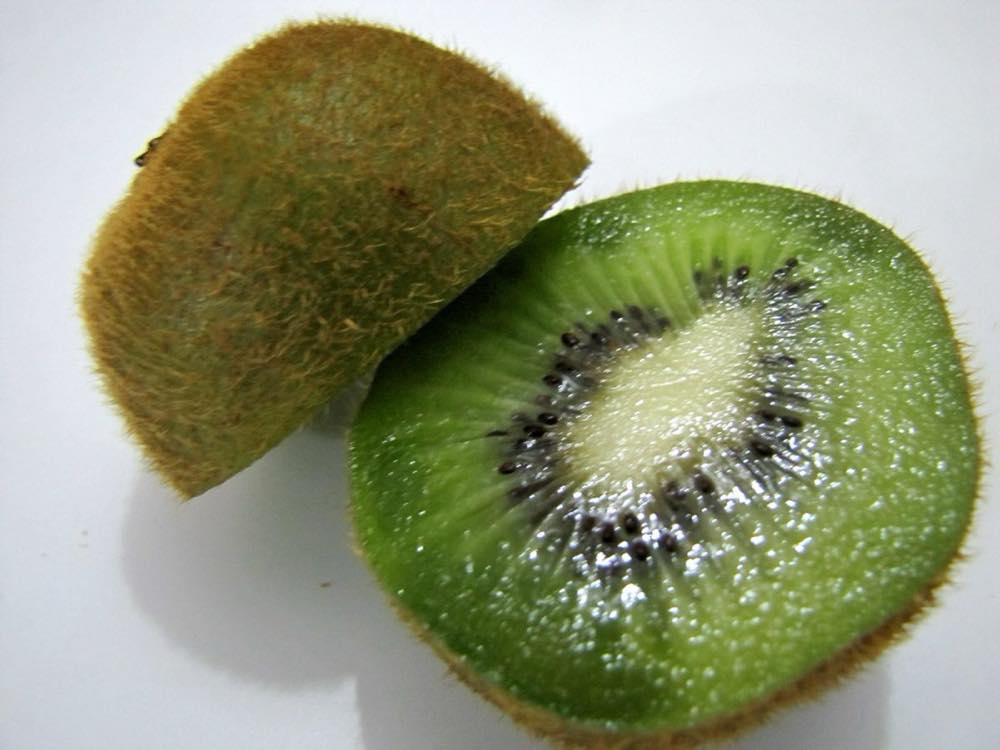
Kiwi · Dave Wilson Nursery
Jenny Fuzzy Kiwi
The first self-fertile fuzzy kiwi, so one vine is enough, with egg-shaped fruit that has fuzzy brown skin and green flesh. The best bet in Arizona is a sheltered mid elevation spot with afternoon shade and steady water. In the low desert, heat, wind and alkaline soil scorch the leaves and yellow the vine, so expect a struggle.
- Chill hours
- 100 chill hours
- Harvest
- Late September to October at mid elevation; may stall in low desert heat
- Pollination
- Self-fertile; a male such as Tomuri nearby can improve the crop
- Mature size
- Vine 15–20 ft; trellis or pergola, prune hard each winter
- Cold hardiness
- Cover while young. Fuzzy kiwi vines handle about 10°F once hardened off (species figure), and Jenny is rated to USDA zone 7. New spring shoots are very frost tender, so cover young vines and fresh growth if frost follows leaf-out.
- Heat tolerance
- Needs afternoon shade. Needs some afternoon shade in hot summers, plus steady water and shelter from wind. At 100 chill hours it suits Phoenix winters, and it's self-fertile.
Which one
Every kiwi side by side
Same fruit, different seasons and different jobs. Pick the row that fits your ground and your calendar.
| The first self-fertile fuzzy kiwi, so one vine is enough, with egg-shaped fruit that has fuzzy brown skin and green flesh. The best bet in Arizona is a sheltered mid elevation spot with afternoon shade and steady water. In the low desert, heat, wind and alkaline soil scorch the leaves and yellow the vine, so expect a struggle. | The male partner for Vincent. It bears no fruit of its own, but one vine pollinates up to eight females. Plant it with Vincent where the pair can have afternoon shade, shelter from wind and acid-amended soil, which means mid elevation more than the low desert. | A well-regarded fuzzy-skinned kiwi bred for low chill, with sweet fruit, but it needs a male Tomuri vine nearby to crop. It fits the milder parts of mid elevation with shade, shelter and acid-amended soil. In the low desert, heat, wind and alkaline soil scorch leaves and yellow the vine, so give it afternoon shade and expect a struggle. | |
|---|---|---|---|
| Harvest | Late September to October at mid elevation; may stall in low desert heat | Blooms April to May; bears no fruit | October to November at mid elevation; uncertain in low desert heat |
| Chill hours | 100 chill hours | 200 chill hours | 200 chill hours |
| Pollination | Self-fertile; a male such as Tomuri nearby can improve the crop | Male pollinator; one vine covers up to eight Vincent females | Needs a male such as Tomuri; one male serves up to eight vines |
| Mature size | Vine 15–20 ft; trellis or pergola, prune hard each winter | Vine 15–20 ft; trellis or pergola, prune each winter | Vine 15–25 ft; trellis or pergola, prune hard each winter |
| Cold | Cover while young | Cover while young | Cover while young |
| Heat | Needs afternoon shade | Needs afternoon shade | Needs afternoon shade |
| From | $21 | $21 | $20 |
More from this year's order
One standout variety of every other fruit in the order.
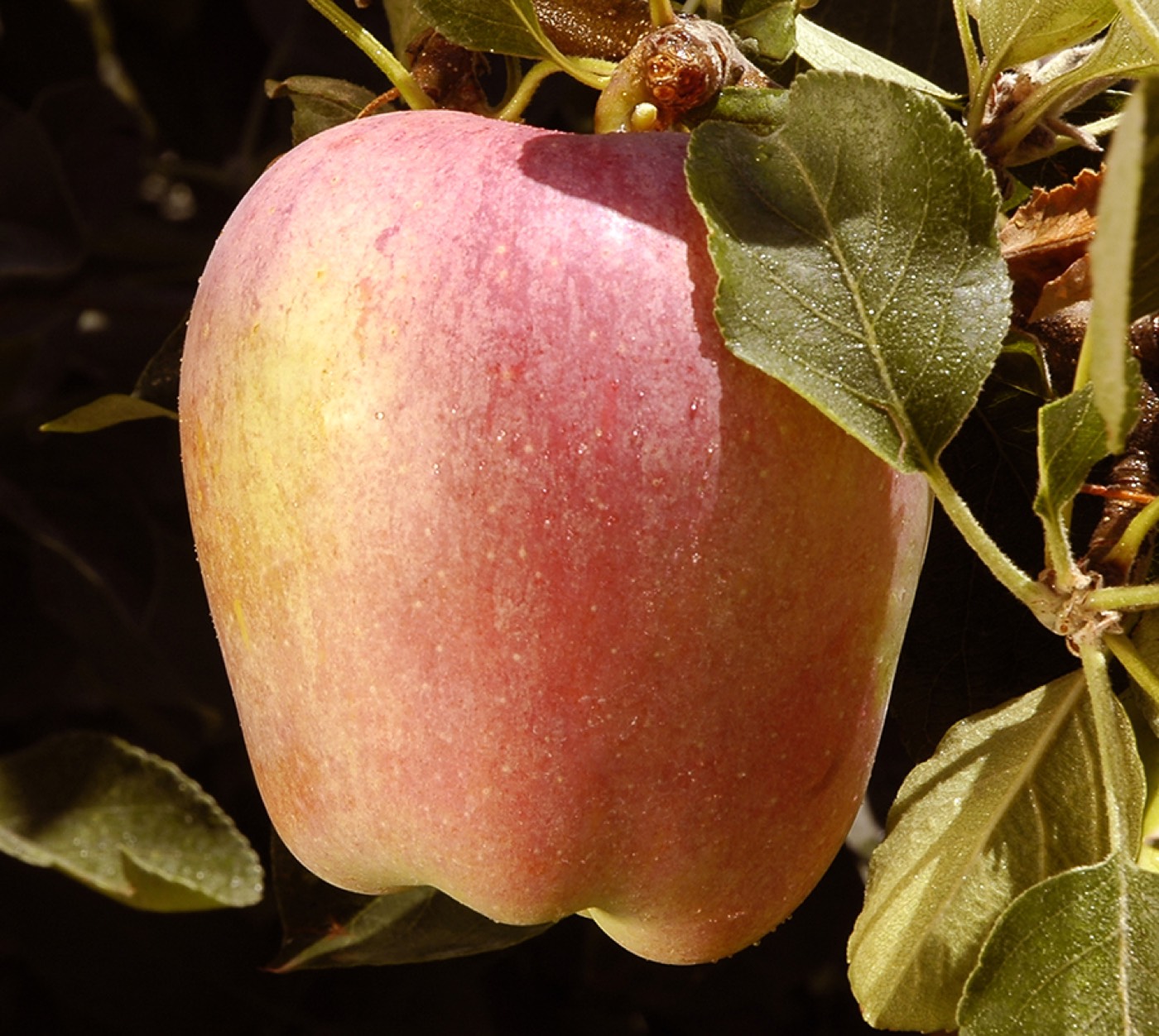 Anna Apple200 chill hours
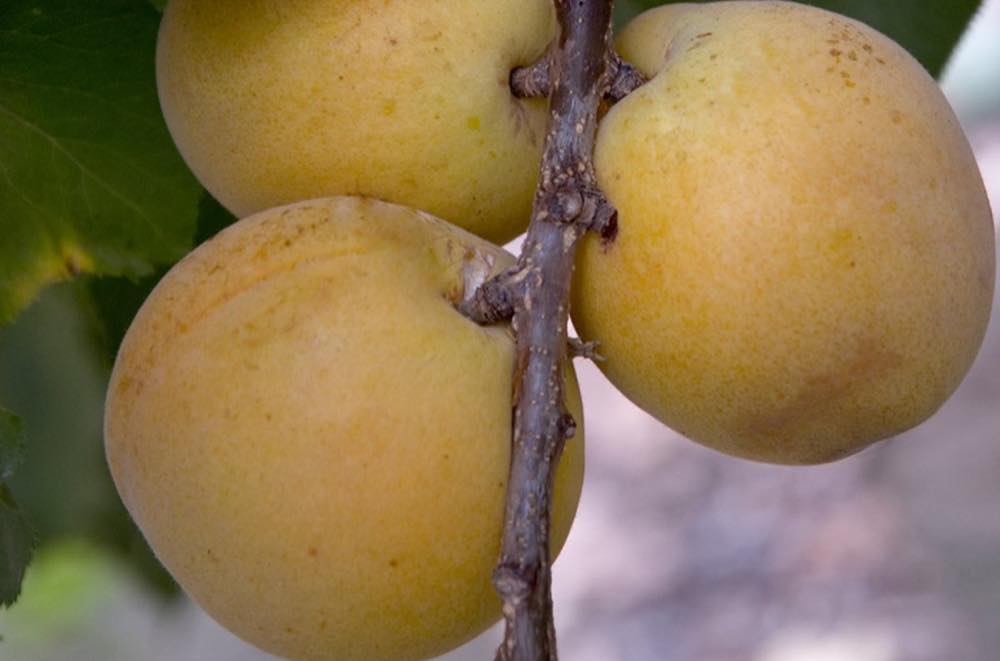 Autumn Glo Apricot500 chill hours or less
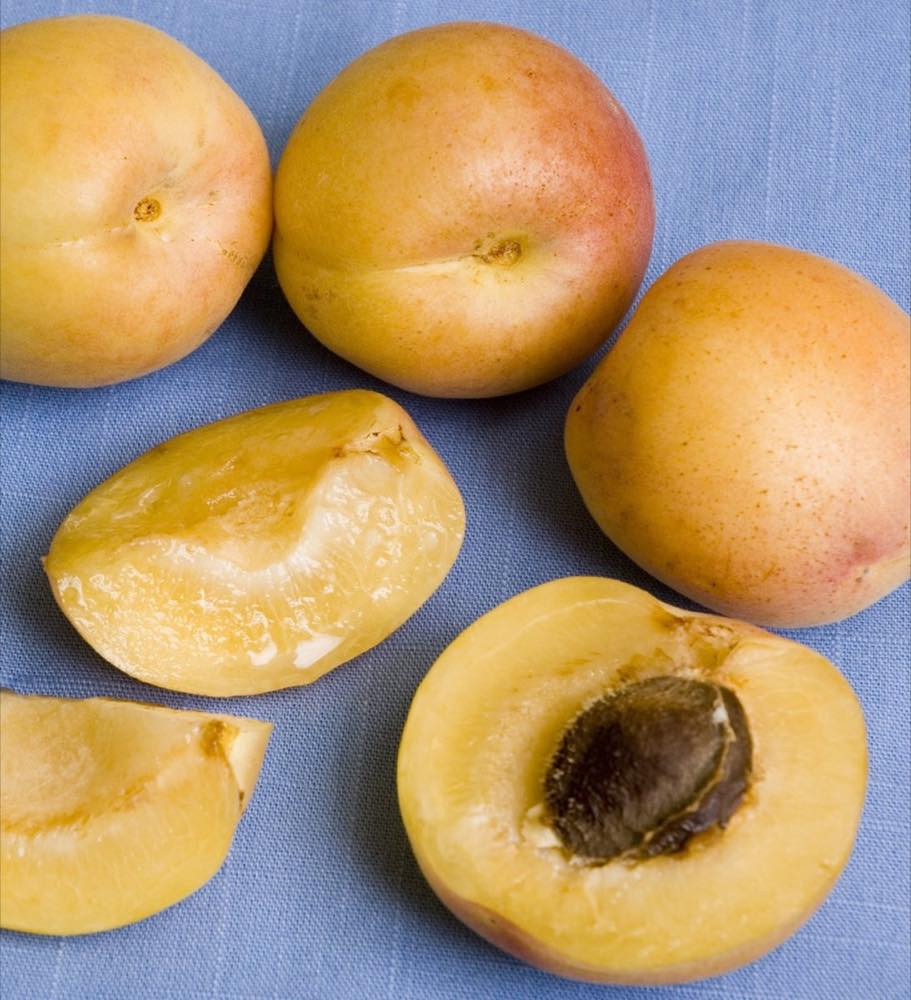 Cot-N-Candy Aprium400 chill hours
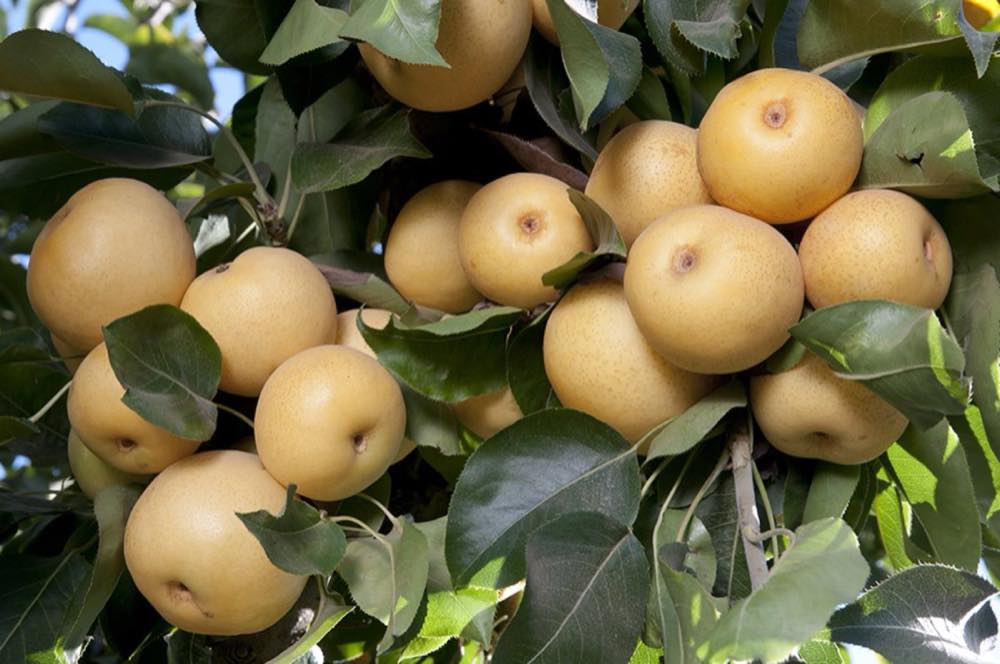 20th Century Asian Pear300–400 chill hours
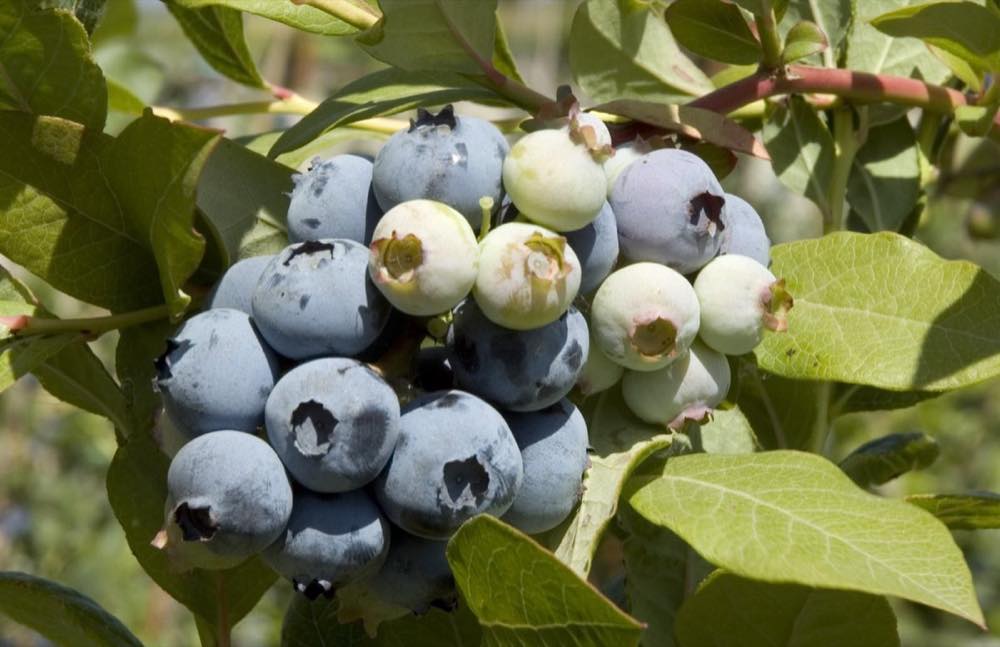 Bluecrop Northern Blueberry800 chill hours
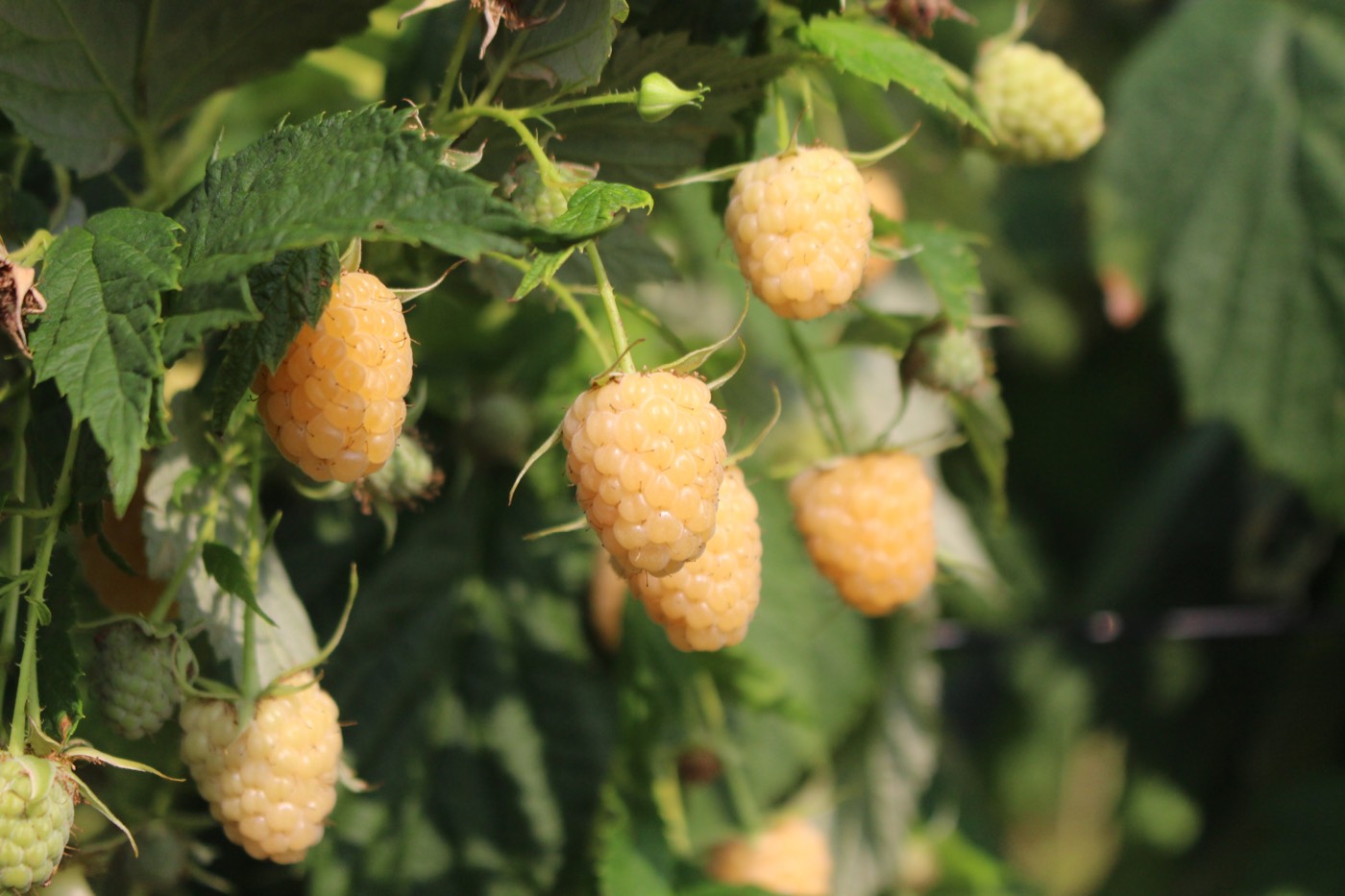 Anne RaspberryUnder 500 chill hours
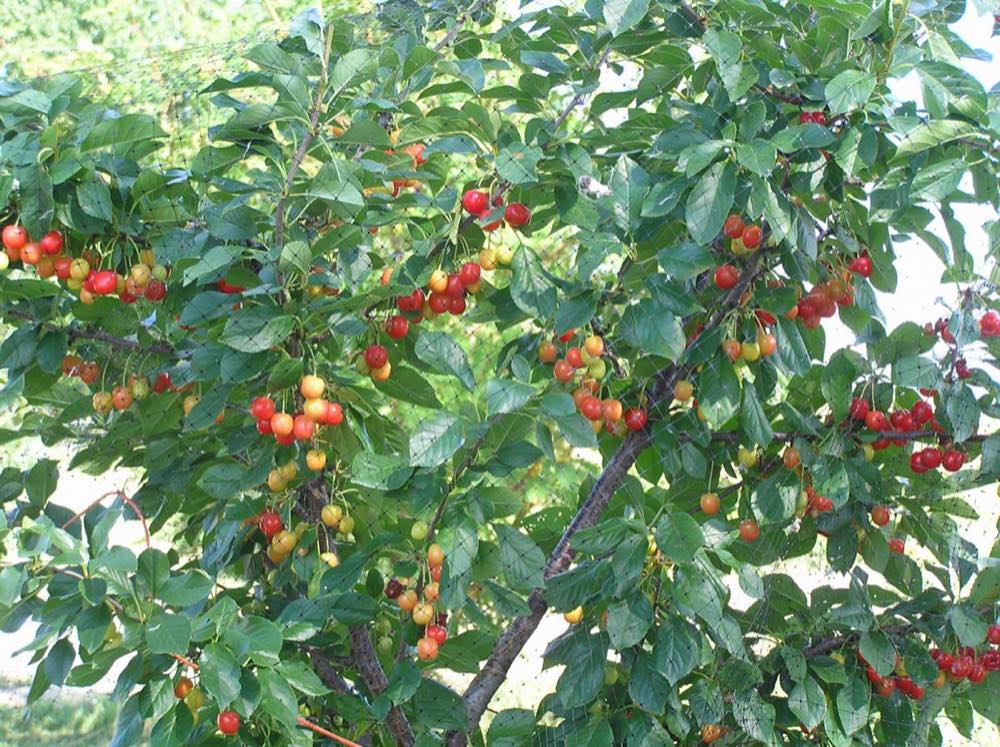 Bali Cherry400–700 chill hours
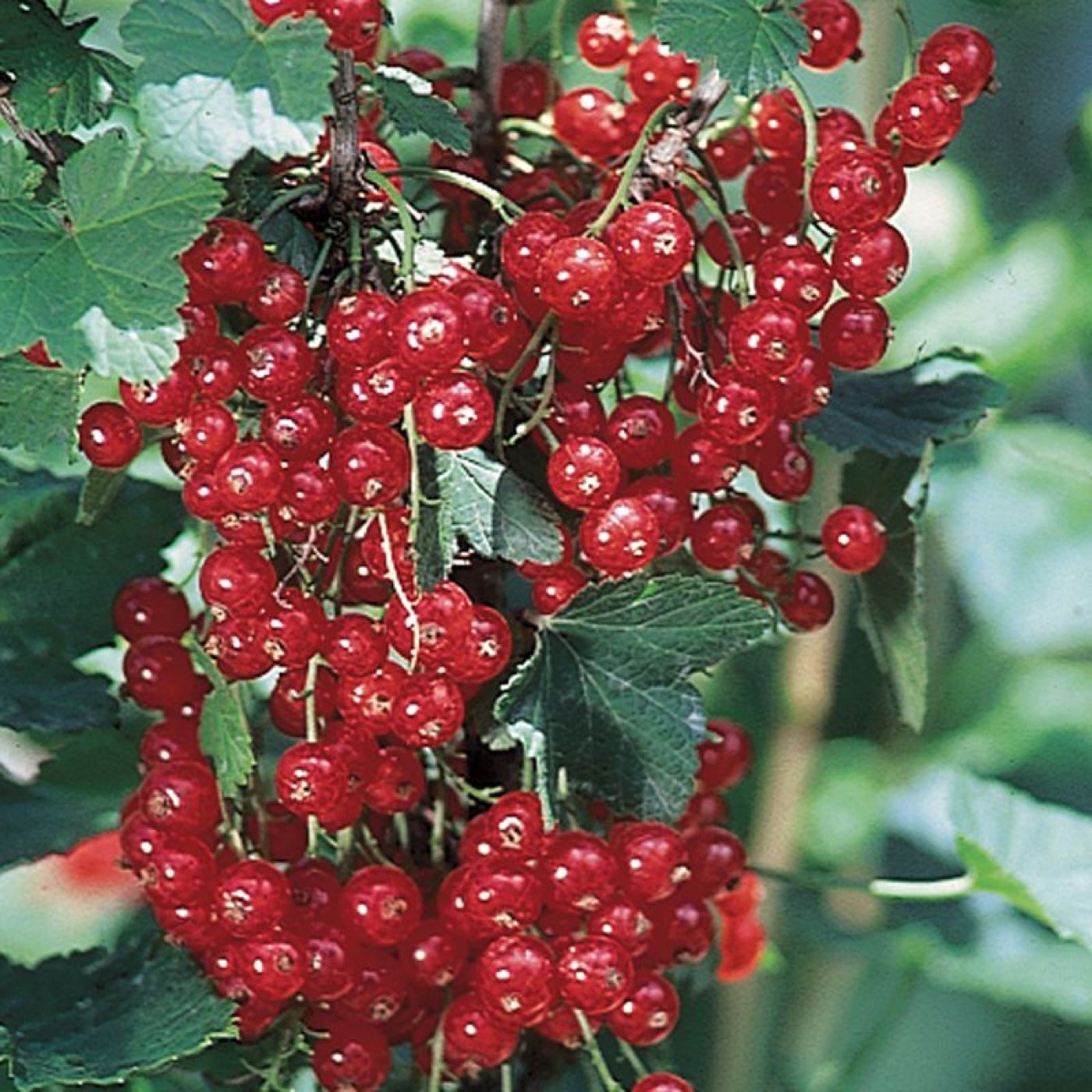 Red Lake Currant800–1200 chill hours
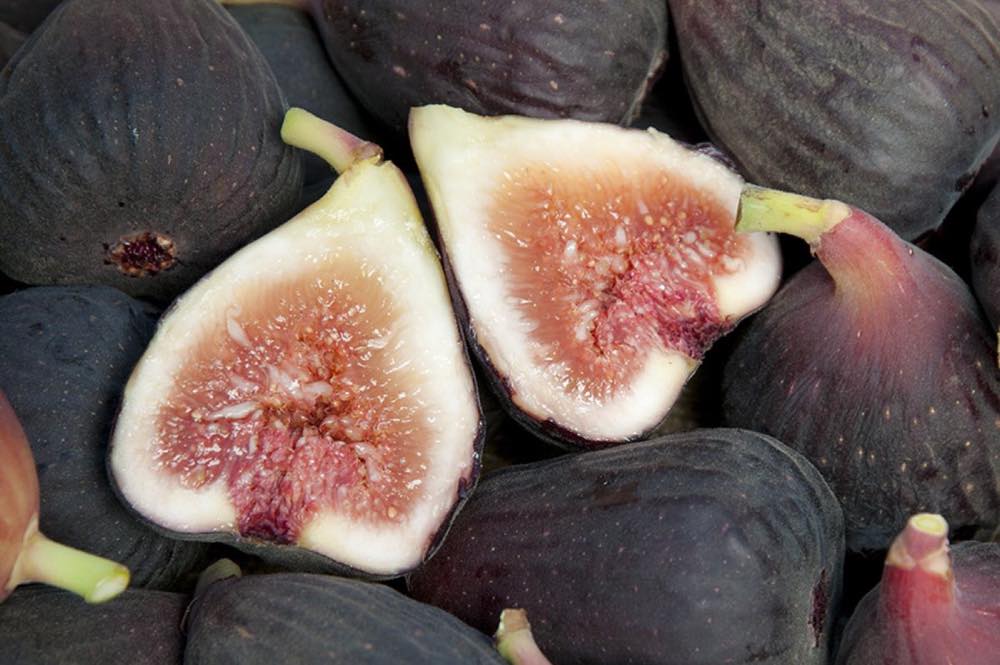 Black Jack Fig100 chill hours
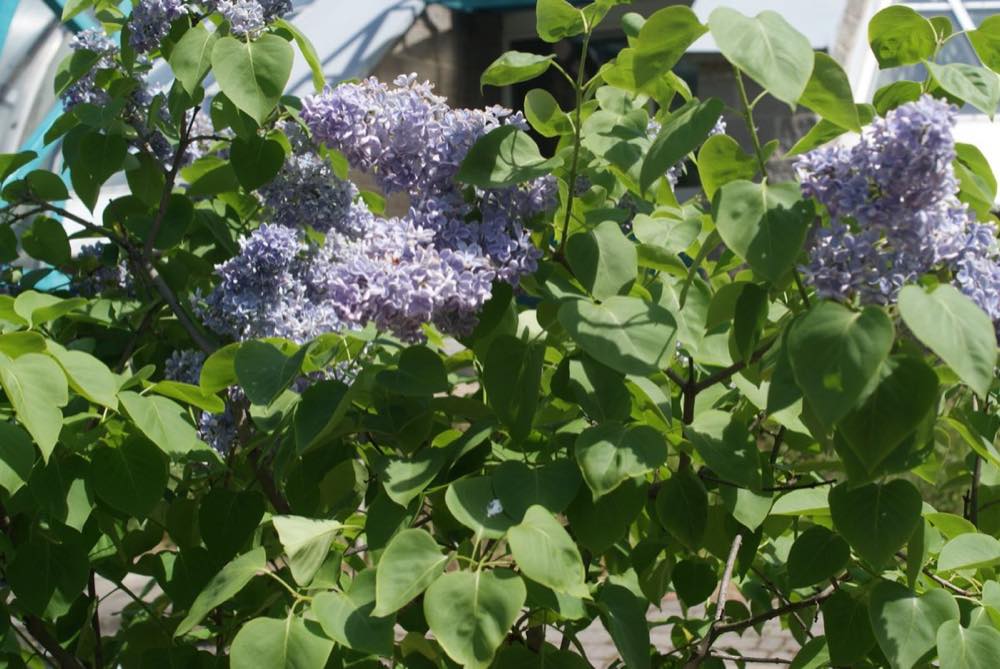 President Grevy Lilac
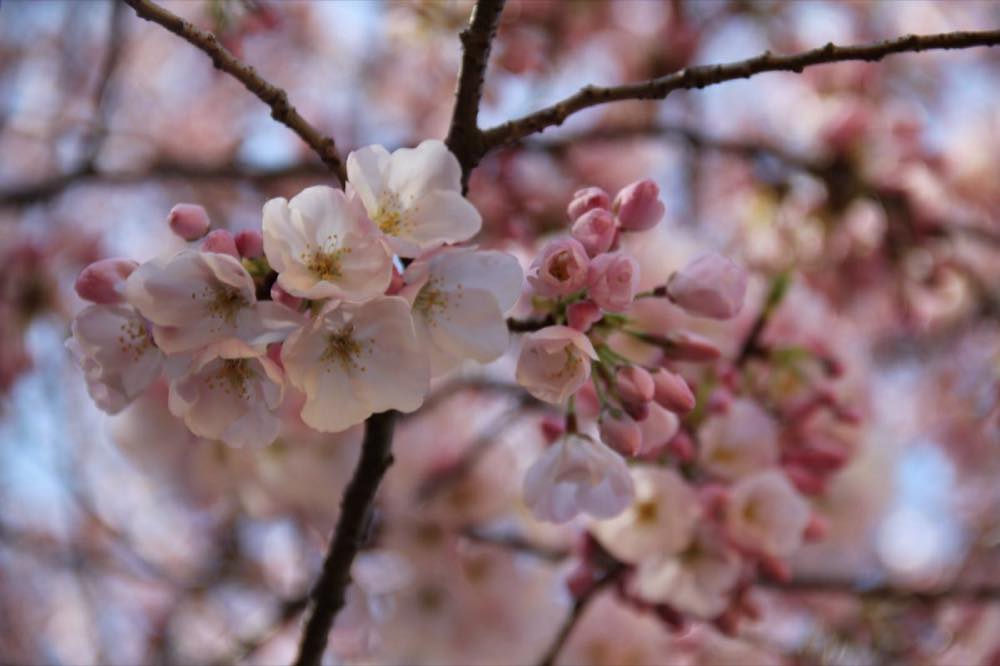 Akebono Flowering Cherry
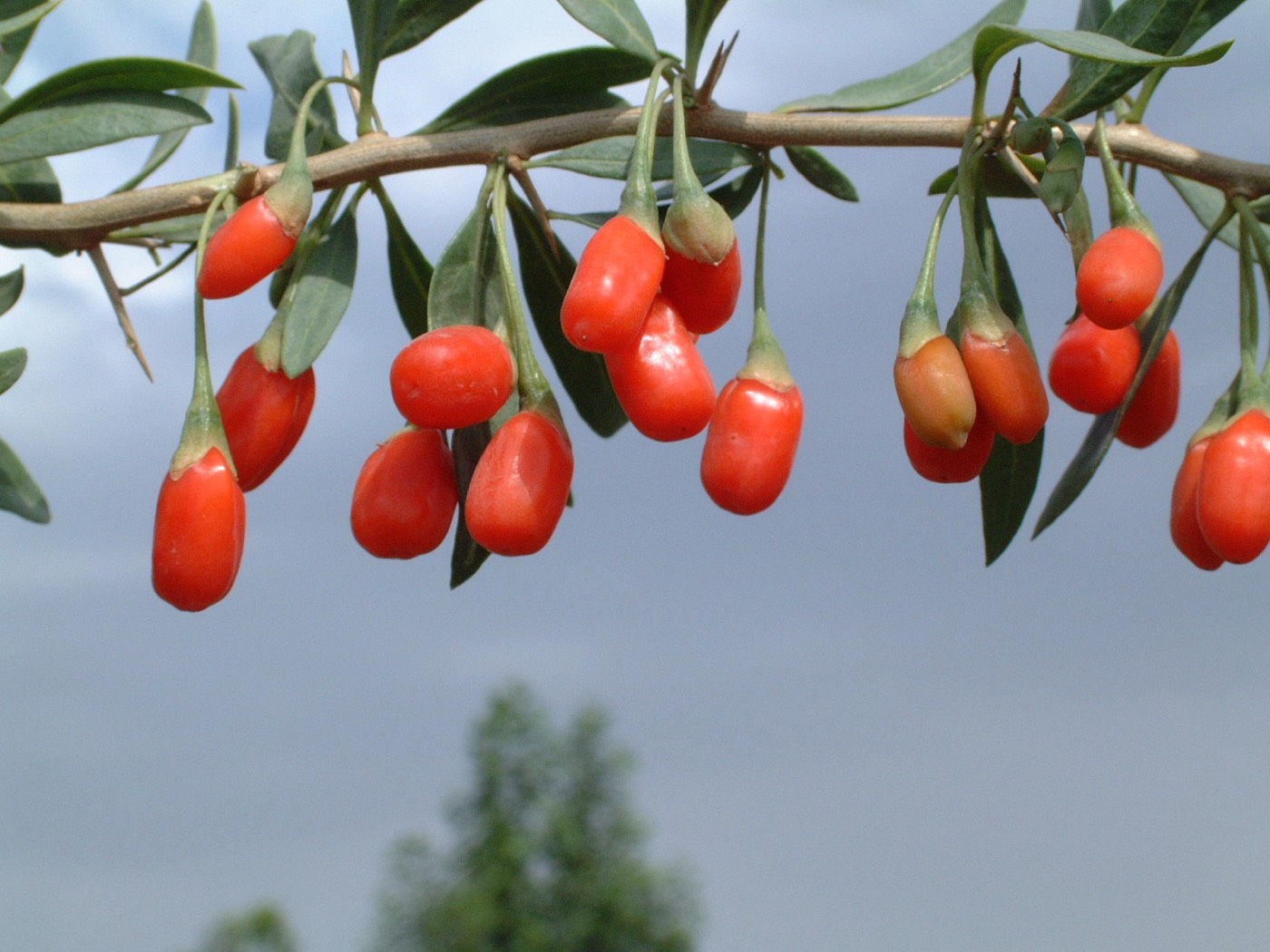 Goji BerryUnder 200 chill hours
Native & desert adapted shade trees
Not part of the fruit tree order. Each opens in a new tab with how to grow it.
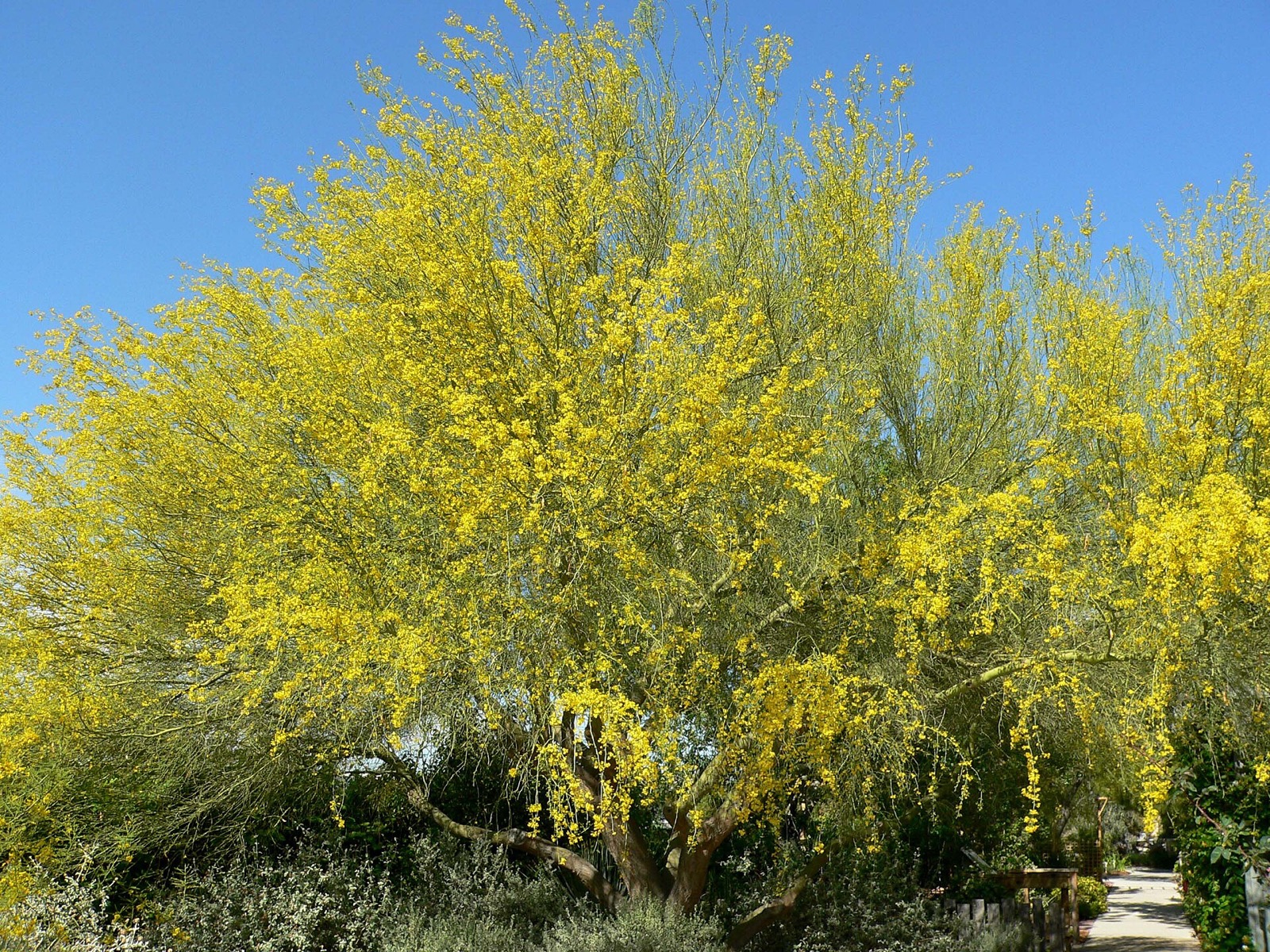 Blue palo verdeParkinsonia florida
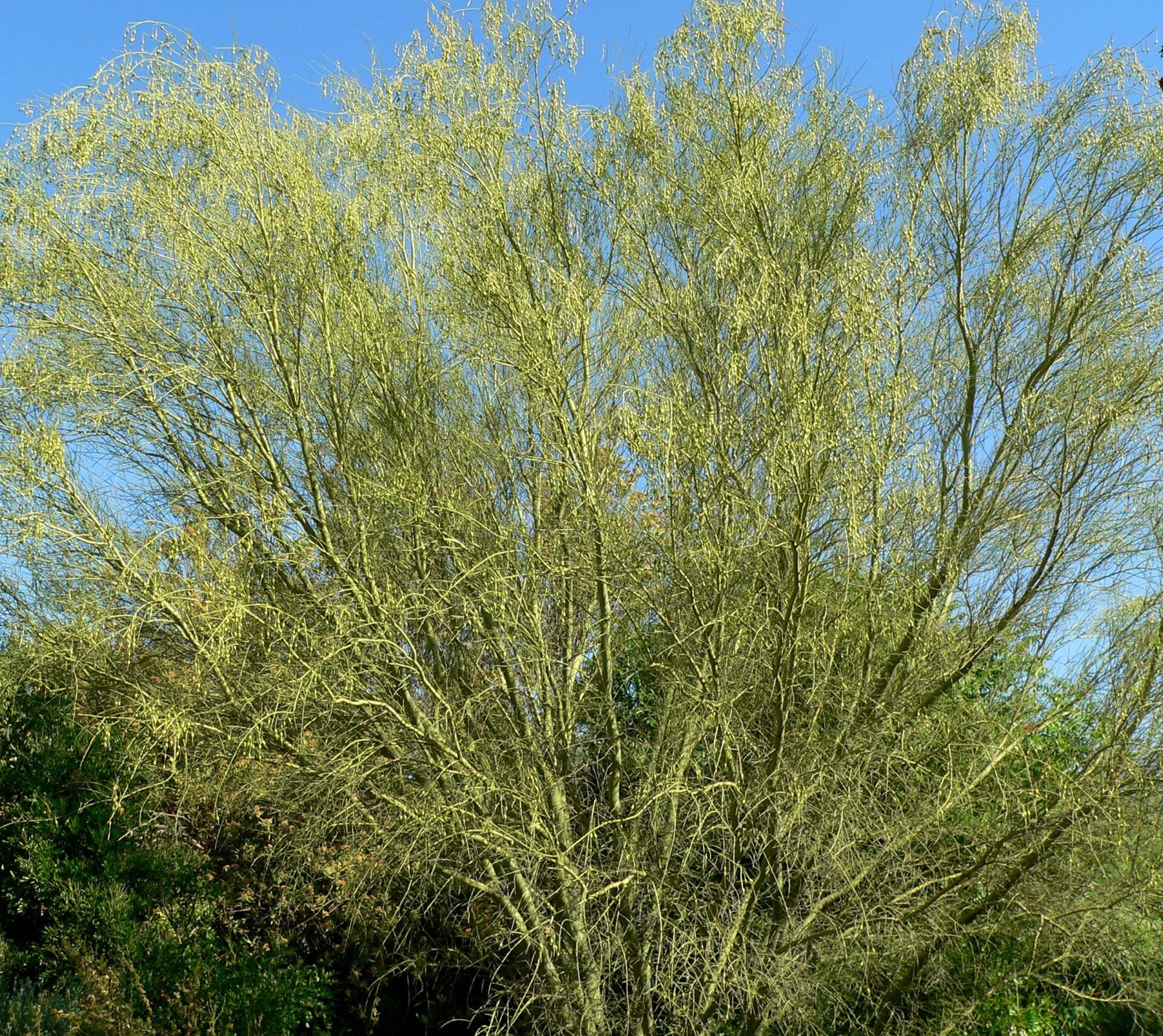 Foothill palo verdeParkinsonia microphylla
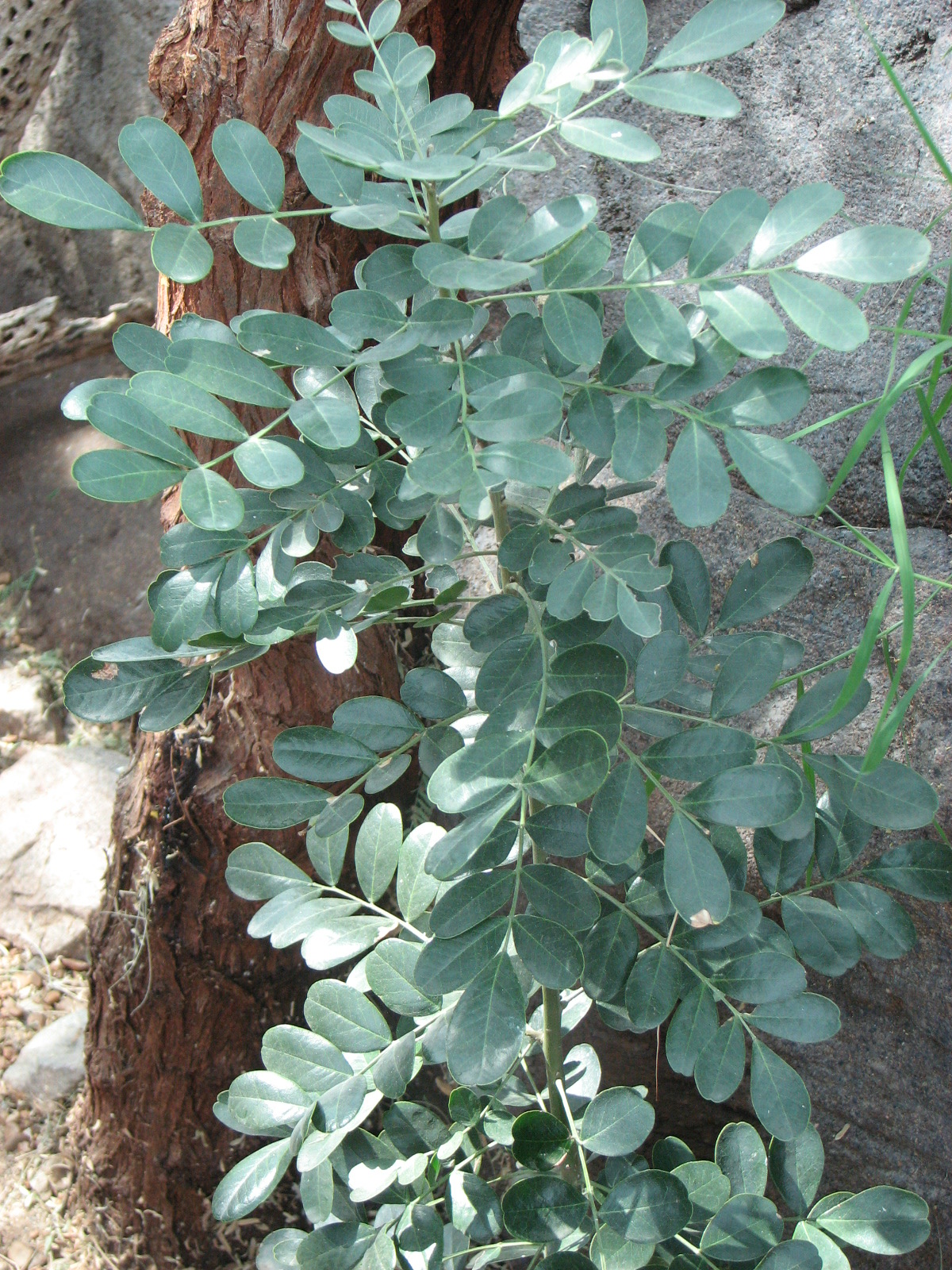 Desert ironwoodOlneya tesota
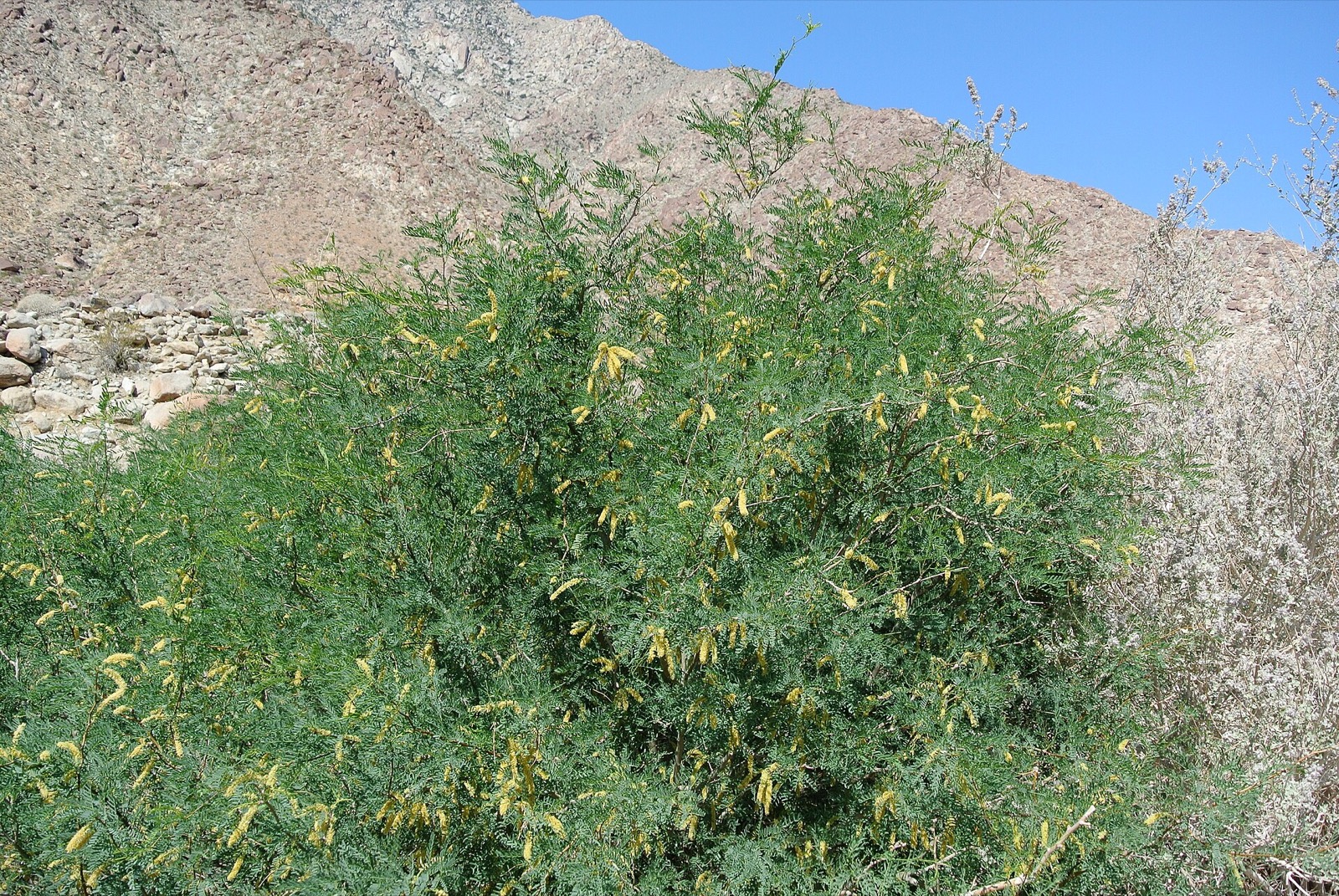 Velvet mesquiteNeltuma velutina
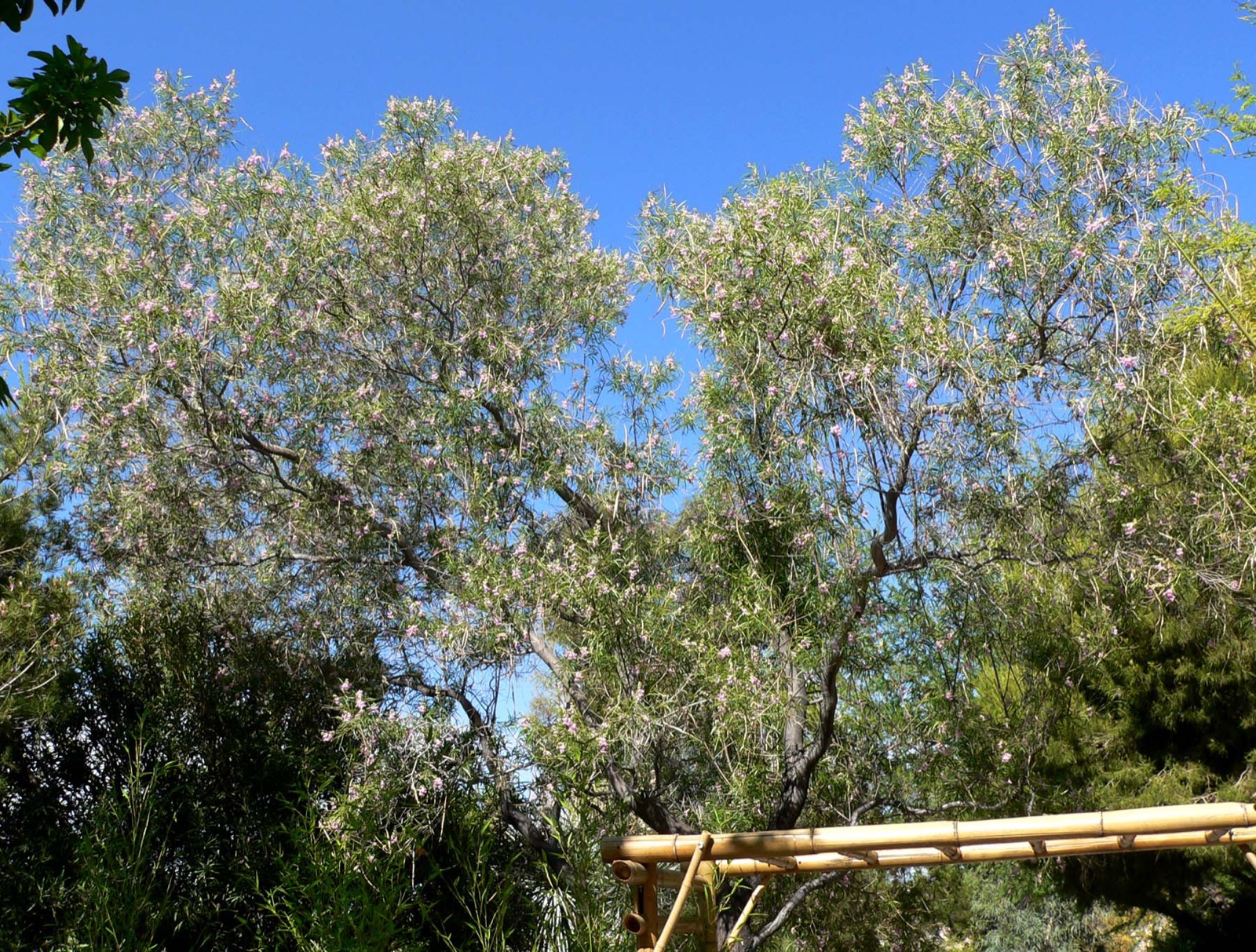 Desert willowChilopsis linearis
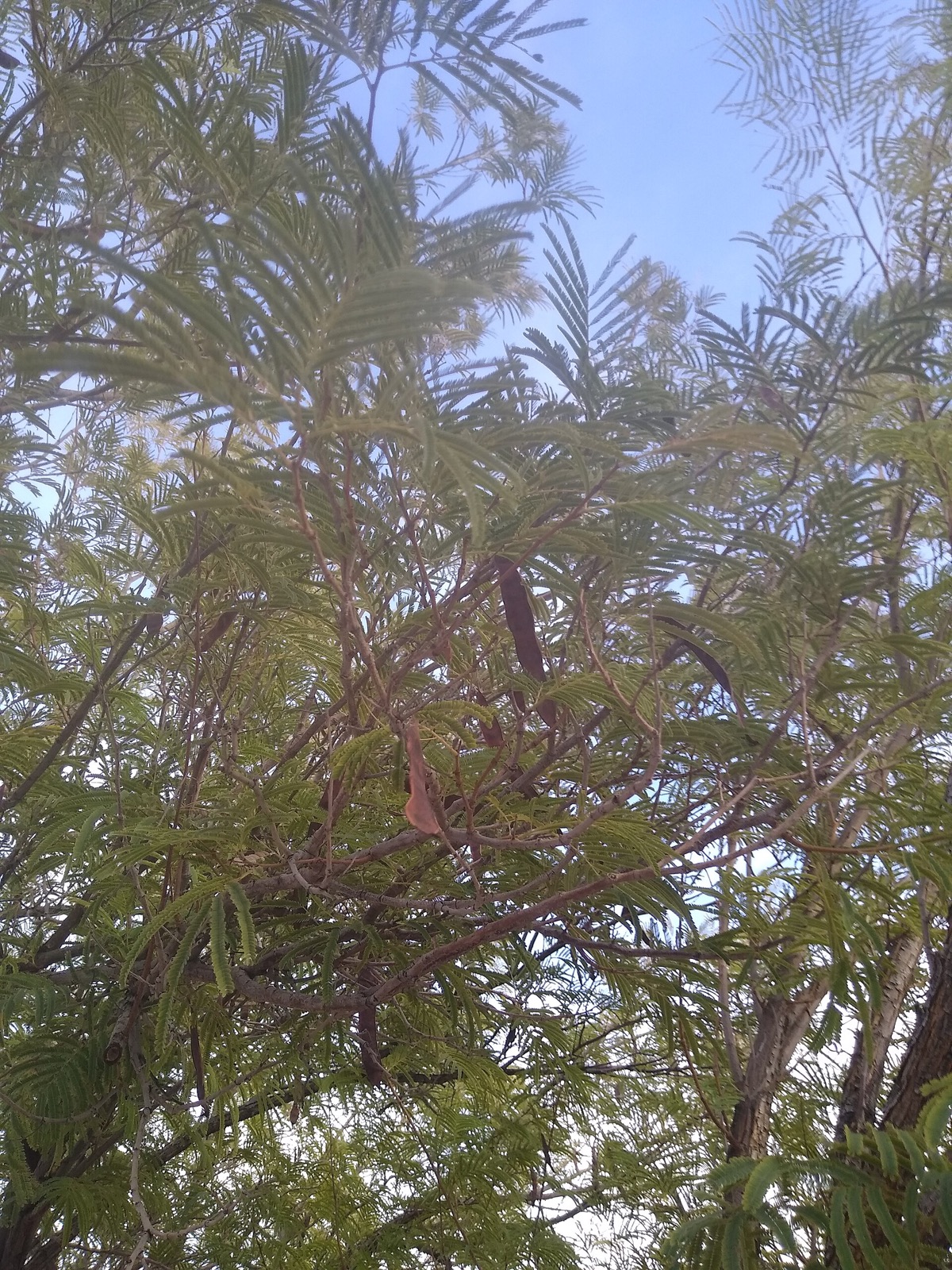 Desert fernLysiloma watsonii
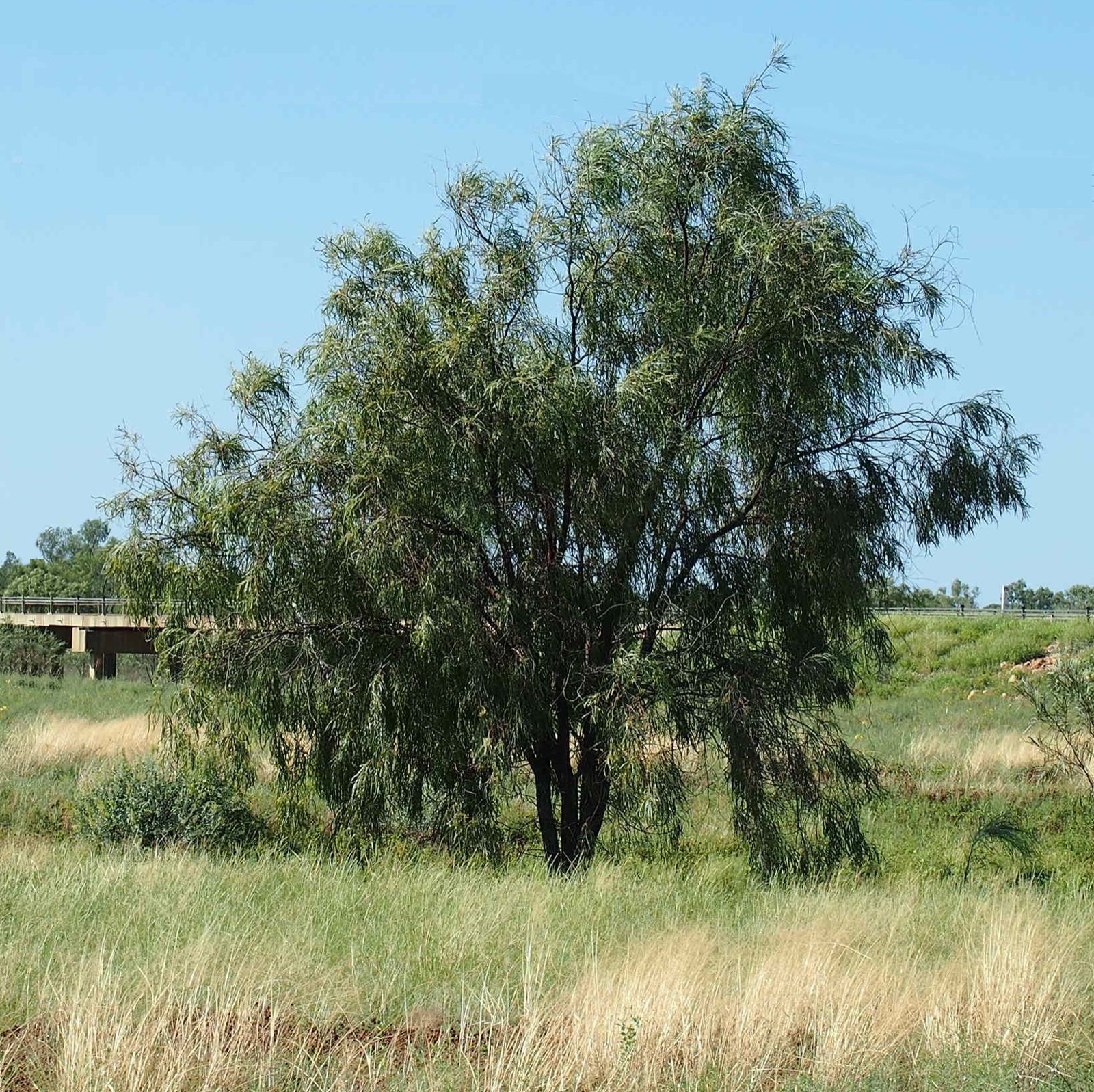 Willow acaciaAcacia salicina
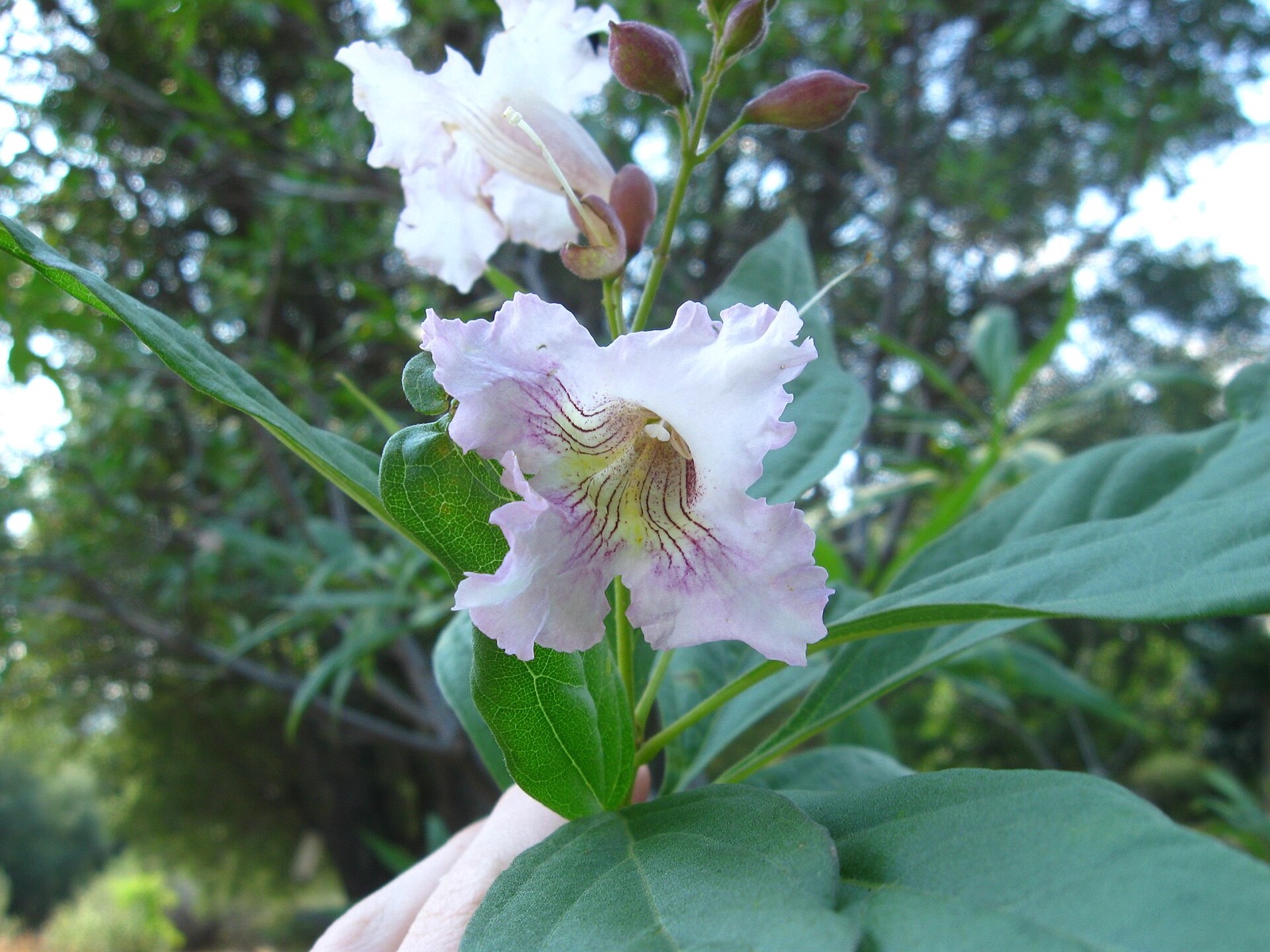 Chitalpa× Chitalpa tashkentensis
Wholesale citrus
Citrus is ordered separately. Each opens in a new tab.
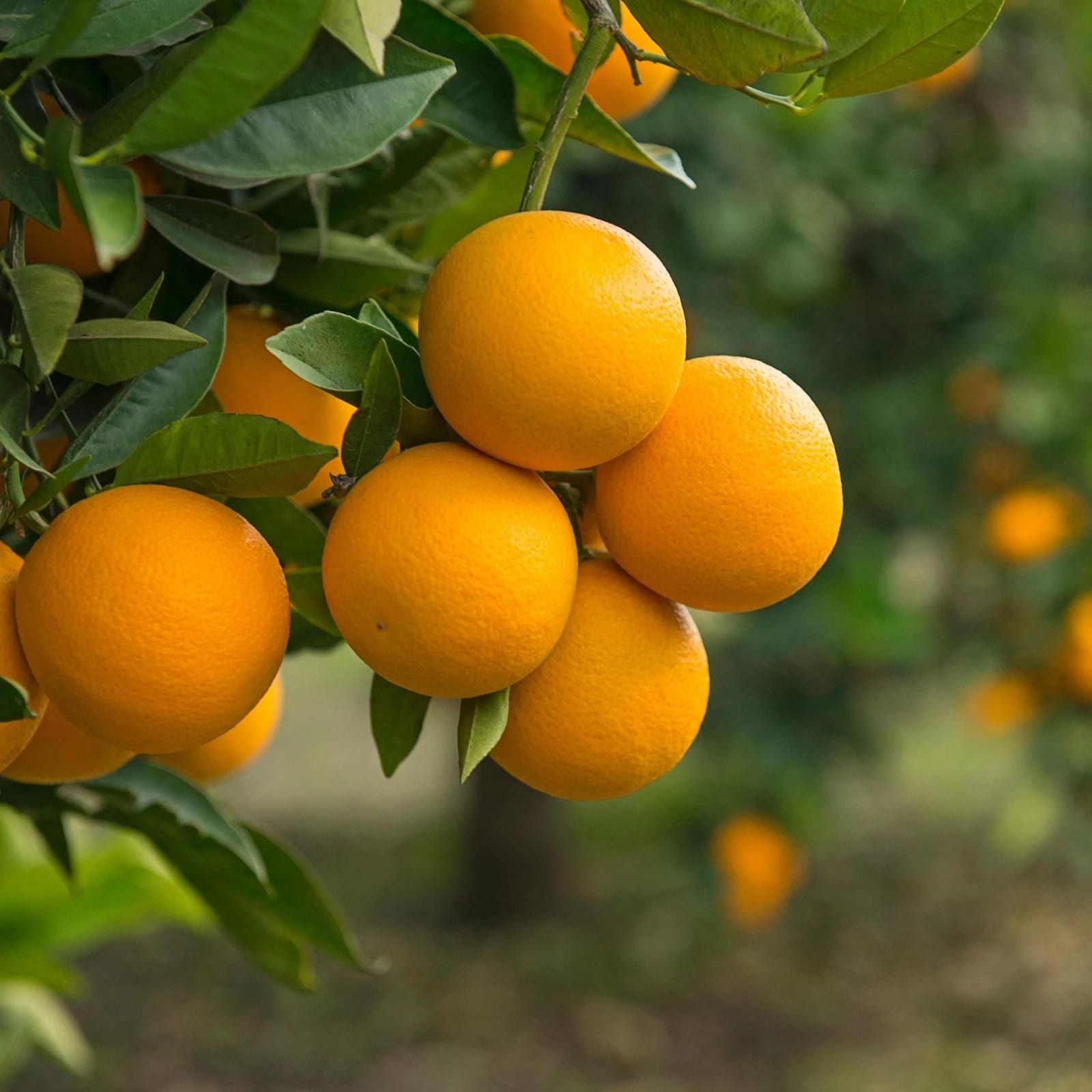 Diller Arizona sweet orangeCitrus sinensis ‘Diller’
- Trovita sweet orangeCitrus sinensis ‘Trovita’
- Parent Washington navel orangeCitrus sinensis ‘Parent Washington’
- Fukumoto navel orangeCitrus sinensis ‘Fukumoto’
- Lane Late navel orangeCitrus sinensis ‘Lane Late’
- Cara Cara navel orangeCitrus sinensis ‘Cara Cara’
- Valencia orangeCitrus sinensis ‘Valencia’
- Moro blood orangeCitrus sinensis ‘Moro’