
Apples · Dave Wilson Nursery
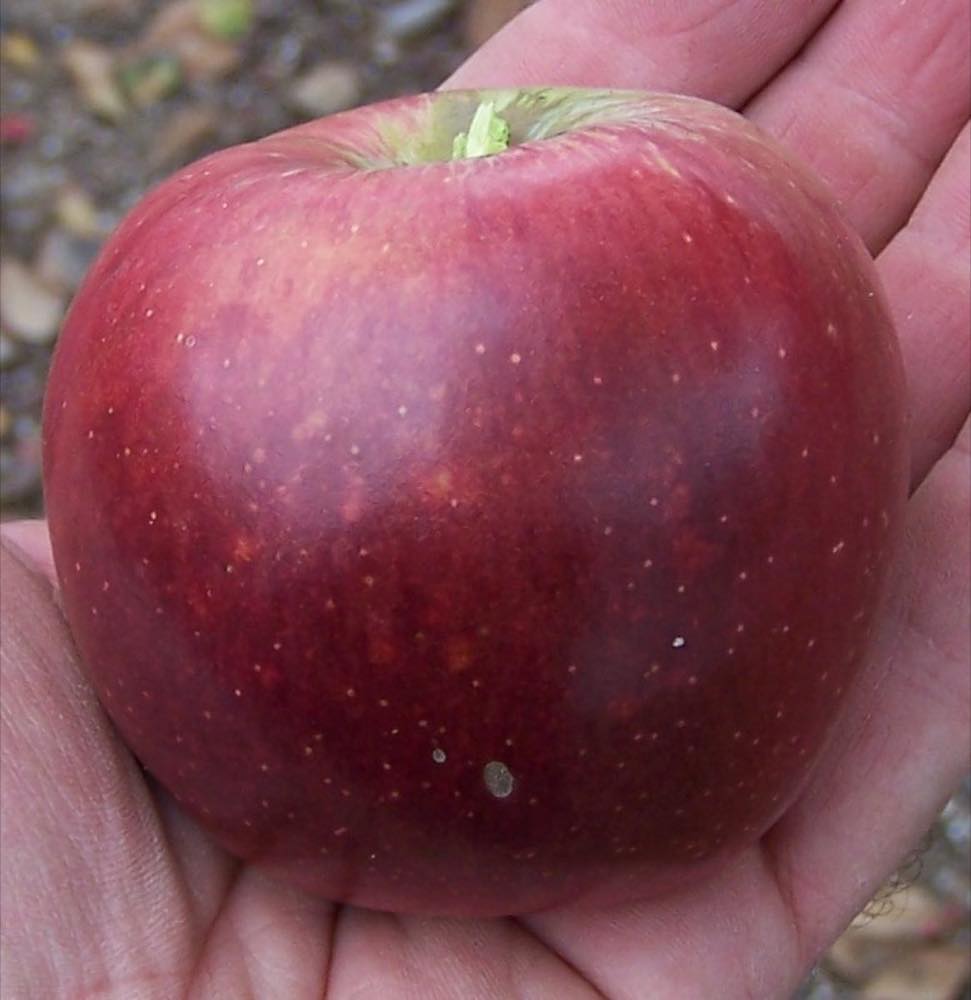
Lady Williams Apple
An Australian apple with pink-red stripes and firm, crisp, sweet white flesh, good fresh, baked or pressed for cider. It needs only 200–300 chill hours and likes a long warm season, so it suits the low desert, ripening in November. Plant it with Pink Lady or Sundowner for pollination.
- Chill hours
- 200–300 hours
- Harvest
- Late October to November in the low desert
- Pollination
- Needs a partner such as Pink Lady, Fuji, King David or Sundowner
- Mature size
- About 20–25 ft on M-111; easy to hold at 8–10 ft with summer pruning
Which one
Every apple side by side
Same fruit, different seasons and different jobs. Pick the row that fits your ground and your calendar.
| An Australian apple with pink-red stripes and firm, crisp, sweet white flesh, good fresh, baked or pressed for cider. It needs only 200–300 chill hours and likes a long warm season, so it suits the low desert, ripening in November. Plant it with Pink Lady or Sundowner for pollination. | Sweet, crisp and ready by early summer, Anna is one of the apples that makes growing apples in Phoenix realistic, cropping heavily on very little chill. It sets fruit alone, but Dorsett Golden or Einshemer nearby gives bigger crops. Thin the fruit hard so the branches don't snap, and skip it at mid elevation, where its early bloom meets frost. | Three low-chill apples on one trained tree: Anna and Dorsett Golden ripen in June, and Fuji follows in the fall. It is built for low desert yards and looks good flat against a wall or fence. Fuji is the marginal one in Phoenix, with softer, paler fruit after warm winters, while the other two are dependable. | A genetic dwarf that tops out around 8–10 feet with almost no pruning, so it suits small yards and big pots. The fruit is red, crisp and sweet, with clean, russet-free skin that handles warm inland summers. It needs around 700 chill hours, so plant it at mid elevation or in the high country, with a second apple like Garden Delicious for pollen. | A large, dark red late apple that is hard and tart at first and mellows after a few weeks in storage. It copes with warm nights better than most late apples, so it suits the warmer parts of mid elevation, though 500–600 chill hours is a stretch in Phoenix. It also has some resistance to fire blight and cedar rust. | Crisp, tangy and richer in flavor than a Granny Smith, with a long storage life. It needs about 700 chill hours, so it belongs at mid elevation rather than in Phoenix. It ripens late and tends to crop heavily one year and lightly the next, so thin the fruit in good years to keep it steady. | A large red McIntosh-type apple with white flesh that is slow to brown, good fresh, baked or pressed for cider. It is very cold hardy and bears young, so it fits the high country and the upper end of mid elevation. Like McIntosh, the fruit softens in real heat, so keep it away from Phoenix and the hottest valleys. | A classic English dessert apple with rich, aromatic flavor, for people who want something beyond Fuji and Gala. It likes moderate summers, so it suits mid elevation and the lower high country best. It is a fussy tree even in its home climate and we found little Arizona track record, so treat it as a project for experienced growers. | A tough, vigorous crabapple with fragrant white blossom in spring and small, bright red fruit that makes a tart, ruby jelly. Its long bloom makes it a handy pollen source for other apples at mid elevation and in the high country. It resists scab, rust, mildew and fire blight, so it is an easy tree, but plan for a big one. | Firm, sweet, yellow apples in June, before the worst of the summer heat, on almost no winter chill. That makes it a reliable low desert pick, and it sets fruit alone, though Anna nearby gives bigger crops. Thin the fruit so the limbs don't break, and skip it at mid elevation, where its early bloom meets frost. | A late red apple with a juicy, smooth texture and a lively flavor, for fresh eating or cooking. It needs a long season to ripen fully, plus about 800 chill hours, so it is a mid elevation choice, and Winesap types are reported to resist fire blight. Its pollen is sterile, so plant Golden Delicious, Fuji or Gala nearby. | One of the earliest apples you can grow, with sweet yellow fruit in late spring to early summer on very low chill. It bears heavily in the low desert and is the standard partner for Anna. Ripening before July means the fruit mostly misses sunburn, but it blooms very early, so it is not a pick for mid elevation. | A cross of McIntosh and Red Delicious, sweet and juicy with a little sparkle. It copes with warm summers better than most McIntosh types and bears heavily. At about 800 chill hours it belongs at mid elevation or in the high country, and it is a useful pollen partner for apples that can't pollinate themselves. | Very sweet, crisp and one of the best keepers, and one of the better apples for mid elevation, especially around 3,000–4,300 feet. It blooms late, which helps with frost, and needs a warm fall to color up. It will fruit in Phoenix, but chill is marginal and the fruit comes out softer and paler, and fire blight hits it hard, so cut out blackened tips quickly. | Crisp, sweet with a little tang, and one of the first apples to ripen each season. It does best at mid elevation, around 3,500–4,300 feet. In Phoenix it sets fruit on low chill but tends to sunburn and go soft, so it is marginal there, and it is prone to fire blight, so cut out infected shoots right away. | A genetic dwarf apple, 8–10 feet tall, with sweet, crisp, red-blushed fruit that keeps its flavor in warm summers. Its late bloom helps it dodge frost, which makes it a safer choice at mid elevation and in the high country. A good one for small yards and large pots, and it resists scab. | A white-skinned, white-fleshed apple with a sweet, mild flavor and a very early harvest. It copes with heat and its chill need is modest, so try it in the low desert or the warmer parts of mid elevation, with Fuji or Gala nearby for pollen. We found little Arizona track record, so it is a fun experiment. | A dependable, sweet apple that adapts to many climates and has a long bloom, so it is a good pollen partner too. At 700 chill hours it is a mid elevation and high country apple, not a Phoenix one. Steady watering helps avoid bitter pit, the dark pitting that shows up under the skin in uneven summers. | A red-over-green apple for eating fresh or cooking, ripening in late summer. It has been tried and has done well in the low desert, and it sets fruit on its own, so one tree is enough. At about 400 chill hours it is on the edge in a warm Phoenix winter, so expect lighter crops after mild seasons. | The classic tart green apple, crisp and a great keeper. It wants a long, hot summer to ripen, which suits the low desert and warm mid-elevation sites, though at about 400 chill hours it is on the edge in Phoenix and crops run lighter after warm winters. It is prone to fire blight, so cut out infected shoots promptly. | A famous sauce and pie apple, crisp, juicy and tart, and one of the first to ripen in the season. It does best in cooler climates, so plant it at mid elevation or in the high country, and expect a big, vigorous tree that is prone to fire blight. Its pollen is sterile, so it needs another apple nearby and gives nothing back as a pollinator. | A very hardy, heavy-bearing apple from Minnesota with red, crisp, mildly tart fruit that keeps for months. It starts bearing young, often in its second year. It is a natural for the high country and the colder end of mid elevation, and at about 1,000 chill hours it will not do well in Phoenix. | Juicy, snappy and very popular, but not the easiest tree. It does best in the high country and the cooler end of mid elevation, where it wants cool nights and steady water, since it is prone to bitter pit when calcium and water are uneven. Fruit color suffers in hot summers, and Gala, Empire or McIntosh nearby will pollinate it. | A balanced sweet-tart apple with a spicy, slightly winey flavor, ripening late in the year. It needs under 300 chill hours, so it suits the low desert. We found little Arizona track record, but it follows the same pattern as Pink Lady and Lady Williams, so plant it with either one for pollen. | A tough, disease-resistant apple with crisp, rich flavor that colors solid red even in warm weather. It resists scab, rust, mildew and fire blight, which makes it a smart pick where fire blight is a problem. At about 800 chill hours it belongs at mid elevation or in the high country. | Sweet, aromatic and best in cool climates, since the fruit softens and loses its tang in real heat. It fits the high country and the cooler end of mid elevation, above roughly 5,000 feet, and needs about 900 chill hours. Watch for mildew and fire blight, and thin hard because it crops heavily. | A very large, crisp, spicy apple that you can pick green or let turn yellow on the tree, and an excellent keeper. The tree is big and vigorous with good mildew resistance, and at about 500 chill hours it is a mid elevation apple, with Phoenix a stretch. Its pollen is sterile, so plant Gala or Fuji nearby. | A tart, firm, old-fashioned apple for pies and storage, with a late bloom that helps dodge frost. It is famously slow to start fruiting, though the smaller M-7 rootstock helps it start sooner. At about 1,000 chill hours it fits the high country and the upper end of mid elevation, with Golden Delicious nearby for pollen. | A large, crisp, red-over-green apple with a good sugar-acid balance and a long keeping life. It needs only about 300 chill hours and sets fruit on its own, so it suits the low desert, ripening late September to October after the worst heat has passed. We found little Arizona track record, so treat it as an experiment. | Crisp, sweet-tart and slow to ripen, with white flesh that resists browning. It is a long-season, warm-climate apple that does well in the low desert and warmer parts of mid elevation, though 300–400 chill hours is marginal in a mild Phoenix winter. In cooler places it may not ripen before frost, and it is prone to fire blight. | A novelty apple with pink flesh and pink blossoms, tart to sweet-tart depending on how long you leave it on the tree. It blooms early, so a late frost can cost the crop at mid elevation, and a sheltered spot or gentle slope helps. It needs about 600 chill hours and a second apple for pollination. | A compact, spur-type Red Delicious with sweet, crisp, flavorful fruit and a tree small enough to pick without a ladder. It is also a good pollen source for other apples. At about 700 chill hours it belongs at mid elevation and in the high country, where cool nights help the fruit color up. | The same sweet, crisp, long-keeping Fuji, but with deeper red skin. It does best at mid elevation, where a warm fall helps it color, and at 400–500 chill hours it is marginal in Phoenix, where the fruit runs softer and paler. Fuji is very prone to fire blight, so cut out blackened tips at once. | The same early, tart sauce-and-pie Gravenstein, in a red-striped version that looks better on the counter. It prefers cooler climates, so it fits mid elevation and the high country rather than Phoenix, and the vigorous tree is prone to fire blight. Its pollen is sterile, so plant Gala or Fuji nearby for pollination. | A large, round, red baking apple that cooks into a soft, tangy sauce, and a heavy bearer. It blooms late, which helps in frost-prone spots at mid elevation. It needs about 1,000 chill hours, colors poorly in extreme heat, and is prone to fire blight, so it is not a Phoenix apple. | A yellow apple with a red blush and a rich, tangy, moderately sweet flavor that is good fresh or cooked and stores well. It ripens late, in October, so it suits mid elevation sites with a long, warm season. It needs 700–800 chill hours and sets fruit on its own. | An old apple that some fans rank among the best dessert apples ever: firm, juicy and richly flavored. It has a reputation for being a fussy, light-bearing tree, so it is for patient growers at mid elevation or the warmer parts of the high country. It needs about 800 chill hours and a mid-season apple nearby for pollen. | A late, sweet, crisp apple with white flesh and good flavor that handles tough desert conditions. It needs just 200–300 chill hours and sets fruit on its own, so it is a good low desert pick, though the November harvest takes patience. Lady Williams or Pink Lady nearby gives a heavier set. | An old, very hardy, all-purpose apple, pale yellow ripening to scarlet, with crisp, juicy white flesh. Its long bloom makes it a good pollen partner for other apples too. It fits the high country and the upper end of mid elevation, and needs 800–1,000 chill hours. | A large, pale yellow apple blushed pink, with a mild, aromatic, banana-like flavor. It is rated under 400 chill hours, so we place it in the low desert and mid elevation, but it is an old variety and we found little Arizona data. Partly self-fruitful, with bigger crops when a second apple blooms nearby. | Famous for huge fruit, often big enough for a whole pie, with mild, juicy flesh for cooking and drying. It is very cold hardy, so it fits the high country and the upper end of mid elevation. It needs about 1,000 chill hours and does better with a late-blooming partner nearby. | A firm, crisp, yellow-green apple with a slightly tart, rich flavor, equally good fresh, cooked or dried, and a great keeper. It blooms late and ripens late, so it suits mid elevation sites with a long season, and at 700 chill hours it is not a Phoenix apple. It sets fruit on its own, and the flavor is best when you let it hang into late October. | The first apple of the year, crisp and sour, ideal for sauce and pies, though it bruises easily and does not keep. It is extremely hardy, so it suits the high country and mid elevation, where it ripens in July. It needs 800–1,000 chill hours and sets fruit on its own. | |
|---|---|---|---|---|---|---|---|---|---|---|---|---|---|---|---|---|---|---|---|---|---|---|---|---|---|---|---|---|---|---|---|---|---|---|---|---|---|---|---|---|---|---|---|
| Harvest | Late October to November in the low desert | Early June to early July in the low desert | June (Anna, Dorsett Golden) and fall (Fuji) in the low desert | Late August to September at mid elevation; September in the high country | October to early November at mid elevation; flavor improves in storage | October to early November at mid elevation | Late August to September at mid elevation; September in the high country | September at mid elevation; late September in the high country | September at elevation | June in the low desert | October at mid elevation | Late May to June in the low desert | September at mid elevation; late September to October in the high country | October at mid elevation, after a warm fall | August to early September at mid elevation | Late August to September at mid elevation; September in the high country | June in the low desert; early July at mid elevation | September to early October at mid elevation; October in the high country | August to early September in the low desert | October to November in the low desert; can run late at mid elevation | August at mid elevation; late August to September in the high country | September at mid elevation; late September to October in the high country | September at mid elevation; late September to October in the high country | Late October to November in the low desert | September at mid elevation; late September to October in the high country | Late August to September at mid elevation; September in the high country | October at mid elevation | Late September to October at elevation | Late September to October in the low desert | Late October to November in the low desert | September at mid elevation | Late August to September at mid elevation; September in the high country | October at mid elevation, after a warm fall | August at mid elevation; late August to September in the high country | October to early November at mid elevation | October at mid elevation | Late September to October at mid elevation | Late October to November in the low desert | August to September at mid elevation; September in the high country | September in the low desert; September to October at mid elevation | Late August to September at mid elevation; September in the high country | Late October to November at mid elevation | July at mid elevation; late July to August in the high country |
| Chill hours | 200–300 hours | 200 hours | 100–500 hours (varies by variety) | 700 hours | 500–600 hours | 700 hours | 800 hours | 800 hours | 500 hours | 100 hours | 800 hours | 100 hours | 800 hours | Under 500 hours | Under 500 hours | 600 hours | 300–400 hours | 700 hours | 400 hours | 400 hours | 700 hours | 1,000 hours | 800–1,000 hours | Under 300 hours | 800 hours | 900 hours | 500 hours | 1,000 hours | 300 hours | 300–400 hours | 600 hours | 700 hours | 400–500 hours | 700 hours | 1,000 hours | 700–800 hours | 800 hours | 200–300 hours | 800–1,000 hours | Under 400 hours | 1,000 hours | 700 hours | 800–1,000 hours |
| Pollination | Needs a partner such as Pink Lady, Fuji, King David or Sundowner | Self-fruitful; heavier crops with Dorsett Golden or Einshemer nearby | Self-fruitful; the three varieties also pollinate each other, so one tree is enough | Needs a partner such as Garden Delicious or any other apple blooming at the same time | Partly self-fruitful; heavier crops with Granny Smith or Golden Delicious nearby | Self-fruitful; fruit set improves with Gala or Granny Smith nearby | Self-fruitful; a second apple such as McIntosh or Liberty nearby gives better crops | Self-fruitful; a second apple blooming at the same time raises the crop | Self-fruitful; its long bloom also pollinates most other apples | Self-fruitful; heavier crops with Anna or Einshemer nearby | Needs a partner such as Golden Delicious, Fuji, Gala or Liberty | Self-fruitful; the usual partner for Anna | Self-fruitful; also a good partner for Gravenstein, Mutsu, Winesap and Jonagold | Self-fruitful; heavier crops with Gala or Granny Smith nearby | Self-fruitful; heavier crops with Fuji or Granny Smith nearby | Self-fruitful; heavier crops with a second apple nearby | Needs a partner such as Fuji, Gala or any mid-season apple | Self-fruitful; also a good pollen partner for Red Delicious and many others | Self-fruitful | Self-fruitful; also a good partner for other apples thanks to a long bloom | Needs a partner such as Gala or Fuji; it can't pollinate others | Self-fruitful; heavier crops with a second apple nearby | Needs a partner such as Gala, Empire or McIntosh | Needs a partner such as Fuji, Granny Smith, Lady Williams or Pink Lady | Self-fruitful; also pairs with Empire, McIntosh or Red Delicious | Partly self-fruitful; heavier crops with Gala or Red Delicious nearby | Needs a partner such as Gala, Fuji or Granny Smith; it can't pollinate others | Needs a partner such as Golden Delicious | Self-fruitful | Self-fruitful; heavier crops with Lady Williams or Fuji nearby | Needs a partner such as Gala, Fuji or Golden Delicious | Needs a partner such as Golden Delicious, Granny Smith, Fuji or Gala | Self-fruitful; also a good pollen partner for other apples | Needs a partner such as Gala or Fuji; it can't pollinate others | Self-fruitful; heavier crops with a second apple nearby | Self-fruitful | Needs a partner such as Golden Delicious or Gala blooming mid-season | Self-fruitful; heavier crops with Lady Williams or Pink Lady nearby | Self-fruitful; better crops with a second apple. Its long bloom pollinates others | Partly self-fruitful; biggest crops with a second apple blooming nearby | Partly self-fruitful; better crops with Golden Delicious or Northern Spy nearby | Self-fruitful; a second late-blooming apple nearby raises the crop | Self-fruitful |
| Mature size | About 20–25 ft on M-111; easy to hold at 8–10 ft with summer pruning | About 20 ft on M-111, 14 ft on M-7, 10 ft on Geneva 969; easy to hold at 8 ft | About 6–8 ft tall, trained flat on M-111; stays small with regular summer pruning | 8–10 ft naturally dwarf; easy to hold at 6–8 ft; does well in a large pot | About 18–22 ft on M-111; easy to hold at 8–10 ft with summer pruning | About 20 ft on M-111, 14 ft on M-7; easy to hold at 8–10 ft with summer pruning | About 20 ft on M-111, 14 ft on M-7; easy to hold at 8–10 ft with summer pruning | About 20–25 ft on M-111; easy to hold at 8–10 ft with summer pruning | Up to 25–30 ft unpruned on M-111; holds at 12–15 ft with regular pruning | About 20 ft on M-111, 14 ft on M-7, 10 ft on Geneva 969; easy to hold at 8 ft | About 20–25 ft on M-111; easy to hold at 8–10 ft with summer pruning | About 20 ft on M-111; easy to hold at 8 ft with summer pruning | About 20 ft on M-111, 14 ft on M-7; easy to hold at 8–10 ft with summer pruning | About 20 ft on M-111, 14 ft on M-7, 10 ft on Geneva 969; easy to hold at 8–10 ft | About 20 ft on M-111, 14 ft on M-7, 10 ft on Geneva 969; easy to hold at 8–10 ft | 8–10 ft naturally dwarf; easy to hold at 6–8 ft; does well in a large pot | About 20–25 ft on M-111; easy to hold at 8–10 ft with summer pruning | About 20 ft on M-111, 14 ft on M-7; easy to hold at 8–10 ft with summer pruning | About 20–25 ft on M-111; easy to hold at 8–10 ft with summer pruning | About 20 ft on M-111, 14 ft on M-7, 10 ft on Geneva 969; easy to hold at 8–10 ft | Very vigorous: about 25 ft on M-111; hold at 10 ft with firm summer pruning | About 14–18 ft on M-7; easy to hold at 8–10 ft with summer pruning | About 20 ft on M-111, 14 ft on M-7, 10 ft on Geneva 969; hold at 8–10 ft | About 20–25 ft on M-111; easy to hold at 8–10 ft with summer pruning | About 20 ft on M-111, 14 ft on M-7; easy to hold at 8–10 ft with summer pruning | About 25 ft on M-111; easy to hold at 8–10 ft with summer pruning | Large and vigorous: about 25 ft on M-111; hold at 10 ft with summer pruning | About 14–18 ft on M-7; easy to hold at 8–10 ft with summer pruning | Vigorous: about 25 ft on M-111; easy to hold at 8–10 ft with summer pruning | About 20 ft on M-111, 14 ft on M-7, 10 ft on Geneva 969; easy to hold at 8–10 ft | About 20–25 ft on M-111; easy to hold at 8–10 ft with summer pruning | Compact spur type: about 15–18 ft on M-111; easy to hold at 8 ft with pruning | About 20–25 ft on M-111; easy to hold at 8–10 ft with summer pruning | Very vigorous: about 25 ft on M-111; hold at 10 ft with firm summer pruning | About 20 ft on M-111; easy to hold at 8–10 ft with summer pruning | About 20–25 ft on M-111; easy to hold at 8–10 ft with summer pruning | About 20–25 ft on M-111; easy to hold at 8–10 ft with summer pruning | About 14–18 ft on M-7; easy to hold at 8 ft with summer pruning | About 20–25 ft on M-111; easy to hold at 8–10 ft with summer pruning | About 20–25 ft on M-111; easy to hold at 8–10 ft with summer pruning | About 25 ft on M-111; easy to hold at 10 ft with summer pruning | About 20–25 ft on M-111; easy to hold at 8–10 ft with summer pruning | About 20–25 ft on M-111; easy to hold at 8–10 ft with summer pruning |
| From | $29 | $25 | $50 | $29 | $31 | $32 | $35 | $35 | $35 | $25 | $35 | $32 | $33 | $25 | $25 | $29 | $40 | $32 | $35 | $25 | $35 | $34 | $28 | $35 | $29 | $33 | $35 | $33 | $36 | $32 | $36 | $29 | $33 | $29 | $33 | $36 | $33 | $35 | $33 | $33 | $35 | $35 | $35 |
Where this tree sits
Apples sit in the lower canopy layer.
Lower canopy
Fruit trees kept below the tall ones. Most of this year's program lives here, held to eight or ten feet by summer pruning.
Other options in the lower canopy layer
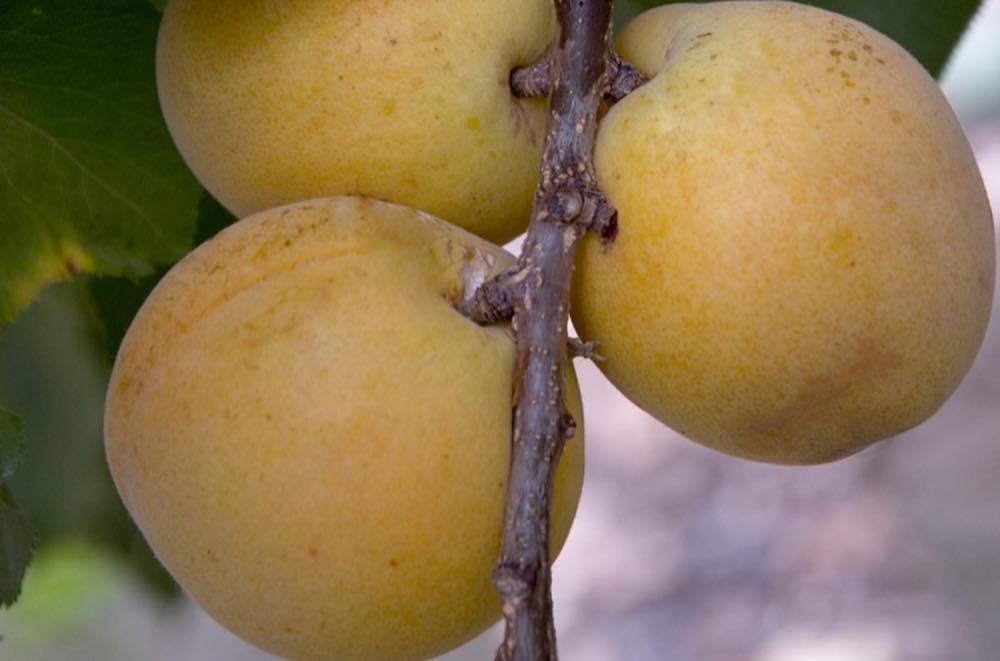 ApricotsIn this year's order
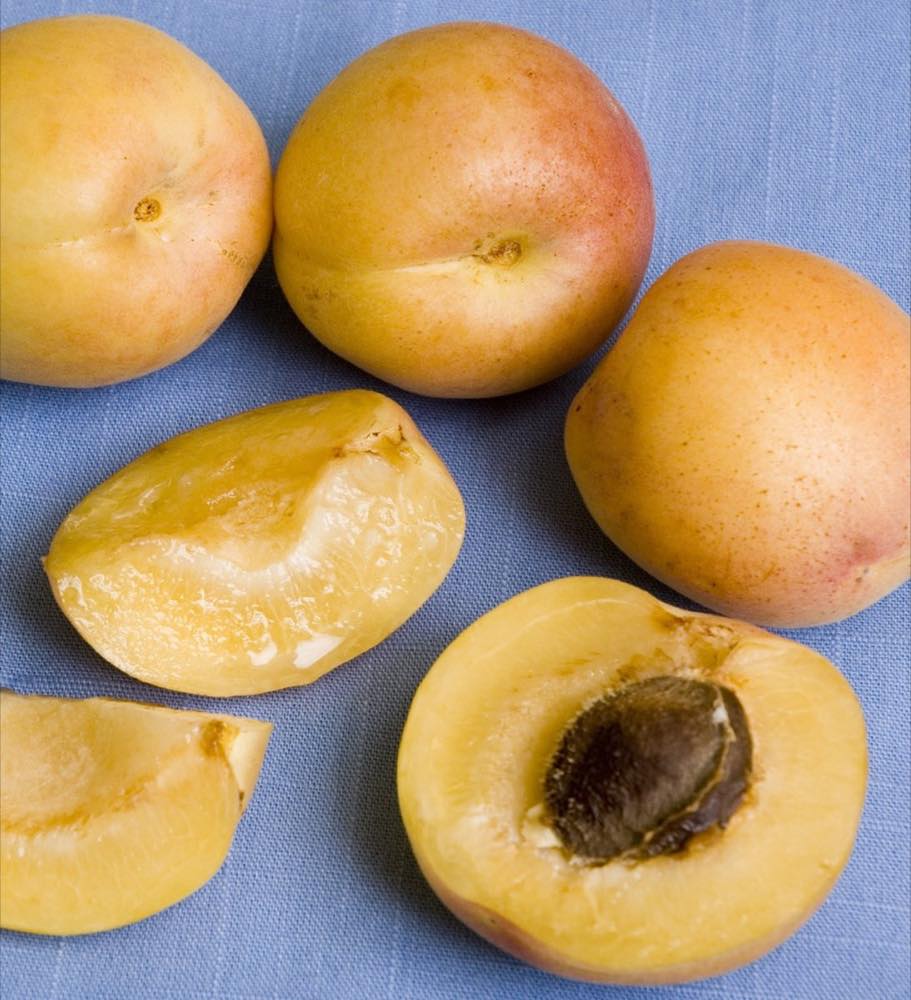 ApriumsIn this year's order
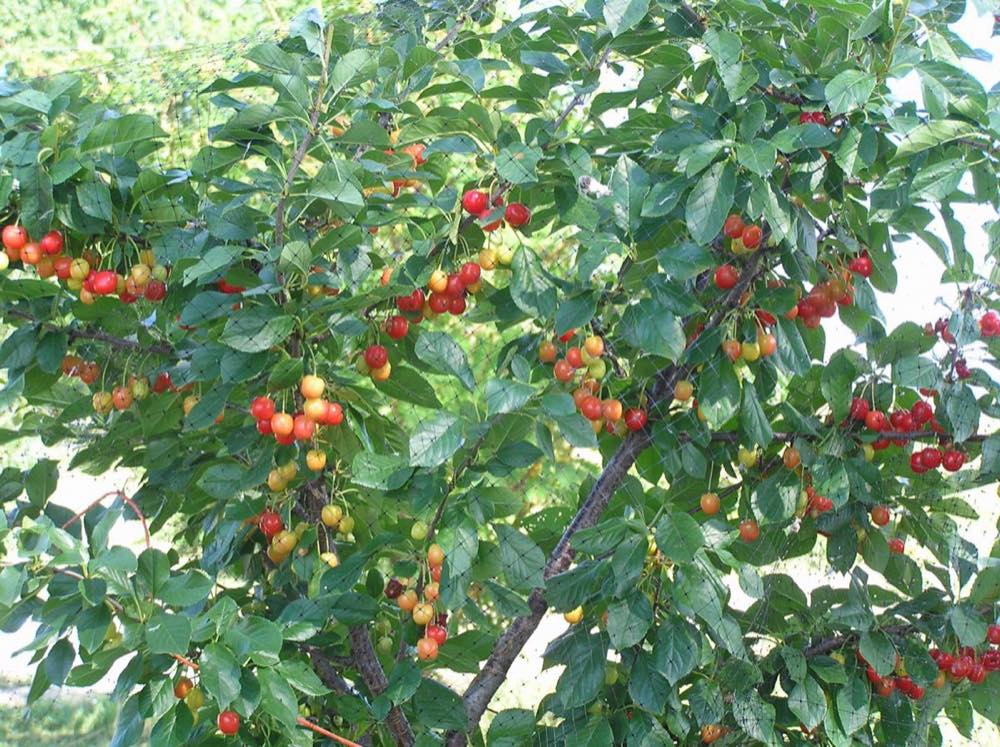 CherriesIn this year's order
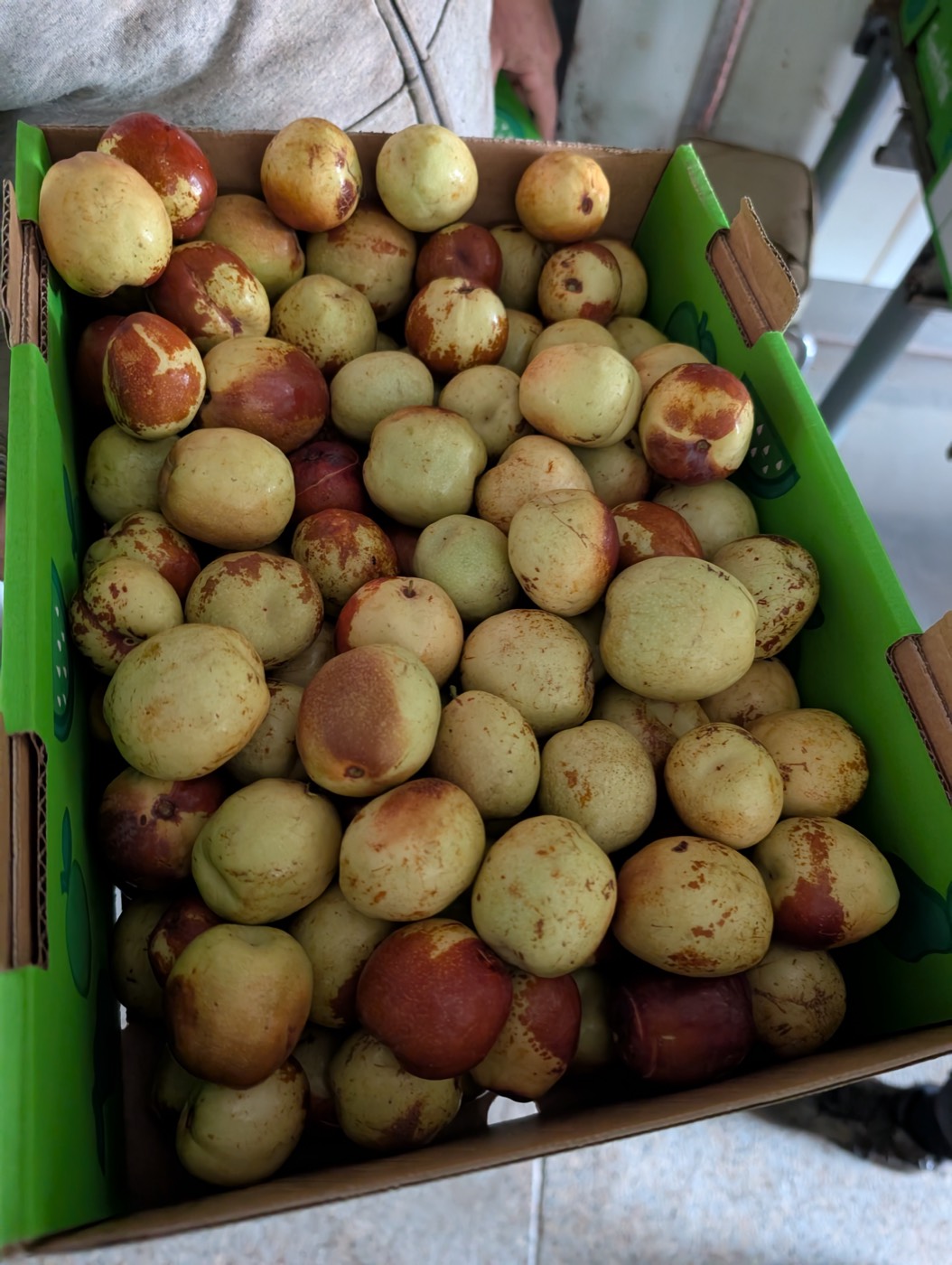 JujubesIn this year's order
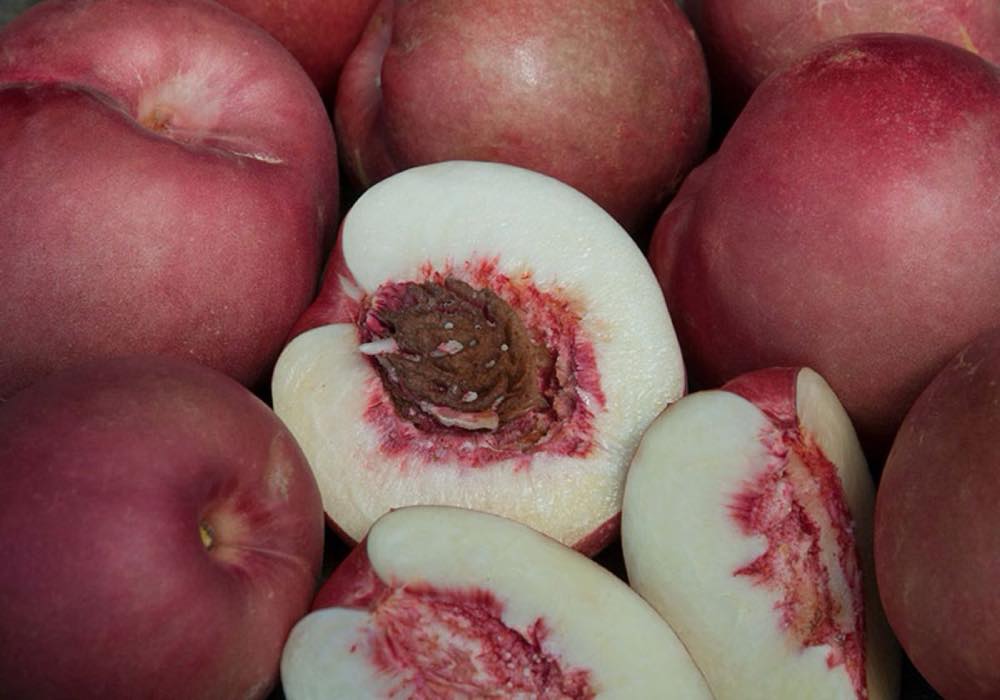 Pluots & interspecificsIn this year's order
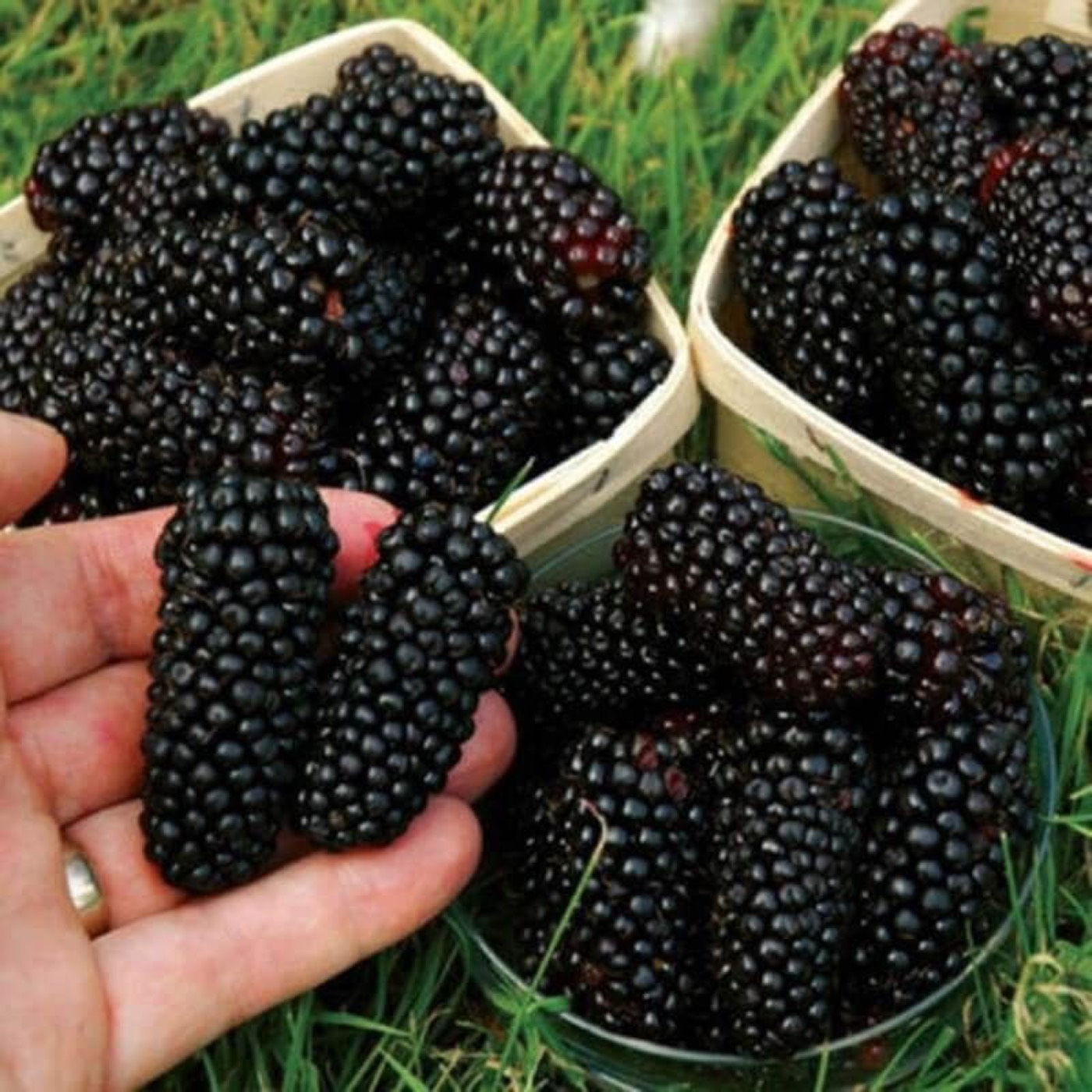 MulberriesIn this year's order
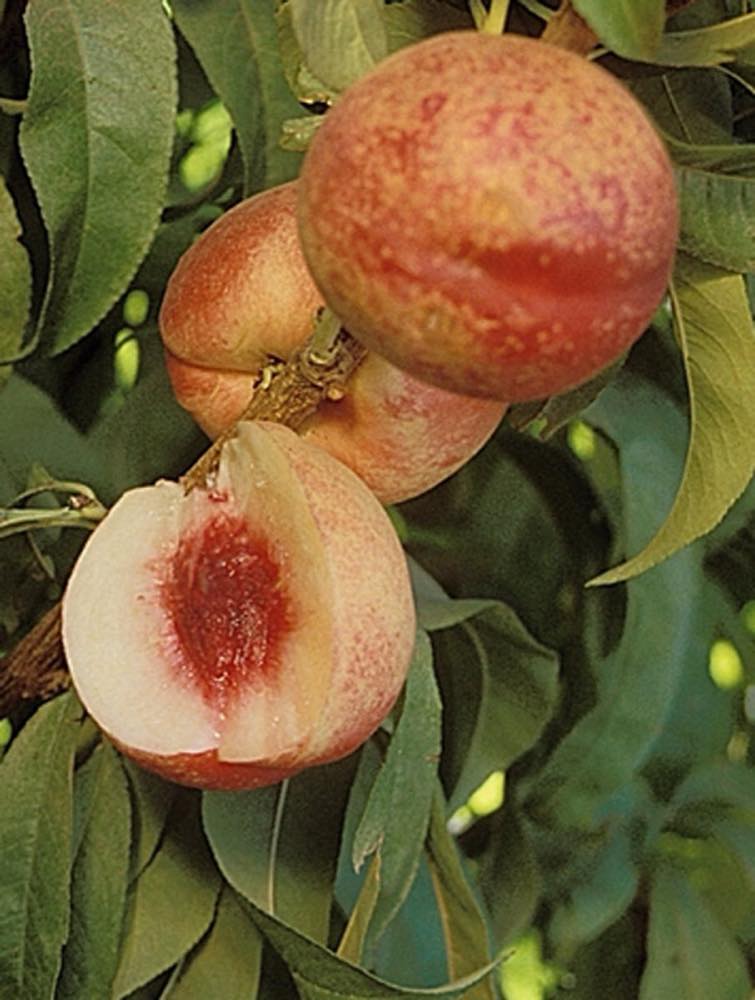 NectarinesIn this year's order
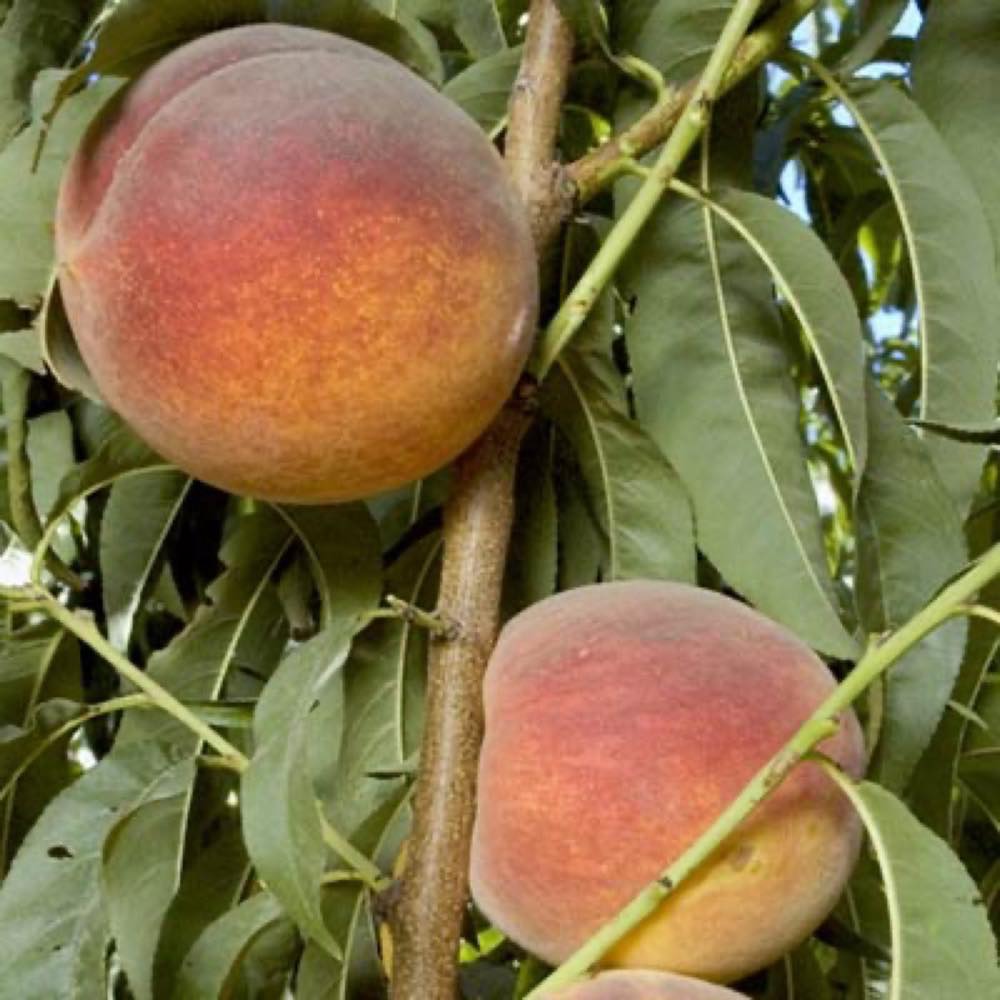 PeachesIn this year's order
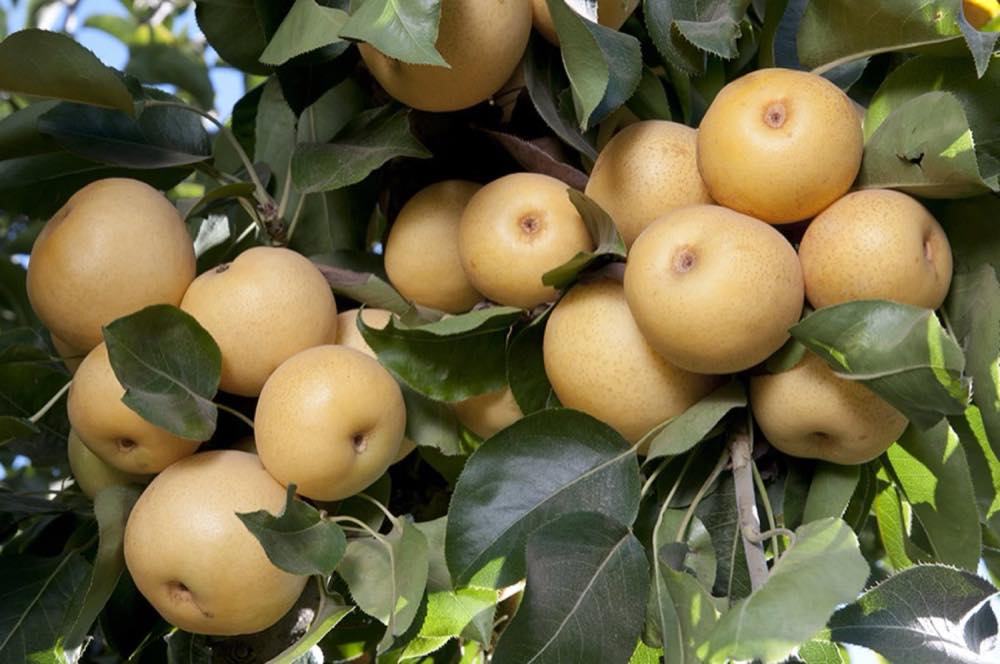 Asian pearsIn this year's order
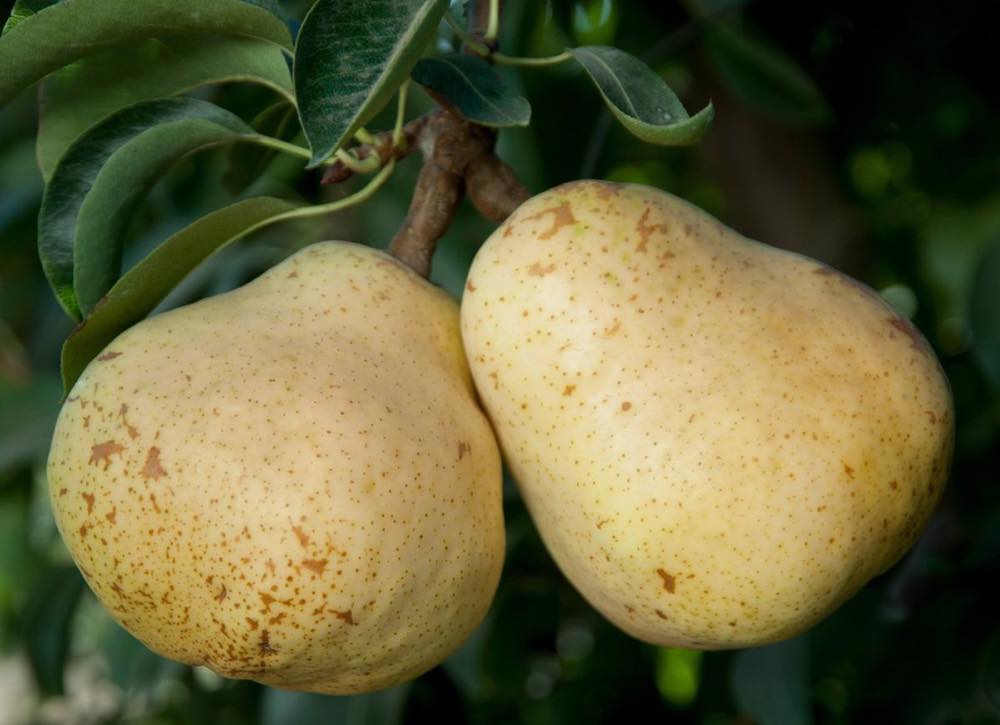 PearsIn this year's order
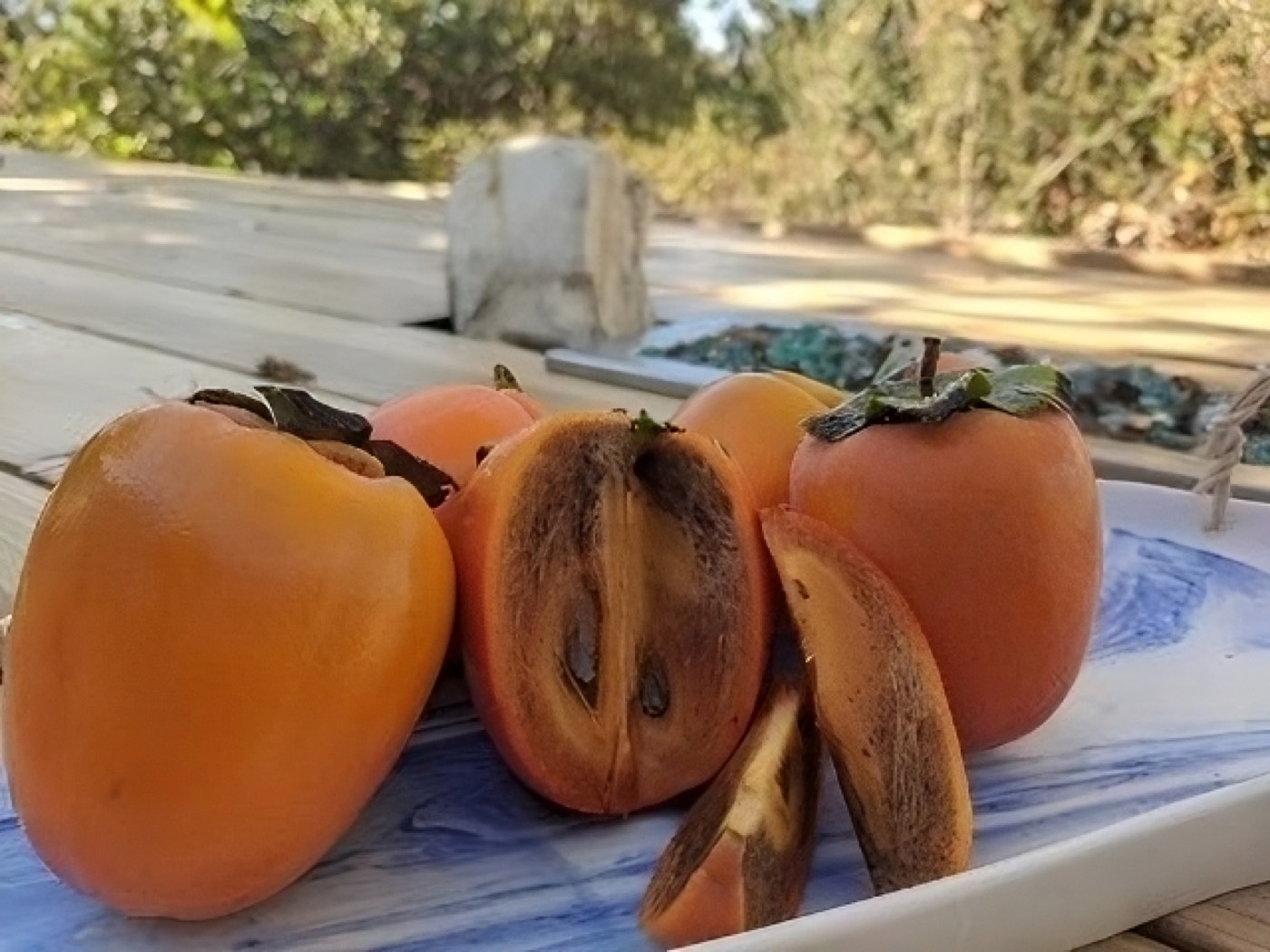 PersimmonsIn this year's order
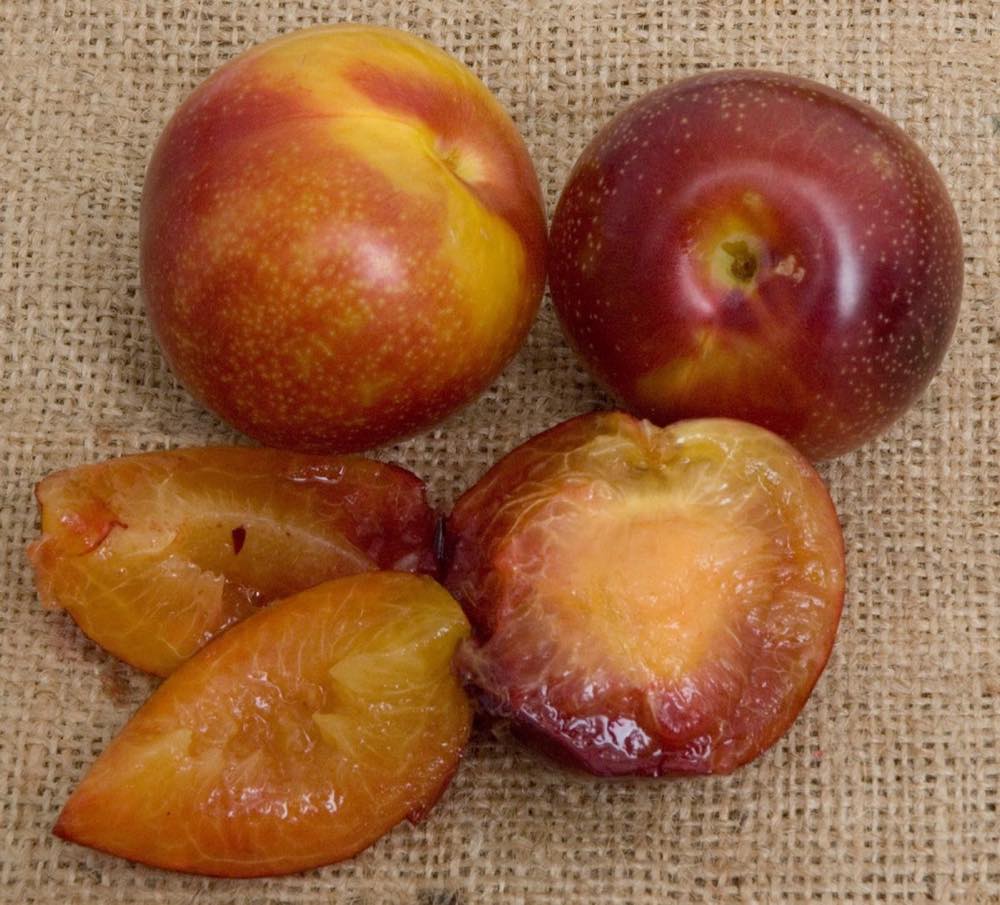 PlumsIn this year's order
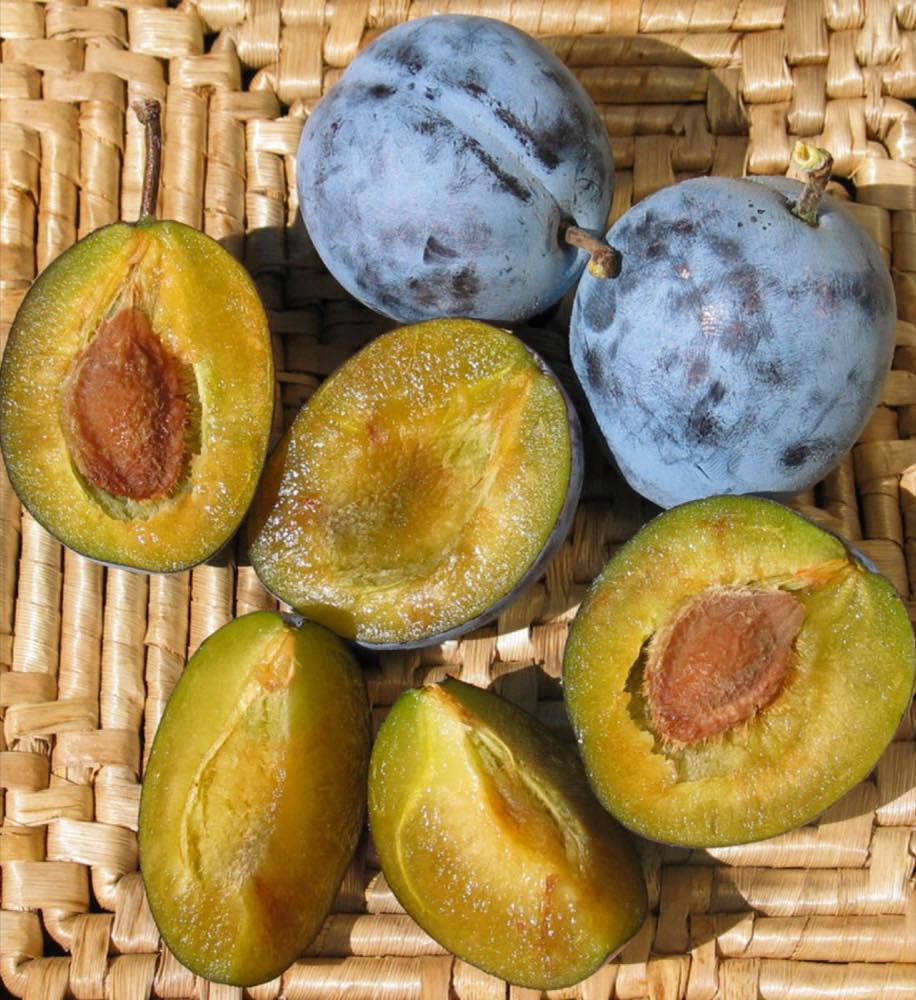 PrunesIn this year's order
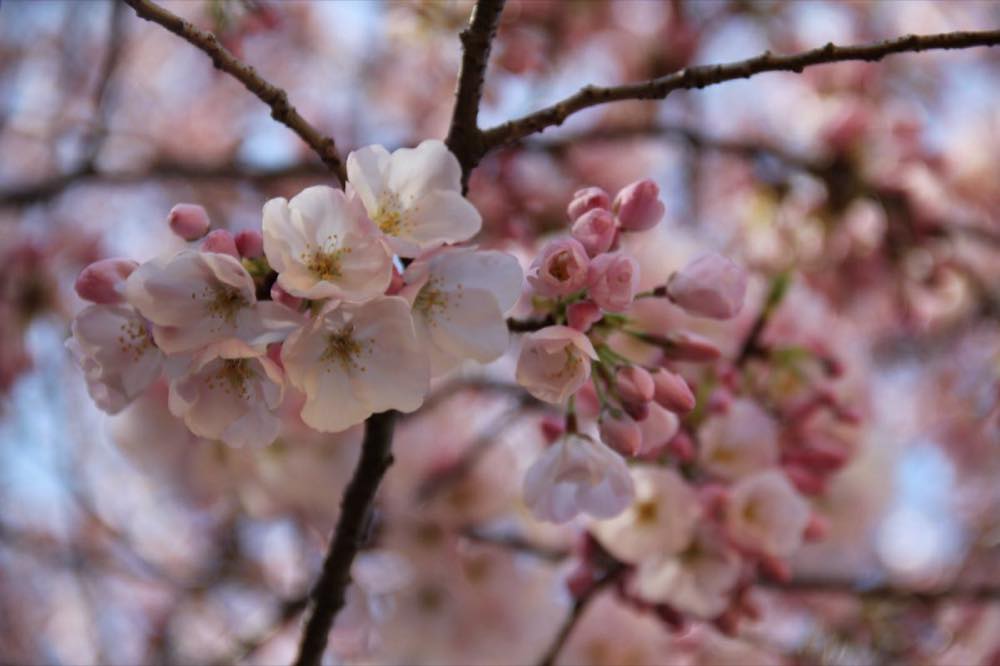 Flowering treesIn this year's order
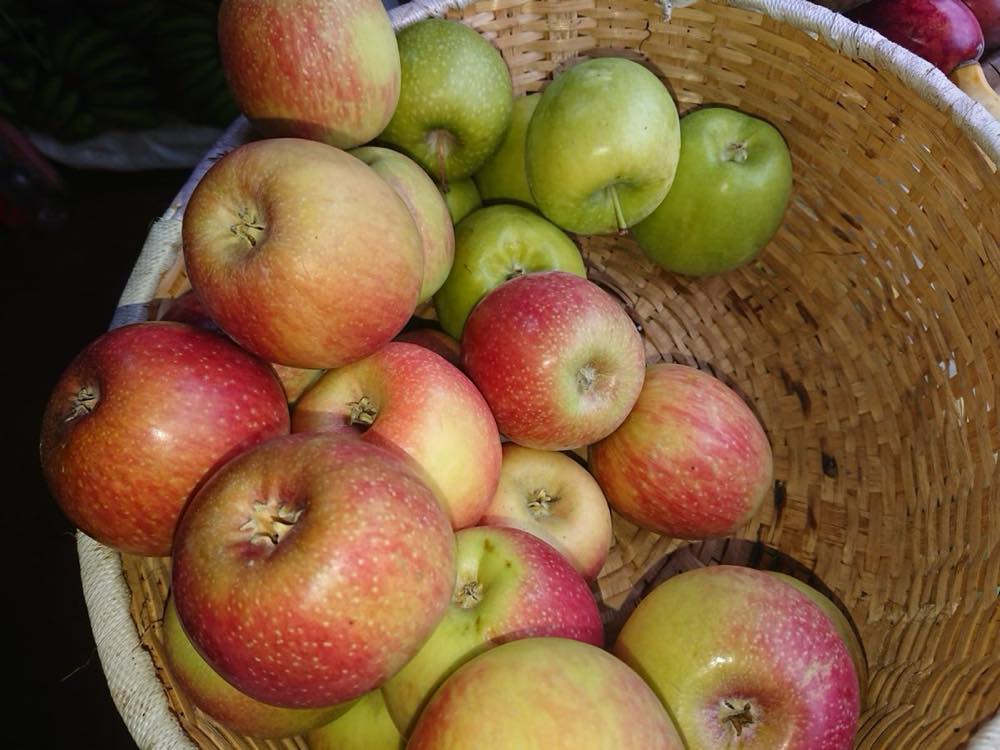 Multi-graftedIn this year's order
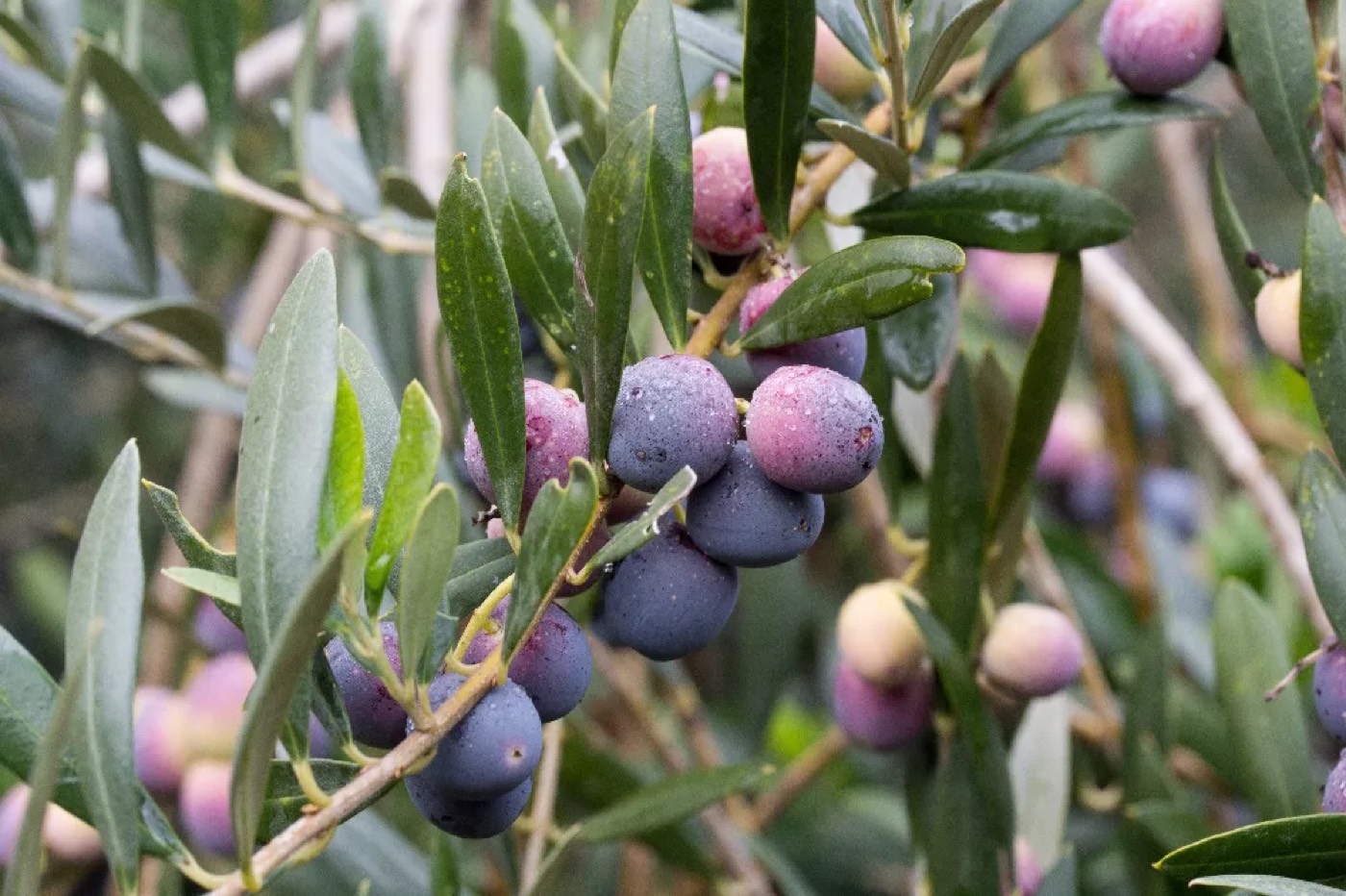 OlivesIn this year's order
Not in the current wholesale fruit tree program. Add it to your wishlist or a future wholesale preorder.
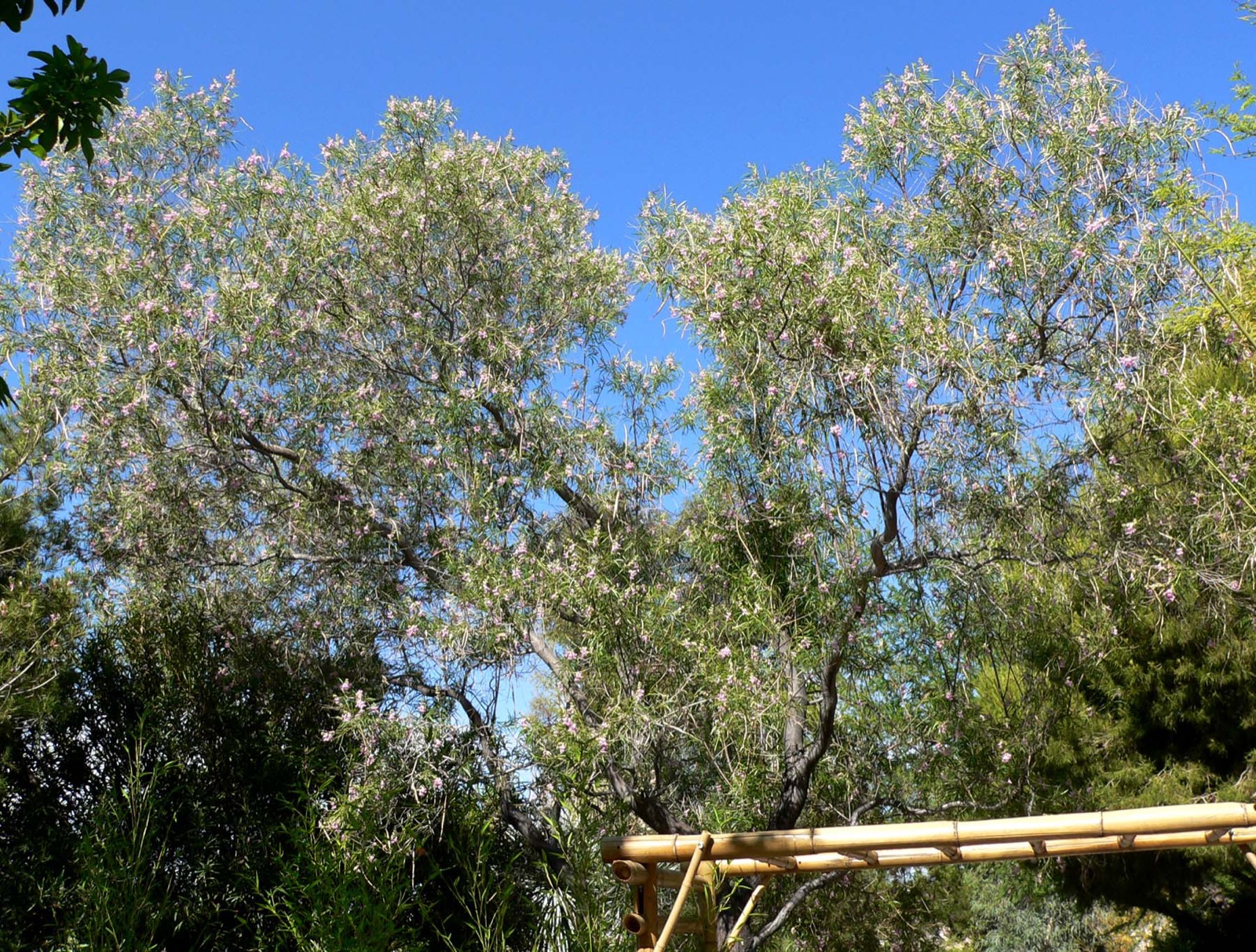 Desert willowChilopsis linearis
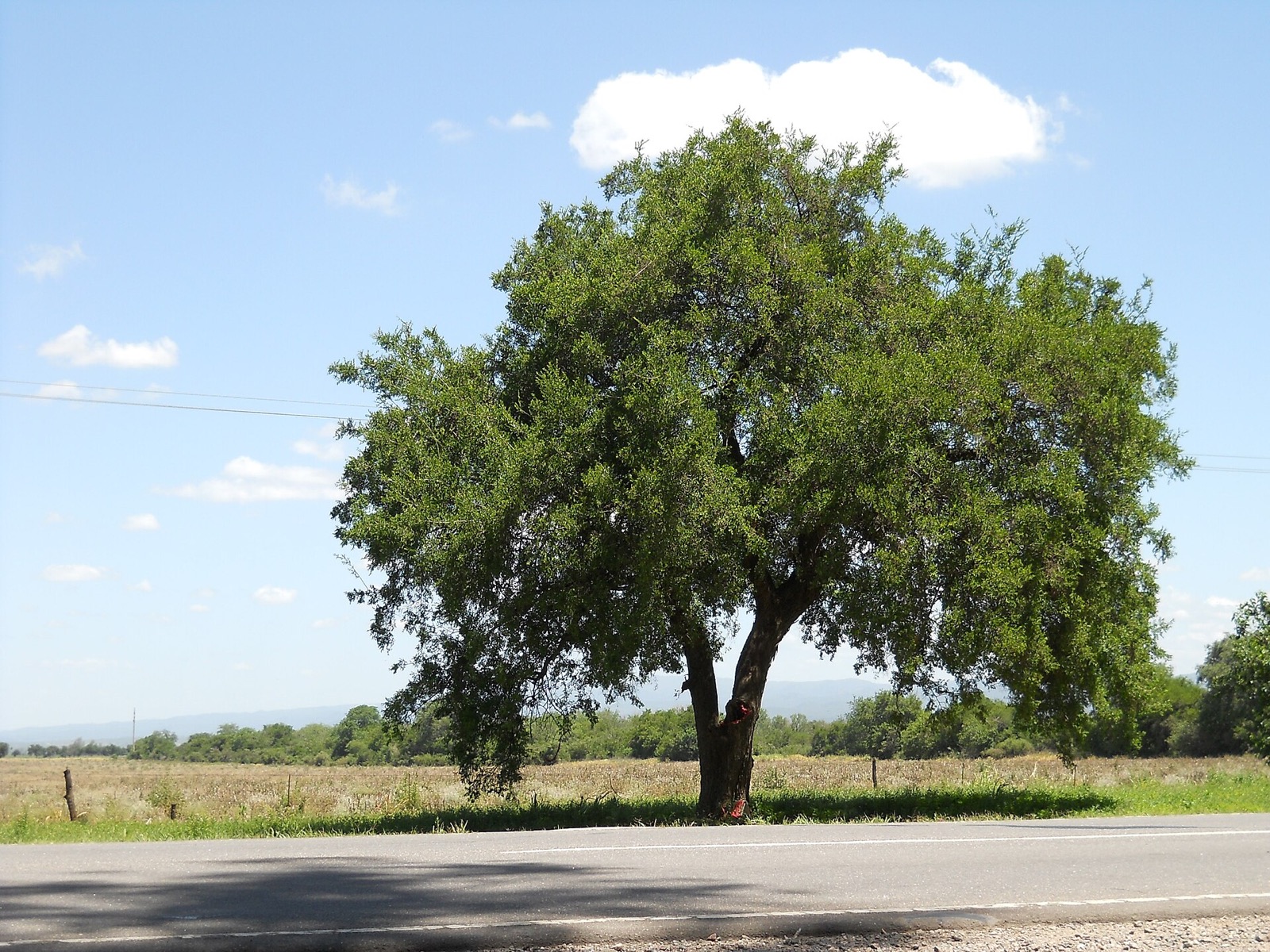 Desert hackberryCeltis pallida
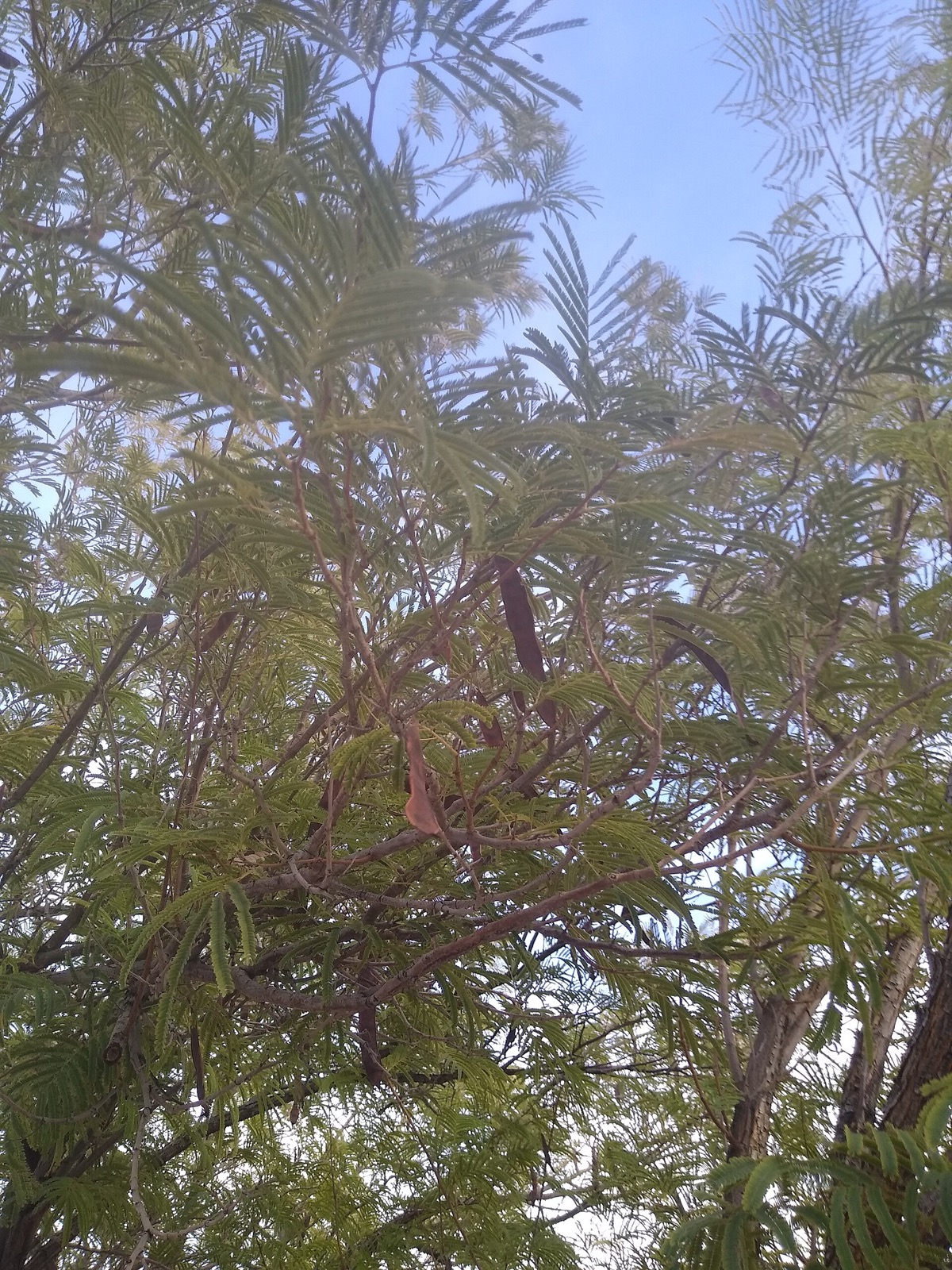 Desert fernLysiloma watsonii
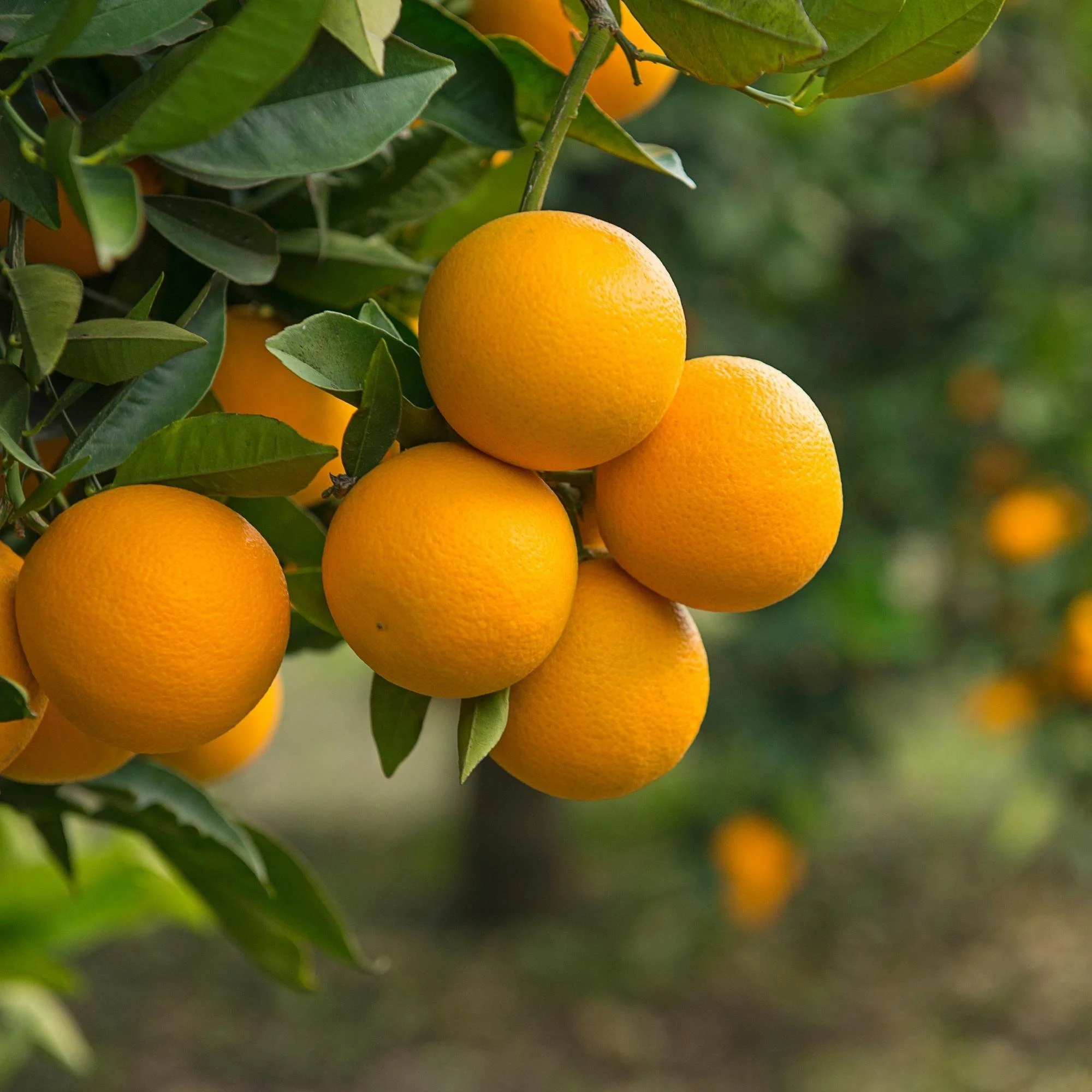 Diller Arizona sweet orangeCitrus sinensis ‘Diller’