
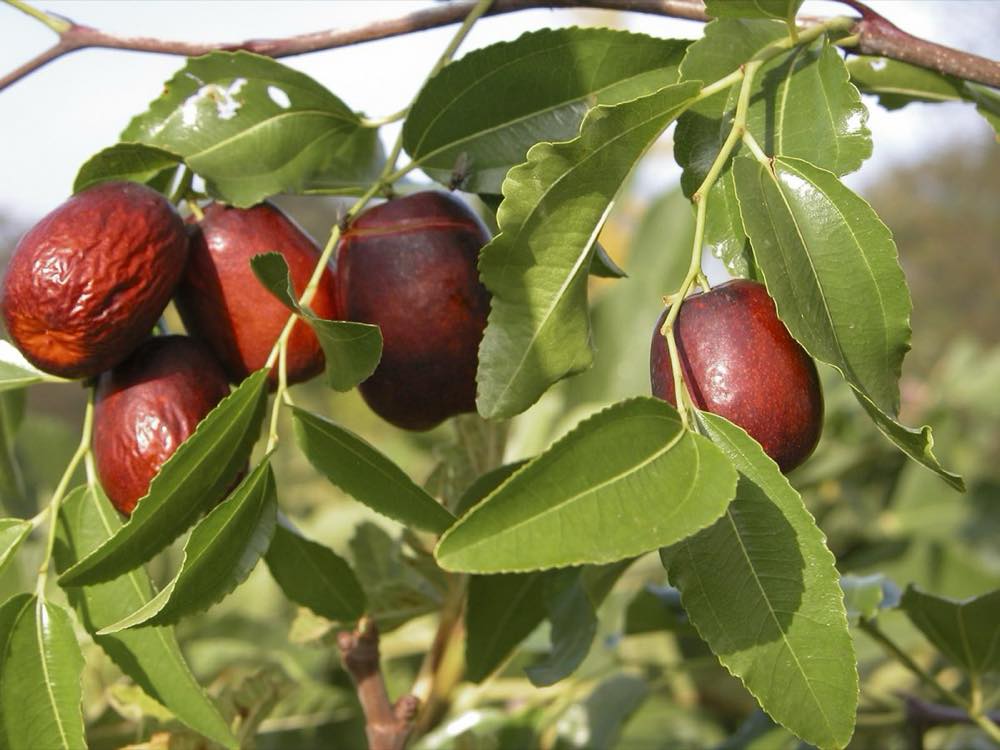
Jujubes · Dave Wilson Nursery
Lang Jujube
Ziziphus jujuba ‘Lang’Pear-shaped fruit that you leave on the tree until fully reddish-brown, when it turns dry, wrinkled and chewy like a date. It does not set well alone, so plant it with Li or another jujube. Loves long hot summers and takes cold and alkaline soil, so it fits the low desert and warm mid elevation yards.
- Chill hours
- Under 200 hours
- Harvest
- Late August to September in the low desert; later at elevation
- Pollination
- Needs a partner such as Li or another jujube
- Mature size
- 20–30 ft unpruned (upright); easy to hold at 8–10 ft with winter pruning
Which one
Every jujube side by side
Same fruit, different seasons and different jobs. Pick the row that fits your ground and your calendar.
| Pear-shaped fruit that you leave on the tree until fully reddish-brown, when it turns dry, wrinkled and chewy like a date. It does not set well alone, so plant it with Li or another jujube. Loves long hot summers and takes cold and alkaline soil, so it fits the low desert and warm mid elevation yards. | Round, flat-bottomed fruit that looks like a small apple, sweet and crisp fresh and good dried too. Like all jujubes it loves long, hot summers, shrugs off alkaline soil and drought and takes winter cold far below anything in Arizona. It fits the low desert and the warmer parts of mid elevation. | Grown mostly for its twisted, corkscrew branches that look striking in winter, with round Li-like fruit you can eat firm or dry at room temperature until chewy. Slow and smaller than other jujubes, and nearly pest free. It wants a long, hot summer, so it suits the low desert and warm mid elevation yards. | A long, two-inch fruit that is exceptionally sweet with an apple-like flavor, ripening in mid autumn. Some growers in cooler or wetter places report patchy crops, so give it the long hot summer it likes and plant it in the low desert or a warm mid elevation yard. Hardy, drought tolerant and nearly pest free. | Extremely sweet, small to medium round fruit on a compact tree that handles drought well, best eaten fresh. Jujubes love the low desert's long hot summers and tolerate alkaline soil, and this one also suits warm mid elevation yards. A second jujube nearby, such as Li, helps the crop. | The most popular jujube, round, bigger than Lang, crisp like a little apple when fresh and chewy like a date when dried. The tree is tough, nearly pest free and thrives in the low desert's long hot summers, alkaline soil and drought. Self-fruitful, so one is enough, and it also works at mid elevation where summers are warm. | The largest of the popular jujubes, over two inches across, with an apple-like flavor that gets even sweeter when dried. It sets fruit on its own and also pollinates other jujubes, so it makes a good partner tree. Likes long hot summers, so it fits the low desert and warm mid elevation yards. | A lesser-known jujube without much published track record, so treat it like the standard types. Jujubes love the low desert's long hot summers, take alkaline soil and drought, and shrug off winter cold, so it should suit the low desert and warm mid elevation yards. Plant it with Li or Lang for the best chance of a good crop. | Small round fruit with very sweet, crunchy flesh, good fresh. The tree starts early and is hardy and drought tolerant, but it is very thorny, so keep it away from paths and play areas. It wants a long hot summer, so it suits the low desert and warm mid elevation yards. | |
|---|---|---|---|---|---|---|---|---|---|
| Harvest | Late August to September in the low desert; later at elevation | September to October in the low desert; October at elevation | Late August to September in the low desert; later at elevation | September to October in the low desert; later at elevation | September to October in the low desert; later at elevation | Late August to September in the low desert; later at elevation | September to October in the low desert; later at elevation | September to October in the low desert (estimate) | September to October in the low desert; later at elevation |
| Chill hours | Under 200 hours | 200 hours | Under 200 hours | 200 hours | 200 hours | Under 200 hours | 200 hours | Under 200 hours | Under 200 hours |
| Pollination | Needs a partner such as Li or another jujube | Partly self-fruitful; heavier crops with another jujube such as Li | Partly self-fruitful; heavier crops with Lang or Li | Partly self-fruitful; heavier crops with another jujube such as Li | Partly self-fruitful; heavier crops with another jujube such as Li | Self-fruitful | Self-fruitful; also a good pollinator for other jujubes | Probably partly self-fruitful; plant with Li or Lang for a safe crop | Partly self-fruitful; heavier crops with another jujube such as Li |
| Mature size | 20–30 ft unpruned (upright); easy to hold at 8–10 ft with winter pruning | 20–25 ft unpruned; easy to hold at 8–10 ft with winter pruning | 10–15 ft unpruned (slow, twisted); easy to hold at 6–8 ft | 15–20 ft unpruned; easy to hold at 8–10 ft with winter pruning | 10–15 ft unpruned (compact); easy to hold at 6–8 ft | 20–30 ft unpruned (narrow, upright); easy to hold at 8–10 ft | 20–25 ft unpruned; easy to hold at 8–10 ft with winter pruning | 15–25 ft unpruned (typical jujube); easy to hold at 8–10 ft | 15–20 ft unpruned; easy to hold at 8–10 ft with winter pruning |
| From | $35 | $42 | $35 | $31 | $35 | $35 | $35 | $42 | $35 |
Where this tree sits
Jujubes sit in the lower canopy layer.
Lower canopy
Fruit trees kept below the tall ones. Most of this year's program lives here, held to eight or ten feet by summer pruning.
Other options in the lower canopy layer
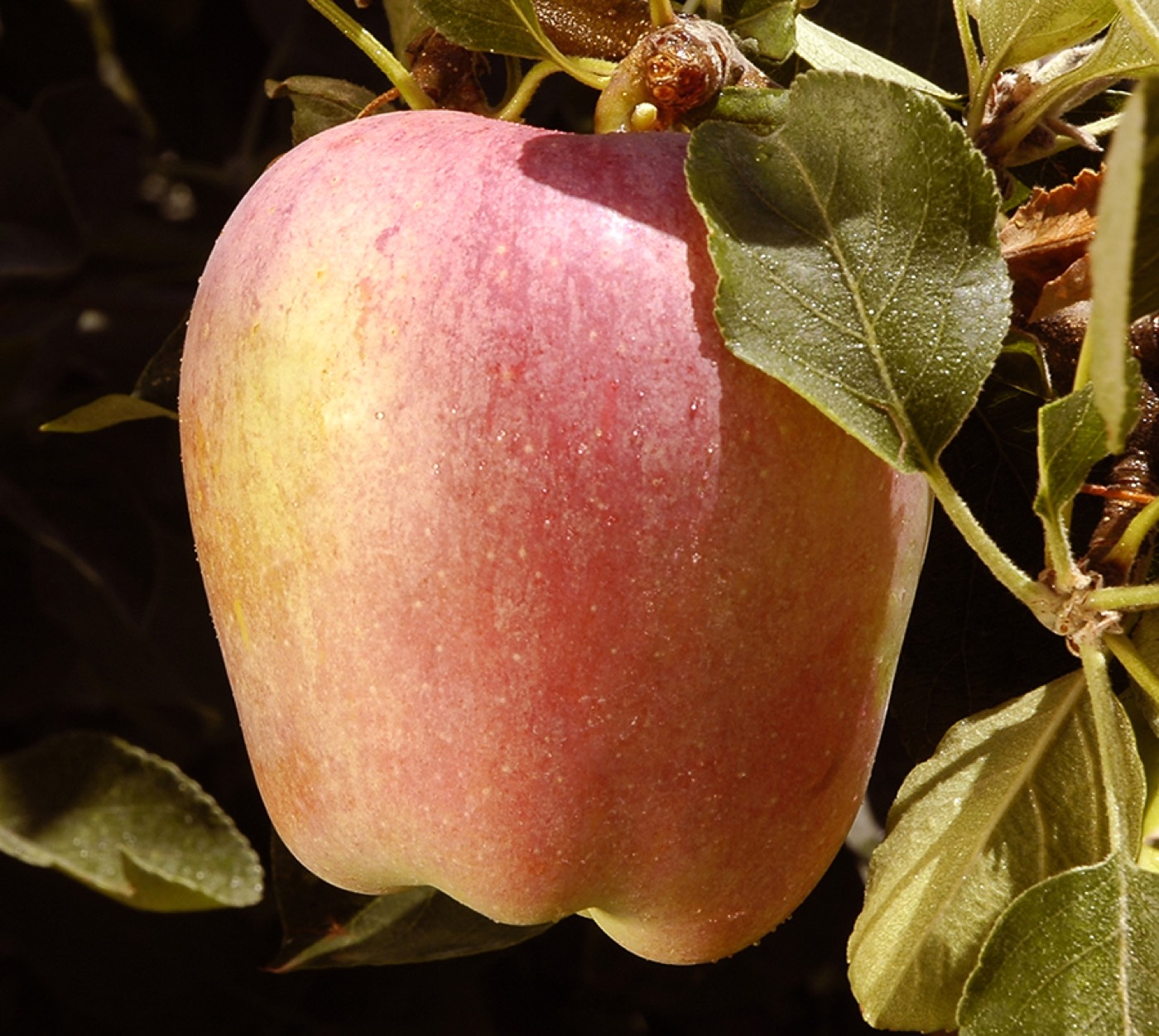 ApplesIn this year's order
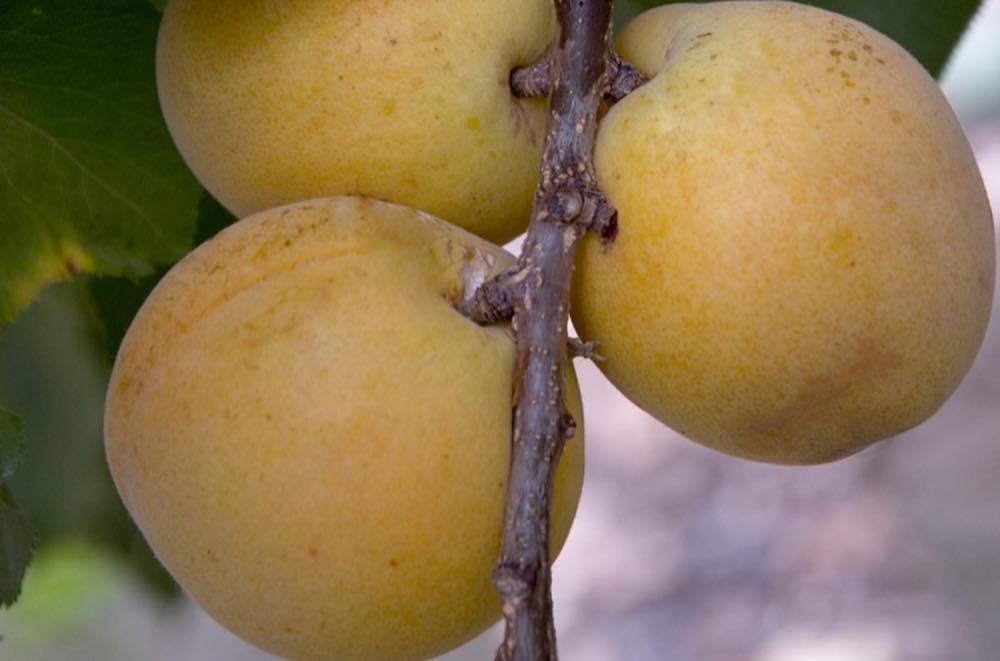 ApricotsIn this year's order
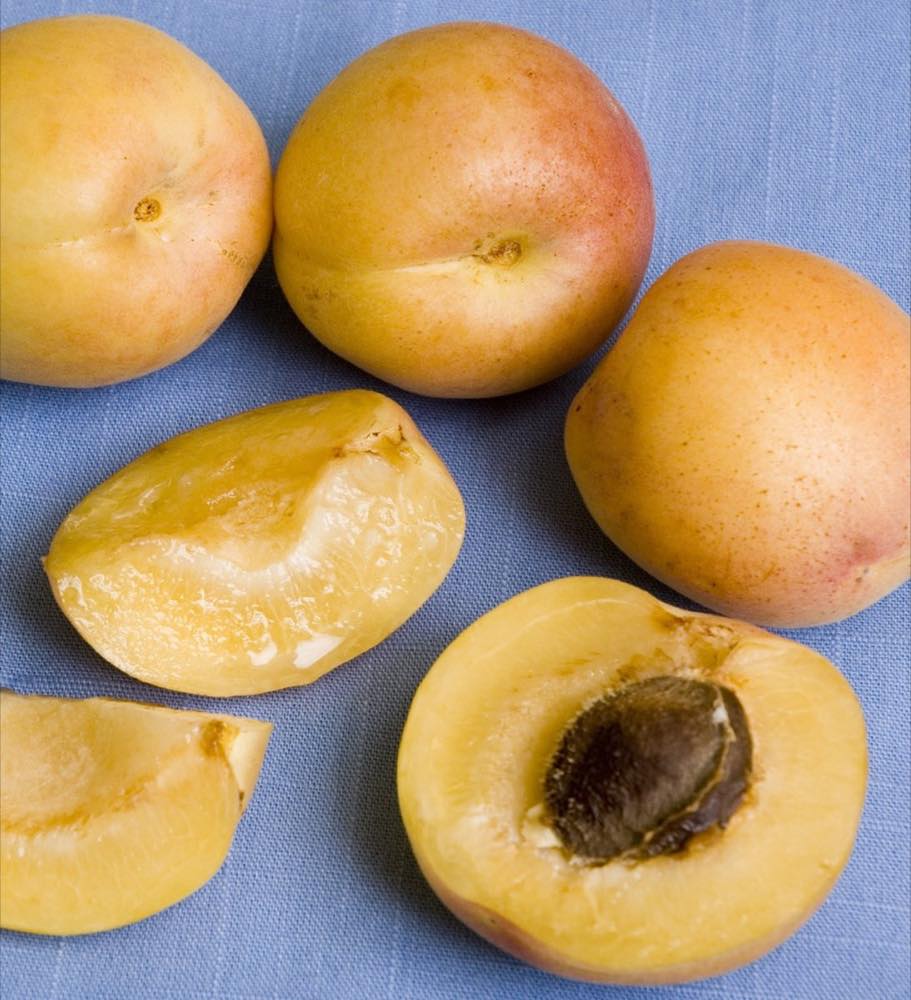 ApriumsIn this year's order
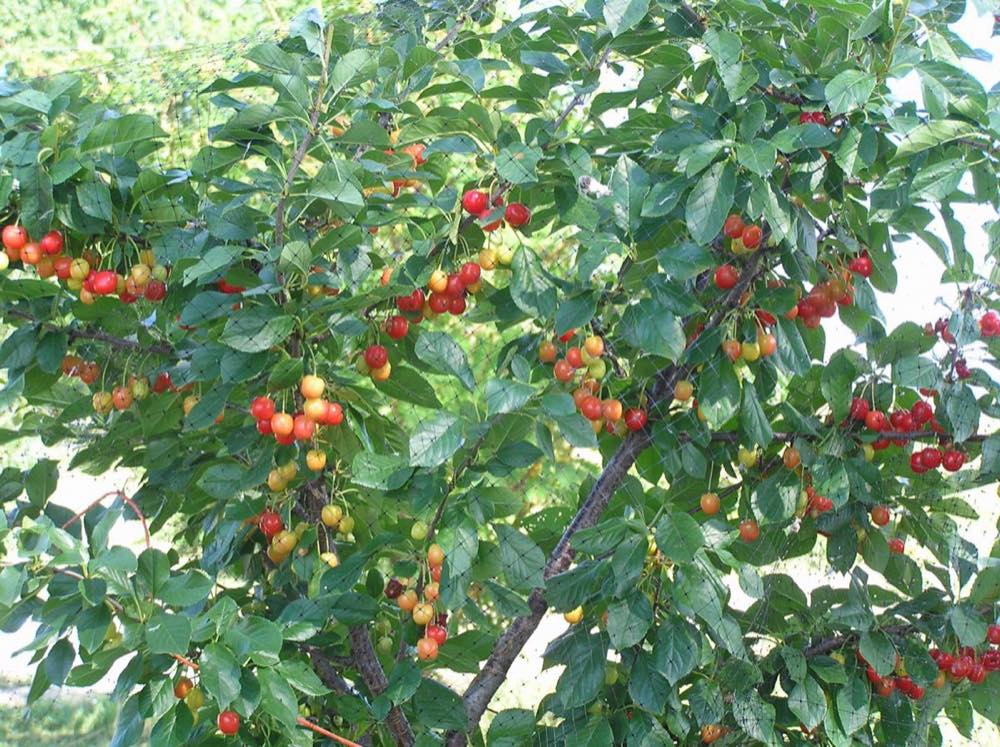 CherriesIn this year's order
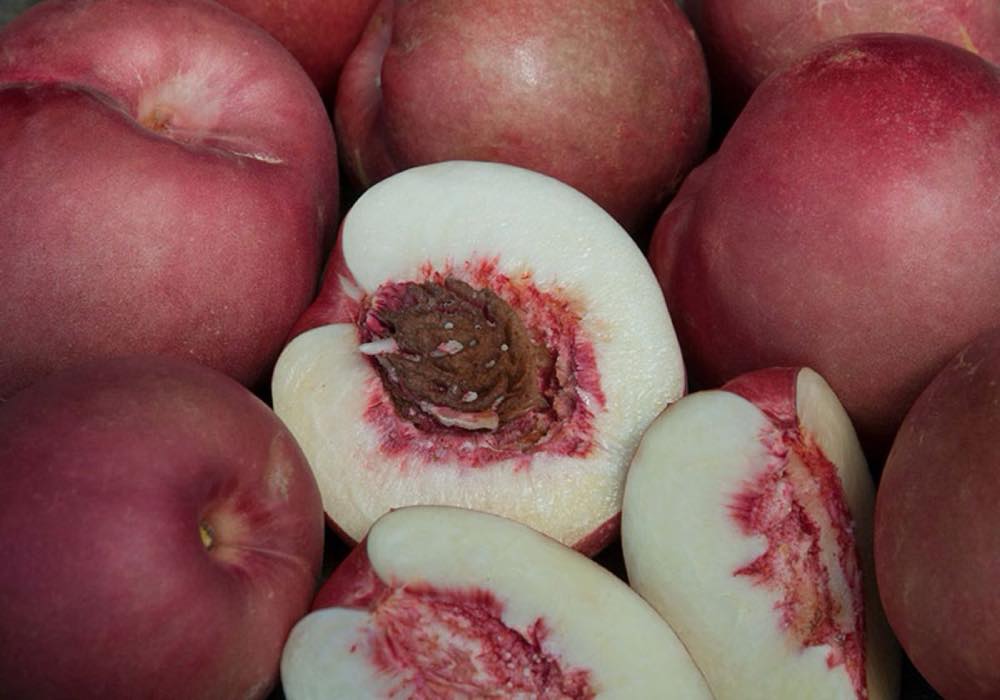 Pluots & interspecificsIn this year's order
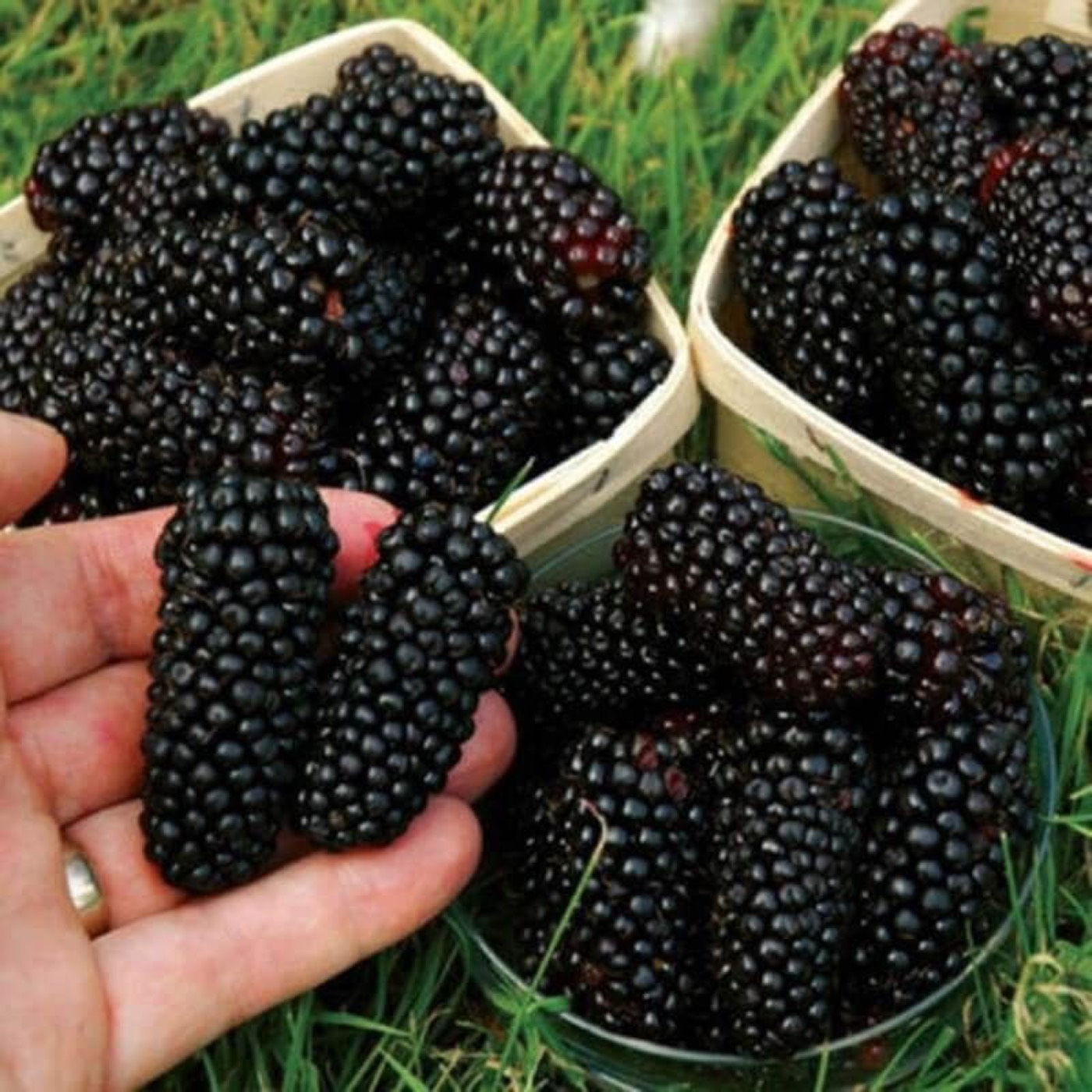 MulberriesIn this year's order
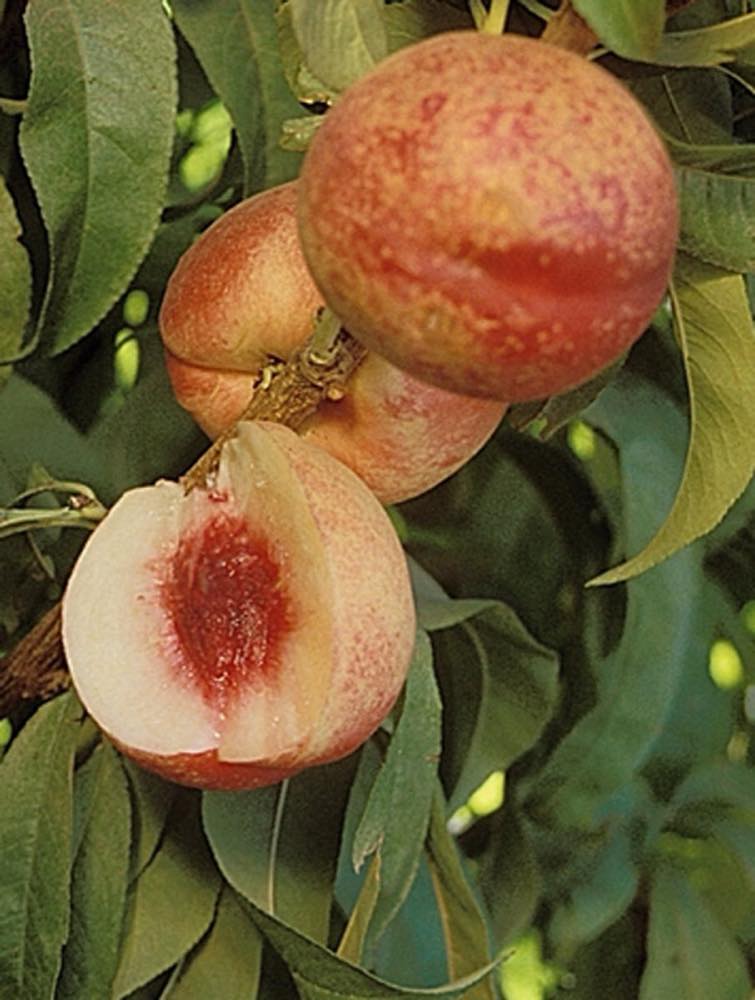 NectarinesIn this year's order
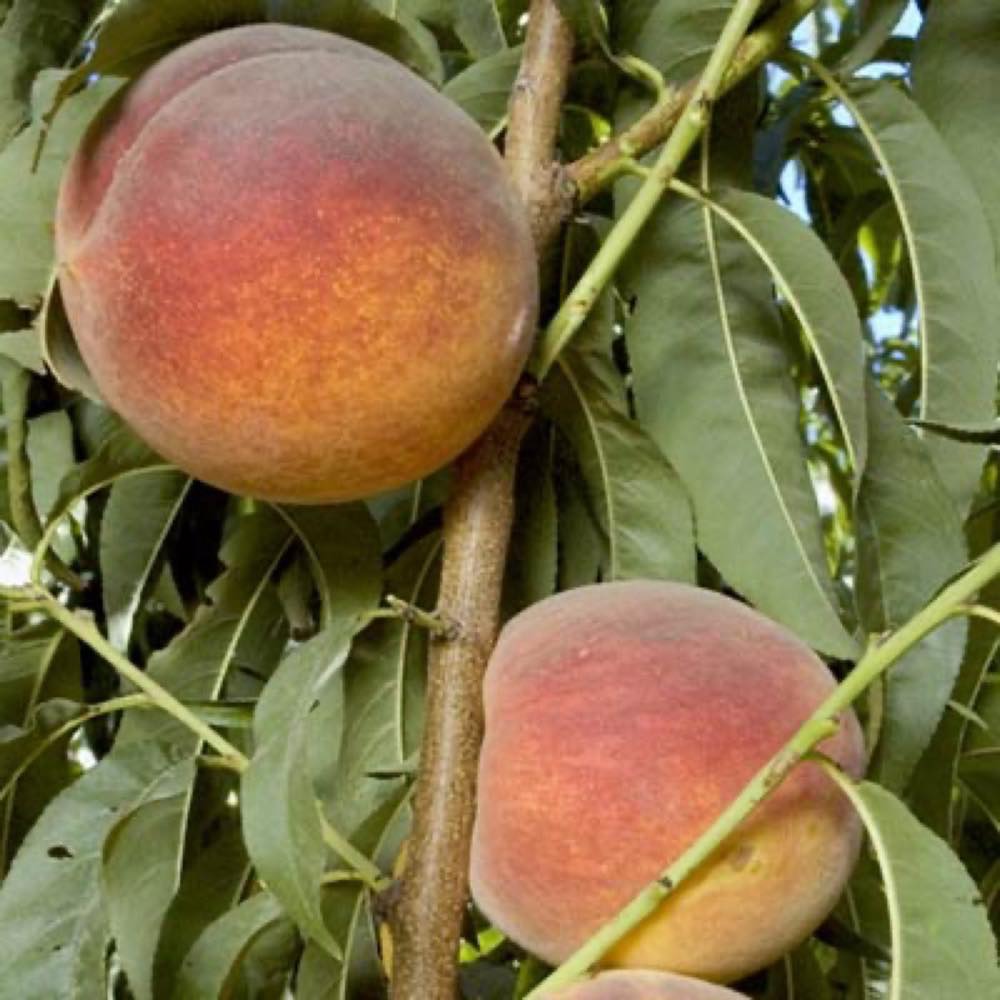 PeachesIn this year's order
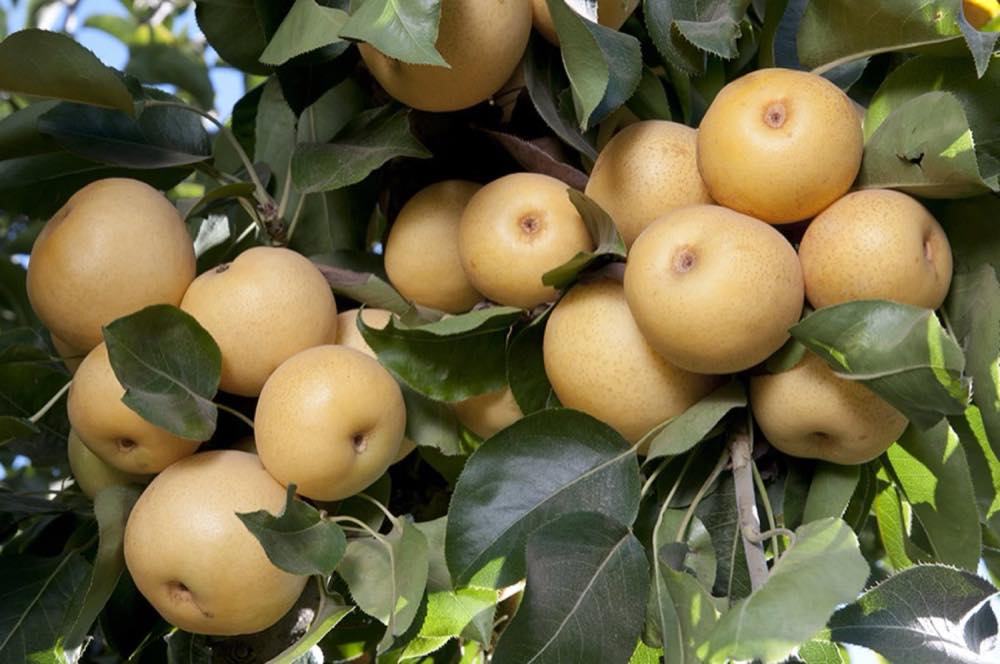 Asian pearsIn this year's order
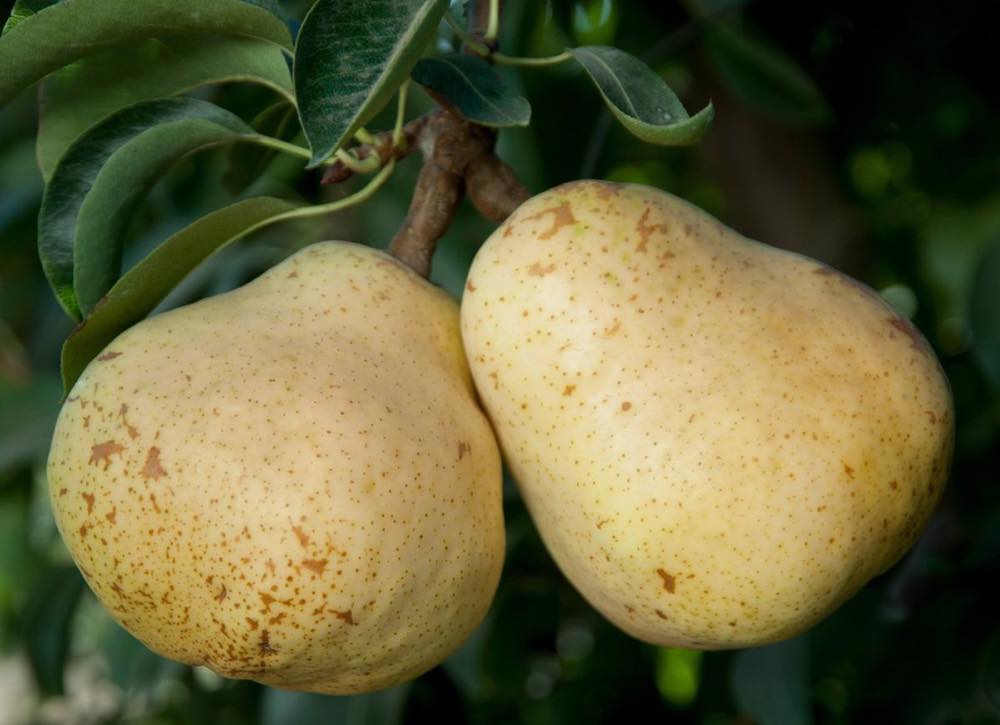 PearsIn this year's order
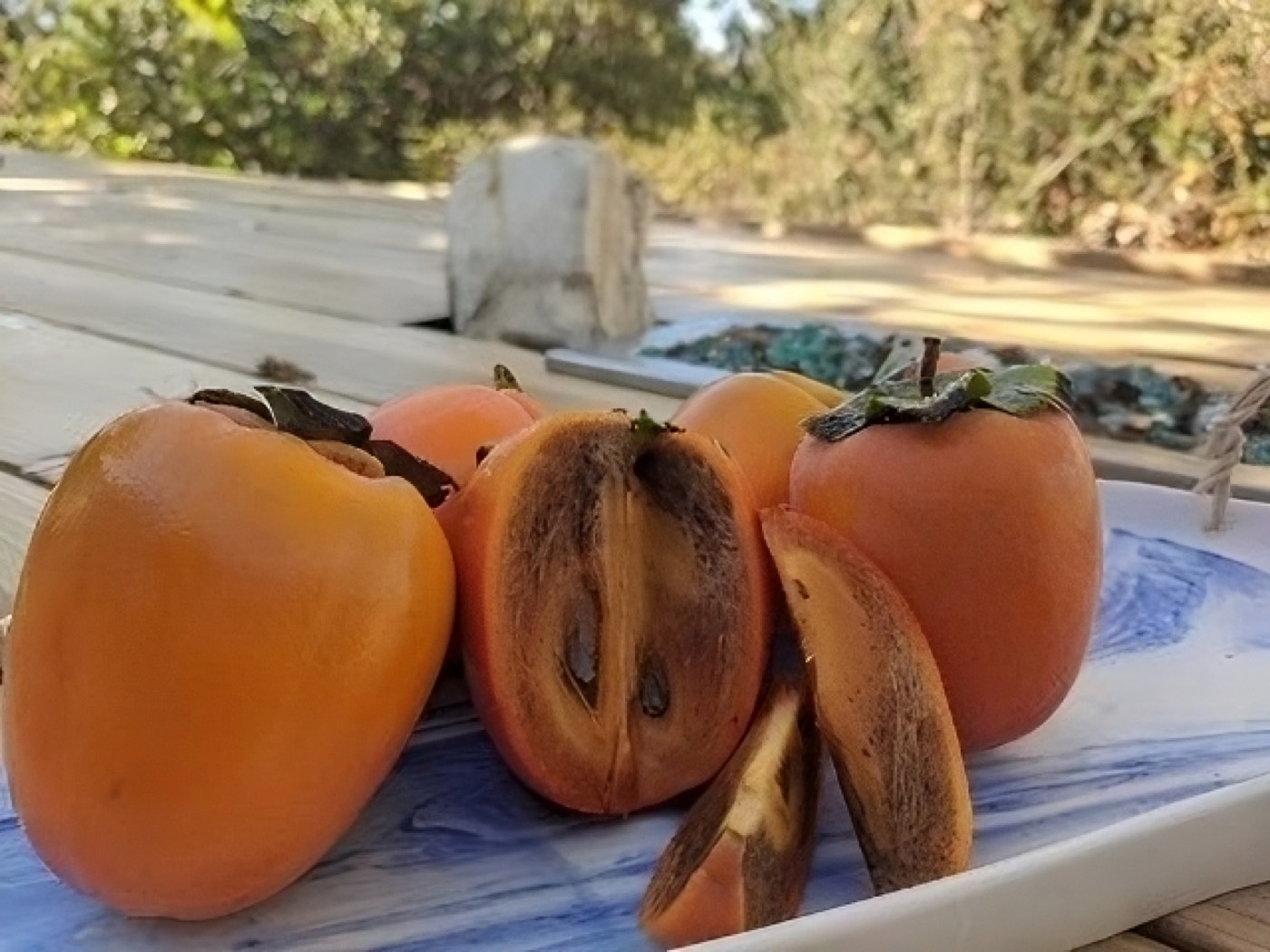 PersimmonsIn this year's order
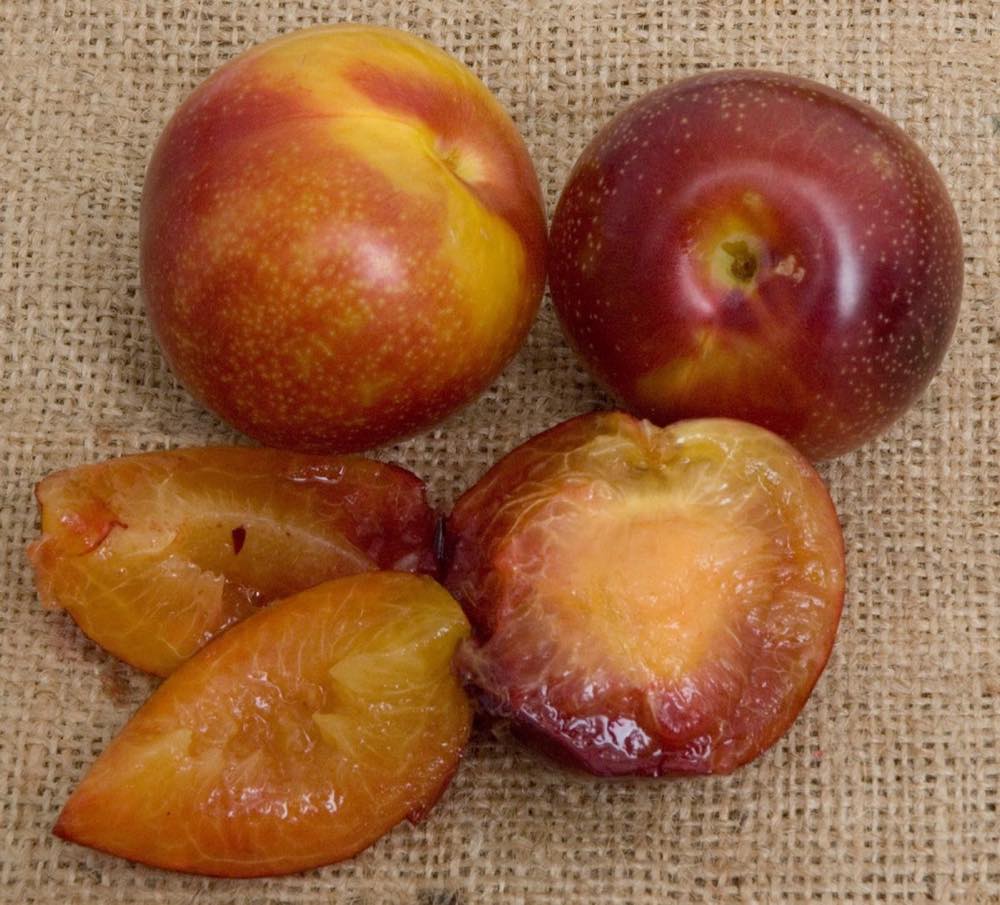 PlumsIn this year's order
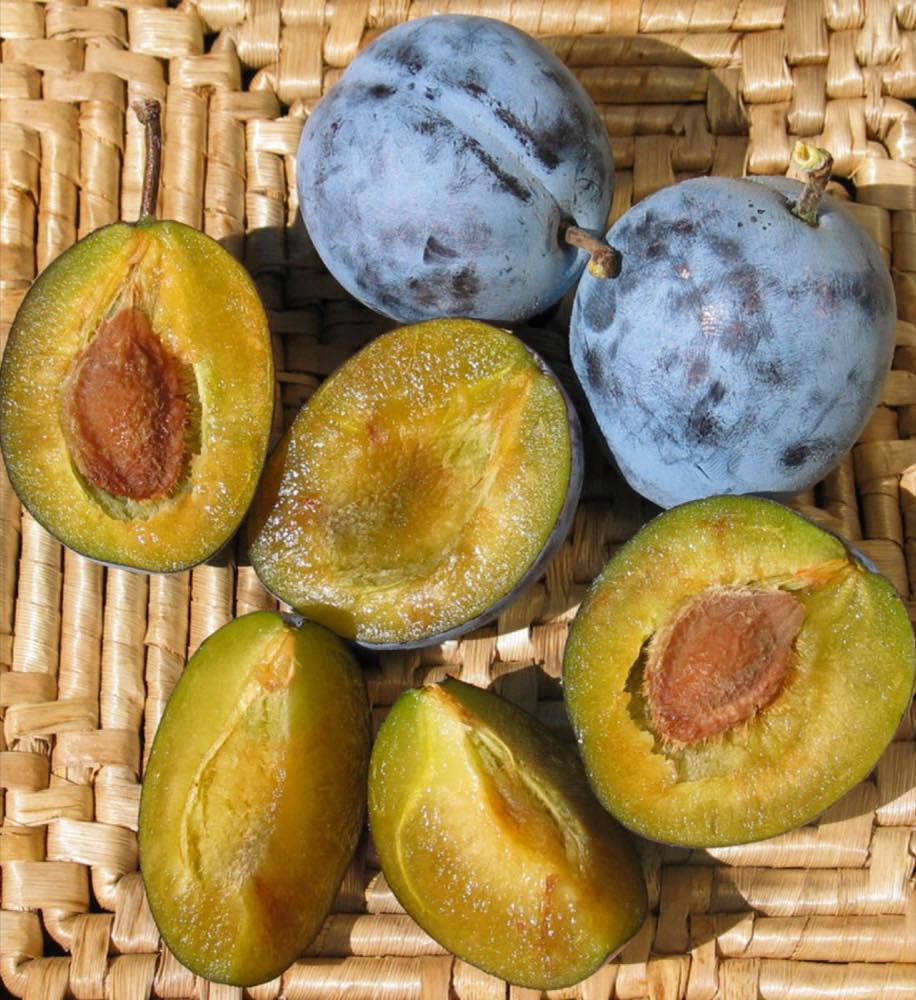 PrunesIn this year's order
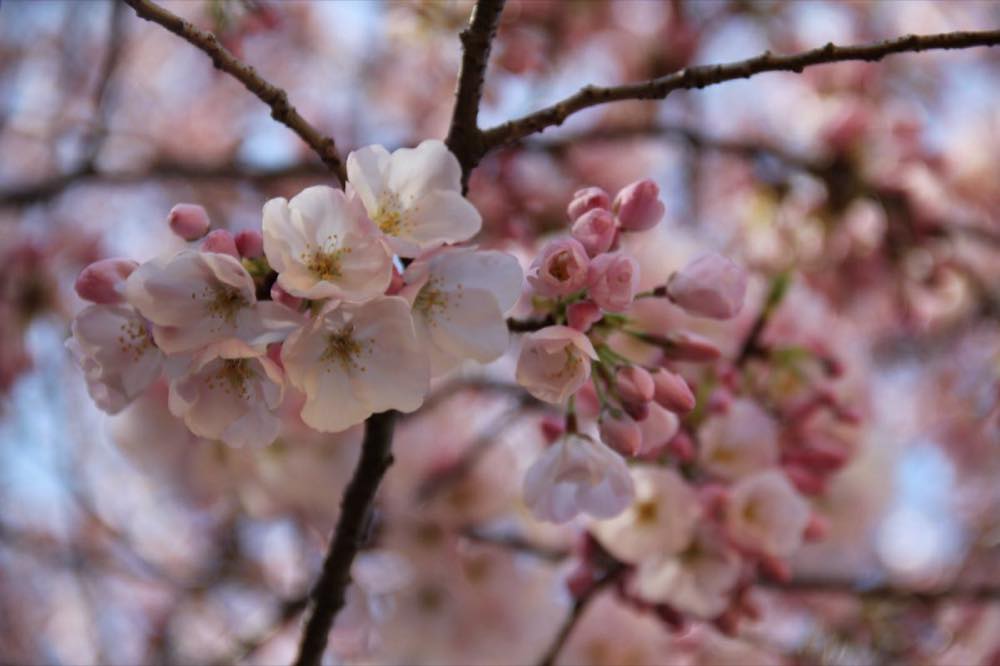 Flowering treesIn this year's order
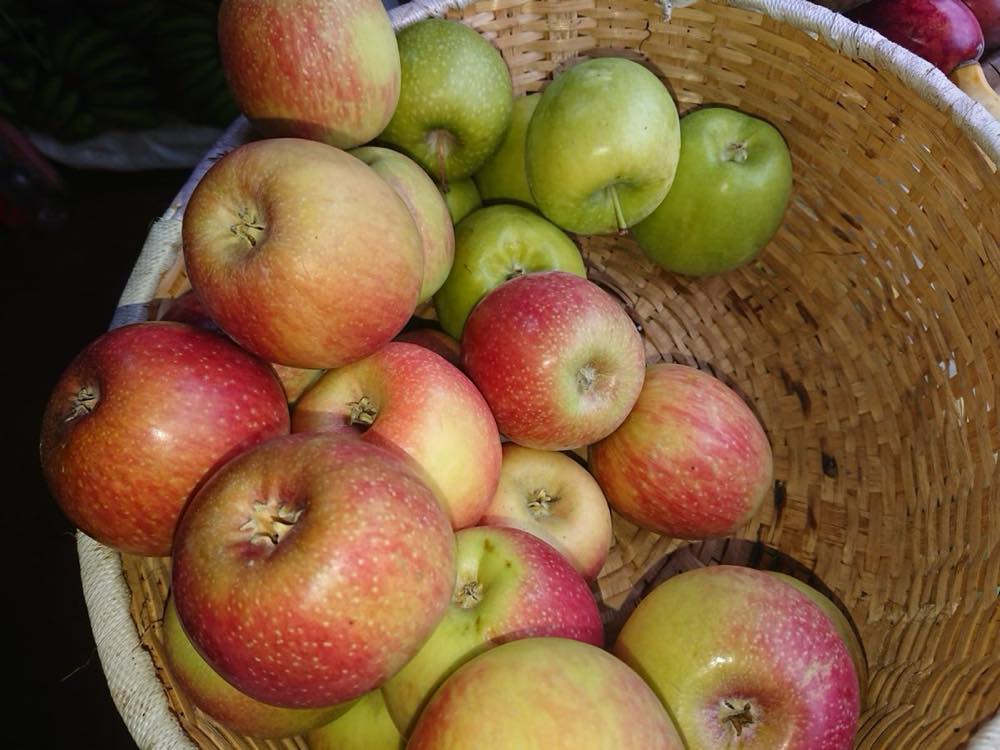 Multi-graftedIn this year's order
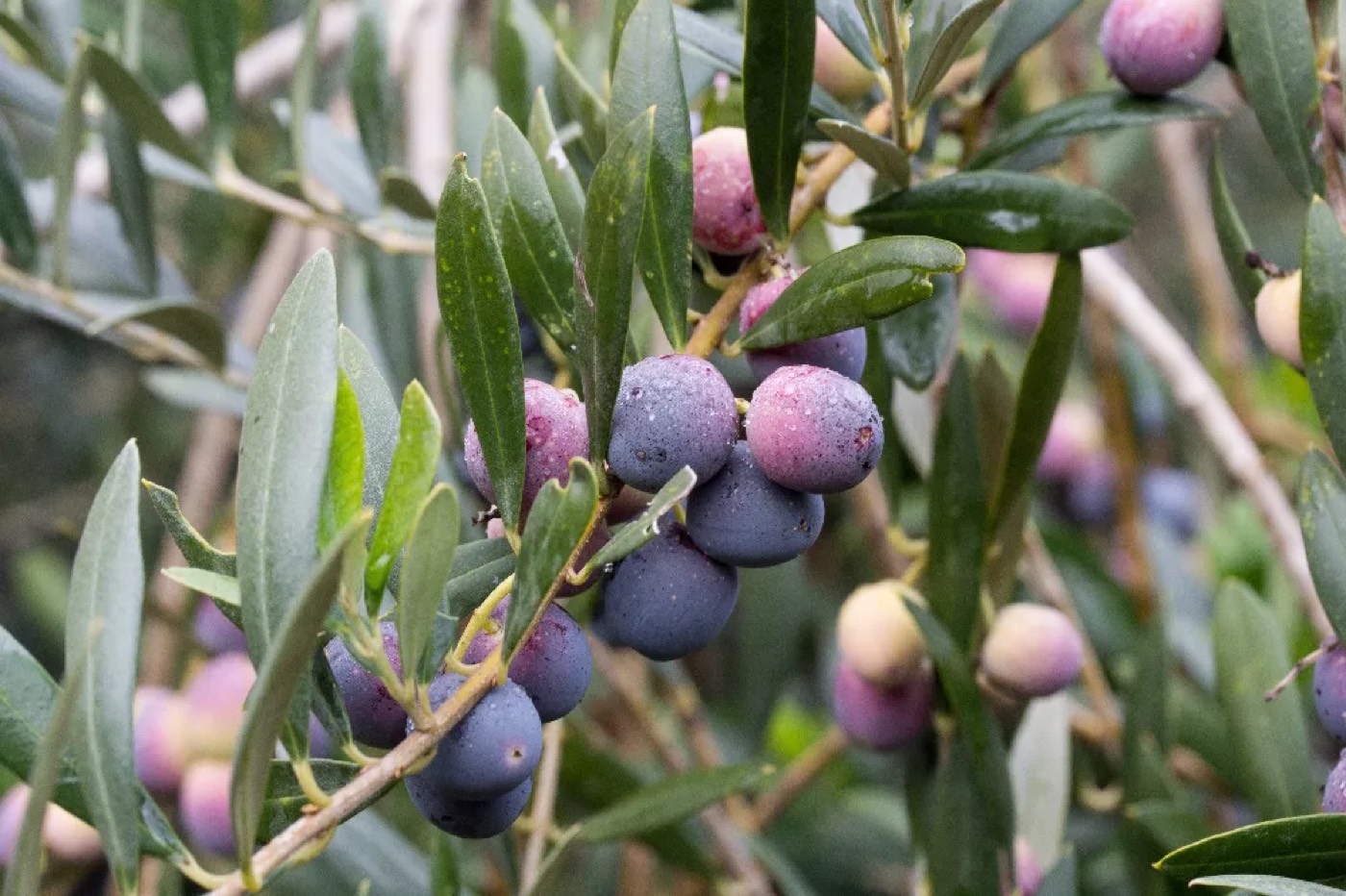 OlivesIn this year's order
Not in the current wholesale fruit tree program. Add it to your wishlist or a future wholesale preorder.
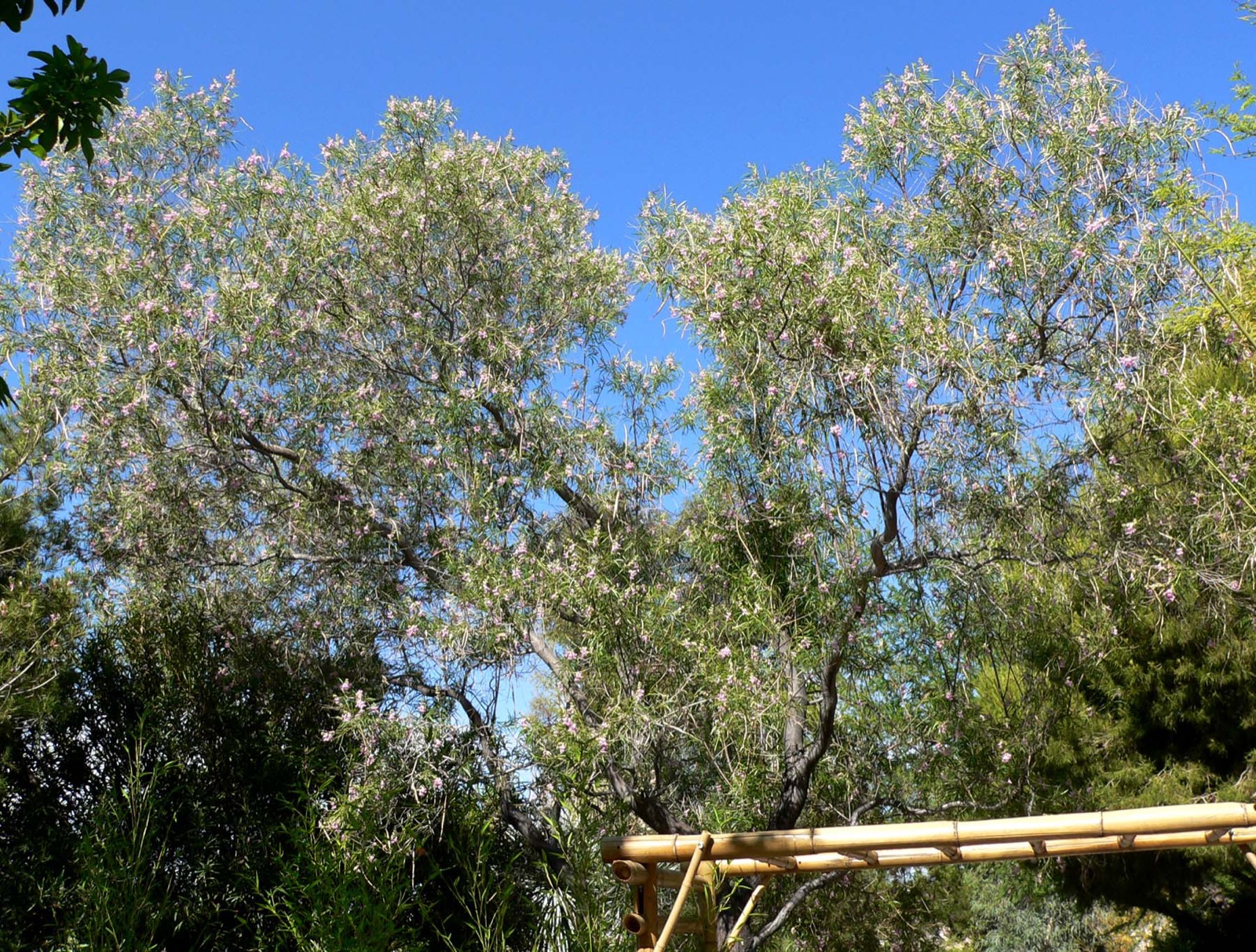 Desert willowChilopsis linearis
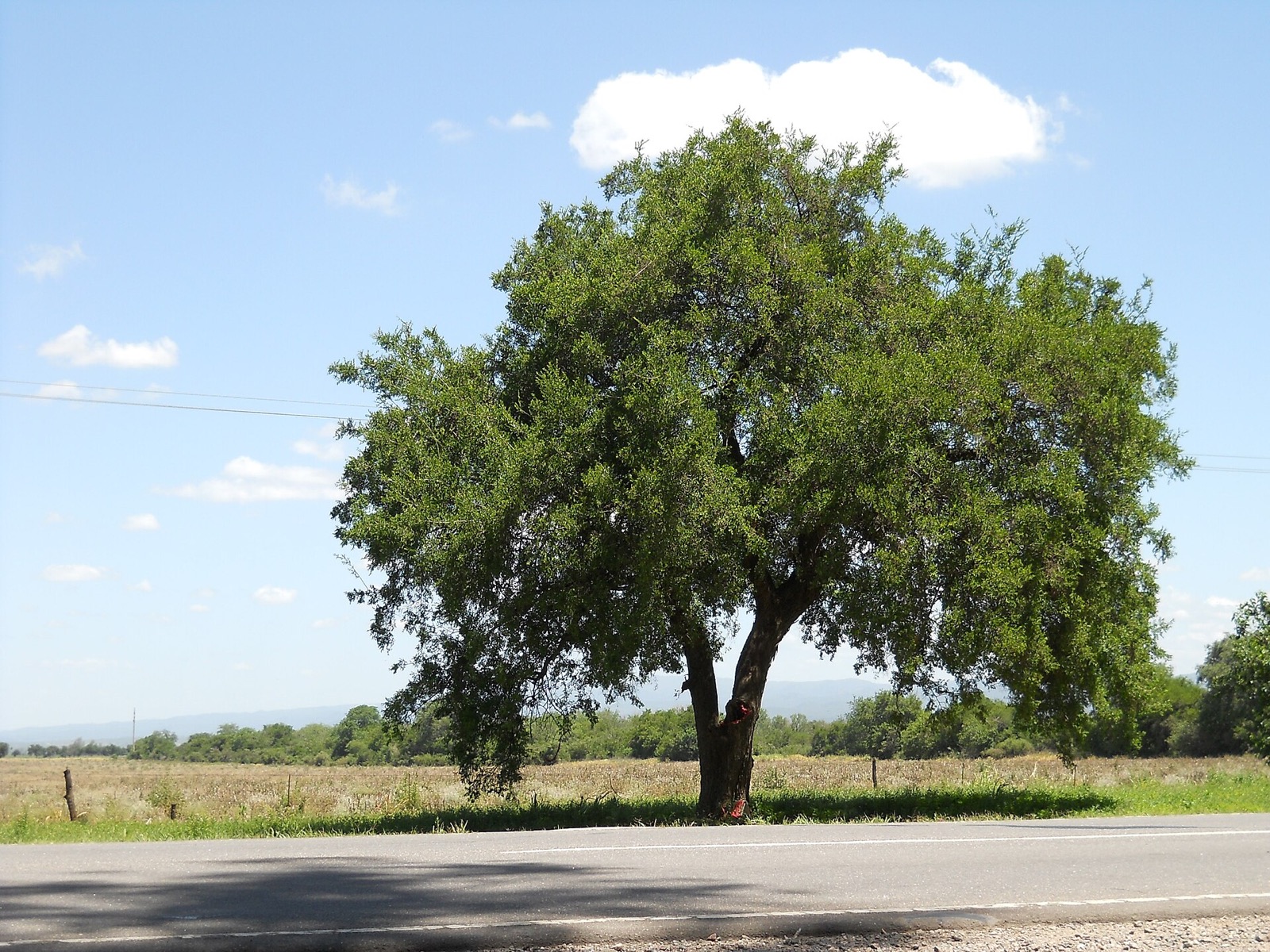 Desert hackberryCeltis pallida
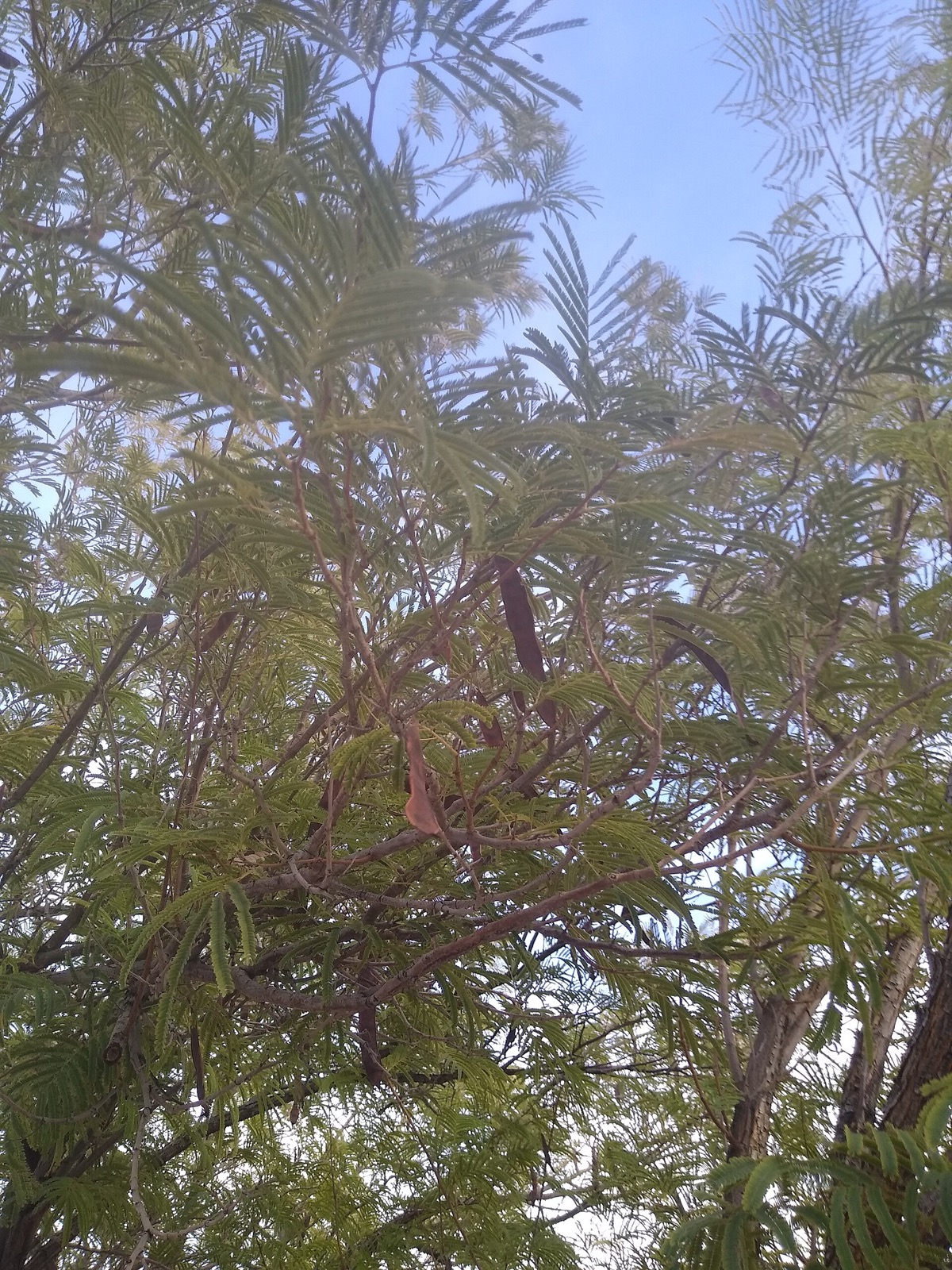 Desert fernLysiloma watsonii
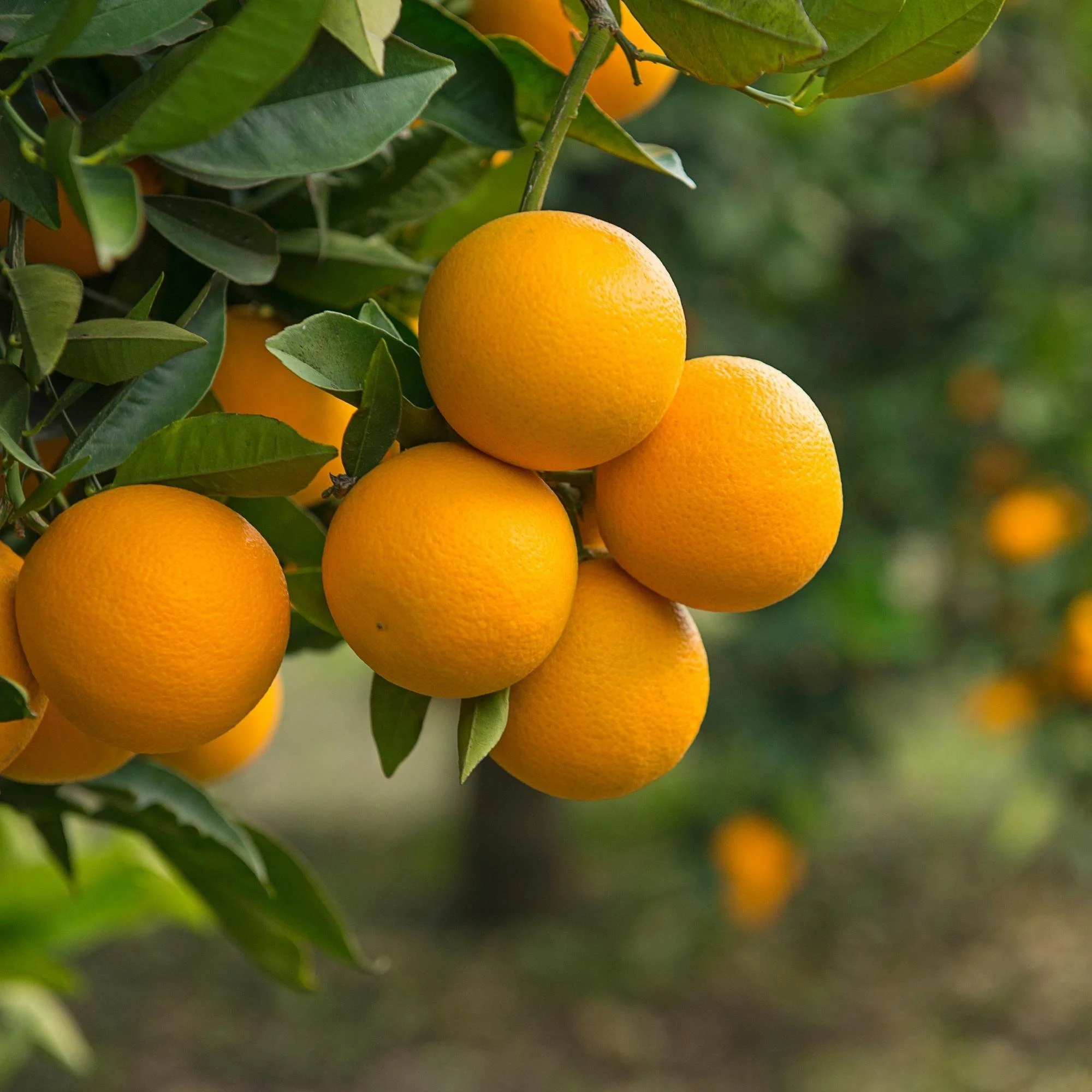 Diller Arizona sweet orangeCitrus sinensis ‘Diller’