
Figs · Dave Wilson Nursery
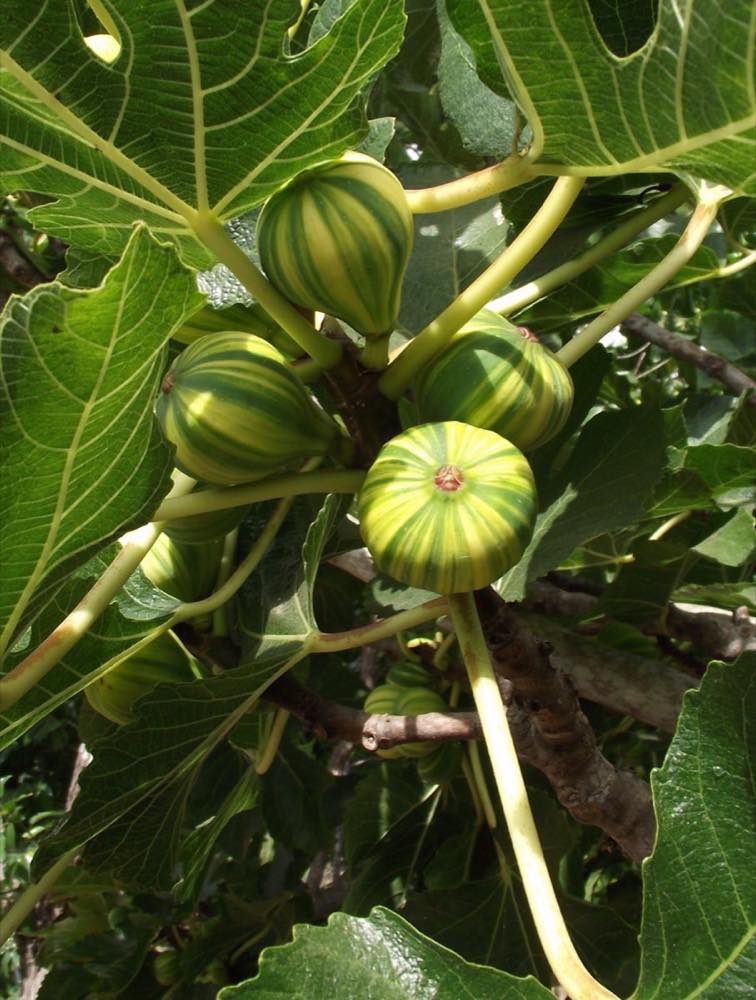
Panache (Tiger) Fig
A small to medium green fig with yellow tiger stripes and blood-red strawberry pulp, striking cut open. It needs a long warm season and ripens late, which the low desert gives it easily. Good for fresh eating and jam, and a showpiece for an edible landscape.
- Chill hours
- 100 hours
- Harvest
- Main crop August to October in the low desert (late ripener)
- Pollination
- Self-fruitful
- Mature size
- 10–20 ft unpruned; easy to hold at 8 ft with summer pruning
Which one
Every fig side by side
Same fruit, different seasons and different jobs. Pick the row that fits your ground and your calendar.
| A small to medium green fig with yellow tiger stripes and blood-red strawberry pulp, striking cut open. It needs a long warm season and ripens late, which the low desert gives it easily. Good for fresh eating and jam, and a showpiece for an edible landscape. | A large, juicy fig with sweet strawberry-red flesh on a tree that stays naturally compact, so it suits a small yard or a big pot. It loves low desert heat and needs no pollination. Prune after harvest, and wrap or mulch young trees when nights fall below about 27°F. | The classic dark fig, with purple-black skin, pink flesh and a rich flavor, and one of the two the University of Arizona recommends for the low desert. It gives a lighter early crop in June and a heavier one in late summer, and it dries and preserves better than most. Established trees want to stay above about 15°F, so this is a low desert fig. | A large brown-purple fig with pink flesh and a sweet, mild flavor that is best eaten fresh. With Mission it is the University of Arizona's pick for the low desert, giving a lighter early crop in June and a bigger one in late summer. Protect young trees from frost below about 27°F. | Small to medium purple-brown figs with pink flesh and a very sweet taste, ripening in two crops, one in early summer and one from late summer. The tight eye helps keep out beetles and monsoon moisture, which is a real plus in the low desert. It takes pruning to any shape and is widely adapted. | The cold-tough fig. Its mahogany-purple fruit sets on new growth, so if a freeze kills the top it regrows from the base and still crops, which makes it the fig to try in Prescott, Payson and the Verde Valley as well as the low desert. Fruit comes late with little or no early crop, so a cool year can beat it to the first frost. | Light green-yellow skin and pink flesh, a little less sweet than Kadota but good at resisting spoilage, so it works fresh or dried. The tight eye keeps beetles and monsoon moisture out, and the University of Arizona lists it as a heat-tolerant choice. A long-lived, vigorous low desert fig that crops in coastal and inland places alike. | Light green skin, strawberry pulp and rich flavor, and the one to pick for a big early (breba) crop. The later crop is lighter in hot places, and heavy winter pruning cuts off the early fruit, so prune lightly after harvest. Hardier than most figs, so it fits mid elevation sites too, though a hard freeze can take that early crop. | Medium yellow fruit with amber pulp and a sweet, rich flavor, bred to resist splitting even when watering or weather is uneven. A good all-purpose fig for fresh eating or drying, and a dependable low desert tree that crops in the heat. Wrap young trees if nights drop below about 27°F. | A medium, long-necked fig with violet stripes, white-amber flesh and light strawberry pulp, with a rich flavor. It resists splitting and crops heavily, which helps when summer watering and monsoon moisture swing. A good low desert fig for fresh eating. | Small to medium green-yellow figs, also called Verte, with strawberry-red pulp and fine flavor. It is a natural semi-dwarf with a tight eye, both the early crop and the summer crop are heavy, and birds tend to ignore the green fruit. A good fig for small low desert yards and big containers. | A large, sweet, light green-yellow Kadota-type fig with practically no seeds, so it eats smooth. It wants real summer heat to ripen, which the low desert supplies, and the harvest stretches over several weeks. Good fresh or dried, and it takes pruning well. | Large, light green-yellow figs with amber flesh and a very sweet taste, long a desert favorite and one the University of Arizona lists for the low desert. It needs hot weather to ripen properly and the tight eye guards against beetles and monsoon moisture. Good fresh, dried or canned, on a long-lived, vigorous tree. | Greenish-yellow figs with sweet honey-amber pulp, also sold as Italian Honey. It gives a good early crop and a good late summer crop on a compact tree that suits containers and small spaces. Frost hardy once established, so it is a reliable low desert pick. | A large fig with purplish-brown skin, amber pulp and a pleasing flavor, a favorite in cool coastal gardens that also does well inland. In the low desert it crops reliably in summer heat and takes pruning to any size. Wrap young trees if nights fall below about 27°F. | Shiny greenish-yellow figs with very sweet, dark amber flesh, which many growers rank among the best for eating fresh. It handles cold better than most figs, so it is one to try in a warm, sunny, sheltered spot at mid elevation as well as in the low desert. Expect mostly one main crop rather than an early breba crop. | An extra-large purple fig with very sweet amber flesh and an everbearing habit, so fruit keeps coming through the warm season. Hardier than most figs, so it is worth trying at mid elevation in a warm spot as well as in the low desert. Wrap young trees against hard frost. | Medium to very large mahogany-purple figs with bright amber pulp and excellent flavor, good fresh, dried or in preserves. It gives a decent early crop and then a heavy summer crop that runs to frost. If a freeze kills it back it resprouts from the base and still fruits, so it suits mid elevation as well as the low desert. | An old greenish-yellow fig with amber flesh and a distinctive flavor, a favorite in cool coastal gardens that also does well inland. In low desert sun the pale skin can scald in peak summer, so a spot with afternoon shade helps. Self-fruitful, and it takes pruning to any shape. | |
|---|---|---|---|---|---|---|---|---|---|---|---|---|---|---|---|---|---|---|---|
| Harvest | Main crop August to October in the low desert (late ripener) | Main crop late July to October in the low desert | Breba in June, main crop late July to October in the low desert | Breba in June, main crop late July to October in the low desert | Breba in June, main crop late July to October in the low desert | Main crop August to October in the low desert; later at elevation | Main crop late July to October in the low desert | Big breba crop late May to June in the low desert; lighter main crop | Main crop late July to October in the low desert | Main crop late July to October in the low desert | Breba in June, main crop late July to October in the low desert | Main crop late July to October in the low desert | Main crop late July to October in the low desert | Breba in June, main crop late July to October in the low desert | Main crop late July to October in the low desert | Main crop August to October in the low desert; later at elevation | Main crop late July to October in the low desert | Breba in June, main crop late July to October in the low desert | Main crop late July to October in the low desert |
| Chill hours | 100 hours | 100 hours | 100 hours | 100 hours | 100 hours | 100 hours | 100 hours | 100 hours | Under 100 hours | 100 hours | 100 hours | 100 hours | 100 hours | 100 hours | 100 hours | Under 100 hours | Under 100 hours | 100 hours | 100 hours |
| Pollination | Self-fruitful | Self-fruitful | Self-fruitful | Self-fruitful | Self-fruitful | Self-fruitful | Self-fruitful | Self-fruitful | Self-fruitful | Self-fruitful | Self-fruitful | Self-fruitful | Self-fruitful | Self-fruitful | Self-fruitful | Self-fruitful | Self-fruitful | Self-fruitful | Self-fruitful |
| Mature size | 10–20 ft unpruned; easy to hold at 8 ft with summer pruning | 10–15 ft unpruned; naturally compact, easy to hold at 6–8 ft | 20–30 ft unpruned; easy to hold at 8–10 ft with summer pruning | 15–30 ft unpruned; easy to hold at 8–10 ft with summer pruning | 10–20 ft unpruned; easy to hold at 8 ft with summer pruning | 10–15 ft unpruned; easy to hold at 6–8 ft, or freezes back and regrows | 20–25 ft unpruned (vigorous); easy to hold at 8–10 ft | 15–25 ft unpruned; easy to hold at 8–10 ft with light pruning | 15–25 ft unpruned; easy to hold at 8–10 ft with summer pruning | 15–25 ft unpruned; easy to hold at 8–10 ft with summer pruning | 8–12 ft unpruned (natural semi-dwarf); easy to hold at 6–8 ft | 15–25 ft unpruned; easy to hold at 8–10 ft with summer pruning | 15–25 ft unpruned; easy to hold at 8–10 ft with summer pruning | 8–12 ft unpruned (natural semi-dwarf); easy to hold at 6 ft or in a pot | 15–25 ft unpruned; easy to hold at 8–10 ft with summer pruning | 15–20 ft unpruned; easy to hold at 8 ft with summer pruning | 15–25 ft unpruned; easy to hold at 8–10 ft with summer pruning | 12–20 ft unpruned; easy to hold at 8 ft with summer pruning | 15–25 ft unpruned; easy to hold at 8–10 ft with summer pruning |
| From | $21 | $22 | $21 | $21 | $28 | $21 | $21 | $21 | $22 | $21 | $28 | $21 | $21 | $21 | $21 | $22 | $22 | $21 | $21 |
Where this tree sits
Figs sit in the understory & shrubs layer.
Understory & shrubs
Woody plants at head height and below — figs, pomegranates, currants, berries. They fill the gap between trunk and ground.
Other options in the understory & shrubs layer
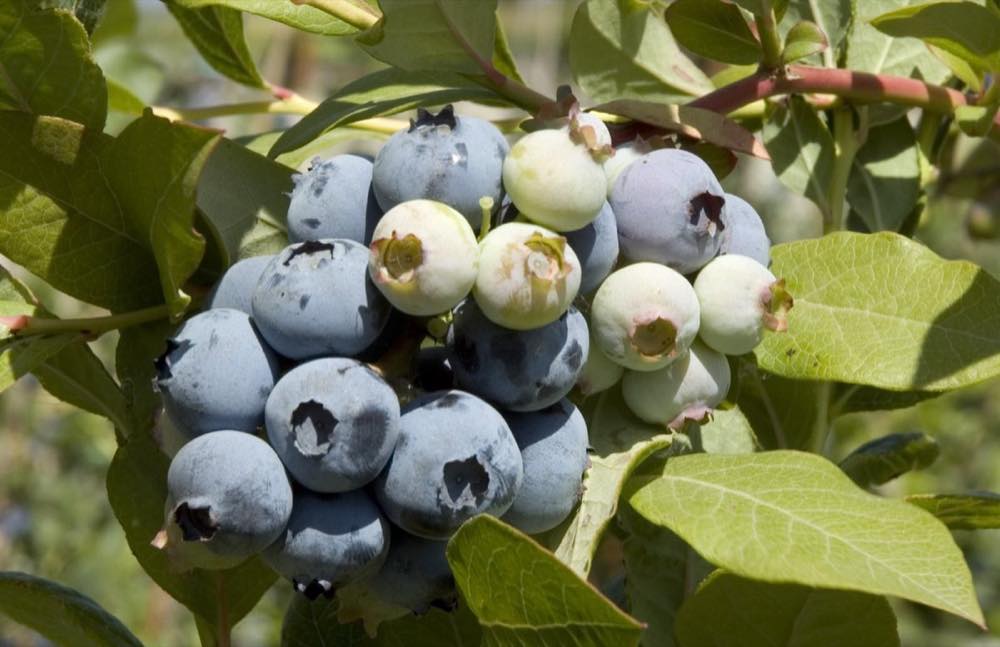 BlueberriesIn this year's order
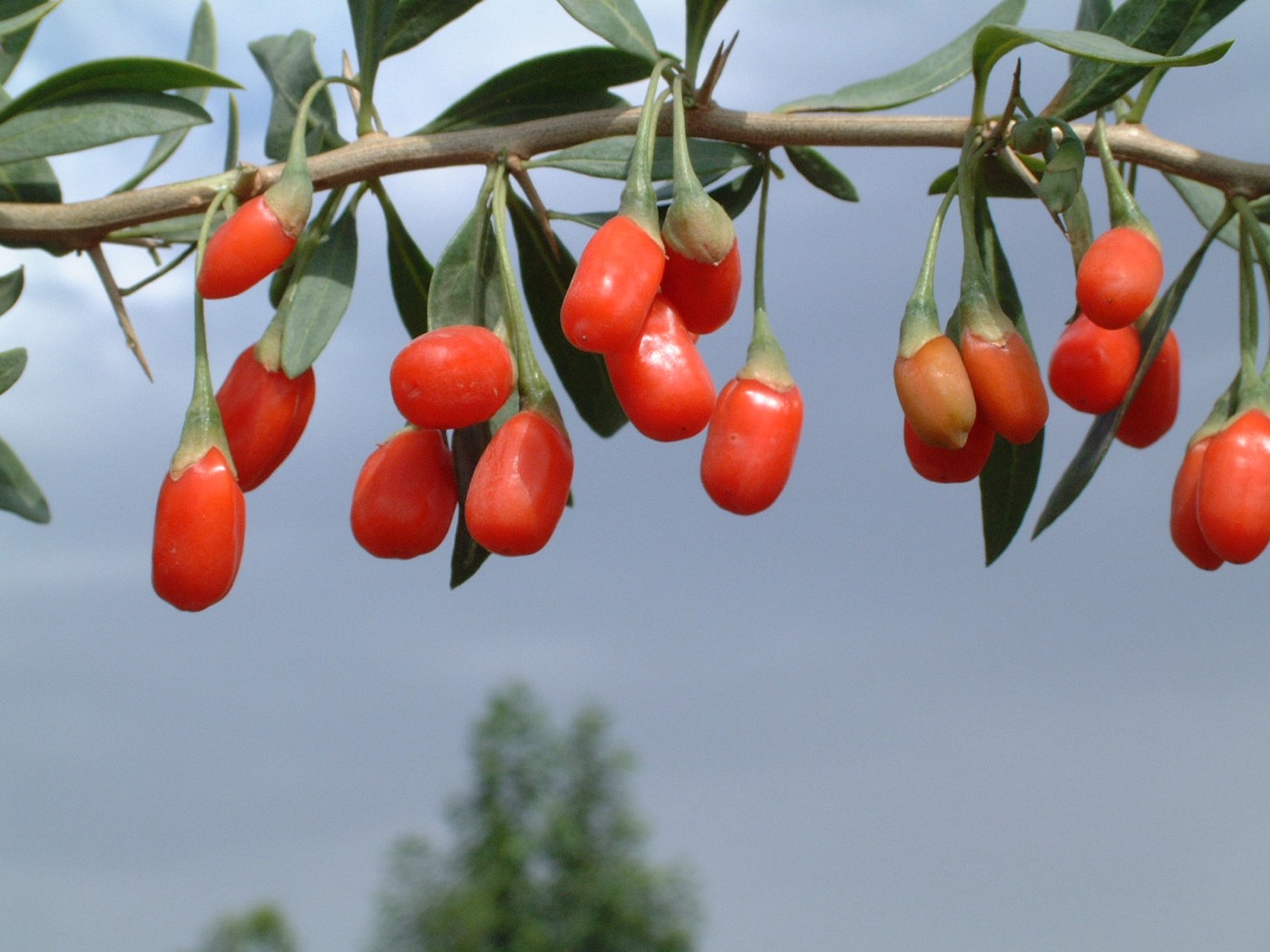 GojiIn this year's order
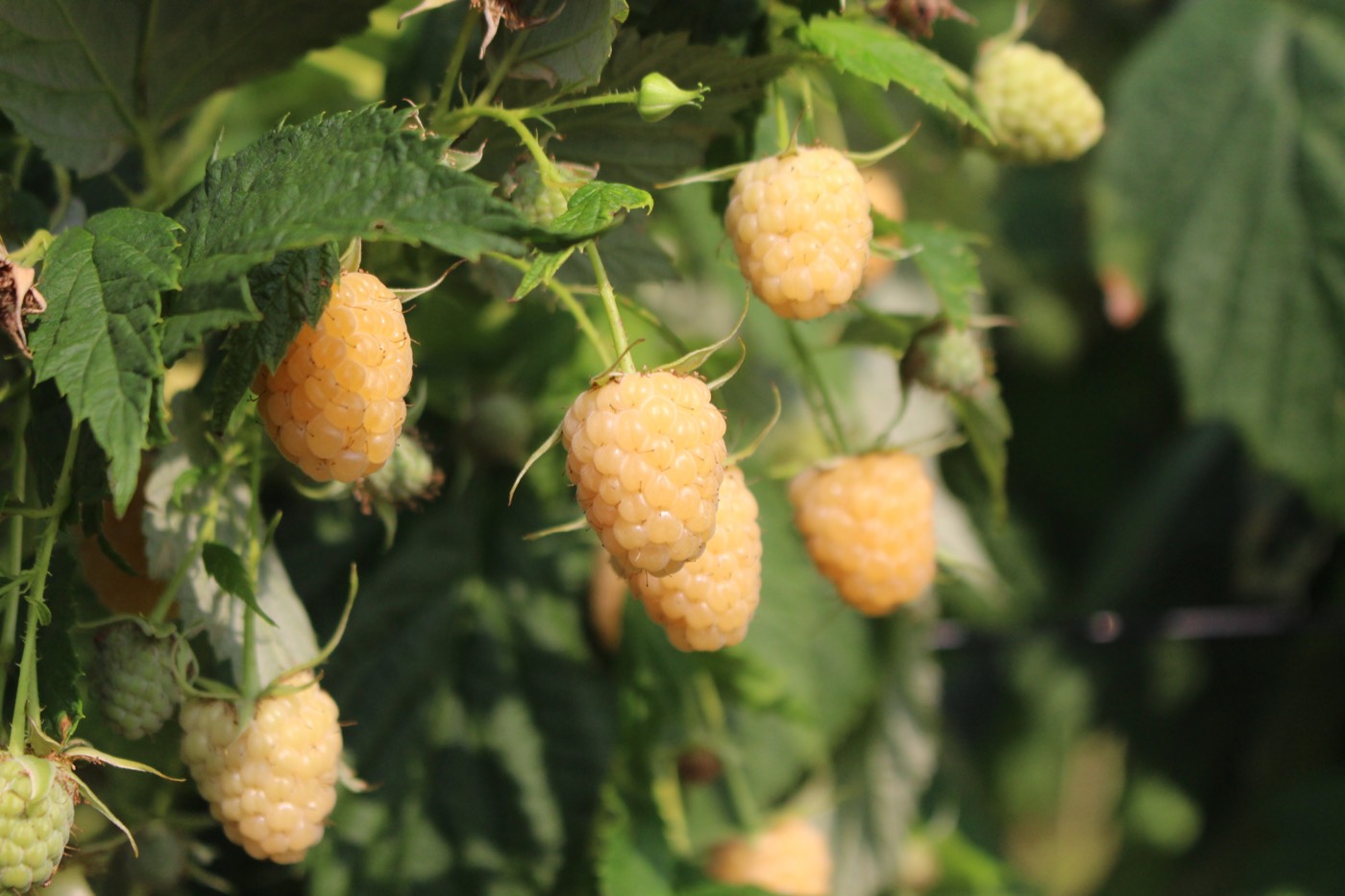 Cane berriesIn this year's order
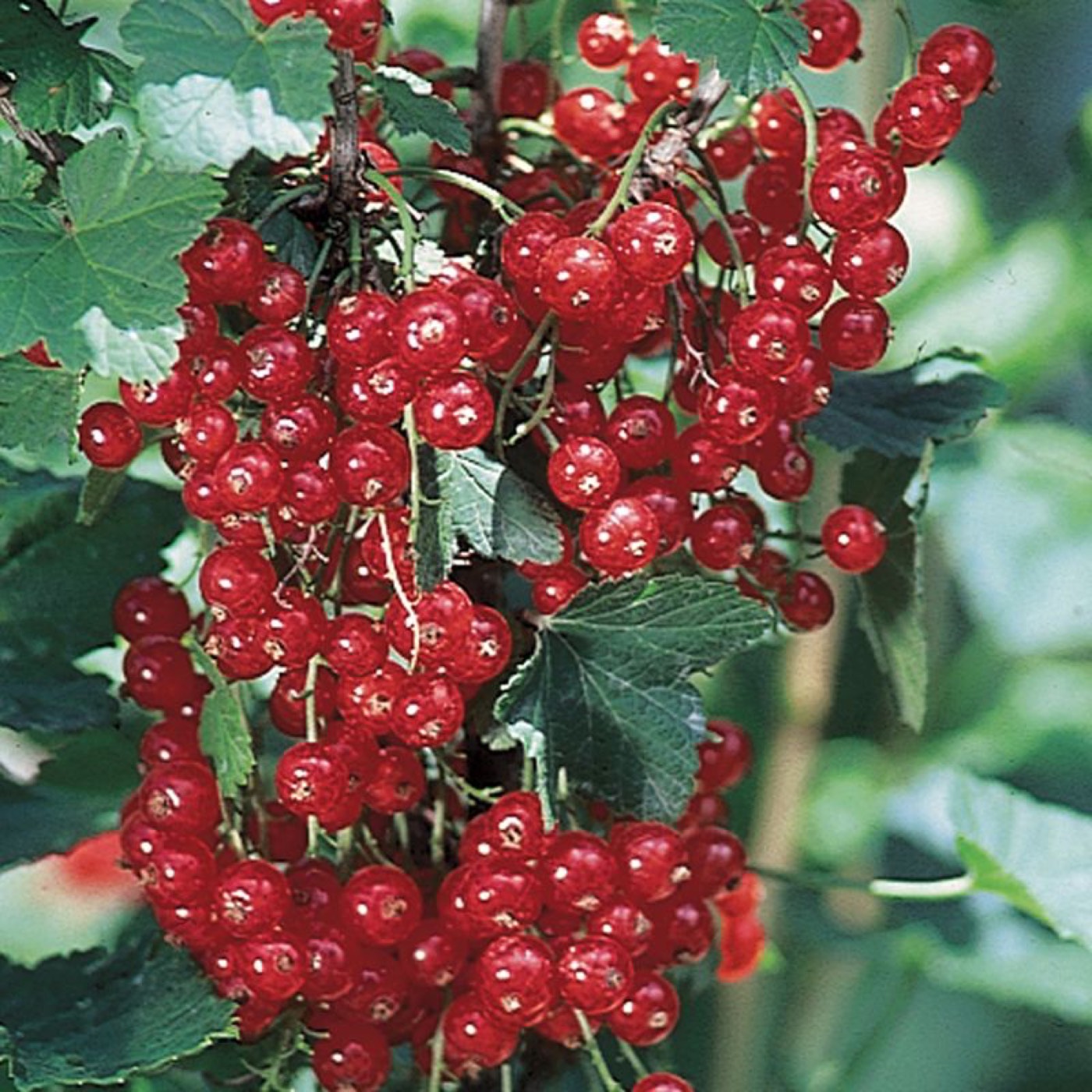 Currants & gooseberriesIn this year's order
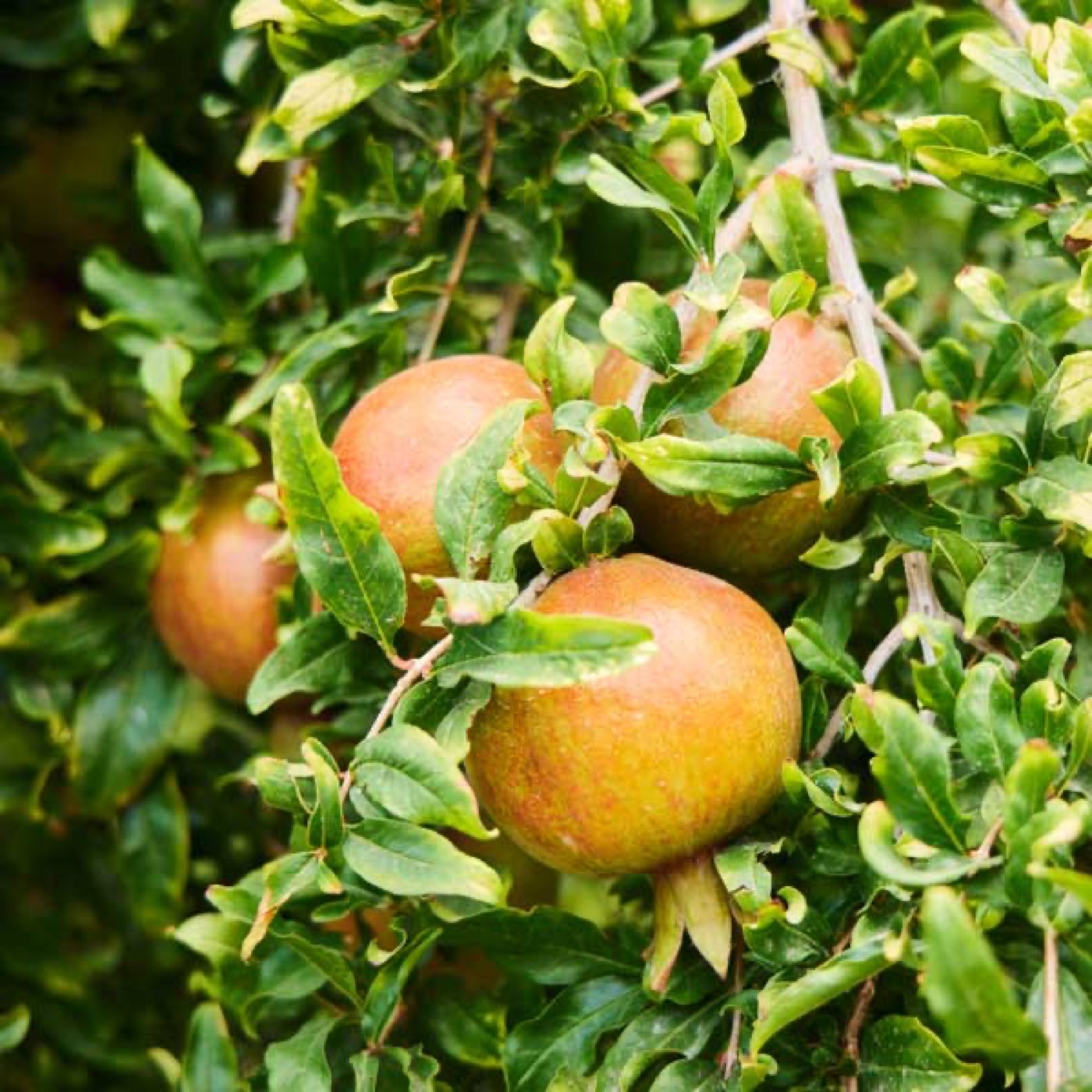 PomegranatesIn this year's order
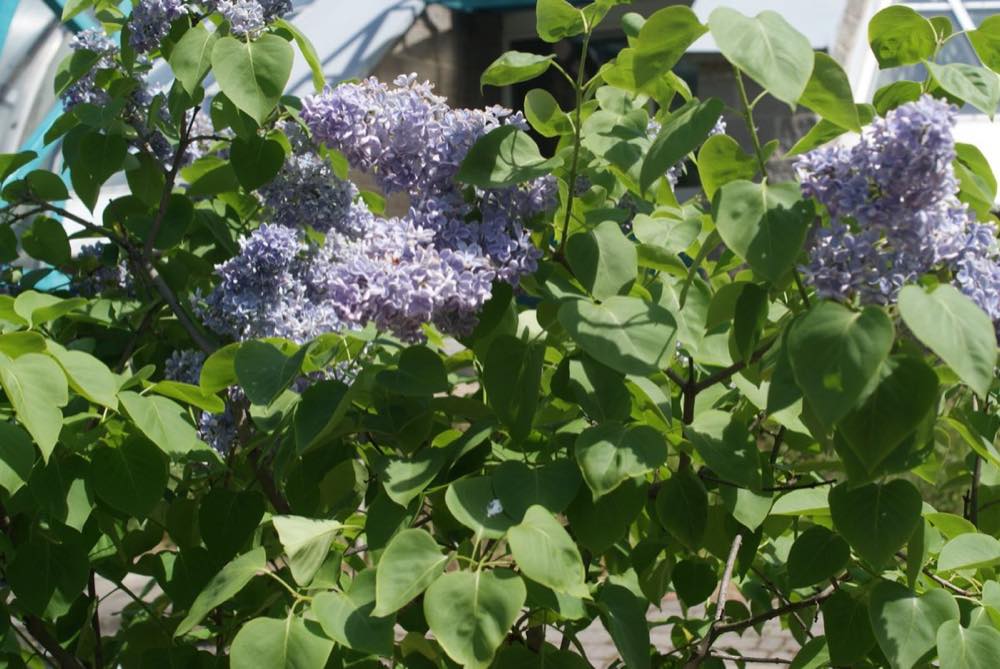 Flowering shrubsIn this year's order
Not in the current wholesale fruit tree program. Add it to your wishlist or a future wholesale preorder.
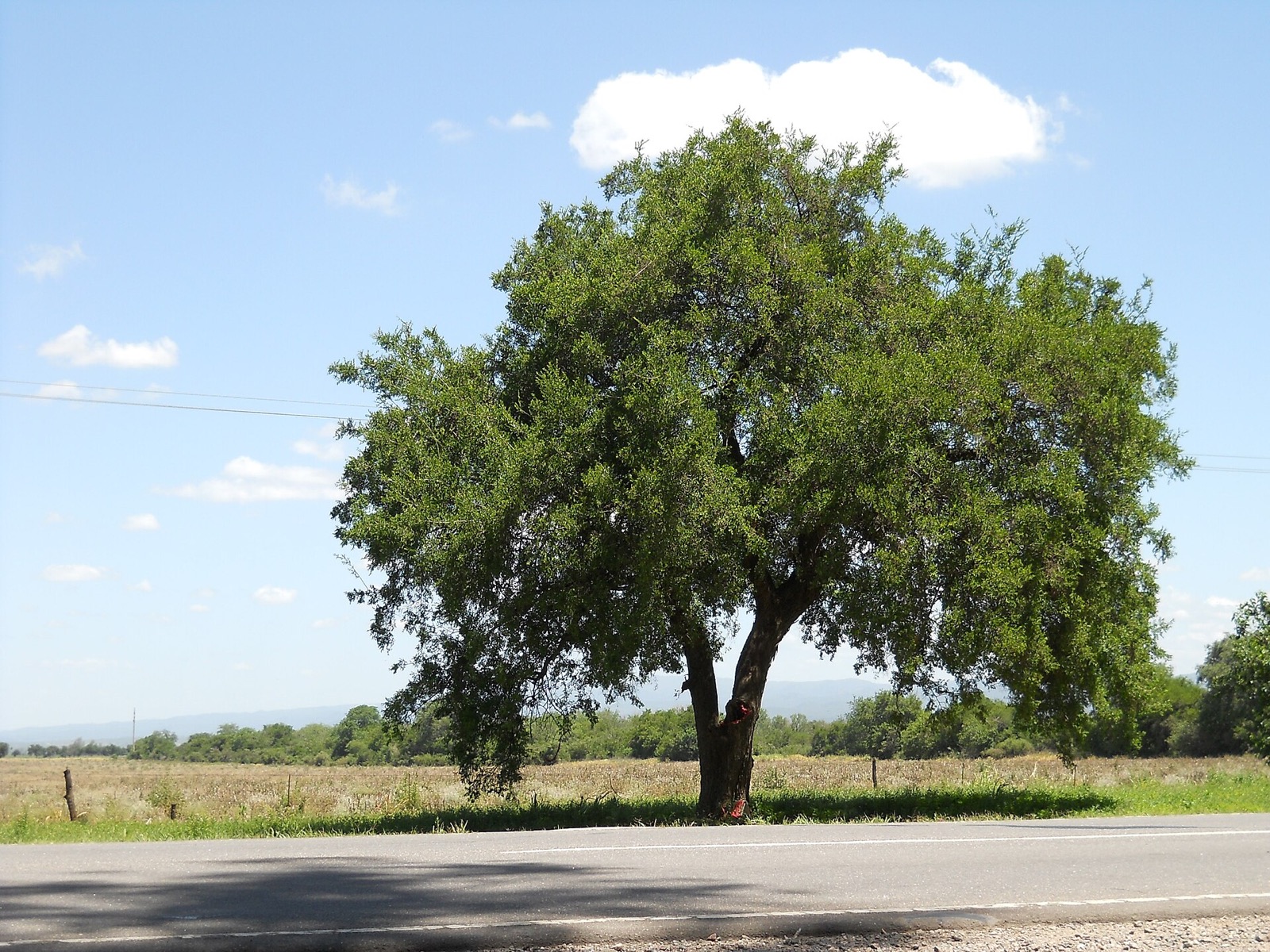 Desert hackberryCeltis pallida
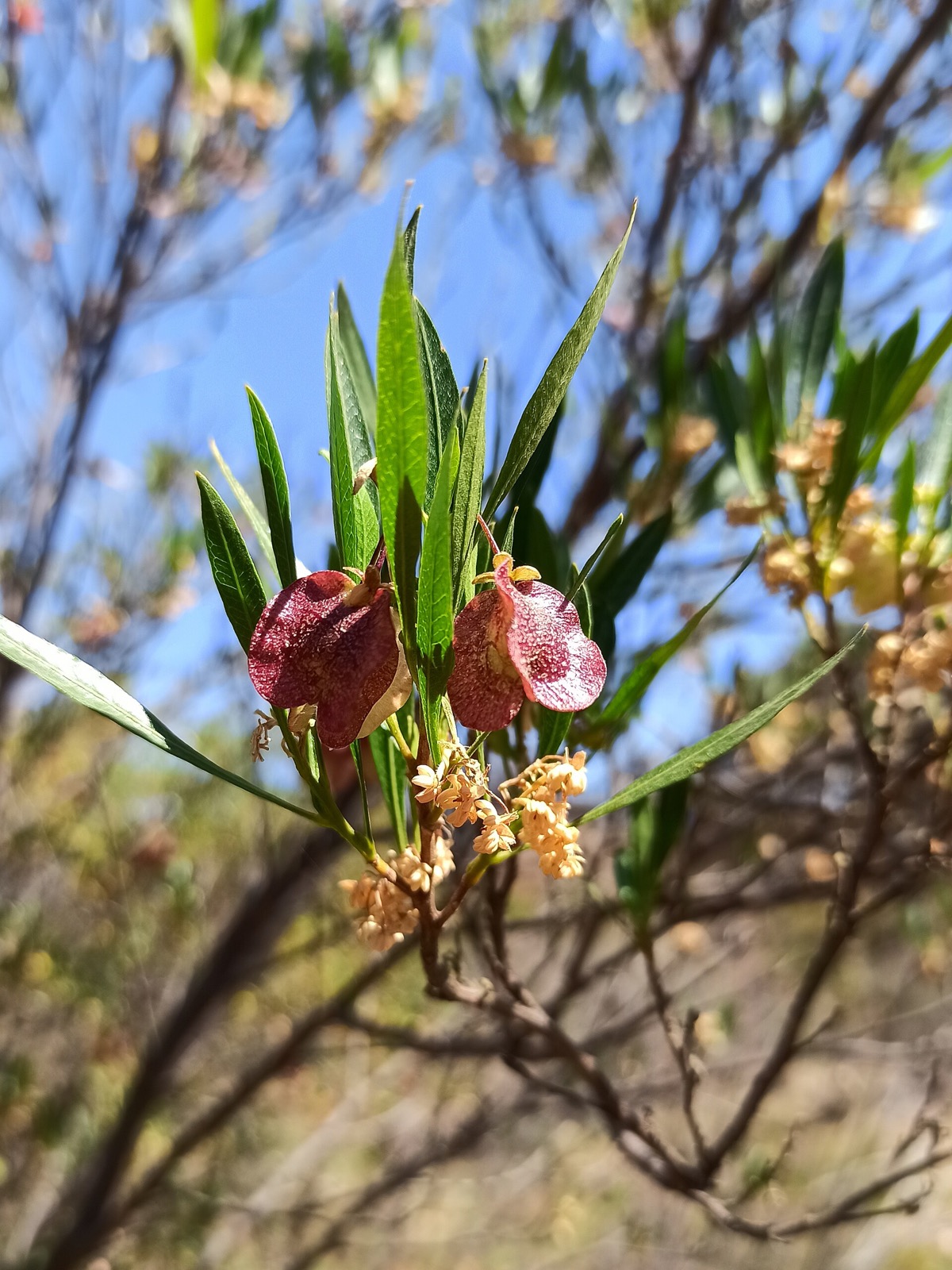 Green hopseed bushDodonaea viscosa
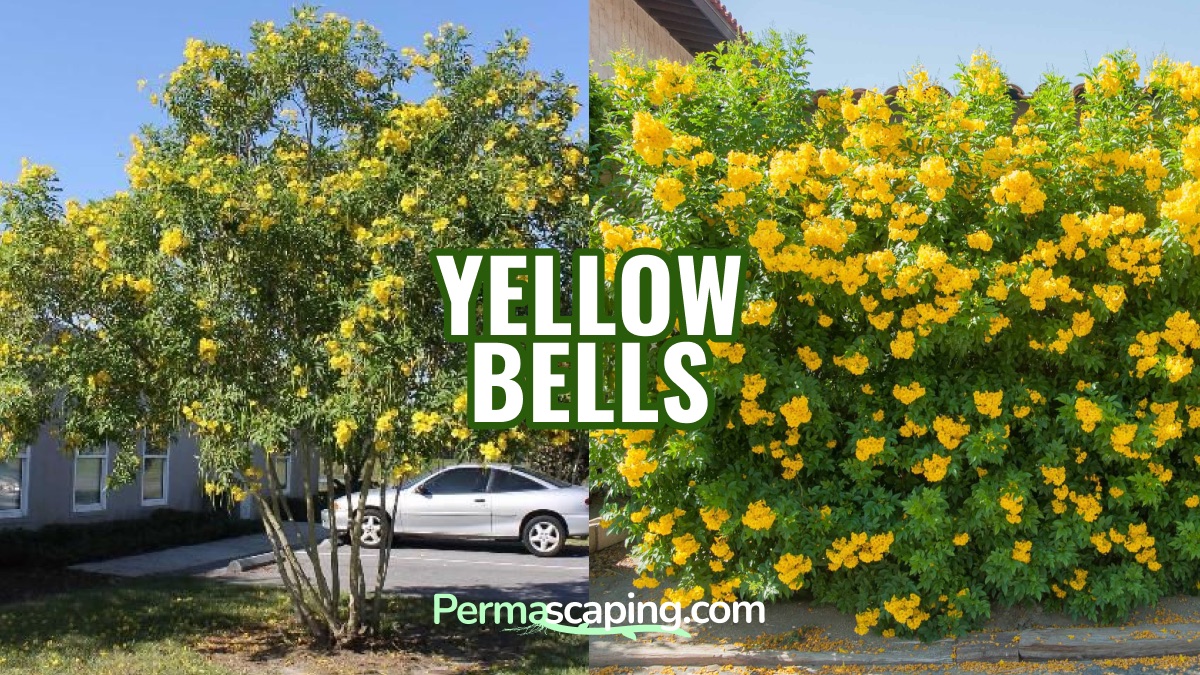 Yellow bellsTecoma stans var. angustata
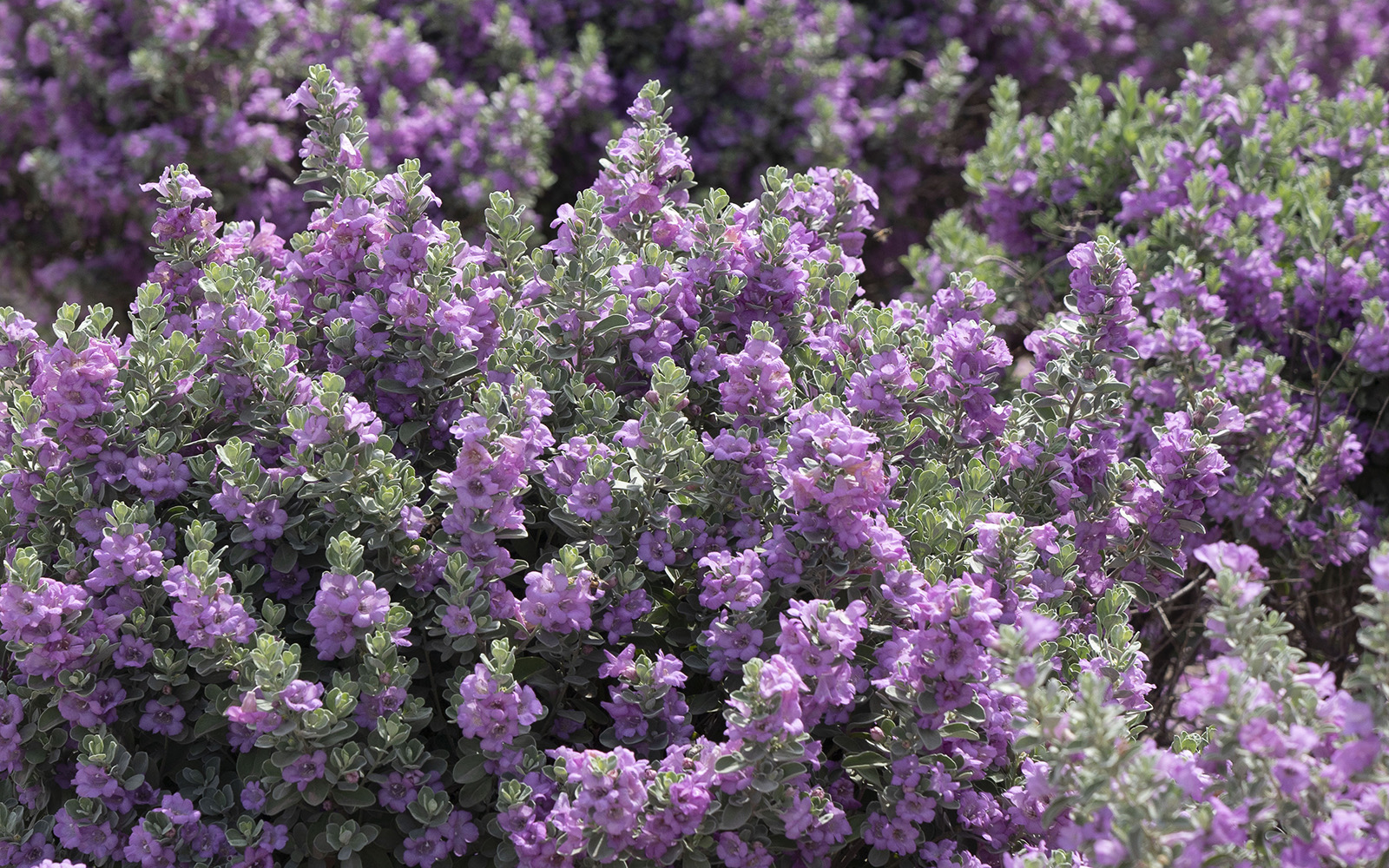 Texas sageLeucophyllum frutescens
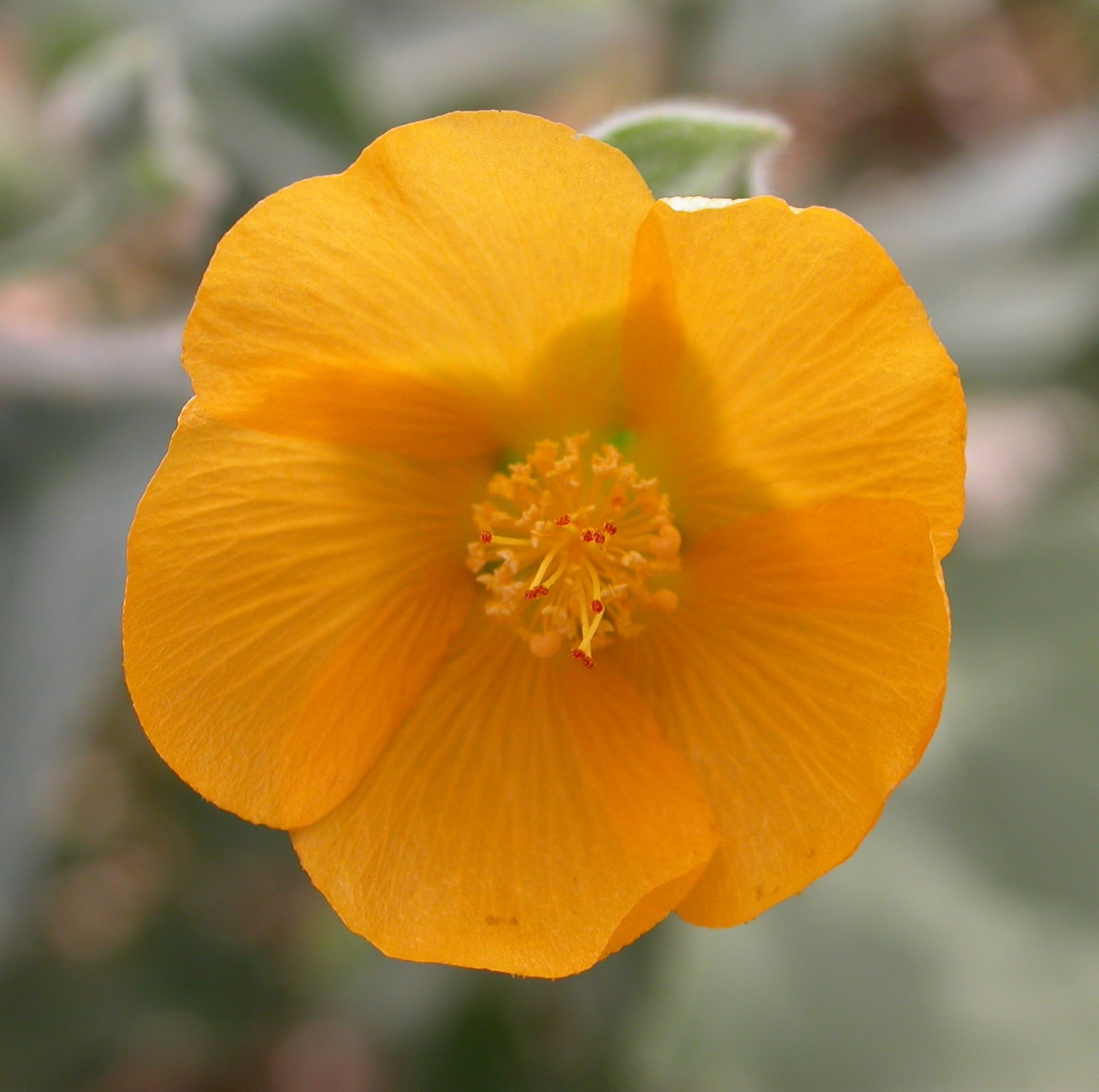 Palmer’s Indian mallowAbutilon palmeri
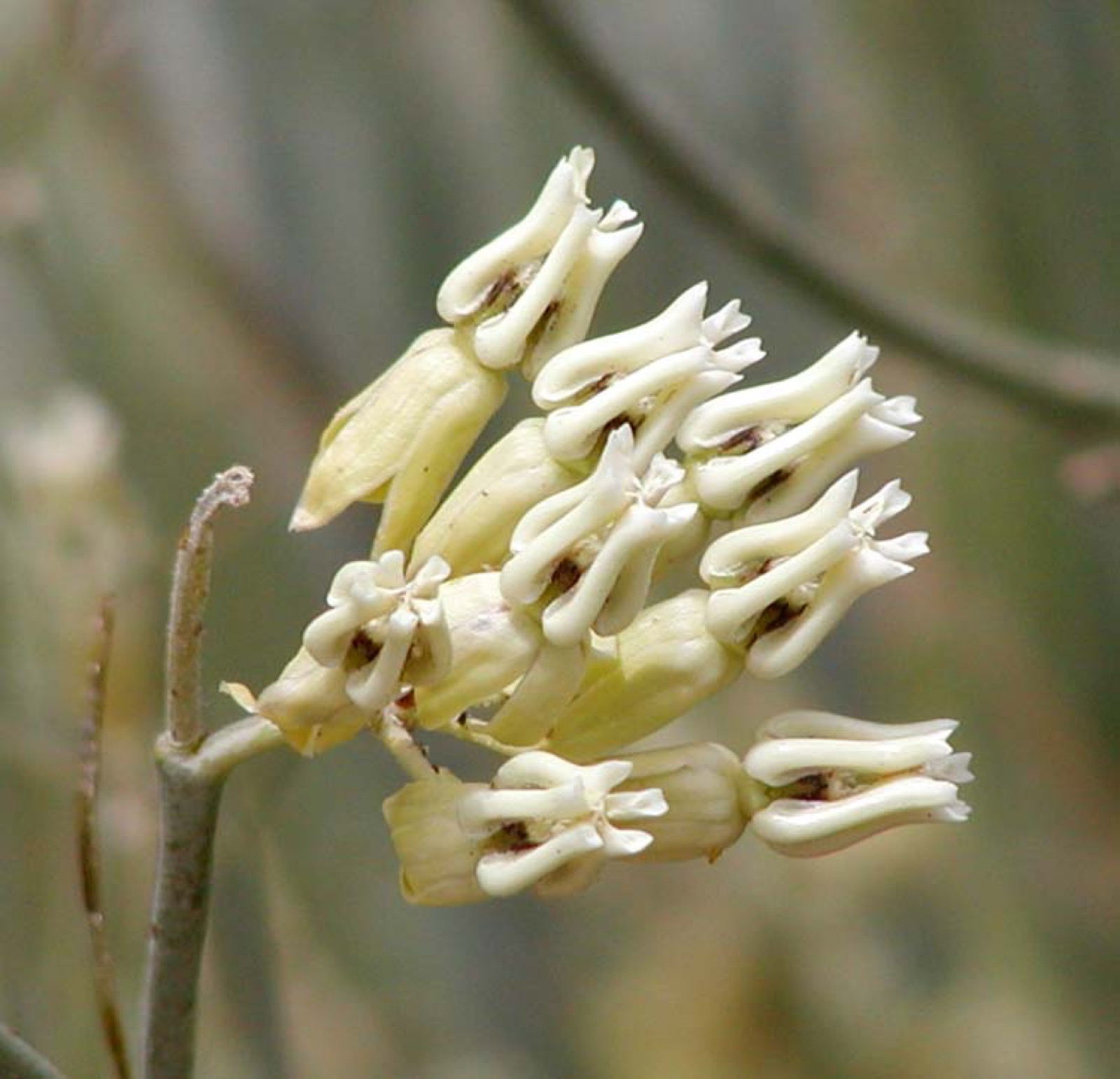 Desert milkweedAsclepias subulata
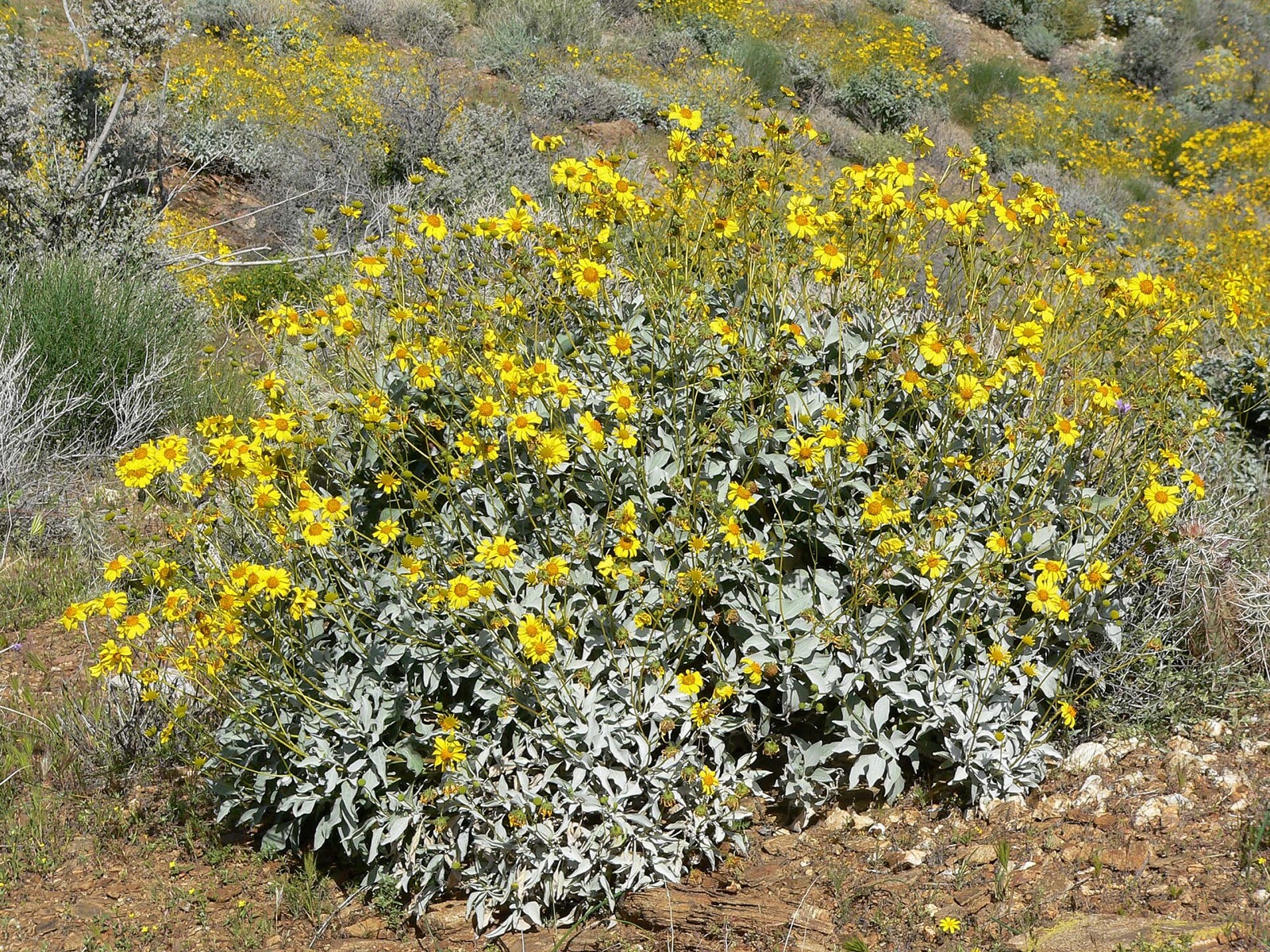 BrittlebushEncelia farinosa
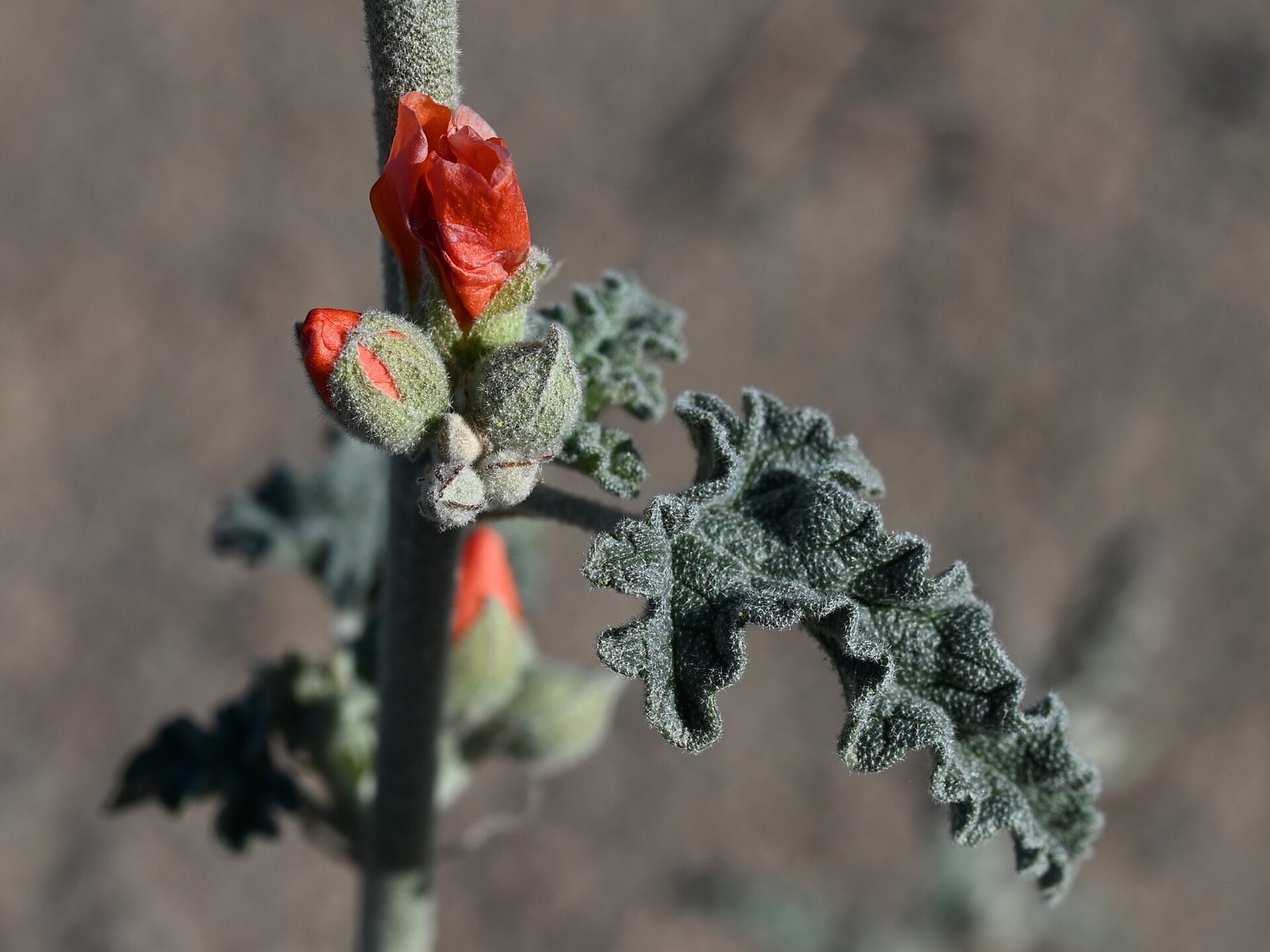 Globe mallowSphaeralcea ambigua
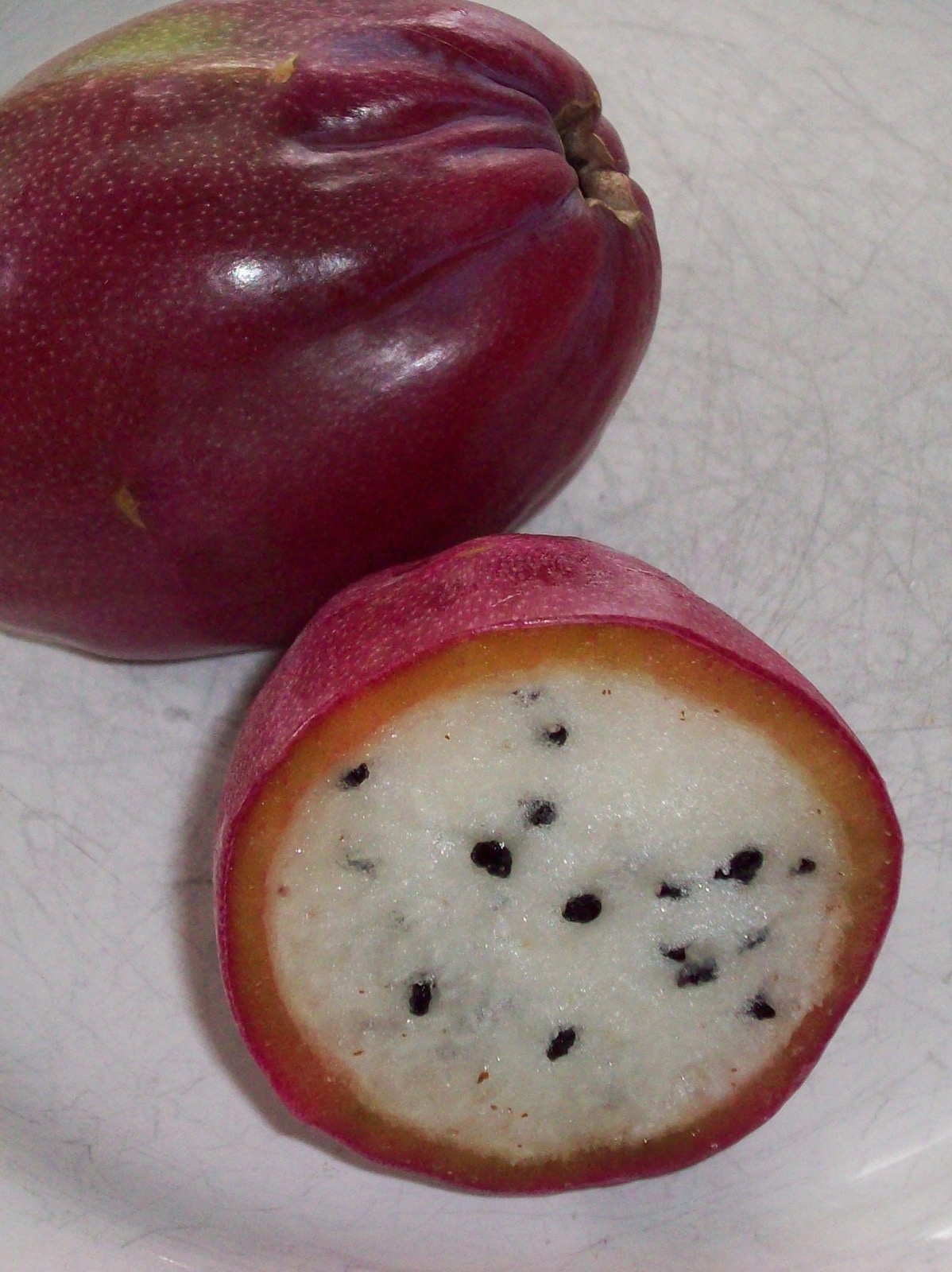 Peruvian apple cactusCereus repandus
 BlackberriesRubus spp. (blackberry cultivars)