
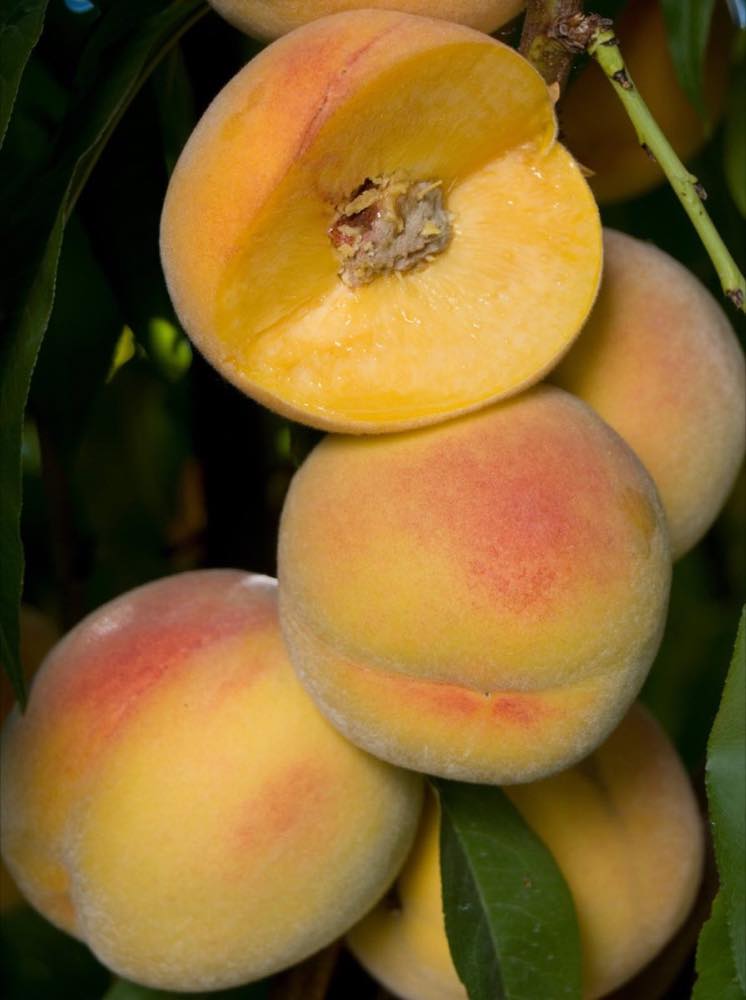
Peaches · Dave Wilson Nursery
Saturn Peach
A long-time Southern California favorite with big dark pink double blossoms in late winter, followed by large, juicy, sweet yellow freestone fruit. It needs only 250–300 chill hours, so it suits the Phoenix area. Plant it where you can enjoy the flowers, and thin the fruit for size.
- Chill hours
- 250–300 hours
- Harvest
- Mid to late June in the low desert
- Pollination
- Self-fruitful
- Mature size
- 8–14 ft unpruned on Citation; easy to hold at 8 ft with summer pruning
Which one
Every peache side by side
Same fruit, different seasons and different jobs. Pick the row that fits your ground and your calendar.
| A long-time Southern California favorite with big dark pink double blossoms in late winter, followed by large, juicy, sweet yellow freestone fruit. It needs only 250–300 chill hours, so it suits the Phoenix area. Plant it where you can enjoy the flowers, and thin the fruit for size. | A big, red-blushed yellow freestone with mild, low-acid flesh that ripens just after Elberta. It needs about 800 chill hours, so it suits mid elevation yards and is far too high-chill for the Phoenix area. Plant it where cold air drains away, because a hard spring freeze is what usually costs a crop at these elevations. | A large white peach with red over cream skin, firm flesh and a sweet, fine, slightly tangy flavor. It needs about 700 chill hours, so it fits mid elevation orchards and is too high-chill for Phoenix. On Citation rootstock the tree stays smaller, which makes thinning and picking easier. | A large white-fleshed peach, red over cream, with a sweet, slightly tangy flavor and firm texture that has won taste tests. It needs around 700 chill hours, so it belongs at mid elevation and not in the low desert. The fruit is nearly freestone when fully ripe, so let it soften a little on the tree before picking. | A large, sweet, aromatic yellow freestone and one of the better all-round peaches for Phoenix yards. It needs under 300 chill hours, so it sets fruit in most winters, and it ripens a few weeks after the May peaches for a second wave of fruit. Thin early for size and paint the trunk white to prevent sunburn. | A classic white-fleshed freestone with sweet, juicy, aromatic, low-acid fruit. At 250–300 chill hours it is dependable in the Phoenix area, and it does not bloom as early as many low-chill peaches. On Citation rootstock it makes a smaller tree that is easy to net and pick. | A long-time favorite white freestone, sweet and juicy with a low-acid, old-fashioned peach aroma. It needs only 250–300 chill hours and blooms later than many low-chill peaches, so it crops reliably around Phoenix. It is not a good fit at mid elevation, where it still blooms early enough to meet frost. | An old favorite with small, golden, intensely flavored freestone fruit, ripening about a week ahead of Elberta. It needs around 800 chill hours, so it is a mid elevation tree and not for the low desert. The fruit is small by nature, so judge it on flavor rather than size. | A reliable old white peach from the 1870s with a red blush and firm freestone flesh tinged red. It is very bud hardy, which counts for something in a spring cold snap. It needs 800–850 chill hours, so it is a mid elevation tree and not for the low desert. | A genetic dwarf peach that stays about 5 to 6 feet tall yet carries full-size, sweet, mild yellow freestone fruit. It needs 250 chill hours or less and ripens in May, ahead of the worst heat, so it suits Phoenix patios and small yards. It grows well in a large pot, and it still needs fruit thinning to keep branches from bowing. | A medium to large yellow freestone with a red blush and a sweet, slightly tart, full flavor that does well in inland Southern California. Rated under 400 chill hours, it should crop in most Phoenix winters. It ripens later than the May peaches, so keep it well watered and the trunk painted white as the fruit finishes in early summer heat. | A vigorous, late-blooming yellow freestone from Ontario with firm fruit that is almost fully red. It is about as cold hardy as Redhaven and wants around 1,000 chill hours, so it suits mid elevation and the high country, not the low desert. Late bloom helps it dodge the spring frost that is the main risk up high. | A very late yellow freestone with large red-skinned fruit and a long wait, ripening from late September into October. It suits the warmer end of mid elevation, such as Verde Valley and Sierra Vista, where fall stays frost-free late. At about 500 chill hours it blooms early, so a spring freeze can cost the crop, and in the low desert that chill figure is marginal. | A proven yellow freestone for cold country, with firm, sweet, aromatic fruit and flesh that resists browning. The buds tolerate frost better than most because it blooms late, which is why it is a favorite from Prescott up into the high country. It needs about 800 chill hours, so skip it in the low desert. | A late yellow freestone with a bright red blush, firm juicy flesh and a red tint at the pit. It is on the University of Arizona's list for backyard fruit at 3,500 to 6,000 feet and holds up well for canning or freezing. It needs about 850 chill hours, so it is a mid elevation tree and not for the low desert. | One of the first peaches you can pick in Phoenix, usually ripening in mid May before the heat builds. It is a yellow clingstone, so the flesh holds to the pit, but it is sweet and well flavored for such an early fruit. It bears heavily, so thin it, and skip it at mid elevation, where its early bloom meets frost. | A flat, doughnut-shaped white peach, sweet and mild with a hint of almond. It needs only 200–300 chill hours, so it does well in the Phoenix area and ripens before the worst heat. The fruit is tender, so pick it when it gives slightly and handle it gently. | A flowering and fruiting peach with showy double pink blossoms in late winter, followed by large yellow freestone fruit. It needs 300–400 chill hours, the upper end for Phoenix, so it does best in normal to cool winters. It blooms later than most low-chill peaches but ripens early, which is handy in the desert. | A medium-sized yellow semi-freestone from the Gulf Coast of Texas that ripens in early to mid May, well ahead of the heat. It needs about 300 chill hours and has a long record in Arizona, so it is a safe choice for Phoenix. The fruit is not huge, so thin it to get decent size. | A very early yellow freestone with a nice balance of sugar and acid, ripening before the heat arrives. It is rated 500 hours or less (one source says 450), which is more than Phoenix gets in many winters, so it fits best in cooler low-desert spots such as lower Tucson, and bloom can be thin in a mild winter. At mid elevation its early bloom is a frost risk. | A full-flavored, juicy yellow semi-freestone bred for mild winters that ripens early, in late May to mid June in the low desert. At 300–350 chill hours it is near the top of what Phoenix reliably gets, so it suits normal to cool winters best. It blooms very early, so keep it out of the mountains. | The classic yellow freestone, with rich old-fashioned peach flavor that is good fresh, canned or frozen. It needs about 600 chill hours, so it belongs at mid elevation and is too much chill for the low desert. Thin it hard each year so the branches can carry the load. | A genetic dwarf peach, about 5 to 6 feet tall, that bears richly flavored yellow freestone fruit of good size. Its 400-hour ceiling is the top of what Phoenix gets, so place it where winter nights cool off well. It grows happily in a large pot. | A large, firm yellow freestone with bright red at the pit, long a favorite for the fresh market. It needs 700–800 chill hours, so it is for mid elevation yards and not Phoenix. Nemaguard rootstock are less cold hardy than Lovell, so this one suits Verde Valley, Globe or Sierra Vista better than Prescott or Payson. | A fine-flavored yellow freestone with a very low chill need and a red marbling through the flesh. It ripens through May in the low desert and is a heavy producer, so thinning is the main job. It is a dependable first peach for a Phoenix yard and sets fruit on its own. | A very large yellow freestone with excellent flavor that ripens very late, in mid September in central California. It fits the warmer end of mid elevation, where chill is plentiful and fall stays frost-free late. At 400–500 hours it blooms early, so a spring freeze can cost the crop, and in the low desert the chill is marginal and fruit would finish in summer heat. | A popular yellow freestone, juicy and moderately sweet, that ripens right alongside Elberta. It needs about 700 chill hours, so it suits mid elevation yards and not the low desert. It is a good canning and freezing peach, and it needs thinning so the limbs can carry the load. | An exceptionally early peach from Florida that has a long record in the low desert, with flavorful yellow semi-cling fruit in late April and early May. It needs only about 150 chill hours, and it handles desert heat better than Desert Gold, with larger fruit. It blooms very early, so it is not for mid elevation. | A genetic dwarf white peach with small to medium fruit, white skin lightly blushed red and sweet white flesh. At 500 hours or less it gets enough chill at mid elevation, and growing it in a pot lets you wheel it into shelter on frost nights at bloom. In the low desert that chill figure is marginal, and a dwarf rated 400 or under, such as Snow Babe, is the surer bet there. | A large yellow freestone with the fine dessert quality of its parent J.H. Hale, ripening about a week before Fay Elberta. It needs around 700 chill hours, so it fits mid elevation and not Phoenix. Unlike J.H. Hale, it sets fruit on its own, so you do not need a second tree. | A heavy-bearing yellow freestone that stayed clean of peach leaf curl through ten years of Washington State trials, which is a real help in cool, damp springs. It needs about 700 chill hours and does well from mid elevation up into the high country. It is good fresh or canned, and it needs thinning for size. | A flat, saucer-shaped white peach, larger than the Donut peach at about 6 ounces, with sweet, flavorful flesh. Published chill runs from 450 to 600 hours, so it fits mid elevation, where a late freeze on the early bloom is the risk. In the low desert that chill is marginal, and the Donut peach is the safer flat peach there. | A genetic dwarf with sweet, mild, low-acid yellow freestone fruit that ripens a week after Elberta. At 500 hours or less it gets enough chill at mid elevation, and a pot lets you move it under cover on frost nights during bloom. In the low desert that chill is marginal, so Eldorado or Pix Zee are the safer dwarfs there. | A large, red-skinned white freestone, sweet and aromatic and very close to Babcock in flavor. At 500 chill hours it fits mid elevation, and its Babcock family is not among the very earliest bloomers, though a hard freeze can still cost a crop. In the low desert it needs more winter than Phoenix reliably gives, so plain Babcock is the safer white peach there. | An earlier strain of Elberta, sold as Improved or Lemon Elberta, that ripens about ten days ahead of it. It is a big yellow freestone with classic peach flavor and needs about 800 chill hours, so it belongs at mid elevation. A late spring freeze is the main thing that can cost the crop. | A very flavorful early yellow semi-freestone that ripens a few weeks ahead of Redhaven and scores well in taste tests. It is not an early bloomer, which matters where late frosts are a worry. At 550 chill hours it suits mid elevation, and it is too much chill for most of the low desert. | A medium to large yellow freestone, juicy, sweet and low in acid, that is both winter and frost hardy. It ripens about two weeks before Elberta, which suits shorter summers. At 900 chill hours it fits mid elevation and the lower high country, not the low desert. | A red-skinned, medium yellow freestone with sweet flavor and flesh that does not brown, from the same Canadian breeding as Canadian Harmony. It ripens a few days after Redhaven, early enough for short mountain summers. It needs about 800 chill hours, so it is a mid elevation and high country tree, not a Phoenix one. | A heavy-bearing genetic dwarf only about 5 feet tall, with sweet yellow freestone fruit and a rich peach flavor. It needs 400 chill hours or less, so it can crop in a normal Phoenix winter, and it works well in a pot. It is only partly self-fruitful, so plant a second peach nearby if you want steady crops. | An old red-skinned, red-fleshed clingstone with rich flavor, grown mostly for canning, jam and cooking. It blooms late and sets heavy crops, a good trait in frost country. It needs about 800 chill hours and ripens late, so give it a spot with a long frost-free summer at mid elevation. | A taste-test winner with large, crimson-and-cream freestone fruit that is tart until fully ripe, then richly aromatic, and it resists peach leaf curl. It is on the University of Arizona's list for backyard fruit at 3,500 to 6,000 feet, but its pollen is sterile, so plant a second peach nearby. At 700 chill hours it is not for Phoenix. | An old variety with very large, firm yellow freestone fruit and a superb flavor that has kept it in orchards for a century. It will not set fruit alone, so plant another peach that blooms at the same time. It needs about 800 chill hours, so it suits mid elevation and not the low desert. | A large yellow freestone with a red blush and very good flavor, from a Texas breeding program built for warm winters. At 450 chill hours it fits the warmer end of mid elevation, where a spring freeze on the early bloom is the main risk. It may also work in the cooler corners of the low desert, but 450 hours is more than Phoenix gets in many winters. | An early strain of Elberta, also sold as Early Elberta, with juicy, sweet yellow freestone fruit and a record of reliable heavy crops. At 400–500 chill hours it suits the warmer end of mid elevation, where a late freeze on the blossoms is the main risk. It is marginal for chill in the low desert. | A large, firm, red-skinned yellow freestone that ripens a week or so before Redhaven, so it is one of the earlier peaches for mid elevation. It needs about 600 chill hours and has frost-hardy blossoms, which helps in spring cold snaps. It is too much chill for Phoenix. | A late-summer yellow peach known for steady heavy crops, large fruit and a true peach flavor with good sugar-to-acid balance. Low-chill trials put it under 500 hours, so it suits the warmer end of mid elevation, though it comes on Nemaguard rootstock only, which are less cold hardy than Lovell. Chill is marginal in the low desert. | A large, firm yellow freestone with a classic peach flavor that has won taste tests. It ripens in mid to late July in central California, so expect early to mid August at mid elevation. At about 750 chill hours it belongs at mid elevation, not in Phoenix. | A very early, large yellow semi-freestone with a sweet, tangy flavor that ripens in May alongside Desert Gold. It needs only 150–200 chill hours and has big, showy pink blossoms in late winter. At that chill level it blooms far too early for mountain frosts, so it is a low desert tree. | Often called the best yellow freestone for warm-winter areas, and a good second wave after the May peaches. It needs about 250 chill hours and ripens in late May and June in the low desert, ahead of the worst heat. A solid Phoenix tree for fresh eating. | A large, dense-fleshed yellow freestone with a rich, sweet flavor that is outstanding dried. The skin is a plain greenish yellow, so judge it by taste rather than looks. It blooms late to very late and resists peach leaf curl, both useful at mid elevation, and at 600–700 chill hours it is not for Phoenix. | One of the finest white-fleshed peaches, a medium to large freestone with dark pink blush, sweet flavor and strong aroma. It ripens about three weeks before Elberta and needs around 800 chill hours, so it suits mid elevation yards and not the low desert. Lovell rootstock give it the cold hardiness mid elevation winters ask for. | A popular fresh-market yellow freestone, large and firm with a rich flavor, and a good choice for a home planting. It needs about 750 chill hours, so it is a mid elevation peach and not for Phoenix. Thin it well for size, and let the fruit ripen on the tree for the best flavor. | A late, medium-sized yellow clingstone, streaked red inside, with a classic midseason peach flavor, firm skin and a heavy crop. It ripens from late September into October, so it only works where fall frost holds off, such as the warmer end of mid elevation like Verde Valley or Sierra Vista. At 750 chill hours it is too high for the low desert. | A flat, saucer-shaped peach with light pink skin and white and pink flesh that is crisp and sweet. At 400–500 chill hours it suits the warmer end of mid elevation, with early bloom as the main frost risk, and it comes on Nemaguard rootstock only, which are less cold hardy than Lovell. In the low desert the chill is marginal and ripening lands in peak heat. | A genetic dwarf peach, about 5 to 6 feet tall, with large, firm yellow freestone fruit that ripens in June elsewhere and a few weeks earlier in the low desert. It needs 400 chill hours or less, so it can crop in a normal Phoenix winter. It does well in a big pot. | One of the hardiest peaches, bred in Iowa and good to about -20°F, with sweet, medium-sized white-fleshed fruit and crimson-blushed skin. It wants around 1,000 chill hours, so it belongs in the mountains and not in Phoenix. A good choice for Flagstaff and Show Low, where winter cold is the main question. | A very winter-hardy white peach from Iowa, good to about -20°F, with sweet, medium-sized fruit and crimson-blushed skin. It needs around 1,000 chill hours, so it fits mid elevation and the high country, not the low desert. It is one of the better white peaches for Flagstaff and Show Low. | A medium to large peach with orange and dark red skin over yellow flesh marbled with red, a sweet, juicy flavor and a hint of cinnamon. It is a dependable cropper that needs 600–800 chill hours, so it fits mid elevation and not Phoenix. Ripening time is not firmly known, so watch the fruit rather than the calendar. | A white-fleshed semi-freestone that is sweet and juicy like Babcock, with a bit more tang. It blooms very late, which is the big prize at mid elevation, and it resists peach leaf curl. It needs 700–800 chill hours, so it is not for the low desert. | One of the best late-blooming, frost-hardy peaches for cold climates, a medium, full-flavored yellow freestone that ripens about a week after Redhaven. It wants about 900 chill hours and does best from mid elevation up into the high country. A good bet wherever spring frost is the problem. | Showy double red blossoms in late winter, then large, juicy, firm yellow freestone peaches, so it earns its place as both a landscape and a fruit tree. It needs about 250–300 chill hours and has a long record in the low desert. It blooms too early for mountain frosts, so keep it at Phoenix-type elevations. | One of the most widely planted peaches in the world, a sweet, fine-grained yellow freestone on the University of Arizona's list for backyard orchards at 3,500 to 6,000 feet. It needs about 800 chill hours and heavy thinning for good size. Plant it at mid elevation, and in the high country choose later bloomers like Contender or Reliance. | A very cold-hardy, late-blooming yellow freestone with sweet, flavorful fruit, and the standard choice where winters and spring frosts are hard. It ripens a few weeks before Elberta, so a short mountain season is enough. At 1,000 chill hours it is right for Flagstaff, Show Low and Prescott, and far too much for the low desert. | A large, red-skinned yellow freestone with sweet, rich flavor on a fairly compact tree, popular for freezing. It is on the University of Arizona's list for backyard orchards at 3,500 to 6,000 feet. At about 800 chill hours it is a mid elevation choice and not for Phoenix. | A large, red-blushed yellow freestone, a bud sport of the Ventura peach, that does well in mild-winter, hot-summer climates. Its chill need is estimated at about 300 hours, which fits the Phoenix area, and it ripens midseason, around mid to late June. There is little published Arizona data, so treat the chill figure as an estimate. | A very early, medium-sized flat white peach with red-swirled flesh, and fruit that looks ornamental hanging on the tree. At 400 chill hours it sits at the top of what Phoenix gets, so it does best in normal to cool winters. It ripens in early to mid May, well ahead of summer heat. | A flat, saucer-shaped white peach with red veins running through the flesh and a name for heavy crops and outstanding flavor. Its 400–600 hour range fits mid elevation, where early bloom is the main frost risk, and it comes on Nemaguard rootstock only, which are less cold hardy than Lovell, so favor the warmer end. In the low desert the chill is marginal. | A genetic dwarf with medium-sized, sweet white freestone fruit on a tree that stays about 5 to 6 feet. It needs 400 chill hours or less and ripens in mid to late June in the low desert, a bit later than the May varieties. A good pick for a large pot in a Phoenix yard. | A sweet, low-acid white freestone with large, deep red-over-white fruit that has topped taste tests. It needs 700–850 chill hours, so it suits mid elevation and not Phoenix. On Citation rootstock the tree stays smaller, which makes thinning easier, and it ripens early enough for short summers. | A white freestone that scored highest of all the peaches in a large taste test, with a sweet, low-acid flavor and big fruit that is deep red over white. It needs 700–850 chill hours, so it belongs at mid elevation and is too much for Phoenix. It ripens early in the season, which helps in short summers. | A very large white freestone, three inches or more across, sweet and low in acid, with a deep red blush and good keeping quality. It ripens in late summer. Published chill figures run from 600 to 900 hours, so it fits mid elevation orchards and not the low desert. | A long-time white freestone favorite in California, very sweet, aromatic and juicy with a delicate flavor. At 400–500 chill hours it suits the warmer end of mid elevation, where a late freeze at bloom is the main risk. In the low desert the chill is marginal, and Babcock or Tropic Snow is the safer white peach there. | A flat, saucer-shaped peach with orange and yellow skin and reddish stripes running into the yellow flesh, low in acid, sweet and very juicy. Its 400–600 hour range fits mid elevation, with early bloom as the frost risk, and it comes on Nemaguard rootstock only, so favor the warmer end. In the low desert the chill is marginal and ripening lands in peak heat. | A large, very firm yellow freestone with bright red skin and fine flavor, and blossoms that open late in midseason and handle frost better than most. At 500 chill hours it is the lowest-chill peach we suggest at mid elevation, so it suits places like Verde Valley and Sierra Vista. A hard late freeze can still cost the crop in a bad year. | A flat, doughnut-shaped yellow peach with classic peach flavor that sets heavy crops of large fruit. It needs 300–400 chill hours, so it fits the Phoenix area, but it ripens late, in the heat of summer. Paint the trunk white and water deeply while the fruit finishes. | An early-ripening yellow semi-clingstone bred for central and south Texas, ripening about ten days after Flordaprince there. Its 450-hour rating is more than Phoenix gets in many winters, so it fits best in the cooler corners of the low desert, where it should ripen before the worst heat. Flordaprince or Earligrande are the surer early peaches for Phoenix itself. | A large, red-blushed semi-clingstone on a heavy-bearing tree that ripens about a month before Elberta and needs thinning to protect the branches. At 450 chill hours it suits the warmer end of mid elevation, where early bloom is the frost risk, though it comes on Nemaguard rootstock only, which are less cold hardy than Lovell. In the low desert, 450 hours is marginal. | A peach and plum hybrid with white flesh, a mild classic white-peach flavor with a plum aftertaste, and fruit you can eat while it is still firm. At 400–500 chill hours it suits mid elevation, where a late freeze on the blossoms is the main risk, and the chill is marginal in the low desert. The nursery does not state its pollination needs, so check before relying on a single tree. | A delicious white freestone for warm winters, with a good balance of sugar and acid. It needs only about 200 chill hours and ripens in early to mid May in the low desert, ahead of the heat. On Citation rootstock the tree stays smaller, which makes thinning and picking easy. | A sweet white freestone with balanced acid and sugar and medium-sized fruit, bred in Florida for warm winters. It needs only about 200 chill hours and ripens in early to mid May in the low desert, a few weeks ahead of Babcock. A dependable white peach for Phoenix with pretty spring blossoms. | One of the most reliable peaches for cold climates: winter hardy and late blooming, with richly flavored yellow flesh that releases from the pit when fully ripe. It ripens about a week before Elberta. It needs around 900 chill hours, so it fits mid elevation and the high country and not the low desert. | One of the best-tasting white freestones, with low acid, a full rich flavor and large fruit with a light red blush. It tolerates fluctuating spring weather and needs 800–950 chill hours, so it is a mid elevation tree and not for Phoenix. It ripens early in the season, which helps in short summers. | A white freestone with low acid, high sugar and a full, rich flavor, and large fruit with a light red blush. At 800–950 chill hours it suits mid elevation orchards and not Phoenix. Lovell rootstock give it the cold hardiness that mid elevation winters ask for. | |
|---|---|---|---|---|---|---|---|---|---|---|---|---|---|---|---|---|---|---|---|---|---|---|---|---|---|---|---|---|---|---|---|---|---|---|---|---|---|---|---|---|---|---|---|---|---|---|---|---|---|---|---|---|---|---|---|---|---|---|---|---|---|---|---|---|---|---|---|---|---|---|---|---|---|---|---|---|---|---|---|---|---|---|---|
| Harvest | Mid to late June in the low desert | Late August to early September at mid elevation | Mid to late August at mid elevation | Mid to late August at mid elevation | Late June to mid July in the low desert | Late May to mid June in the low desert | Late May to mid June in the low desert | Early to mid August at mid elevation | Early to mid August at mid elevation | Mid to late May in the low desert | Late June to early July in the low desert | August at mid elevation; late August to September up high | Late September to October at mid elevation; frost can beat it | August at mid elevation; late August to September up high | Late August to early September at mid elevation | Mid May in the low desert | Early to mid June in the low desert | Late May to mid June in the low desert | Early to mid May in the low desert | Late April to mid May in the low desert | Late May to mid June in the low desert | Mid August to early September at mid elevation | Late May to mid June in the low desert | Mid to late August at mid elevation | Early to late May in the low desert | September to early October at mid elevation | Mid August to early September at mid elevation | Late April to early May in the low desert | Late July to August at mid elevation | Early to mid August at mid elevation | Late July to August at mid elevation; late August to September up high | Early to mid July at mid elevation | Early to mid August at mid elevation | Mid July to early August at mid elevation | Early to mid August at mid elevation | Early to mid July at mid elevation | Mid to late August at mid elevation; September up high | Early August at mid elevation; late August to September up high | Mid June to early July in the low desert | Late August to September at mid elevation | Late August to September at mid elevation | Late August to early September at mid elevation | Early to mid August at mid elevation | Late July to mid August at mid elevation | Mid to late July at mid elevation | Late August to September at mid elevation | Early to mid August at mid elevation | Early to late May in the low desert | Late May to mid June in the low desert | Early to mid August at mid elevation | Late July to mid August at mid elevation | Mid to late August at mid elevation | October at mid elevation; needs a late first frost | July to August at mid elevation | Late May to mid June in the low desert | August at mid elevation; late August to September up high | August at mid elevation; late August to September up high | Probably late July to August at mid elevation | Late July to mid August at mid elevation | Early to mid August at mid elevation; September up high | Mid to late June in the low desert | Mid July to early August at mid elevation | Late July to mid August at mid elevation; late August to September up high | Late August to early September at mid elevation | Mid to late June in the low desert | Early to mid May in the low desert | Mid July to early August at mid elevation | Mid to late June in the low desert | Early to mid July at mid elevation | Early to mid July at mid elevation | Late August to September at mid elevation | Mid July to early August at mid elevation | Mid July to August at mid elevation | Mid July to early August at mid elevation | Late July to August in the low desert | Mid to late May in the low desert, in cooler spots | Late July to mid August at mid elevation | July at mid elevation (source dates conflict) | Early to mid May in the low desert | Early to mid May in the low desert | Early to mid August at mid elevation; September up high | Early to mid July at mid elevation | Early to mid July at mid elevation |
| Chill hours | 250–300 hours | 800 hours | 700 hours | 700 hours | Under 300 hours | 250–300 hours | 250–300 hours | 800 hours | 800–850 hours | 250 hours or less | Under 400 hours | 1,000 hours | 500 hours or less | 800 hours | 850 hours | 200 hours or less | 200–300 hours | 300–400 hours | About 300 hours | 500 hours or less | 300–350 hours | 600 hours | 400 hours or less | 700–800 hours | 100–200 hours | 400–500 hours | 700 hours | About 150 hours | 500 hours or less | 700 hours | 700 hours | 450–600 hours | 500 hours or less | 500 hours | 800 hours | 550 hours | 900 hours | 800 hours | 400 hours or less | 800 hours | 700 hours | 800 hours | 450 hours | 400–500 hours | About 600 hours | Under 500 hours | 750 hours | 150–200 hours | 250 hours | 600–700 hours | 800 hours | 750 hours | 750 hours | 400–500 hours | 400 hours or less | 1,000 hours | 1,000 hours | 600–800 hours | 700–800 hours | 900 hours | 250–300 hours | 800 hours | 1,000 hours | 800 hours | About 300 hours | 400 hours | 400–600 hours | 400 hours or less | 700–850 hours | 700–850 hours | 600–900 hours | 400–500 hours | 400–600 hours | 500 hours | 300–400 hours | 450 hours | 450 hours | 400–500 hours | About 200 hours | About 200 hours | 900 hours | 800–950 hours | 800–950 hours |
| Pollination | Self-fruitful | Self-fruitful | Self-fruitful | Self-fruitful | Self-fruitful | Self-fruitful | Self-fruitful | Self-fruitful | Self-fruitful | Self-fruitful | Self-fruitful | Self-fruitful | Self-fruitful | Self-fruitful | Self-fruitful | Self-fruitful | Self-fruitful | Self-fruitful | Self-fruitful | Self-fruitful | Self-fruitful | Self-fruitful | Self-fruitful | Self-fruitful | Self-fruitful | Self-fruitful | Self-fruitful | Self-fruitful | Self-fruitful | Self-fruitful | Self-fruitful | Self-fruitful | Self-fruitful | Self-fruitful | Self-fruitful | Self-fruitful | Self-fruitful; a second peach nearby is cheap insurance | Self-fruitful | Partly self-fruitful; a second peach such as Pix Zee or Eldorado gives steadier crops | Self-fruitful | Needs another peach nearby, such as Redhaven or Elberta | Needs a partner such as Redhaven, Elberta or Contender; its own pollen is sterile | Self-fruitful | Self-fruitful | Self-fruitful | Self-fruitful | Self-fruitful | Self-fruitful | Self-fruitful | Self-fruitful | Self-fruitful | Self-fruitful | Self-fruitful | Self-fruitful | Self-fruitful | Self-fruitful | Self-fruitful | Self-fruitful | Self-fruitful | Self-fruitful | Self-fruitful | Self-fruitful | Self-fruitful | Self-fruitful | Self-fruitful | Self-fruitful | Self-fruitful | Self-fruitful | Self-fruitful | Self-fruitful | Self-fruitful | Self-fruitful | Self-fruitful | Self-fruitful | Self-fruitful | Self-fruitful | Self-fruitful | Likely self-fruitful (not stated by the nursery) | Self-fruitful | Self-fruitful | Self-fruitful | Self-fruitful | Self-fruitful |
| Mature size | 8–14 ft unpruned on Citation; easy to hold at 8 ft with summer pruning | 15–25 ft unpruned on Lovell; easy to hold at 8–10 ft with summer pruning | 8–14 ft unpruned on Citation; easy to hold at 8 ft with summer pruning | 15–25 ft on Lovell, 8–14 ft on Citation; easy to hold at 8–10 ft with pruning | 15–25 ft on Nemaguard, 8–14 ft on Citation; easy to hold at 8–10 ft with pruning | 15–25 ft on Lovell, 8–14 ft on Citation; easy to hold at 8–10 ft with pruning | 15–25 ft unpruned on Lovell or Nemaguard; easy to hold at 8–10 ft with summer pruning | 8–14 ft unpruned on Citation; easy to hold at 8 ft with summer pruning | 15–25 ft unpruned on Nemaguard; easy to hold at 8–10 ft with summer pruning | 5–6 ft genetic dwarf; stays compact with little pruning, suits a big pot | 15–25 ft on Nemaguard, 8–14 ft on Citation; easy to hold at 8–10 ft with pruning | 8–14 ft unpruned on Citation; easy to hold at 8 ft with summer pruning | 8–14 ft unpruned on Citation; easy to hold at 8 ft with summer pruning | 15–25 ft on Lovell, 8–14 ft on Citation; easy to hold at 8–10 ft with pruning | 8–14 ft unpruned on Citation; easy to hold at 8 ft with summer pruning | 15–25 ft unpruned on Nemaguard; easy to hold at 8–10 ft with summer pruning | 15–25 ft on Lovell or Nemaguard, 8–14 ft on Citation; easy to hold at 8–10 ft with pruning | 15–25 ft unpruned on standard rootstock; easy to hold at 8–10 ft with summer pruning | 15–25 ft unpruned on Nemaguard; easy to hold at 8–10 ft with summer pruning | 15–25 ft on Nemaguard, 8–14 ft on Citation; easy to hold at 8–10 ft with pruning | 15–25 ft unpruned on Nemaguard; easy to hold at 8–10 ft with summer pruning | 15–25 ft on Lovell, 8–14 ft on Citation; easy to hold at 8–10 ft with pruning | 5–6 ft genetic dwarf; stays compact with little pruning, suits a big pot | 15–25 ft unpruned on Nemaguard; easy to hold at 8–10 ft with summer pruning | 15–25 ft on Nemaguard, 8–14 ft on Citation; easy to hold at 8–10 ft with pruning | 8–14 ft unpruned on Citation; easy to hold at 8 ft with summer pruning | 15–25 ft on Lovell or Nemaguard, 8–14 ft on Citation; easy to hold at 8–10 ft with pruning | 15–25 ft on Nemaguard, 8–14 ft on Citation; easy to hold at 8–10 ft with pruning | 5–6 ft genetic dwarf; stays compact with little pruning, suits a big pot | 15–25 ft unpruned on Lovell; easy to hold at 8–10 ft with summer pruning | 15–25 ft unpruned on Lovell; easy to hold at 8–10 ft with summer pruning | 15–25 ft on Nemaguard, 8–14 ft on Citation; easy to hold at 8–10 ft with pruning | 5–6 ft genetic dwarf; stays compact with little pruning, suits a big pot | 8–14 ft unpruned on Citation; easy to hold at 8 ft with summer pruning | 15–25 ft on Lovell, 8–14 ft on Citation; easy to hold at 8–10 ft with pruning | 15–25 ft unpruned on Lovell or Nemaguard; easy to hold at 8–10 ft with summer pruning | 15–25 ft on Lovell, 8–14 ft on Citation; easy to hold at 8–10 ft with pruning | 15–25 ft on Lovell, 8–14 ft on Citation; easy to hold at 8–10 ft with pruning | 5–6 ft genetic dwarf; stays compact with little pruning, suits a big pot | 15–25 ft on Lovell or Nemaguard, 8–14 ft on Citation; easy to hold at 8–10 ft with pruning | 15–25 ft on Lovell or Nemaguard, 8–14 ft on Citation; easy to hold at 8–10 ft with pruning | 8–14 ft unpruned on Citation; easy to hold at 8 ft with summer pruning | 15–25 ft unpruned on Lovell; easy to hold at 8–10 ft with summer pruning | 15–25 ft on Nemaguard, 8–14 ft on Citation; easy to hold at 8–10 ft with pruning | 15–25 ft unpruned on Nemaguard; easy to hold at 8–10 ft with summer pruning | 15–25 ft unpruned on Nemaguard; easy to hold at 8–10 ft with summer pruning | 15–25 ft on Lovell, 8–14 ft on Citation; easy to hold at 8–10 ft with pruning | 15–25 ft on Nemaguard, 8–14 ft on Citation; easy to hold at 8–10 ft with pruning | 15–25 ft on Nemaguard, 8–14 ft on Citation; easy to hold at 8–10 ft with pruning | 8–14 ft unpruned on Citation; easy to hold at 8 ft with summer pruning | 15–25 ft unpruned on Lovell; easy to hold at 8–10 ft with summer pruning | 15–25 ft on Lovell, 8–14 ft on Citation; easy to hold at 8–10 ft with pruning | 8–14 ft unpruned on Citation; easy to hold at 8 ft with summer pruning | 15–25 ft unpruned on Nemaguard; easy to hold at 8–10 ft with summer pruning | 5–6 ft genetic dwarf; stays compact with little pruning, suits a big pot | 8–14 ft unpruned on Citation; easy to hold at 8 ft with summer pruning | 15–25 ft unpruned on Lovell; easy to hold at 8–10 ft with summer pruning | 15–25 ft unpruned on Nemaguard; easy to hold at 8–10 ft with summer pruning | 15–25 ft unpruned on Lovell; easy to hold at 8–10 ft with summer pruning | 15–25 ft unpruned on Lovell; easy to hold at 8–10 ft with summer pruning | 15–25 ft on Nemaguard, 8–14 ft on Citation; easy to hold at 8–10 ft with pruning | 15–25 ft on Lovell or Nemaguard, 8–14 ft on Citation; easy to hold at 8–10 ft with pruning | 15–25 ft on Lovell, 8–14 ft on Citation; easy to hold at 8–10 ft with pruning | 8–14 ft unpruned on Citation; easy to hold at 8 ft with summer pruning | 15–25 ft unpruned on Nemaguard; easy to hold at 8–10 ft with summer pruning | 8–14 ft unpruned on Citation; easy to hold at 8 ft with summer pruning | 15–25 ft unpruned on Nemaguard; easy to hold at 8–10 ft with summer pruning | 5–6 ft genetic dwarf; stays compact with little pruning, suits a big pot | 8–14 ft unpruned on Citation; easy to hold at 8 ft with summer pruning | 15–25 ft unpruned on Lovell; easy to hold at 8–10 ft with summer pruning | 8–14 ft unpruned on Citation; easy to hold at 8 ft with summer pruning | 15–25 ft on Lovell or Nemaguard, 8–14 ft on Citation; easy to hold at 8–10 ft with pruning | 15–25 ft unpruned on Nemaguard; easy to hold at 8–10 ft with summer pruning | 15–25 ft on Lovell or Nemaguard, 8–14 ft on Citation; easy to hold at 8–10 ft with pruning | 15–25 ft unpruned on Lovell or Nemaguard; easy to hold at 8–10 ft with summer pruning | 15–25 ft unpruned on Nemaguard; easy to hold at 8–10 ft with summer pruning | 15–25 ft unpruned on Nemaguard; easy to hold at 8–10 ft with summer pruning | 15–25 ft unpruned on Lovell; easy to hold at 8–10 ft with summer pruning | 8–14 ft unpruned on Citation; easy to hold at 8 ft with summer pruning | 15–25 ft unpruned on Nemaguard; easy to hold at 8–10 ft with summer pruning | 15–25 ft unpruned on Lovell; easy to hold at 8–10 ft with summer pruning | 15–25 ft on Lovell, 8–14 ft on Citation; easy to hold at 8–10 ft with pruning | 15–25 ft unpruned on Lovell; easy to hold at 8–10 ft with summer pruning |
| From | $36 | $28 | $35 | $32 | $28 | $24 | $24 | $31 | $24 | $31 | $28 | $38 | $35 | $24 | $36 | $29 | $27 | $32 | $27 | $31 | $31 | $24 | $31 | $28 | $28 | $37 | $24 | $28 | $31 | $31 | $32 | $29 | $31 | $37 | $21 | $31 | $28 | $29 | $31 | $24 | $26 | $35 | $32 | $29 | $29 | $24 | $31 | $24 | $21 | $37 | $24 | $24 | $26 | $27 | $33 | $40 | $29 | $27 | $34 | $32 | $24 | $24 | $24 | $36 | $29 | $31 | $32 | $36 | $38 | $32 | $38 | $28 | $27 | $31 | $29 | $29 | $24 | $33 | $31 | $24 | $29 | $29 | $27 |
Where this tree sits
Peaches sit in the lower canopy layer.
Lower canopy
Fruit trees kept below the tall ones. Most of this year's program lives here, held to eight or ten feet by summer pruning.
Other options in the lower canopy layer
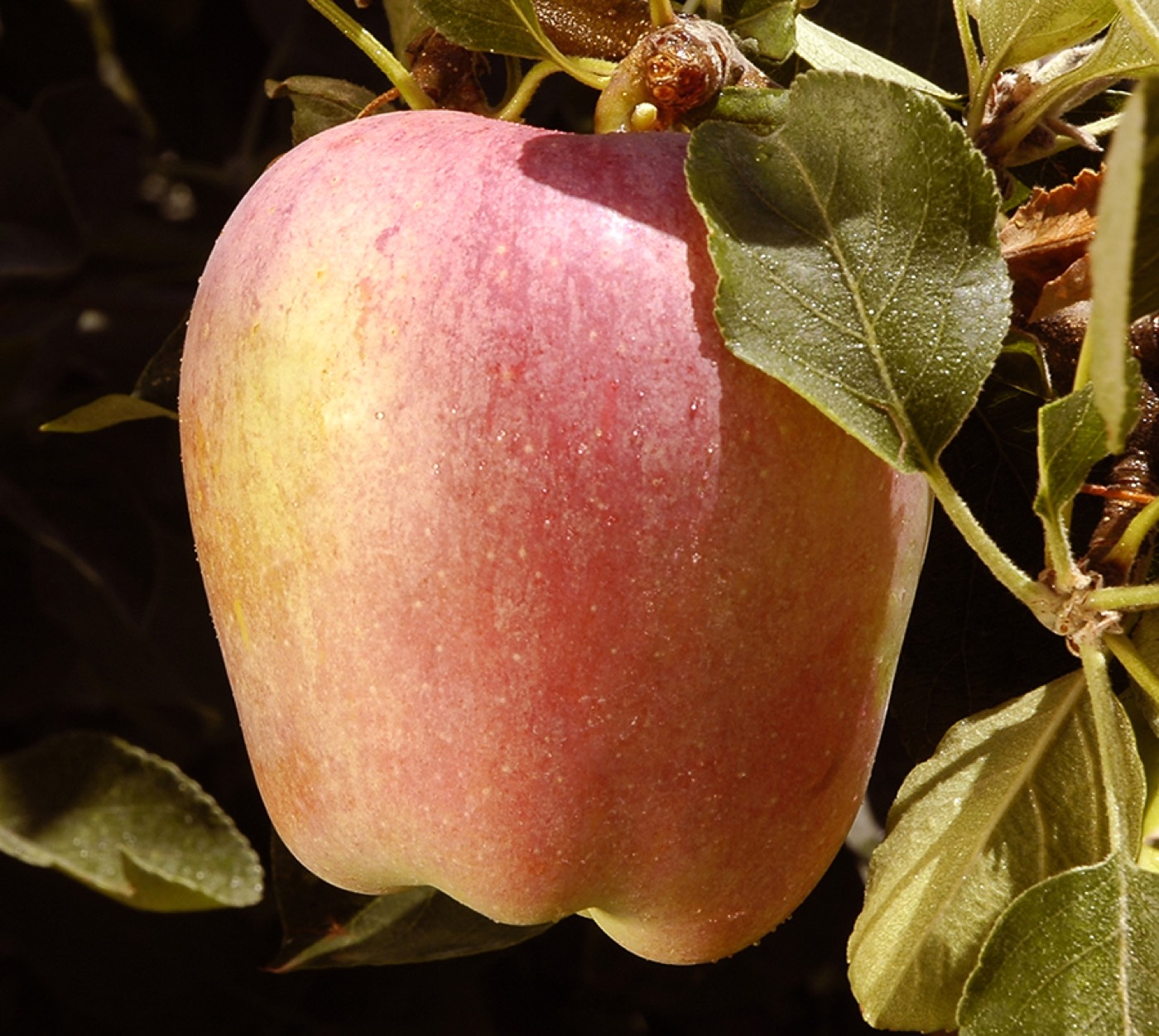 ApplesIn this year's order
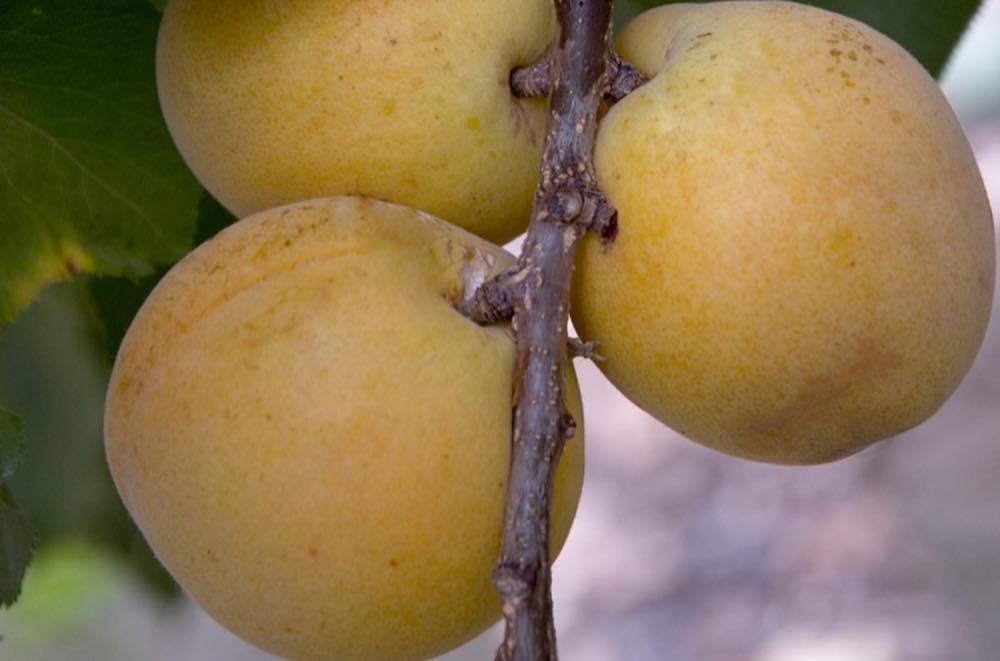 ApricotsIn this year's order
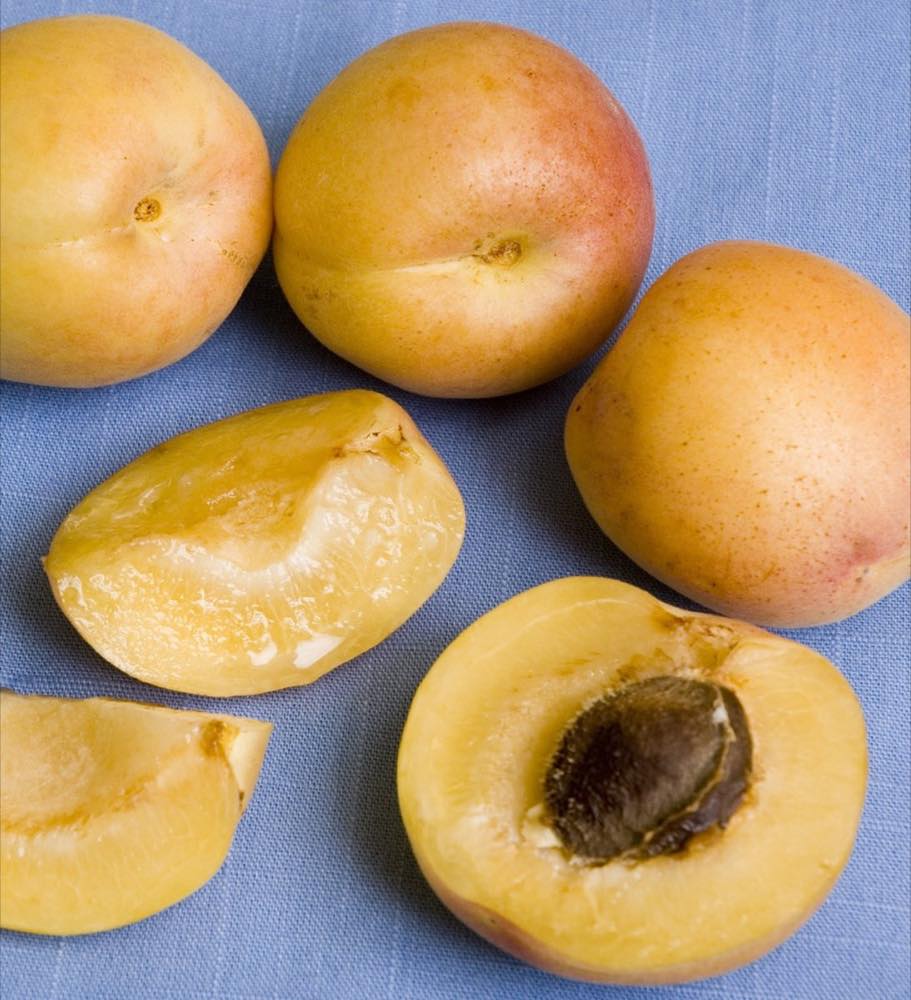 ApriumsIn this year's order
 CherriesIn this year's order
 JujubesIn this year's order
 Pluots & interspecificsIn this year's order
 MulberriesIn this year's order
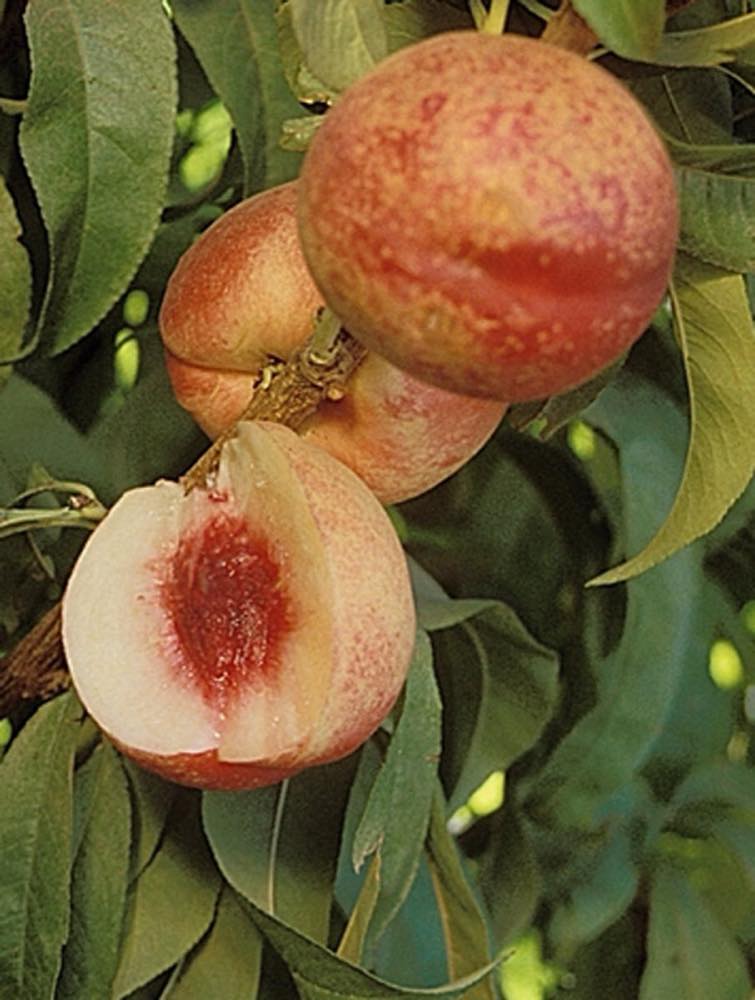 NectarinesIn this year's order
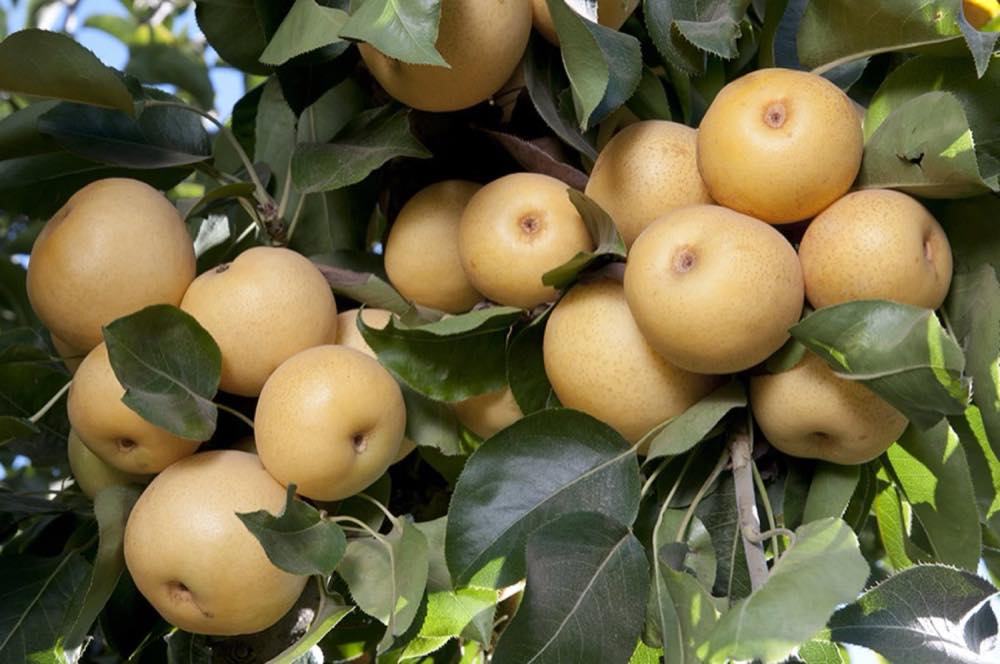 Asian pearsIn this year's order
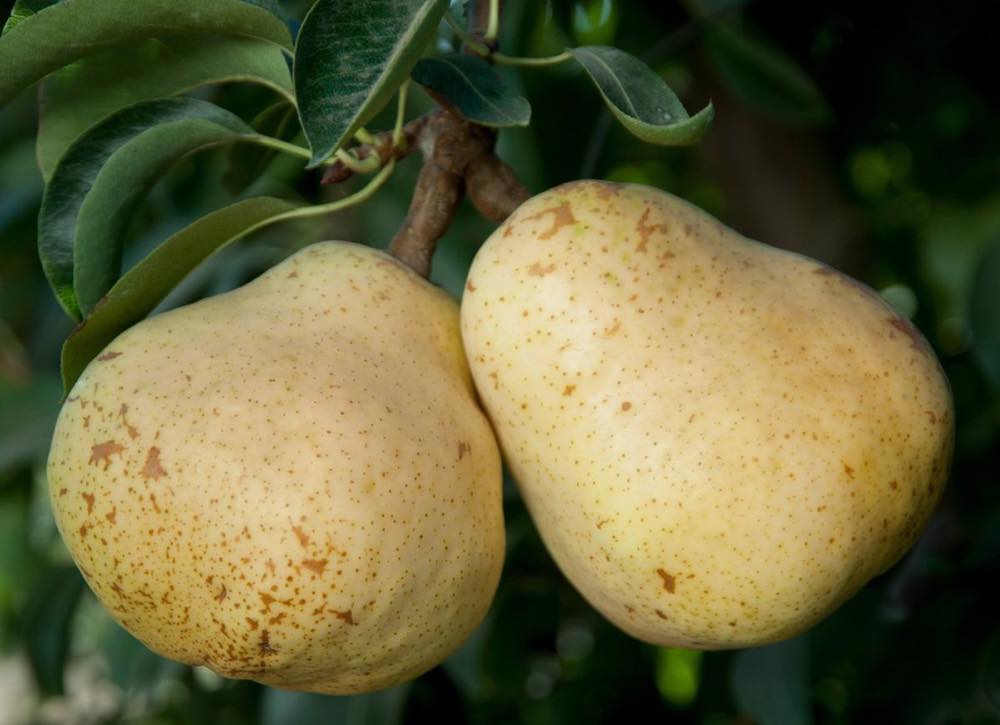 PearsIn this year's order
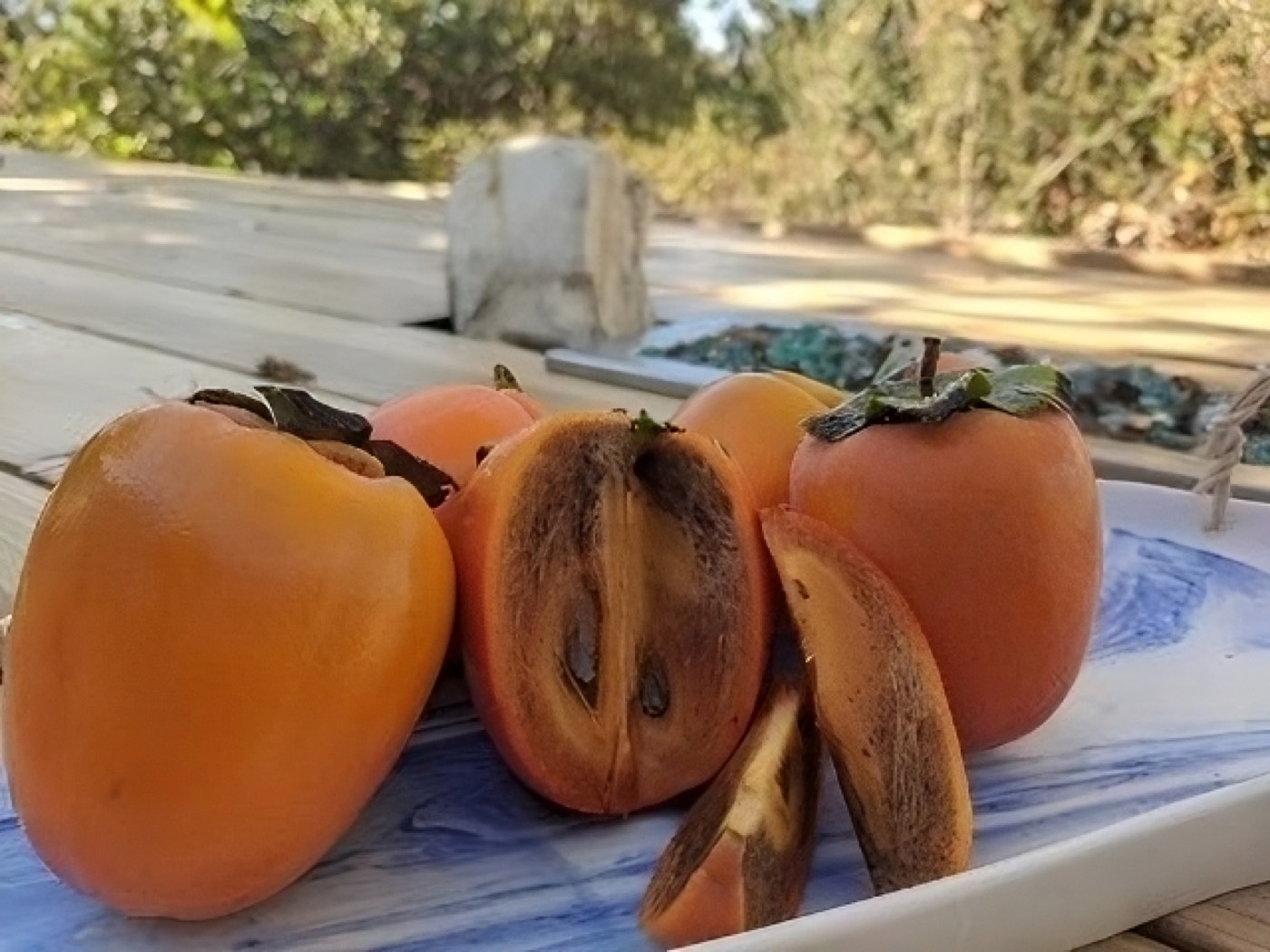 PersimmonsIn this year's order
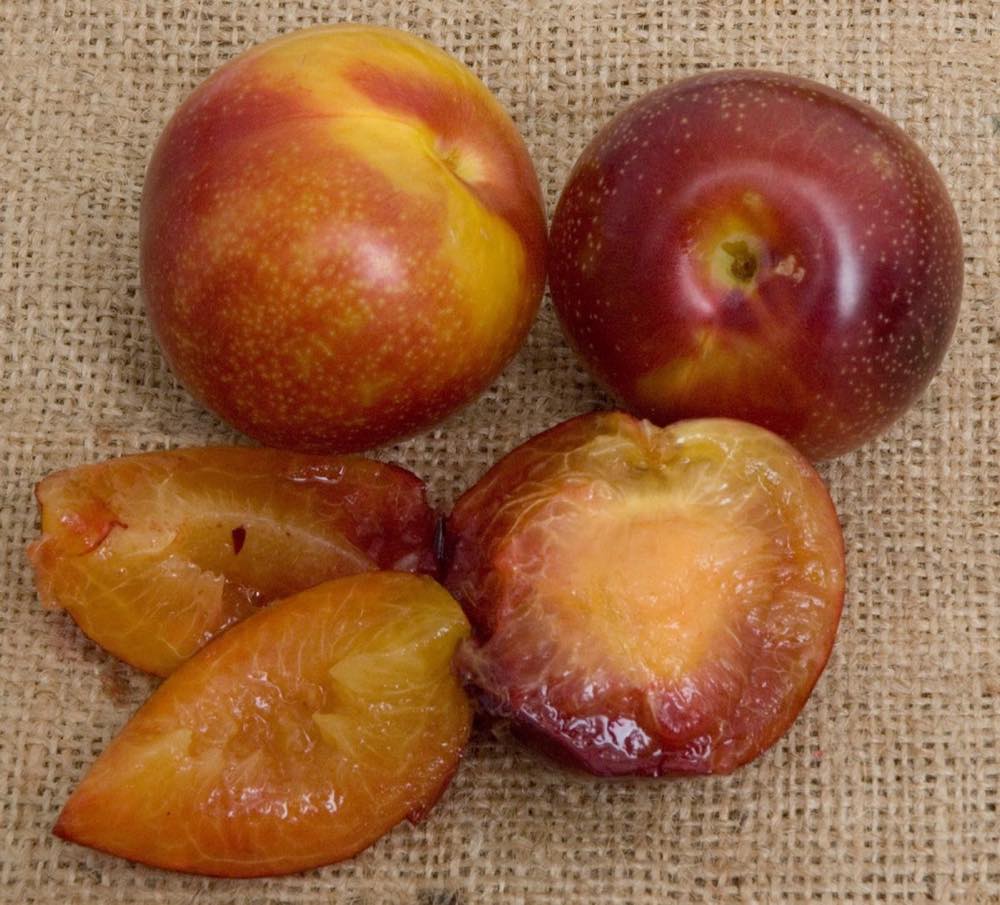 PlumsIn this year's order
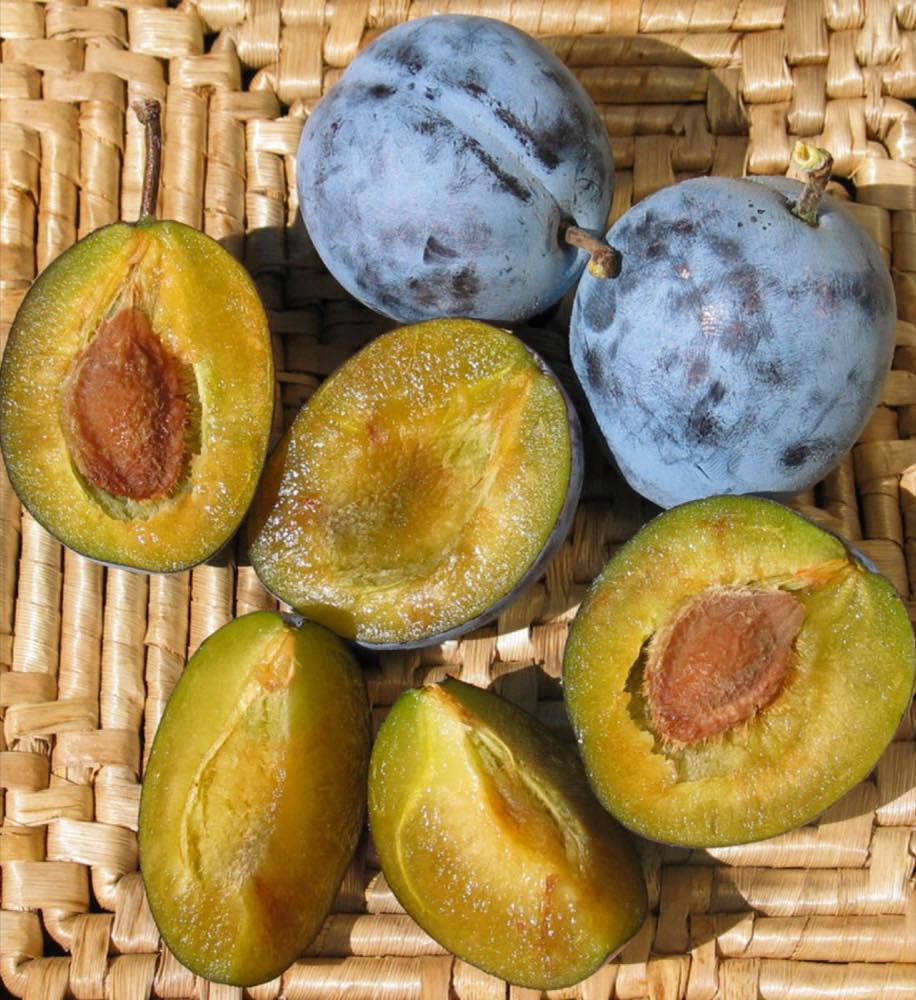 PrunesIn this year's order
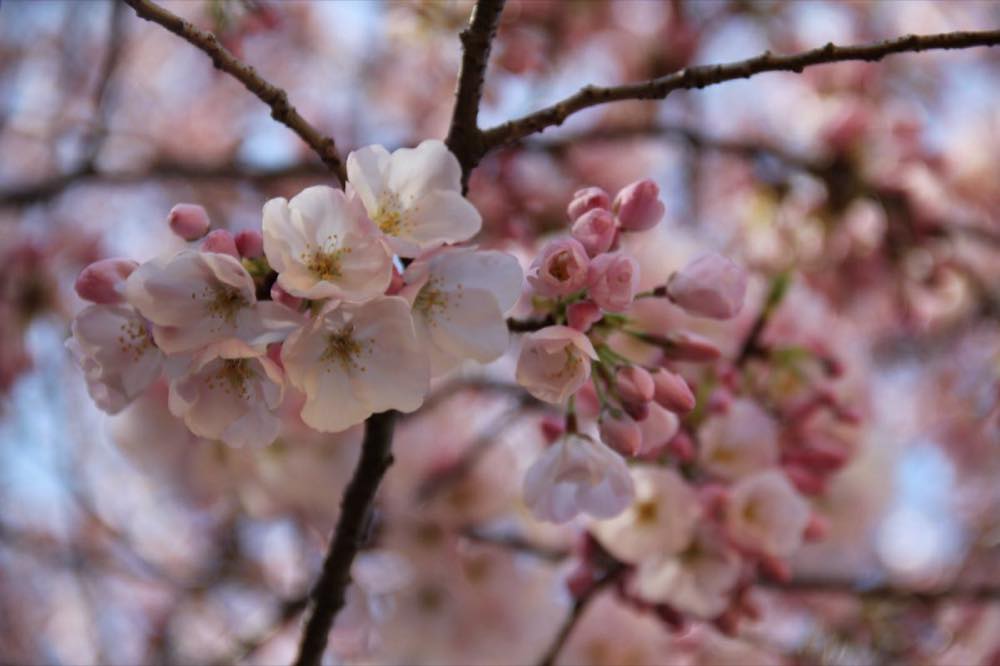 Flowering treesIn this year's order
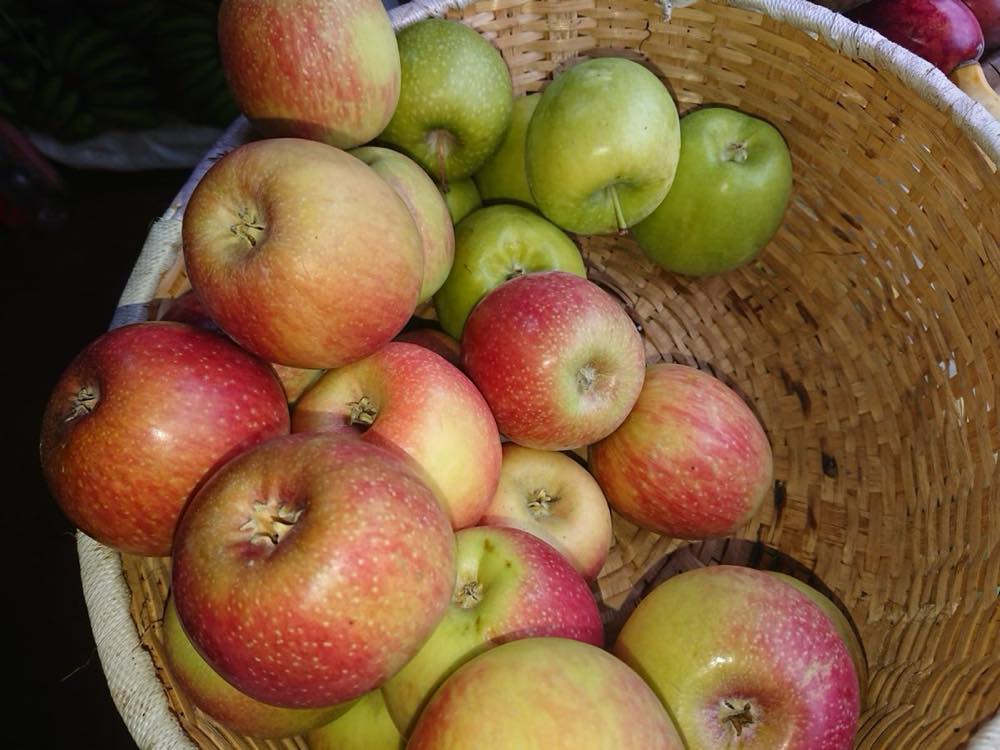 Multi-graftedIn this year's order
 OlivesIn this year's order
Not in the current wholesale fruit tree program. Add it to your wishlist or a future wholesale preorder.
 Desert willowChilopsis linearis
 Desert hackberryCeltis pallida
 Desert fernLysiloma watsonii
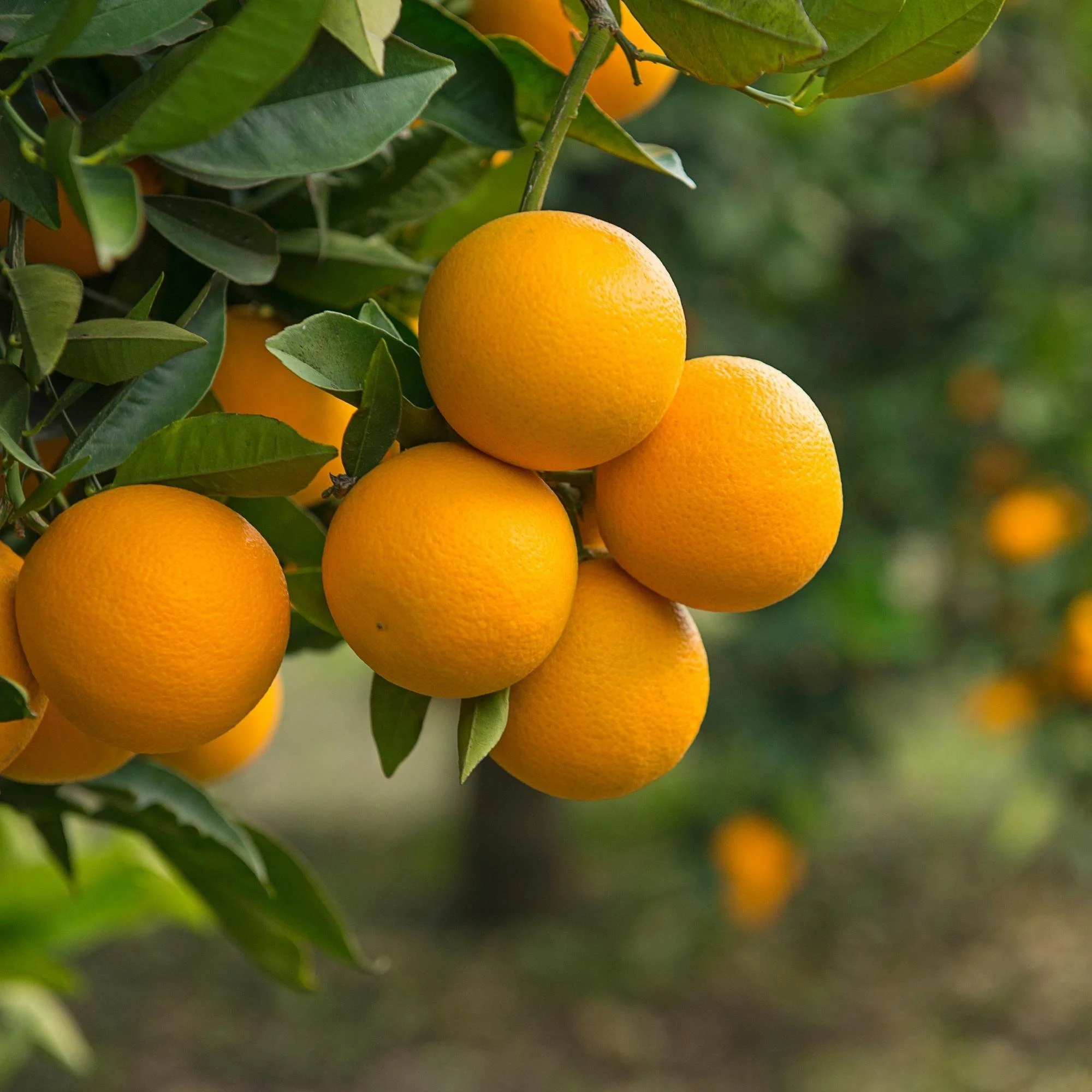 Diller Arizona sweet orangeCitrus sinensis ‘Diller’