
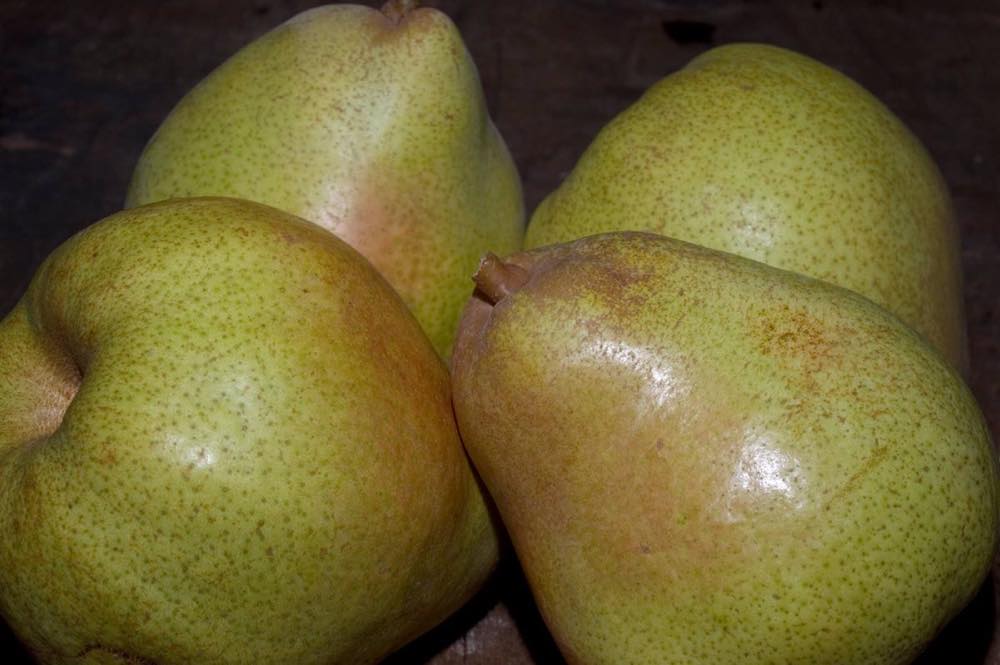
Pears · Dave Wilson Nursery
Seckel Pear
The little sugar pear: small, russeted, very sweet and spicy, great for snacking and for canning whole. It resists fire blight and needs about 500 chill hours, so it fits mid elevation. It is self-fruitful in the West, and Bosc or D'Anjou help, but Bartlett does not pollinate it.
- Chill hours
- 500 hours
- Harvest
- August to early September at mid elevation
- Pollination
- Self-fruitful in the West; Bosc or D'Anjou help, but Bartlett won't pollinate it
- Mature size
- About 15–20 ft on OHxF 333; easy to hold at 8–10 ft with summer pruning
Which one
Every pear side by side
Same fruit, different seasons and different jobs. Pick the row that fits your ground and your calendar.
| The little sugar pear: small, russeted, very sweet and spicy, great for snacking and for canning whole. It resists fire blight and needs about 500 chill hours, so it fits mid elevation. It is self-fruitful in the West, and Bosc or D'Anjou help, but Bartlett does not pollinate it. | The classic pear, sweet and juicy, and good in hot summers. It needs 500–600 chill hours, so it suits mid elevation, while Southern Bartlett is the low-chill version for Phoenix. Pear blossoms open early, so frost and fire blight are the two risks, and infected shoots should be pruned out right away. | A yellow and light golden pear with good fire blight resistance, which is a real plus at mid elevation. It ripens one to two weeks after Bartlett and needs about 800 chill hours, so it fits the colder end of mid elevation. Plant Bartlett, Harrow Delight or Warren nearby for pollen. | A long-necked, brown-skinned pear with a firm, rich, spicy flavor, excellent fresh or baked. At 500–600 chill hours it is a mid elevation pear, and it is prone to fire blight in warm, damp springs, so cut out infected shoots right away. Plant Bartlett or D'Anjou nearby for pollen. | A cross of Bartlett and Comice bred for hot inland valleys, with yellow-green skin, a red blush and excellent flavor. It needs 500–600 chill hours, so we place it at mid elevation, in spots like the Verde Valley or Sierra Vista. It is productive and sets fruit on its own, so one tree is enough. | A sweet, aromatic, fine-textured pear that many people rank as the best for eating fresh, with a short neck and a red blush. It ripens late and needs about 600 chill hours, so it fits mid elevation. Like most European pears it can get fire blight, so prune out infected shoots promptly. | A large, firm, short-necked pear that keeps a long time, picked hard and ripened off the tree. It needs about 800 chill hours, so it suits the colder end of mid elevation rather than warm valleys. Plant a Bartlett nearby to get a crop. | The same firm, smooth, long-keeping pear as D'Anjou, with full red skin. It needs about 800 chill hours, so it suits the colder end of mid elevation rather than warm valleys. Plant a Bartlett nearby to get a crop. | A low-chill pear from Florida breeding with sweet, smooth, juicy fruit that ripens early, around July in the low desert. It blooms very early, so it is one for Phoenix and Yuma and not for frosty mid elevation yards. Partly self-fruitful, so a second low-chill pear like Kieffer or Hood gives a heavier crop. | A fire blight resistant pear that tastes like Bartlett, with a red blush, and it ripens about two weeks earlier. It is hardy and needs about 800 chill hours, so it fits mid elevation and is worth a try in the high country, where late frosts can still take the blossoms. Plant Bartlett or Bosc nearby for pollen. | A tough, heat-tolerant pear that bears dependably, with firm, gritty fruit that is best for canning, preserves and baking, not for eating off the tree. It resists fire blight and needs little chill, so it works in Phoenix as well as at mid elevation. It is self-fruitful, though a second pear improves the set. | A large, round, yellow-green pear with crisp, sweet flesh, from a vigorous low-chill tree that originally came from Monterrey, Mexico. It needs about 300 chill hours and sets fruit on its own, so it suits the low desert, though it may bloom early, so keep it out of frosty low spots. We found little Arizona track record. | A large, productive, fire blight resistant pear for fresh eating or canning, ripening a bit ahead of Bartlett. At 400–500 chill hours it fits mid elevation, and it is marginal in Phoenix, so do not count on heavy crops there. It needs a second pear, and it is good pollen for others. | A big, nearly round pear with shiny yellow skin and a red blush, mild and firm, mostly used for canning and cooking. It resists fire blight and needs about 350 chill hours, so it can work in the low desert and at mid elevation, on a big, vigorous tree. Plant Kieffer or Moonglow nearby for pollen. | A late pear with buttery, finely textured flesh and a gentle, slightly tart flavor, and good fire blight resistance. It is not self-fruitful, so plant Bartlett or D'Anjou nearby. No official chill figure is published, but about 600 hours is the usual estimate, so it fits mid elevation. | A Bartlett-type pear with bright red skin on a smaller tree, which makes pruning and picking easier. It needs about 700 chill hours, so it suits mid elevation. It is self-fruitful in most western gardens, with better crops when Bosc or D'Anjou are nearby. | A Bartlett lookalike found on an old Louisiana homestead, with moderate fire blight resistance and a chill need of 400 hours or fewer, so it is the Bartlett-type pear for Phoenix. It is self-fruitful with a spreading shape. Harvest dates are not published, but Bartlett-type fruit usually ripens around July in the low desert. | A traditional pear popular in Houston and other low-chill areas, good for fresh eating or canning, with good fire blight resistance. It needs 400 chill hours or fewer and sets fruit on its own, so it is a low desert choice. Harvest dates are not published, so expect late summer fruit. | A smooth, juicy, buttery pear with no grit, long-necked and pale green. It is highly resistant to fire blight, hardy to about -20°F and self-fruitful. At 600 chill hours it fits mid elevation, and it is worth a try in the high country where frost misses the blossoms. | A small, russeted, sweet and aromatic pear that ripens late and stores for months. It is a smaller tree and a good pollen partner for Bartlett. It needs about 700 chill hours, so it fits mid elevation. | |
|---|---|---|---|---|---|---|---|---|---|---|---|---|---|---|---|---|---|---|---|---|
| Harvest | August to early September at mid elevation | August to early September at mid elevation | Late August to September at mid elevation | Late September to October at mid elevation | August at mid elevation | Late September to October at mid elevation | September to early October at mid elevation; ripens in storage | Late August to September at mid elevation; ripens in storage | July in the low desert | Late July to August at mid elevation; August in the high country | September in the low desert; September to October at mid elevation | August to early September in the low desert | Late July to August at mid elevation | July to August in the low desert; August at mid elevation | Late August to September at mid elevation | August to early September at mid elevation | July to early August in the low desert | August to September in the low desert | August to September at mid elevation; September in the high country | Late September to October at mid elevation |
| Chill hours | 500 hours | 500–600 hours | 800 hours | 500–600 hours | 500–600 hours | 600 hours | 800 hours | 800 hours | Under 400 hours | 800 hours | 200–300 hours | 300 hours | 400–500 hours | 350 hours | 600 hours | 700 hours | 400 hours or less | 400 hours or less | 600 hours | 700 hours |
| Pollination | Self-fruitful in the West; Bosc or D'Anjou help, but Bartlett won't pollinate it | Self-fruitful in most western gardens; heavier crops with Bosc or D'Anjou nearby | Needs a partner such as Bartlett, Harrow Delight or Warren | Needs a partner such as Bartlett or D'Anjou | Self-fruitful | Self-fruitful in most western gardens; heavier crops with Bartlett nearby | Needs a partner; Bartlett is the usual match | Needs a partner; Bartlett is the usual match | Partly self-fruitful; heavier crops with Kieffer or Hood nearby | Plant with Bartlett, Bosc or Moonglow for good set | Self-fruitful; heavier crops with another pear nearby | Self-fruitful | Needs a partner such as Bartlett or Kieffer; also pollinates other pears | Needs a partner such as Kieffer or Moonglow | Not self-fruitful; plant Bartlett or D'Anjou nearby | Self-fruitful in most western gardens; Bosc or D'Anjou raise the crop | Self-fruitful | Self-fruitful | Self-fruitful; a second pear gives a bigger crop | Needs a partner such as Bartlett, Kieffer or 20th Century Asian pear |
| Mature size | About 15–20 ft on OHxF 333; easy to hold at 8–10 ft with summer pruning | About 18–22 ft on OHxF 97, 15–20 ft on OHxF 333; easy to hold at 8–10 ft | About 15–20 ft on OHxF 333; easy to hold at 8–10 ft with summer pruning | About 15–20 ft on OHxF 333; easy to hold at 8–10 ft with summer pruning | About 15–20 ft on OHxF 333; easy to hold at 8–10 ft with summer pruning | About 15–20 ft on OHxF 333; easy to hold at 8–10 ft with summer pruning | About 15–20 ft on OHxF 333; easy to hold at 8–10 ft with summer pruning | About 15–20 ft on OHxF 333; easy to hold at 8–10 ft with summer pruning | About 15–20 ft on OHxF 333; easy to hold at 8–10 ft with summer pruning | About 15–20 ft on OHxF 333; easy to hold at 8–10 ft with summer pruning | Vigorous: 18–25 ft on OHxF 333; easy to hold at 10 ft with summer pruning | Vigorous: about 18–22 ft on OHxF 333; easy to hold at 8–10 ft with summer pruning | About 15–20 ft on OHxF 333; easy to hold at 8–10 ft with summer pruning | Large and vigorous: 18–25 ft on OHxF 333; easy to hold at 10 ft with summer pruning | About 15–20 ft on OHxF 333; easy to hold at 8–10 ft with summer pruning | Relatively small tree: about 12–16 ft on OHxF 333; hold at 8 ft with summer pruning | Spreading: about 15–20 ft on OHxF 333; easy to hold at 8–10 ft with summer pruning | About 15–20 ft on OHxF 333; easy to hold at 8–10 ft with summer pruning | About 15–20 ft on OHxF 333; easy to hold at 8–10 ft with summer pruning | Small tree: about 12–16 ft on OHxF 333; easy to hold at 8 ft with summer pruning |
| From | $35 | $33 | $36 | $36 | $36 | $35 | $33 | $33 | $35 | $33 | $33 | $33 | $33 | $33 | $35 | $33 | $35 | $35 | $33 | $35 |
Where this tree sits
Pears sit in the lower canopy layer.
Lower canopy
Fruit trees kept below the tall ones. Most of this year's program lives here, held to eight or ten feet by summer pruning.
Other options in the lower canopy layer
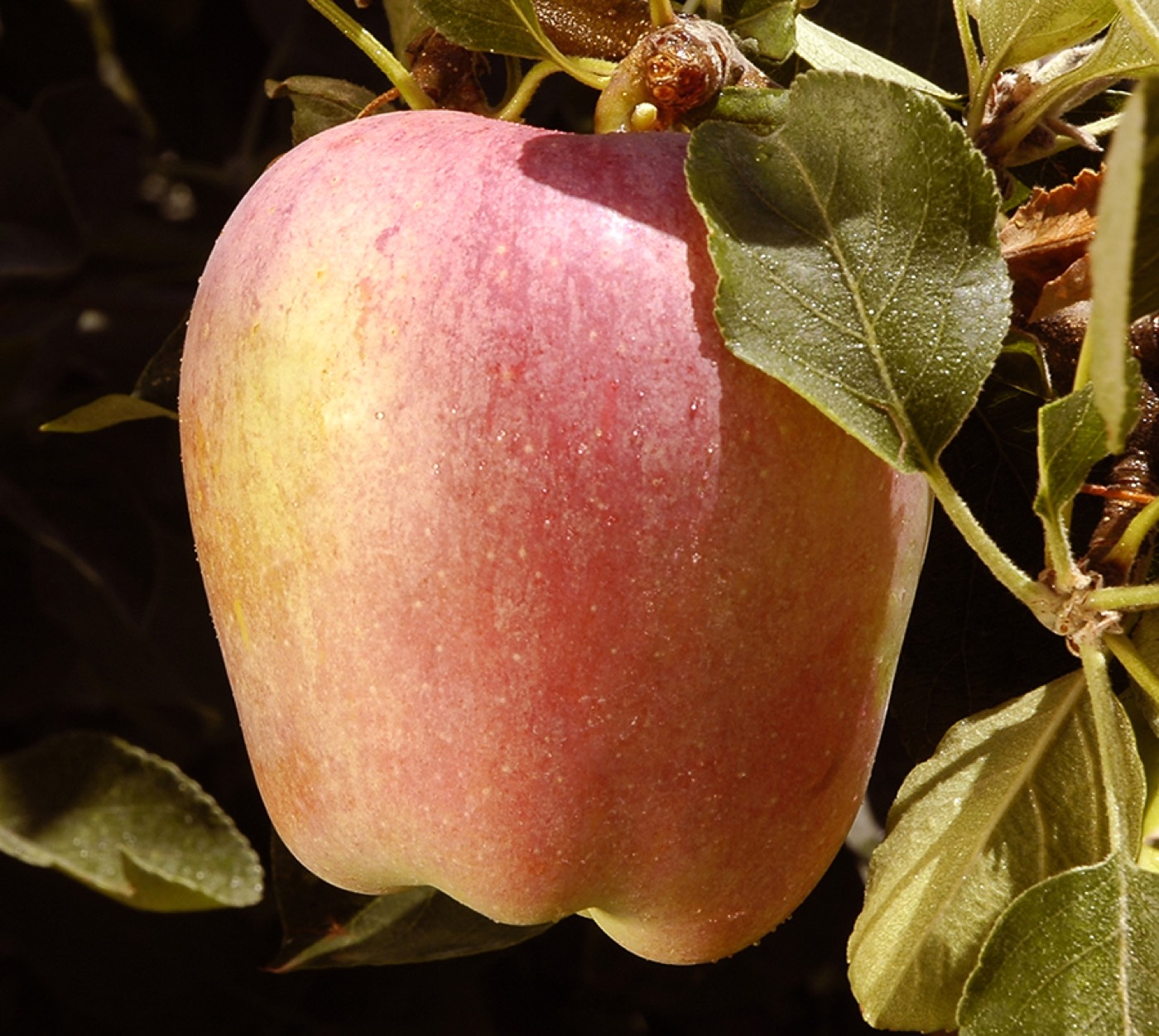 ApplesIn this year's order
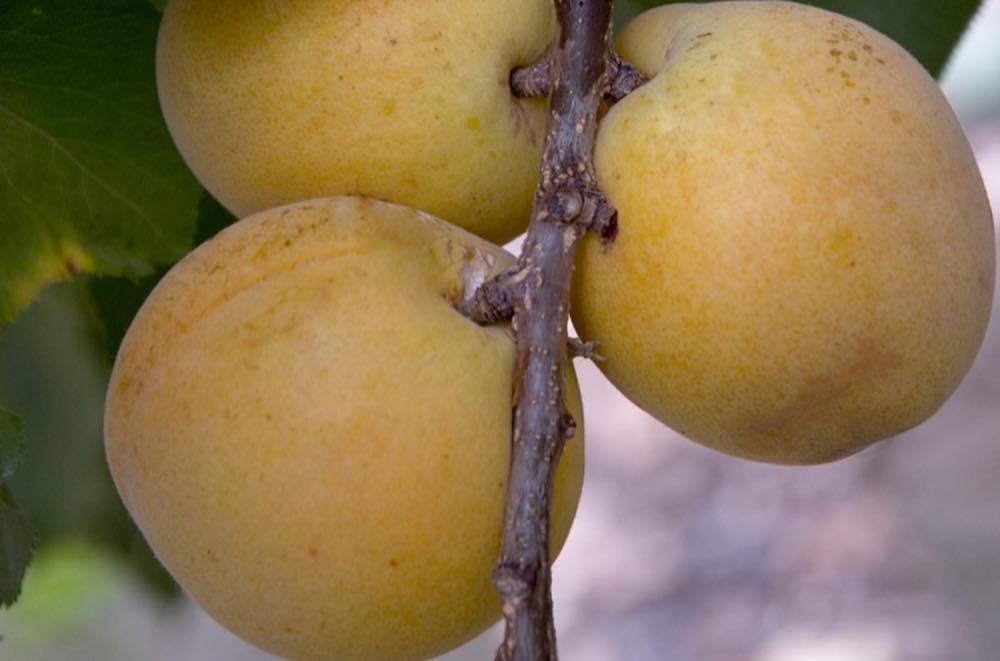 ApricotsIn this year's order
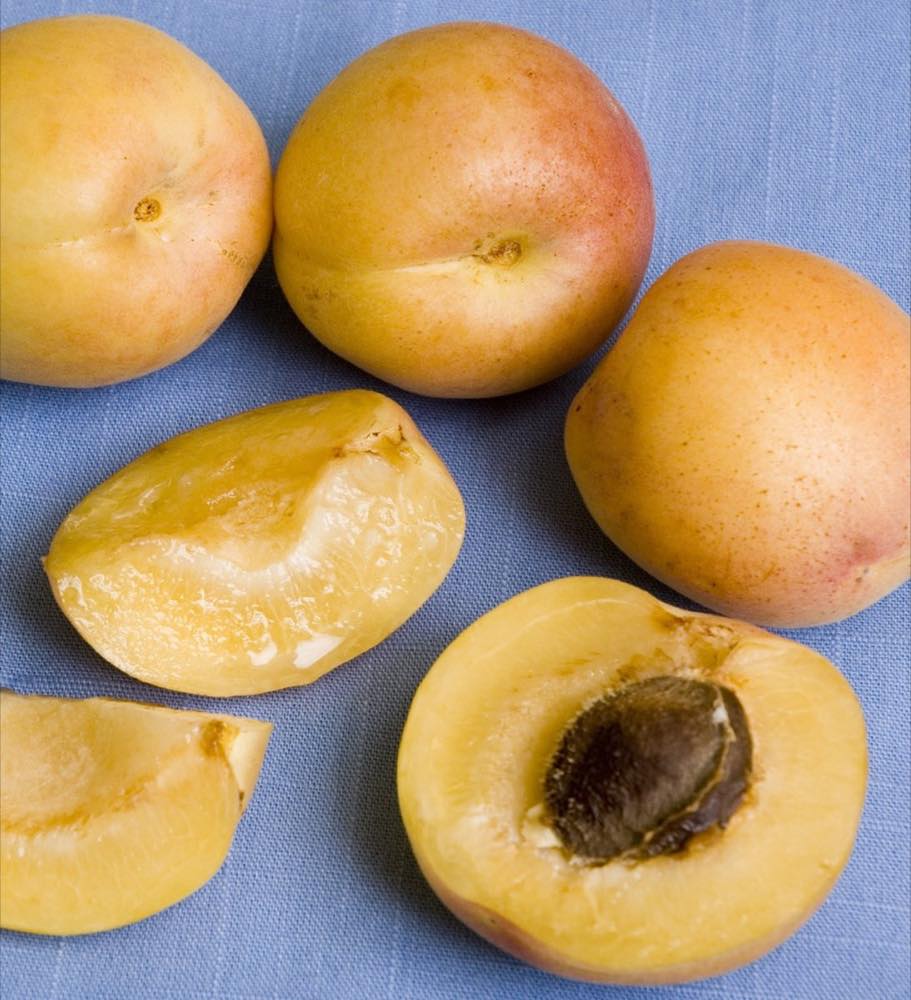 ApriumsIn this year's order
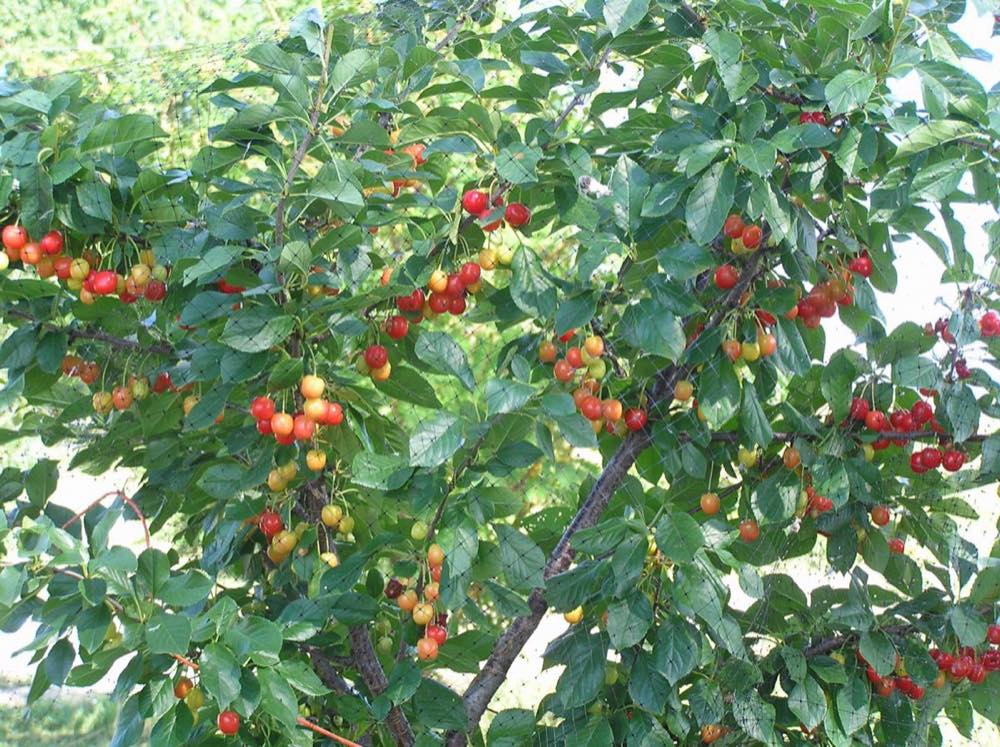 CherriesIn this year's order
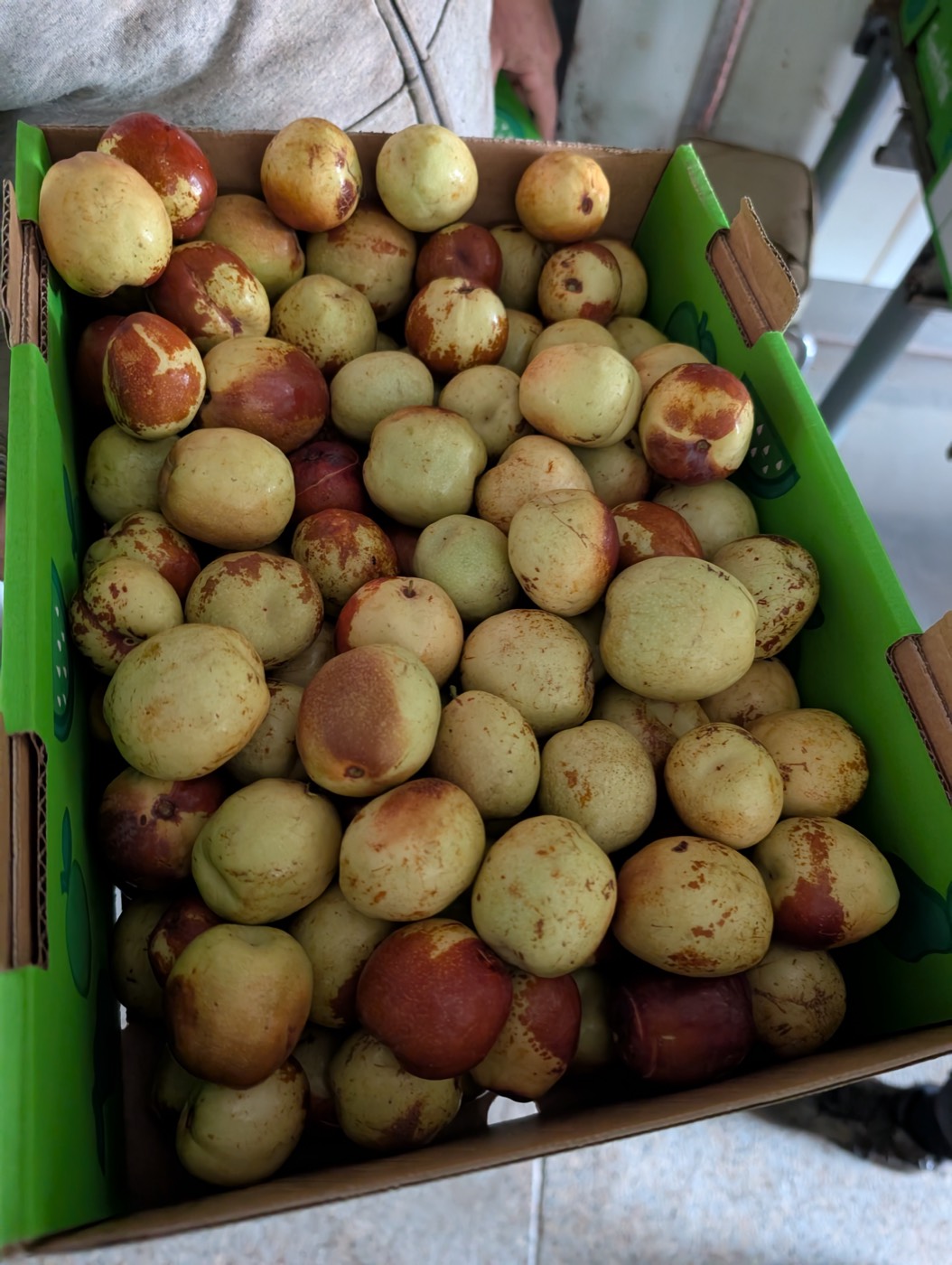 JujubesIn this year's order
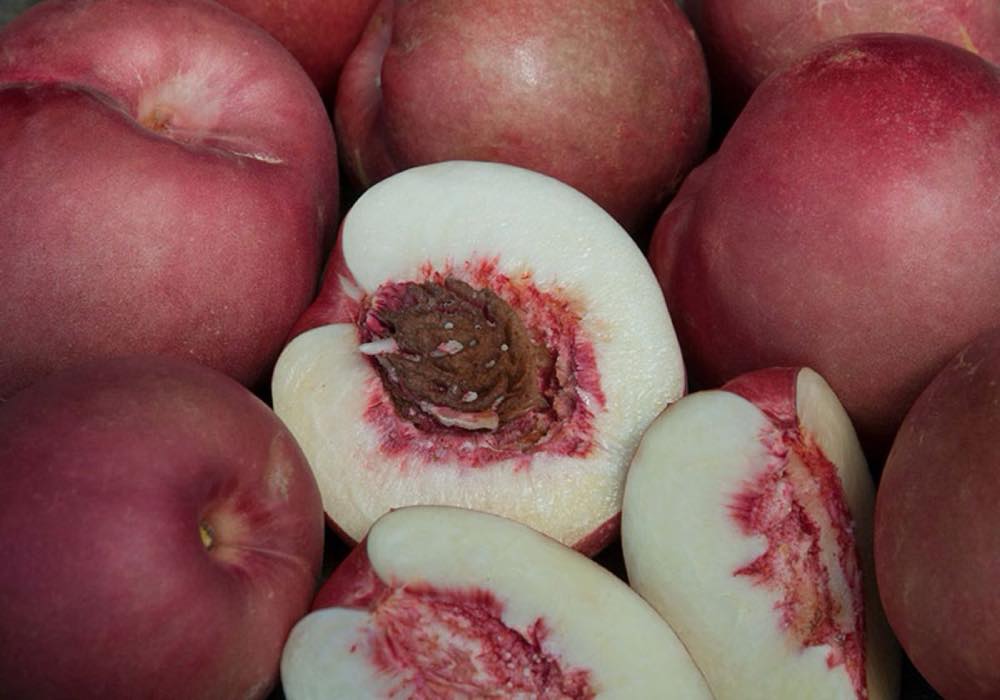 Pluots & interspecificsIn this year's order
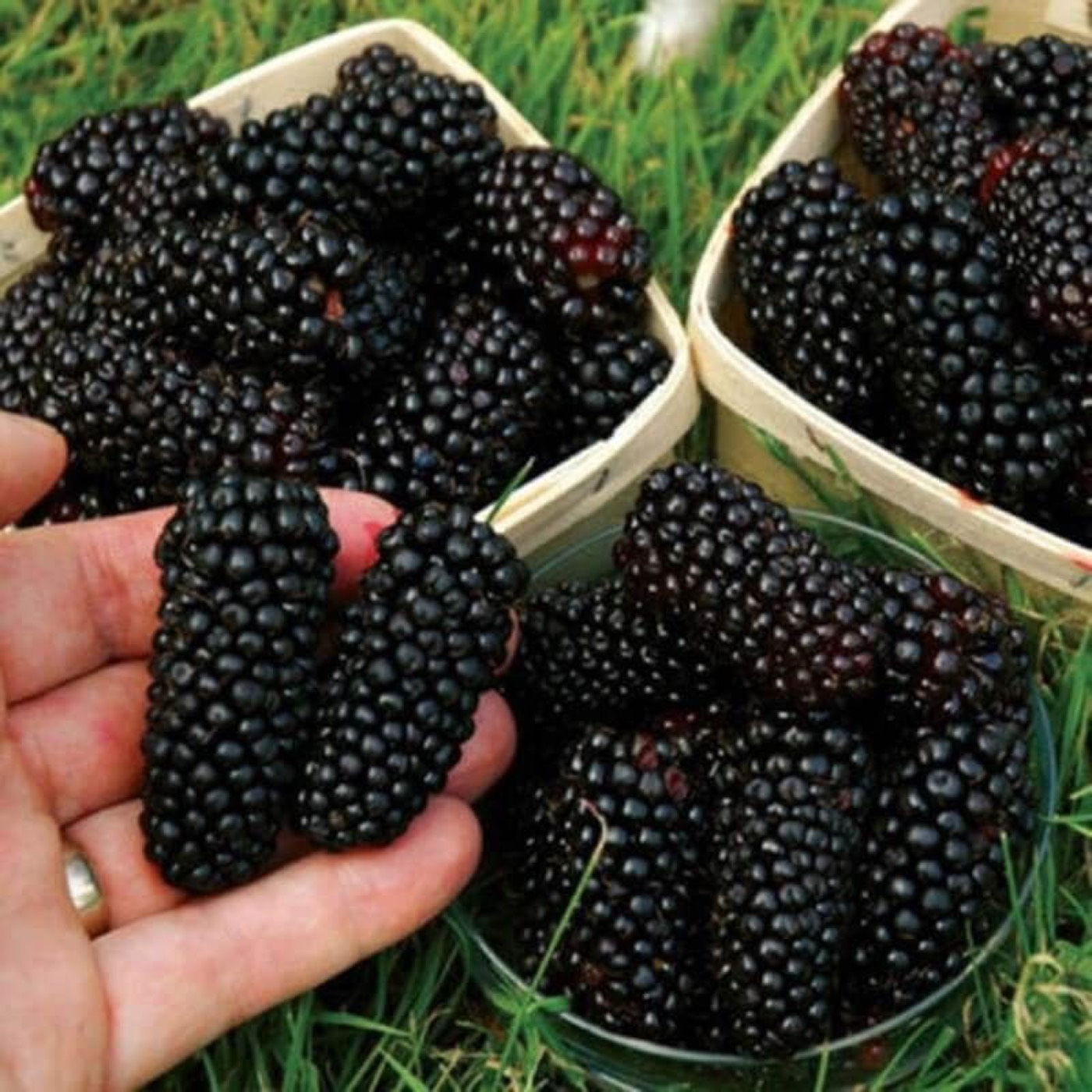 MulberriesIn this year's order
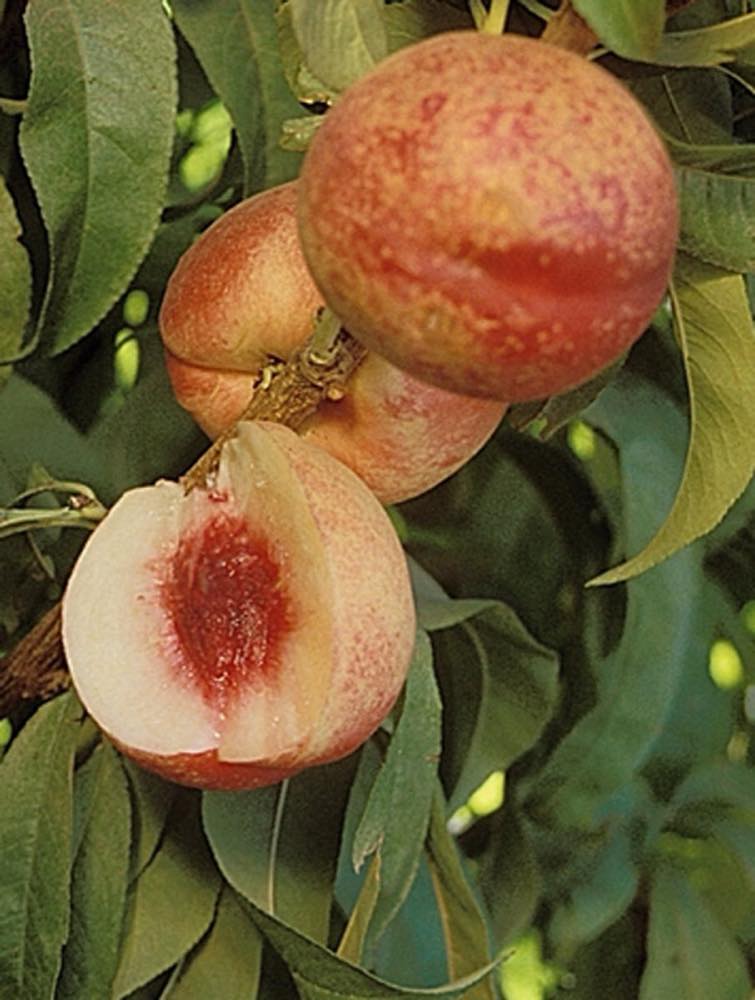 NectarinesIn this year's order
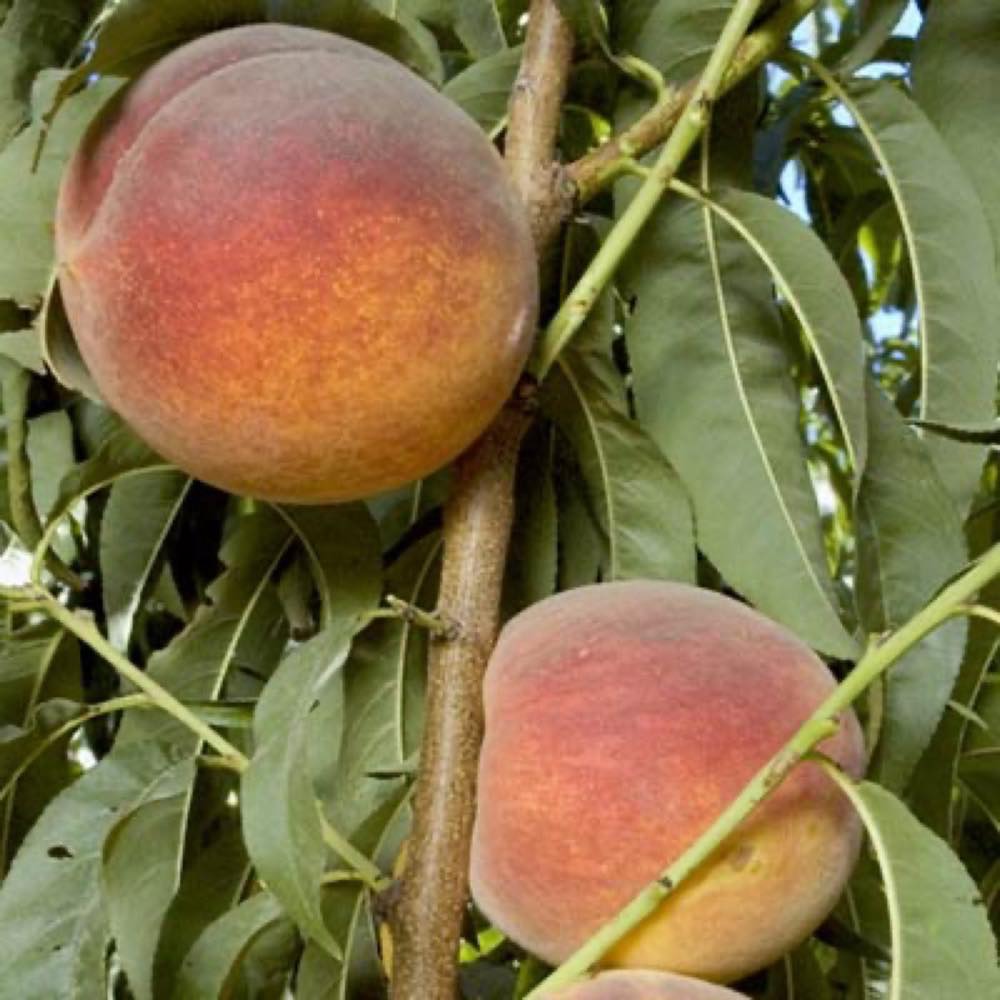 PeachesIn this year's order
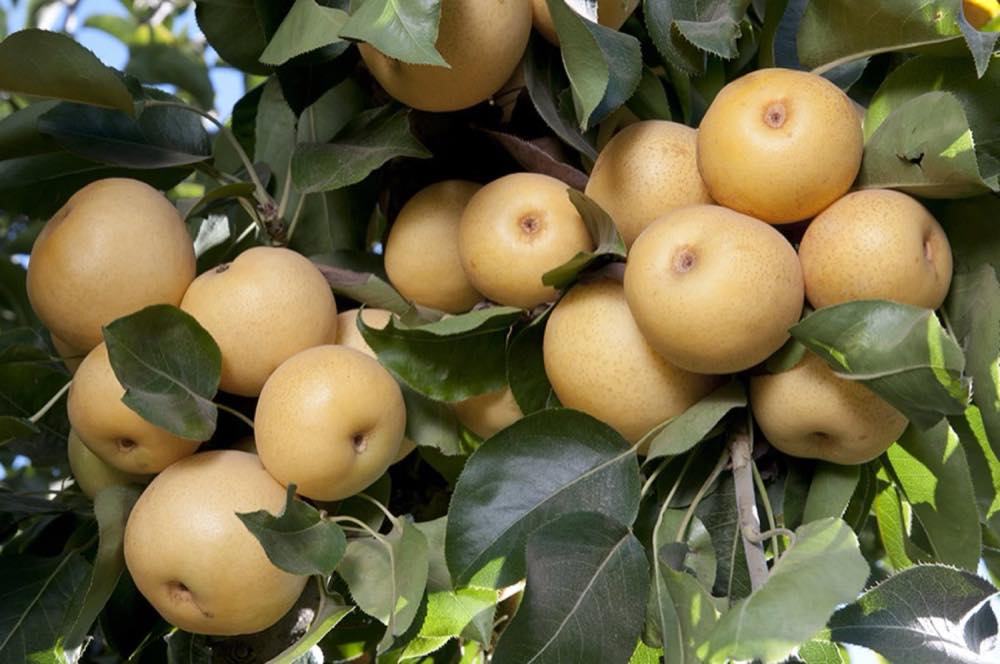 Asian pearsIn this year's order
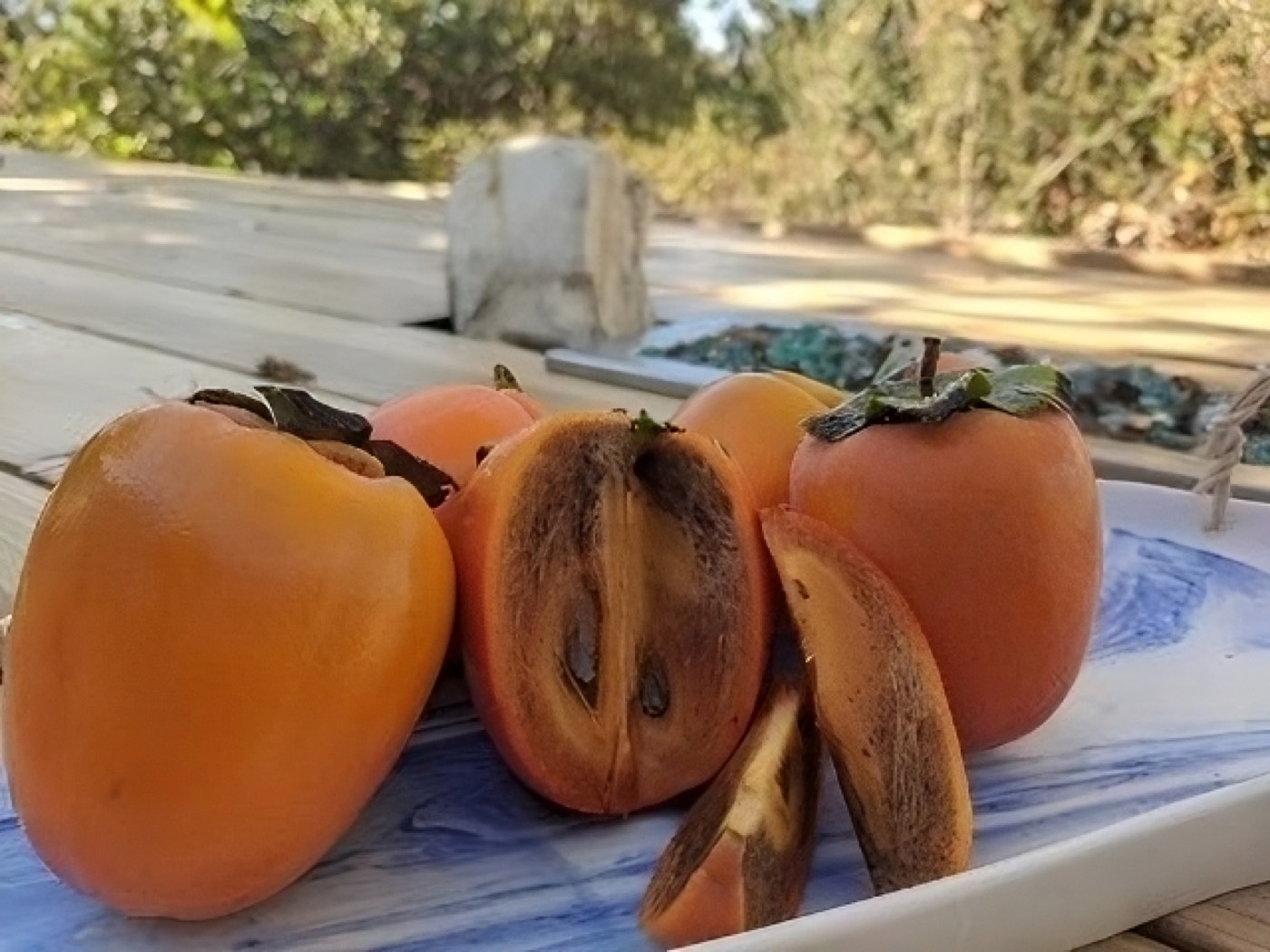 PersimmonsIn this year's order
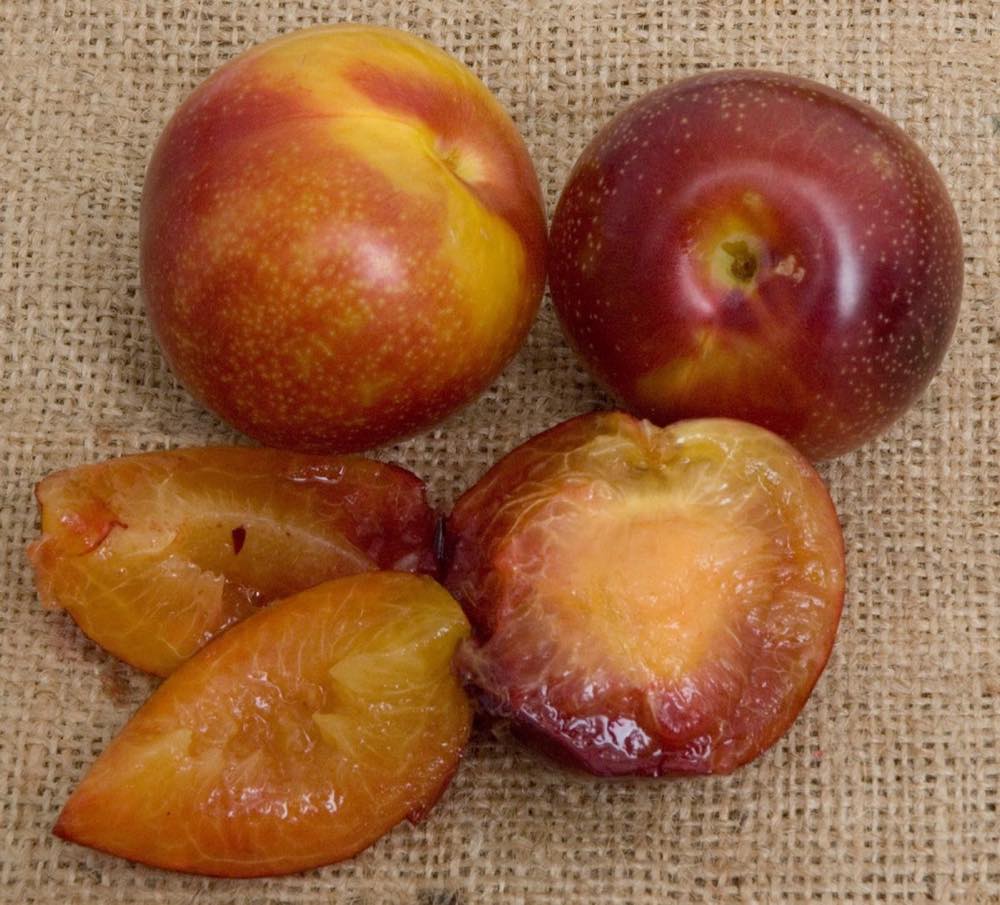 PlumsIn this year's order
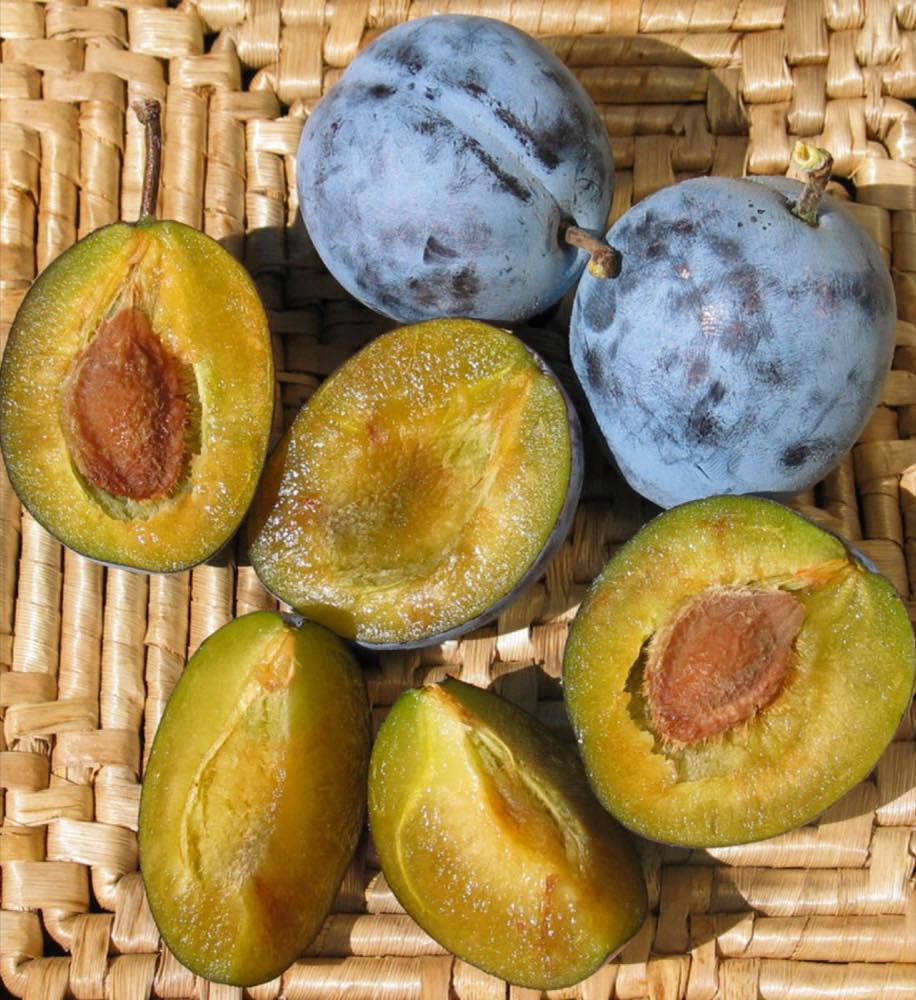 PrunesIn this year's order
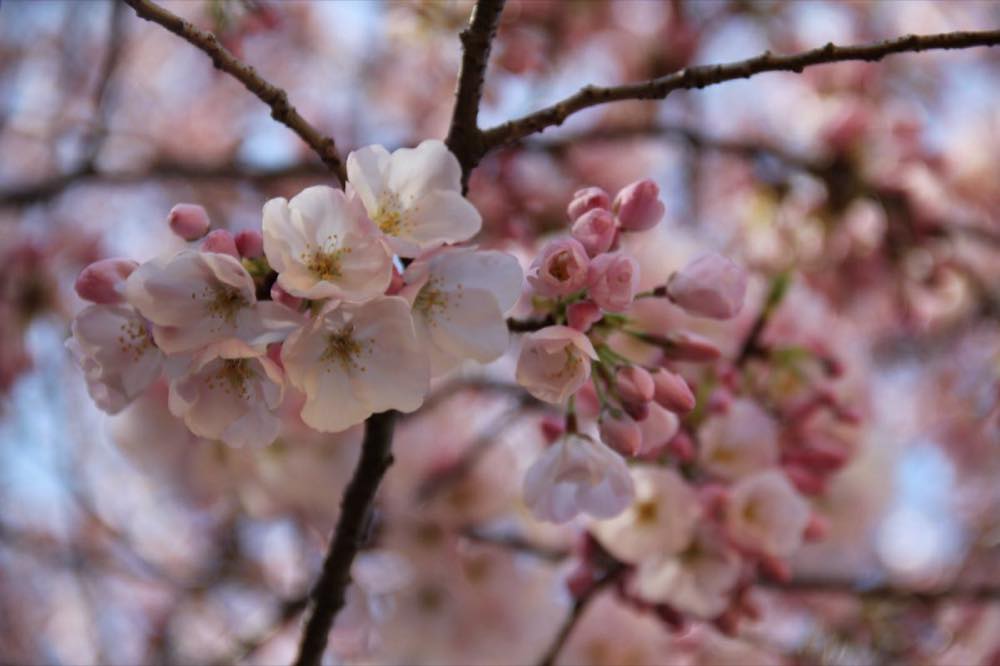 Flowering treesIn this year's order
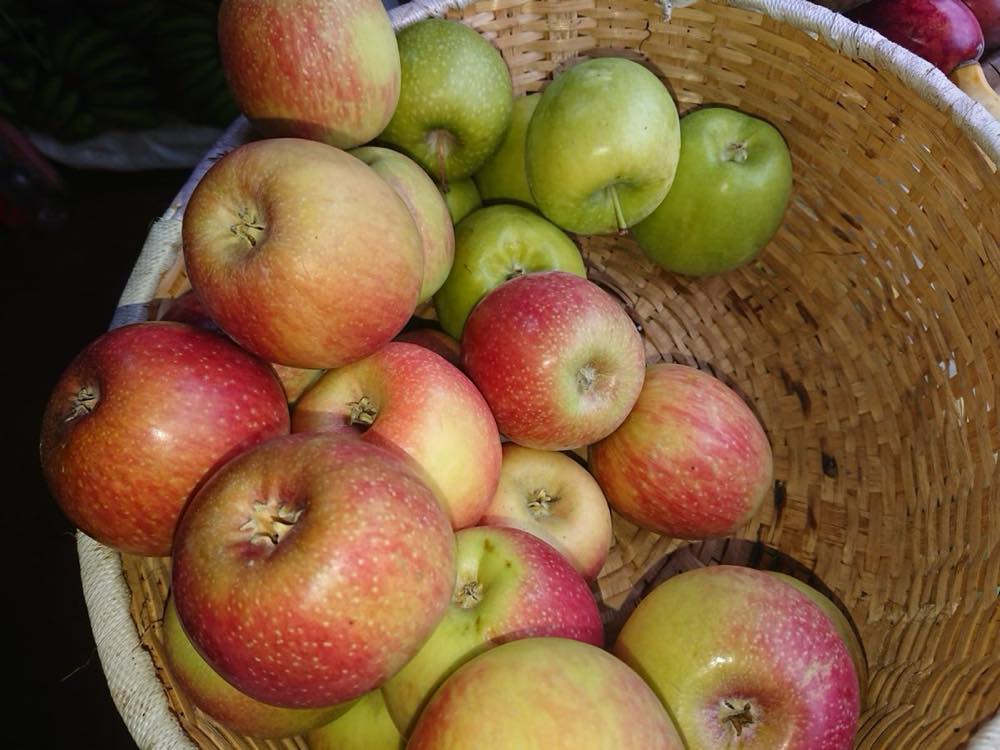 Multi-graftedIn this year's order
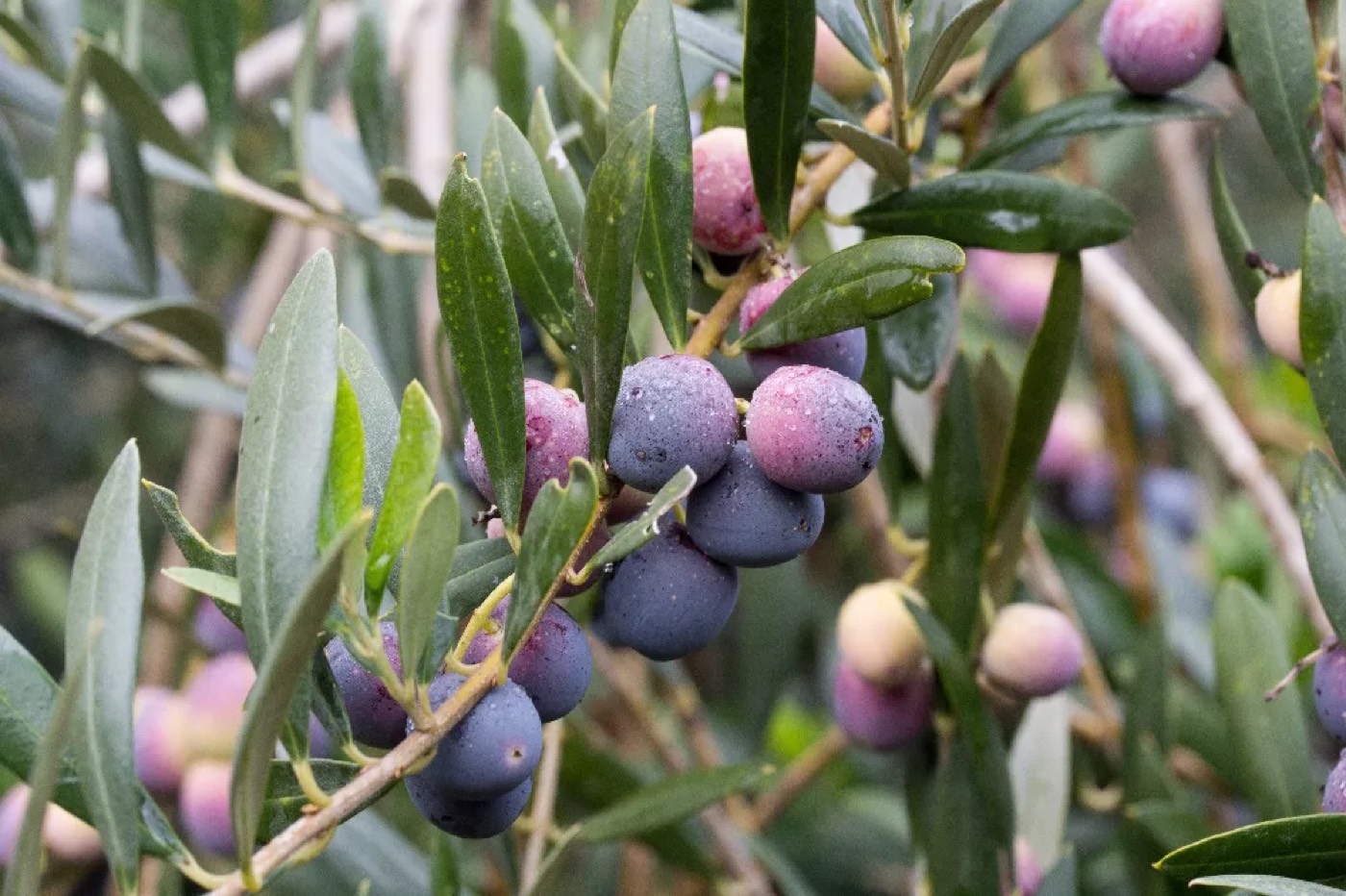 OlivesIn this year's order
Not in the current wholesale fruit tree program. Add it to your wishlist or a future wholesale preorder.
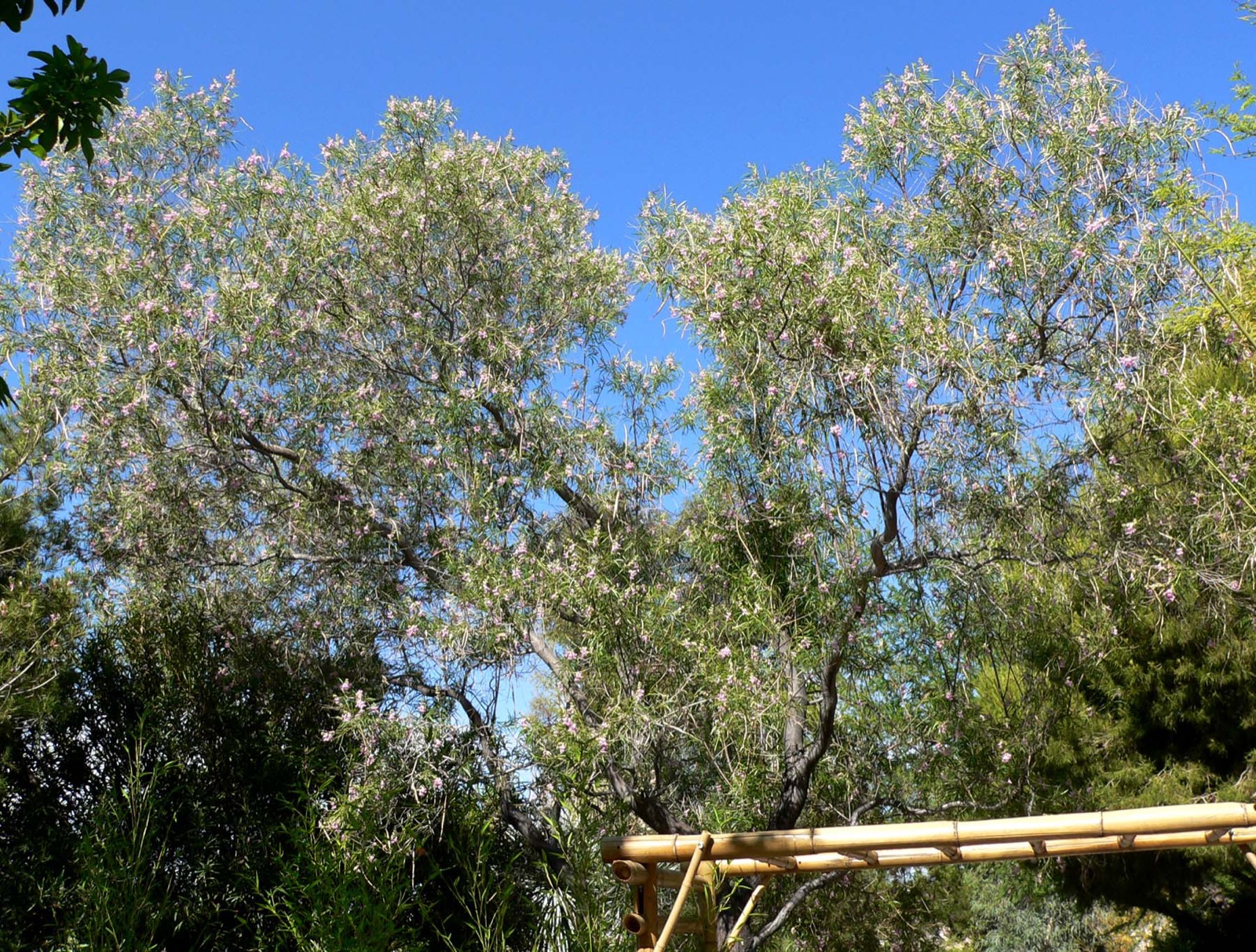 Desert willowChilopsis linearis
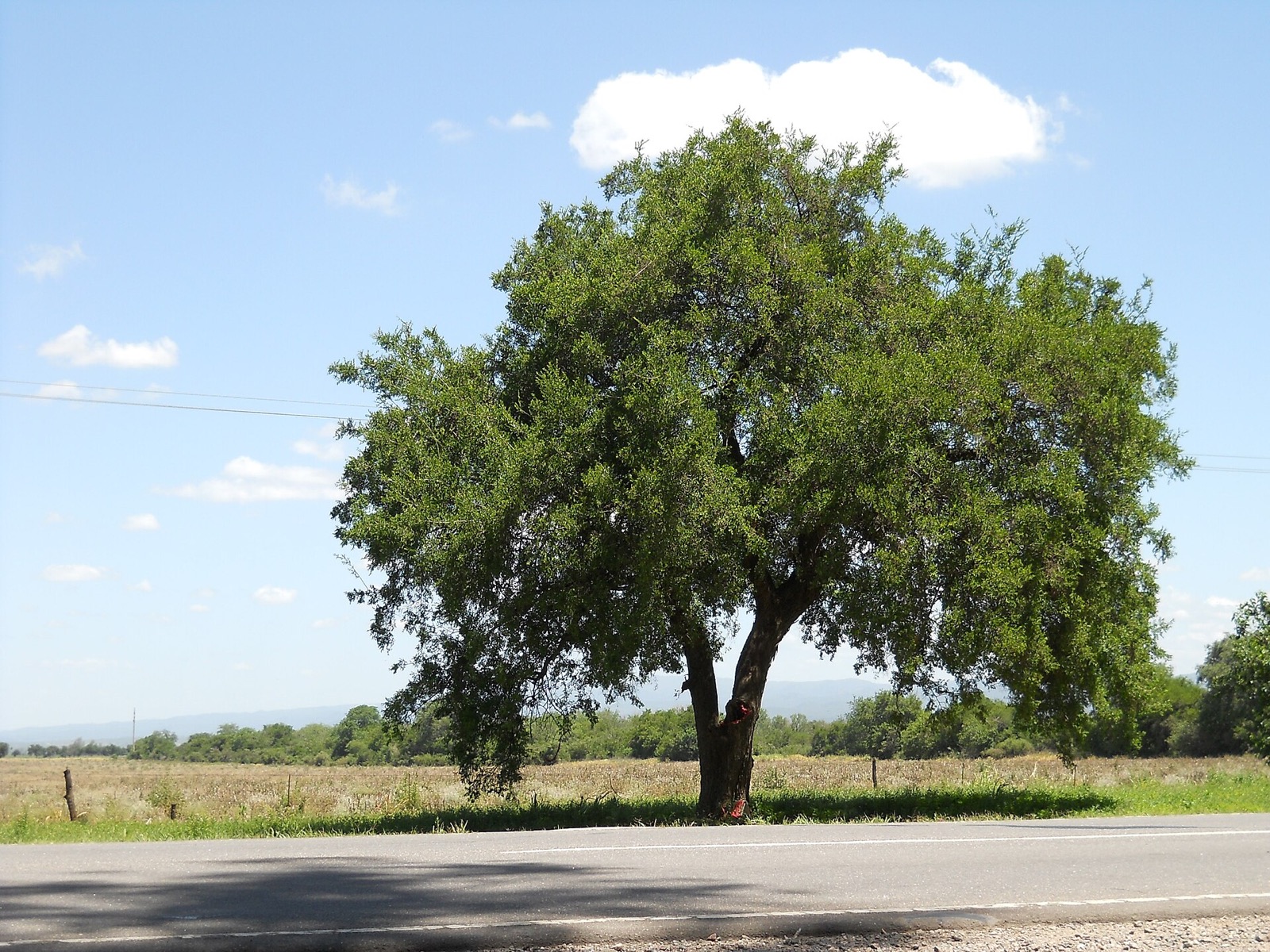 Desert hackberryCeltis pallida
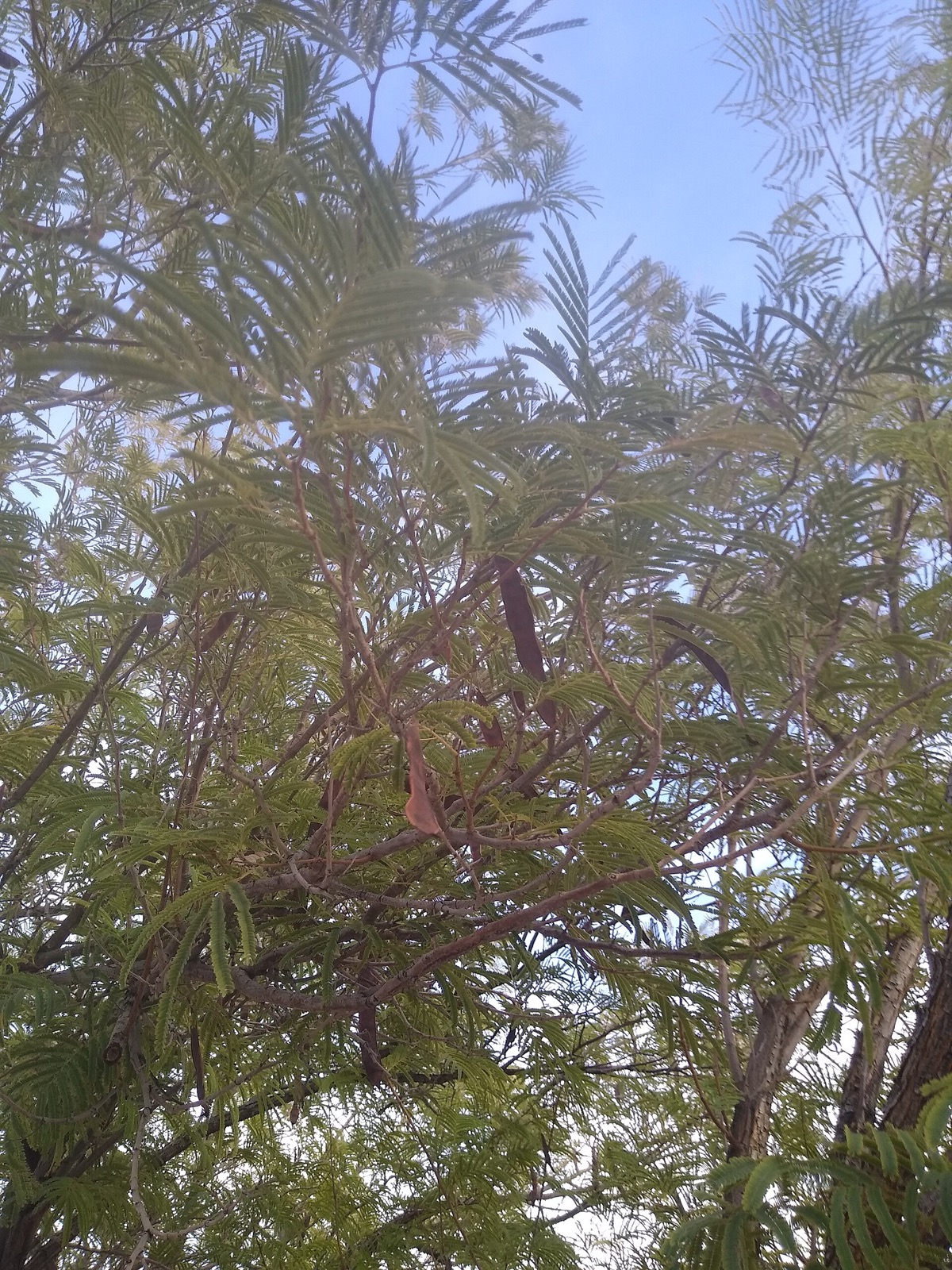 Desert fernLysiloma watsonii
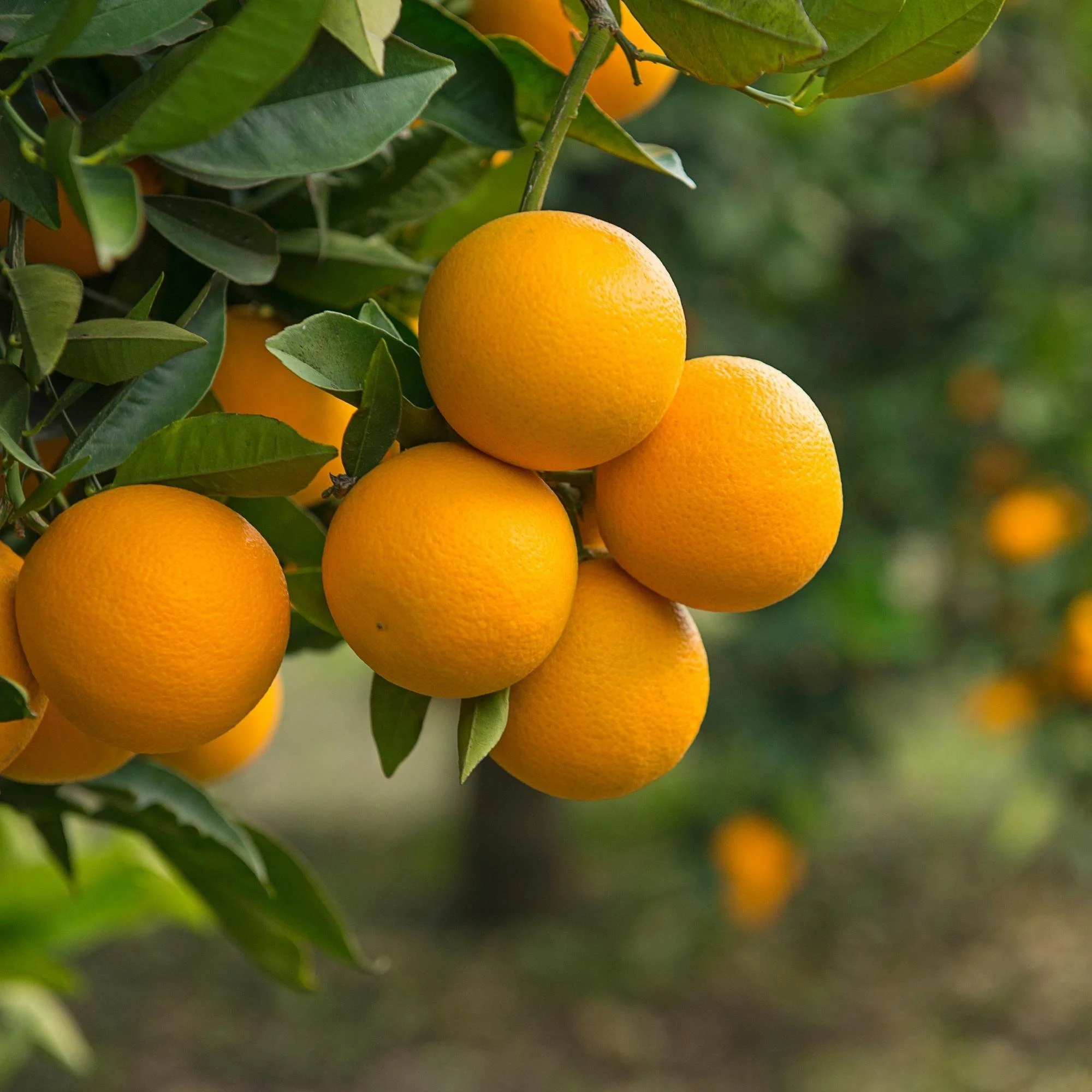 Diller Arizona sweet orangeCitrus sinensis ‘Diller’