
Pluots & interspecifics · Dave Wilson Nursery
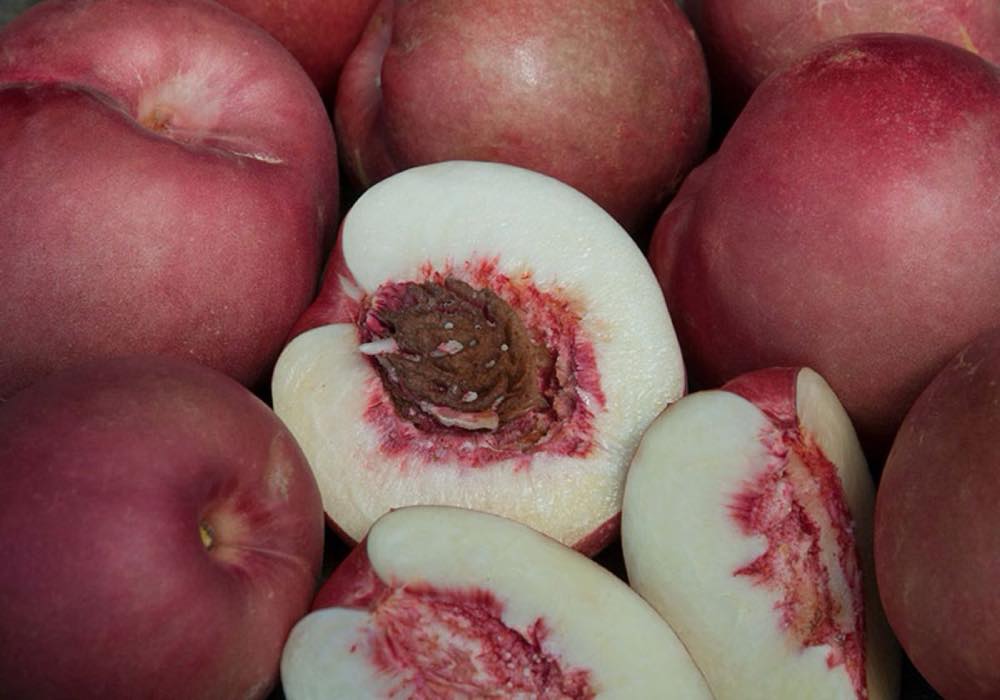
Spice Zee Nectaplum
A white-fleshed nectarine and plum cross with dark maroon skin that turns pale pink when ripe, and a flavor that carries both parents. It is very productive, and the purplish-pink bloom and red new leaves make it a pretty tree. At 200 to 300 hours it suits the low desert. Early bloom is exposed to frost at elevation.
- Chill hours
- 200–300 hours
- Harvest
- Late June to mid July in the low desert
- Pollination
- Self-fruitful; a second peach or nectarine boosts the crop
- Mature size
- 15–20 ft unpruned on Nemaguard or Lovell; easy to hold at 8–10 ft with summer pruning
Which one
Every pluots & interspecific side by side
Same fruit, different seasons and different jobs. Pick the row that fits your ground and your calendar.
| A white-fleshed nectarine and plum cross with dark maroon skin that turns pale pink when ripe, and a flavor that carries both parents. It is very productive, and the purplish-pink bloom and red new leaves make it a pretty tree. At 200 to 300 hours it suits the low desert. Early bloom is exposed to frost at elevation. | A peach, apricot and plum cross with slightly fuzzy yellow skin blushed red and mildly sweet amber flesh under a tart skin. It ripens in early summer. The apricot side means early bloom, so frost can cost you the crop in some years at mid elevation, and Phoenix is short on the 500 hours it wants. Plant it near an apricot or a Flavor Grenade pluot. | A plum and sweet cherry cross with dark speckled red skin, amber and red flesh and a flavor all its own. The fruit hangs well, so the harvest runs long, peaking around mid August. At up to 500 hours it is a mid elevation tree and a gamble in Phoenix. Pair it with Sweet Treat or Burgundy. | A taste-test favorite with creamy white and red freestone flesh and a plum-apricot flavor, on skin that dapples from green-yellow to maroon. It needs a second plum or pluot nearby, such as Santa Rosa or Burgundy. At 400 to 500 hours it is a mid elevation tree and marginal in Phoenix. Thin the crop well. | A low chill pluot bred from Dapple Dandy and Flavor Supreme, with red-dappled skin and sweet red flesh. At about 300 hours it suits the low desert and ripens ahead of the deepest summer heat. It needs another pluot or a Japanese plum nearby, and Santa Rosa or Burgundy are easy choices. A newer variety, so the local record is short. | A Japanese plum and cherry-plum cross with tangy, clingstone fruit and very heavy crops, even in a hard year. It is a good one for tougher spots. Delight and Sprite pollinate each other, so plant them as a pair. At about 400 hours it works in the low desert and at mid elevation. | A late pluot with purplish-red skin, juicy amber-red flesh and a complex flavor, ripening from mid September and edible into October. The upright tree sets large crops. At 500 hours it is a mid elevation tree, best on a warm, low-frost site since it ripens late. Marginal in Phoenix. | Long, green, red-blushed fruit with a crisp texture and a big, punchy flavor, and a taste-test winner. It hangs on the tree for a month or more, so you can pick over several weeks. At 300 to 400 hours it works in the low desert, though it ripens in late summer heat, and it suits mid elevation too. It needs Santa Rosa, Burgundy or another pluot nearby. | The best-known pluot, with reddish-purple skin, crimson flesh and a spicy, sweet flavor on a naturally smaller tree. It will not set fruit without a Japanese plum or another pluot, so plant Santa Rosa or Burgundy alongside. At 400 hours or fewer it works in the low desert, where late summer ripening means watching for sunburn, and it suits mid elevation. | A late-ripening pluerry, a plum and cherry cross, with orange skin blushed red, red-orange flesh and an intense flavor. The fruit hangs for weeks into fall. Plant it at mid elevation with a mid to late blooming plum or pluot nearby. In Phoenix, 500 hours is a stretch. | A candy-sweet pluot with greenish-yellow skin and amber-orange flesh and a long harvest through the summer. It needs another plum or pluot for pollination, but Flavor King is not a match, so use Burgundy or Dapple Dandy instead. At 400 to 500 hours it is a mid elevation tree and marginal in Phoenix. | A plum-apricot hybrid with sweet, richly flavored, firm red flesh and greenish-maroon mottled skin, ripening about two weeks ahead of Santa Rosa. It needs real winter chill, 700 to 800 hours, so it is a mid elevation tree and not a Phoenix one. Plant Santa Rosa or another pluot alongside it. | A very heavy-bearing pluot with red skin and yellow flesh, balanced between acid and sugar with a plum-apricot flavor. It ripens in mid summer, just ahead of Flavor Queen, and at about 400 hours it works in the low desert and at mid elevation. It also pollinates other plums and pluots, though it still needs a second tree for its own crop. | A Japanese plum and cherry-plum cross, sweet and freestone with no sourness, and refreshing to eat fresh. The ripe fruit holds on the tree for three or four weeks. Sprite and Delight pollinate each other, so plant them as a pair. At about 400 hours it works in the low desert and at mid elevation. | An early pluerry, a plum and cherry cross, with red skin and yellow flesh, ready in mid June in a mild climate. It is a newer variety, so there is little Arizona track record. It needs a mid to late blooming plum or pluot nearby, such as Flavor King. Treat it as a mid elevation tree, since 500 hours is a stretch in Phoenix. | A plum and cherry cross that tastes like a sweet cherry with a bright plum snap. The fruit is bigger than a cherry and a little smaller than a plum, and the colorful tree is almost ornamental. At 200 to 300 hours it is one of the best-fitting pluerries for the low desert. The fruit hangs for over a month. | A plum and cherry cross that tastes like a sweet cherry with a bright plum snap. The fruit is bigger than a cherry and a little smaller than a plum, and the colorful tree is almost ornamental. At 200 to 300 hours it is one of the best-fitting pluerries for the low desert. The fruit hangs for over a month. | |
|---|---|---|---|---|---|---|---|---|---|---|---|---|---|---|---|---|---|
| Harvest | Late June to mid July in the low desert | Late June to July at mid elevation | Late July to August at mid elevation | Late July to August at mid elevation | Mid June to early July in the low desert | Late June to July in the low desert | September to October at mid elevation | Mid August to September in the low desert | Mid July to mid August in the low desert | September to October at mid elevation | Late July to August at mid elevation | Late June to July at mid elevation | Late June to mid July in the low desert | Late June to July in the low desert | June to early July at mid elevation | Early June to early July in the low desert | Early June to early July in the low desert |
| Chill hours | 200–300 hours | 500 hours | 500 hours or less | 400–500 hours | 300 hours | 400 hours | 500 hours | 300–400 hours | 400 hours or less | 500 hours or less | 400–500 hours | 700–800 hours | 400 hours or less | 400 hours | 500 hours or less | 200–300 hours | 200–300 hours |
| Pollination | Self-fruitful; a second peach or nectarine boosts the crop | Needs a partner such as Blenheim or Gold Kist apricot, or Flavor Grenade pluot | Needs a partner such as Sweet Treat Pluerry or Burgundy plum | Needs a partner such as Santa Rosa, Burgundy or Flavor King pluot | Needs a partner such as Flavorosa pluot, Santa Rosa or Burgundy plum | Needs a partner: Sprite cherry-plum (they pollinate each other) | Needs a partner such as Santa Rosa, Burgundy or Flavor Grenade pluot | Needs a partner such as Santa Rosa, Burgundy or Flavor King pluot | Needs a partner such as Santa Rosa, Burgundy or Late Santa Rosa | Needs a partner such as Flavor King pluot or Emerald Beaut plum | Needs a partner such as Burgundy plum or Dapple Dandy; not Flavor King | Needs a partner such as Santa Rosa, Late Santa Rosa or Geo Pride | Needs a partner such as Santa Rosa plum or Dapple Dandy pluot | Needs a partner: Delight cherry-plum (they pollinate each other) | Needs a partner such as Flavor King pluot or Emerald Beaut plum | Needs a partner such as Santa Rosa, Burgundy or Flavor King | Needs a partner such as Santa Rosa, Burgundy or Flavor King |
| Mature size | 15–20 ft unpruned on Nemaguard or Lovell; easy to hold at 8–10 ft with summer pruning | 10–15 ft unpruned on Citation; easy to hold at 8 ft with summer pruning | 12–18 ft on Citation; easy to hold at 8–10 ft with summer pruning | 12–18 ft on Citation, 20–25 ft on Myro 29C; easy to hold at 8–10 ft with summer pruning | 12–18 ft on Citation; easy to hold at 8–10 ft with summer pruning | 12–18 ft on Citation; easy to hold at 8–10 ft with summer pruning | 20–25 ft unpruned on Myro 29C; easy to hold at 8–10 ft with summer pruning | 12–18 ft on Citation, 20–25 ft on Myro 29C; easy to hold at 8–10 ft with summer pruning | 12–18 ft on Citation, 20–25 ft on standard rootstock; easy to hold at 8–10 ft with summer pruning | 12–18 ft on Citation; easy to hold at 8–10 ft with summer pruning | 12–18 ft on Citation, 20–25 ft on Myro 29C; easy to hold at 8–10 ft with summer pruning | 12–18 ft on Citation, 20–25 ft on Myro 29C; easy to hold at 8–10 ft with summer pruning | 12–18 ft on Citation; easy to hold at 8–10 ft with summer pruning | 12–18 ft on Citation; easy to hold at 8–10 ft with summer pruning | 12–18 ft on Citation; easy to hold at 8–10 ft with summer pruning | 12–18 ft on Citation; easy to hold at 8–10 ft with summer pruning | 20–25 ft unpruned on Myro 29C; easy to hold at 8–10 ft with summer pruning |
| From | $31 | $40 | $33 | $28 | $39 | $39 | $33 | $28 | $25 | $42 | $33 | $30 | $36 | $39 | $33 | $40 | $34 |
Where this tree sits
Pluots & interspecifics sit in the lower canopy layer.
Lower canopy
Fruit trees kept below the tall ones. Most of this year's program lives here, held to eight or ten feet by summer pruning.
Other options in the lower canopy layer
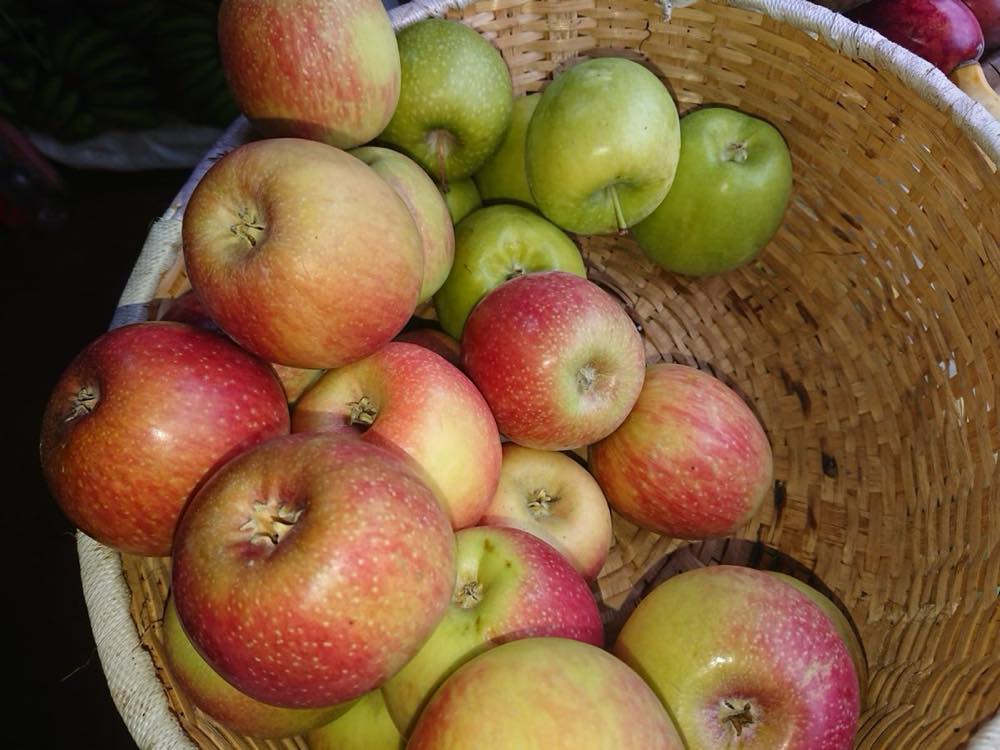
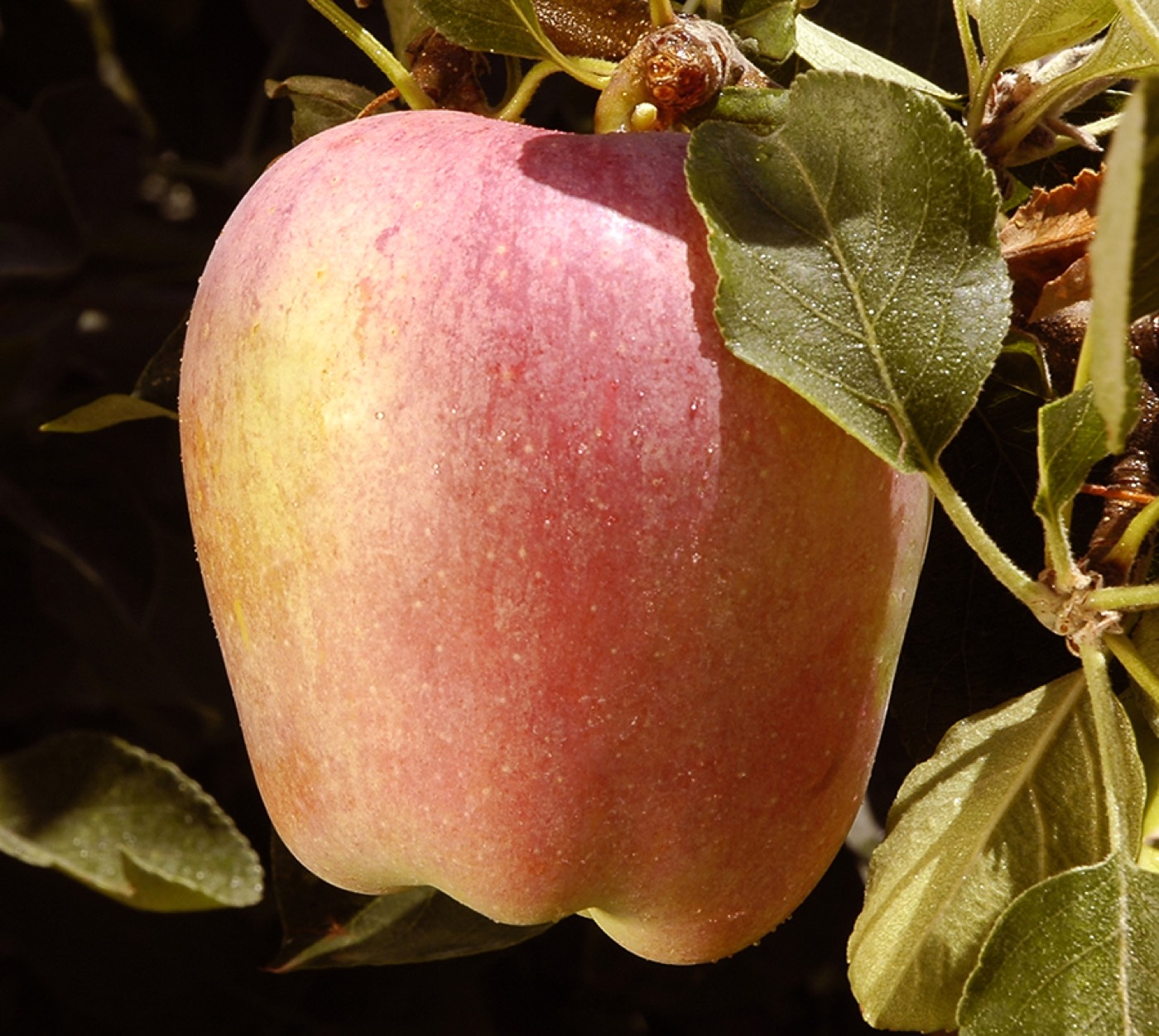 ApplesIn this year's order
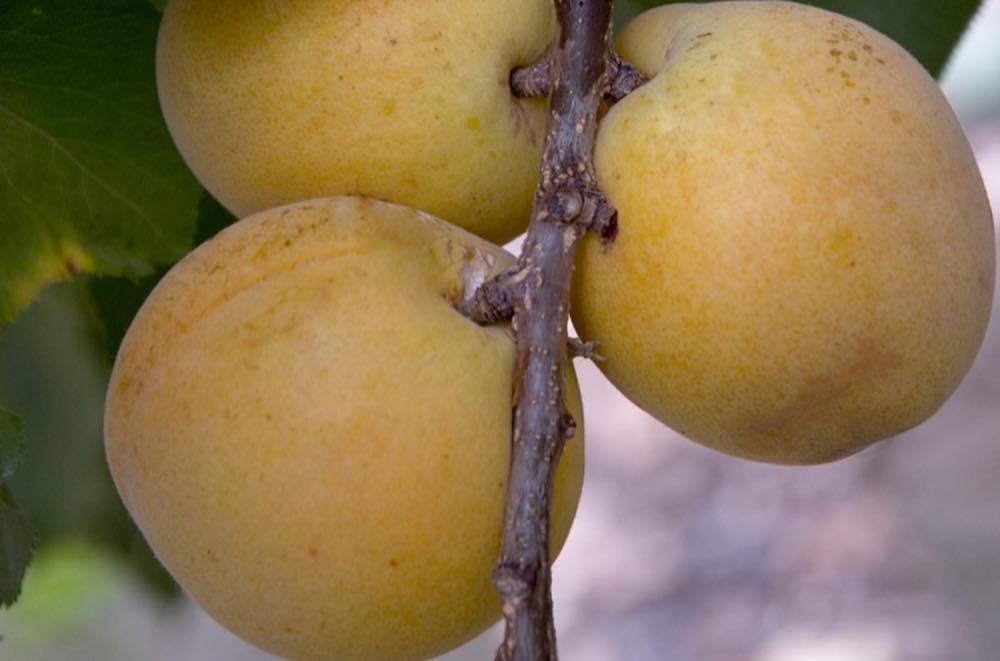 ApricotsIn this year's order
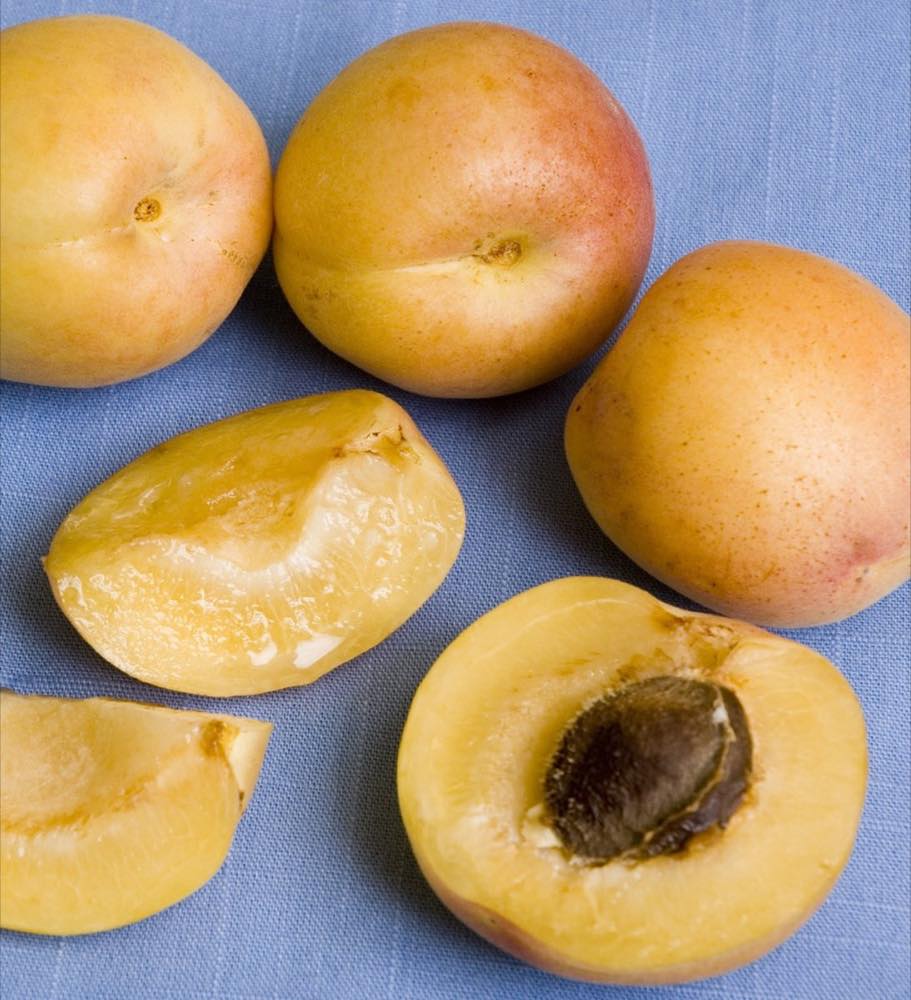 ApriumsIn this year's order
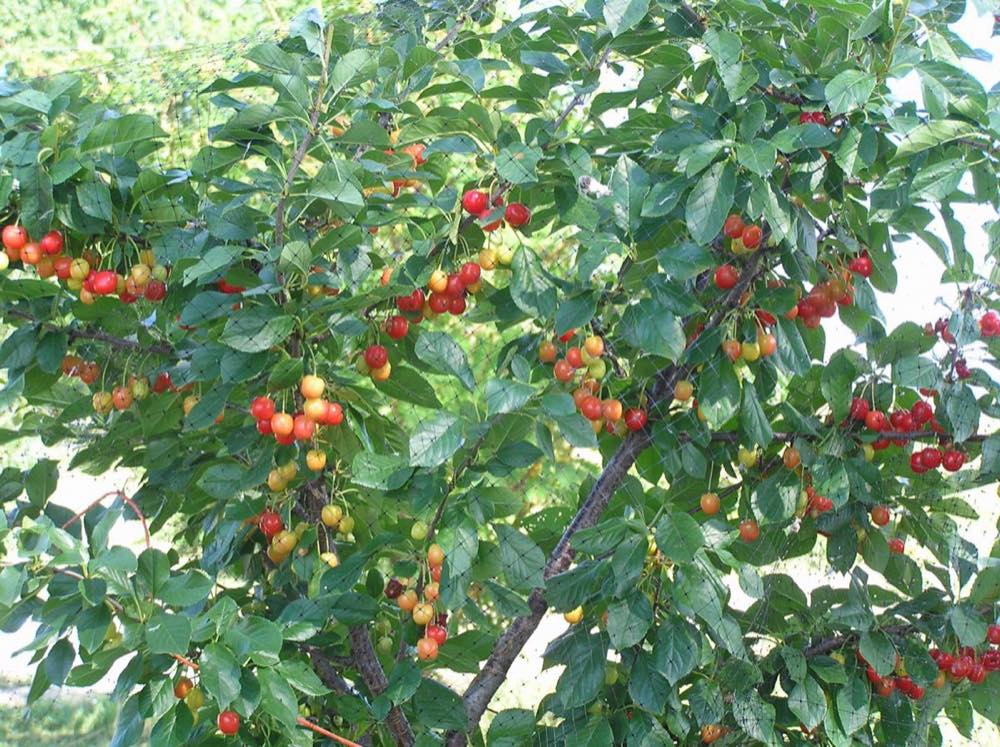 CherriesIn this year's order
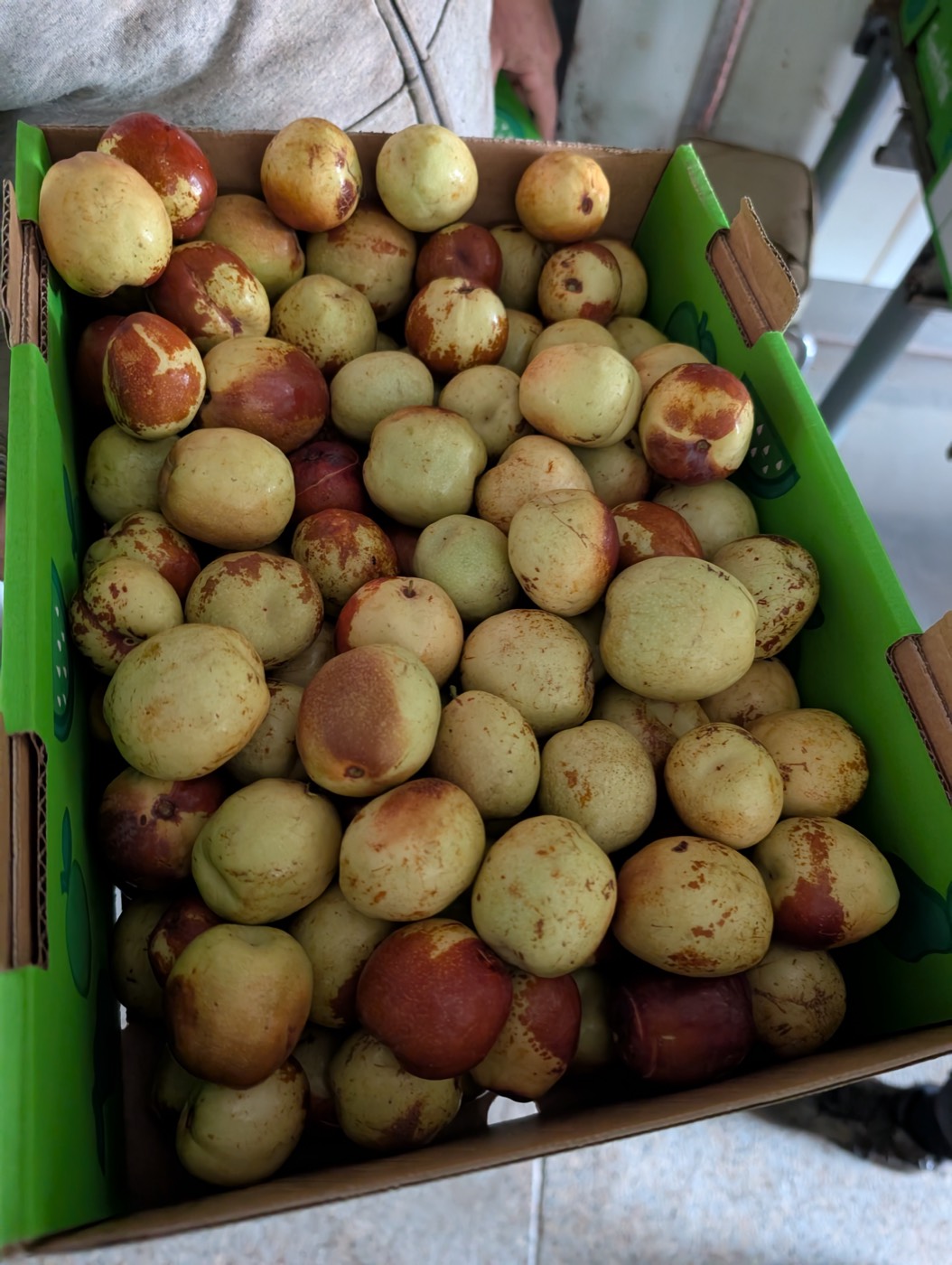 JujubesIn this year's order
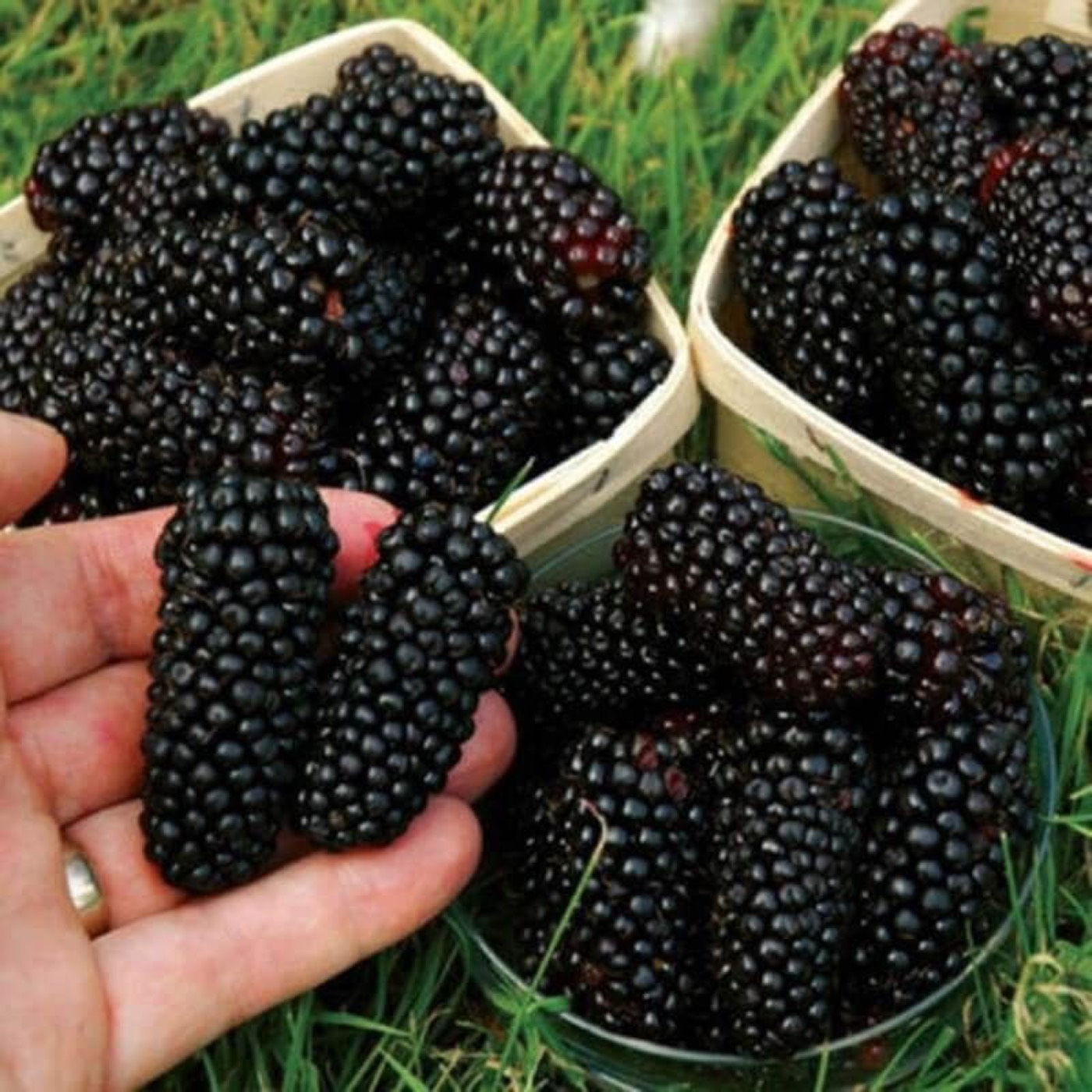 MulberriesIn this year's order
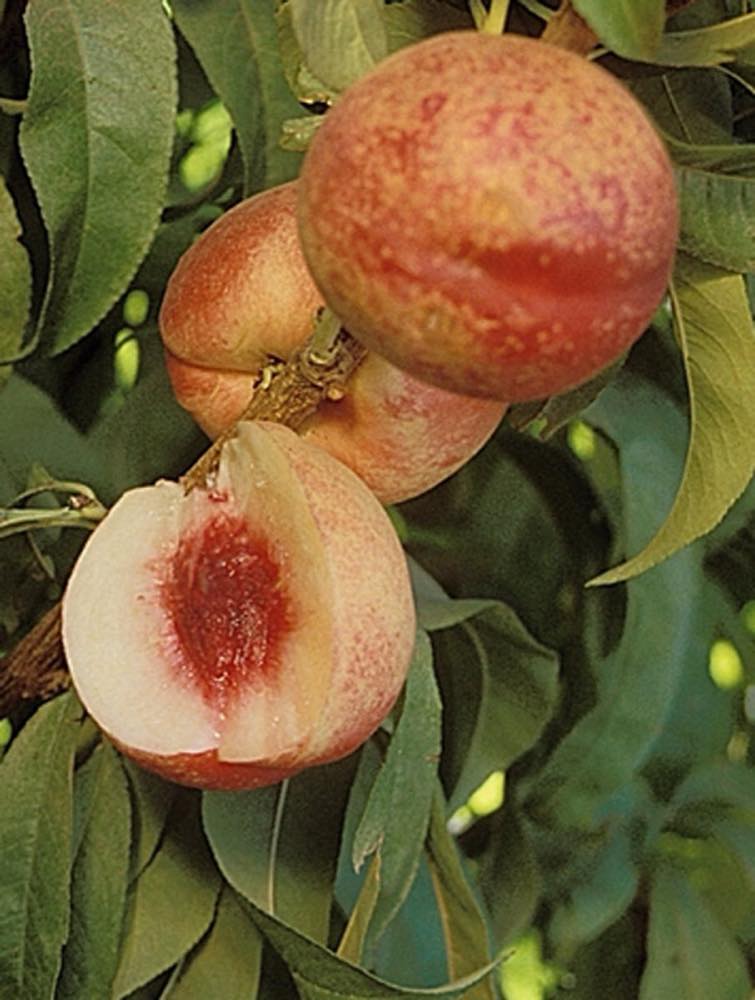 NectarinesIn this year's order
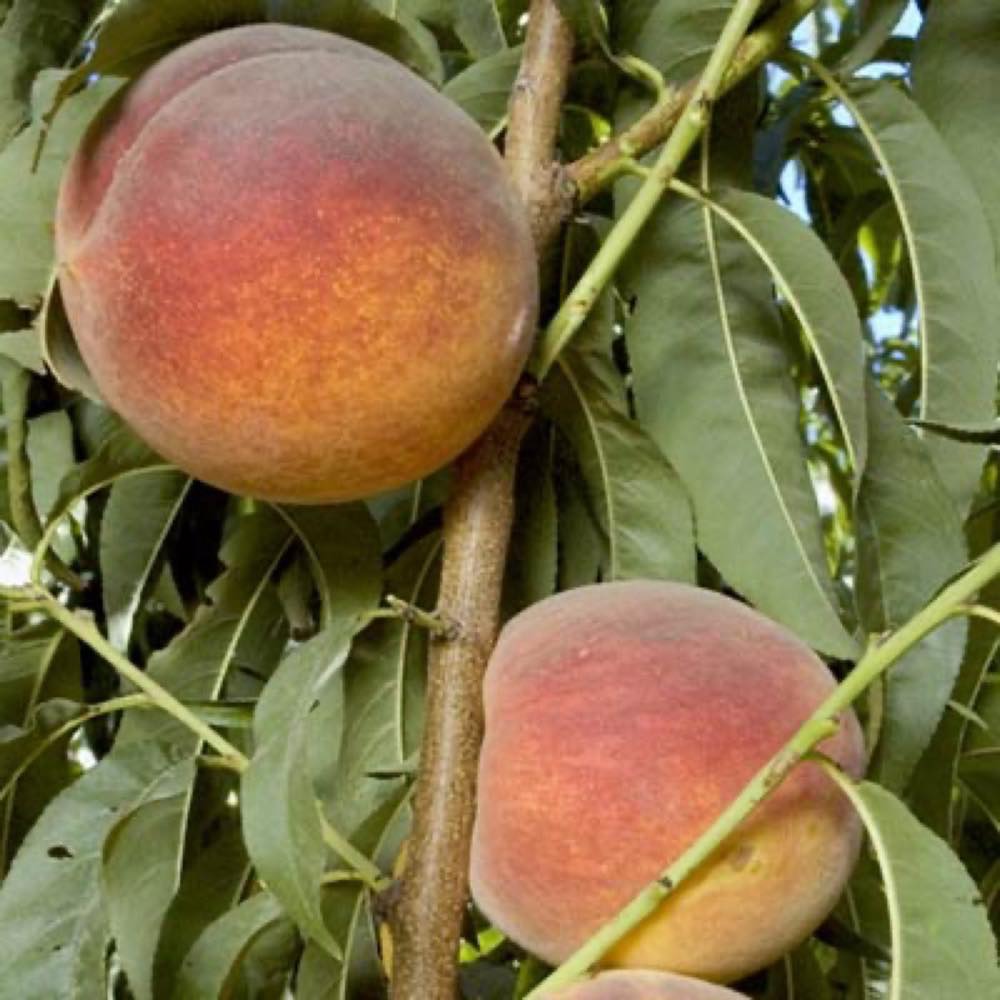 PeachesIn this year's order
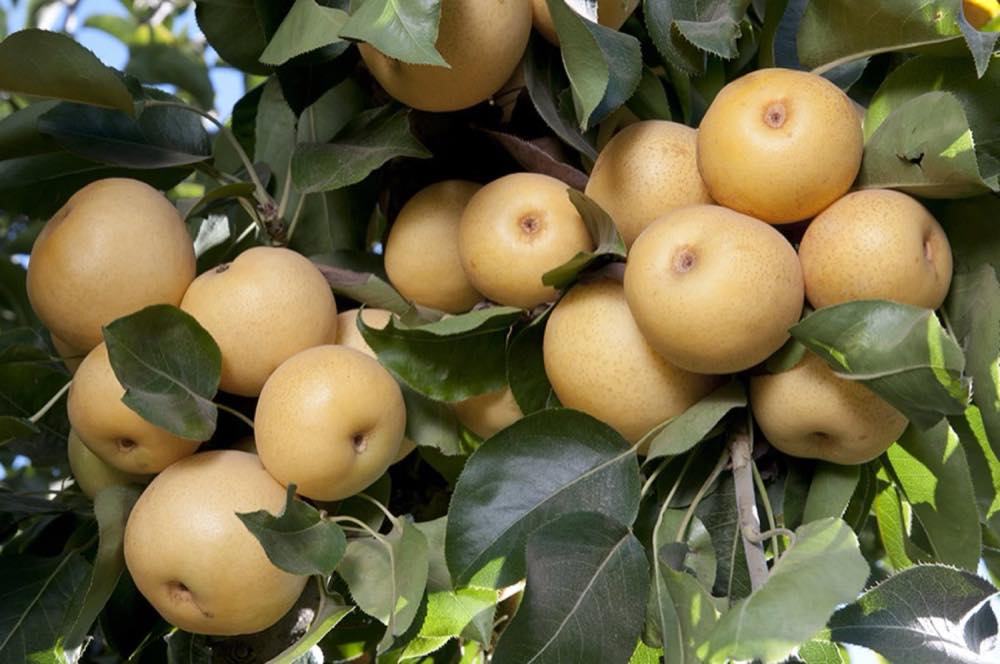 Asian pearsIn this year's order
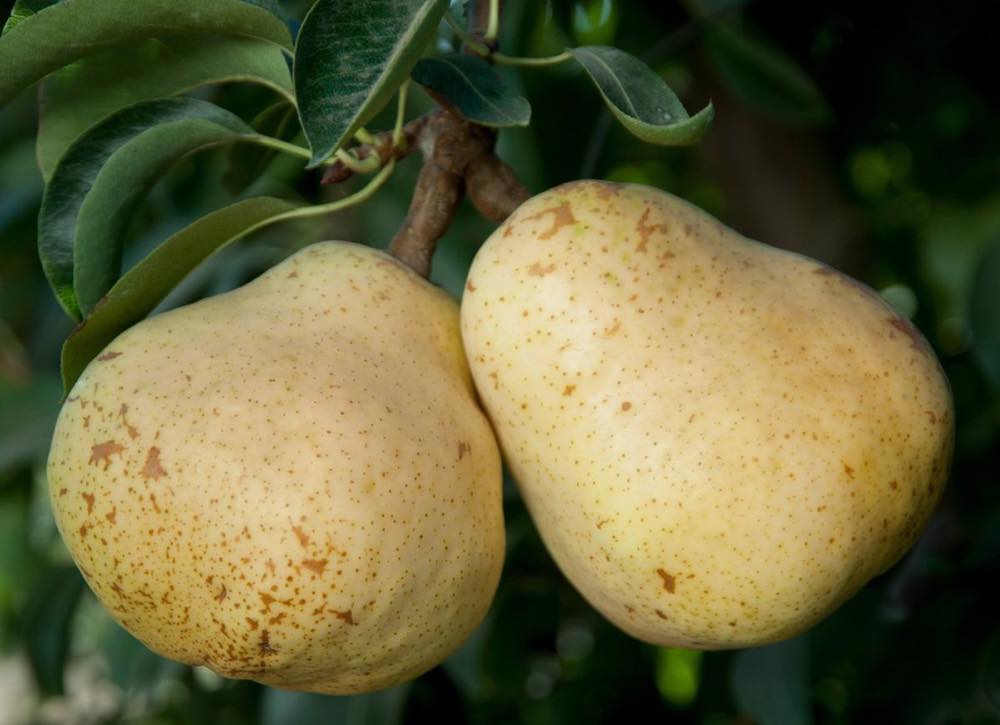 PearsIn this year's order
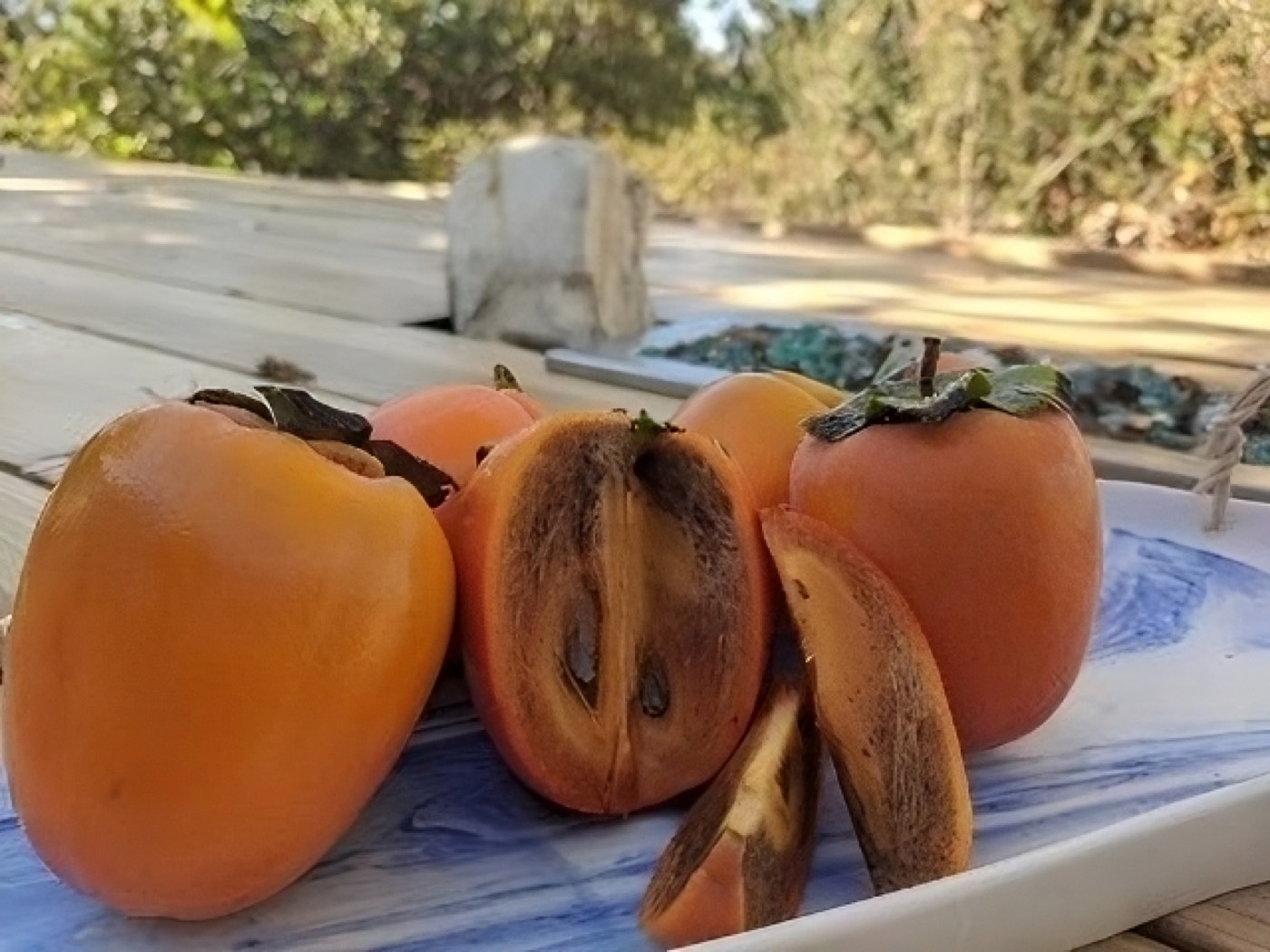 PersimmonsIn this year's order
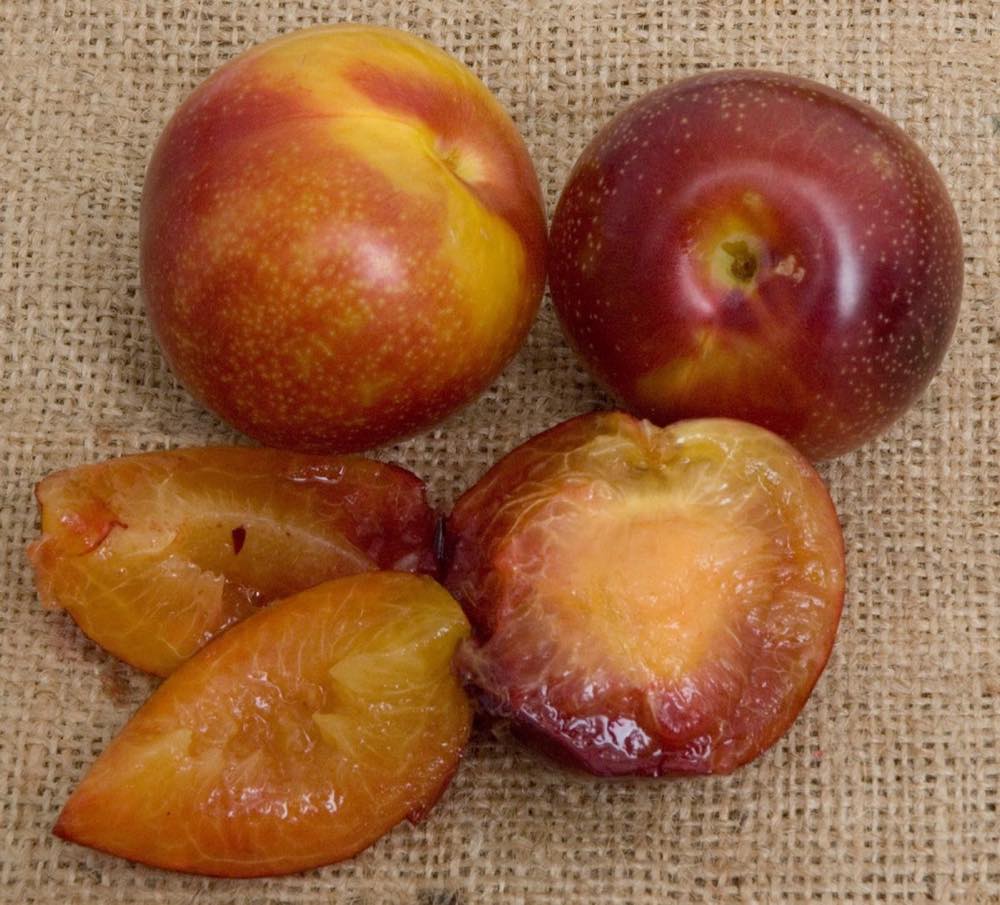 PlumsIn this year's order
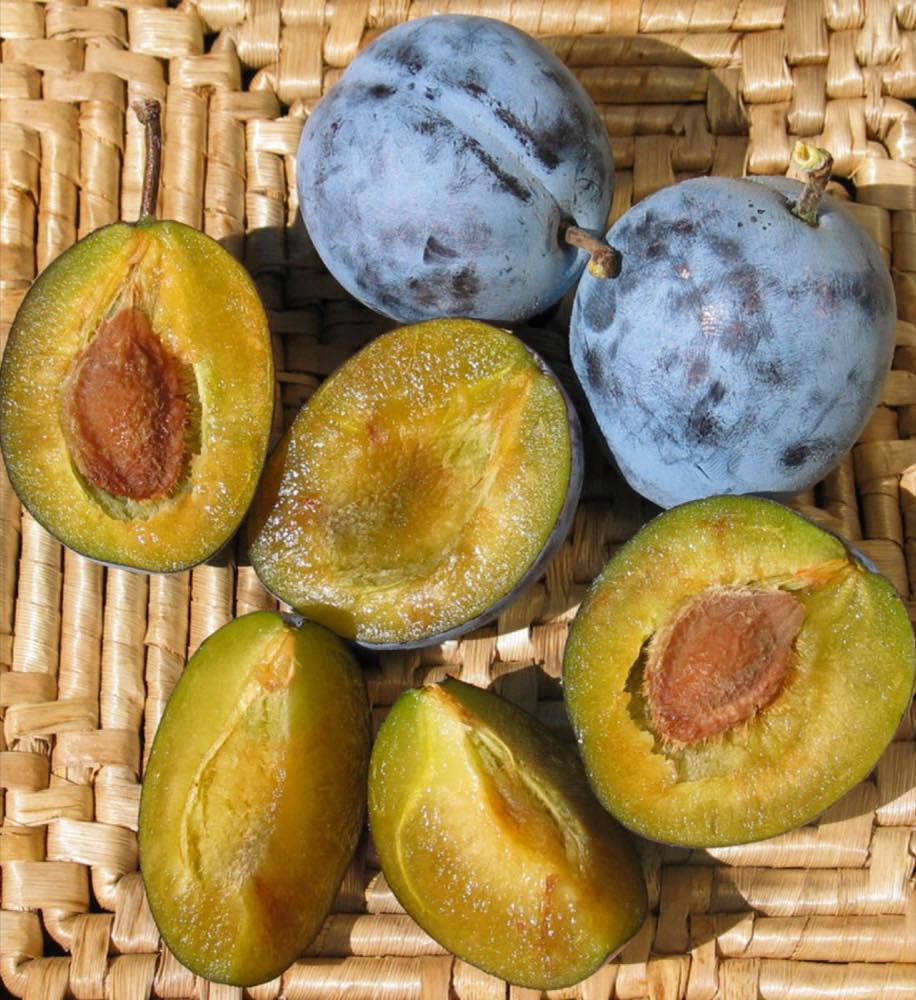 PrunesIn this year's order
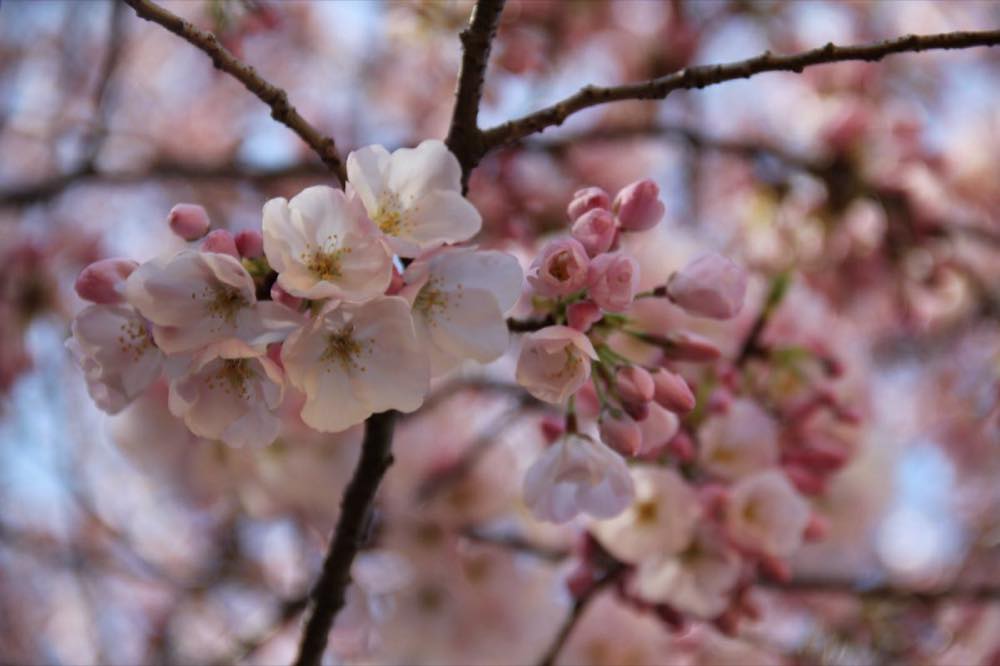 Flowering treesIn this year's order
 Multi-graftedIn this year's order
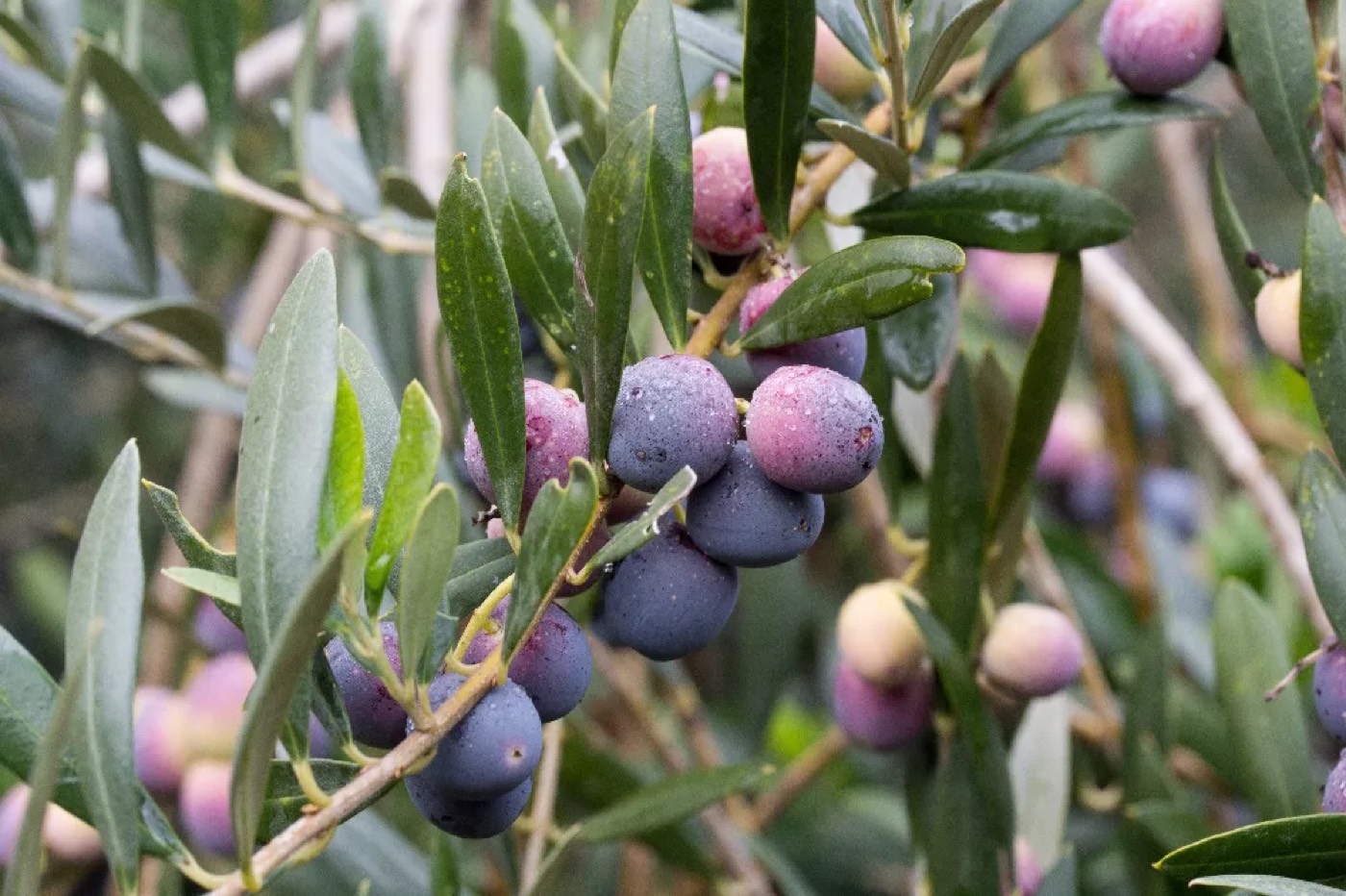 OlivesIn this year's order
Not in the current wholesale fruit tree program. Add it to your wishlist or a future wholesale preorder.
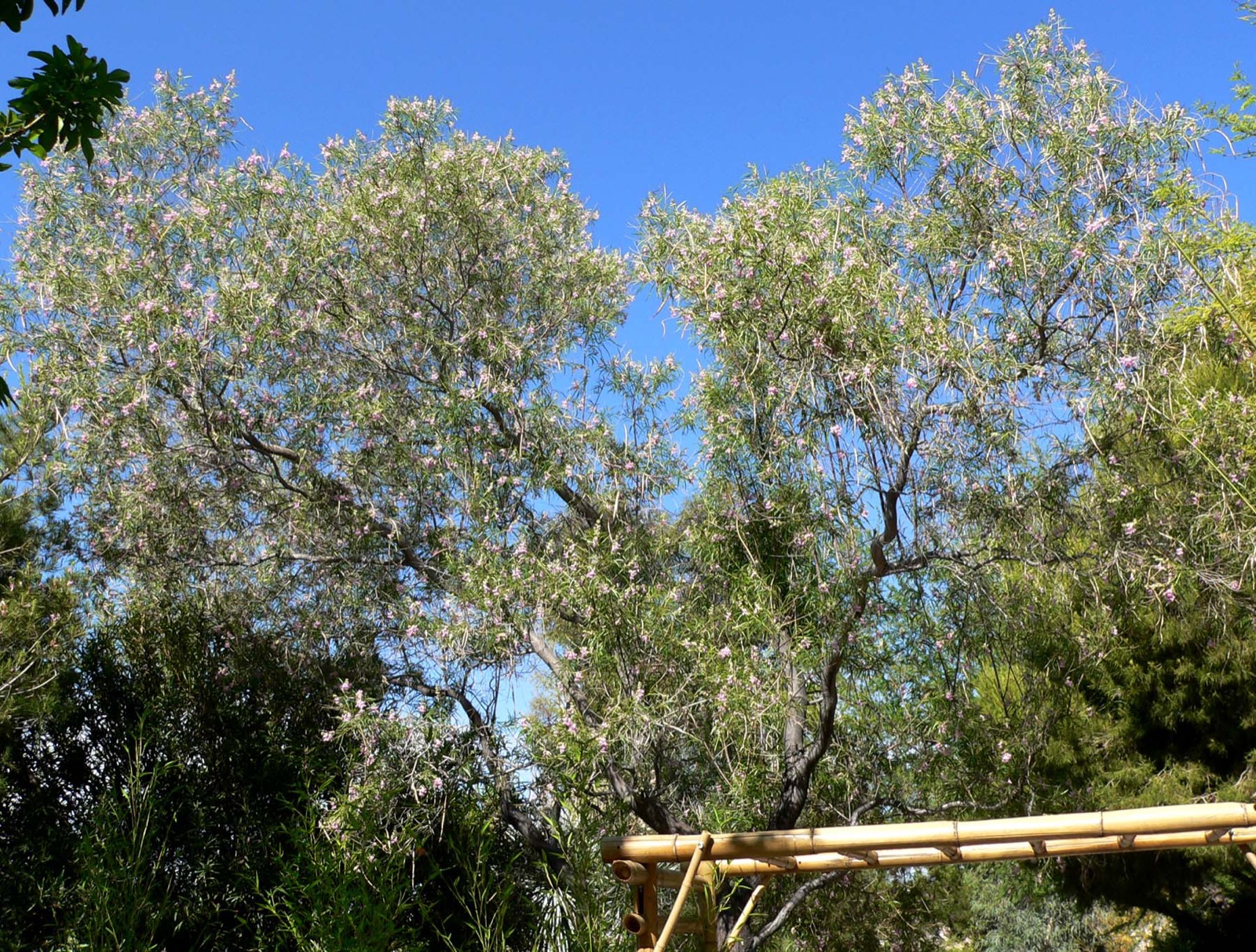 Desert willowChilopsis linearis
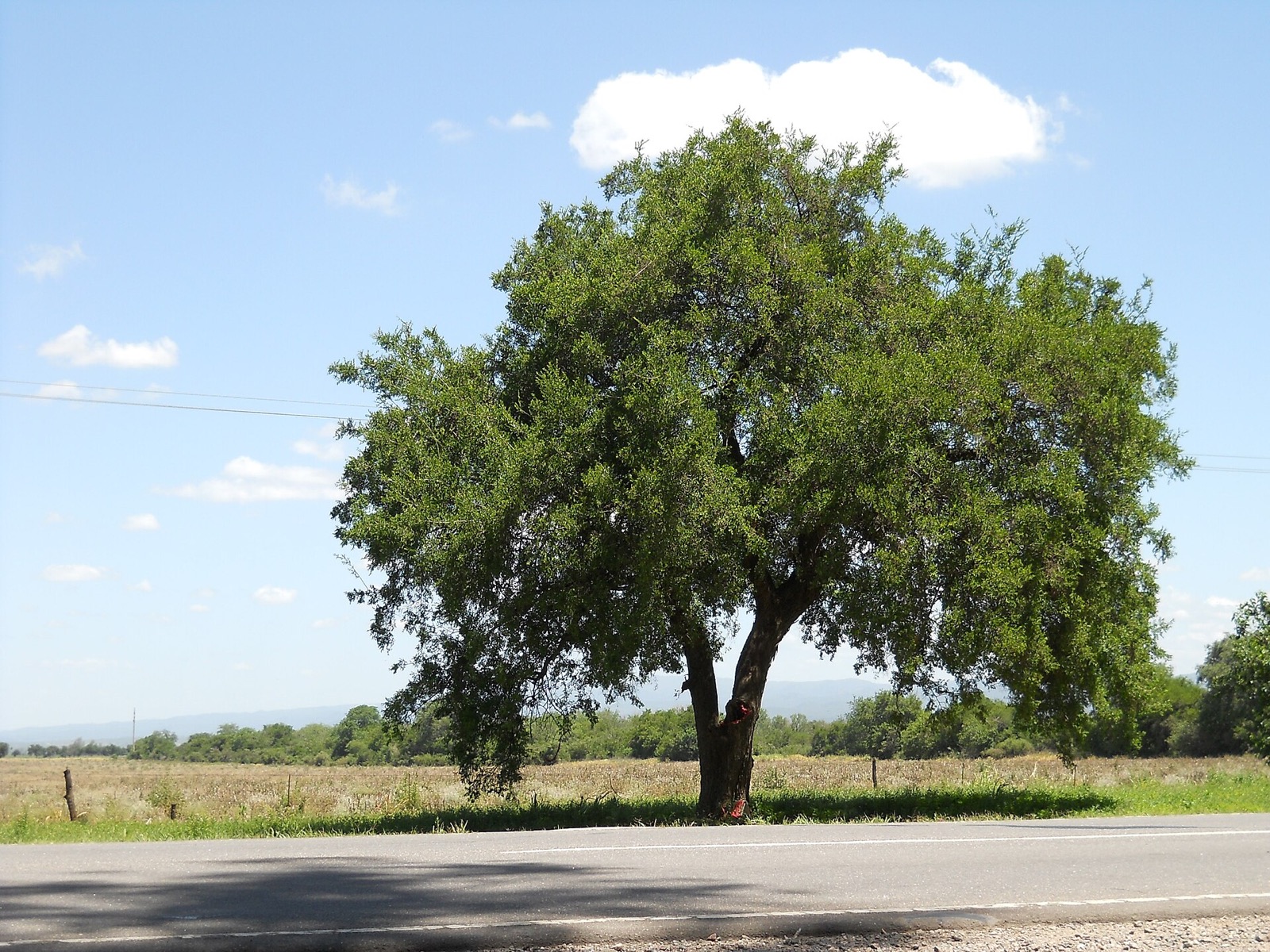 Desert hackberryCeltis pallida
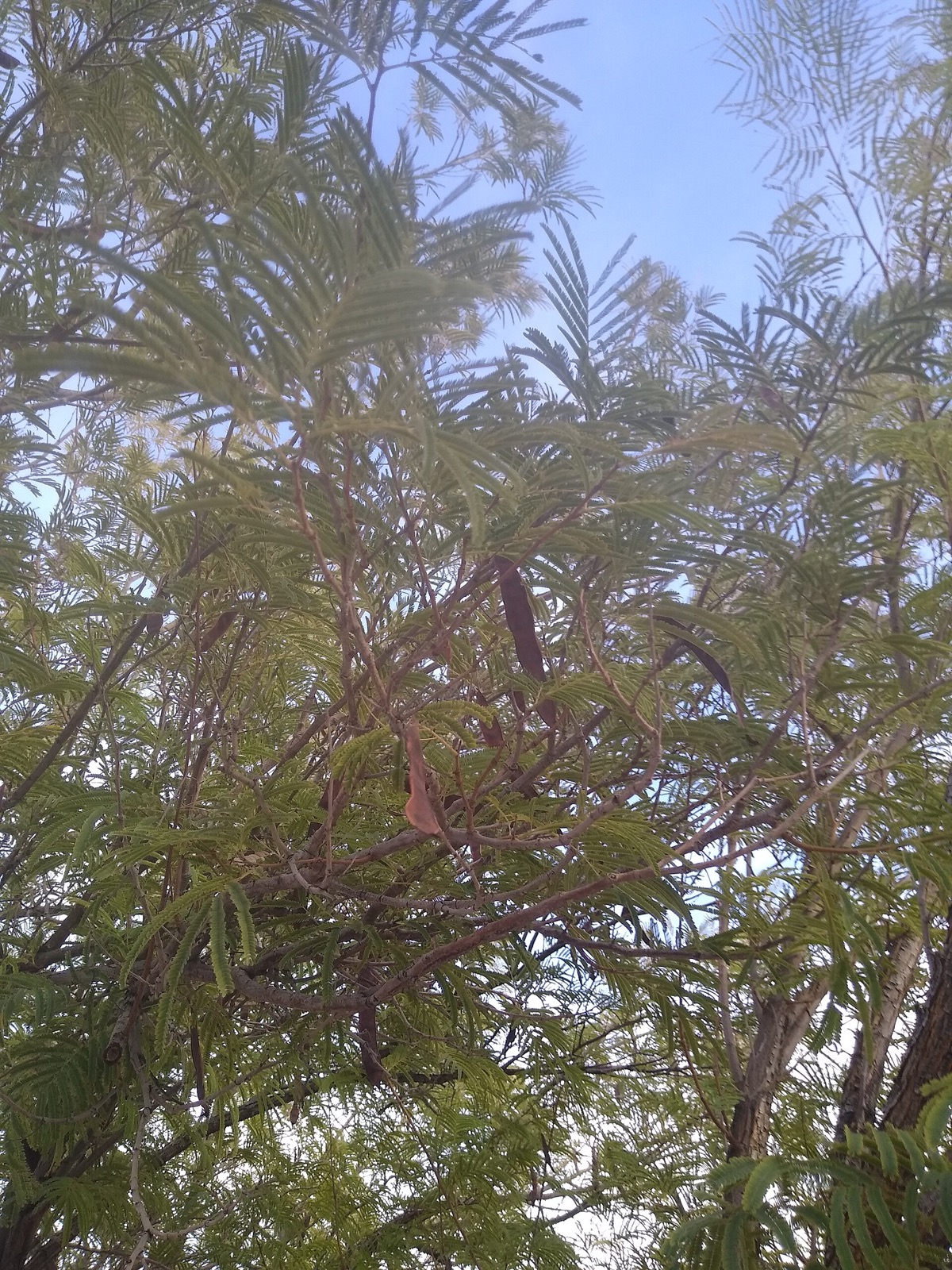 Desert fernLysiloma watsonii
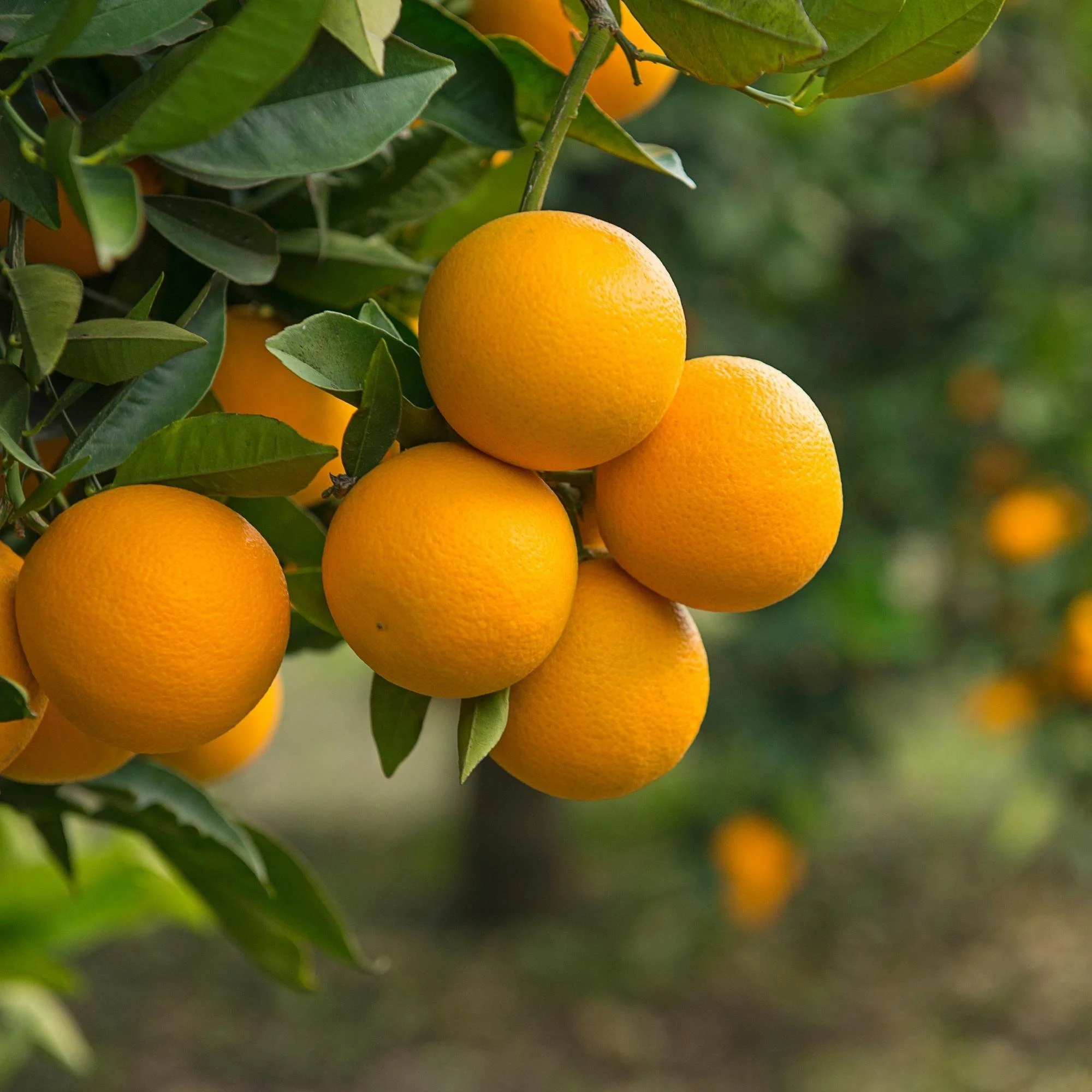 Diller Arizona sweet orangeCitrus sinensis ‘Diller’