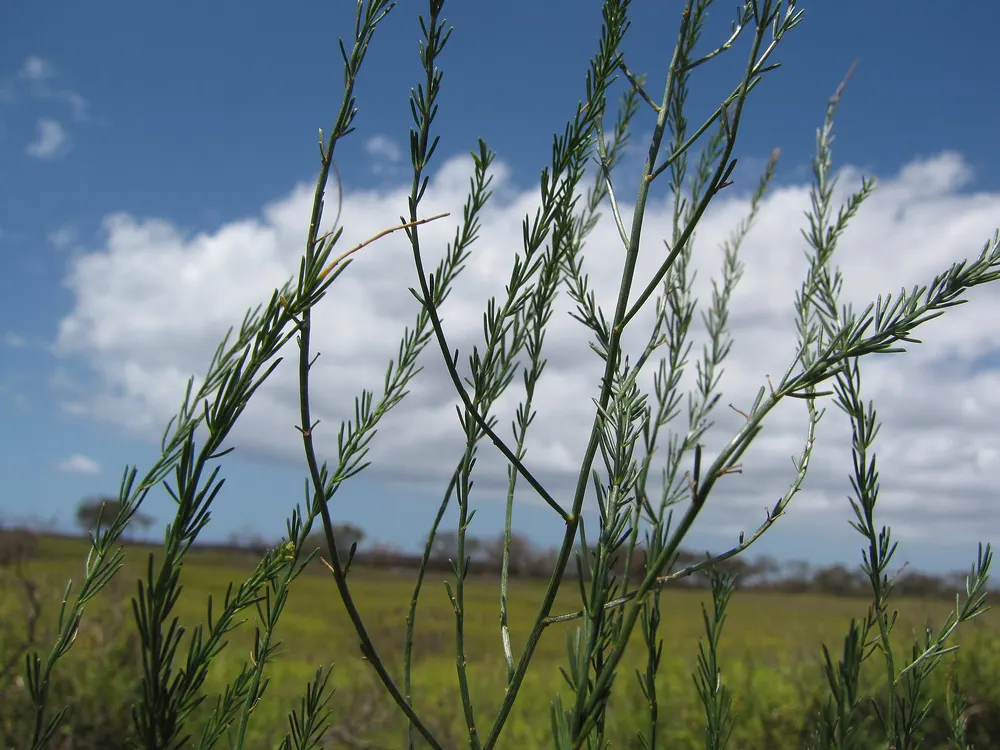
A permanent bed, not a quick winter vegetable. Let spears fern out after the spring harvest to rebuild crowns; plan for irrigation and summer fern growth.
EdibleCool-season crop
Growing spaceVegetable bedClimate fitUrban core · USDA 9b–10a · Valley suburbs · USDA 9a–9b · Desert outskirts · USDA 8b–9bCrop familyAsparagaceaeLife cycleLong-lived perennialPhoenix planting windowPlant crowns December–February; the Maricopa calendar allows winter transplants.How to plantSet out healthy one-year crowns in a permanent, deeply prepared bed.Plant spacing12–18 in, with room for tall summer fernsFrostDormant crowns tolerate winter cold; tender emerging spears can be frost-damaged.Time to harvestWait 2–3 years for substantial harvestSuccessionMaintain crowns for annual spring harvests.Special categoriesEDIBLETypical harvestSpring spears from established crowns; do not overharvest young beds.
Before you plant
These conditions determine whether it will thrive.
Cold hardinessCover on every frost night
Dormant crowns are fine in winter, but freezing nights damage spears once they're up. Cover emerging spears on frosty nights.
Leaves and wood: damaged below 32°FHeat toleranceTakes full sun and heat
The ferns handle summer as long as they're watered, though growth slows above 85°F. Desert spear harvest runs about December to early April.
A permanent bed, not a quick winter vegetable. Let spears fern out after the spring harvest to rebuild crowns; plan for irrigation and summer fern growth.
Best regional fit: Urban core · USDA 9b–10a, Valley suburbs · USDA 9a–9b, Desert outskirts · USDA 8b–9b.
Light
Sun exposure
Full winter sun; give leafy crops afternoon protection during warm fall and spring weather.
Water
Irrigation
Keep the vegetable root zone evenly moist with regular irrigation; adjust to rain, soil, and temperature rather than using a fixed summer schedule.
Planting & stewardship
How to help Asparagus thrive
1
Prepare a fertile, well-drained bed and keep seed or transplants evenly moist through establishment.
2
Thin to the final spacing; crowding reduces harvest quality.
3
Watch for aphids and caterpillars and protect sensitive growth from a hard freeze.
4
Harvest before sustained spring heat causes bolting or poor quality.