
Permascaping, by Homegrown Foods
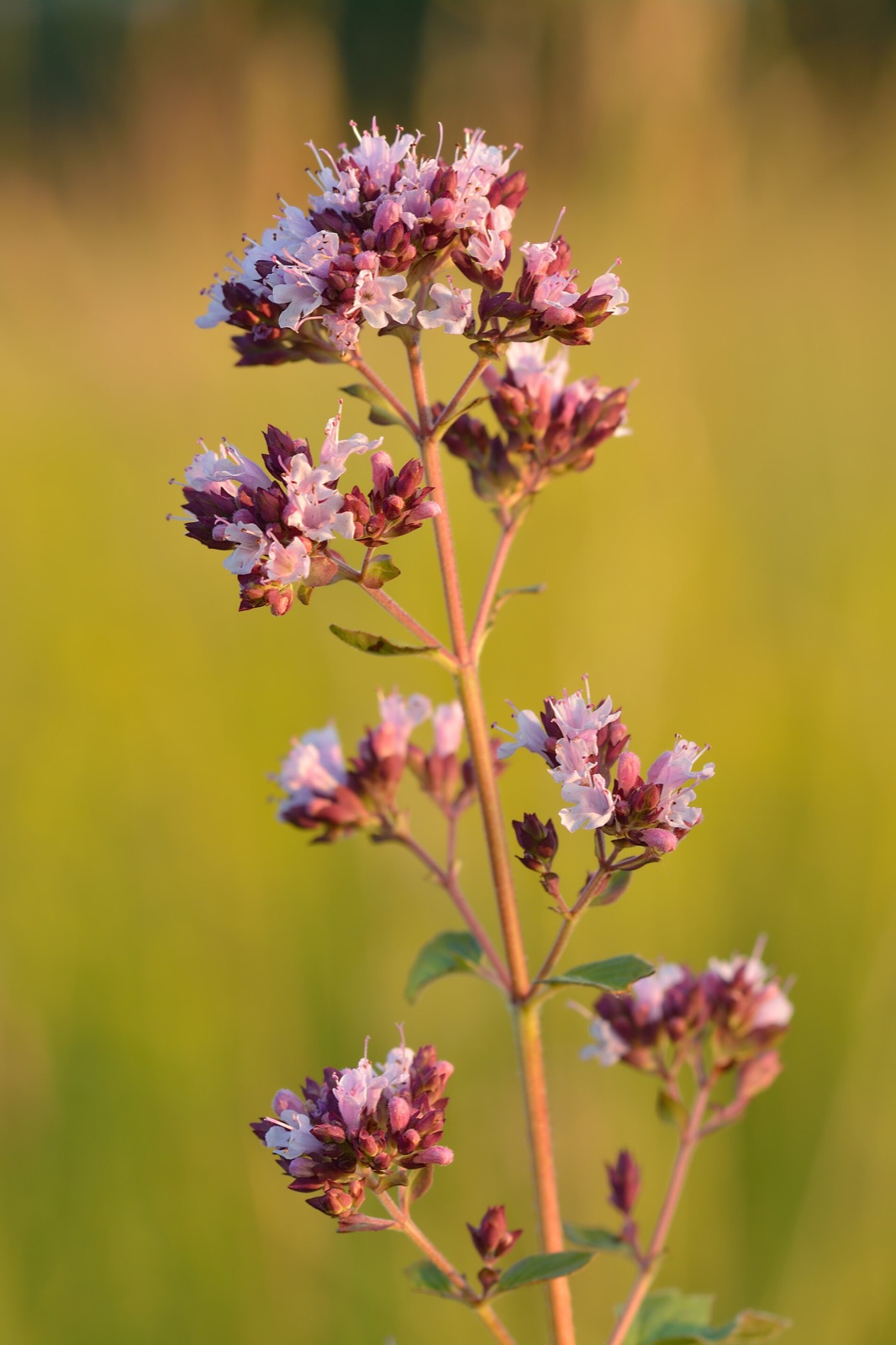
Flowering oregano growing as a spreading herbaceous ground layer

Native & adapted

Oregano

Origanum vulgare

Also known as Wild marjoram Β· Common oregano

A spreading perennial herb that supplies kitchen harvests and nectar-rich flowers where it receives drainage and protection from punishing afternoon heat.

Edible herbPollinatorSpreadingCold hardy
Landscape layersGround cover
Mature size8–24 in. tall Γ— 18–30 in. wide
Climate fitValley suburbs Β· USDA 9a–9b Β· Desert outskirts Β· USDA 8b–9b Β· High desert Β· USDA 6a–8b
Special categoriesPOLLINATOR ATTRACTING Β· EDIBLE
Hardiness guidanceUSDA zones 4–10, depending on selection
Typical harvestHarvest leafy shoots before peak bloom for strongest culinary flavor

Before you plant

These conditions determine whether it will thrive.

Cold hardinessHardy here

Cold hardy well beyond anything Phoenix gets. No frost protection needed.

Heat toleranceShade from late-afternoon sun

Full sun in the cool months, but in summer it does best with afternoon shade. An east exposure is ideal; full west sun will stress it.

Sources: extension.arizona.edu

Right plant, right place

Will Oregano grow at your Arizona property?

A productive understory edge beneath deciduous fruit trees or beside paths. Flowering stems attract small native bees and can be cut back after bloom.

Best regional fit: Valley suburbs Β· USDA 9a–9b, Desert outskirts Β· USDA 8b–9b, High desert Β· USDA 6a–8b.

Light

Sun exposure

Morning sun and afternoon shade in the low desert; full sun is suitable in cooler high-desert gardens.

Water

Irrigation

Moderate during active growth. Let the upper soil begin to dry, then water deeply; do not leave the crown waterlogged.

Harvest

How to use it

Use fresh or dried leaves in sauces, marinades, roasted vegetables, and herb blends.

Planting & stewardship

How to help Oregano thrive

  1. 1

    Begin with a flavorful named culinary selection rather than an ornamental oregano if kitchen use is the goal.

  2. 2

    Mulch the surrounding soil while keeping organic mulch away from the crown.

  3. 3

    Cut stems back after flowering or winter dormancy to refresh the patch.

  4. 4

    Divide an established clump when the center becomes sparse.