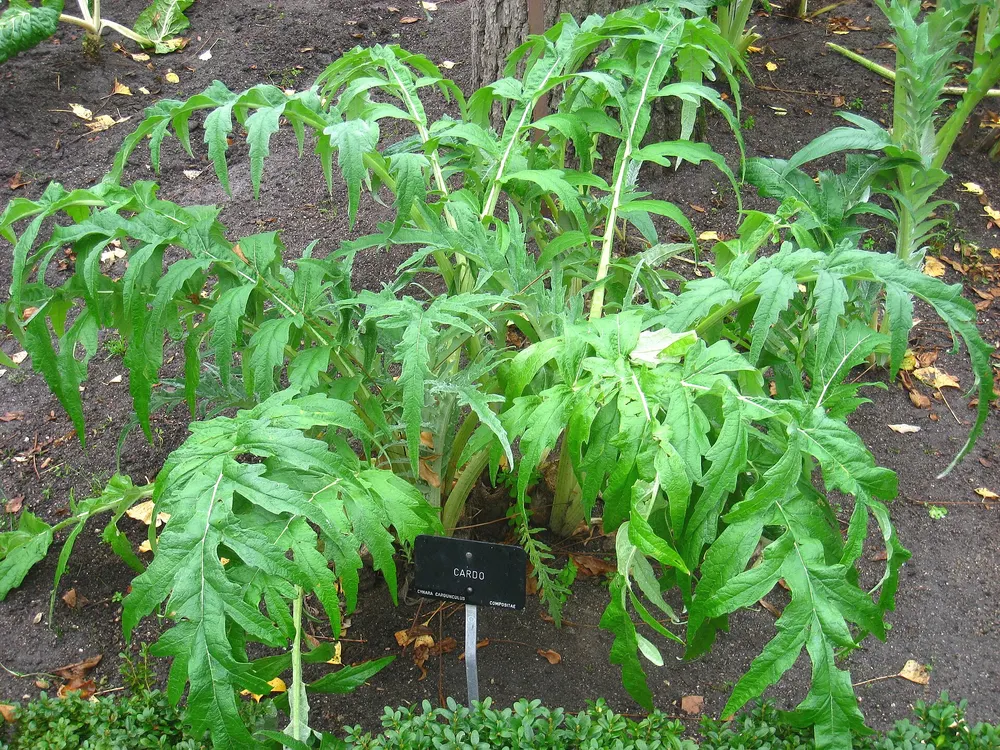
Allow a large footprint and regular water. Harvest unopened flower buds; summer heat can damage crowns, so mulch and afternoon protection help persistence.
EdibleCool-season crop
Growing spaceVegetable bedClimate fitUrban core · USDA 9b–10a · Valley suburbs · USDA 9a–9b · Desert outskirts · USDA 8b–9bCrop familyAsteraceae (daisy)Life cycleShort-lived perennial, sometimes grown as an annual in the low desertPhoenix planting windowStart seed in November–December or transplant January–March.How to plantStart from seed or set out vigorous transplants/crown divisions.Plant spacing3–4 ftFrostEstablished plants handle light frost; protect young transplants during hard freezes.Time to harvestAbout 4–6 monthsSuccessionOne seasonal planting; established crowns can return.Special categoriesEDIBLETypical harvestSpring flower buds before bracts open.
Before you plant
These conditions determine whether it will thrive.
Cold hardinessCover while young
Established plants handle light frost. Protect young transplants during a hard freeze.
Heat toleranceShade from late-afternoon sun
Needs cool weather to make buds, which come in spring. Plants often struggle or go semi-dormant in Phoenix summer heat.
Will Globe artichoke grow at your Arizona property?
Allow a large footprint and regular water. Harvest unopened flower buds; summer heat can damage crowns, so mulch and afternoon protection help persistence.
Best regional fit: Urban core · USDA 9b–10a, Valley suburbs · USDA 9a–9b, Desert outskirts · USDA 8b–9b.
Light
Sun exposure
Full winter sun; give leafy crops afternoon protection during warm fall and spring weather.
Water
Irrigation
Keep the vegetable root zone evenly moist with regular irrigation; adjust to rain, soil, and temperature rather than using a fixed summer schedule.
Planting & stewardship
How to help Globe artichoke thrive
1
Prepare a fertile, well-drained bed and keep seed or transplants evenly moist through establishment.
2
Thin to the final spacing; crowding reduces harvest quality.
3
Watch for aphids and caterpillars and protect sensitive growth from a hard freeze.
4
Harvest before sustained spring heat causes bolting or poor quality.