How to Manage Mealybugs the Permaculture Way
Thumbnail for the Blog & guides card and link previews. Click the photo to replace it; until then the cover photo is used.
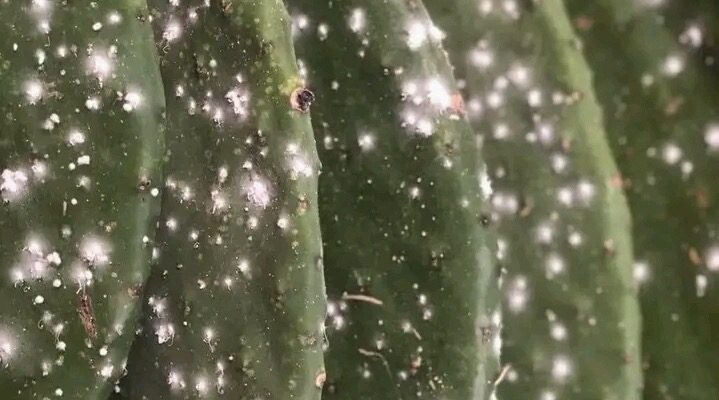
Mealybugs are the little white fuzzy bugs that show up on citrus, hibiscus, grapes, figs, succulents and pretty much anything tender. They're super common in Arizona yards.
Most people grab a spray. We'd ask a different question: why can the mealybugs build up here, and what's stopping their natural enemies from doing their job?
We're not trying to wipe them out. A few mealybugs on a healthy plant are normal. They're also food for the good bugs you want around.
The goal is a yard where mealybugs never get to damaging numbers. Here's the order we'd tackle it in.
1. Break up the ant and mealybug team
Mealybugs make a sugary goo called honeydew, and ants love it. In return, ants protect the mealybugs and chase off the bugs that would eat them.
See a steady line of ants marching up a trunk? That's a farm with a security guard.
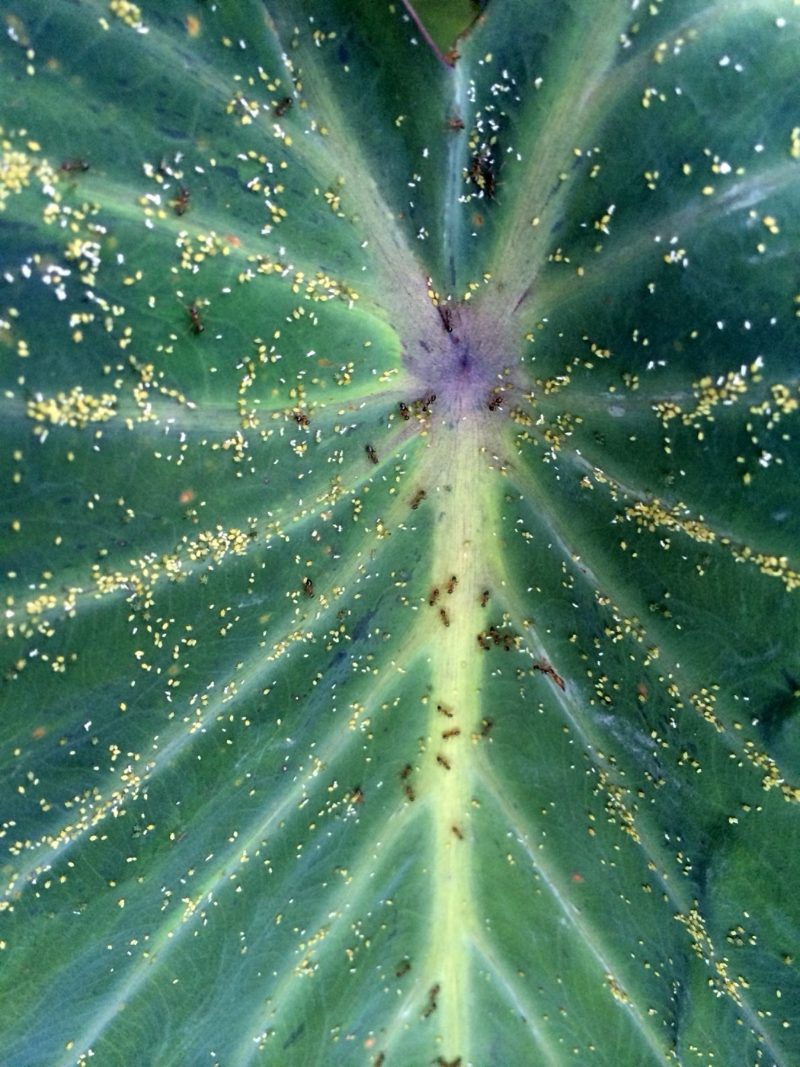
Ants guarding aphids on a leaf. Mealybugs get the same bodyguard treatment.
Cutting off the ants is often the single best move. It lets the good bugs already in your yard get to work.
- Trunk barriers. Wrap tape or tree wrap around the trunk of a fruit tree. Put a sticky barrier product on the wrap, not right on the bark. Check it every week or two and keep it clear of dust, or the ants will walk right over it.
- Remove the bridges. Trim any branch that touches the ground, a wall, a fence or another plant. A barrier won't help if the ants can just walk around it.
- Slow ant baits. Slow-acting, low-dose liquid baits let the ants carry the bait back to their nest. Use bait stations, keep them away from kids and pets, and follow the label. Quick-kill sprays just get the ants you can see.
2. Bring in the good bugs
The best mealybug hunter is a tiny lady beetle called Cryptolaemus montrouzieri. Everybody just calls it the mealybug destroyer. The adults and the fuzzy white babies (larvae) both eat mealybugs.
Lacewings, other lady beetles and tiny stingless wasps help too.
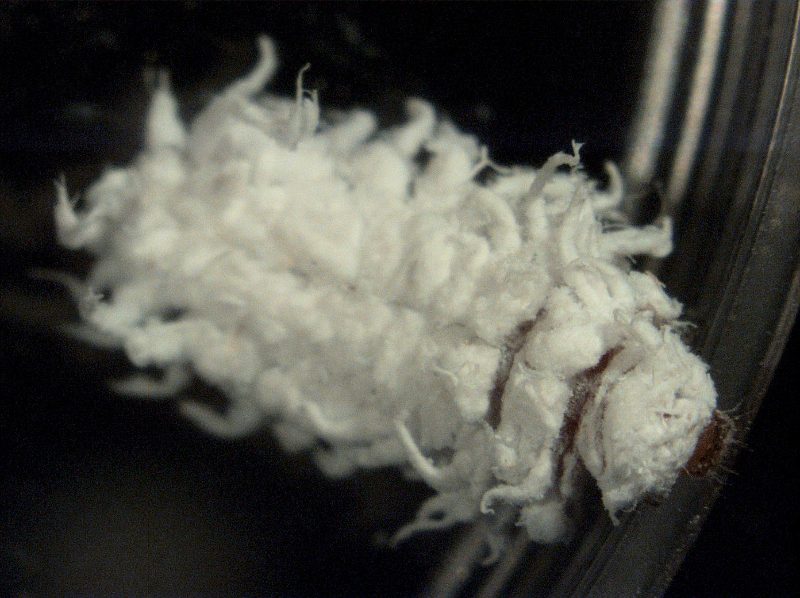
A mealybug destroyer baby. It covers itself in white fuzz so it looks like the mealybugs it eats.
You can buy mealybug destroyers and release them. It works best when there are lots of eggs and baby mealybugs around, since that's what the beetle babies eat.
A few tips for Phoenix:
- Deal with the ants first. If ants are still guarding the colony, the beetles won't get far.
- Release them in the evening or early morning, when it's mild. Spring and fall are better than peak summer or a cold snap.
- Release them right by the problem, and only where you haven't sprayed lately.
3. Plant flowers that feed them
Good bugs need nectar and pollen to stick around and make more good bugs. So plant a mix that blooms at different times of year. You want something flowering all the time.
- Sweet alyssum, cilantro and dill are easy and cheap. Let a few go to flower.
- Native and desert plants like desert marigold and globe mallow bloom reliably and don't need much water. Pick plants that fit your microclimate. You can browse the plant catalog or lay them out in the planting planner.
- Skip the broad-spectrum pesticides. They kill the good bugs first, and mealybugs bounce back faster than their enemies do.
4. Knock back what's already there
The good bugs need time to catch up. In the meantime, thin out the crowd.
- Cut off the worst infested growth and bag it up. Don't leave it lying in the yard.
- Wipe off small clusters, or blast them off with a strong spray of water.
- For stubborn spots, use a labeled insecticidal soap or horticultural oil. It works best on the tiny young mealybugs, called crawlers. Hit them directly, follow the label, and test one small area first.
- Don't spray when it's really hot. Soaps and oils can burn leaves, and Phoenix summers get there fast.
Fix what's causing the outbreak
Once the colony's down, ask why it happened.
- Too much nitrogen. Heavy fertilizer makes soft, fast growth, and mealybugs love it. Go easy, or let our monthly fertilizing service handle it.
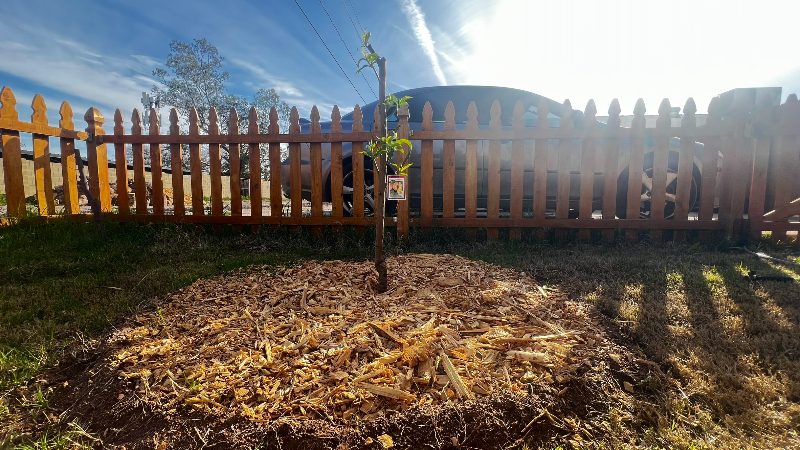
- Dust. Dusty leaves make it harder for the good bugs to do their thing. That's a big deal in the Valley. Rinse your plants off now and then, and cover bare dirt with groundcover and mulch.
- Stressed plants. Steady watering, healthy roots and the right spot make plants tougher. That helps them handle mealybugs, but it won't make the bugs disappear.
- Not enough variety. Don't count on one flower to do it all. Grow a mix so there's food for the good bugs all year.
- New plants. Check anything you bring home, especially from a store. Keep it away from your other plants for a couple of weeks first.
Is it a soil problem?
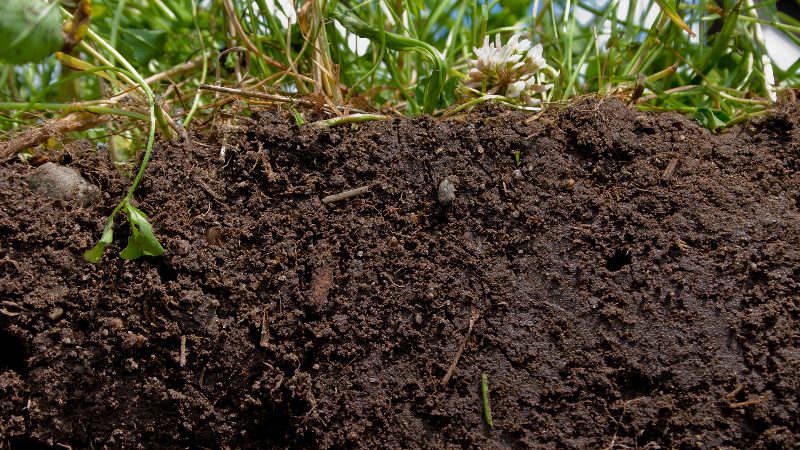
Healthy soil is the base of any permaculture yard. But it won't fix mealybugs on its own. They can thrive on perfectly healthy plants.
The best evidence is for two things: keeping ants off and protecting the good bugs. Start there, and treat soil as backup. Our guide to the 3 principles of healthy living soil covers that side.
The short version
- Stop the ants.
- Bring in or protect the good bugs.
- Plant flowers that feed them all year.
- Clear out the worst of it by hand, with water, or with a gentle spot spray.
- Fix the cause: less nitrogen, less dust, steady water, more variety.
Want a yard that handles its own pests? Request a consultation or start planning your yard for free with our planting planner.